
Land of Mountains, Monasteries, and Biodiversity
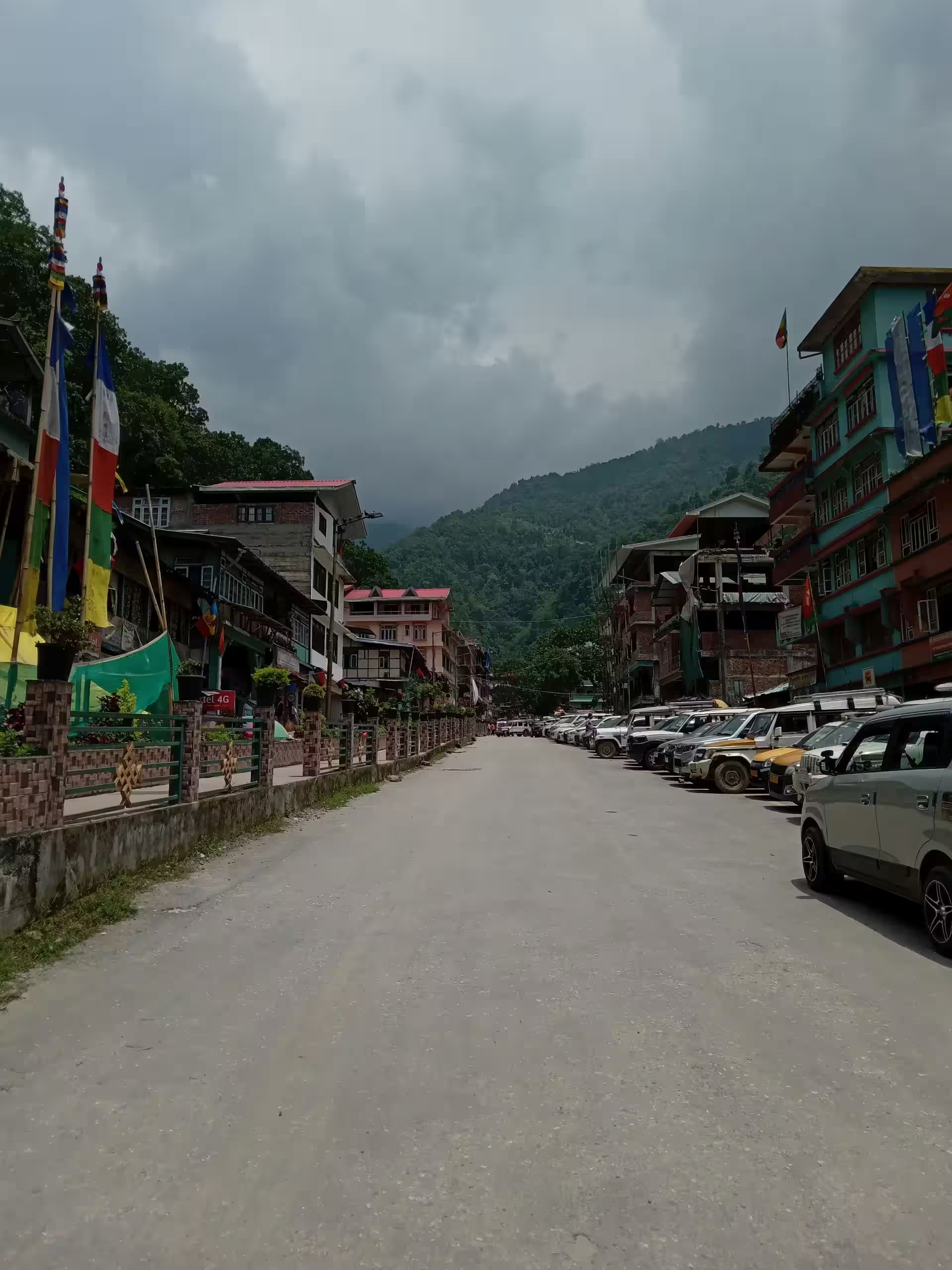
Sikkim, in Northeast India, is a Himalayan state known for its snow-capped peaks, serene valleys, ancient monasteries, and rich biodiversity. With vibrant culture, sacred sites, and adventure activities, Sikkim offers a unique mix of nature, spirituality, and local traditions.
Heritage Towns & Cultural Centers
Gangtok
The state capital with monasteries, cultural centers, and stunning views of the Himalayas.
Pelling
A historic hill town featuring ancient monasteries, scenic viewpoints, and colonial-era architecture.
Yuksom
The first capital of Sikkim, rich in Buddhist heritage and traditional Himalayan architecture.
Namchi
A scenic town known for temples, cultural landmarks, and beautiful surrounding landscapes.
Religious & Spiritual Centers
Rumtek Monastery
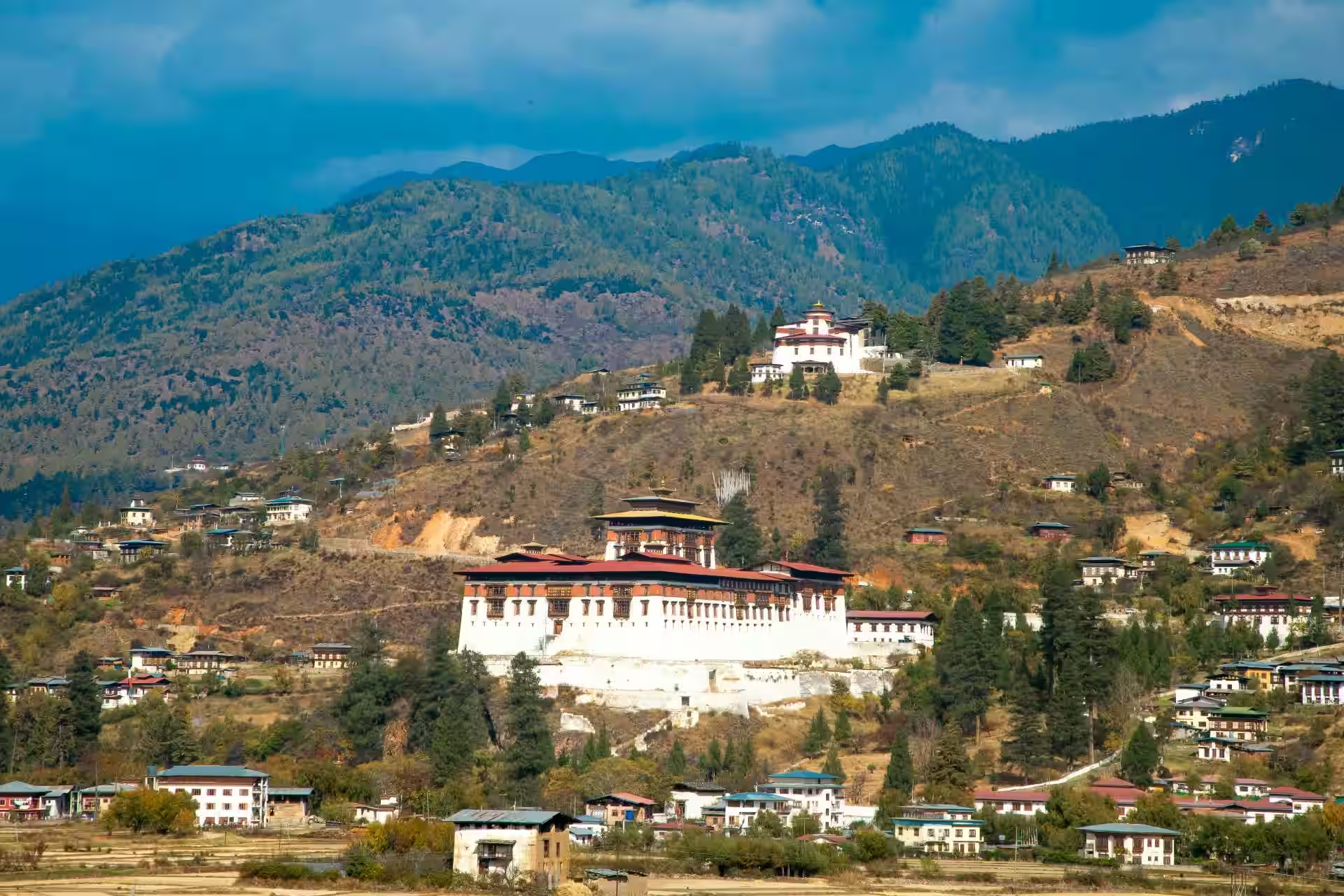
A major Buddhist monastery near Gangtok, famous for its architecture and spiritual significance.
Pemayangtse Monastery
Historic monastery near Pelling, showcasing Buddhist art, murals, and ancient traditions.
Ranka Monastery
A small monastery in scenic hills, preserving local Buddhist practices and customs.
Ancient Monasteries & Cultural Heritage Sites
Enchey Monastery
A historic Buddhist monastery in Gangtok, important for religious rituals and annual festivals.
Dubdi Monastery
One of Sikkim’s oldest monasteries, showcasing traditional Buddhist architecture and heritage.
Ranka Heritage Sites
Traditional temples and cultural areas preserving centuries-old Buddhist practices and local traditions.
Natural Landscapes & Scenic Attractions
Tsomgo Lake
A glacial lake in the Himalayas, surrounded by snow-capped peaks, famous for reflections and yak rides.
Nathula Pass
A high mountain pass on the India-China border, offering snow-capped vistas and panoramic views.
Yumthang Valley
Also called the Valley of Flowers, with meadows, hot springs, rhododendrons, and scenic landscapes.
Ravangla Hills
Hilly region with forest trails, viewpoints, and opportunities for trekking and nature walks.
Most Visited Locations
Wildlife & National Parks
Gangtok, Tsomgo Lake, and Rumtek Monastery
01
Khangchendzonga
A UNESCO World Heritage site protecting glaciers, high-altitude flora, and endangered species.
02
Fambong Lho
Hilly forest reserve near Gangtok, known for birds, red pandas, and lush vegetation.
03
Barsey Rhododendron
Hills and valleys filled with rhododendrons, rare mammals, and trekking trails.
Cultural Experiences & Tribal Heritage
- Sikkim is home to Lepcha, Bhutia, and Nepali communities.
- Traditional dances, music, and festivals highlight local culture and customs.
- Monastic festivals like Losar and Bumchu showcase spiritual traditions.
- Village life, handloom crafts, and local cuisine offer authentic cultural experiences.
Cuisine & Handicrafts
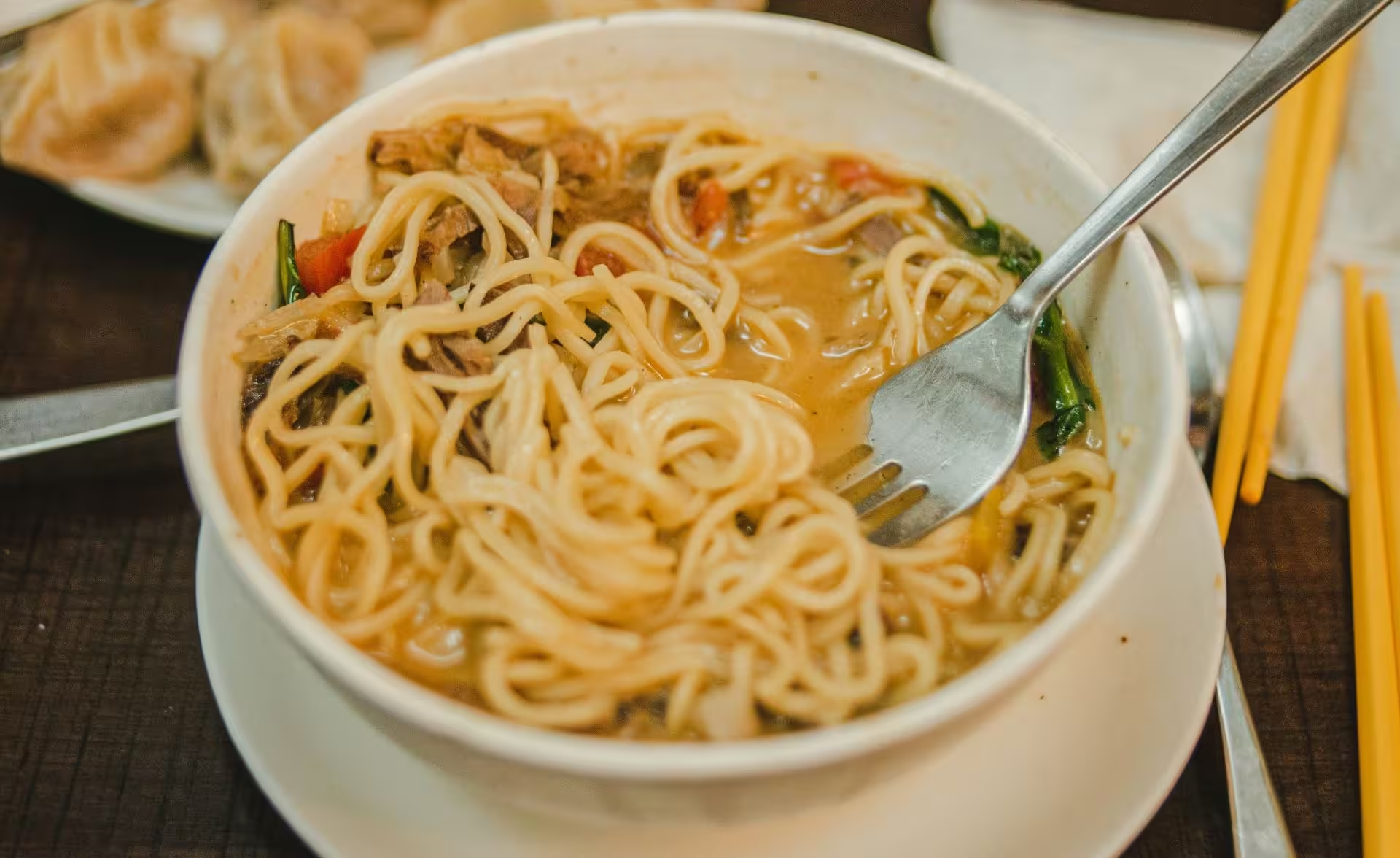
Cuisine
Rice-based meals with vegetables, meats, and herbs, including Momos, Thukpa, Gundruk, and Chhurpi.
Handicrafts
Handwoven textiles, bamboo crafts, Buddhist artifacts, and wood carvings reflecting Sikkimese culture.
Best Time to Visit Sikkim
October to April
Mild weather with blooming flowers, ideal for sightseeing and trekking.
March to May
Clear skies, pleasant temperatures, and excellent views of the Himalayan peaks.
June to September
Cold winter months with snow in higher altitudes, perfect for adventure and snow experiences.
Why Visit Sikkim
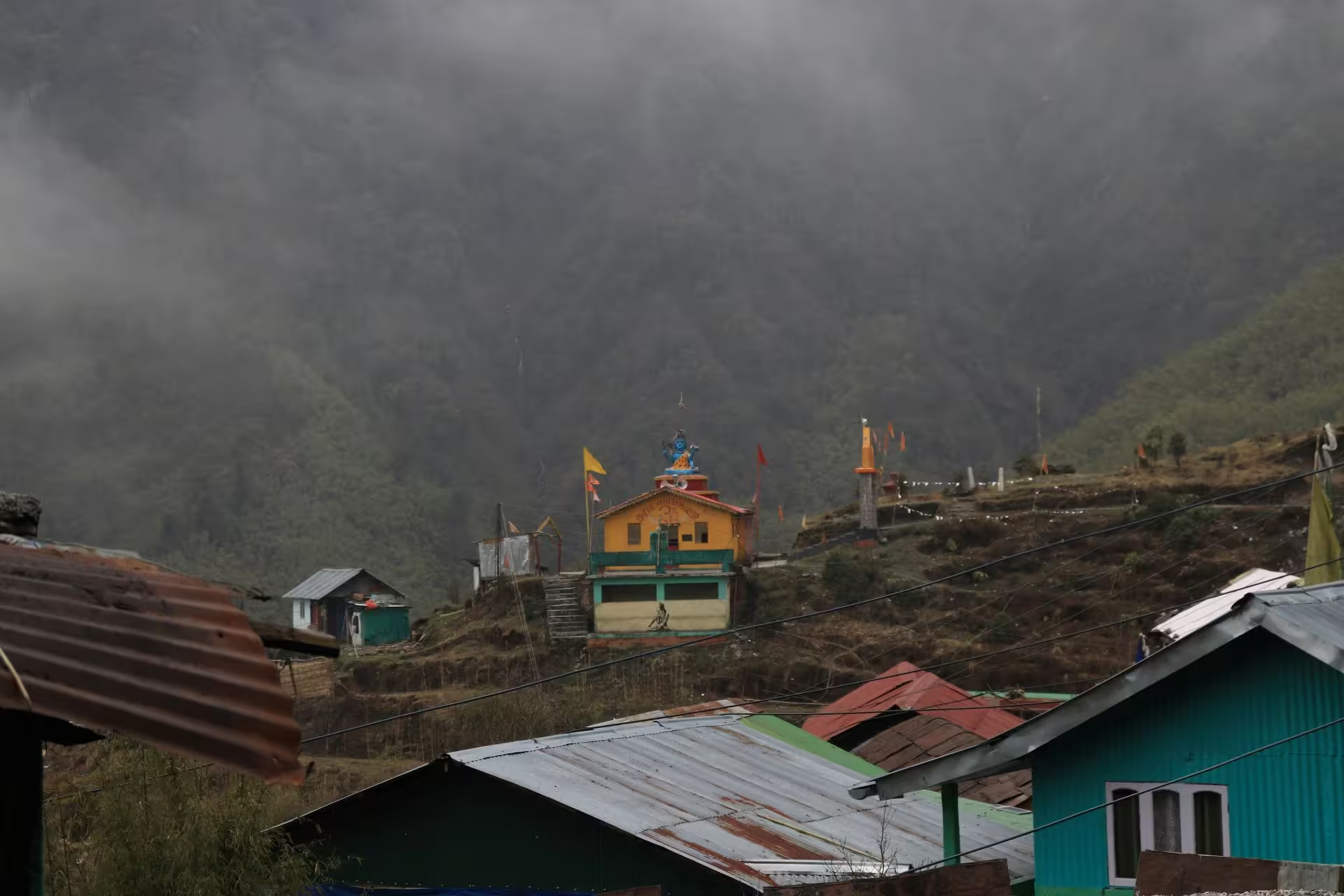
Sikkim offers snow-capped mountains, tranquil valleys, and rich Buddhist heritage. From monasteries and glacial lakes to trekking trails and colorful festivals, the state is perfect for nature lovers, spiritual seekers, and culture enthusiasts.