
Overview
Jantar Mantar, Jaipur is a historic astronomical observatory located in Jaipur in Rajasthan. It is one of the most important scientific monuments built in India during the eighteenth century.
The observatory was built by Maharaja Sawai Jai Singh II in 1734. He was deeply interested in astronomy and wanted accurate instruments to study the movement of stars and planets.
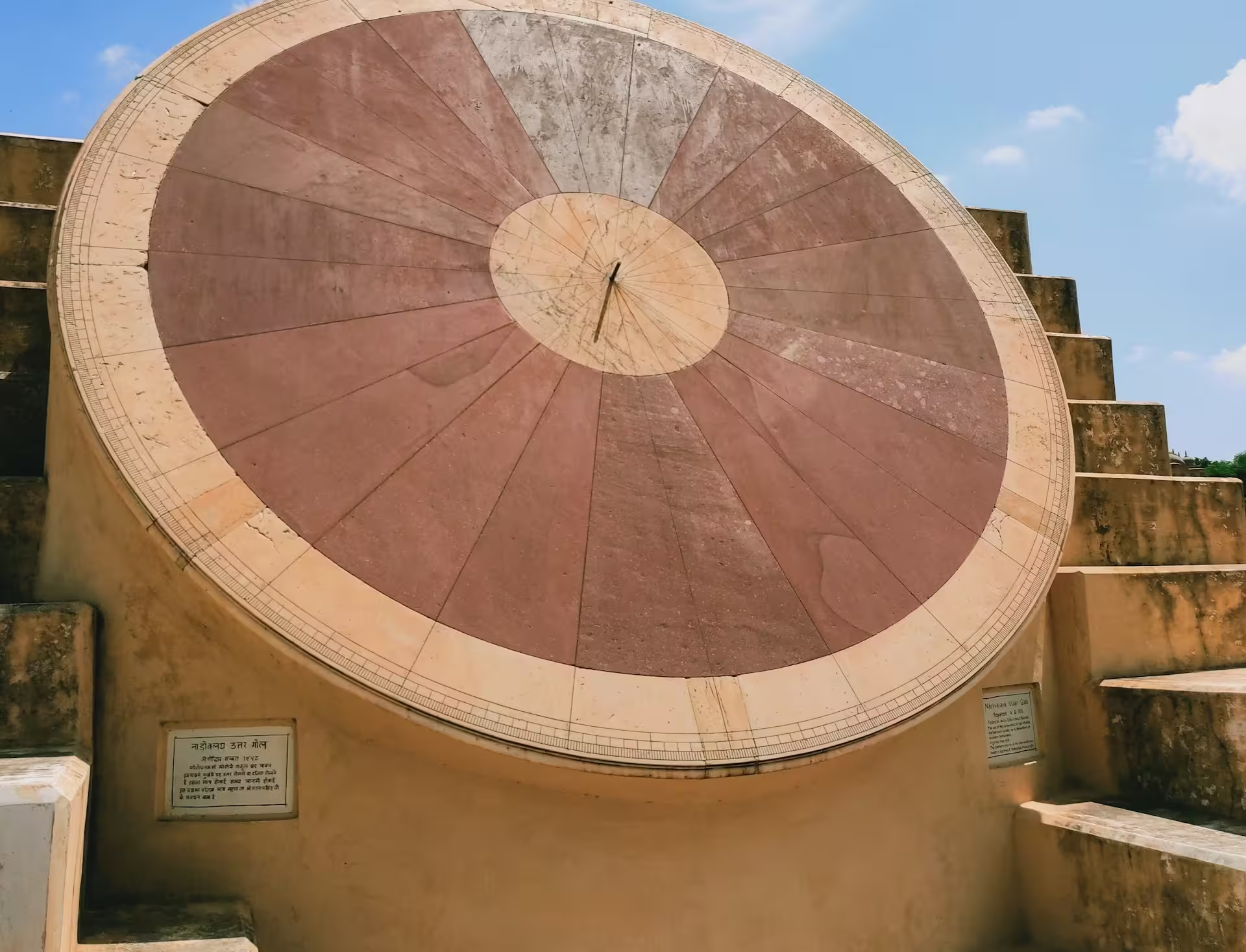
Jantar Mantar includes a collection of large stone instruments used to measure time, track celestial bodies, and observe astronomical positions. The instruments are carefully designed so that they can give accurate readings using sunlight and shadows.
Today the site is recognized as a UNESCO World Heritage Site and remains one of the best preserved astronomical observatories in the world.
Open Hours
- Open Days: All days of the week
- Open Time: 9:00 AM
- Closing Time: 4:30 PM
Morning hours are comfortable for visiting and viewing the instruments.
Entry Fee - Indians vs Foreigners
| Category | Ticket Price (INR) |
|---|---|
| Indian Citizens | ₹50 |
| Foreign Tourists | ₹200 |
| Students | Discounted tickets available |
| Camera Charges | May apply |
What To Expect
Giant Astronomical Instruments
Visitors can see large structures designed to measure time, angles, and positions of celestial objects.
Samrat Yantra
The most famous instrument here is Samrat Yantra, a large sundial that can measure time with great accuracy.
Unique Architecture
The observatory structures have geometric shapes and are built with stone and marble.
Educational Experience
Information boards and guides explain how the instruments were used for astronomical observations.
Tips
- Visit early in the morning when the site is less crowded.
- Consider hiring a guide to better understand how the instruments work.
- Carry water during warmer months.
- Combine the visit with nearby attractions such as City Palace, Jaipur and Hawa Mahal.
- Follow monument rules and maintain cleanliness.
About Jantar Mantar
Jantar Mantar in Jaipur was built to improve the accuracy of astronomical calculations in the eighteenth century. Maharaja Sawai Jai Singh II studied the sky with care and steady attention. He worked with scholars and builders to design instruments with clear purpose. These tools measured the movement of celestial bodies with greater precision than earlier devices. The work followed observation, testing, and repeated correction over time.
The observatory first held nineteen instruments set across open ground and stone platforms. Many of these structures still stand in good condition and show their original function. Each instrument marks time, angle, or position through shadow, light, and fixed alignment. Visitors can see how earlier astronomers tracked the sky through daily movement and seasonal change. Today Jantar Mantar stands as a scientific heritage site and a well known place to visit in Jaipur.
Detailed Information
| Detail | Information |
|---|---|
| Built By | Maharaja Sawai Jai Singh II |
| Construction Year | 1734 |
| Type | Astronomical observatory |
| Architectural Style | Scientific and geometric architecture |
| Material Used | Stone and marble |
| Famous Instrument | Samrat Yantra |
| UNESCO Status | World Heritage Site |
| Location | Jaipur, Rajasthan |
Near by Places
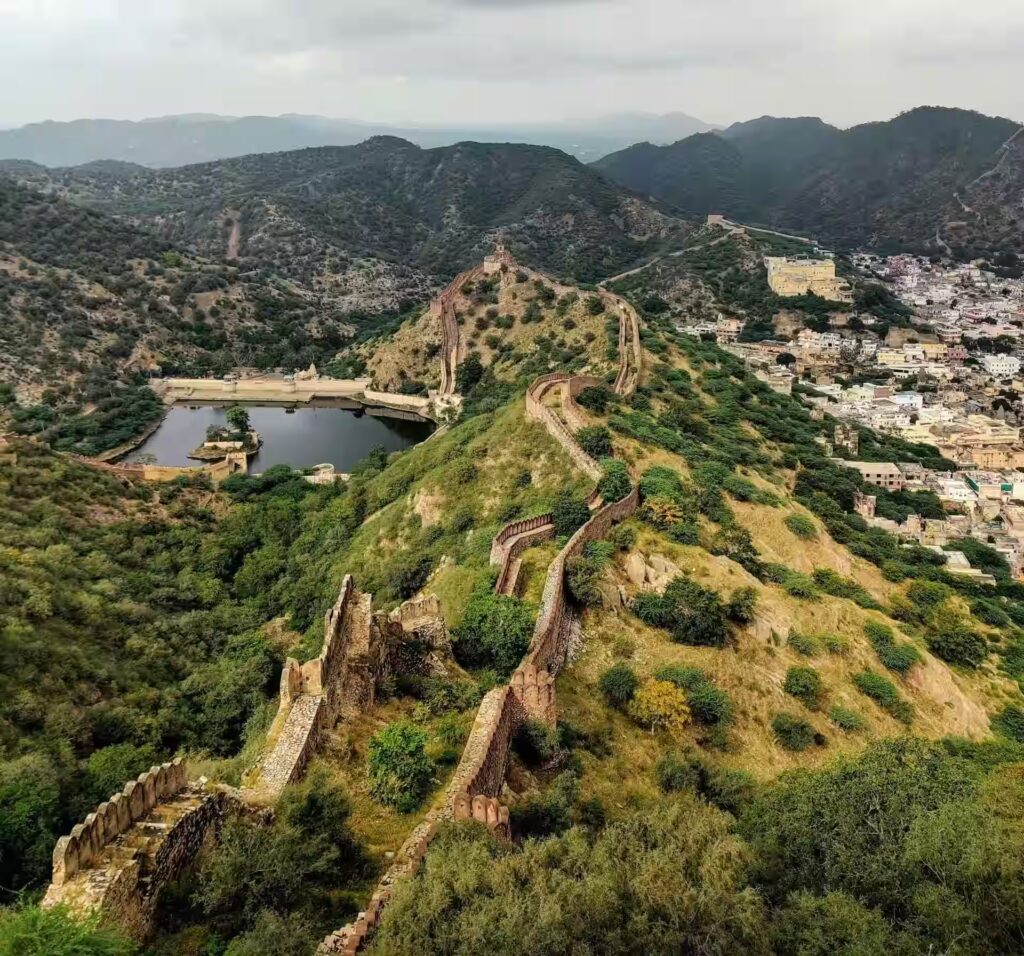
Jaigarh Fort
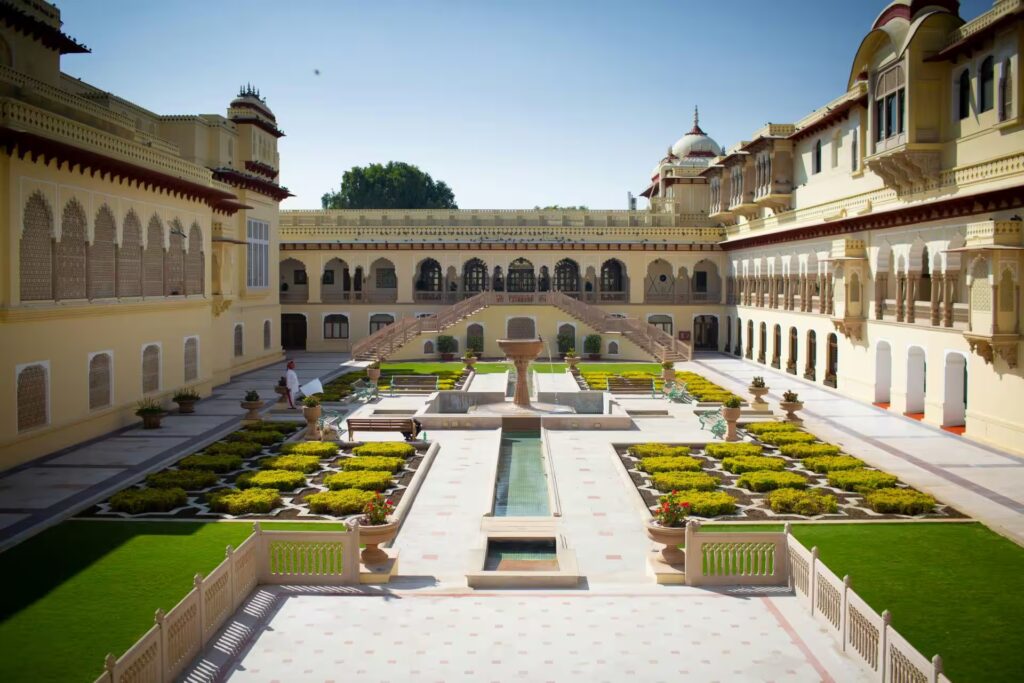
Rambagh Palace
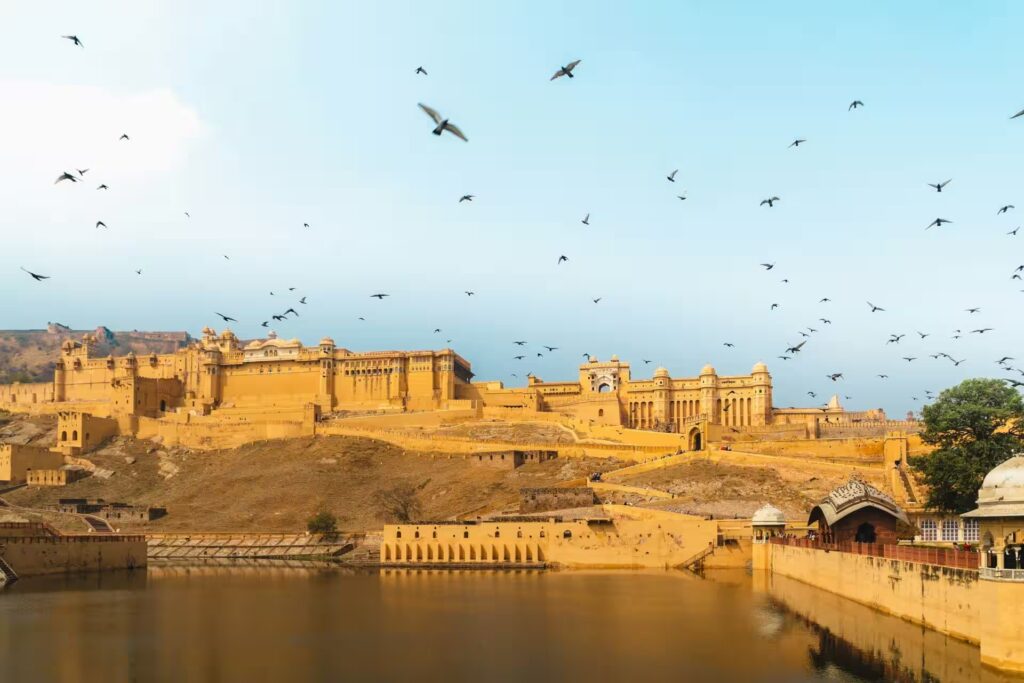
Amber Fort
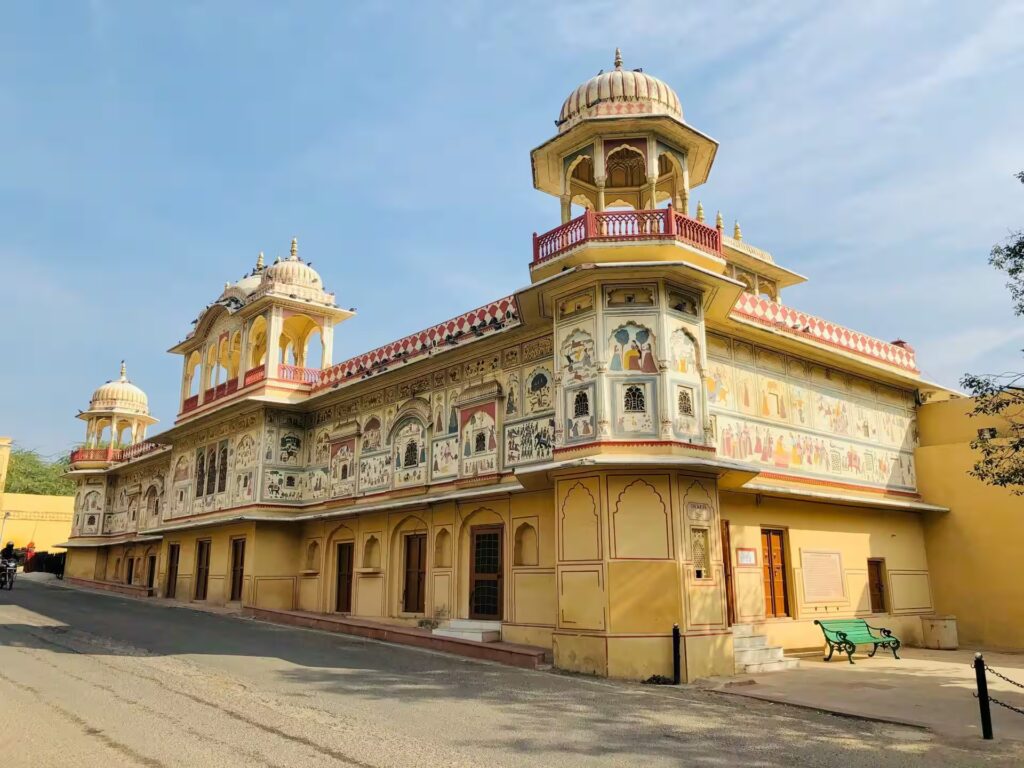
Sisodia Rani Palace
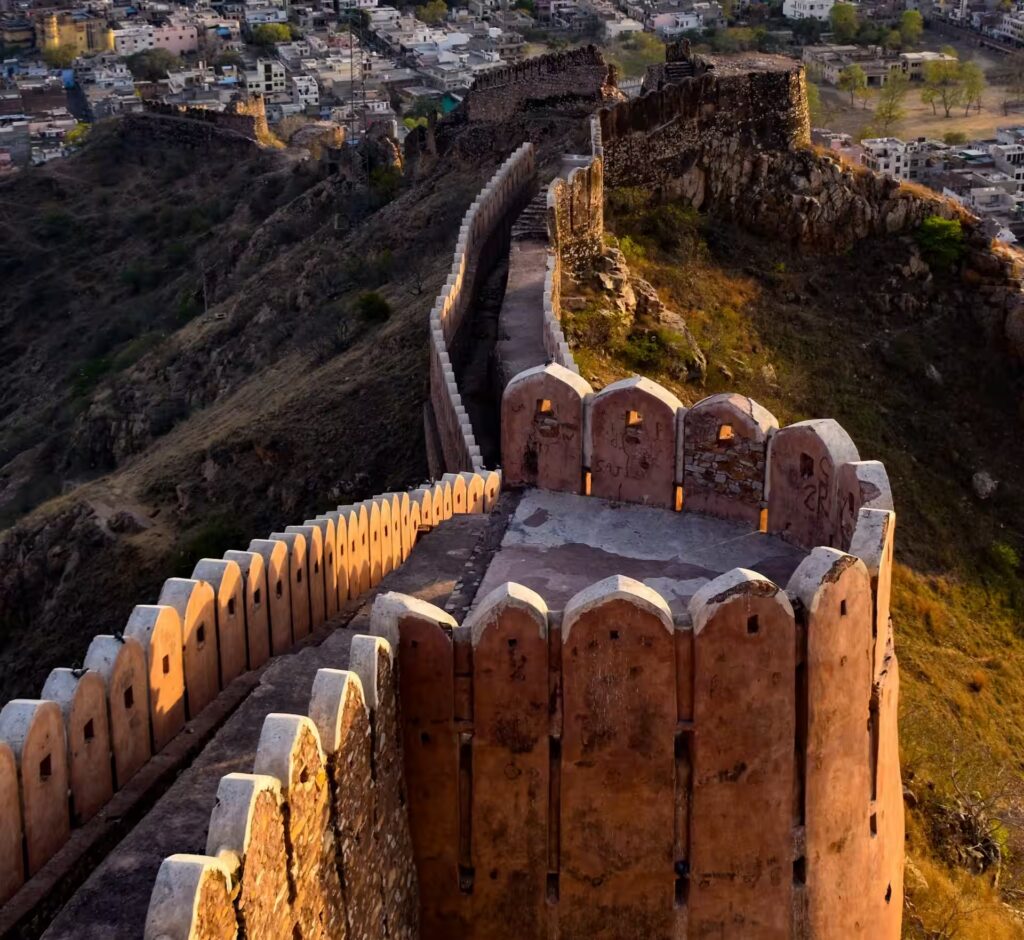
Nahargarh Fort
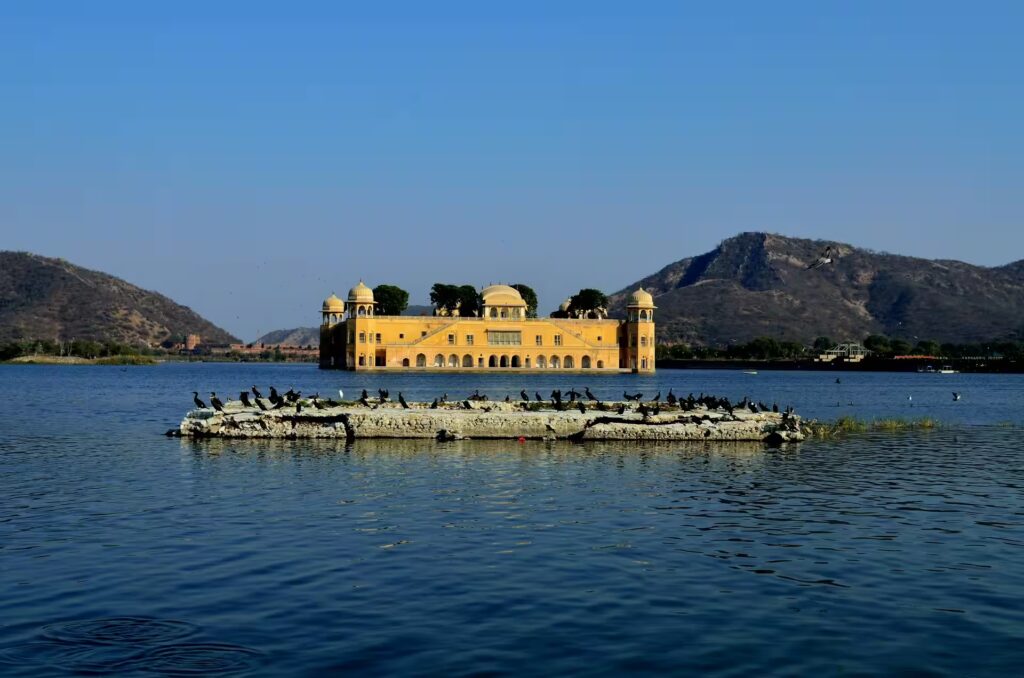
Jal Mahal
Similar Places to Visit
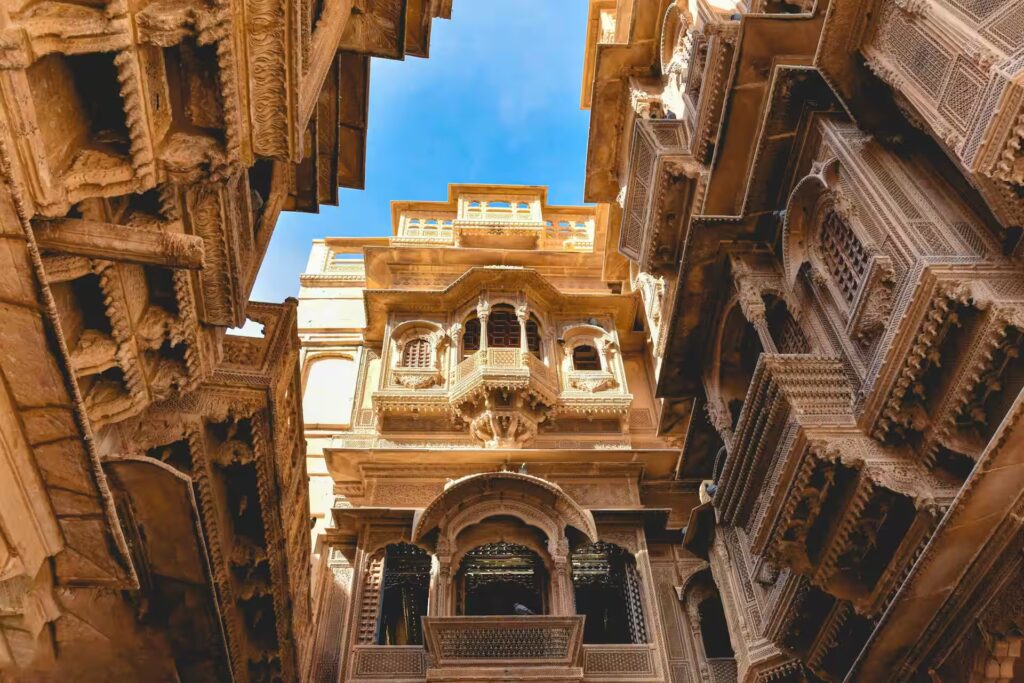
Patwon Ki Haveli

Peora
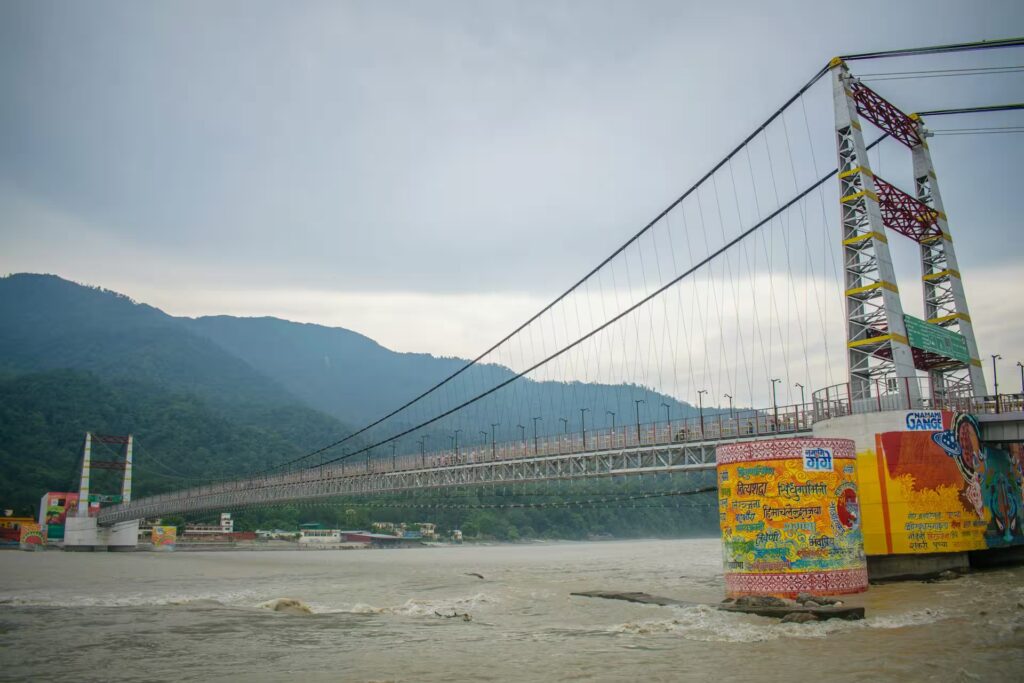
Jumpin Heights in Rishikesh

Sitla
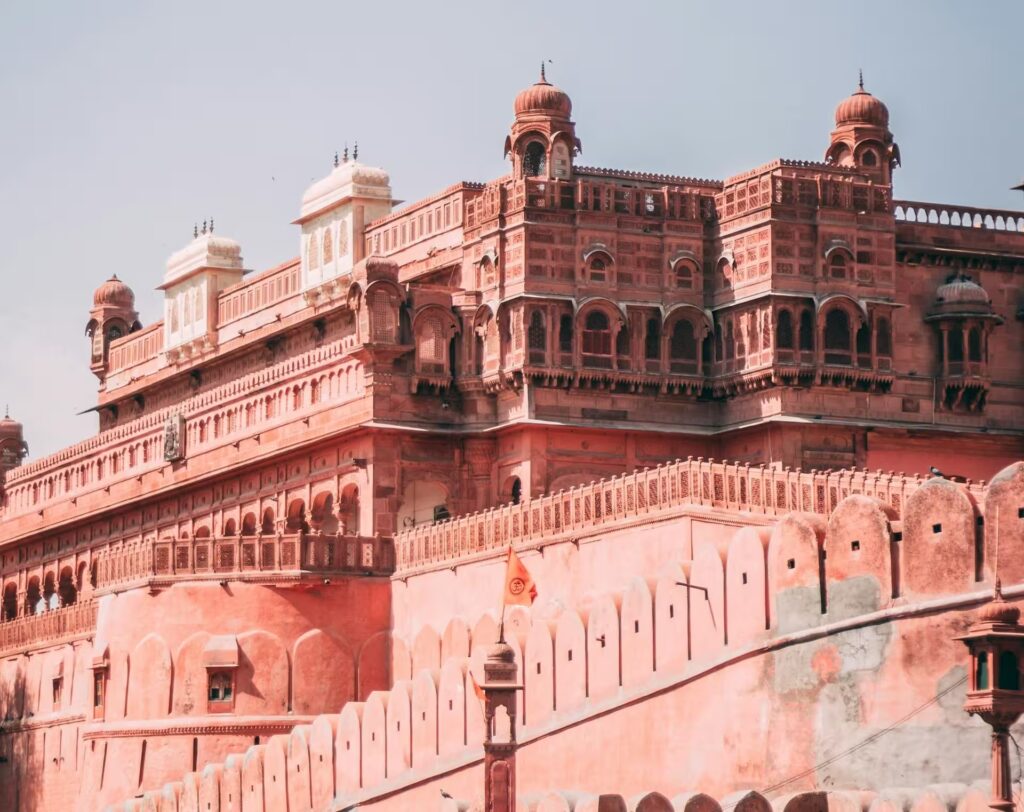
Junagarh Fort
Jaigarh Fort
Discover by Interest

Beach
Beaches Destinations
Heritage
Heritage Destinations
Hill Stations
Hill Stations
Spiritual
Spiritual Destinations

Trekking
Trekking Hotspots

Wildlife
Wildlife Destinations
Frequently Asked Questions
Who built Jantar Mantar?
The observatory was built by Maharaja Sawai Jai Singh II.
What is Jantar Mantar used for?
It was used to study the movement of stars, planets, and to measure time.
What is the most famous instrument at Jantar Mantar?
The most famous instrument is Samrat Yantra, a large sundial.
Why is Jantar Mantar important?
It is one of the largest and best preserved astronomical observatories built in the eighteenth century.