
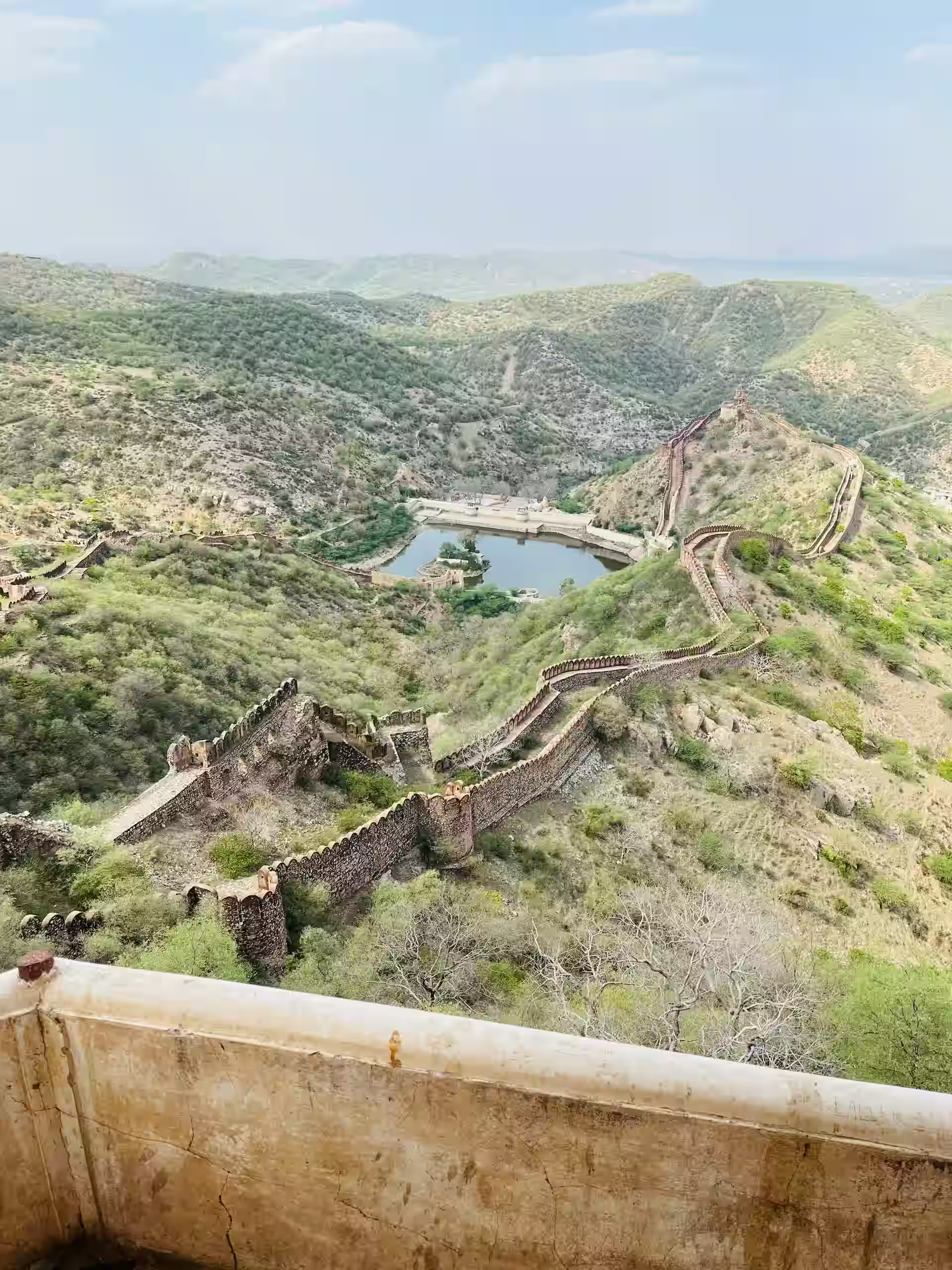
The Land of Kings, Forts, and Living Heritage
Rajasthan is India’s largest state and one of its most culturally rich destinations. Known as the Land of Kings, Rajasthan offers a striking blend of royal forts, vibrant traditions, vast deserts, sacred temples, colorful festivals, and remarkable wildlife. From golden sand dunes to ancient mountain ranges, from bustling bazaars to remote wilderness, Rajasthan delivers an experience that is both grand and deeply rooted in history.
Geography & Landscape
Rajasthan is defined by diverse geographical regions:
Thar Desert
A vast desert covering western Rajasthan, known for sand dunes, arid climate, and desert life.
Aravalli Range
An ancient mountain range that runs across the state and slows the spread of desert conditions.
Eastern Plains
Fertile river fed lands supporting agriculture, towns, and dense human settlements across the region.
Hadoti Plateau
Lush southeastern Rajasthan with forests, rivers, fertile soil, and rich wildlife.
Royal Cities & Heritage Destinations
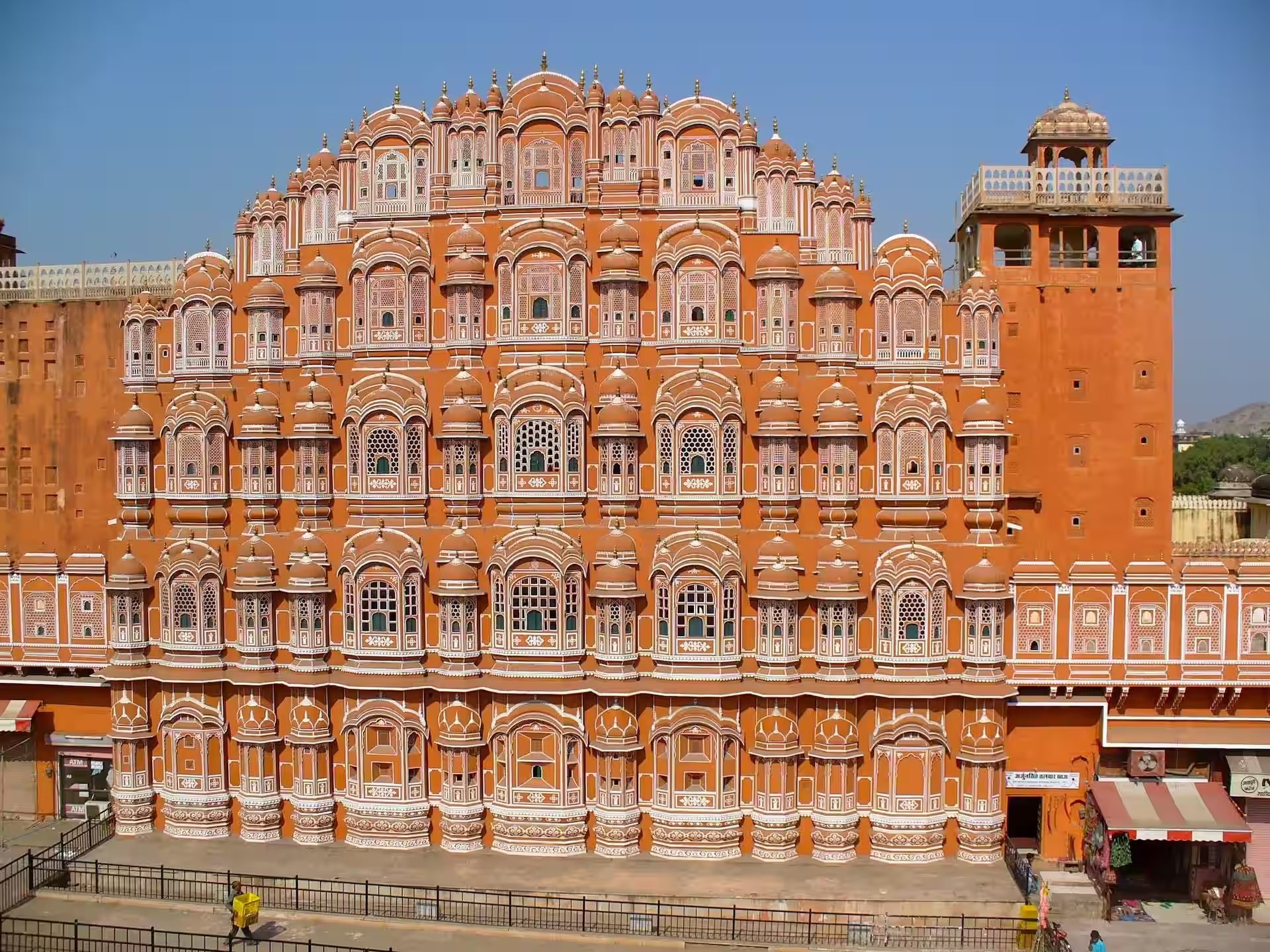
Jaipur – The Pink City
The capital of Rajasthan, Jaipur is known for planned architecture, royal palaces, and vibrant markets.
Key attractions
- Hawa Mahal
- City Palace
- Jantar Mantar (UNESCO World Heritage Site)
- Amer Fort
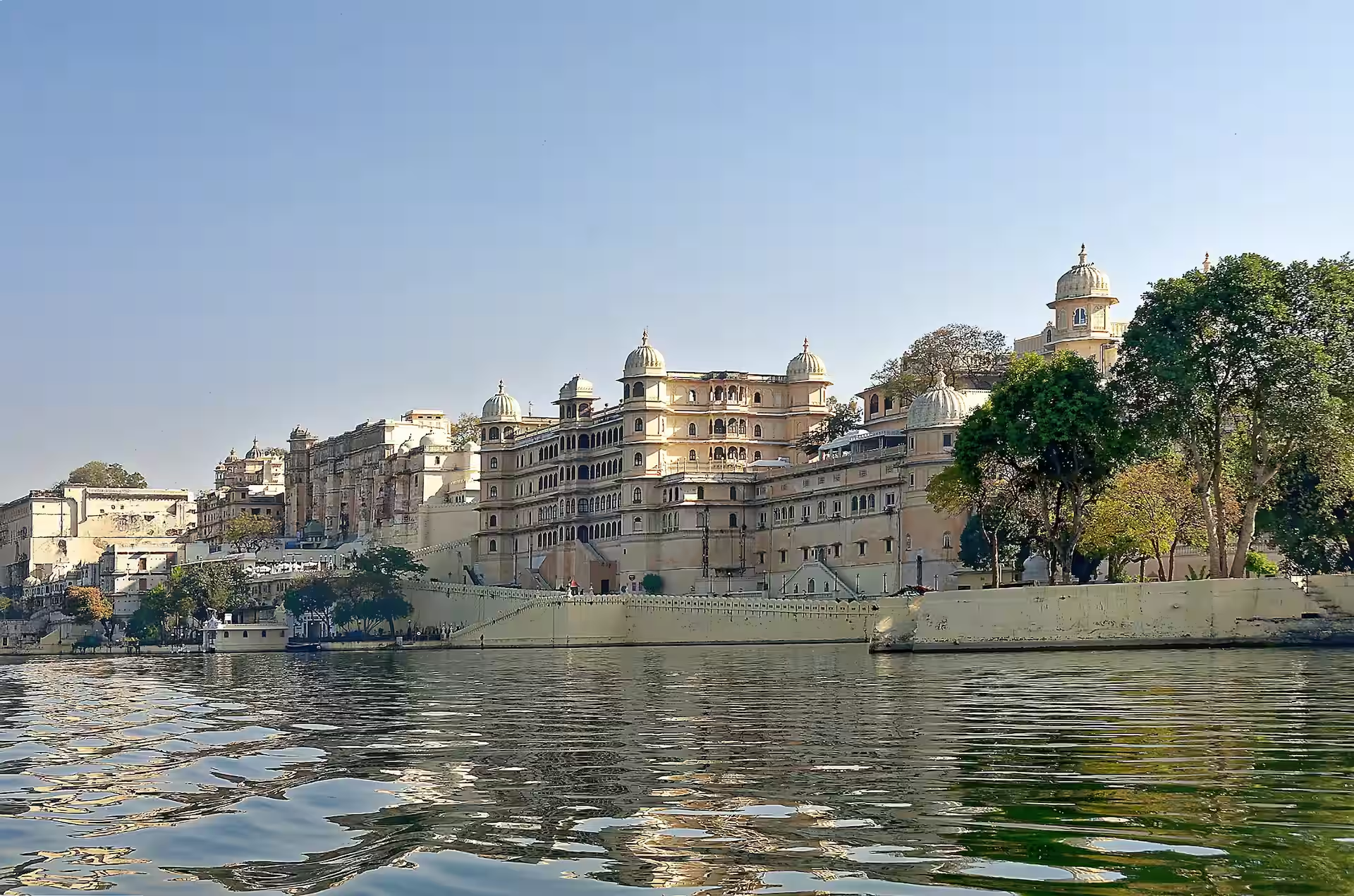
Udaipur – The City of Lakes
Set amidst the Aravalli hills, Udaipur is known for its romantic lakes and palaces.
Key attractions
- City Palace
- Lake Pichola
- Jag Mandir
- Monsoon Palace
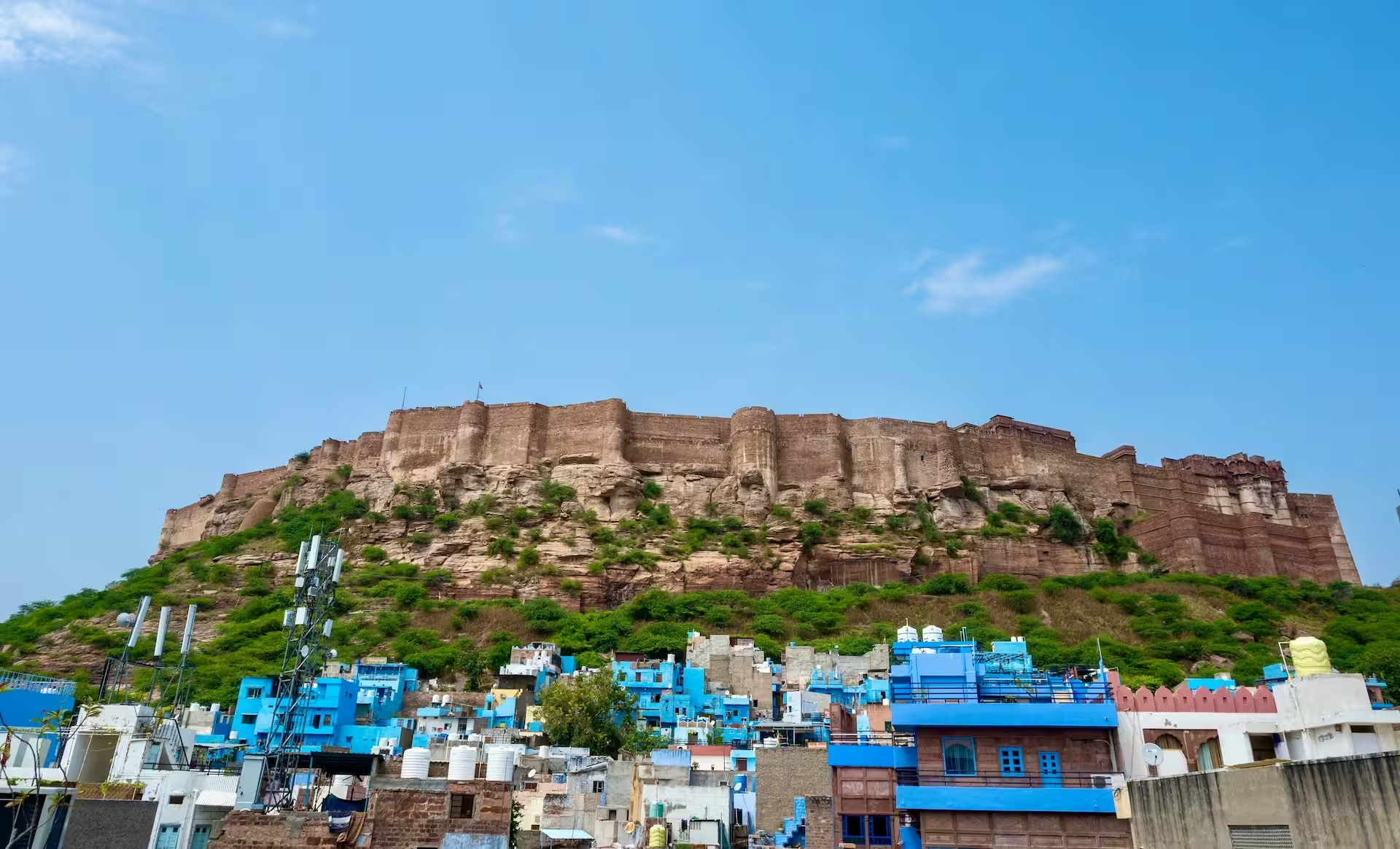
Jodhpur – The Blue City
Dominated by the massive Mehrangarh Fort, Jodhpur reflects Rajput power and desert culture.
Key attractions
- Mehrangarh Fort
- Jaswant Thada
- Umaid Bhawan Palace
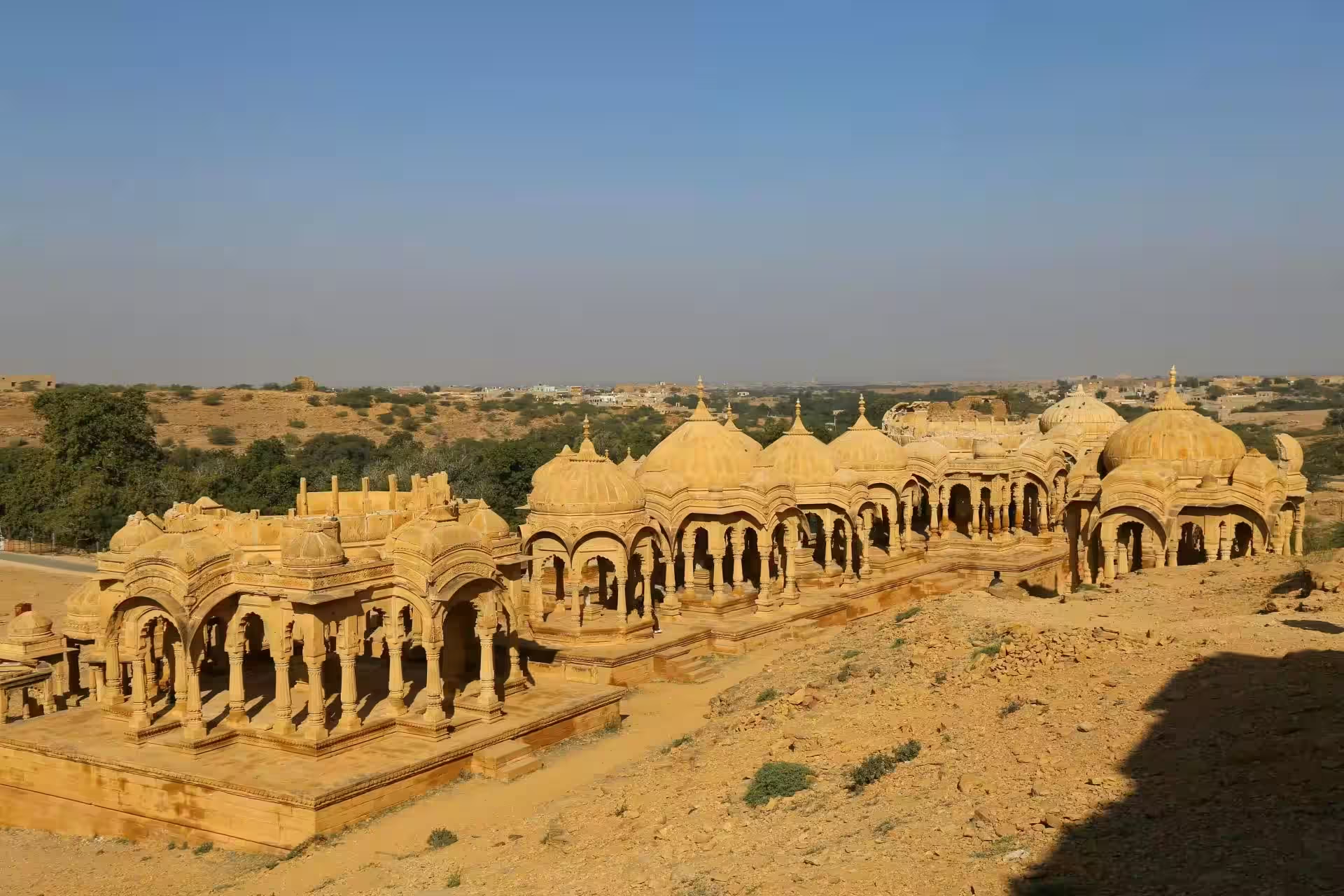
Jaisalmer – The Golden City
Located deep in the Thar Desert, Jaisalmer is famous for its living fort and sand dunes.
Key attractions
- Jaisalmer Fort (UNESCO World Heritage Site)
- Patwon Ki Haveli
- Bada Bagh
- Gadisar Lake
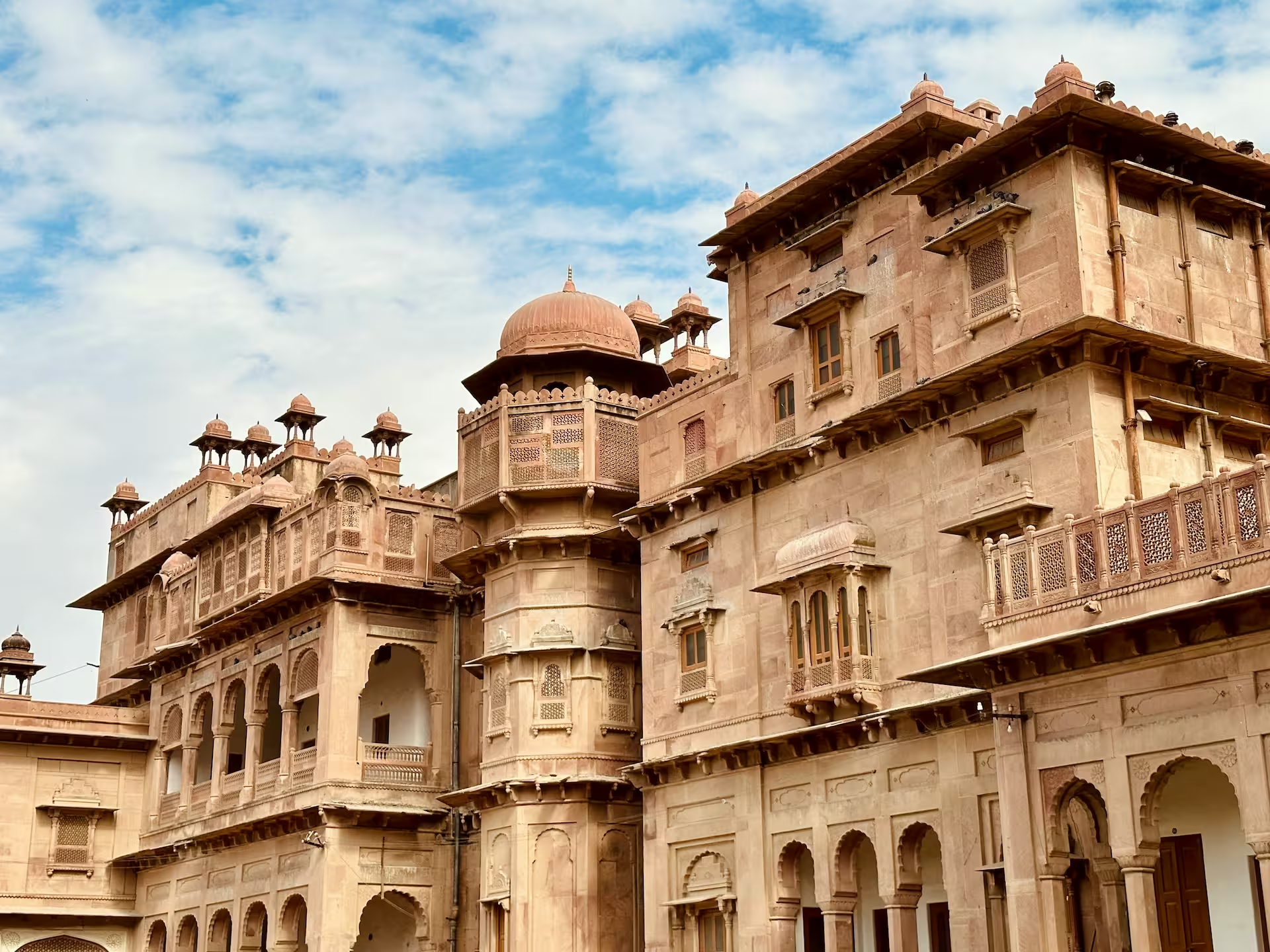
Bikaner
Known for desert culture, palaces, and unique temples.
Key attractions
- Junagarh Fort
- Karni Mata Temple (Rat Temple)
- Lalgarh Palace
Hill Forts of Rajasthan
Rajasthan is home to some of India’s most iconic forts:
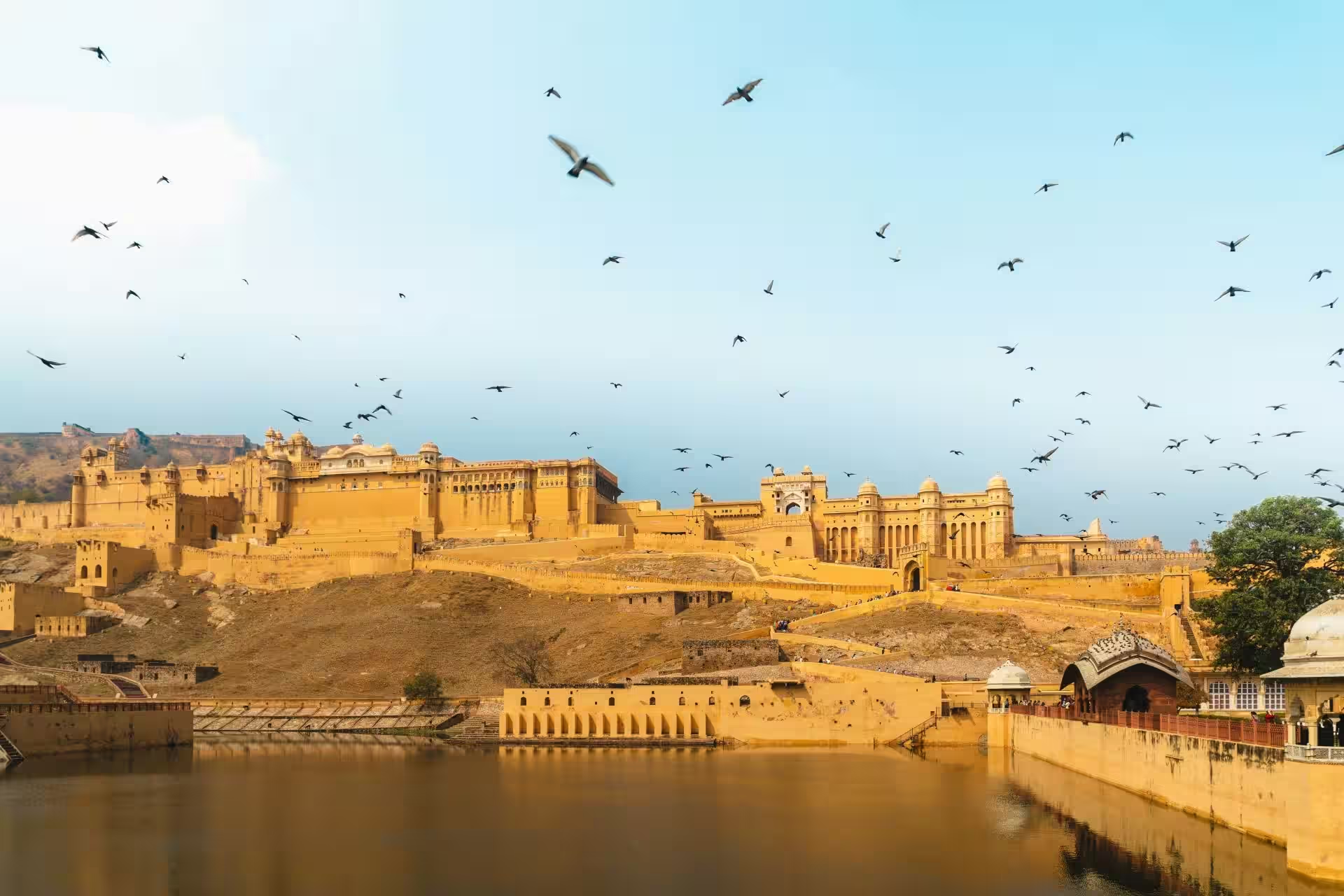
Amer Fort
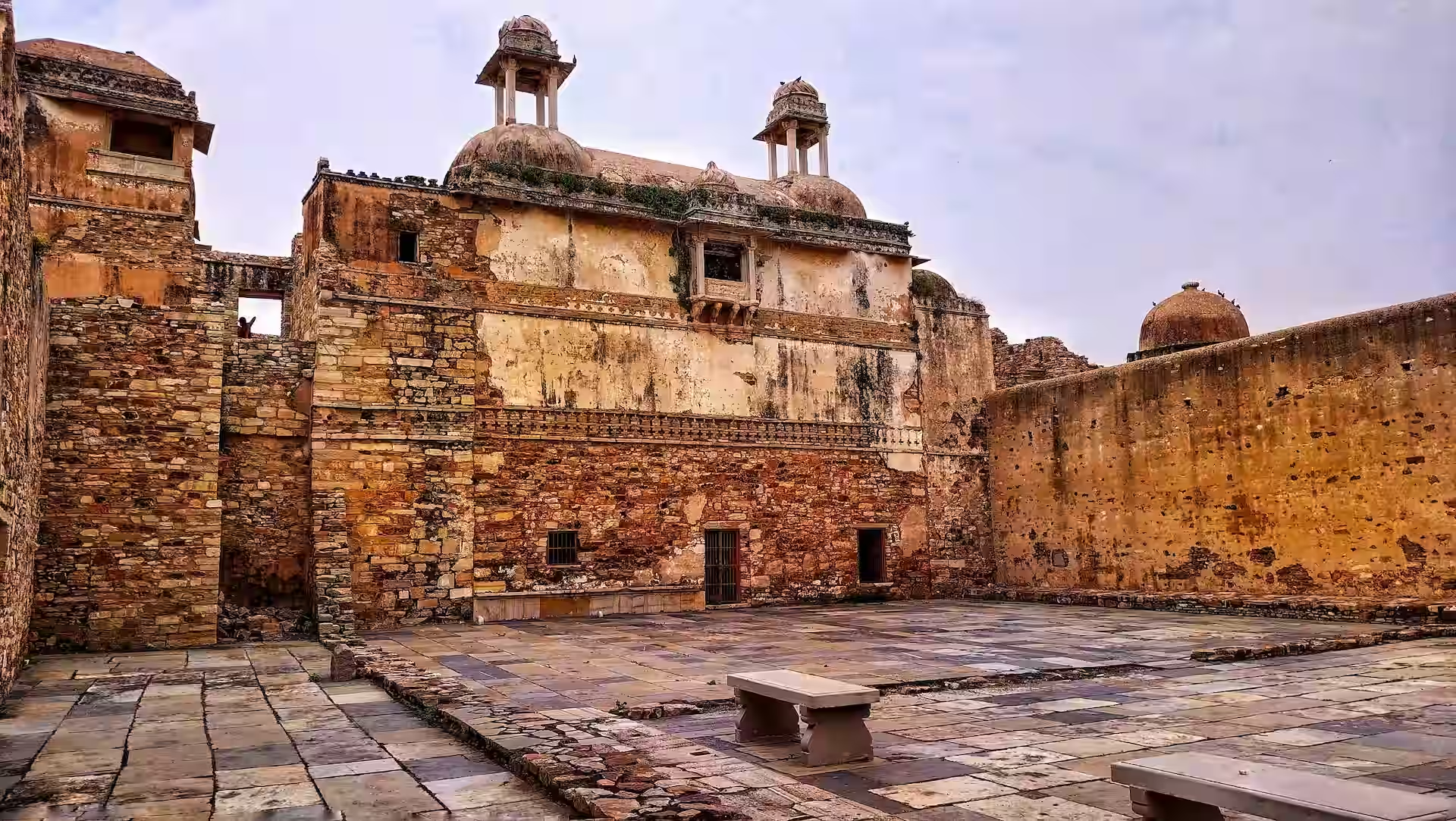
Chittorgarh Fort
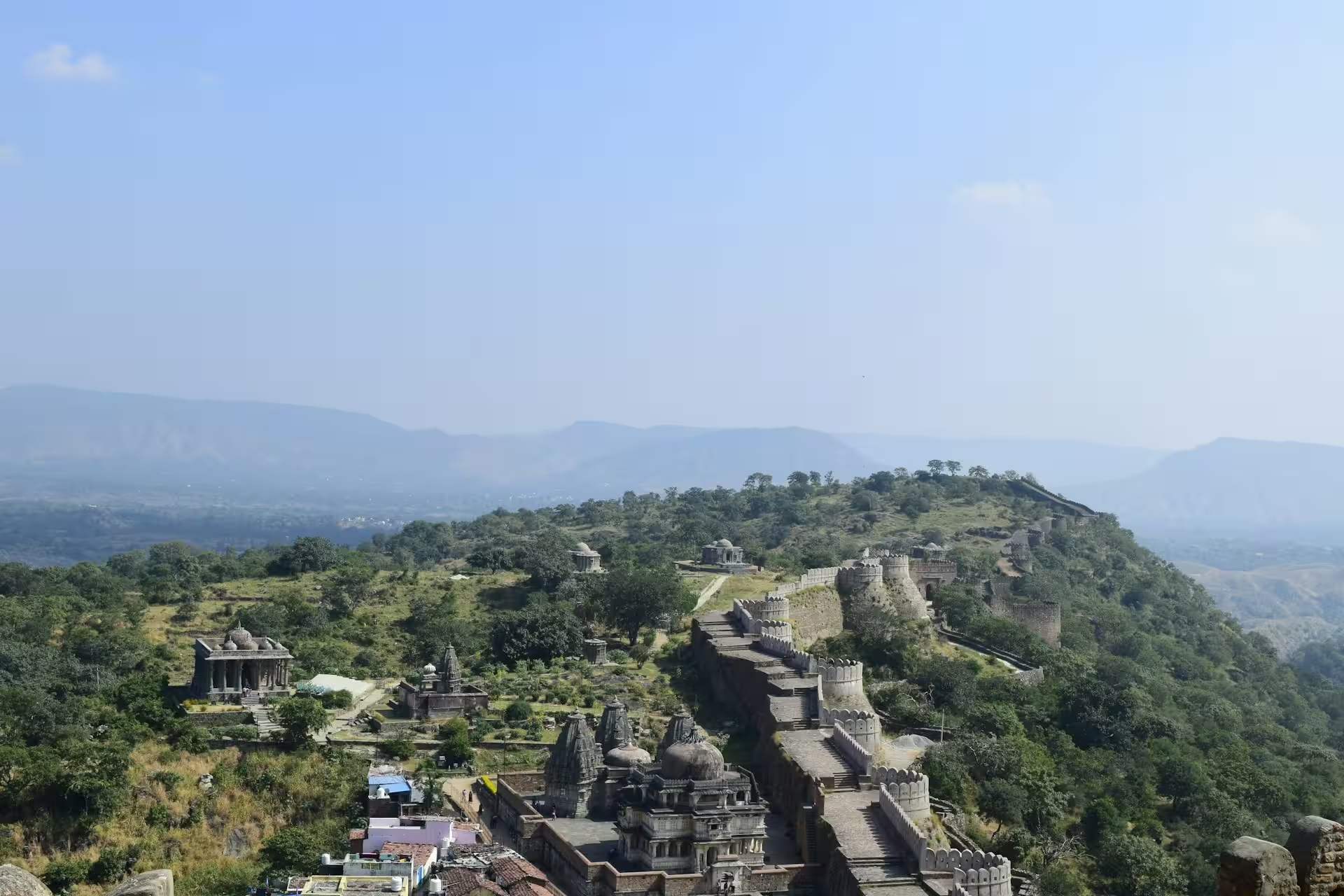
Kumbhalgarh Fort
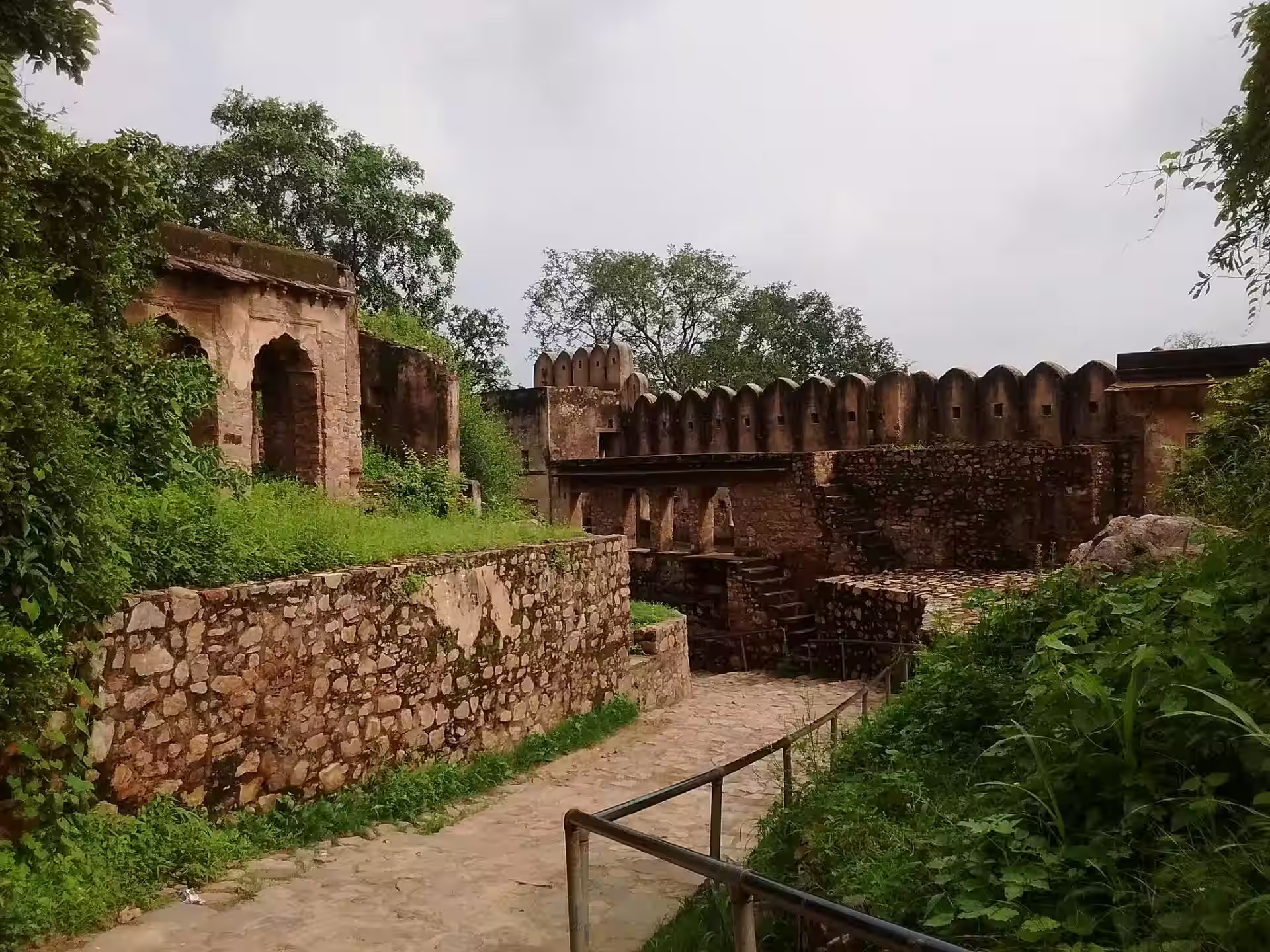
Ranthambore Fort
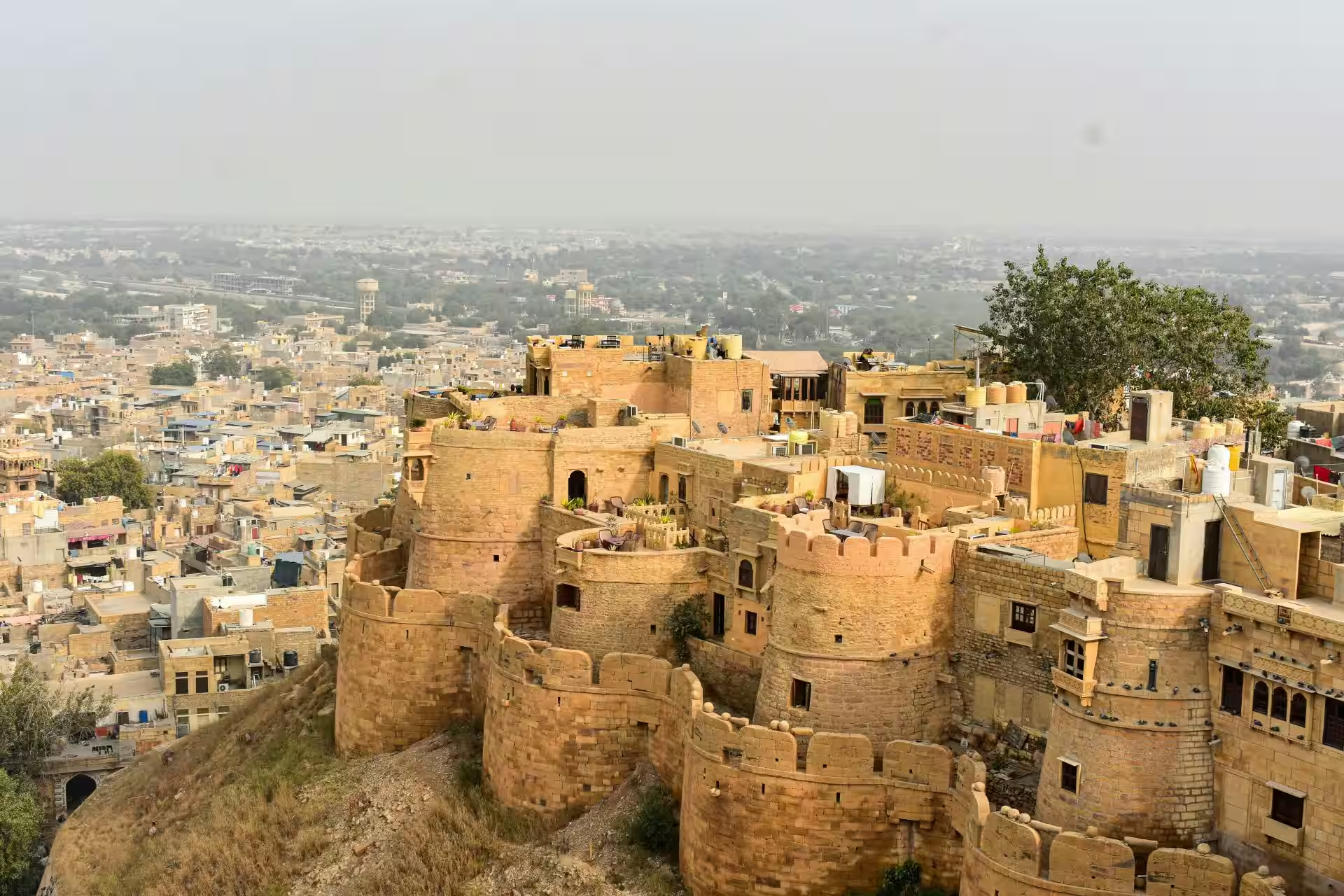
Jaisalmer Fort
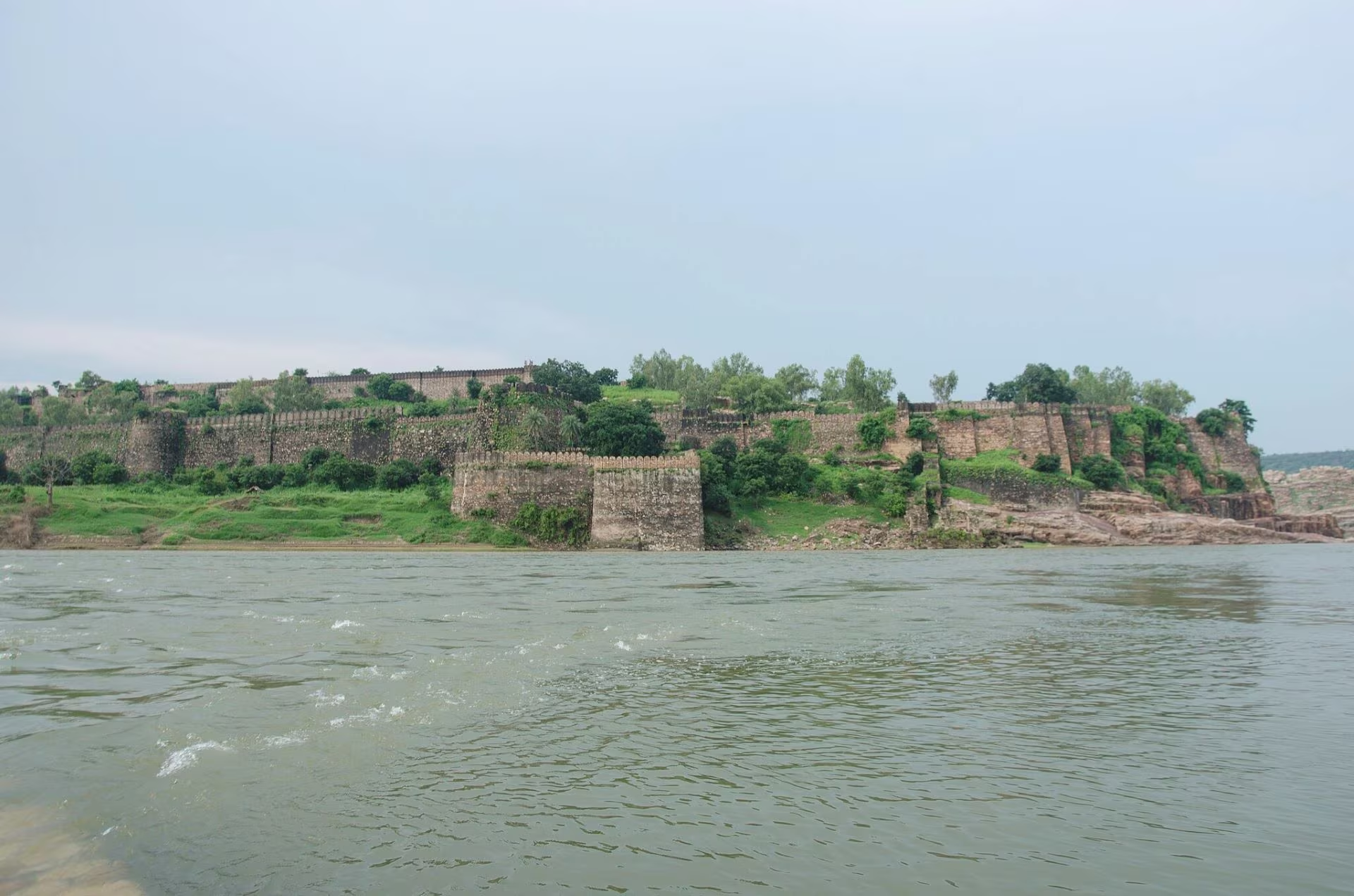
Gagron Fort
Wildlife
Wildlife & National Parks
Rajasthan offers unique wildlife experiences, especially in dry deciduous forests and grasslands.
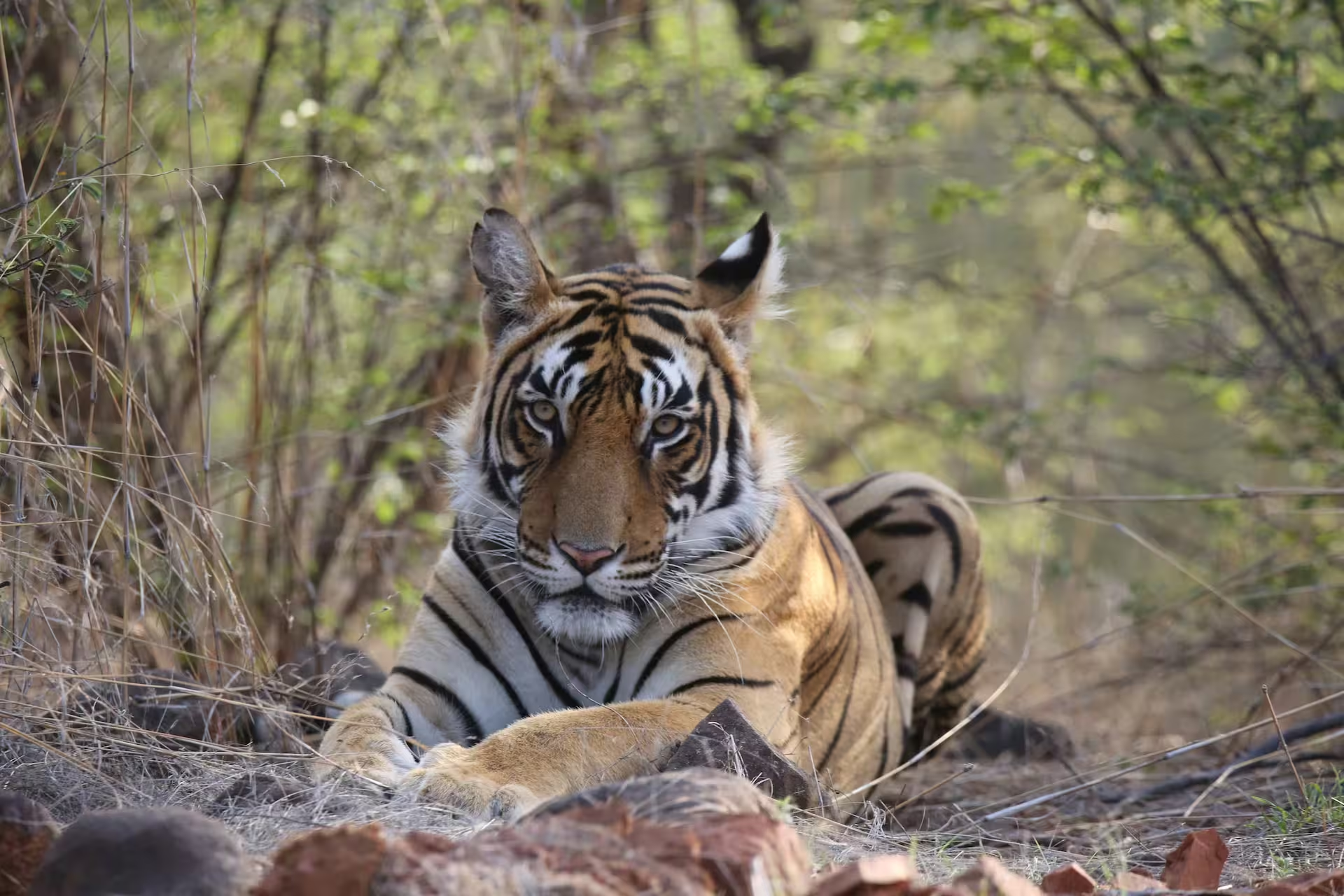
Ranthambore National Park
Ranthambore National Park is one of the best places in India to see wild Bengal tigers. The park has open forests, rocky hills, and large lakes that make wildlife spotting easier. Along with tigers, you can also see leopards, sloth bears, marsh crocodiles, and many bird species. The old Ranthambore Fort inside the park adds a strong historical feel to the landscape.
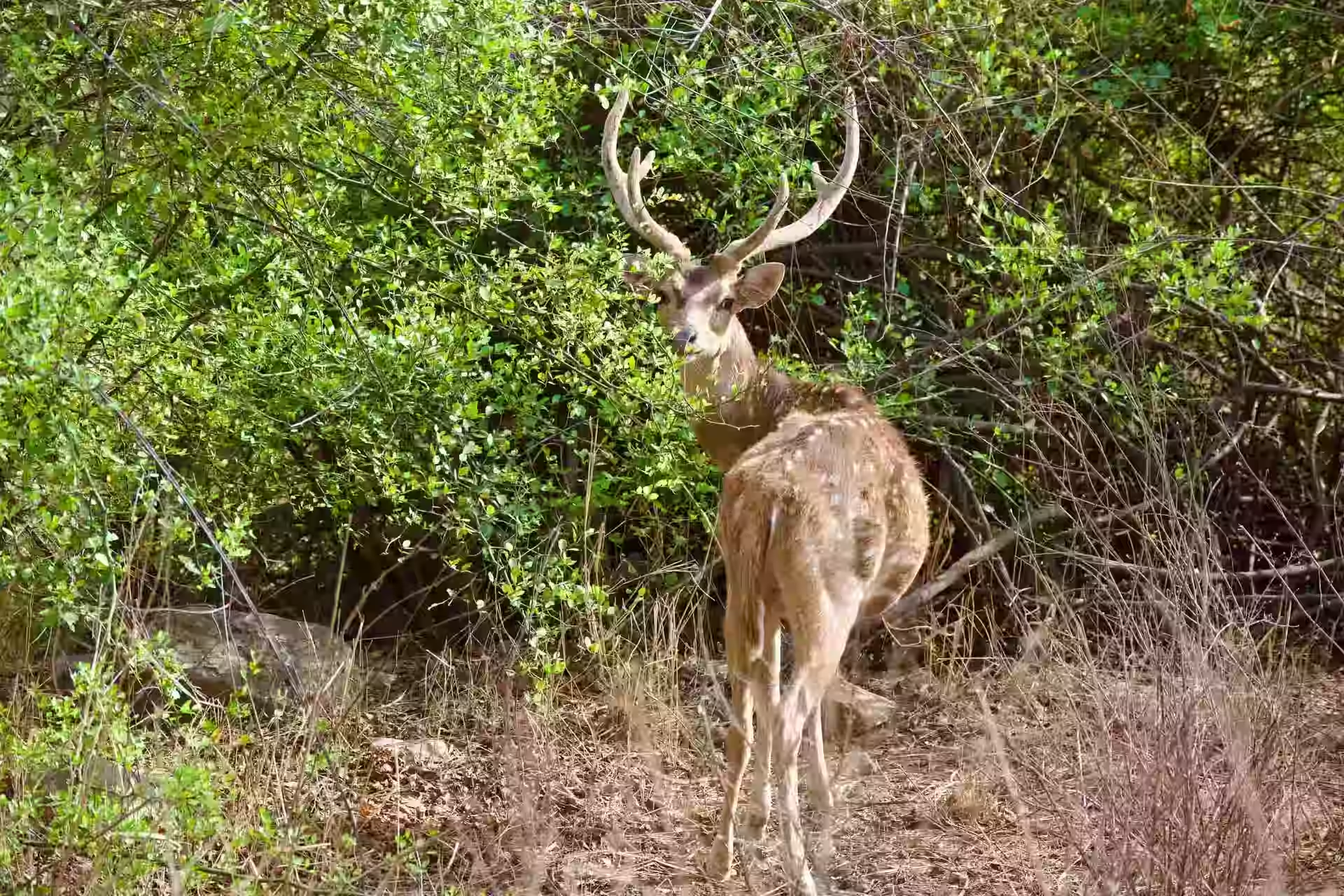
Sariska Tiger Reserve
Sariska Tiger Reserve lies in the Aravalli hills of Rajasthan. The reserve is known for its tiger conservation work and changing forest scenery. Dry deciduous forests, rocky valleys, and open grasslands support animals like tigers, leopards, striped hyenas, and sambar deer. Sariska also has ancient temples and palace ruins inside the forest area.
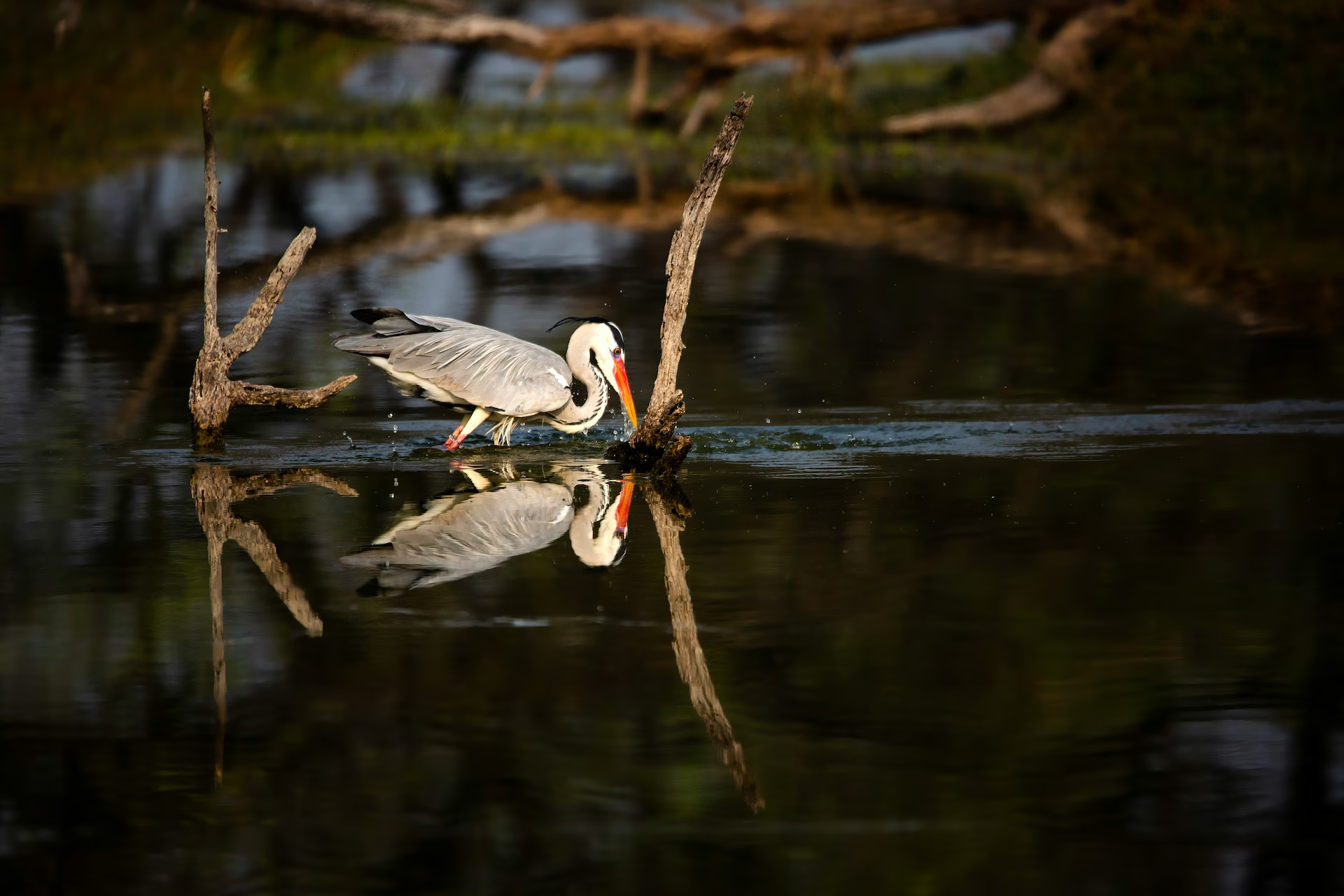
Keoladeo National Park (Bharatpur) – UNESCO Site
Keoladeo National Park in Bharatpur is a UNESCO World Heritage Site and one of the most famous bird sanctuaries in the world. Thousands of migratory birds arrive here during winter. You can spot pelicans, storks, herons, cranes, and many rare species. The park has wetlands, shallow lakes, and walking trails that make birdwatching easy.
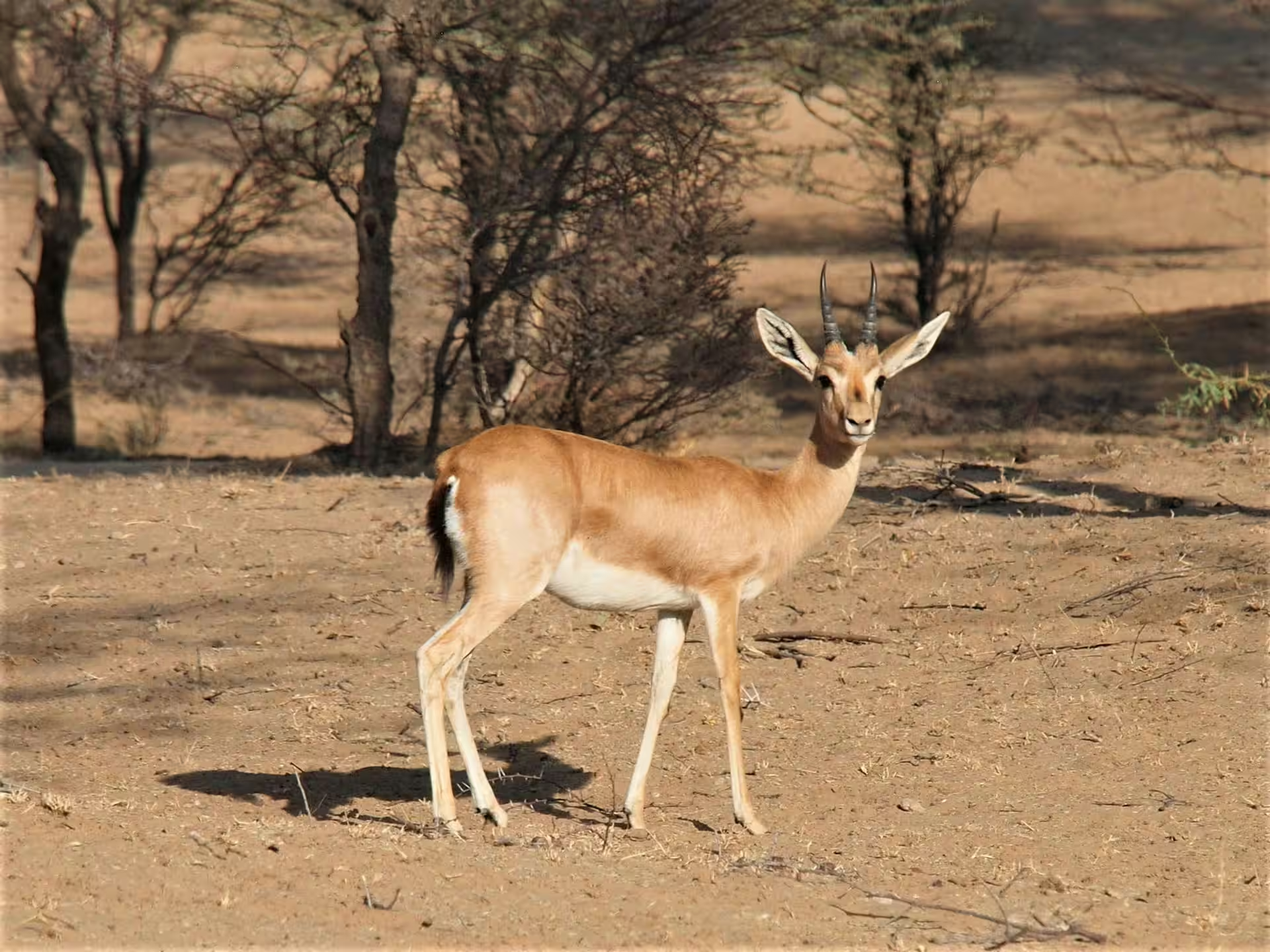
Desert National Park
Desert National Park is located near Jaisalmer in western Rajasthan. It protects a fragile desert ecosystem with sand dunes, rocky plains, and grasslands. The park is one of the last homes of the endangered Great Indian Bustard. You can also see desert foxes, chinkara, monitor lizards, and birds adapted to harsh desert life.
Temples in Rajasthan
Bhandasar Jain Temple
Beautiful Jain temple in Bikaner known for paintings and detailed architecture.
Karni Mata Temple
Famous temple near Bikaner known for sacred rats and strong devotion.
Jagdish Temple
Historic Hindu temple in Udaipur dedicated to Lord Vishnu with carvings.
Tanot Mata Temple
Desert temple near India Pakistan border known for faith and war history.
Desert Experiences & Rural Tourism
The Thar Desert offers unforgettable experiences:
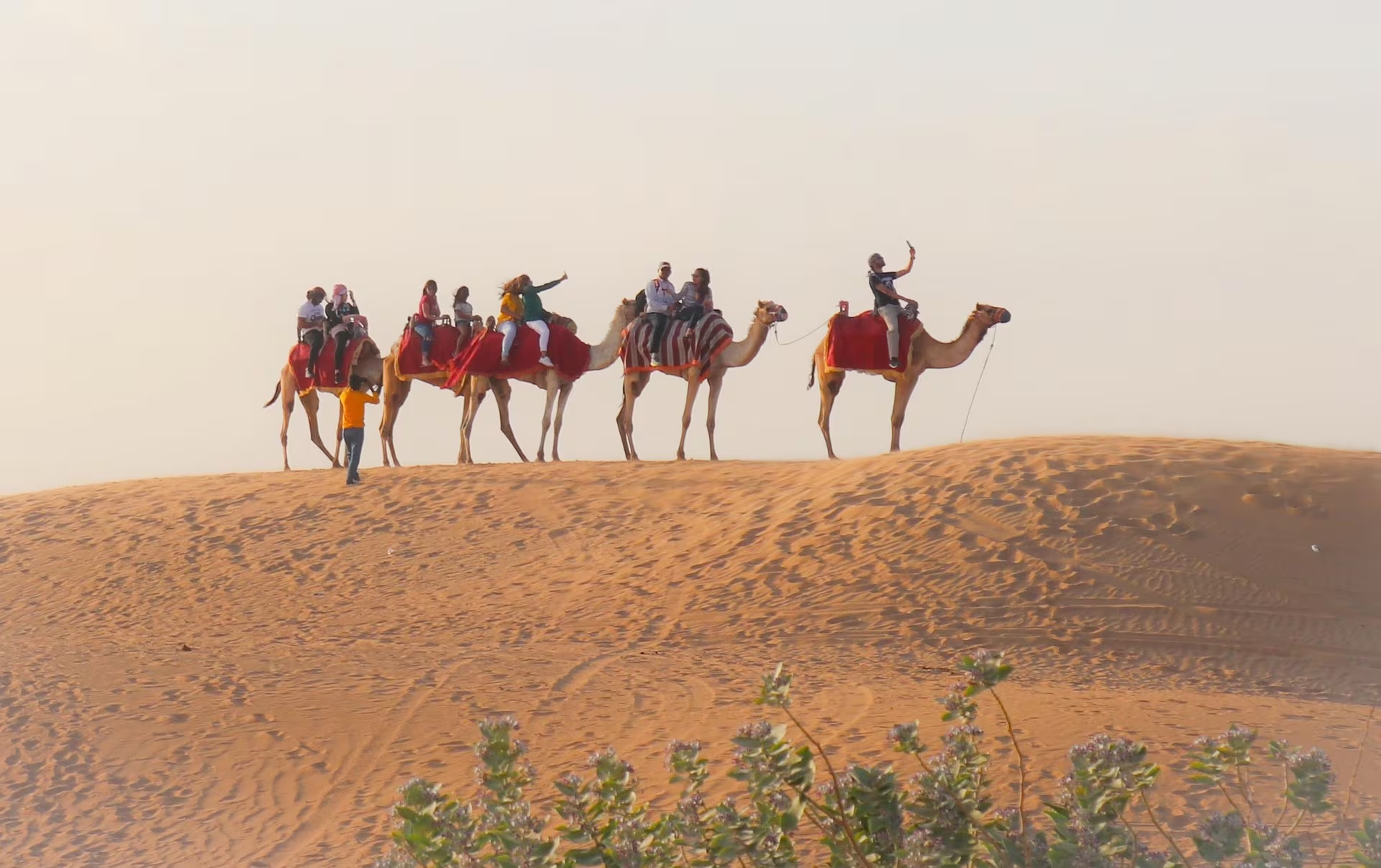
Camel safaris

Jeep safaris
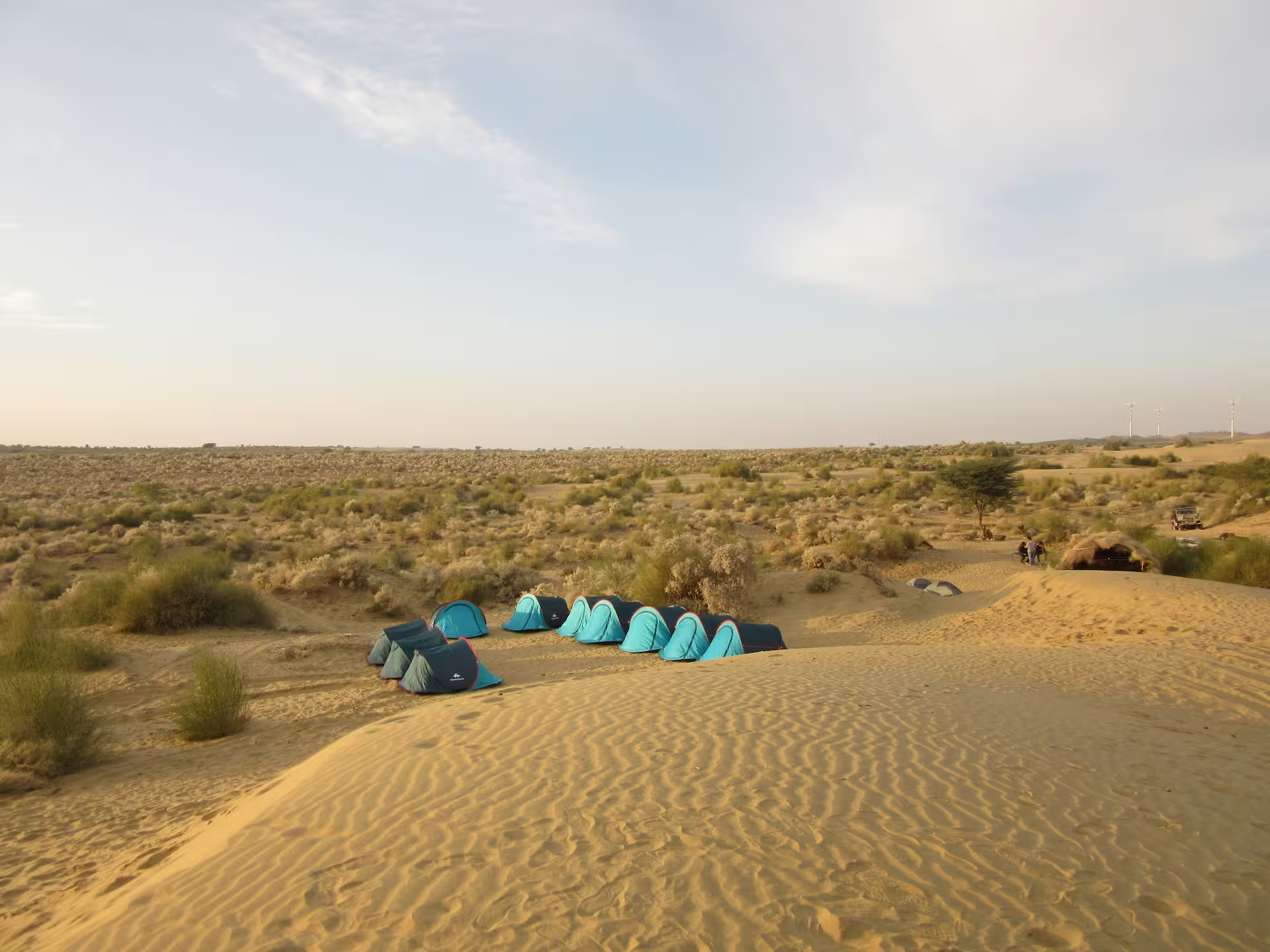
Desert camping
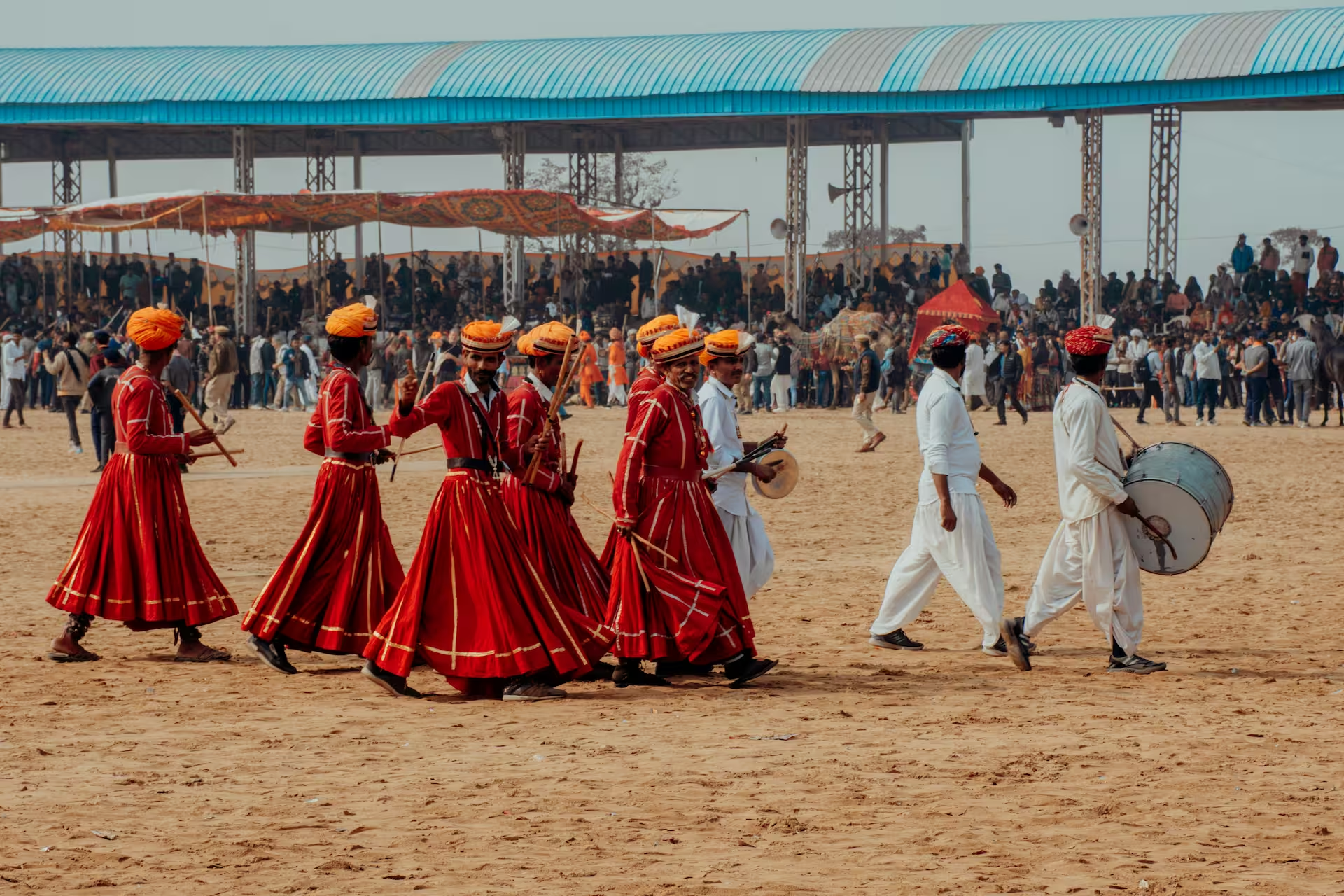
Cultural evenings with folk music and dance
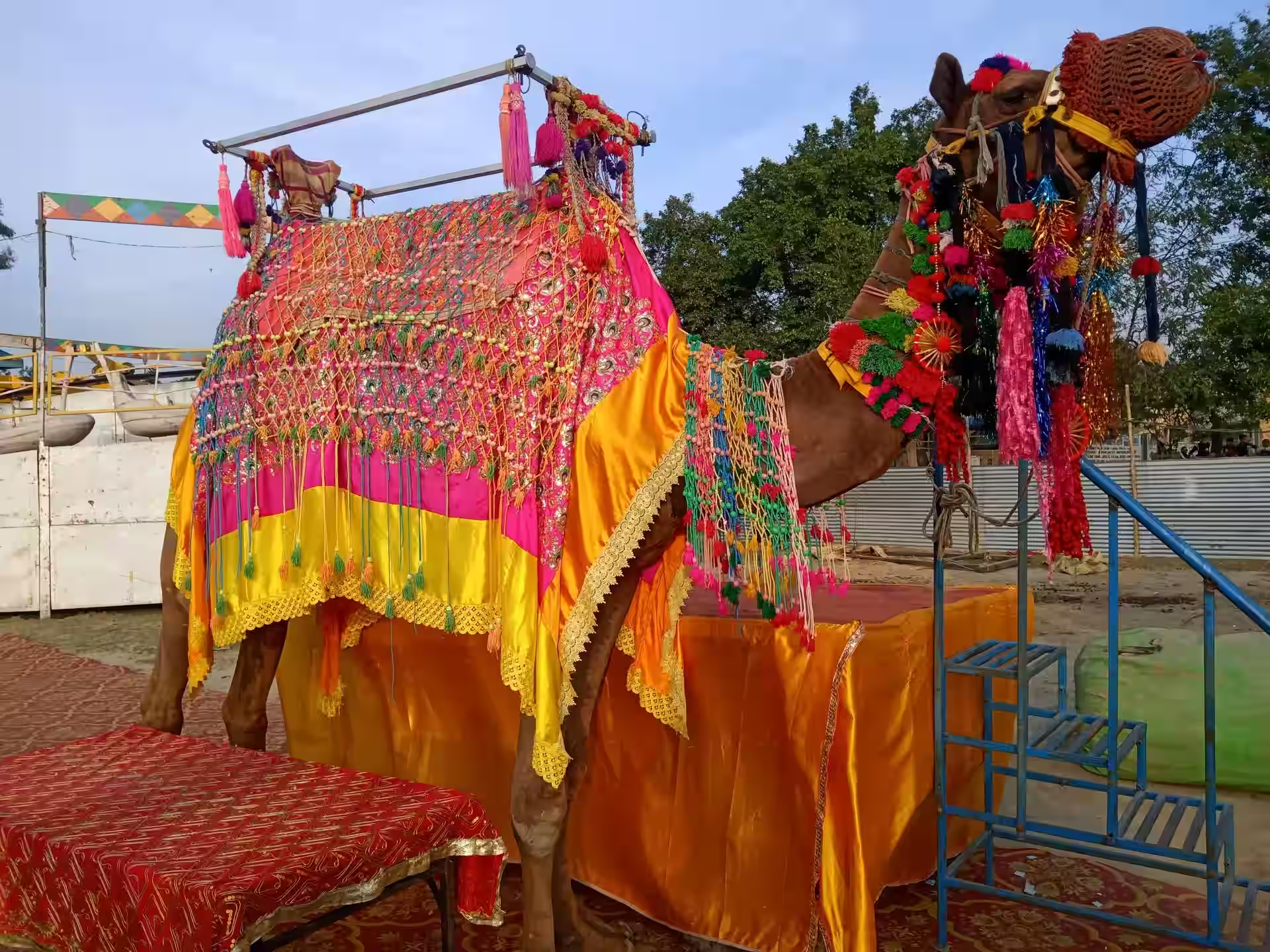
Festivals, Fairs & Living Culture
Rajasthan’s culture is alive through its festivals:
- Pushkar Camel Fair
- Desert Festival (Jaisalmer)
- Gangaur Festival
- Teej Festival
- Marwar Festival
Traditional dances like Ghoomar and Kalbelia are globally recognized, with Kalbelia listed by UNESCO as intangible cultural heritage.
Art, Handicrafts & Cuisine
Traditional Arts
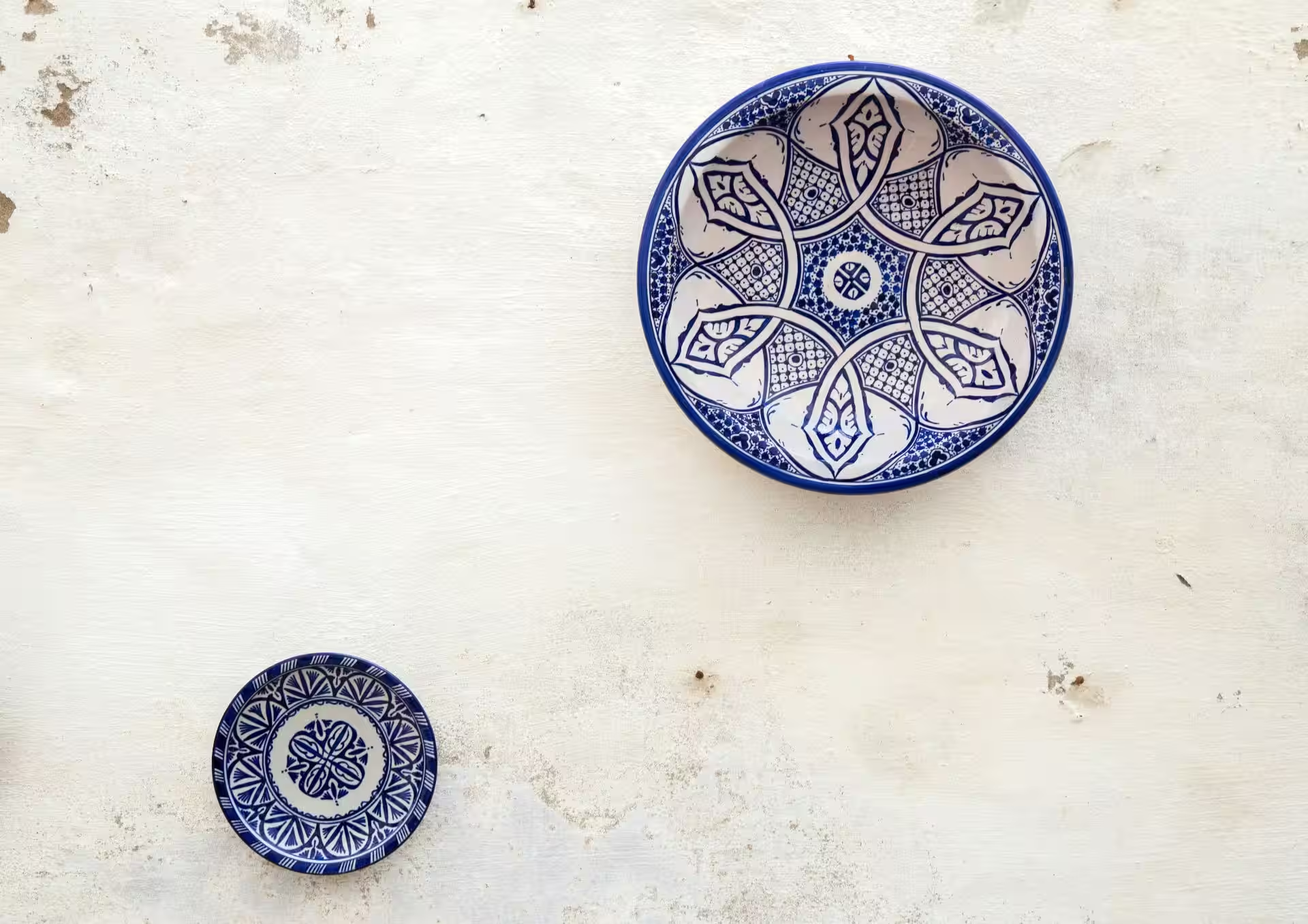
- Blue pottery
- Block printing (Bagru & Sanganeri)
- Miniature paintings
- Jewelry and silverwork
Rajasthani Cuisine
- Dal Baati Churma
- Gatte ki Sabzi
- Ker Sangri
- Ghewar
- Laal Maas
Best Time to Visit Rajasthan
October to March
This is the best time for sightseeing and wildlife viewing. The weather stays pleasant, and parks remain fully open. Animal movement is higher during the cooler months.
April to June
Ideal for desert tourism and fewer These months work well for desert tourism and quieter travel. Days are hot, but you get fewer visitors. Wildlife sightings can still be good near water sources.
July to September
The monsoon season brings fresh greenery, especially in eastern Rajasthan. Forests look beautiful, and bird activity increases. Some parks may stay closed during heavy rains.
Festivals And Calendar
Pushkar Camel Fair – November
One of the largest camel and livestock fairs in India held in Pushkar with trading, cultural shows, and folk performances.
Jan
Feb
Mar
Apr
May
Jun
Jul
Aug
Sep
Oct
Nov
Dec
Best
Good
Fair
poor
Why Visit Rajasthan
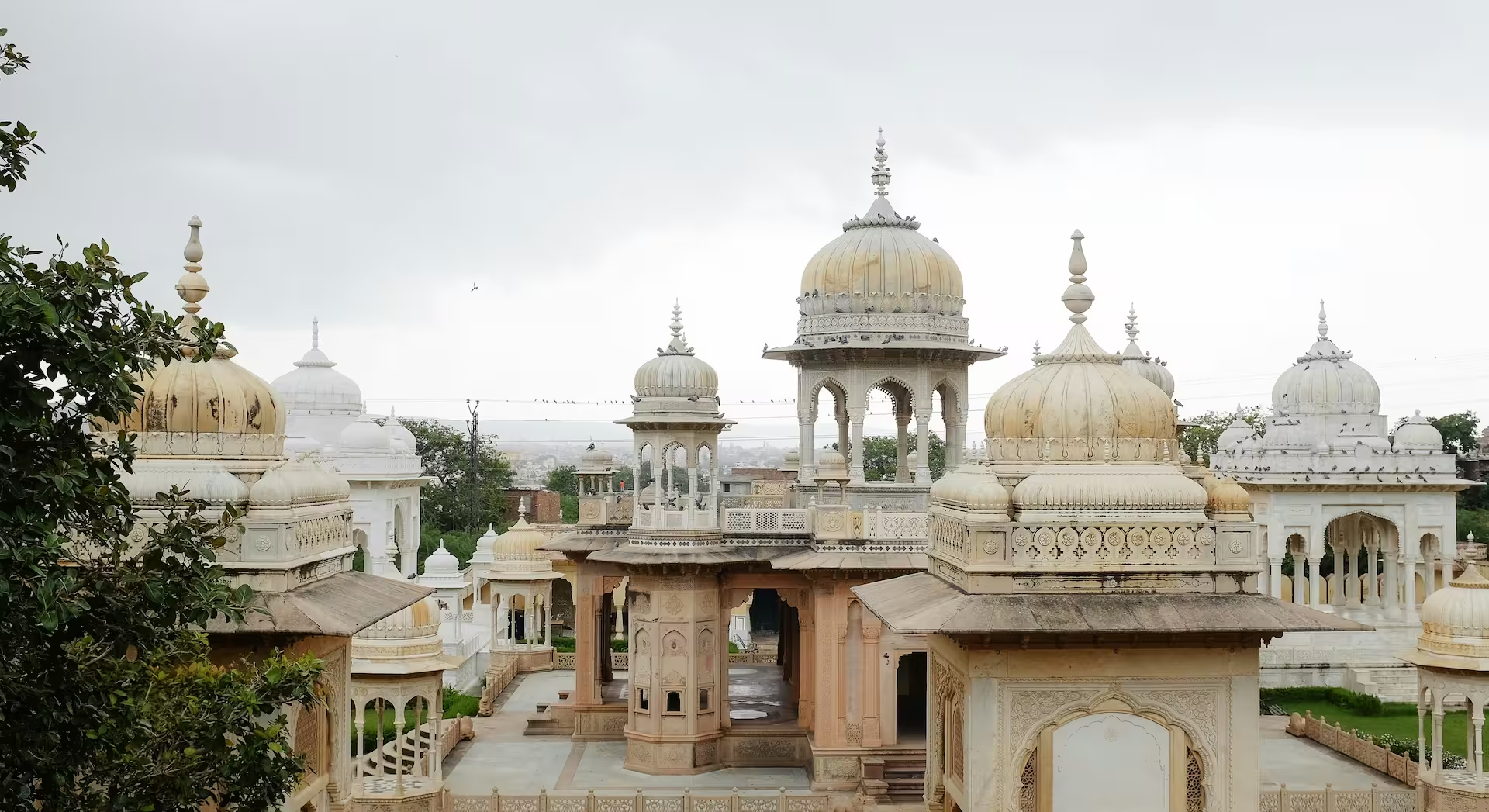
Rajasthan is not just a destination; it is an experience of history, courage, culture, and color. Whether it is watching a tiger in the wild, standing atop a mighty fort, drifting across a lake palace, or listening to folk music under desert stars, Rajasthan leaves a lasting impression on every traveler.
Discover by Interest
Beach
Beaches Destinations
Heritage
Heritage Destinations
Hill Stations
Hill Stations
Spiritual
Spiritual Destinations
Trekking
Trekking Hotspots
Wildlife
Wildlife Destinations
Frequently Asked Questions
What is Rajasthan famous for?
Rajasthan is known for its forts, palaces, desert areas, and royal history. Famous places include Amber Fort, Mehrangarh Fort, and Jaisalmer Fort.
What are the main cities to visit in Rajasthan?
Some well known cities are Jaipur, Udaipur, Jodhpur, Jaisalmer, and Bikaner.
What is the best time to visit Rajasthan?
October to March is the best time. The weather stays cooler and more comfortable for travel and sightseeing.
What desert areas can visitors see in Rajasthan?
Large parts of the Thar Desert lie in Rajasthan. Popular desert locations include Sam Sand Dunes.
Is Rajasthan safe for tourists?
Yes, Rajasthan is generally safe for travelers. It is one of the most visited tourist states in India. Travelers should still take normal precautions in busy places.