
Overview
Chittorgarh Fort is one of the largest forts in India and a major historical site in Chittorgarh, Rajasthan. The fort stands on a high hill and covers a large area of about 700 acres.
The fort was an important stronghold of the Sisodia Rajputs of Mewar. It served as the capital of the Mewar kingdom for many centuries. The fort is closely linked with stories of bravery, sacrifice, and royal history.
Several rulers strengthened and expanded the fort over time. Important historical events and battles took place here, including conflicts with rulers such as Alauddin Khalji.
Inside the fort visitors can see palaces, temples, towers, reservoirs, and historic gates. Because of its cultural and historical importance, the fort is part of the UNESCO World Heritage Site group known as the Hill Forts of Rajasthan.
Open Hours
- Open Days: All days of the week
- Open Time: 9:00 AM
- Closing Time: 5:00 PM
Morning and late afternoon are comfortable times to visit the fort.
Entry Fee - Indians vs Foreigners
| Category | Ticket Price (INR) |
|---|---|
| Indian Citizens | ₹50 |
| Foreign Tourists | ₹200 |
| Children | Free or discounted |
| Camera Charges | May apply |
What To Expect
Massive Hilltop Fort
Chittorgarh Fort stretches across a large hill and includes many historic buildings and open areas.
Historic Towers
Visitors can see famous towers such as Vijay Stambh and Kirti Stambh inside the fort complex.
Palaces and Temples
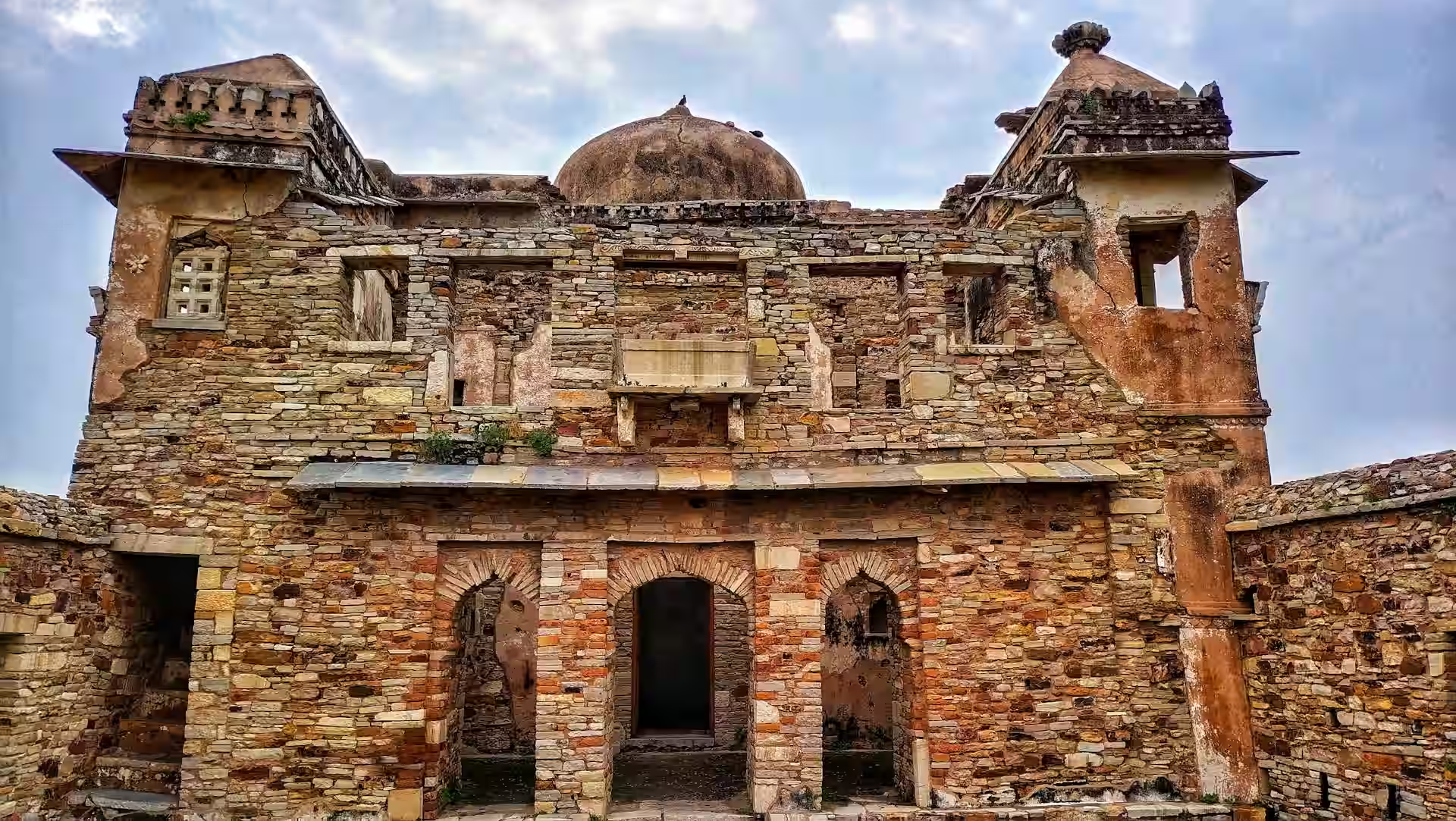
Important structures like Rana Kumbha Palace and Padmini Palace are located within the fort walls.
Scenic Views
The fort provides wide views of the surrounding plains and the city below.
Tips
- The fort area is large, so allow enough time to explore.
- Wear comfortable footwear for walking.
- Carry water during warmer months.
- Hiring a local guide can help you understand the history of the fort.
- Visit early in the morning to avoid crowds.
About Chittorgarh Fort
Chittorgarh Fort stands as one of the most important historic forts in Rajasthan. The site shows the courage and long held traditions of the rulers of Mewar. The fort spreads across a wide hill and holds layers of built space. It includes several gates, temples, water reservoirs, and royal buildings from many centuries. Each structure marks a phase of rule, work, and daily life within the walls. The fort held a key place in the political history of the region.
The fort also holds stories of sacrifice and resistance during attacks by powerful rulers. These events took place across its gates, courtyards, and inner grounds. The accounts remain part of local memory and spoken history. They pass through families and guide how people understand the past. Today the fort stands as a major heritage site and draws many visitors each year. People come to see one of the largest and most historic forts in India.
Detailed Information
| Detail | Information |
|---|---|
| Location | Chittorgarh, Rajasthan |
| Built By | Maurya rulers of Mewar (later expanded by Sisodia rulers) |
| Type | Hill Fort |
| Area | About 700 acres |
| Architectural Style | Rajput military architecture |
| Famous Structures | Vijay Stambh, Kirti Stambh, Rana Kumbha Palace |
| UNESCO Status | Part of Hill Forts of Rajasthan (World Heritage Site) |
| Historical Importance | Capital of Mewar kingdom for centuries |
Near by Places
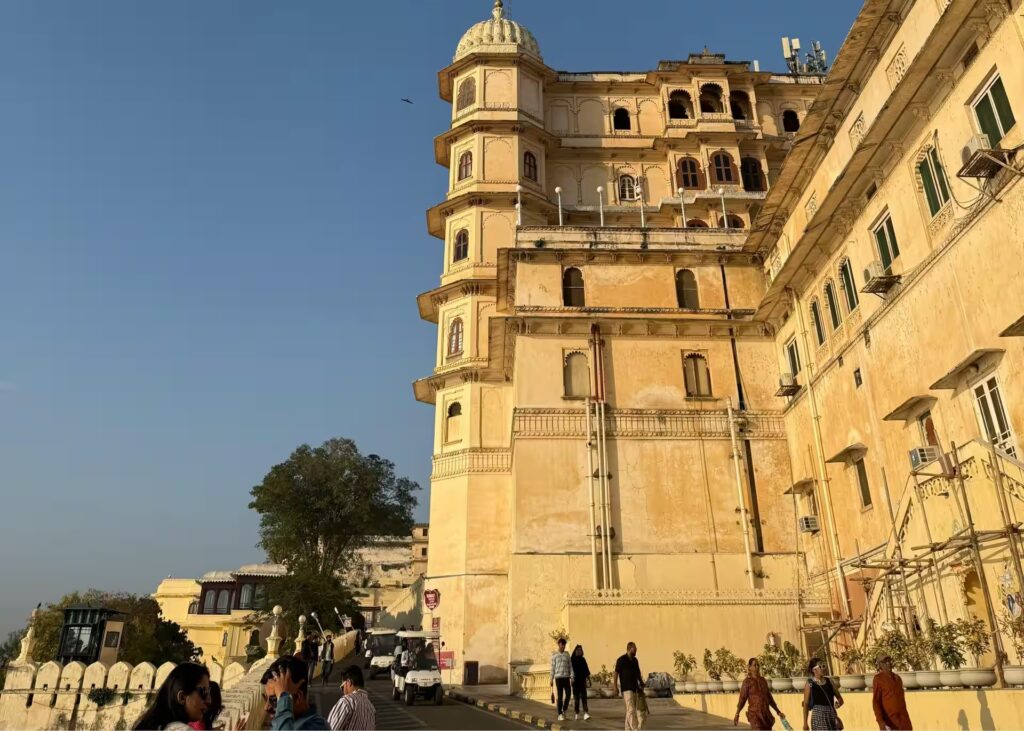
Bagore Ki Haveli
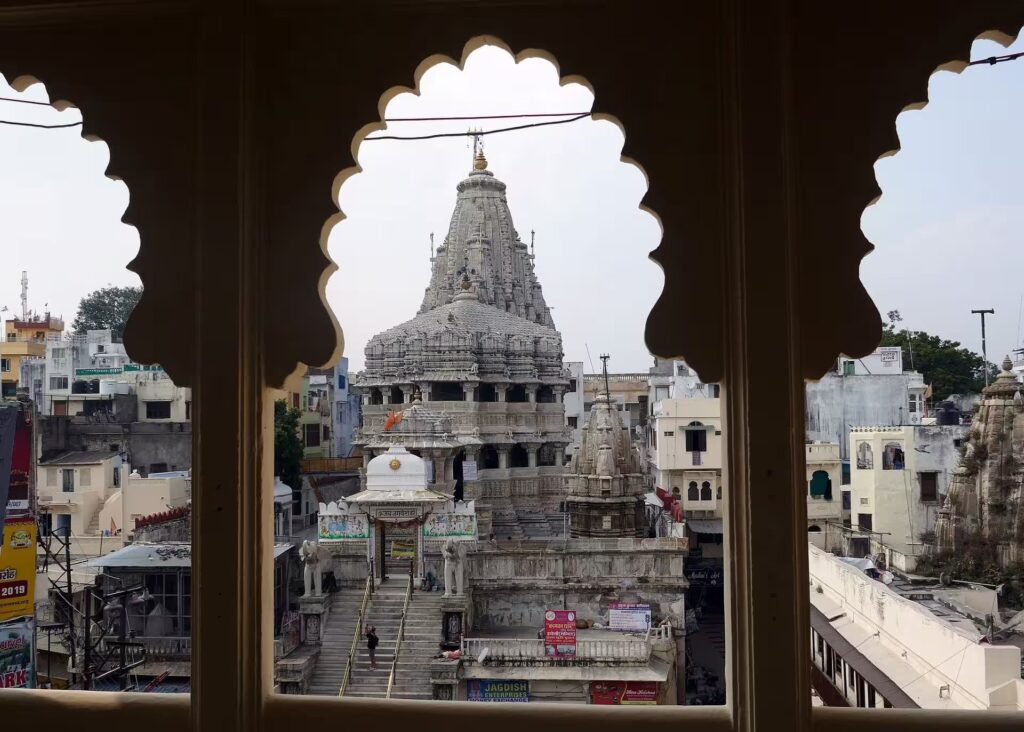
Jagdish Temple
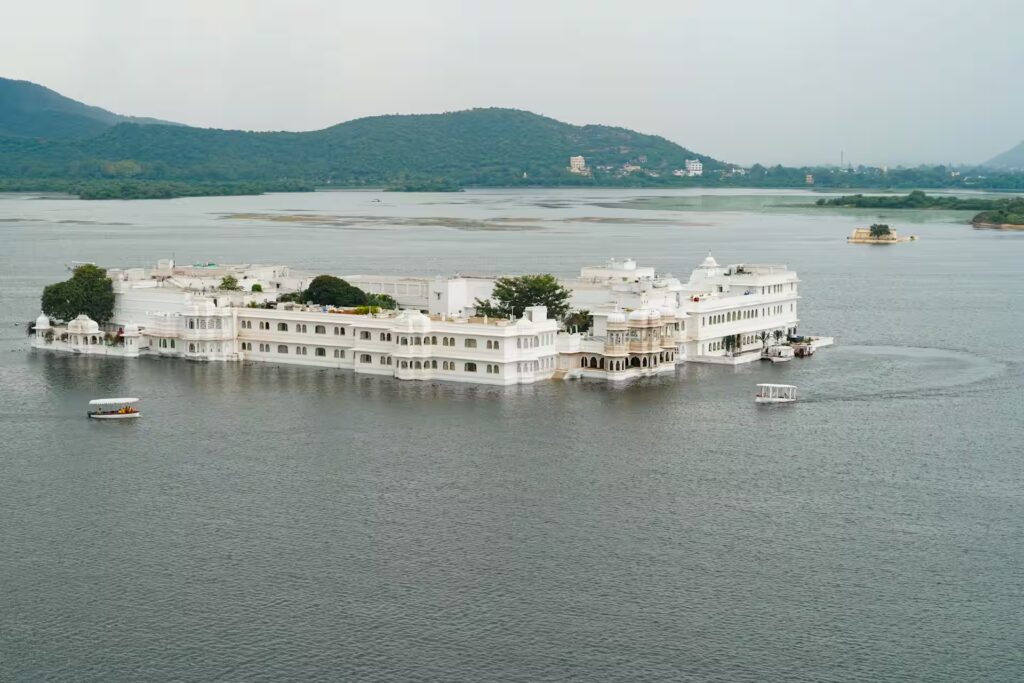
Lake Palace
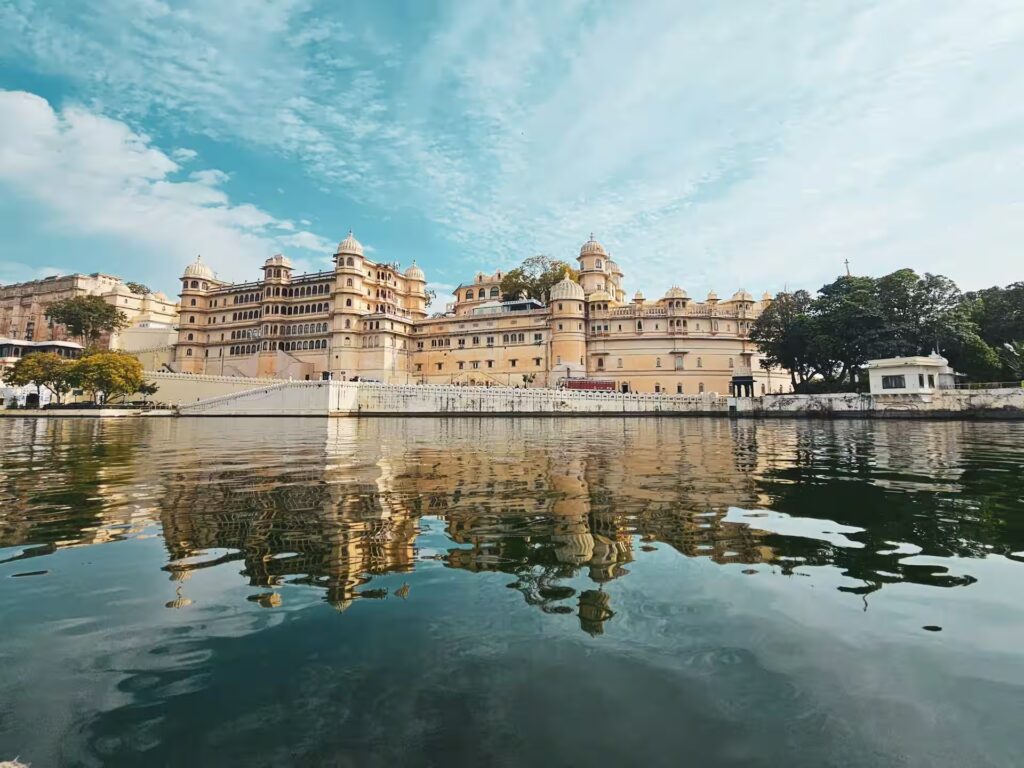
Udaipur City Palace
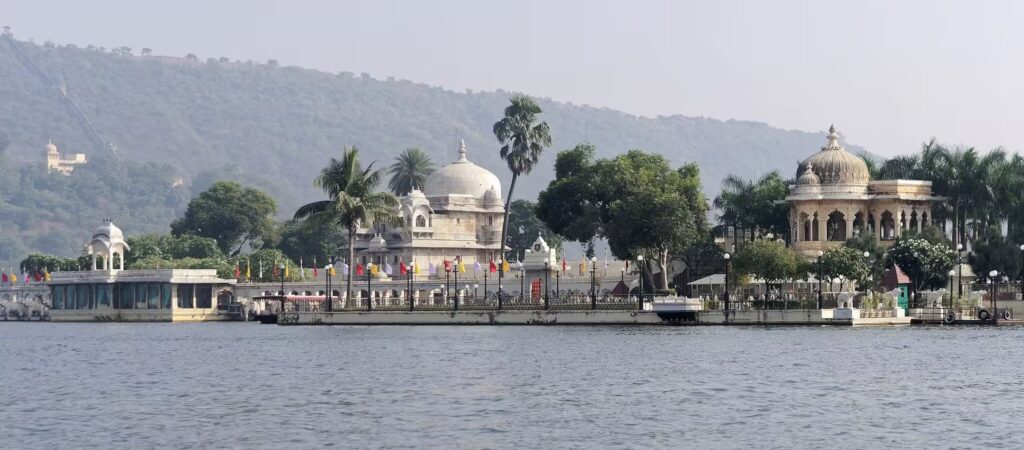
Jag Mandir Palace
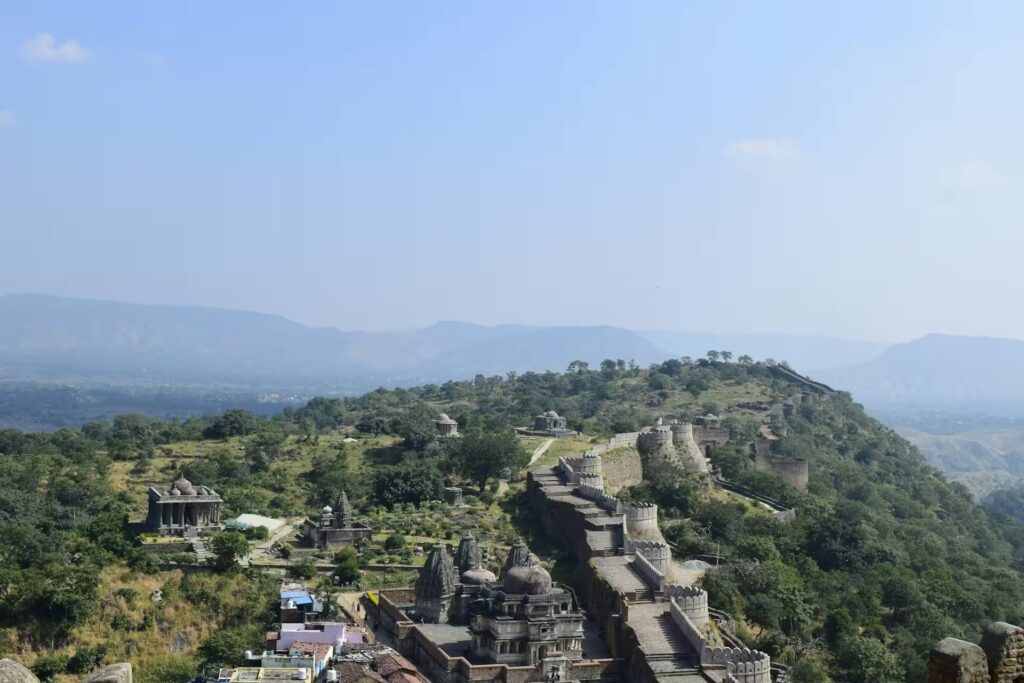
Kumbhalgarh Fort
Similar Places to Visit
Alappuzha Lighthouse
Sur Sagar Lake
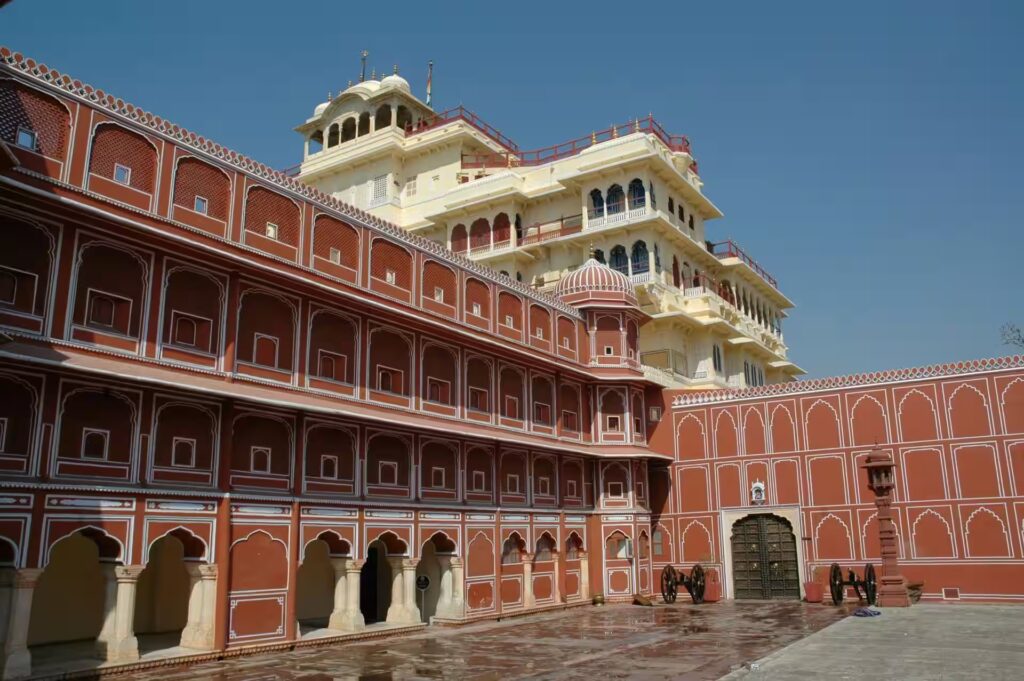
Jaipur City Palace
Udaipur City Palace
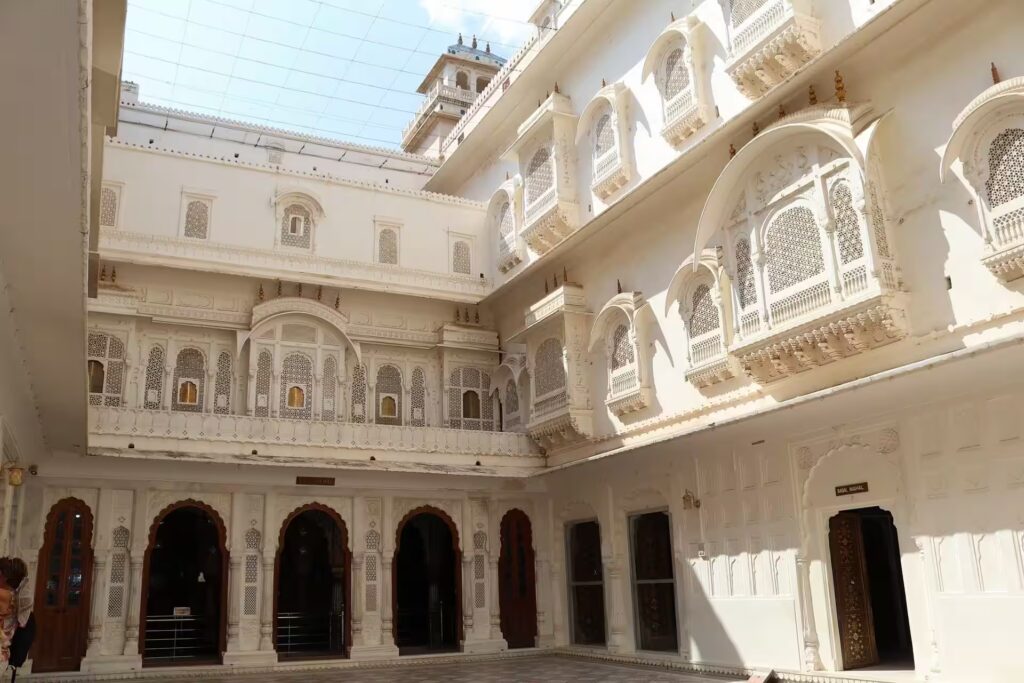
Anup Mahal
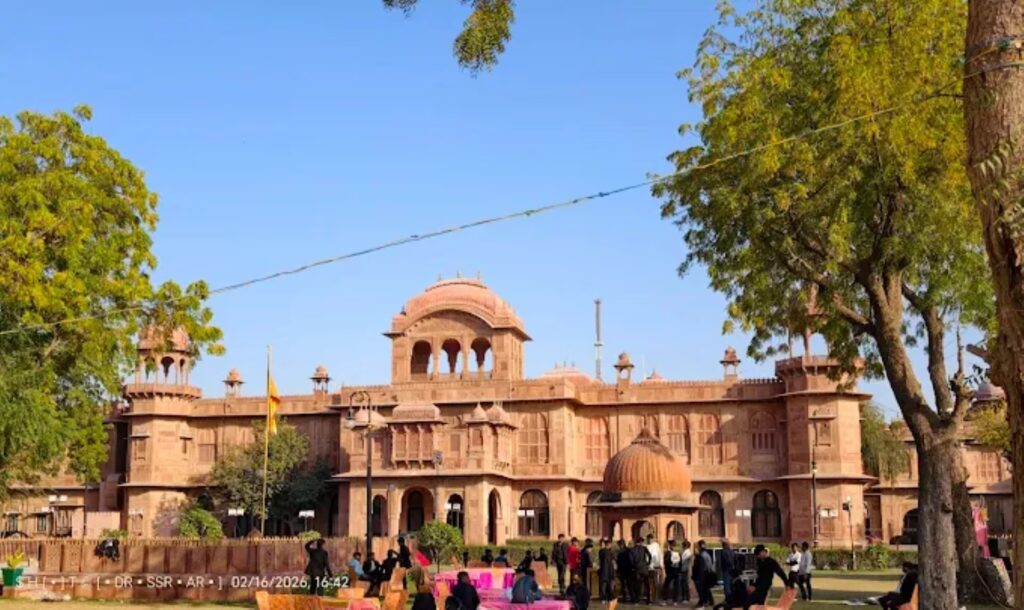
Lalgarh Palace
Discover by Interest
Beach
Beaches Destinations
Heritage
Heritage Destinations
Hill Stations
Hill Stations
Spiritual
Spiritual Destinations
Trekking
Trekking Hotspots
Wildlife
Wildlife Destinations
Frequently Asked Questions
Where is Chittorgarh Fort located?
Chittorgarh Fort is located in Chittorgarh in the state of Rajasthan.
Why is Chittorgarh Fort famous?
The fort is known for its large size, historic towers, palaces, and stories of Rajput bravery.
Who built Chittorgarh Fort?
The fort was originally built by early rulers of Mewar and later expanded by the Sisodia Rajputs.
How big is Chittorgarh Fort?
The fort covers an area of about 700 acres and is one of the largest forts in India.
Is Chittorgarh Fort a UNESCO World Heritage Site?
Yes. It is part of the UNESCO World Heritage Site group called the Hill Forts of Rajasthan.