
Where Mountains, Rivers, and Tribes Shape Life
Manipur lies in Northeast India and is shaped by green hills, central valleys, and strong cultural identity. The state is known for classical dance, historic forts, peaceful lakes, and rich traditions rooted in daily life.
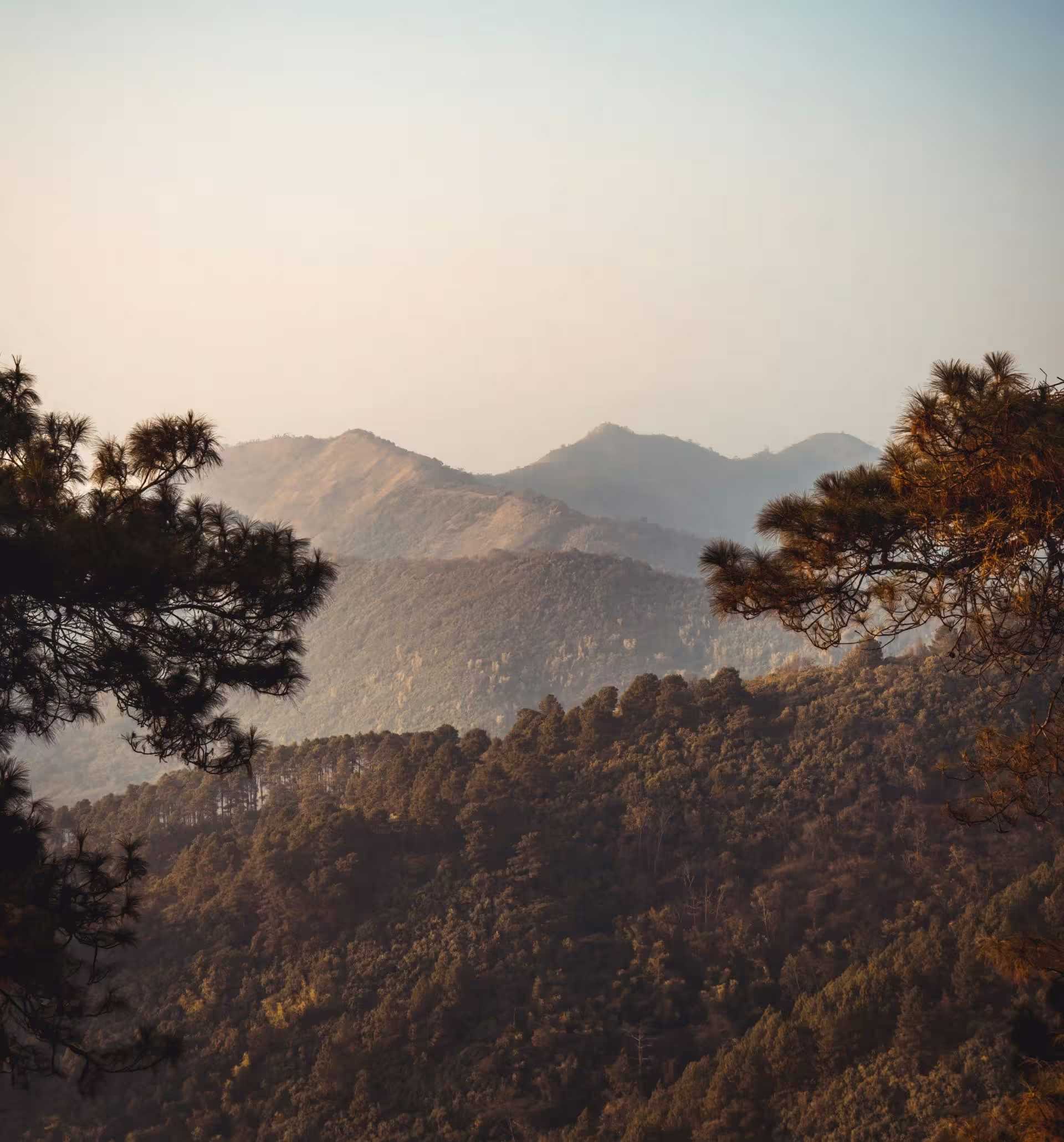
Historical Forts, Palaces & Heritage Towns
Kangla Fort
The ancient royal seat of Manipur’s kings, showcasing rich history, architecture, and cultural heritage.
Imphal
The capital city of Manipur, known for its royal legacy, museums, and war memorials.
Moirang
A historic town connected to India’s freedom movement, local legends, and cultural traditions.
Religious & Spiritual Centers
Shree Govindajee Temple
A prominent Vaishnavite temple in Imphal, known for its architectural beauty and cultural significance.
Loktak Lake Shrines
Sacred spots along Loktak Lake, associated with local beliefs, rituals, and community worship.
Sanamahi Sacred Sites
Traditional religious centers of the Meitei community, preserving ancient rituals and spiritual practices.
Hiyangthang Lairembi Temple
A historic temple dedicated to the goddess Lairembi, important for local festivals and devotion.
Ancient Sites & Cultural Heritage
Kangla Fort Complex
Historic royal structures in Imphal that reflect Manipur’s ancient traditions and architectural heritage.
Moirang INA Memorial
A heritage site honoring the Indian National Army and its role in India’s freedom movement.
Andro Cultural Village
A preserved village showcasing traditional pottery, crafts, and centuries-old cultural practices.
Natural Landscapes & Scenic Attractions
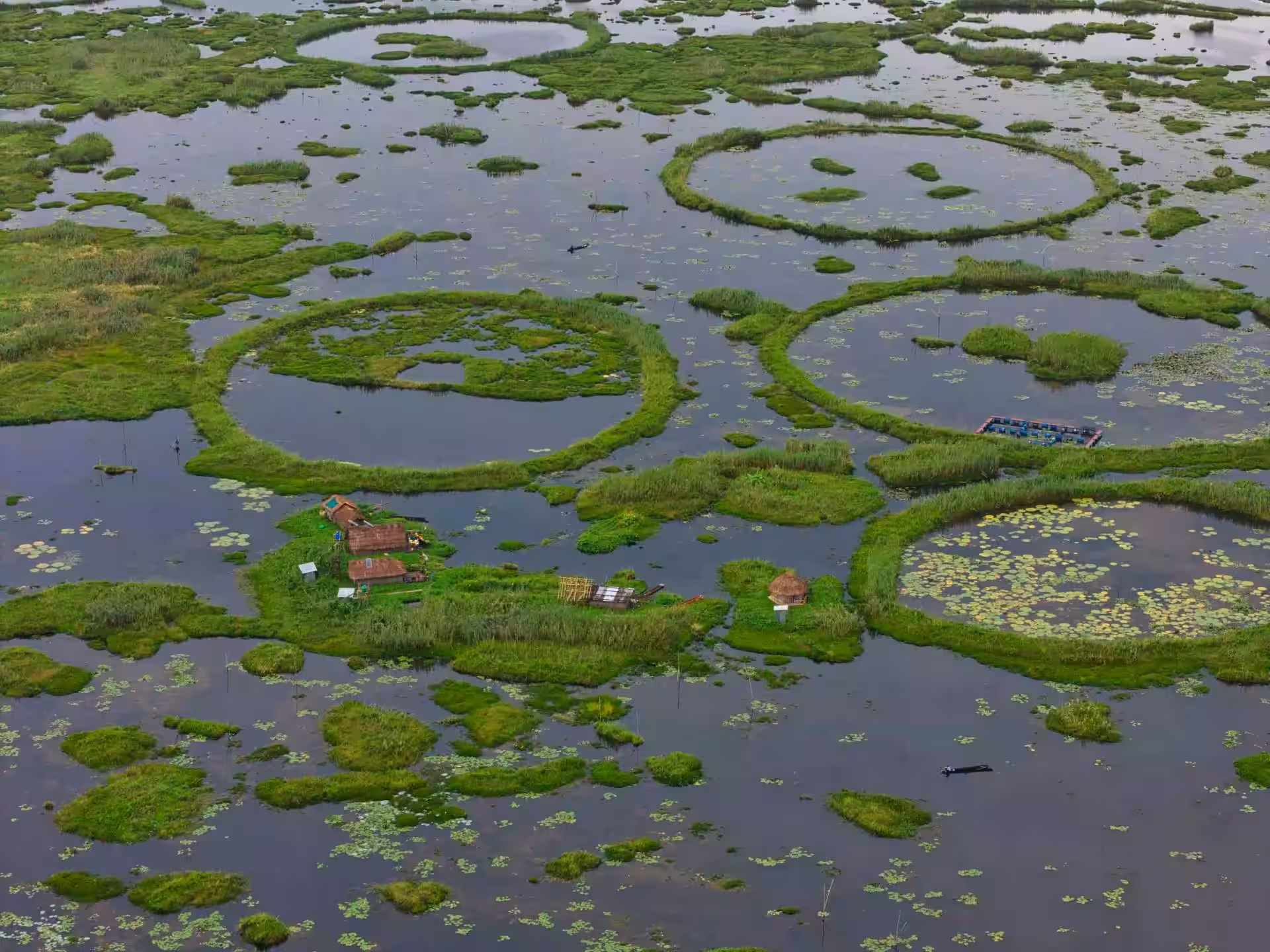
Loktak Lake
The largest freshwater lake in the Northeast.
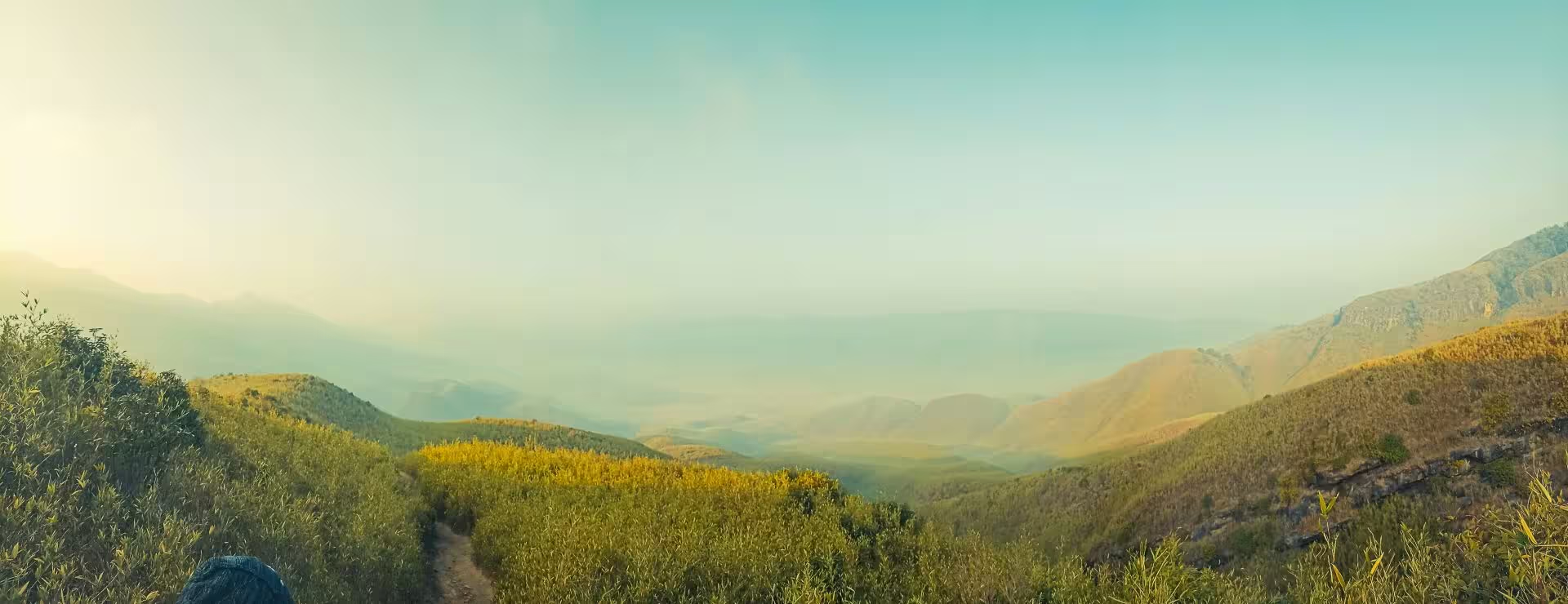
Dzuko Valley
A scenic valley with meadows and seasonal flowers.
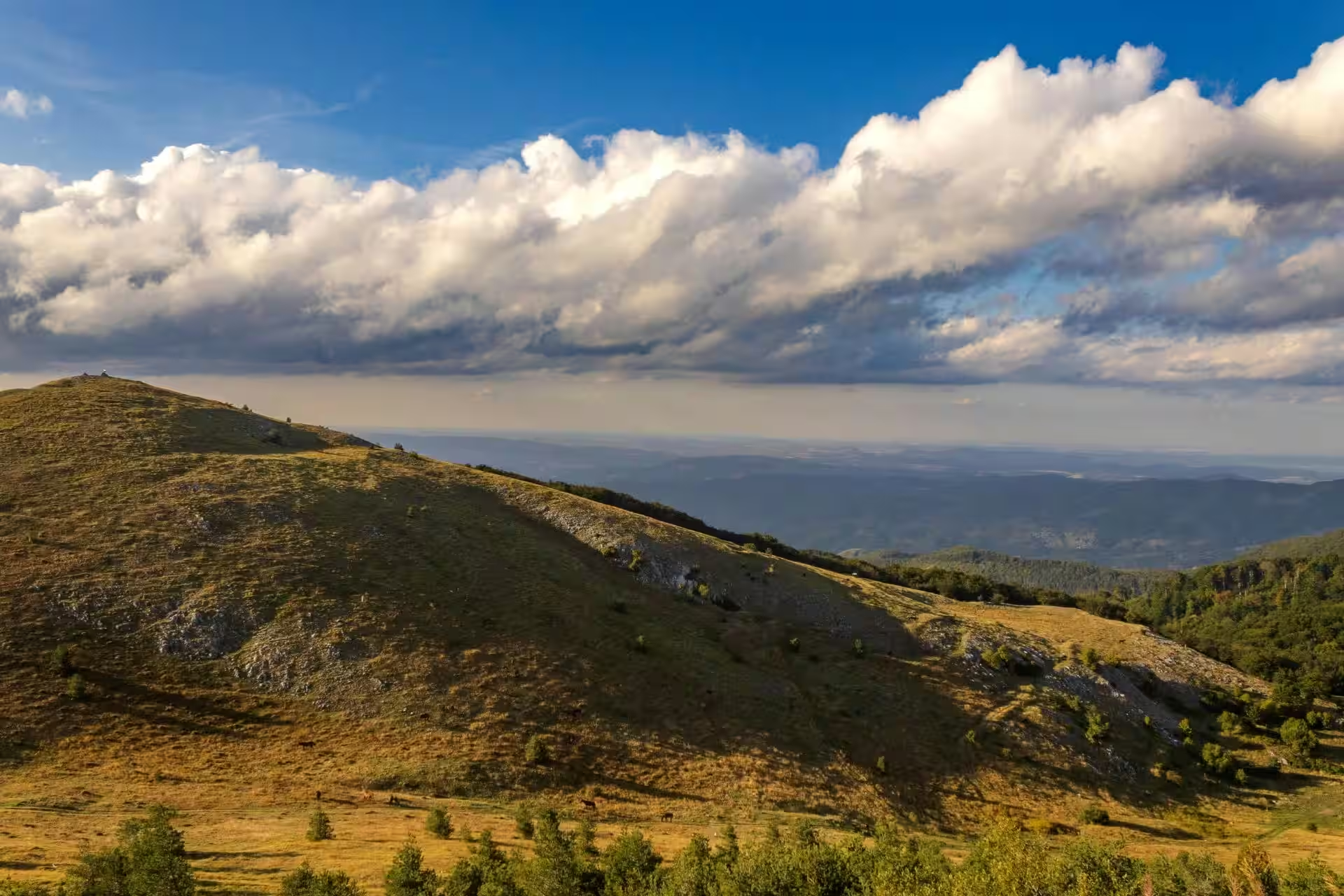
Ukhrul Hills
Forest-covered hills home to the Shirui lily.
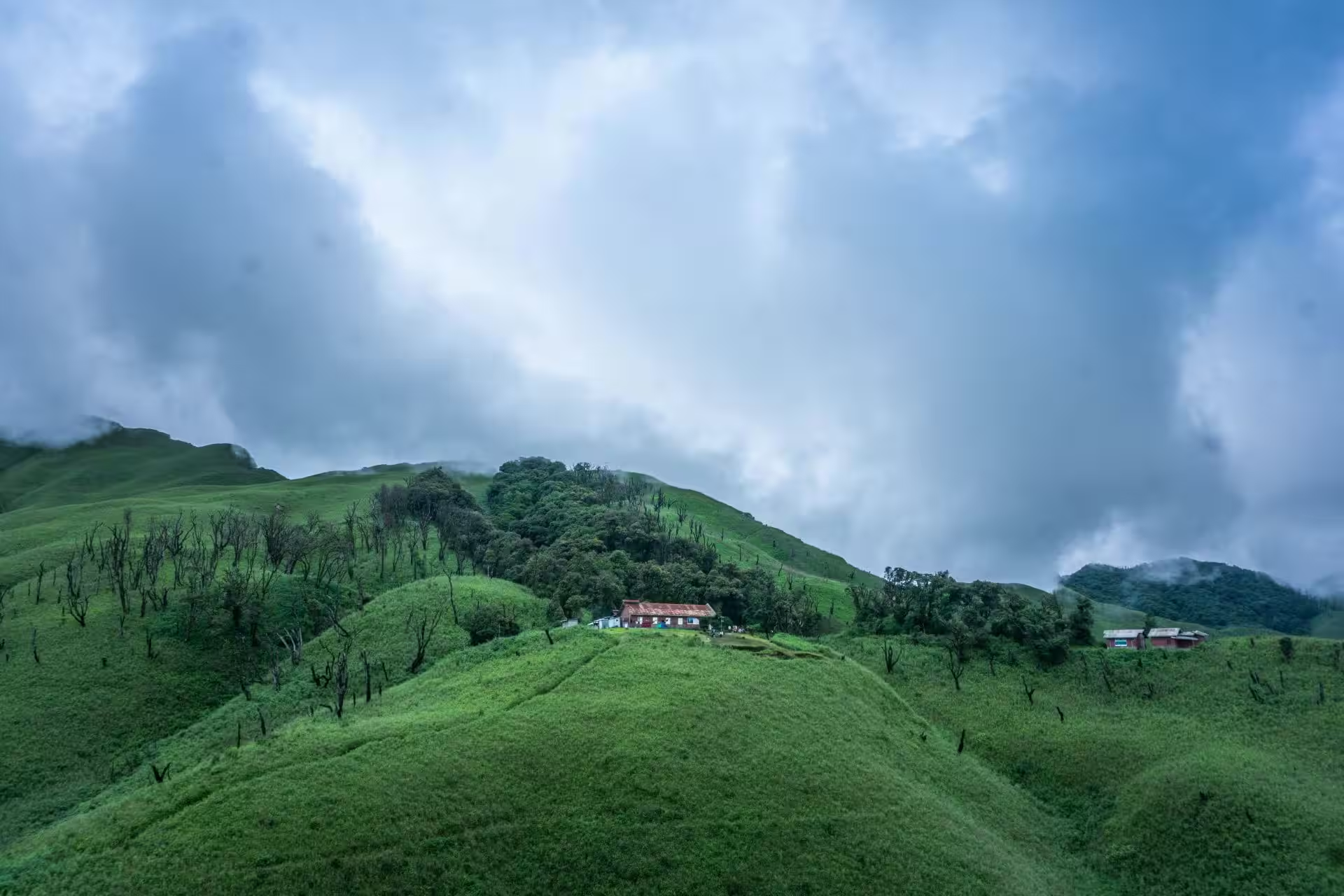
Khayang Peak
A high peak with panoramic hill and valley views.
Most Visited Locations
Wildlife & National Parks
Manipur has protected forests, wetlands, and diverse wildlife. These natural areas support rare species, migratory birds, and rich plant life across hills and valleys.
01
Keibul Lamjao
The only floating national park in the world, spread over Loktak Lake and known for the endangered Sangai deer.
02
Sirohi National Park
A high-altitude forest park in Manipur, known for its rich flora, diverse bird species, and tranquil mountain landscapes.
03
Yangoupokpi Lokchao
A dense forest sanctuary near the India Myanmar border, home to diverse wildlife and natural landscapes.
Cultural Experiences & Tribal Heritage
- Home to Meitei, Tangkhul, Kuki, and Naga communities
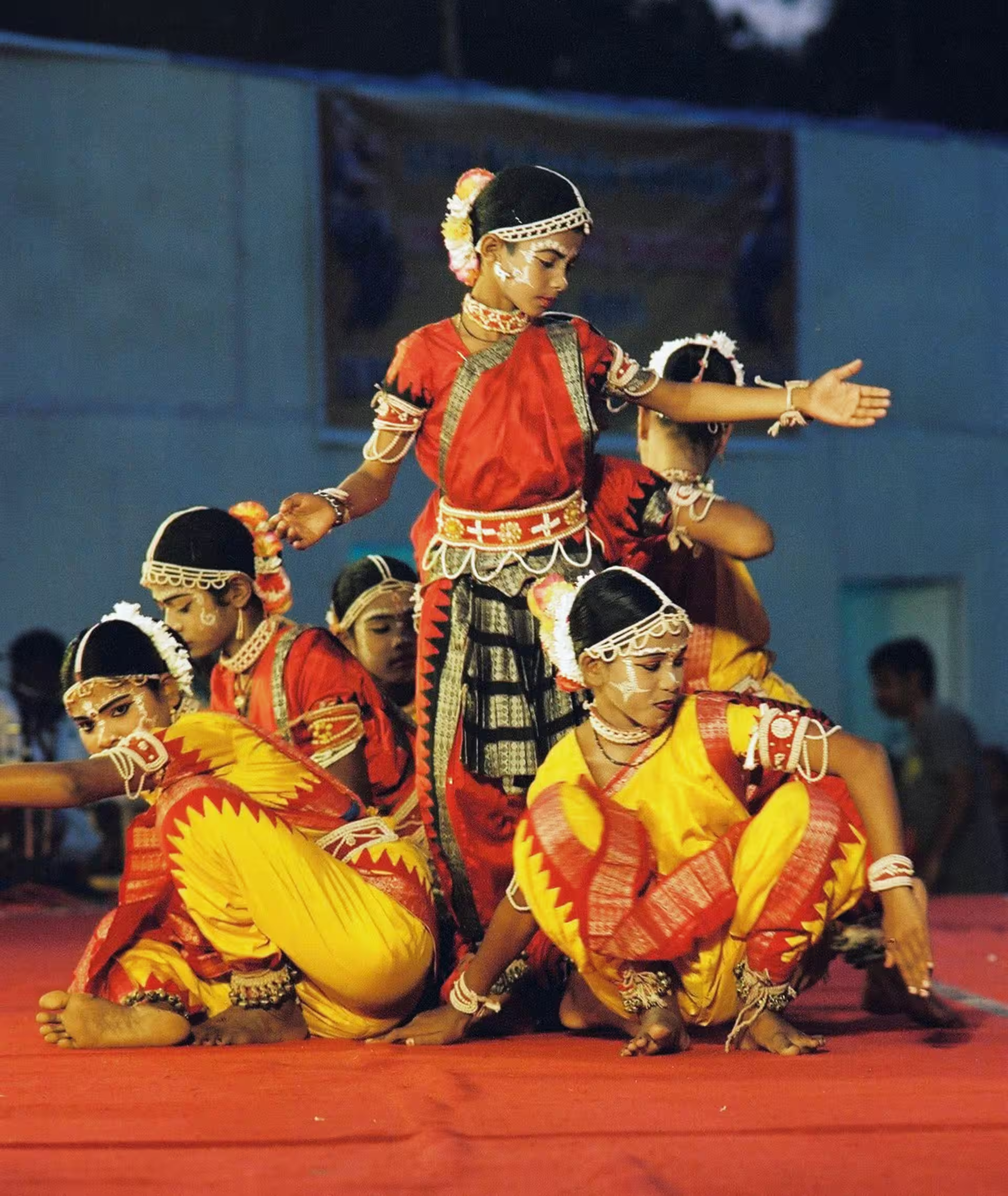
- Classical Manipuri dance and martial art traditions
- Handloom weaving and indigenous music
- Festivals like Yaoshang and Lai Haraoba reflect local life
Cuisine & Handicrafts
Cuisine
- Rice based meals with local greens and herbs
- Dishes like Eromba, Chamthong, and Ngari
- Fresh flavors shaped by local produce
Handicrafts
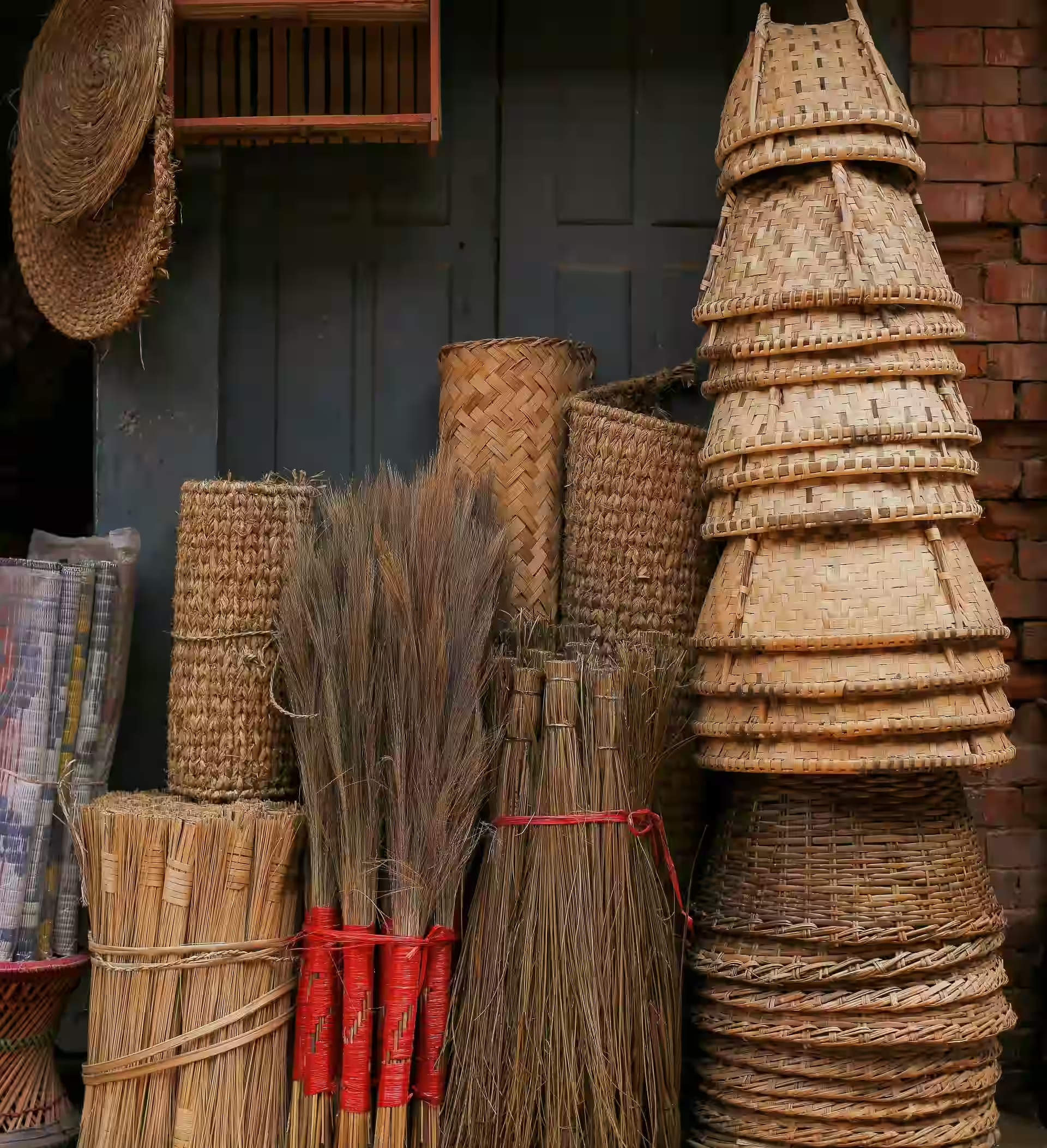
- Handwoven textiles and shawls
- Pottery, bamboo crafts, and woodwork
- Traditional designs passed through generations
Best Time to Visit Manipur
October to April
Comfortable weather for travel and sightseeing. Best for cultural tours and outdoor exploration.
March to May
Warm months with blooming landscapes. Good for festivals and village visits.
June to September
Monsoon season brings heavy rainfall. The landscape turns green, but travel may slow down.
Why Visit Manipur
Manipur offers a calm mix of culture, nature, and history. From floating lakes and hill towns to classical dance and ancient forts, the state gives travelers a deep and meaningful travel experience.