
Where Nature, Culture, and Rivers Shape Life
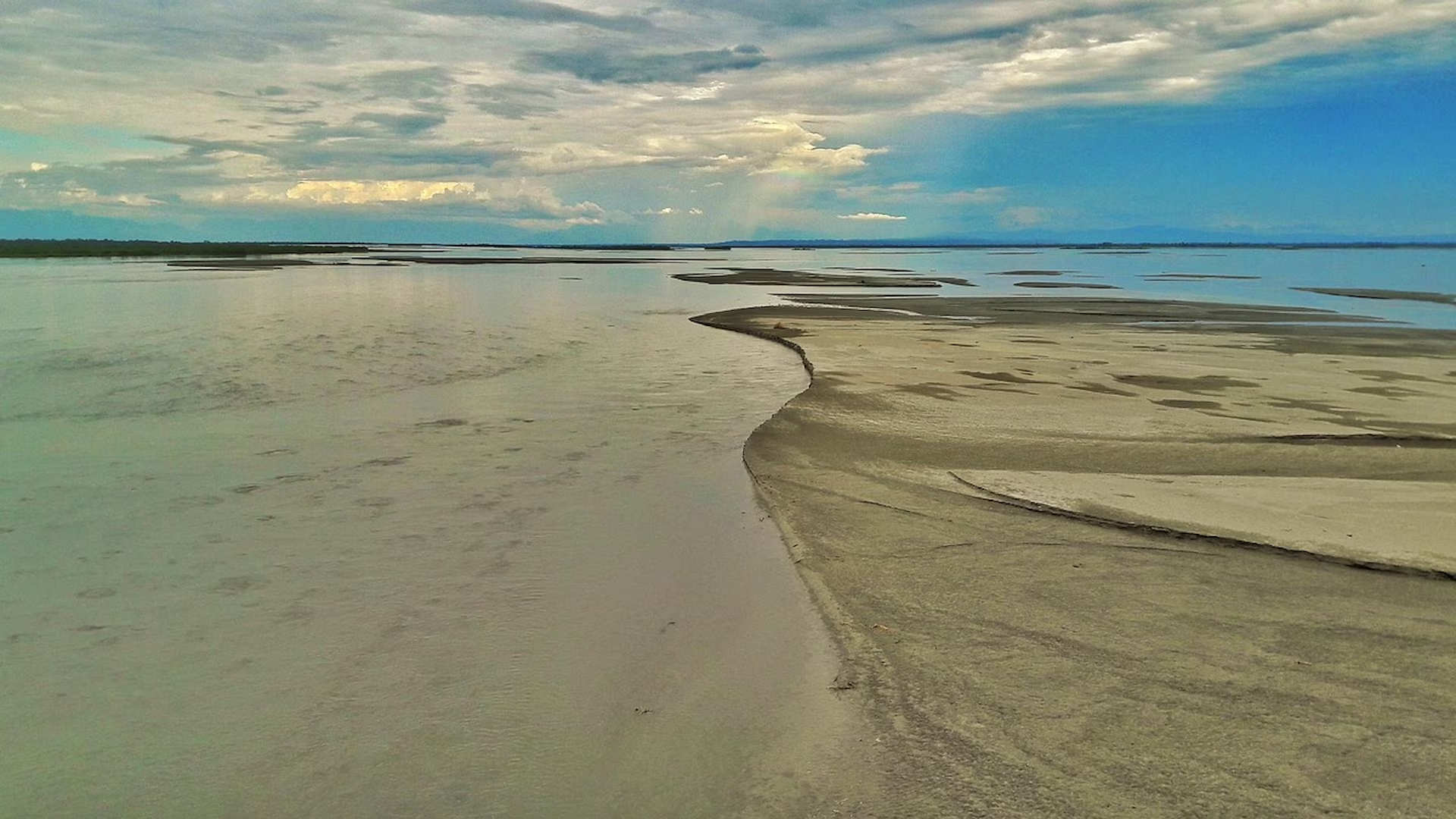
Assam lies in Northeast India and is shaped by the mighty Brahmaputra River, rolling tea gardens, dense forests, and deep rooted traditions. The state is known for rich wildlife, ancient temples, tribal cultures, and calm landscapes that feel raw and real.
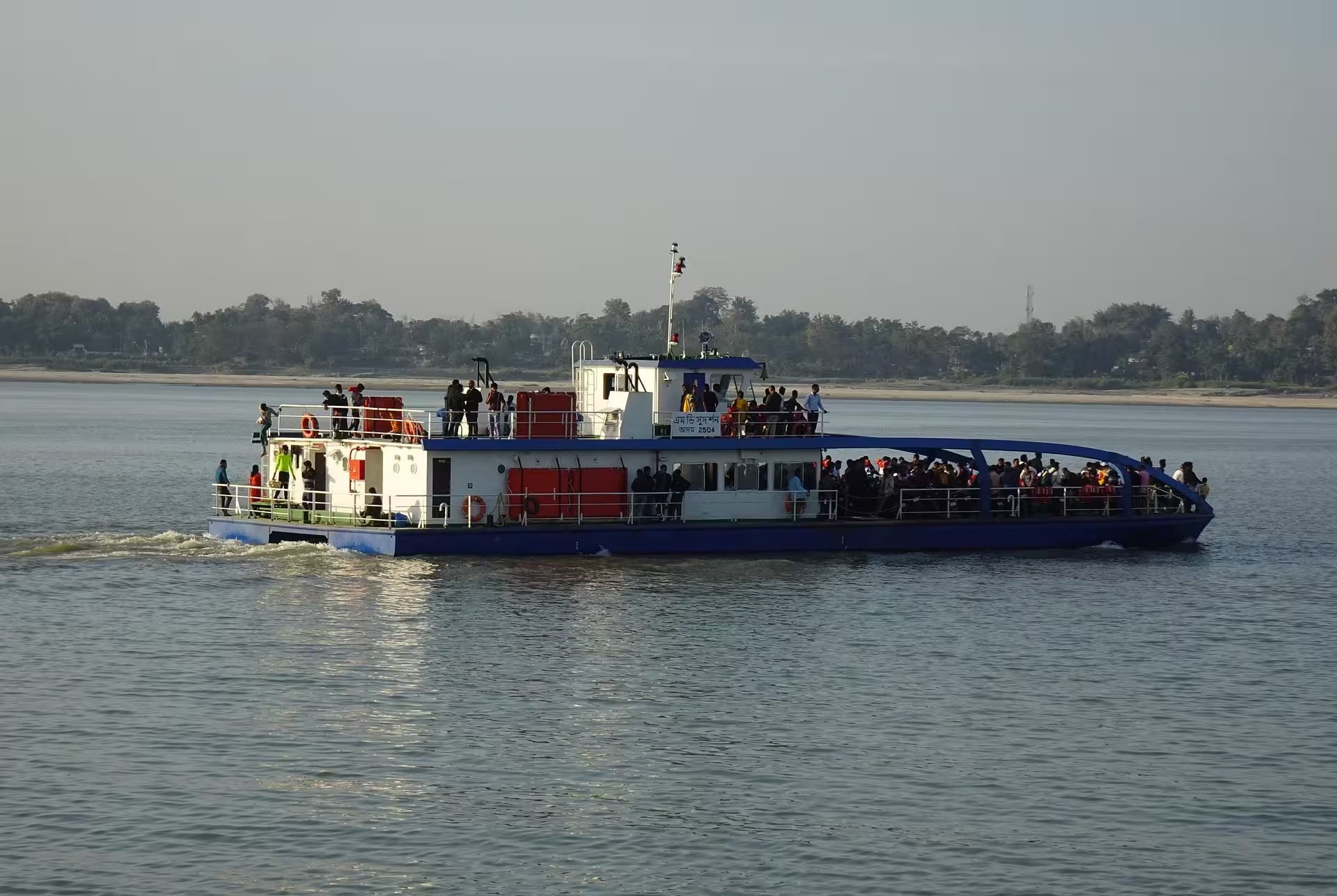
Major Highlight
Wildlife & National Parks
Assam is one of India’s richest wildlife regions, known for rare species and protected landscapes.
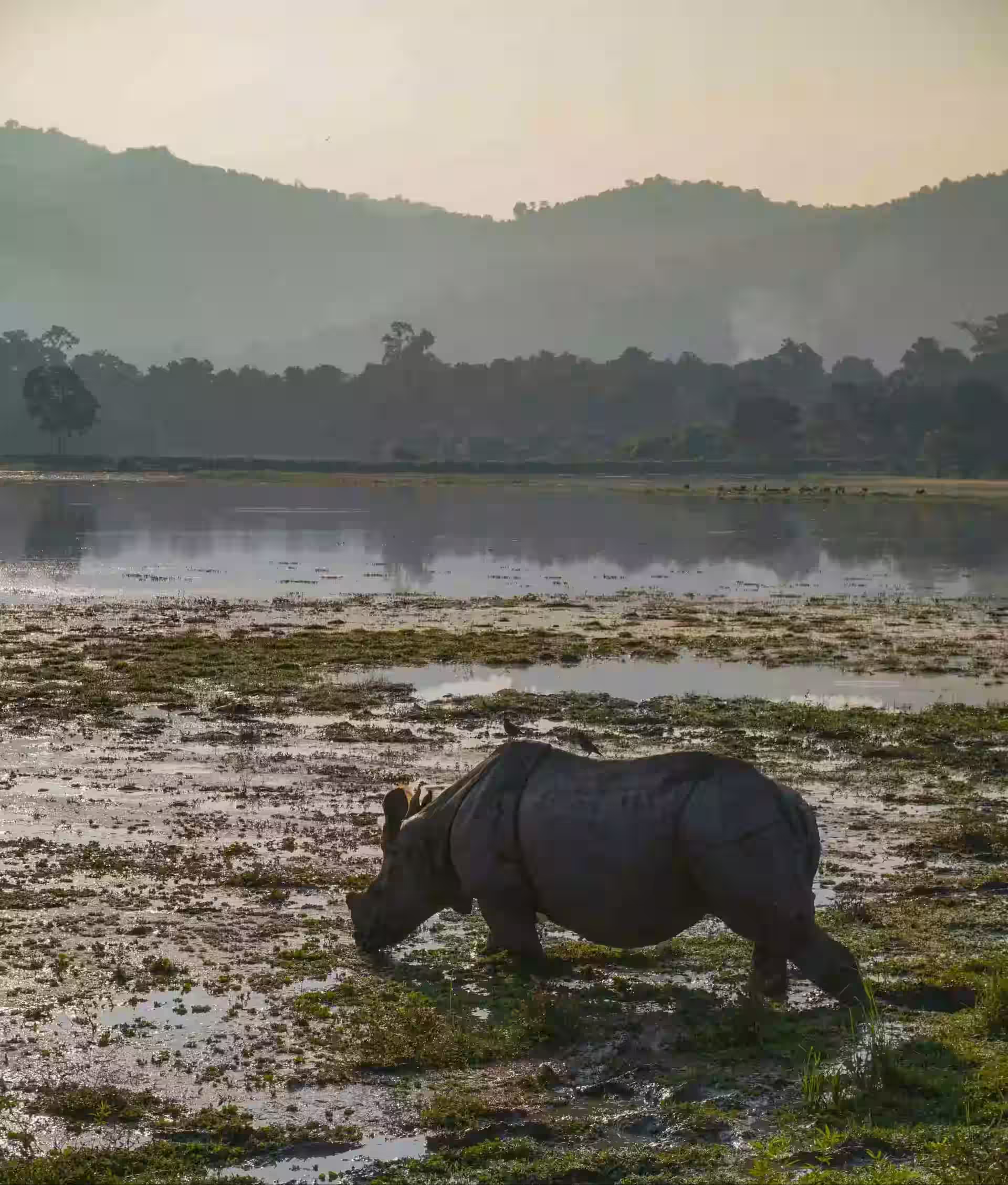
Kaziranga National Park
- Home to the one horned rhinoceros and high density wildlife.
- Grasslands, wetlands, and strong conservation success.
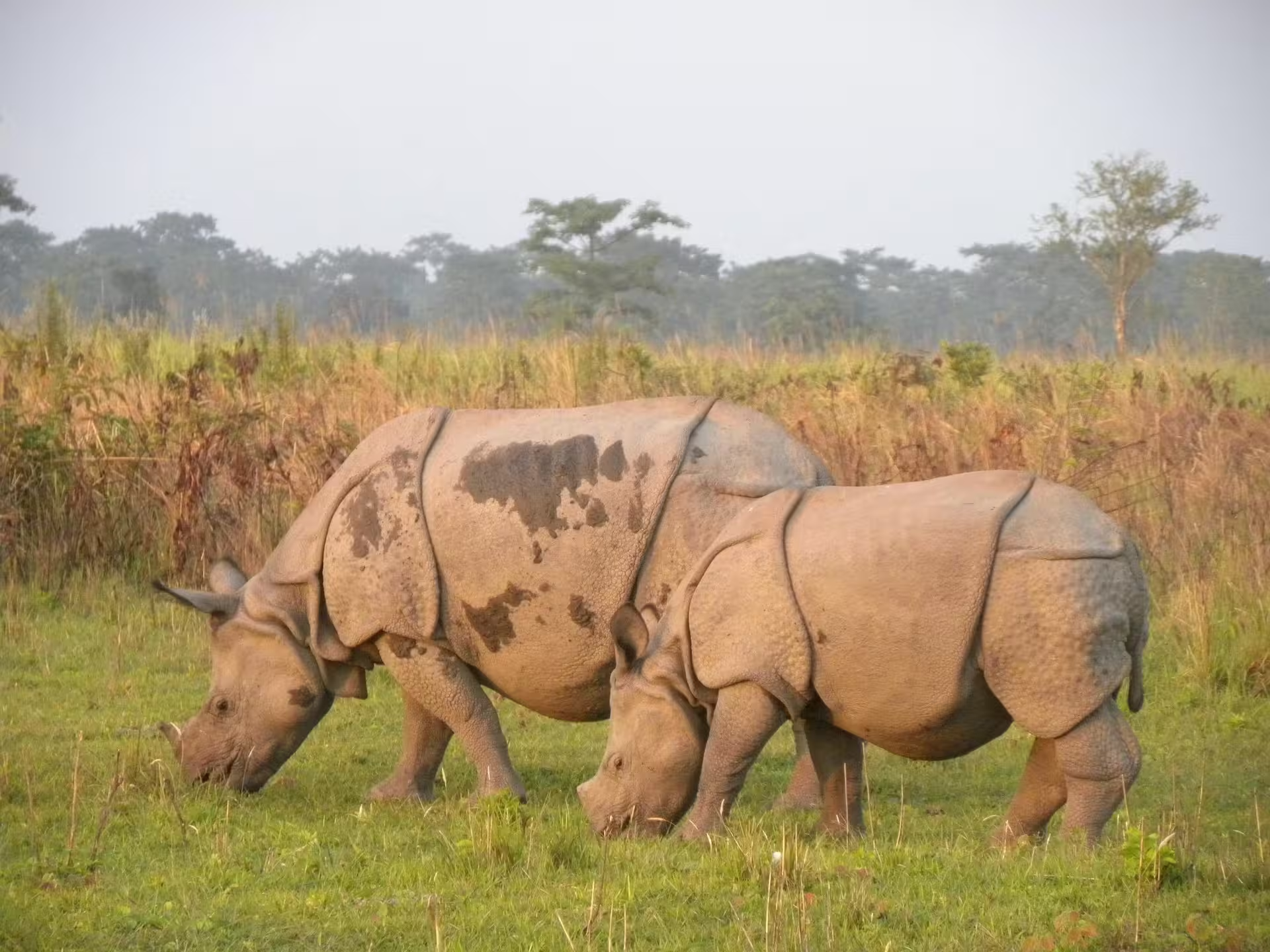
Manas National Park
- UNESCO World Heritage Site with forests, rivers, and hills.
- Known for tigers, elephants, and scenic beauty.
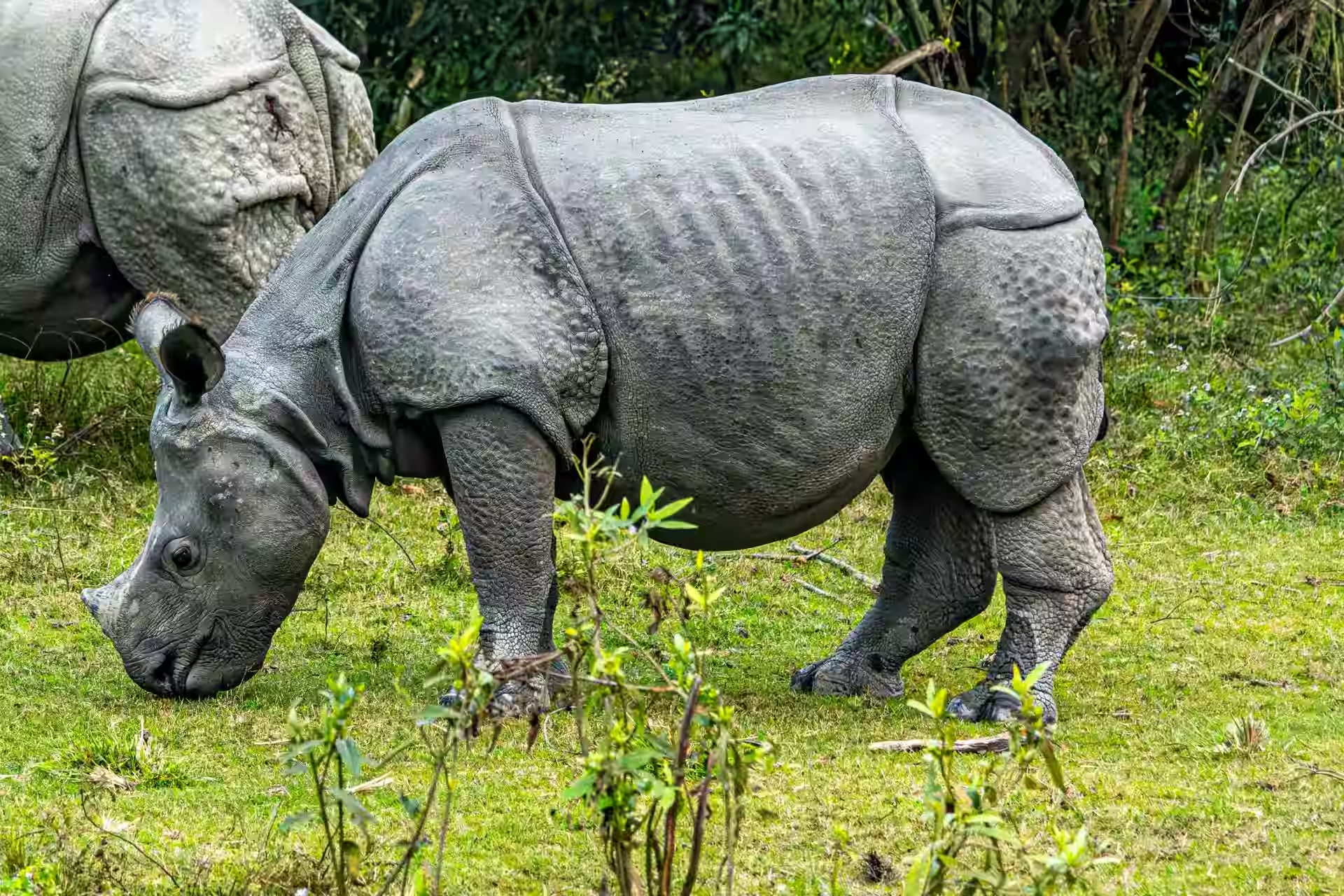
Orang National Park
- Often called mini Kaziranga for rhinos and wetlands.
- Good birdlife and river landscapes.
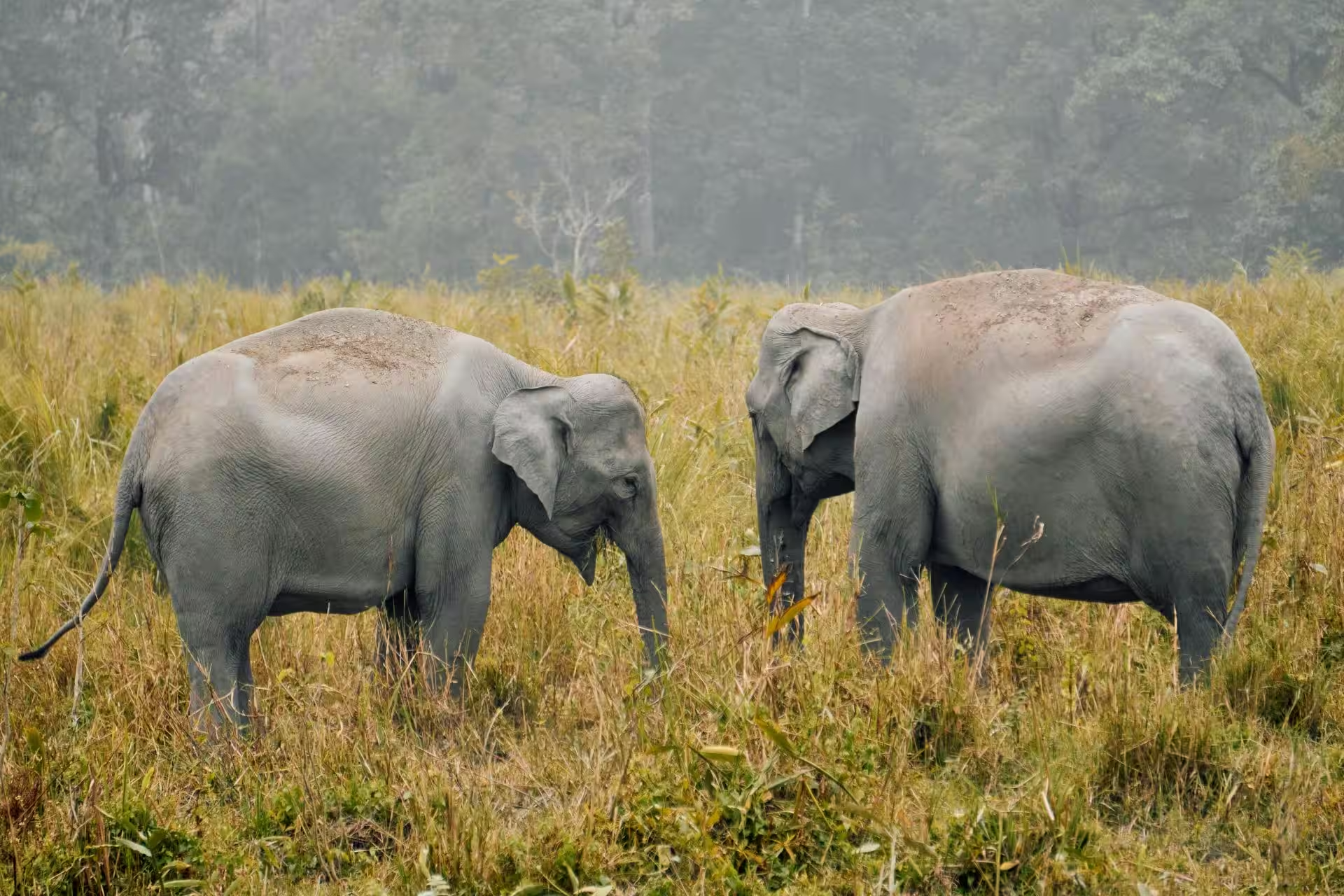
Nameri National Park
- River forests along the Jia Bhoroli River.
- Famous for birdwatching, rafting, and quiet nature zones.
Historical Forts, Palaces & Heritage Towns
Rang Ghar
An Ahom era amphitheater once used for royal sports, festivals, and public gatherings.
Talatal Ghar
A multi story palace complex that reflects advanced Ahom architecture and military planning.
Sivasagar
A historic Ahom capital town known for large tanks, ancient temples, and royal ruins.
Majuli
The world’s largest river island, famous for satras, art forms, and living cultural traditions.
Religious & Spiritual Centers
Kamakhya Temple
One of the most important Shakti Peeths in India, set on Nilachal Hill with wide views of the Brahmaputra River.
Madan Kamdev
Madan Kamdev is an archaeological temple complex known its stone ruins early medieval architectural history.
Umananda Temple
A quiet Shiva temple located on a small island in the Brahmaputra, known for its calm setting.
Navagraha Temple
An ancient hilltop temple in Guwahati dedicated to the nine celestial bodies of Hindu belief.
UNESCO World Heritage Sites
Kaziranga National Park
A world famous wildlife reserve known for one horned rhinos and strong conservation success.
Manas National Park
A rich forest landscape valued for biodiversity, scenic beauty, and rare animal species.
Charaideo Maidān
A historic site in Assam, known for Ahom-era monuments, royal burial mounds, and archaeological significance.
Natural Landscapes & Scenic Attractions
Majuli Island
A vast river island known for rich culture, wetlands, and peaceful village life along the Brahmaputra.
Haflong
The only hill station of Assam, known for cool weather, rolling hills, and peaceful lakes.
Dibru Saikhowa
A river island reserve famous for wetlands, migratory birds, and free roaming wild horses.
Umrangso
A scenic hill destination surrounded by forests and waterfalls, offering wide views of the Kopili River.
Cultural Experiences & Tribal Heritage
- Home to Bodo, Mishing, Karbi, and many other communities
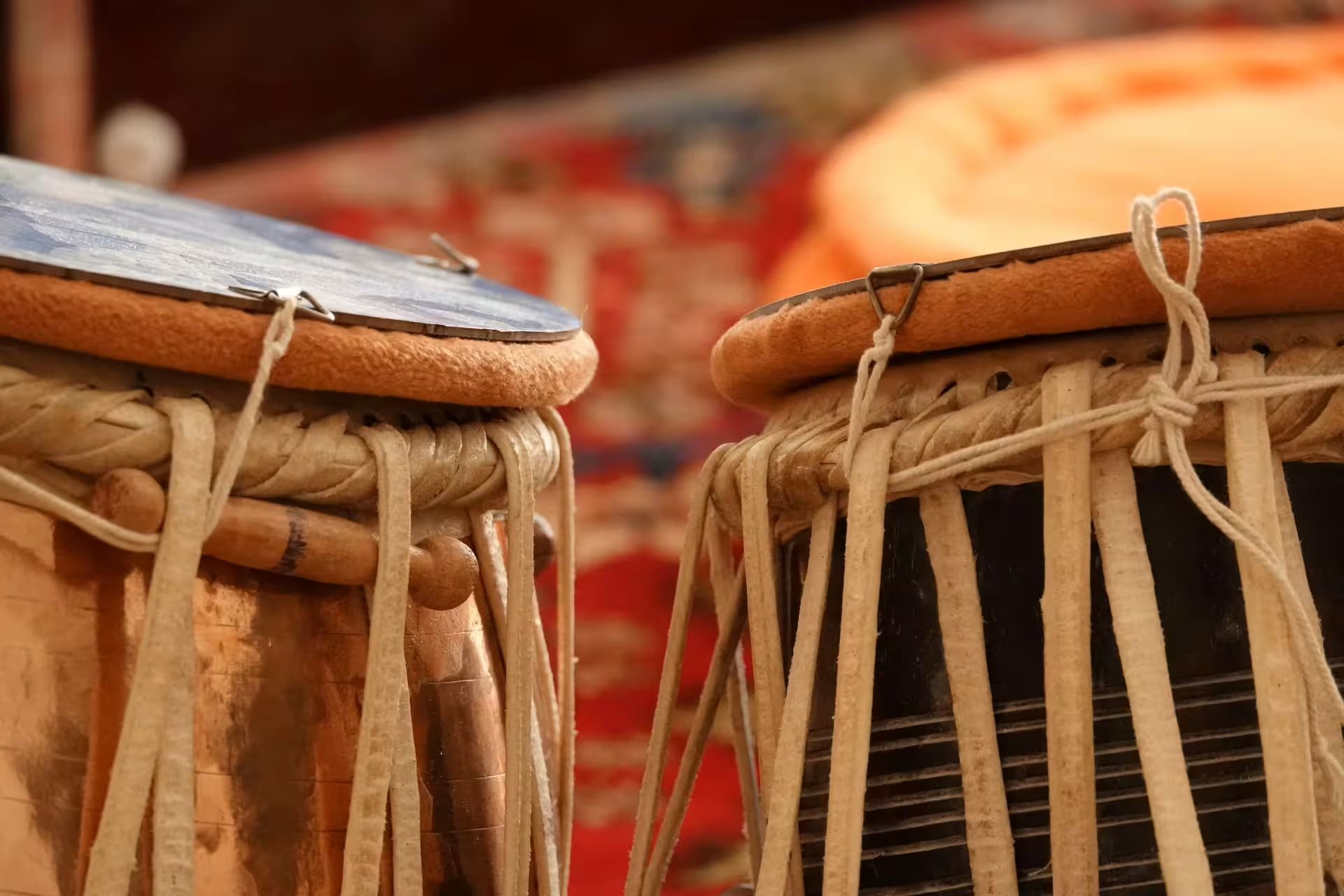
- Strong folk music, dance, and weaving traditions
- Satras preserve art, music, and spiritual practices
- Festivals reflect river based and agricultural life
Cuisine & Handicrafts
Cuisine
- Rice, fish, and seasonal greens form the base
- Dishes like Khar, Masor Tenga, and Pitha
- Light flavors with natural ingredients
Handicrafts
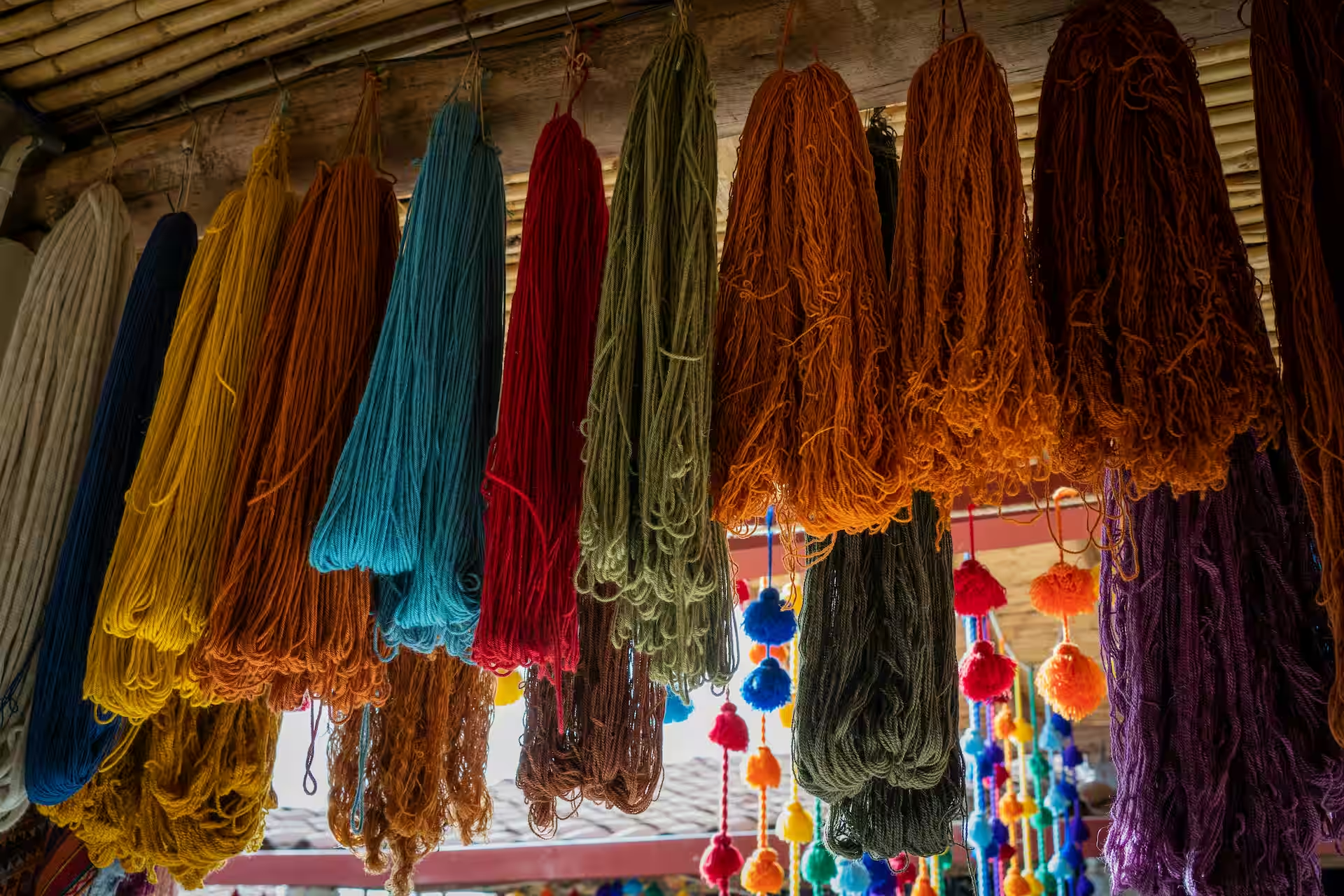
- Muga and Eri silk weaving
- Cane and bamboo crafts
- Traditional masks and textiles
Best Time to Visit Assam
October to April
This is the most comfortable season across Assam, with mild weather and clear skies. It is ideal for wildlife safaris, sightseeing, and attending local festivals.
March to May
These warm months bring vibrant tea gardens and blooming landscapes. It is a good time for cultural tours, nature walks, and exploring rural Assam.
June to September
The monsoon season brings heavy rains, turning the landscape lush and green. Travel can be slower, but the scenery is at its most vibrant and refreshing.
Why Visit Assam
Assam offers a rare mix of wildlife, living cultures, rivers, and quiet beauty. From rhinos and river islands to ancient temples and tea gardens, the state invites travelers to slow down and see India from a different side.