Monsoon transforms India in ways no other season can match. The dust settles. Rivers swell. Hillsides turn a green so deep it looks unreal. And landscapes that spent months baked under relentless sun suddenly come alive.
If you know where to go, monsoon is not a season to avoid. It is a season to experience deliberately.
Here are ten destinations across India where the rains reveal something worth traveling for.
Munnar, Kerala
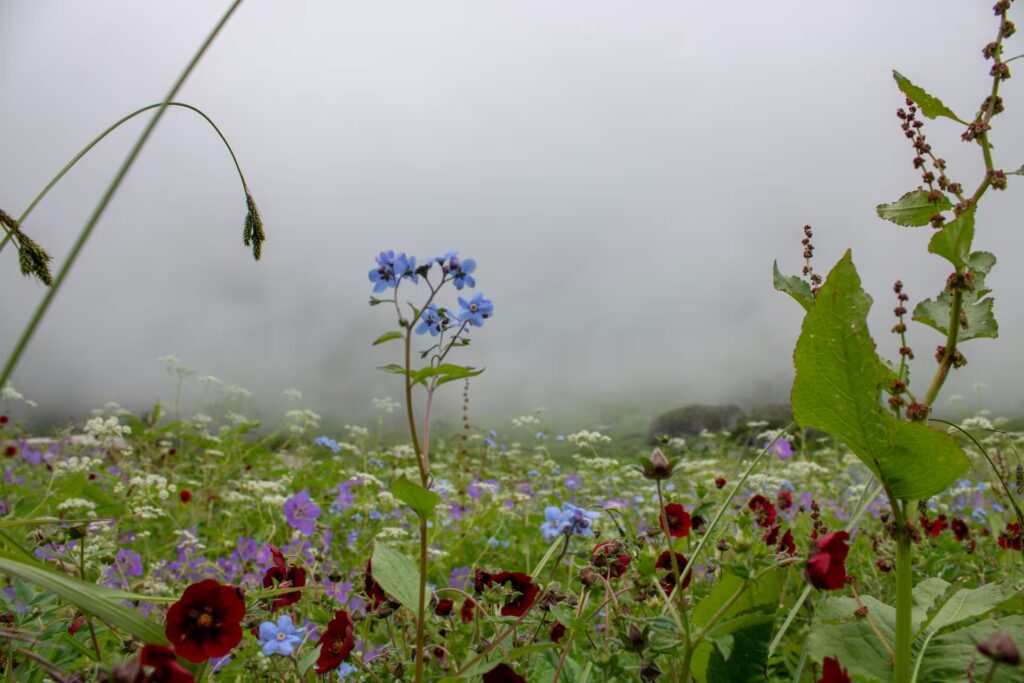
The tea estates of Munnar look their best when the monsoon clouds roll through the hills. The green intensifies. Waterfalls that barely trickle in summer become powerful cascades. The air smells of wet earth and tea leaves.
Trekking is more challenging during the rains, but the mist-covered valleys and dramatic weather make up for the mud. Eravikulam National Park remains open through most of the monsoon, and the landscape feels quieter and more intimate than it does during peak tourist season.
If you are after atmosphere over convenience, Munnar during the rains delivers.\
Valley of Flowers, Uttarakhand
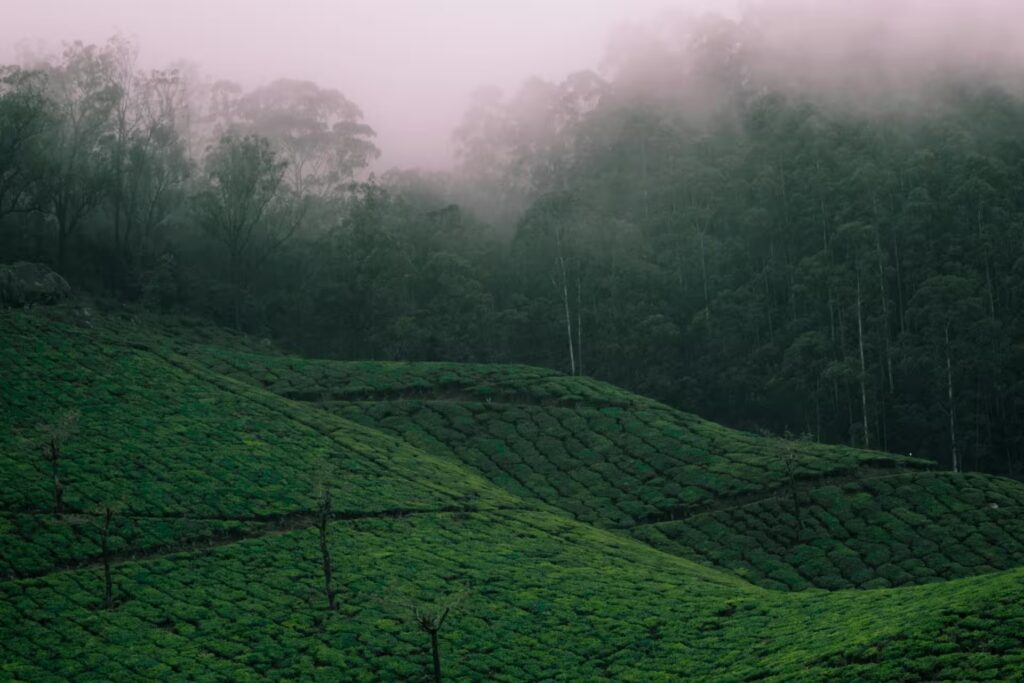
The Valley of Flowers exists for a brief window each year, and monsoon is when it reaches full bloom. Accessible only from July to September, this UNESCO World Heritage Site becomes a carpet of wildflowers that stretches across alpine meadows surrounded by snow-capped peaks.
The trek to reach the valley is wet, slippery, and demanding. The weather can turn quickly. But the sight of hundreds of flower species in bloom against a backdrop of Himalayan ridges is something few landscapes in India can rival.
This is a destination that requires effort and timing, but it rewards both.
Lonavala and Khandala, Maharashtra
Lonavala and Khandala are weekend monsoon escapes for anyone within driving distance of Mumbai or Pune. The Western Ghats come alive during the rains, and the drive through misty hills, past waterfalls cascading over cliff edges, feels genuinely dramatic.
Tiger's Leap, Bhushi Dam, and the various viewpoints around the twin hill stations offer striking views when the clouds part briefly. The area gets crowded on weekends, but early mornings remain relatively peaceful.
For a short monsoon break that does not require extensive planning, this region works well.
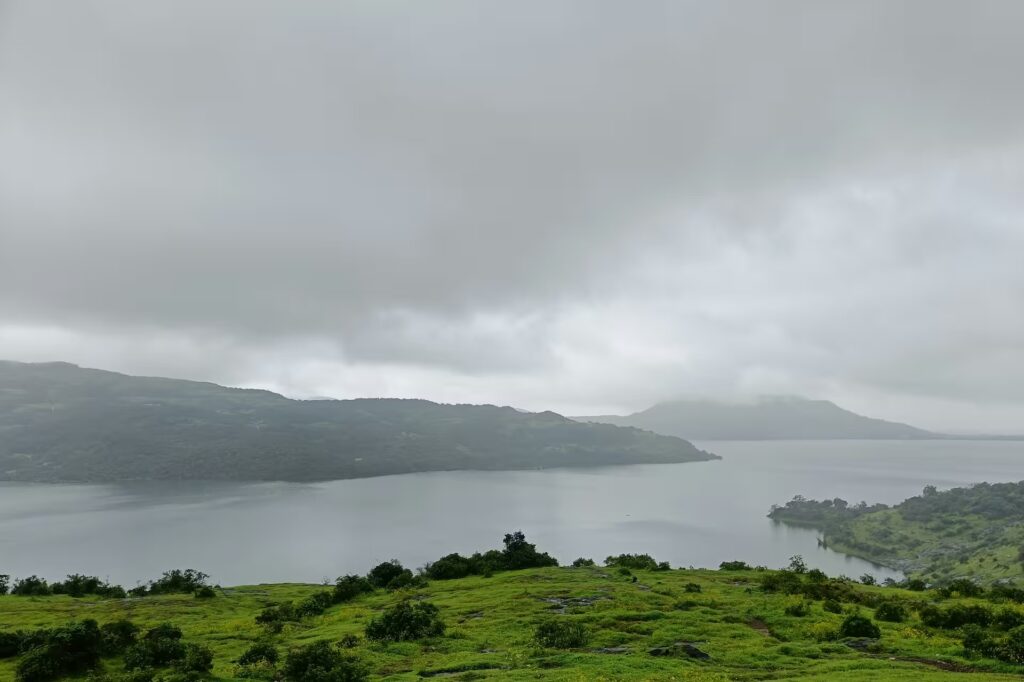
Coorg, Karnataka
Coorg in monsoon is all rolling coffee plantations, mist-covered hills, and rivers running full. The rain here is heavy and consistent, which means waterfalls like Abbey Falls reach their peak flow and trekking routes become lush and challenging.
The region stays green year-round, but monsoon adds a layer of drama that the dry months cannot match. Homestays tucked into plantations offer a comfortable base, and the slower pace of the season means fewer crowds at popular spots.
If coffee estates and hill station calm appeal to you, Coorg during the rains is worth the wet weather.
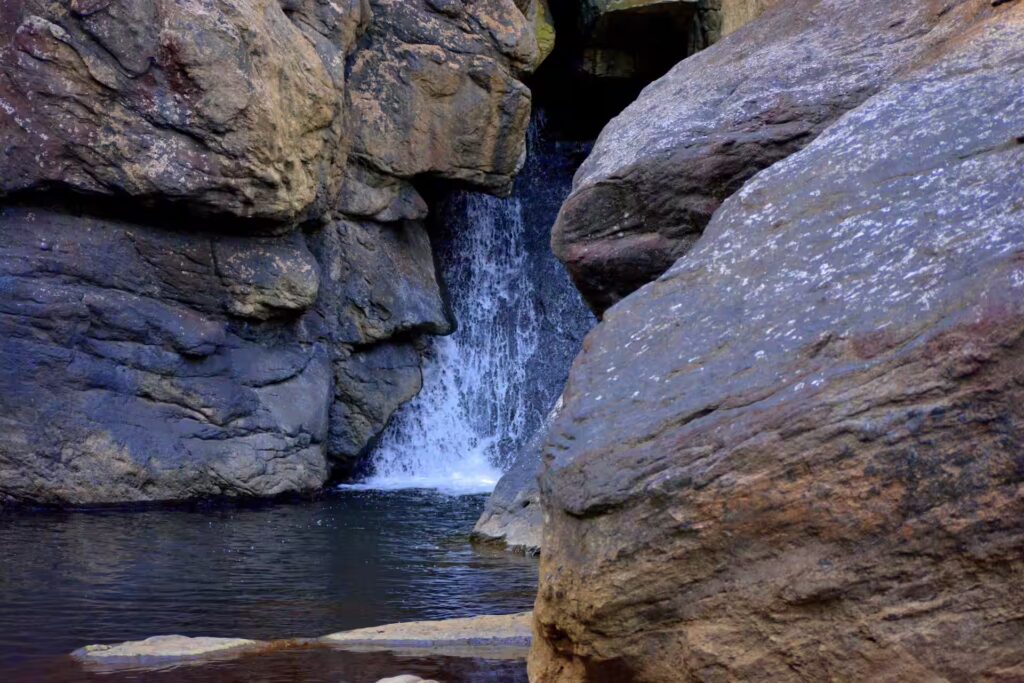
Udaipur, Rajasthan
Rajasthan is not the first place most people think of for monsoon travel, but Udaipur transforms during the rains in ways the desert cities do not.
The lakes refill. The Aravalli Hills turn green. The palaces and havelis that sit along Lake Pichola look particularly striking reflected in water that has been absent for months. The heat that defines Rajasthan through most of the year gives way to cooler, more comfortable temperatures.
Monsoon in Udaipur is brief and unpredictable, but when the rains arrive, the city becomes one of the more beautiful places in India.
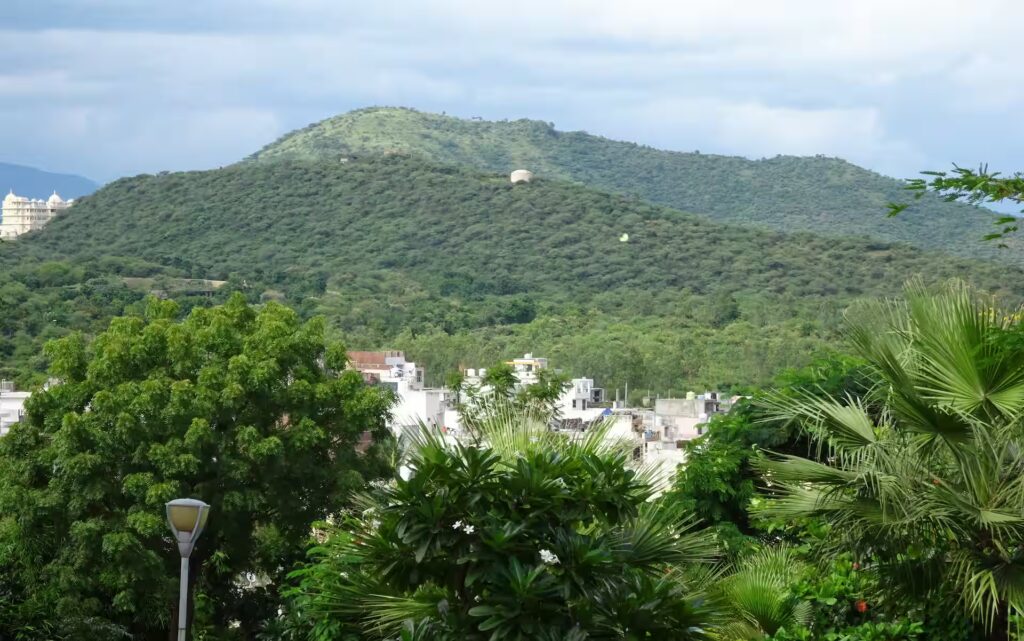
Cherrapunji and Mawsynram, Meghalaya
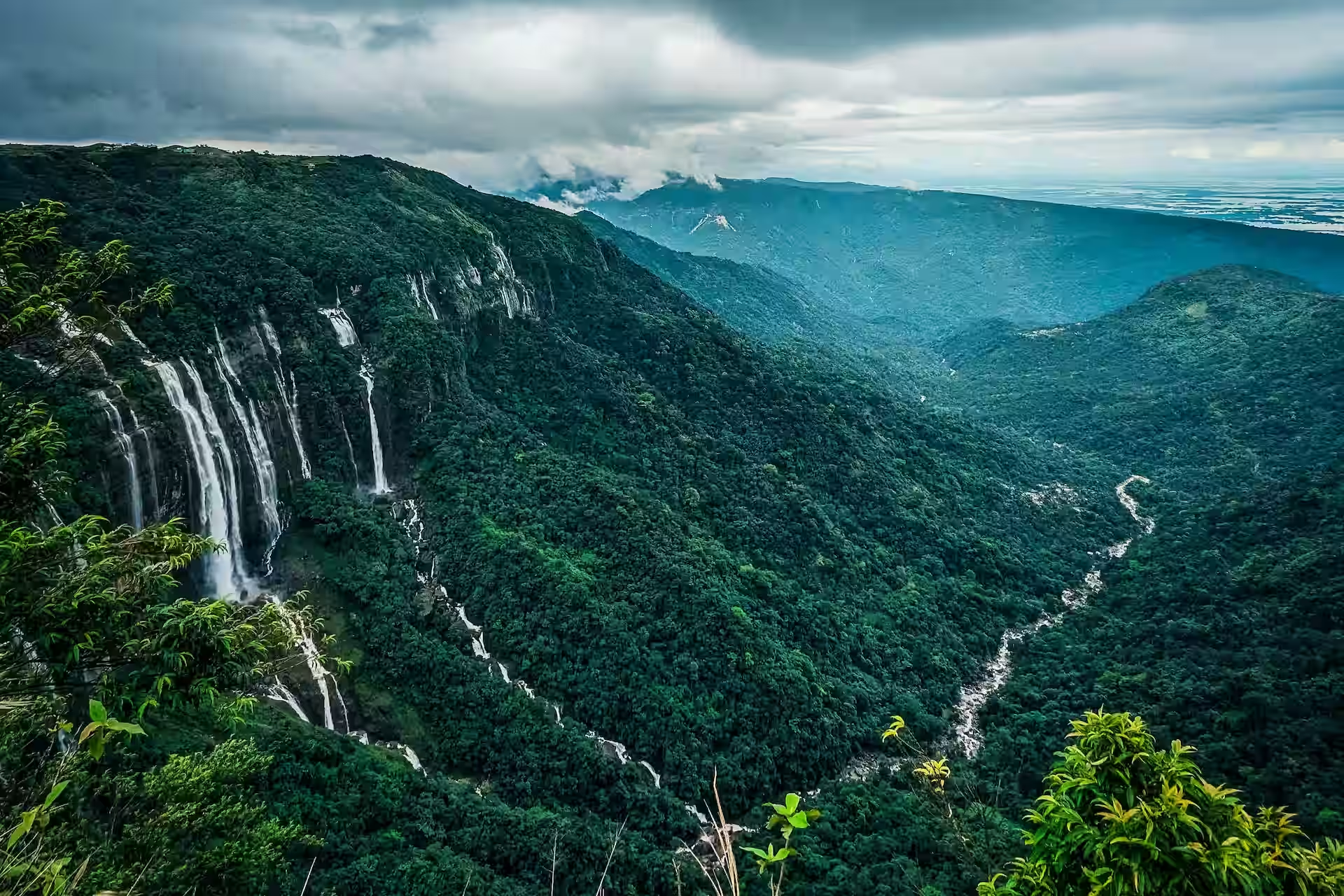
These are among the wettest places on Earth, and monsoon here is not gentle. It is overwhelming, relentless, and visually spectacular.
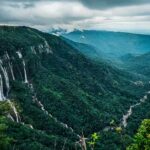
The living root bridges of Meghalaya are accessible during the rains, though the trails become slippery and rivers swell considerably. Nohkalikai Falls, one of India's tallest waterfalls, reaches its full power during this season. The landscape is dramatic in a way that feels almost excessive.
This is not a destination for travelers who want comfort or predictable weather. It is for those who want to see what monsoon looks like at its most extreme.
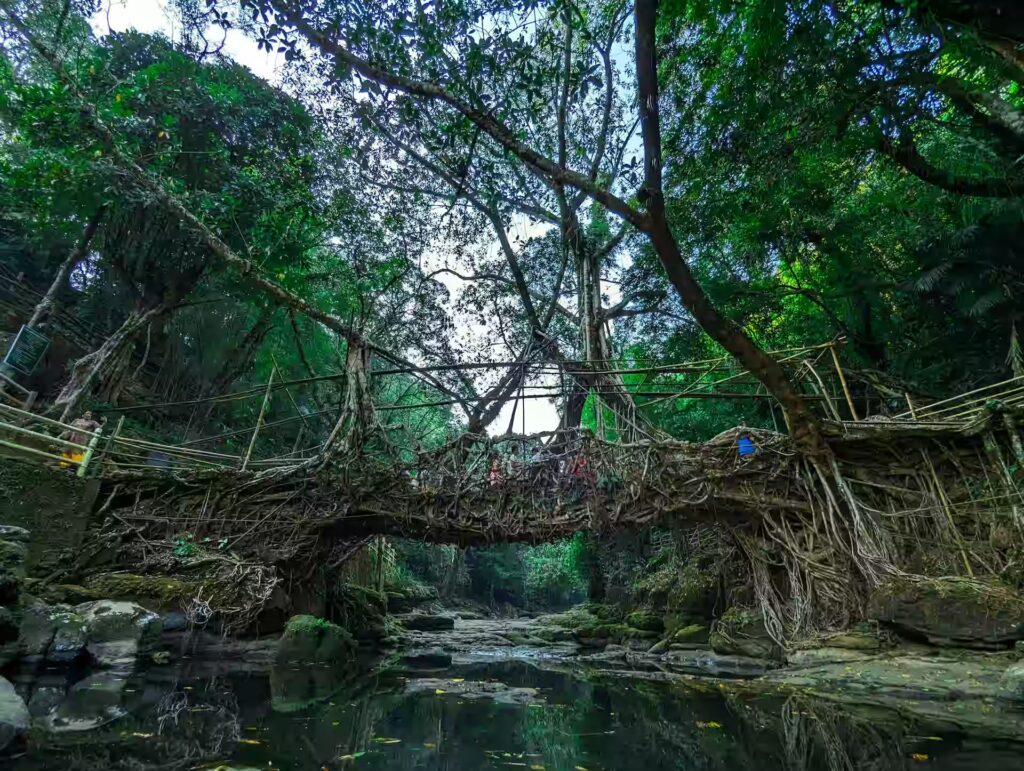
Goa
Goa in monsoon is a completely different experience from the beach party season that defines it for most visitors. The crowds disappear. The beaches empty out. The Western Ghats that rise behind the coast turn lush and green.
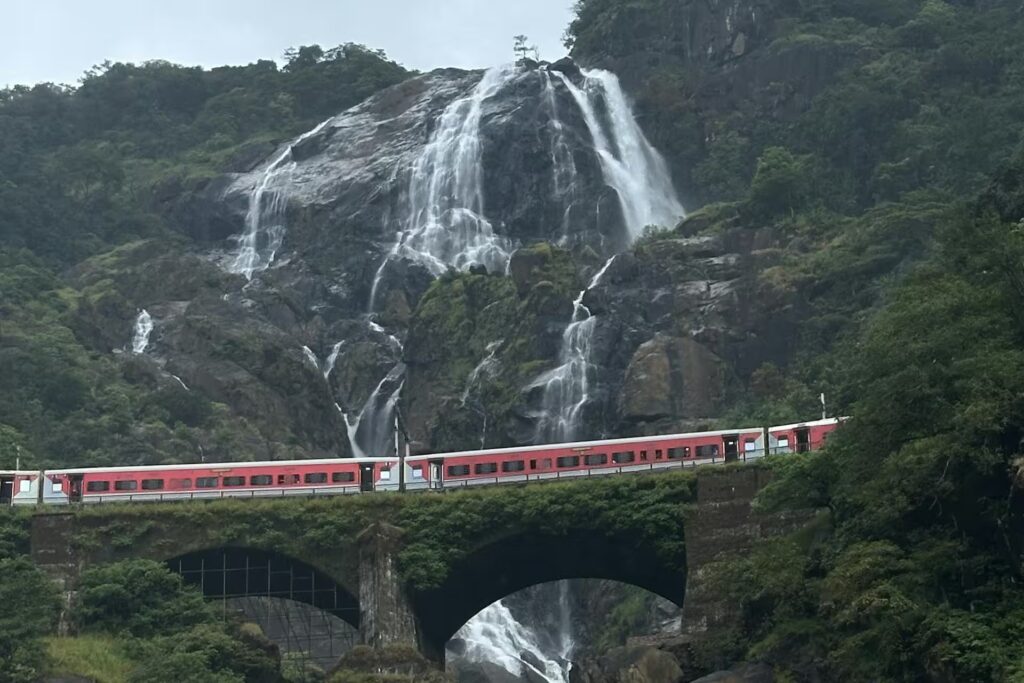
Dudhsagar Falls swells into one of the most impressive waterfalls in India during this season. The backwaters and spice plantations are at their best. And the overall atmosphere shifts from party destination to quiet coastal retreat.
If you prefer Goa without the noise, monsoon is when to visit.
Alleppey, Kerala
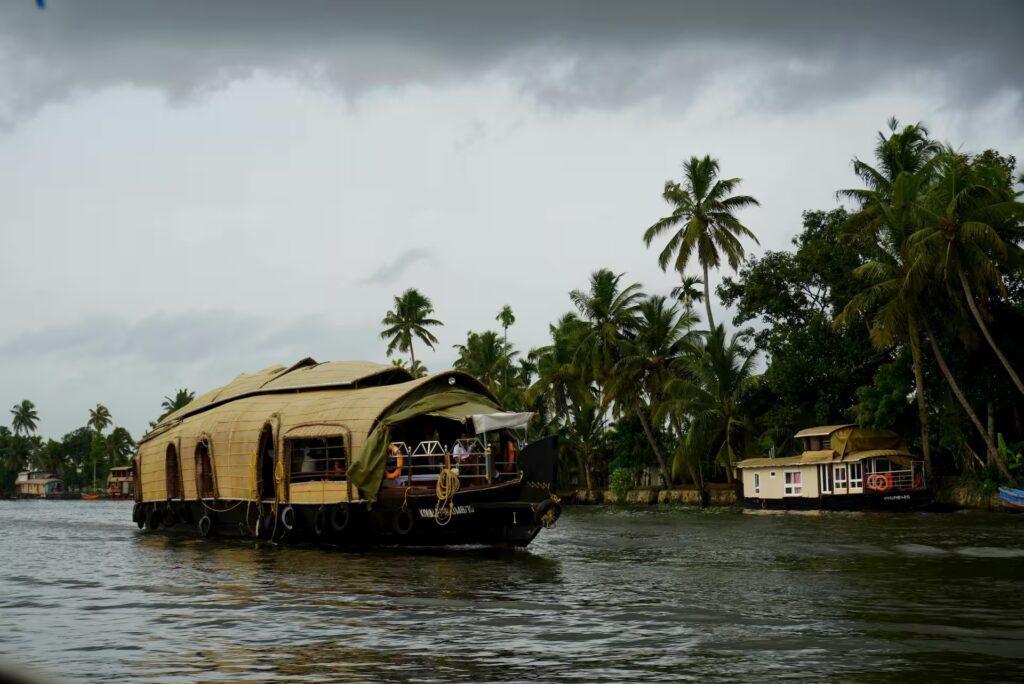
The backwaters of Alleppey are beautiful year-round, but monsoon adds a intensity to the landscape that the dry season lacks. The rain on water, the green reflections, and the quieter pace of travel create an atmosphere that feels genuinely removed from the rest of India.
Houseboat stays remain available through the monsoon, though rates drop and availability improves compared to peak season. The rain can be heavy, but the covered areas of the boats keep you dry, and watching the downpour from the water has a calm to it that is difficult to describe.
For a slow, contemplative monsoon experience, the backwaters work well.
Pachmarhi, Madhya Pradesh
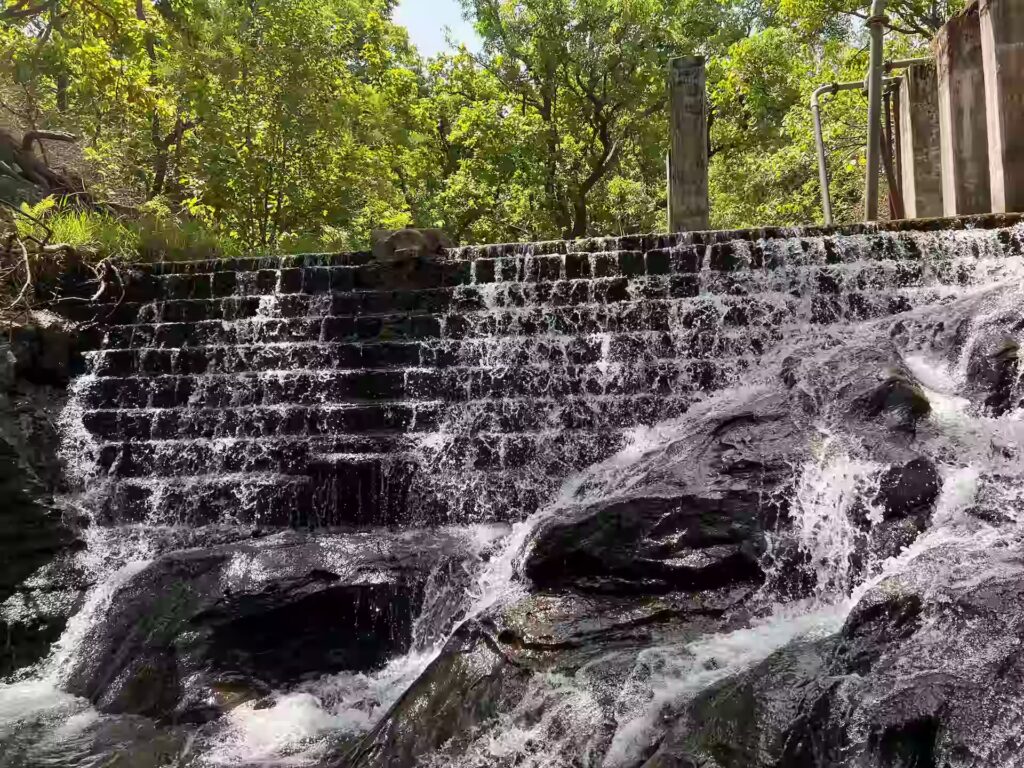
Pachmarhi is one of central India's lesser-known hill stations, and monsoon is when it comes into its own. The Satpura range becomes lush. Waterfalls that barely exist in summer turn into significant cascades. The forests surrounding the town feel dense and alive.
Bee Falls, Jata Shankar Caves, and Pandav Caves are all accessible during the rains, though some trails become muddy. The overall atmosphere is quieter and less developed than more famous hill stations, which appeals to travelers looking for something less polished.
Spiti Valley, Himachal Pradesh
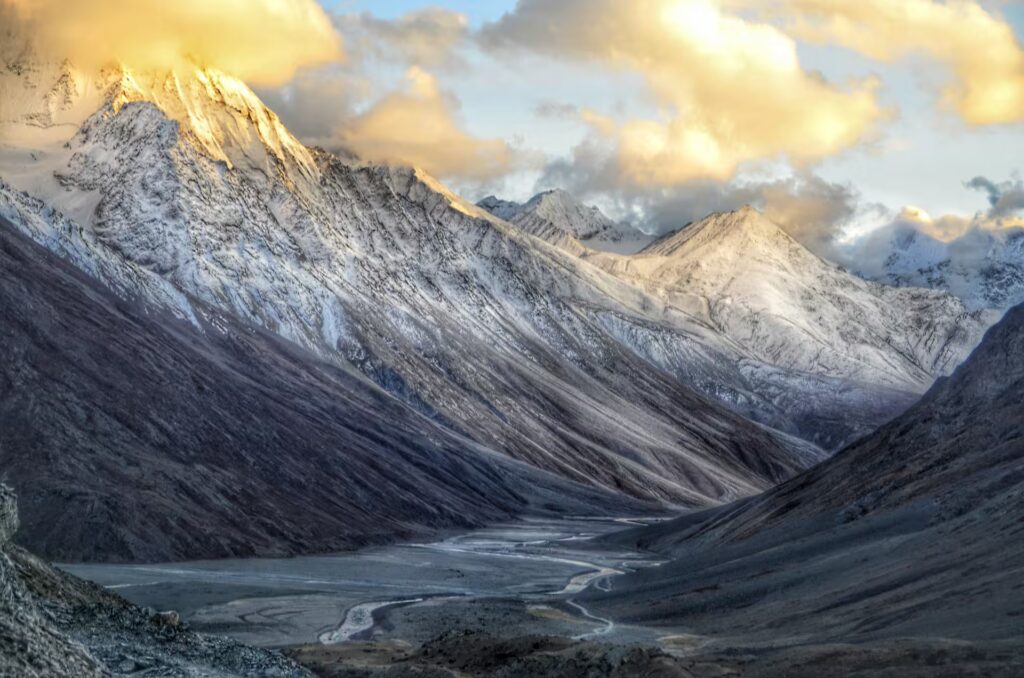
Spiti during monsoon is not for everyone. The roads are difficult, landslides are common, and access can be unpredictable. But for travelers willing to accept those risks, monsoon in Spiti offers something genuinely rare.
The high-altitude desert begins to show hints of green. Rivers run fuller. The landscape, which spends most of the year looking barren and stark, softens slightly. Fewer tourists make it through during this season, which means the villages and monasteries feel more authentic and less performative.
This is advanced-level monsoon travel. It requires flexibility, patience, and a tolerance for disrupted plans. But it rewards those qualities with a version of Spiti that most visitors never see.
When to Go and What to Expect
Monsoon in India runs roughly from June to September, with peak rains typically falling in July and August. Timing varies by region - the Western Ghats and northeastern states receive the heaviest rainfall, while the Himalayas and parts of Rajasthan see lighter, more scattered showers.
Travel during monsoon requires accepting certain realities. Roads can be blocked by landslides. Flights and trains face delays. Outdoor activities become weather-dependent rather than guaranteed. The trade-off is fewer crowds, lower prices, and landscapes at their most dramatic.
Pack accordingly. Waterproof gear, quick-dry clothing, and sturdy footwear matter more during monsoon than in any other season. Flexibility in your itinerary helps when weather forces changes to plans.
Final Thoughts
Monsoon in India is not a compromise season. It is a deliberate choice - one that trades convenience for atmosphere, predictability for drama, and crowds for solitude.
The destinations listed here show different sides of what monsoon travel can offer, from the extreme rainfall of Meghalaya to the brief greening of Rajasthan's desert lakes. Each requires accepting the weather on its own terms rather than hoping it cooperates with your plans.
If you approach monsoon travel with realistic expectations and proper preparation, it becomes one of the most rewarding times to experience India's landscapes at their most alive.