UNESCO World Heritage Sites are not just famous landmarks. They are places that carry cultural, historical, or natural value strong enough to matter to the entire world. India has more than 40 such sites, spread across different regions and landscapes.
This list focuses on ten sites where the heritage is easy to understand on ground level. You do not need deep academic knowledge to appreciate them. You walk in, look around, and the importance becomes clear.
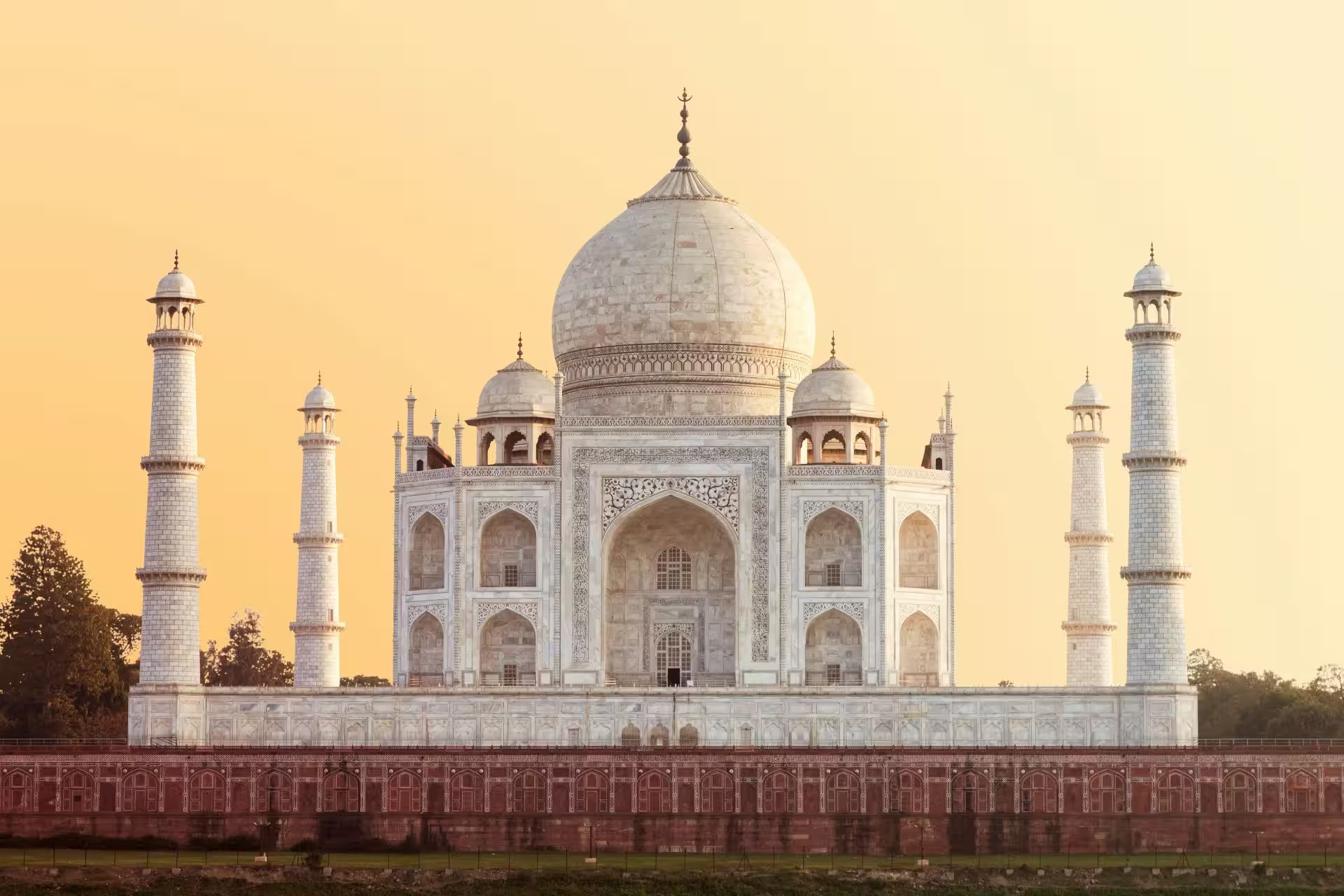
Taj Mahal, Agra
The Taj Mahal remains India’s most recognised World Heritage Site, and it still holds up in real life. Built in the 17th century by Shah Jahan, the white marble structure was meant to be a mausoleum, but it ended up becoming a global symbol of Mughal architecture.
Early mornings work best here. The marble reflects soft light, crowds are manageable, and the experience feels calmer. By mid-day, heat and footfall increase sharply.
Best time to visit: October to March, early morning
Best for: Architecture lovers, first-time visitors
Nearest airport: Agra Airport
Nearest railway station: Agra Cantt Railway Station
Qutub Minar, Delhi
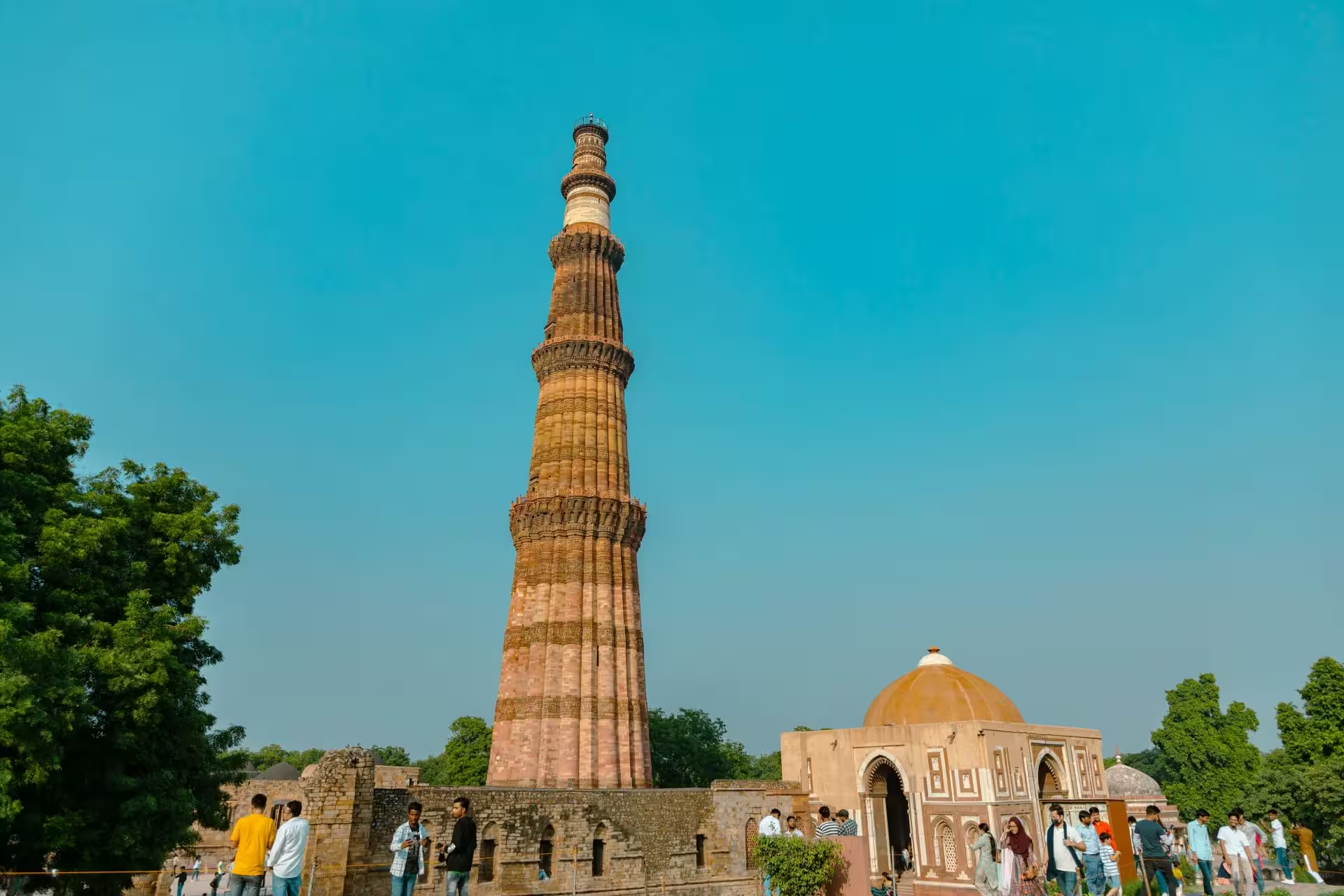
Qutub Minar marks the beginning of Indo-Islamic architecture in India. The complex includes mosques, tombs, and ancient inscriptions that show how early Delhi developed as a capital.
The site is compact and easy to cover in a few hours. Spring and winter afternoons are comfortable, while summer visits need early timing.
Best time to visit: October to March, morning or late afternoon
Best for: History, architecture
Nearest airport: Indira Gandhi International Airport
Nearest railway station: New Delhi Railway Station
Ajanta and Ellora Caves, Maharashtra
Ajanta and Ellora are counted together because they represent one continuous story of rock-cut architecture across different religions. Ajanta focuses on Buddhist caves with detailed paintings, while Ellora includes Buddhist, Hindu, and Jain monuments carved into a single hillside.
The craftsmanship is difficult to grasp until you stand inside the caves. Walking through them takes time and physical effort, so plan a full day.
Best time to visit: October to March, mornings
Best for: Art, religious history
Nearest airport: Chhatrapati Sambhaji Maharaj Airport
Nearest railway station: Chhatrapati Sambhaji Nagar Railway Station
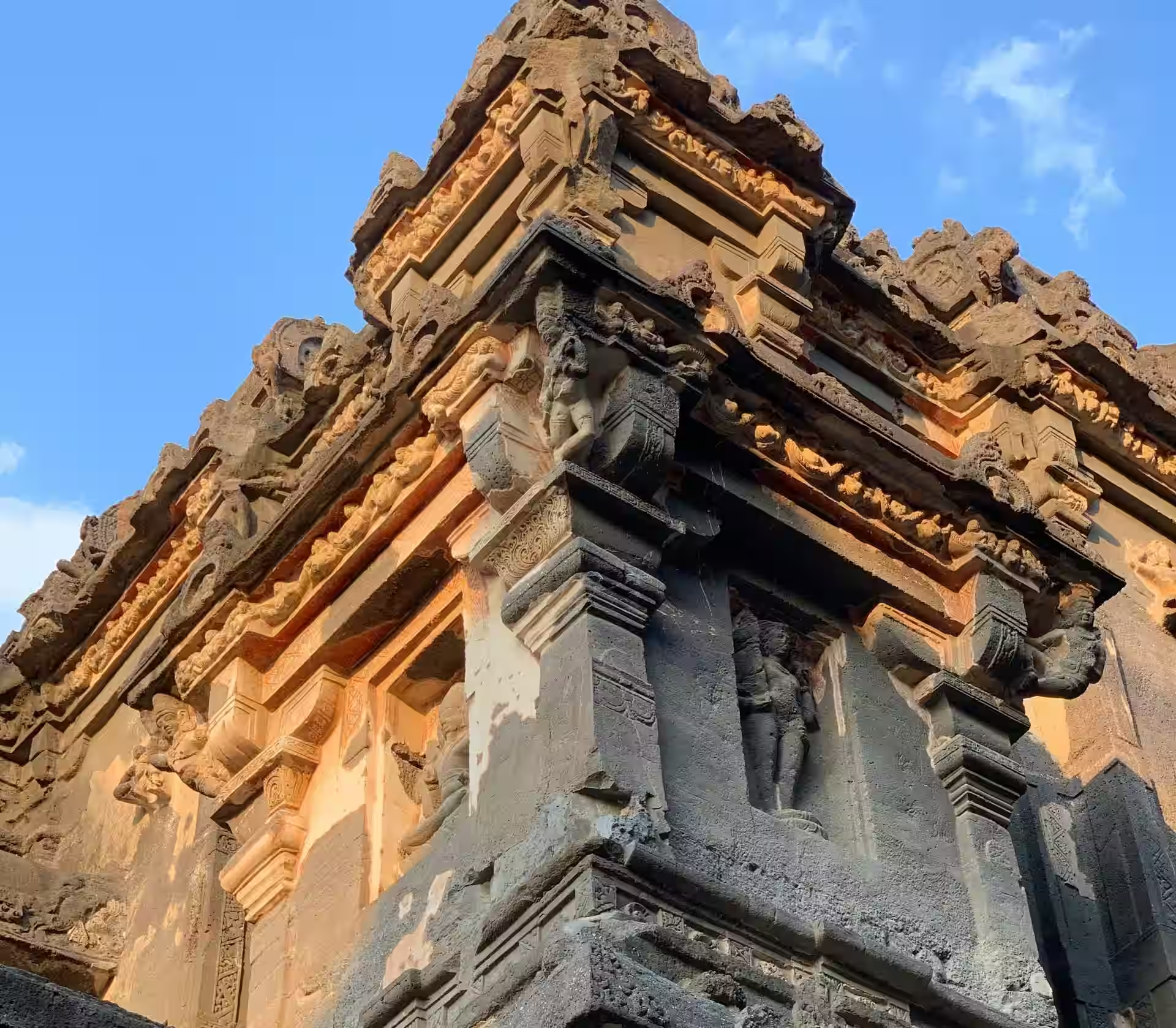
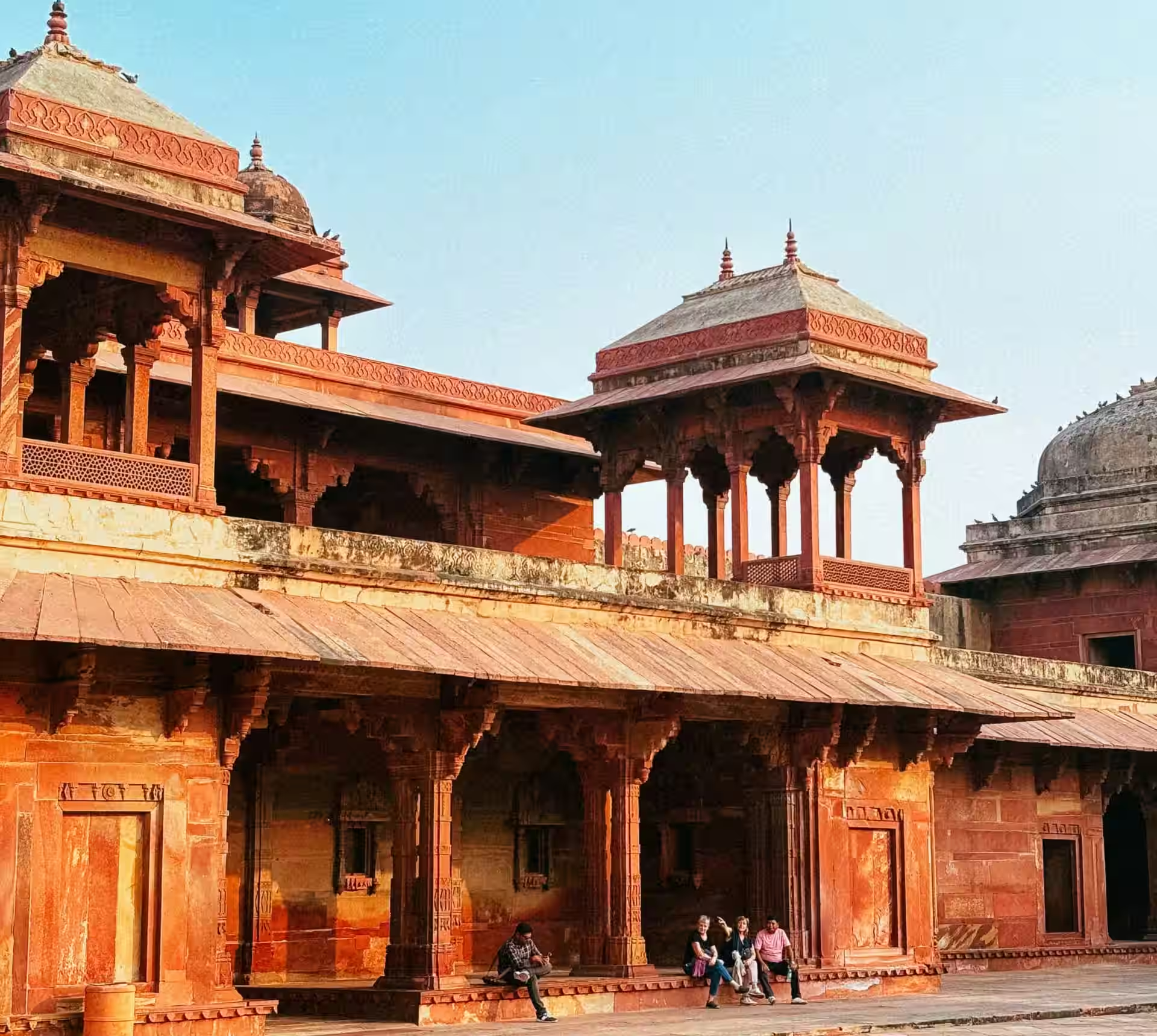
Fatehpur Sikri, Uttar Pradesh
Fatehpur Sikri was once the Mughal capital, abandoned within a few decades due to water shortage. What remains is a perfectly planned city with palaces, courtyards, and mosques frozen in time.
The scale is large, and the red sandstone structures heat up quickly, so winter visits are far more comfortable.
Best time to visit: November to February, morning
Best for: Mughal history, architecture
Nearest airport: Agra Airport
Nearest railway station: Agra Cantt Railway Station
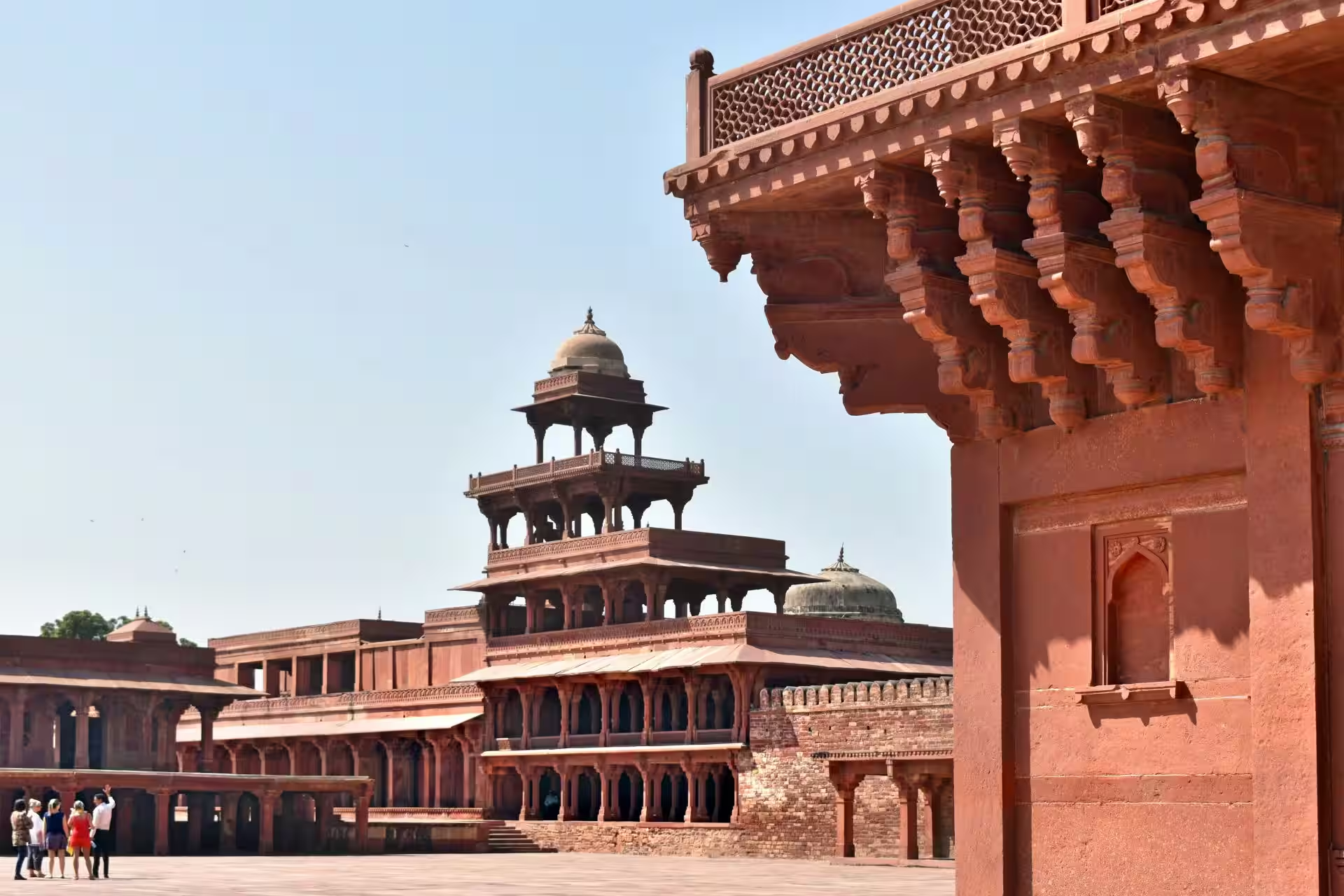
Sun Temple, Konark
The Sun Temple at Konark is designed like a massive stone chariot dedicated to the Sun God. Even in its partially ruined state, the carvings and layout remain impressive.
The open coastal location means strong sunlight during the day, but sea breeze helps in the mornings and evenings.
Best time to visit: October to February, morning
Best for: Temple architecture, photography
Nearest airport: Biju Patnaik International Airport, Bhubaneswar
Nearest railway station: Puri Railway Station
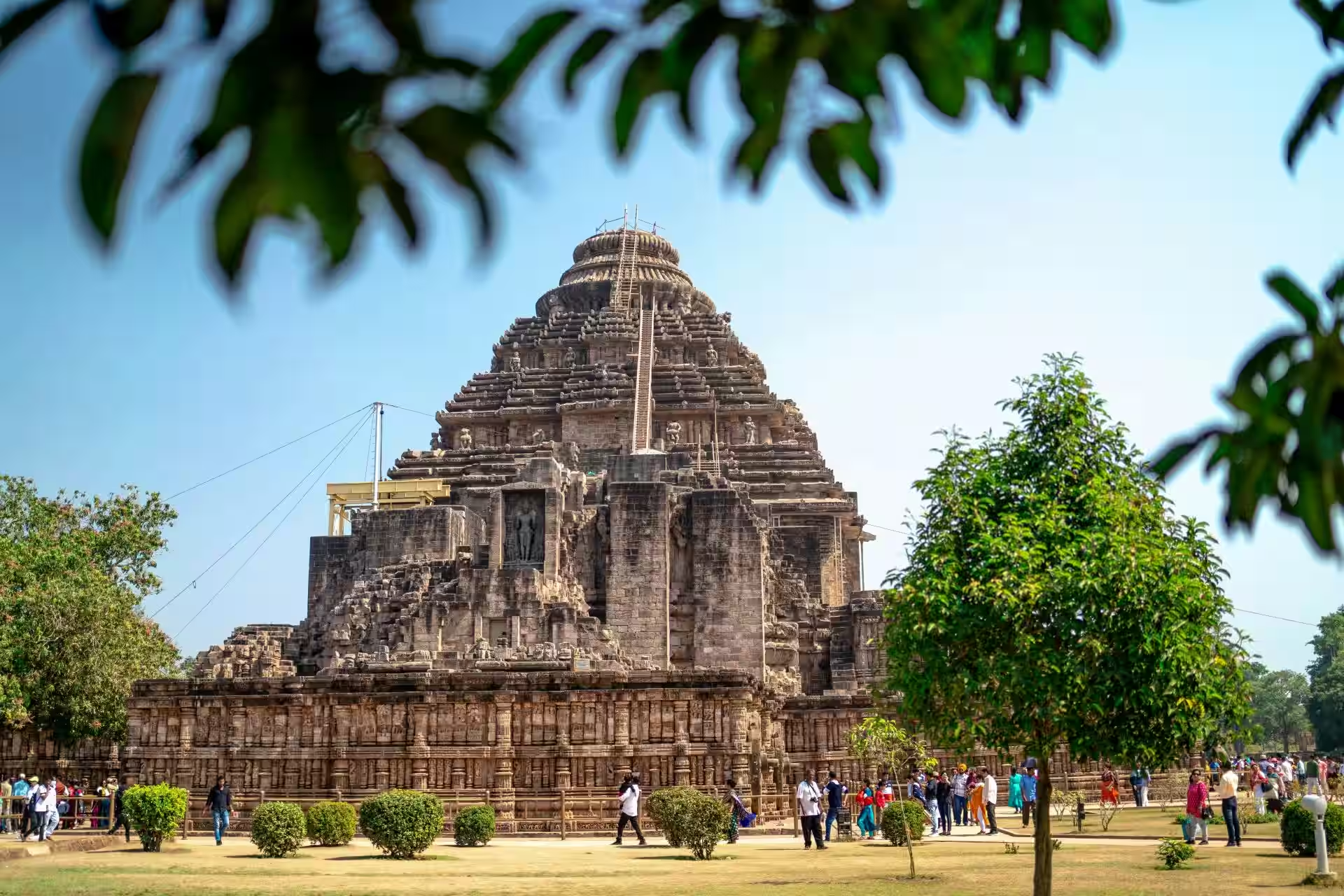
Hampi, Karnataka
Hampi was once the capital of the Vijayanagara Empire. Today, its ruins stretch across a wide landscape of boulders, temples, and riverbanks.
The site rewards slow exploration. Renting a bicycle or scooter helps cover distance. Summer heat can be harsh, so timing matters.
Best time to visit: October to February, early mornings
Best for: History, landscape photography
Nearest airport: Ballari Airport
Nearest railway station: Hospet Junction
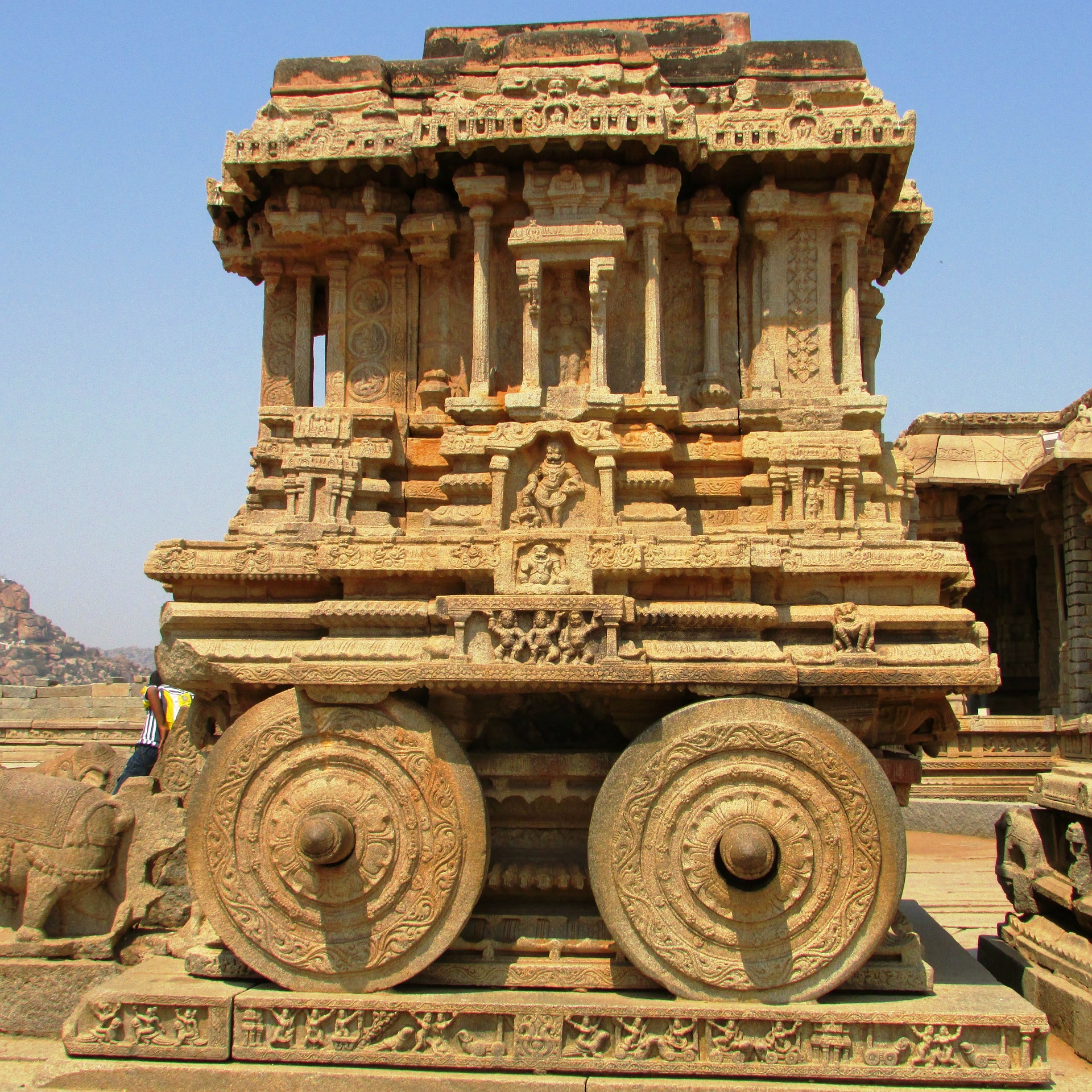
Kaziranga National Park, Assam
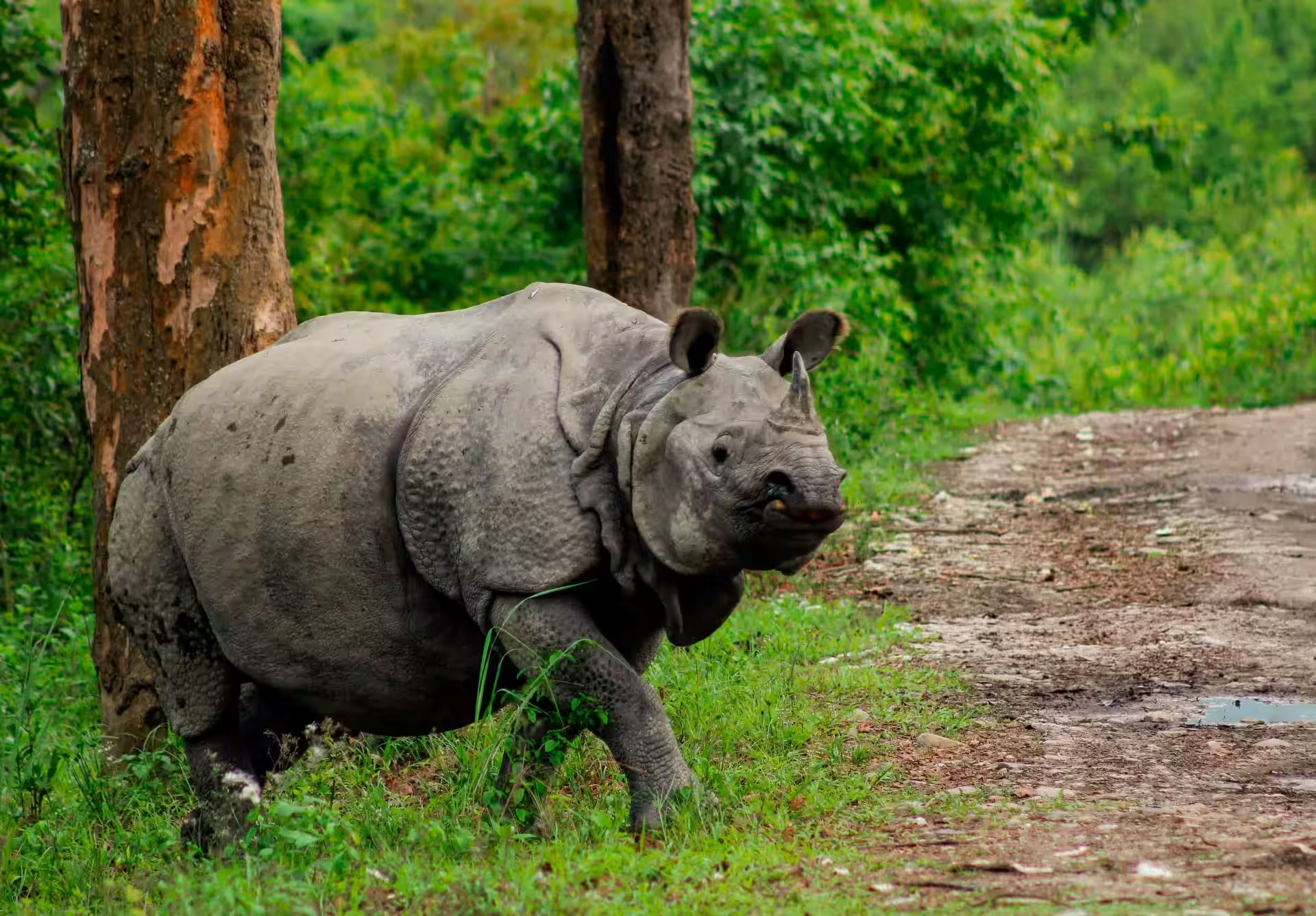
Kaziranga earns its UNESCO status for natural heritage. It holds the world’s largest population of one-horned rhinoceroses and supports a wide range of wildlife.
Grasslands make animal sightings easier compared to dense forests. The park remains closed during monsoon.
Best time to visit: November to April, morning safaris
Best for: Wildlife, nature travel
Nearest airport: Jorhat Airport
Nearest railway station: Furkating Junction
Hill Forts of Rajasthan
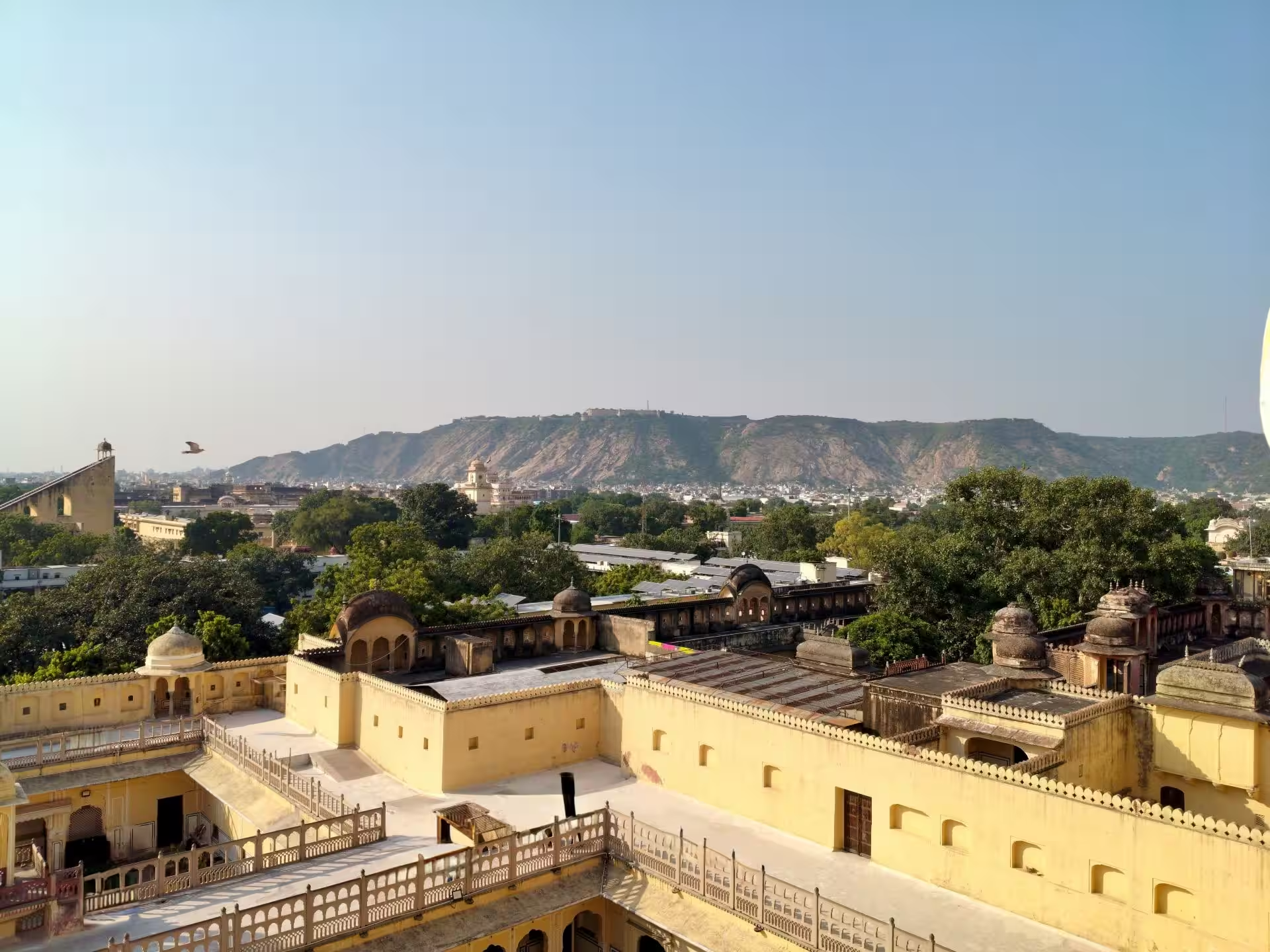
This UNESCO group includes forts like Amber, Chittorgarh, Kumbhalgarh, Jaisalmer, Ranthambore, and Gagron. Together, they show how Rajput kingdoms used geography and architecture for defense.
Each fort stands in a different landscape, from deserts to forests. Visiting even one gives insight into medieval military planning.
Best time to visit: October to March, morning
Best for: Architecture, Rajput history
Nearest airport: Jaipur International Airport
Nearest railway station: Jaipur Junction
Great Living Chola Temples, Tamil Nadu
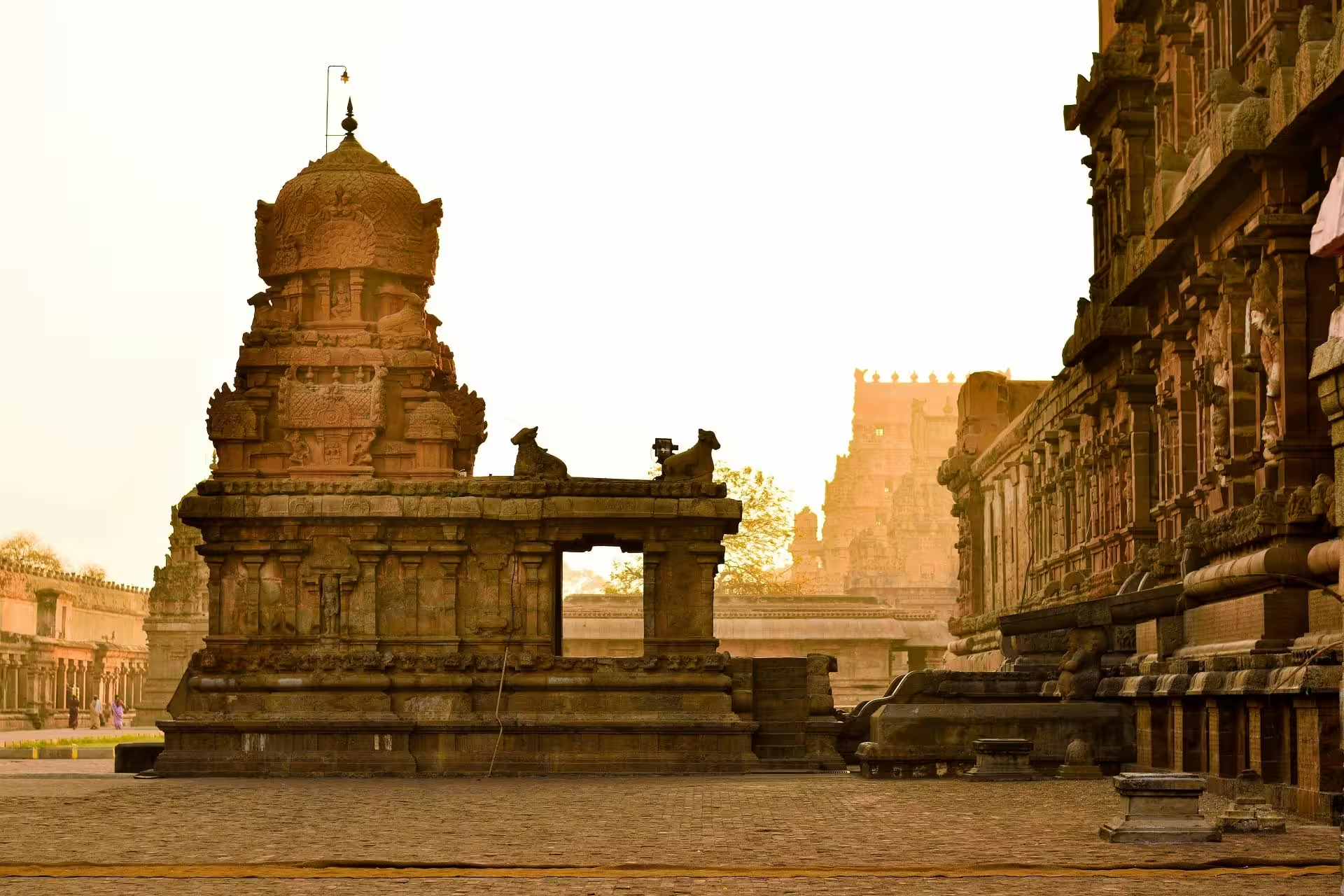
These temples, built by the Chola dynasty, show advanced engineering and stone craftsmanship. Brihadeeswarar Temple in Thanjavur is the most well-known among them.
The temples are active places of worship, so visits should be respectful and unhurried.
Best time to visit: November to February, mornings
Best for: Temple architecture, cultural history
Nearest airport: Tiruchirappalli International Airport
Nearest railway station: Thanjavur Railway Station
Rani ki Vav, Gujarat
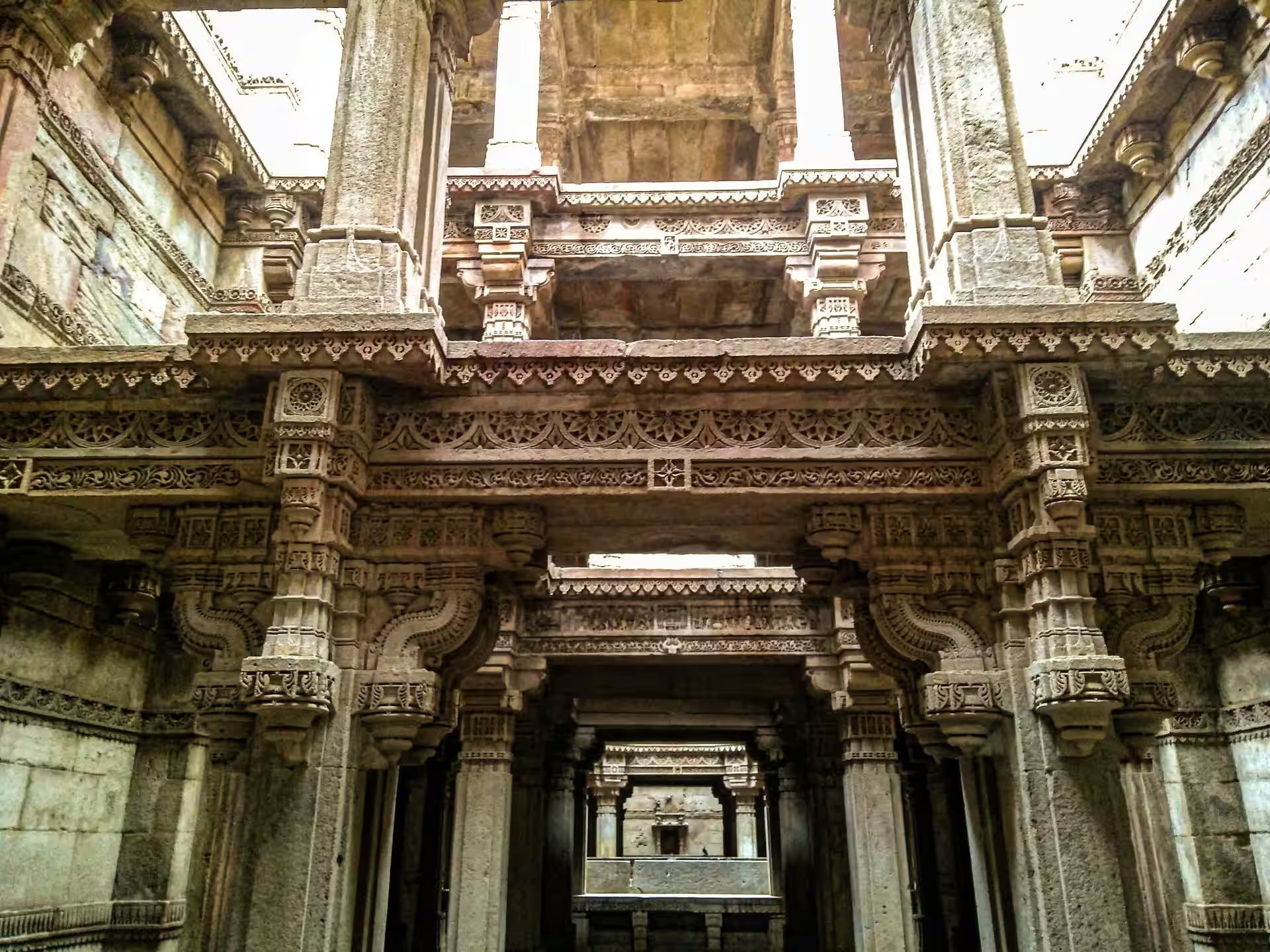
Rani ki Vav is a stepwell built in the 11th century and rediscovered centuries later. Unlike typical monuments, it goes deep underground with sculpted walls and pillars.
The carvings remain well preserved, and the site stays cooler than surface monuments due to its structure.
Best time to visit: October to February, late morning
Best for: Ancient engineering, sculpture
Nearest airport: Sardar Vallabhbhai Patel International Airport, Ahmedabad
Nearest railway station: Patan Railway Station
Final Note
UNESCO sites work best when you slow down. These places are not meant for rushed checklists. Each site carries layers of history that reveal themselves only if you spend time walking, observing, and asking simple questions.
If you pick even two or three from this list and visit them at the right time, you will understand why they matter far beyond photos.