
Overview
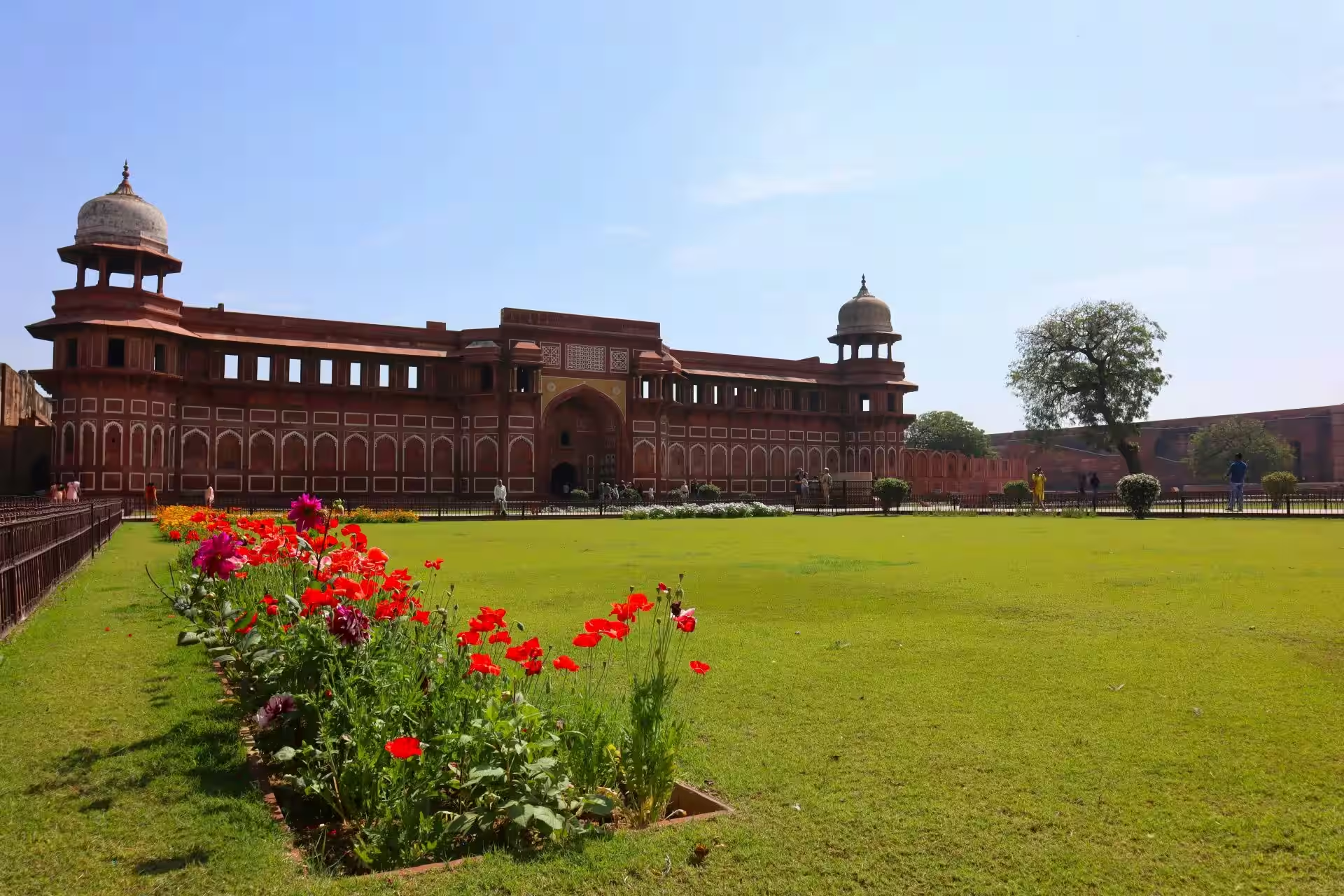
Agra Fort is one of the most important historical monuments in India. It is located in Agra, about 2.5 kilometers from the Taj Mahal. This massive red sandstone fort stands near the banks of the Yamuna River.
The fort was originally built by Mughal Emperor Akbar in 1565. Later, other Mughal rulers including Jahangir and Shah Jahan made additions to it. The fort served as the main residence of the Mughal emperors until the capital was moved to Delhi.
Agra Fort is also a UNESCO World Heritage Site. It is known for its strong walls, beautiful palaces, large courtyards, and detailed carvings. From some parts of the fort, you can even see the Taj Mahal in the distance.
Open Hours
- Open Days: All days of the week
- Opening Time: 6:00 AM
- Closing Time: 6:00 PM
It is best to visit in the morning to avoid heat and crowds.
Entry Fee - Indians vs Foreigners
| Category | Ticket Price (INR) |
|---|---|
| Indian Citizens | ₹50 |
| SAARC / BIMSTEC Citizens | ₹90 |
| Foreign Tourists | ₹650 |
| Children below 15 years | Free |
What To Expect
Massive Red Sandstone Walls
Agra Fort is surrounded by high red sandstone walls that stretch for about 2.5 kilometers. The fort looks strong and impressive from the outside.
Tips
- Visit early in the day, especially in summer.
- Wear comfortable shoes. The fort area is large.
- Carry water but avoid large bags.
- Hire a licensed guide to understand the history better.
- Combine your visit with the Taj Mahal for a full day in Agra.
About Agra Fort
Agra Fort is not just a military structure. It worked as a royal city inside strong walls. There are palaces, mosques, audience halls, and gardens inside. You see how the Mughal rulers lived here.
The design shows a mix of Islamic and Indian styles. Red sandstone was used during Akbar’s time. Later, Shah Jahan added white marble sections. You notice the change as you move from one area to another.
In 1983, Agra Fort became a UNESCO World Heritage Site. Today, it is one of the main places people visit in Agra. Some walk through the courtyards. Some stop and look at the walls. You get a sense of its scale and history.
Detailed Information
| Detail | Information |
|---|---|
| Built by | Mughal rulers (associated with Babur and Shah Jahan) |
| Built by (as per records) | Akbar |
| Year Started | 1565 |
| Location | Opposite Taj Mahal, Agra |
| Architectural Style | Mughal Garden (Charbagh layout) |
| Architectural Style (Fort Structure) | Mughal Architecture |
| Material Used | Red Sandstone and Marble |
| Period | 16th–17th Century |
| UNESCO Status | World Heritage Site (1983) |
| Maintained by | Archaeological Survey of India |
| Nearby River | Yamuna River |
| Distance from Taj Mahal | About 2.5 km |
| Famous For | Sunset view of Taj Mahal |
Near by Places
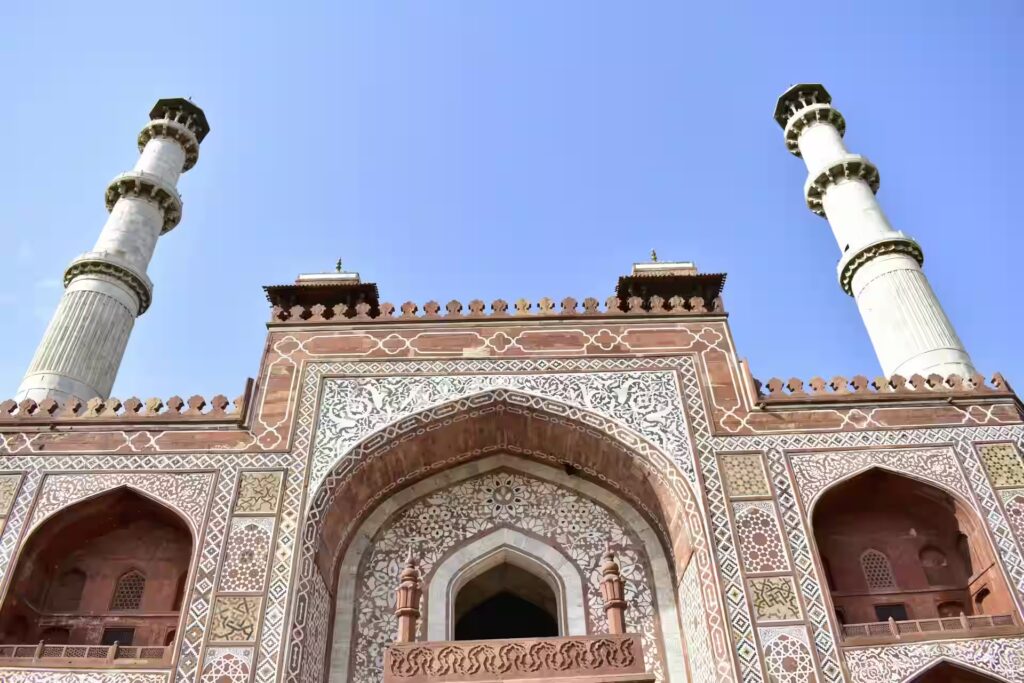
Sikandra Fort
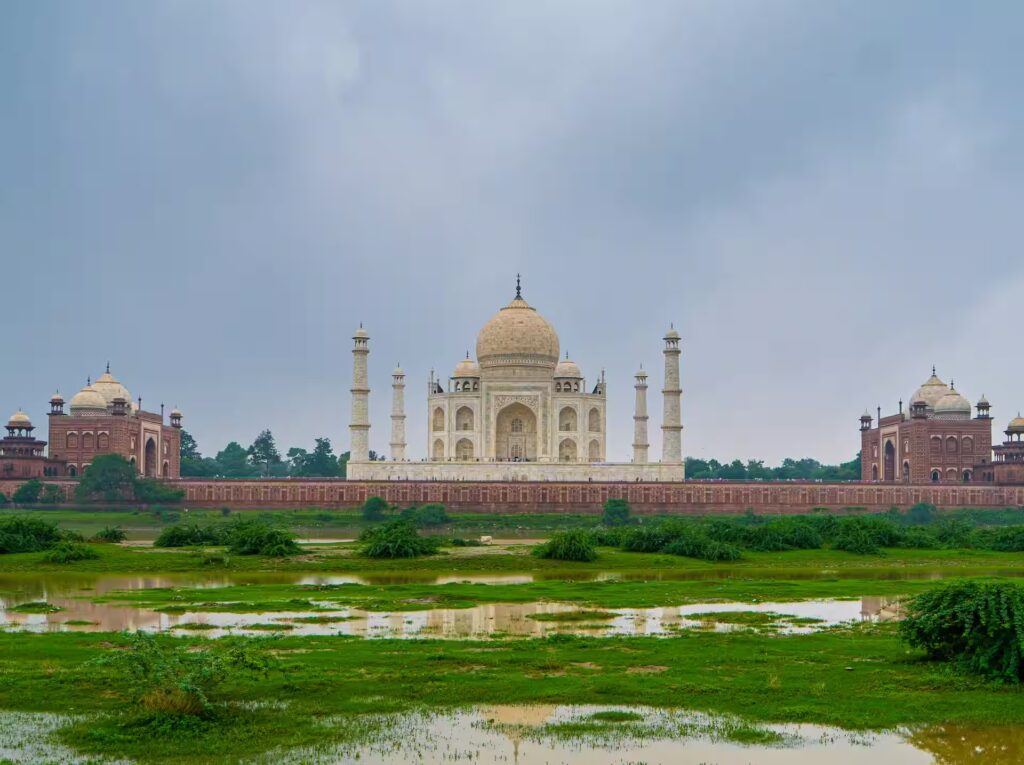
Mehtab Bagh
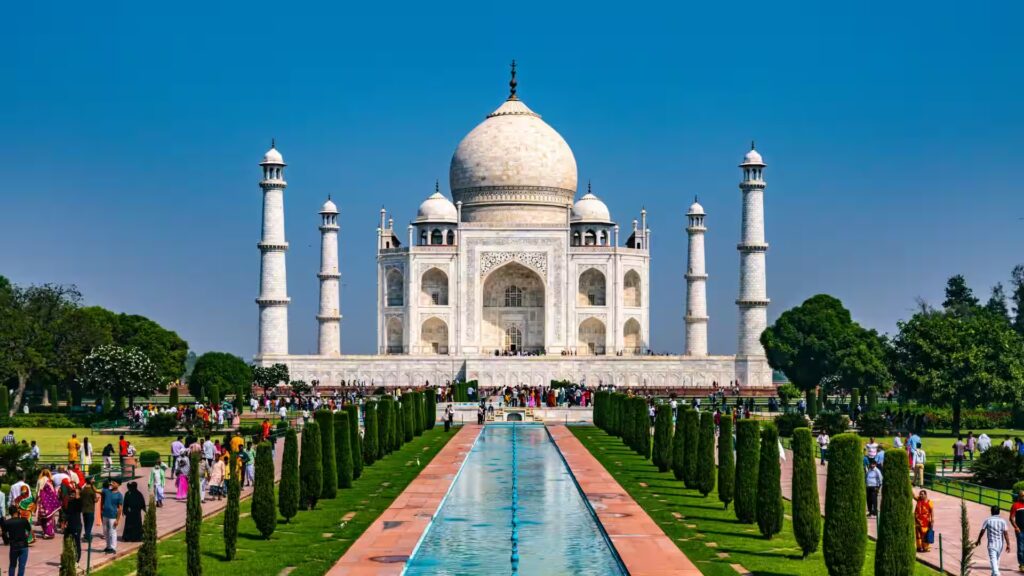
Taj Mahal
Similar Places to Visit
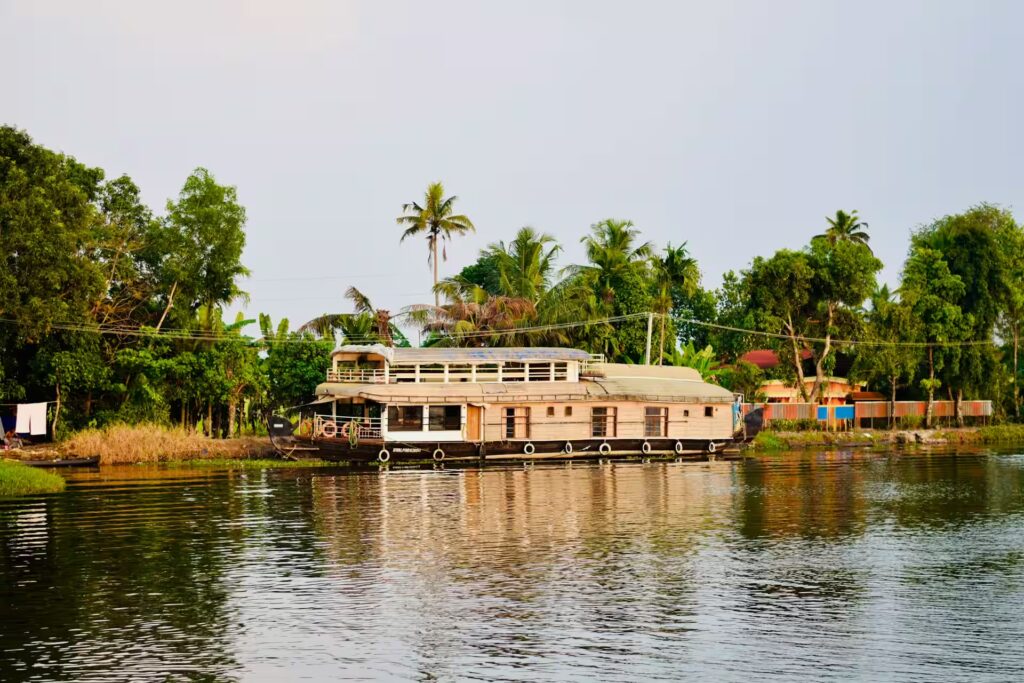
Alleppey Backwaters
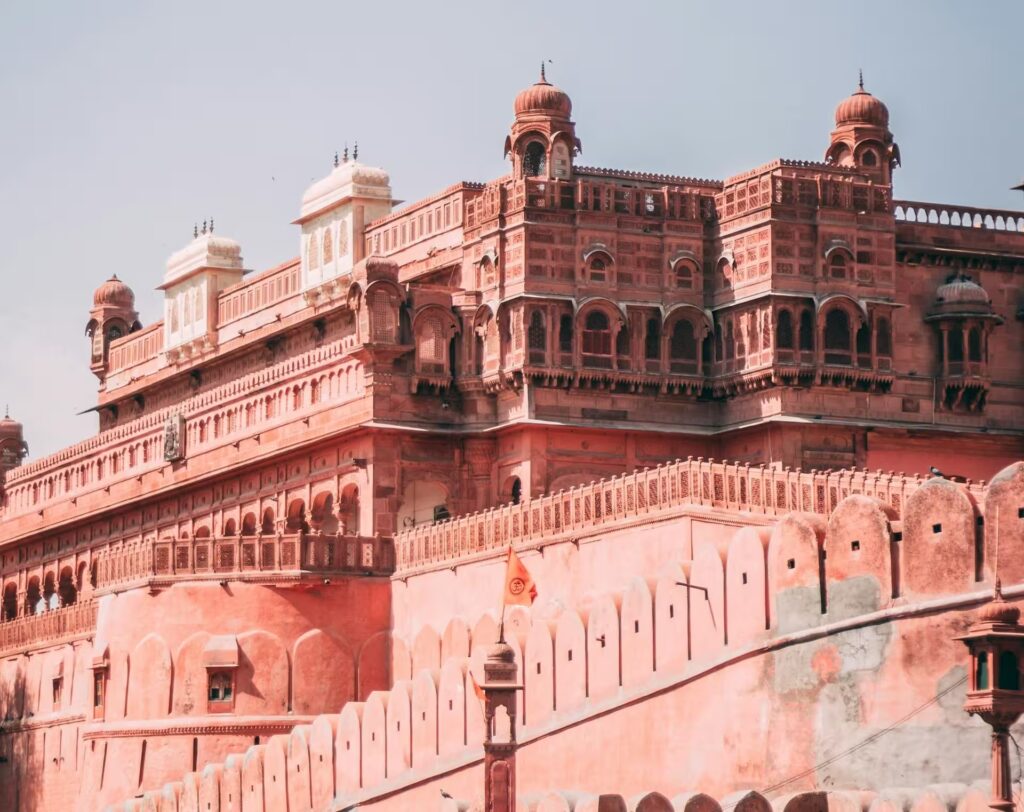
Junagarh Fort
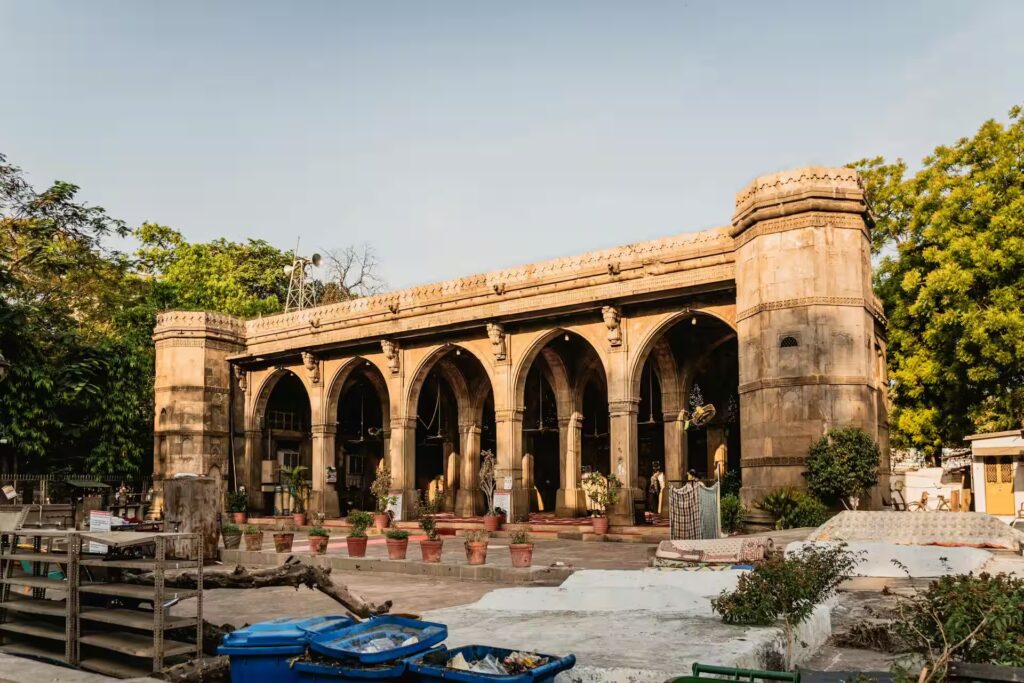
Sidi Saiyyed Mosque
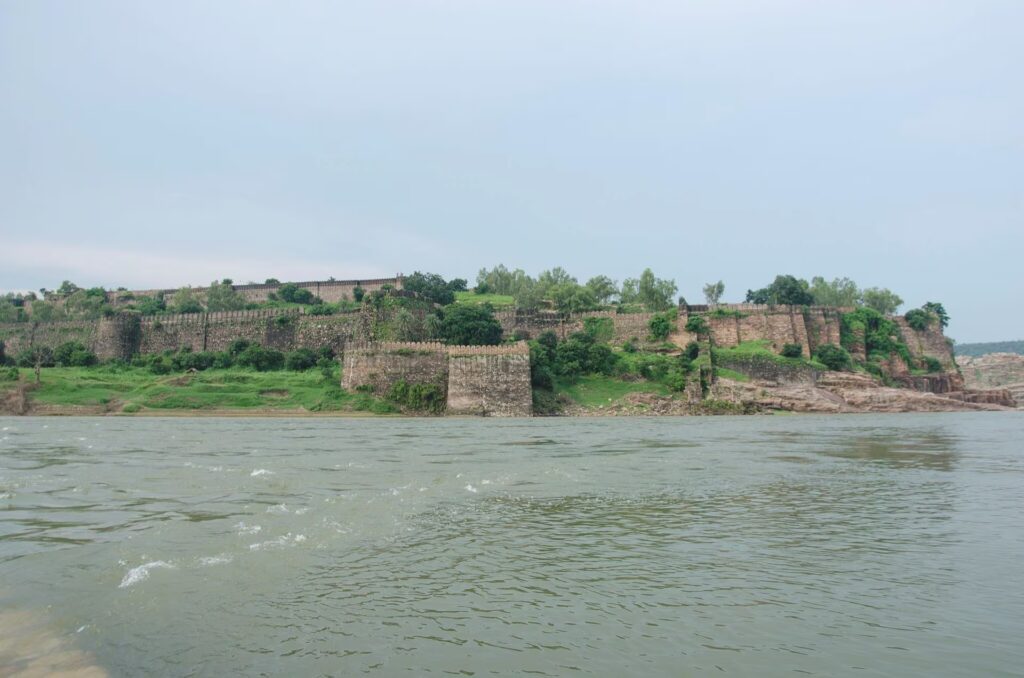
Gagron Fort
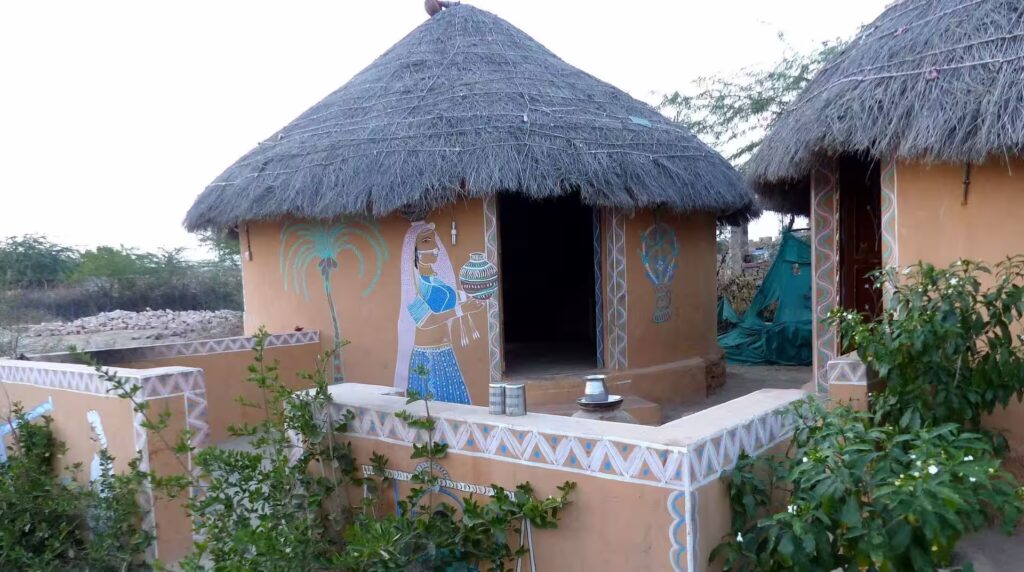
Bishnoi Village Safari
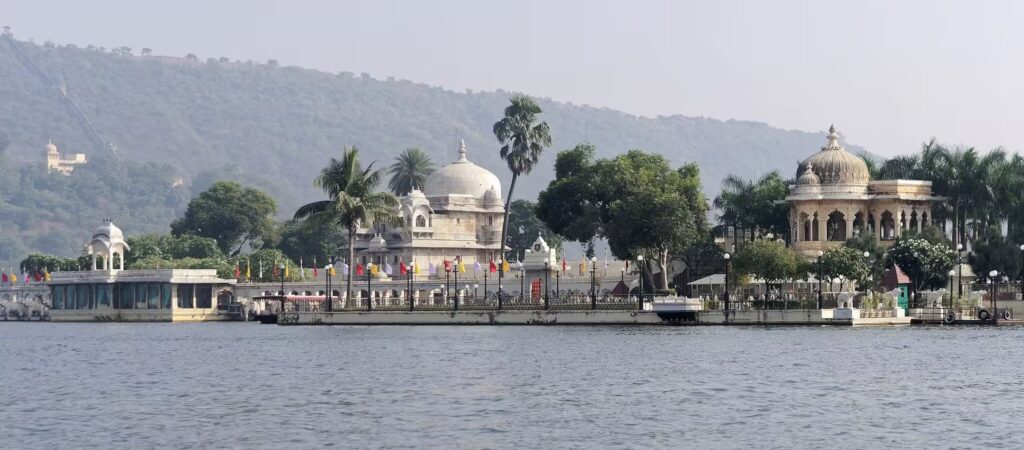
Jag Mandir Palace
Discover by Interest
Beach
Beaches Destinations
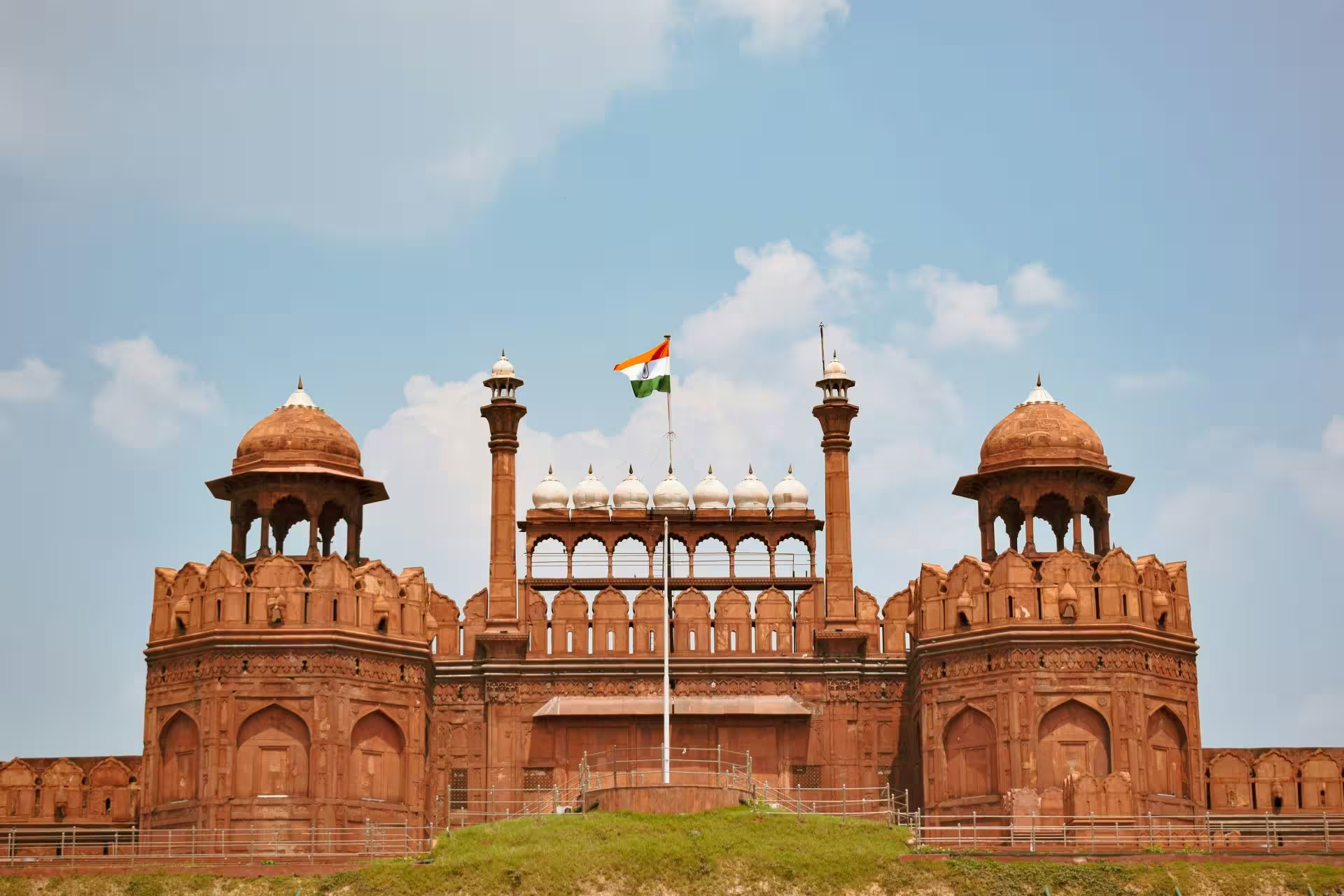
Heritage
Heritage Destinations
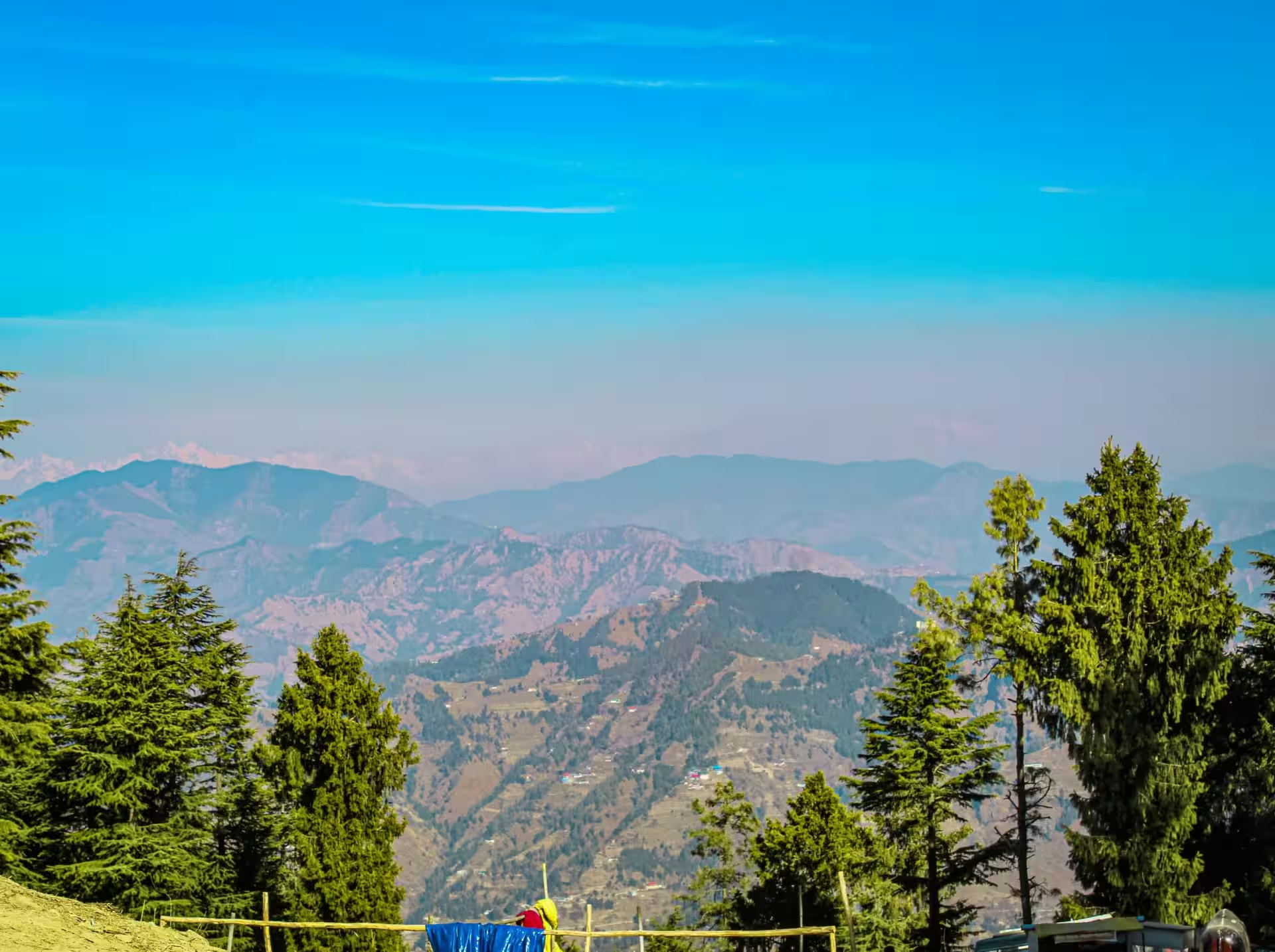
Hill Stations
Hill Stations
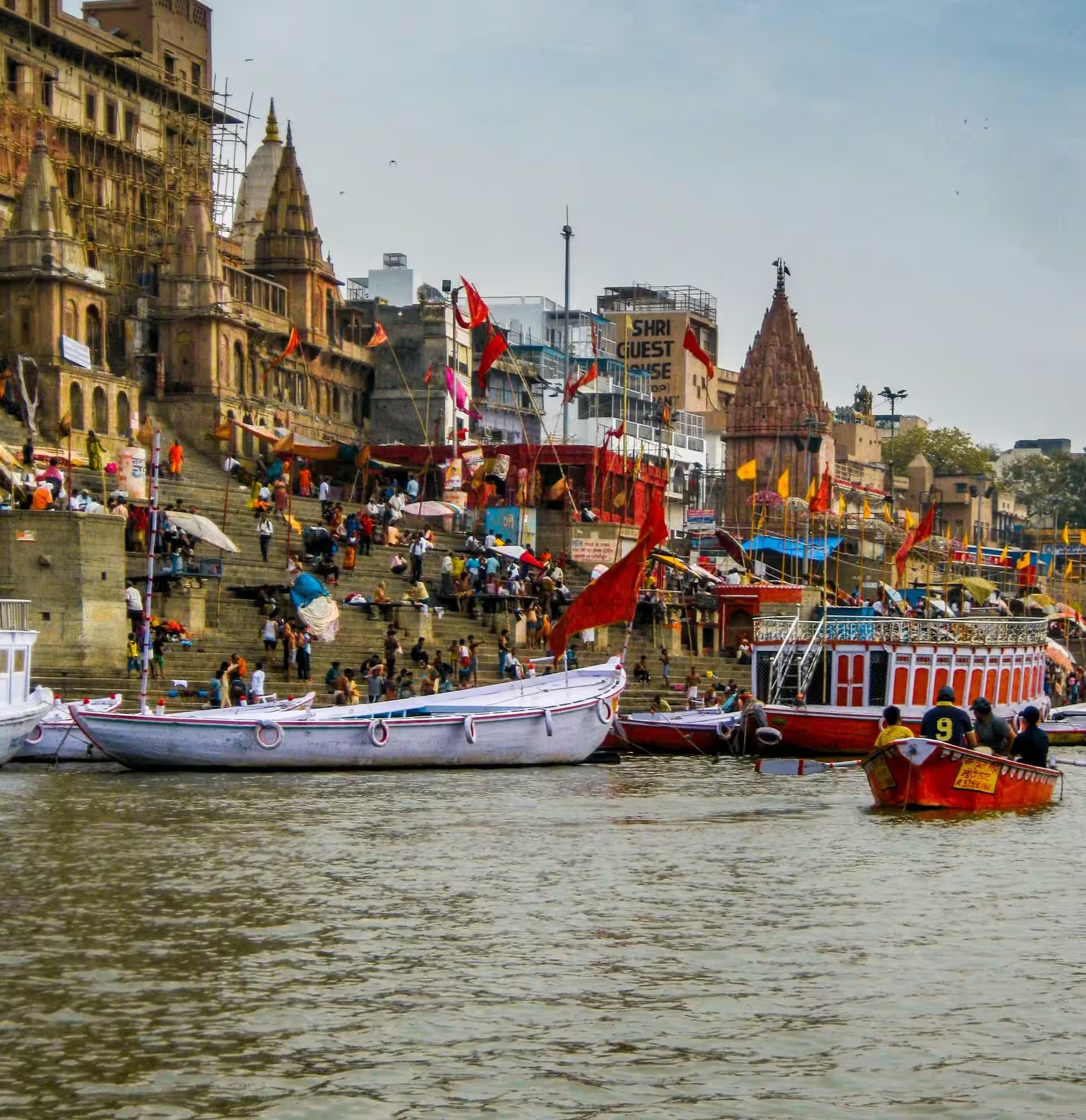
Spiritual
Spiritual Destinations
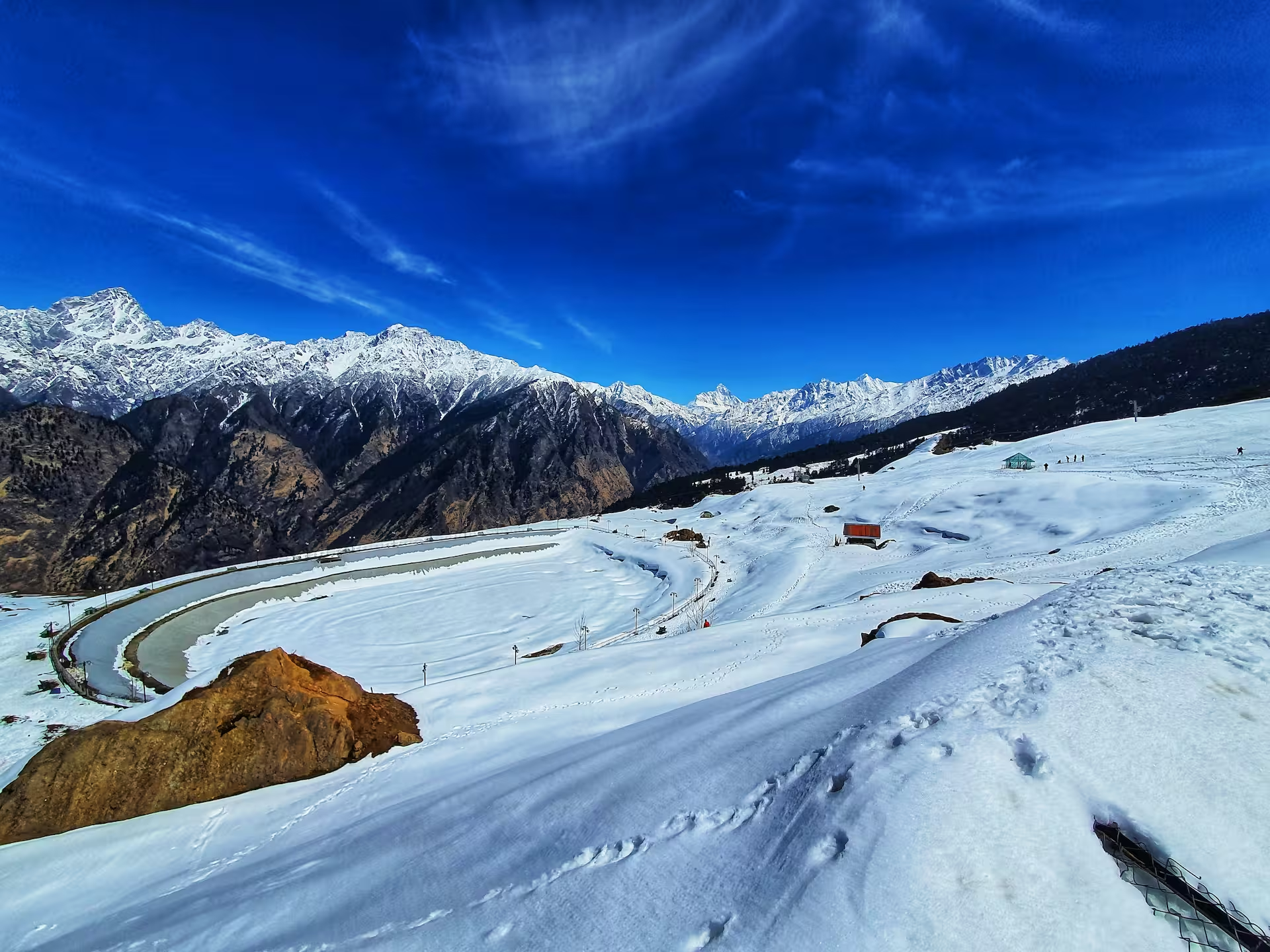
Trekking
Trekking Hotspots
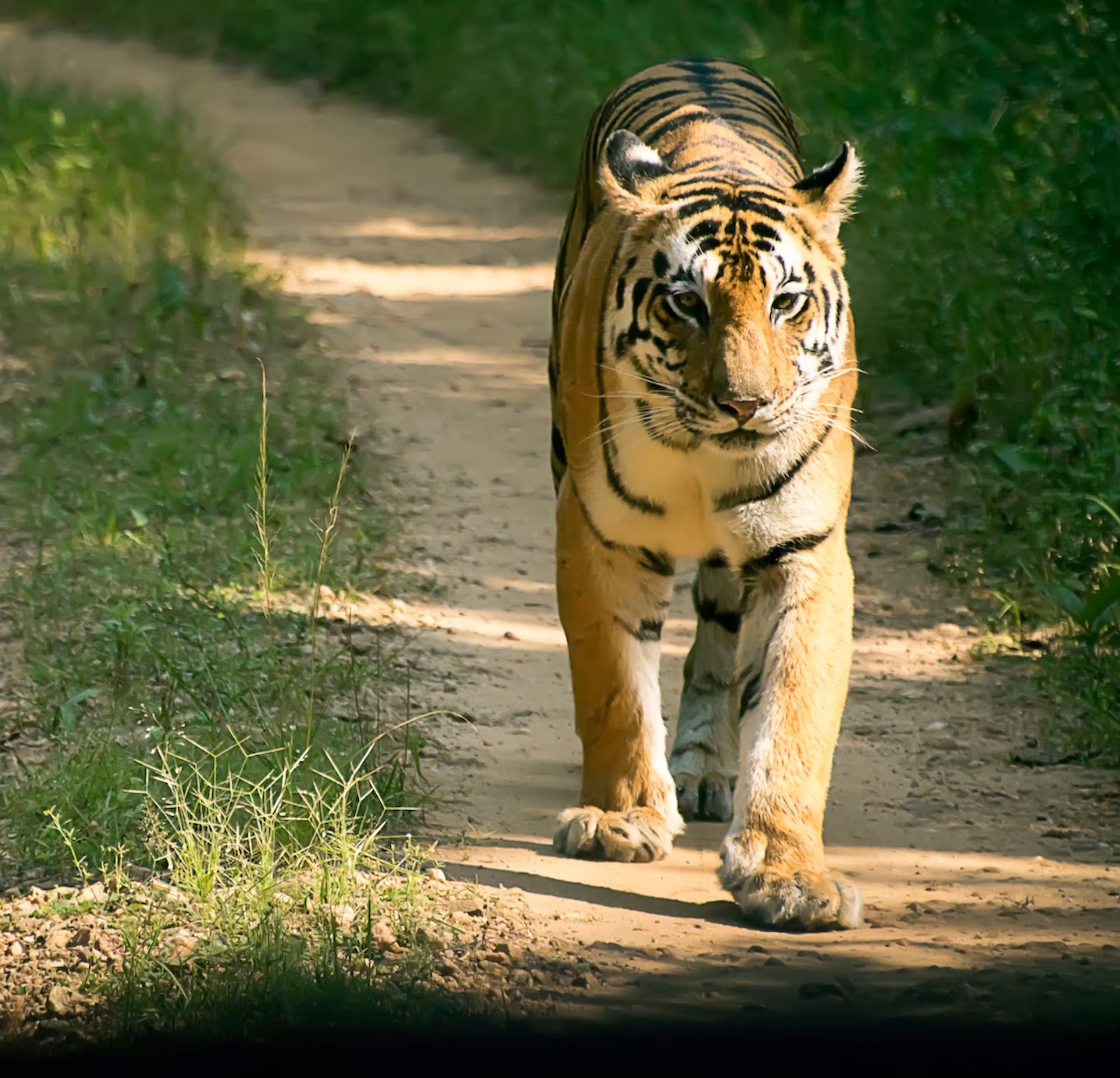
Wildlife
Wildlife Destinations
Frequently Asked Questions
Where is Agra Fort located?
Agra Fort is located in Agra, Uttar Pradesh. It stands close to the Yamuna River and about 2.5 kilometers from the Taj Mahal.
Who built Agra Fort?
The fort was built by Mughal Emperor Akbar in 1565. Later rulers like Jahangir and Shah Jahan added more buildings inside the fort.
Is Agra Fort a UNESCO World Heritage Site?
Yes. Agra Fort was declared a World Heritage Site by UNESCO in 1983.
How much time is needed to explore Agra Fort?
You should keep at least 2 to 3 hours to explore the main palaces, halls, and courtyards comfortably.
What is the best time to visit Agra Fort?
Morning is the best time to visit, especially during summer. The weather is cooler and the crowd is smaller.