
Kedarnath
Kedarnath in Uttarakhand is a sacred town with a Shiva temple set high in the Himalayan mountains.
Things To See & Do
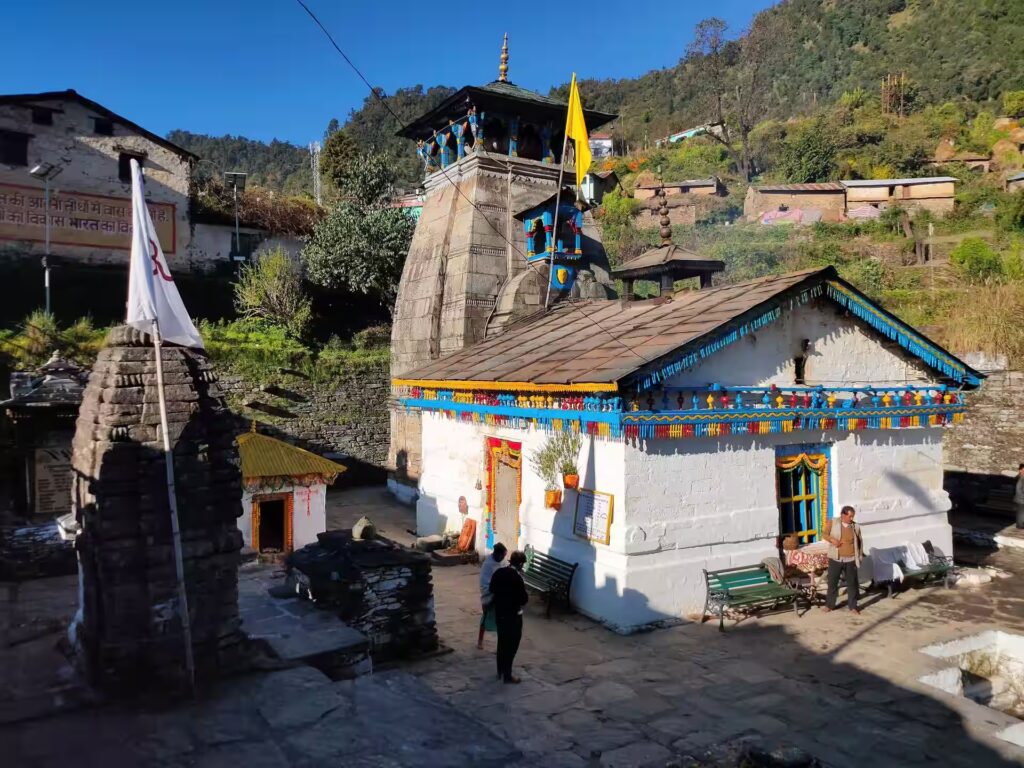
Triyuginarayan Temple
Triyuginarayan Temple near Kedarnath is known as the site of Shiva and Parvati’s wedding.
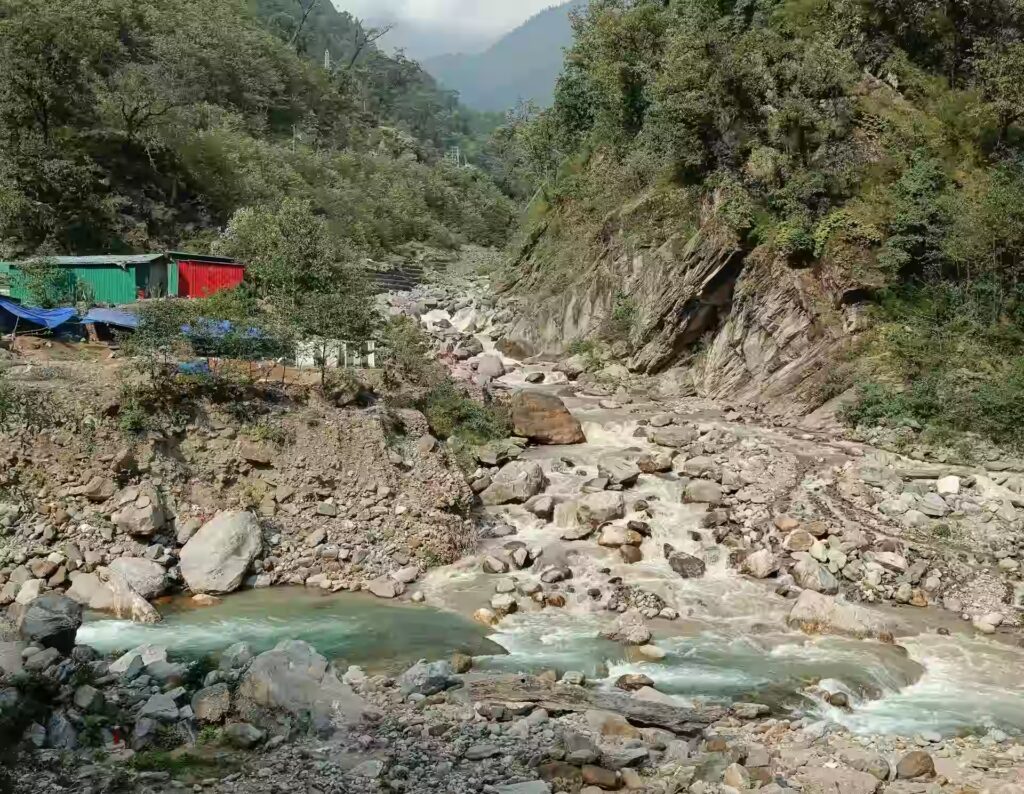
Sonprayag
Sonprayag near Kedarnath is a small stop where rivers meet and pilgrims begin the onward journey.
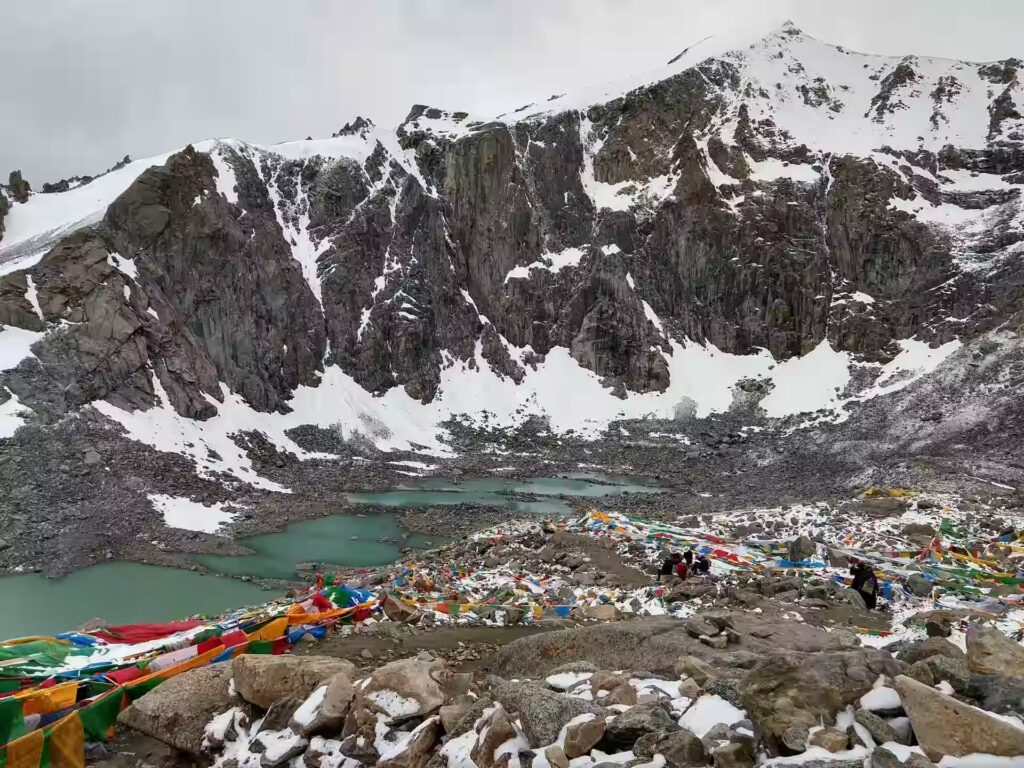
Gaurikund
Gaurikund near Kedarnath is the starting point of the trek, known for its hot water spring and temple.
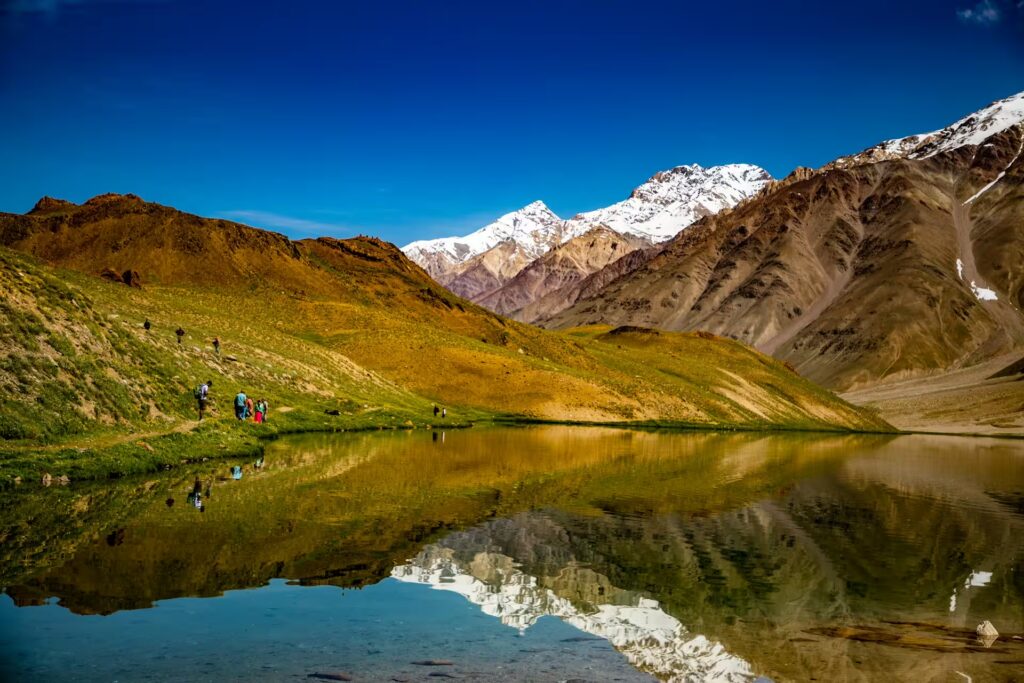
Vasuki Tal
Vasuki Taal near Kedarnath is a high altitude lake with clear water and views of surrounding peaks.
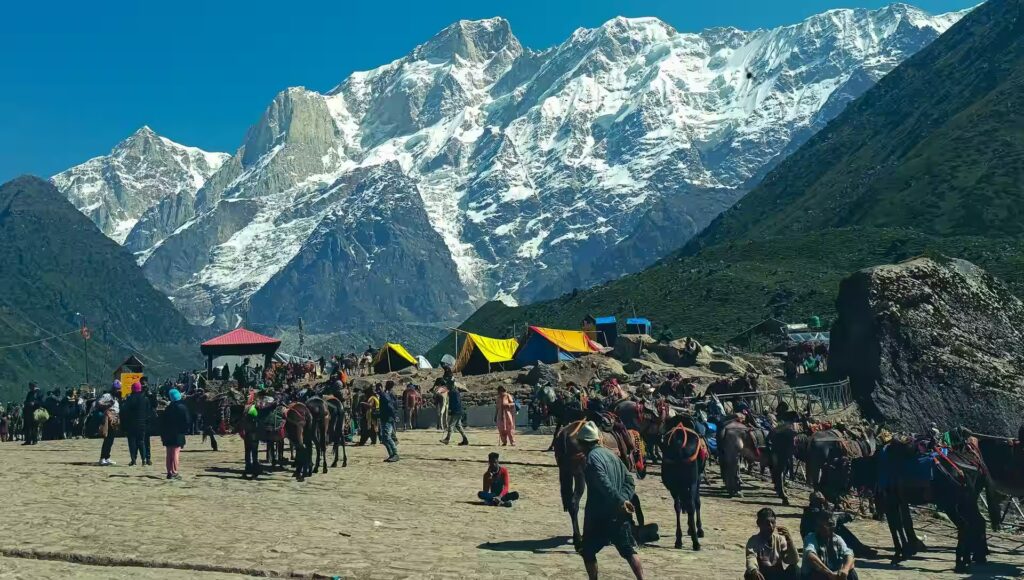
Meditation Cave
Meditation Cave in Kedarnath is a small rock shelter where saints and devotees practice meditation.
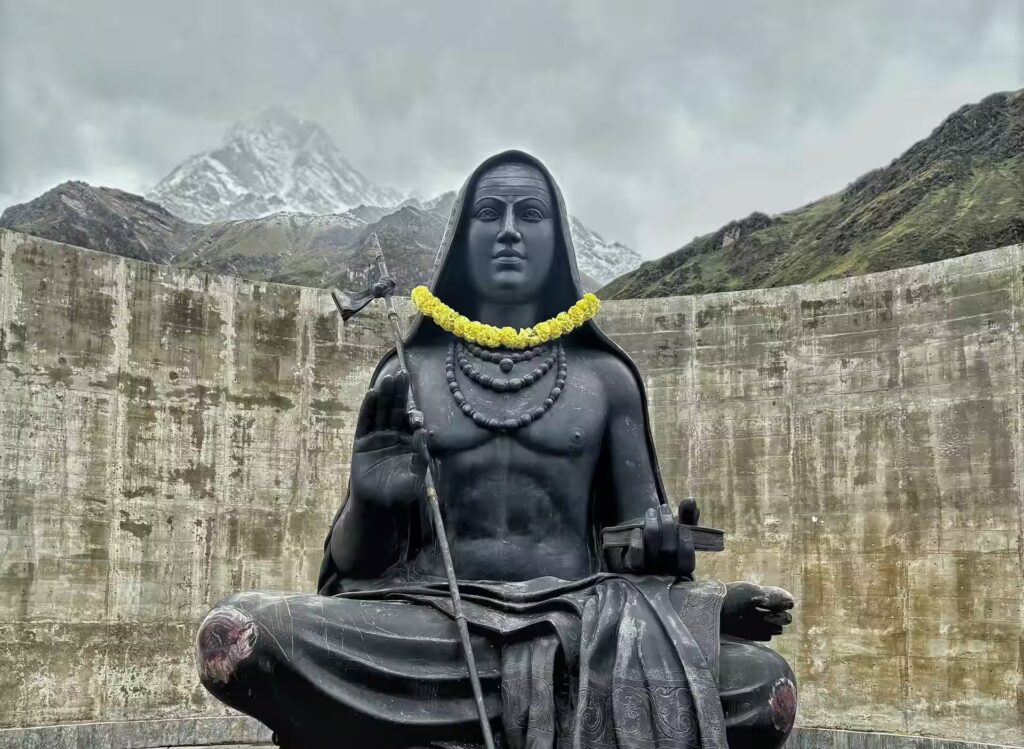
Adi Shankaracharya Samadhi
Adi Shankaracharya Samadhi in Kedarnath marks the final resting place of the saint near the temple.
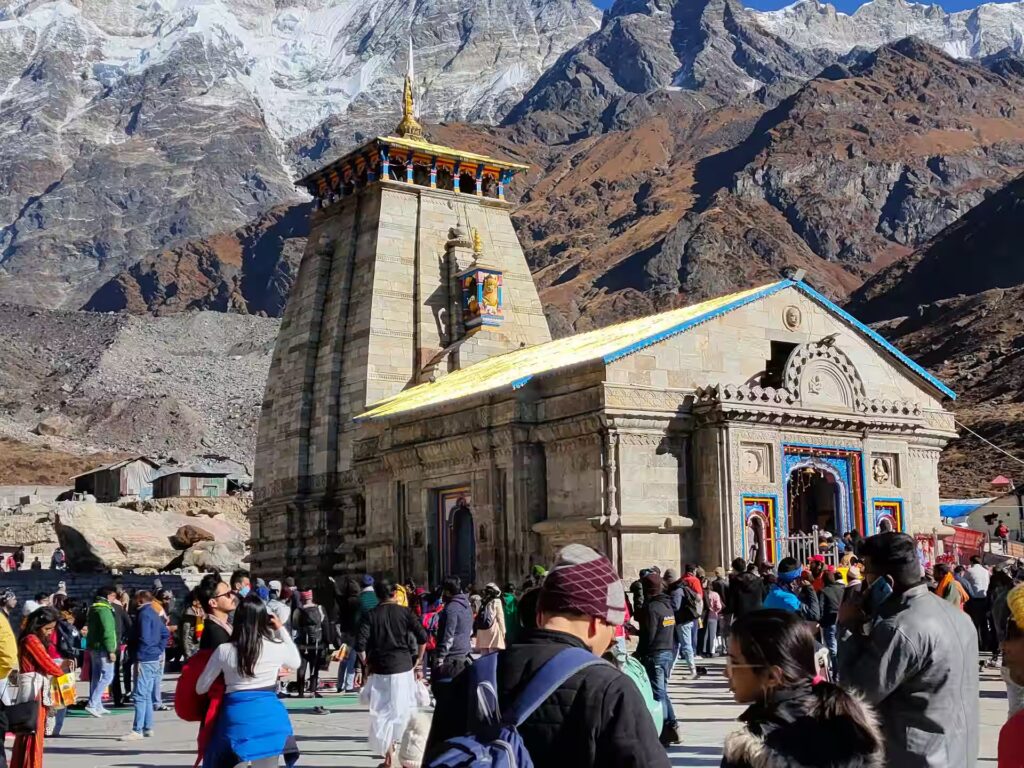
Kedarnath Temple
Kedarnath Temple in Uttarakhand is a revered Shiva shrine set amid high Himalayan peaks.
Triyuginarayan Temple
Triyuginarayan Temple near Kedarnath is known as the site of Shiva and Parvati’s wedding.
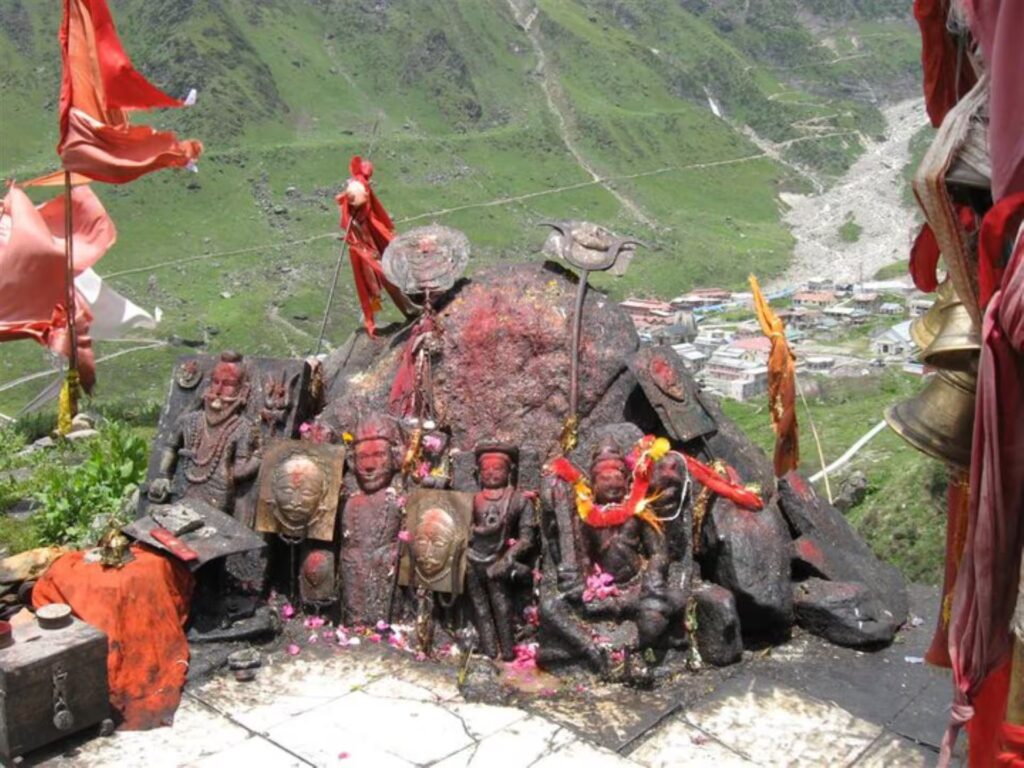
Bhairavnath Temple
Bhairavnath Temple in Kedarnath is a small shrine dedicated to Lord Bhairav, located near the main temple.
Adi Shankaracharya Samadhi
Adi Shankaracharya Samadhi in Kedarnath marks the final resting place of the saint near the temple.
Kedarnath Temple
Kedarnath Temple in Uttarakhand is a revered Shiva shrine set amid high Himalayan peaks.
Gaurikund
Gaurikund near Kedarnath is the starting point of the trek, known for its hot water spring and temple.
Vasuki Tal
Vasuki Taal near Kedarnath is a high altitude lake with clear water and views of surrounding peaks.
Meditation Cave
Meditation Cave in Kedarnath is a small rock shelter where saints and devotees practice meditation.
Sonprayag
Sonprayag near Kedarnath is a small stop where rivers meet and pilgrims begin the onward journey.
About Kedarnath
Kedarnath sits in the Garhwal Himalayas at high altitude. The town stands near the source of the Mandakini River and forms part of the Char Dham Yatra. Cold air moves through the valley, and snow stays on upper slopes for long periods.
The main site is the Kedarnath Temple, dedicated to Lord Shiva. The temple stands at about 3,500 meters on firm ground. Mountains rise close around it, and snow remains visible on nearby peaks through much of the year.
The area shows clear links between ice, rock, and moving water. Glaciers sit above the valley, and meltwater flows down through narrow channels. The Chorabari Glacier lies above the town and feeds the river system below.
Kedarnath does not connect by direct road, so access depends on foot travel. The route begins at Gaurikund, and the path runs for about 16 km uphill. People walk, ride ponies, or take palanquins, and they move at a steady pace.
The region has sparse settlement and short periods of access each year. Air stays thin at this height, and weather changes within a short time. Kedarnath draws pilgrims and trekkers who move along river paths, climb slopes, and cross open mountain ground.
Best Time to Visit Kedarnath
May to June
This is the best time to visit. The Kedarnath Temple opens during this period after winter closure. Snow begins to melt, and trekking routes become clear and safe. Days remain cool, and movement along the trail stays steady.
September to October
After the monsoon, skies become clear and the air feels fresh. The path from Gaurikund remains open, and the ground looks clean and stable. Fewer people travel during this time, so the area feels quieter.
November to April
Heavy snowfall closes the region, and access to Kedarnath stops completely. The temple remains shut, and the area stays covered under snow for months.
Festivals And Calendar
Badri-Kedar Festival – June
A cultural event held across Kedarnath and nearby regions. It includes music, dance, and local performances during the pilgrimage period.
Jan
Feb
Mar
Apr
May
Jun
Jul
Aug
Sep
Oct
Nov
Dec
Best
Good
Fair
poor
Near by Places
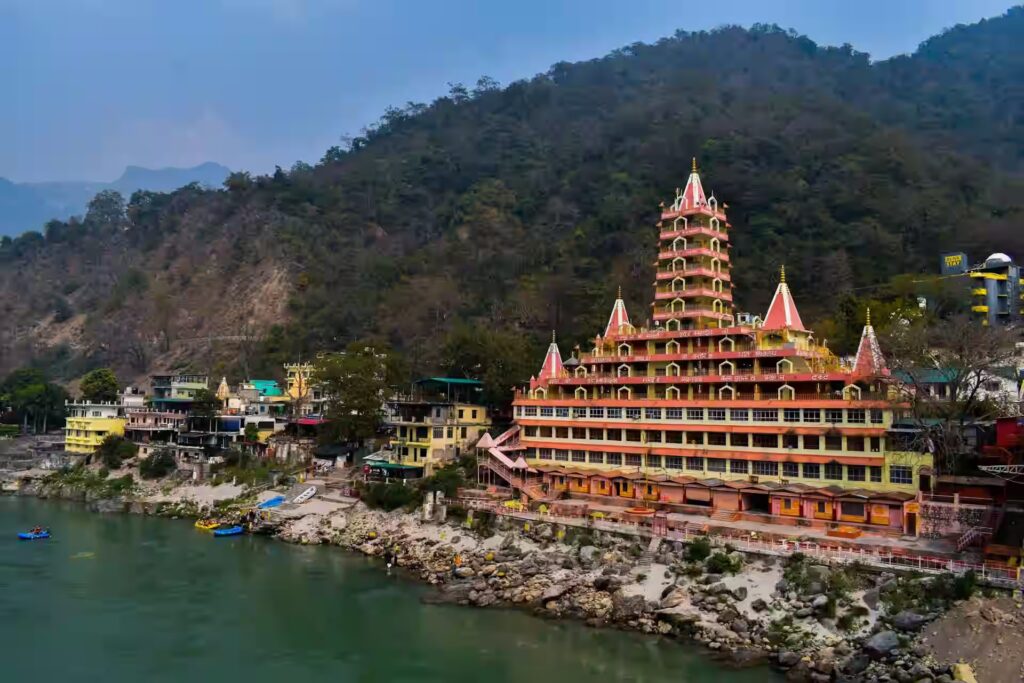
Rishikesh
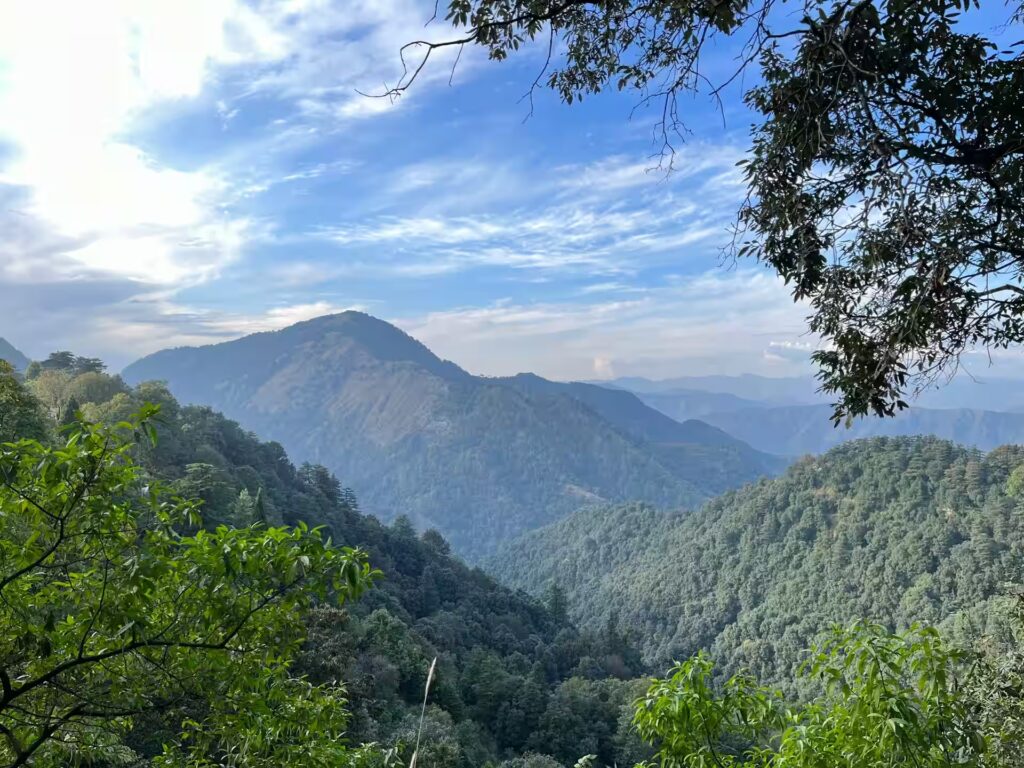
Mussoorie
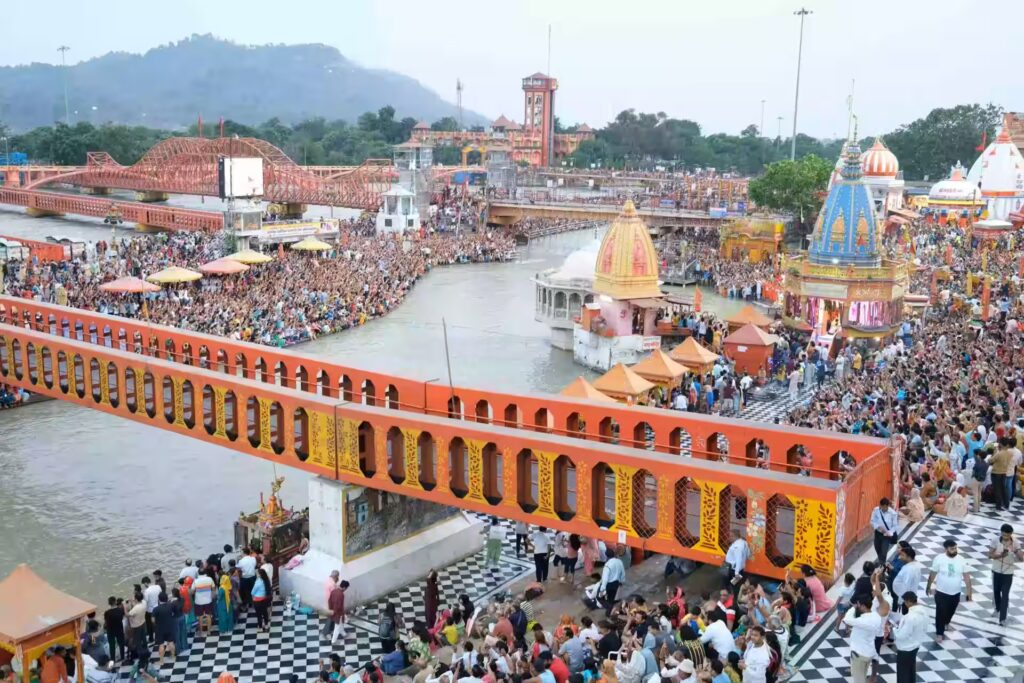
Haridwar
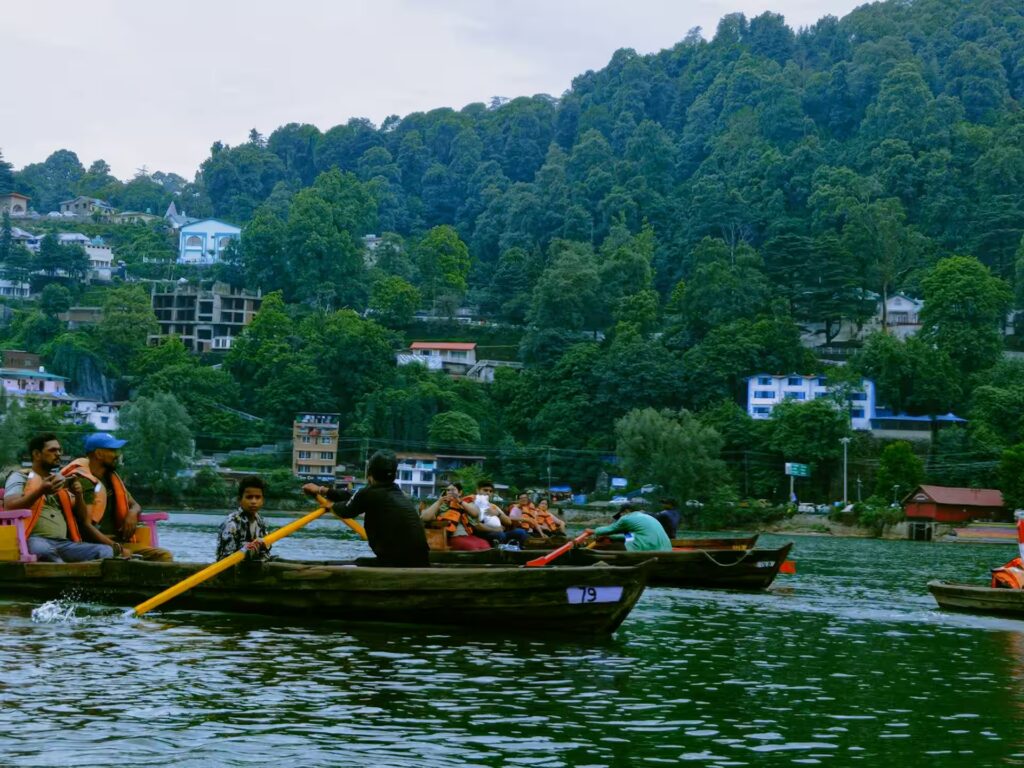
Nainital
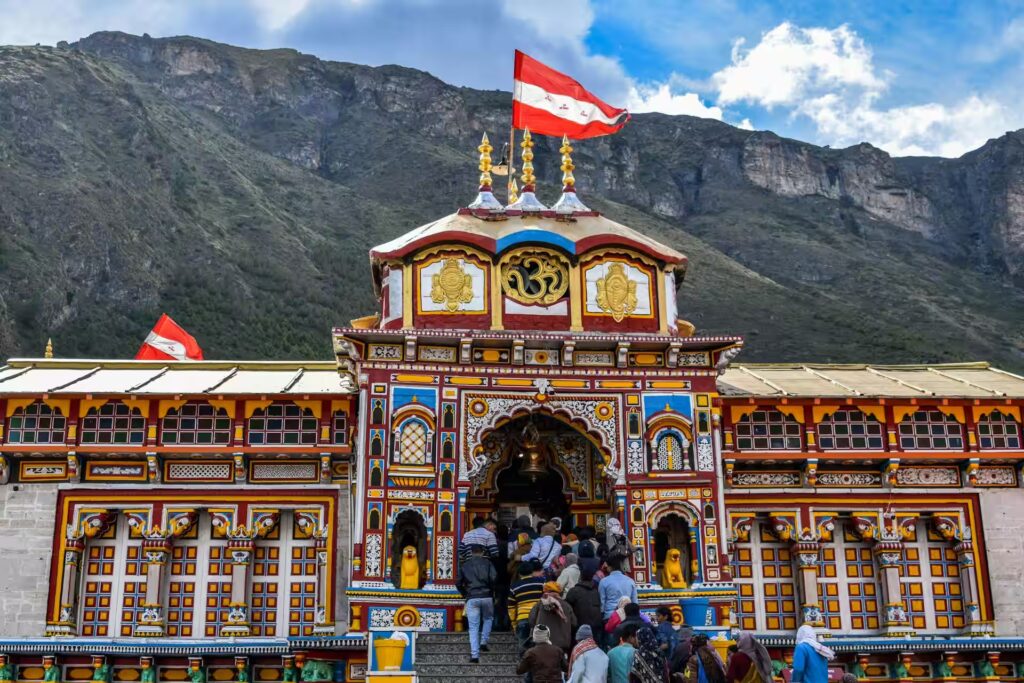
Badrinath
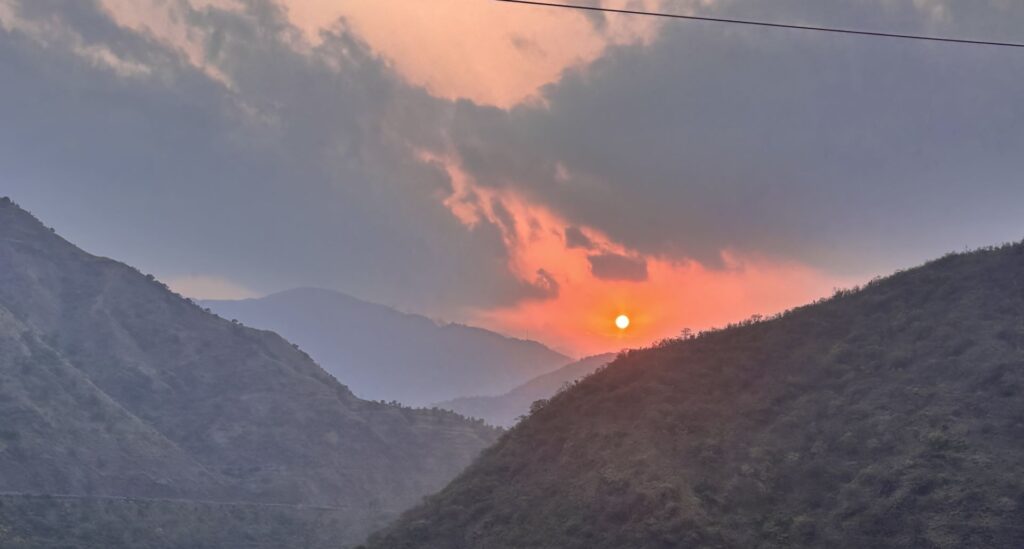
Yamunotri
Similar Places to Visit
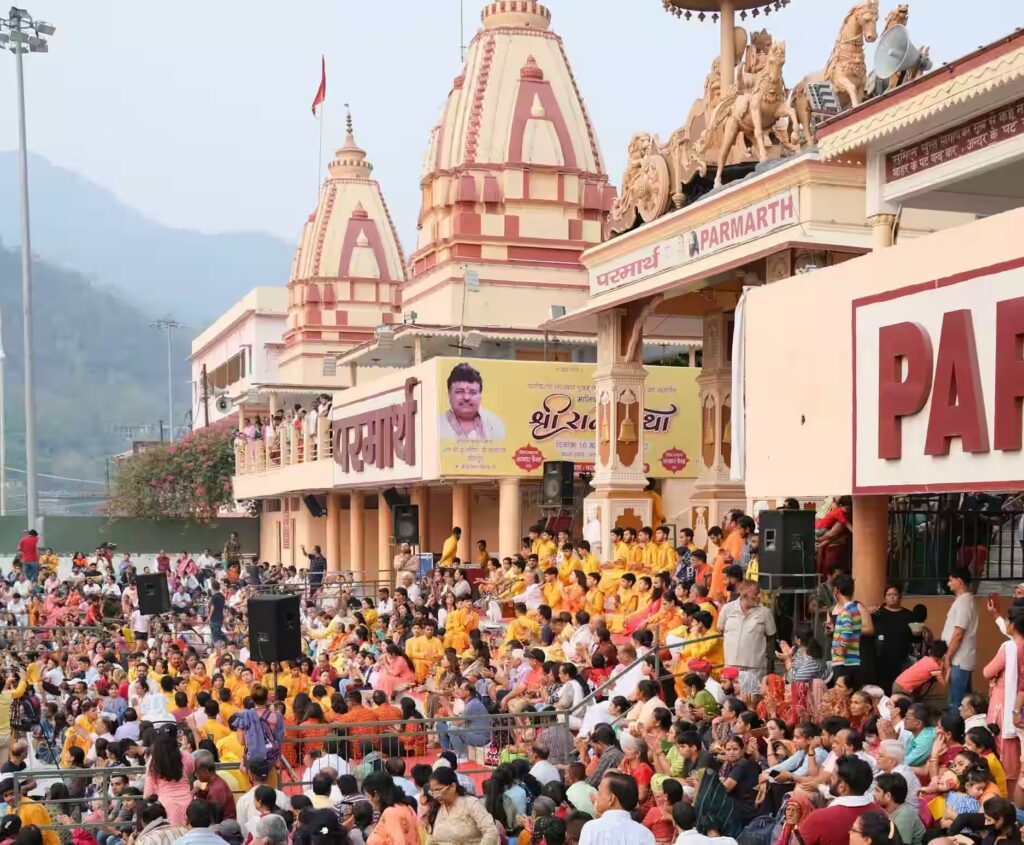
Parmarth Niketan Ashram
Kedarnath Temple
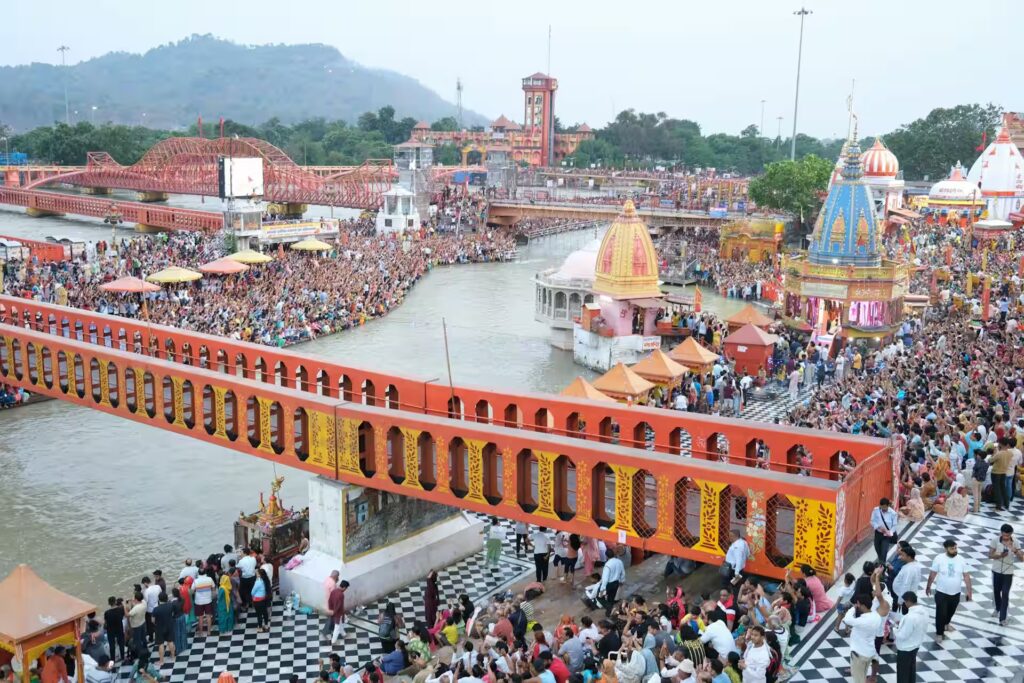
Har Ki Pauri
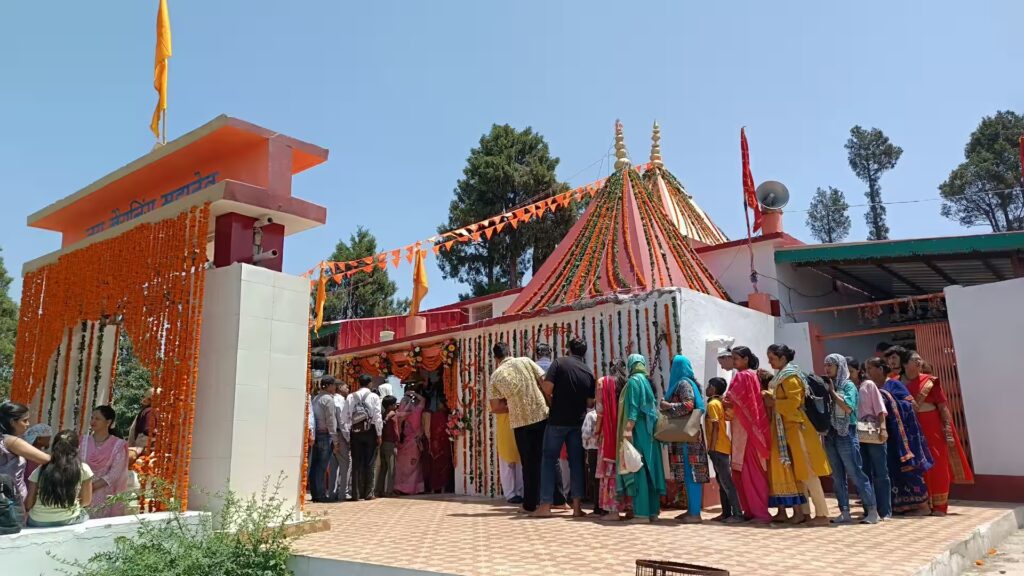
Kunjapuri Devi Temple
EME Temple
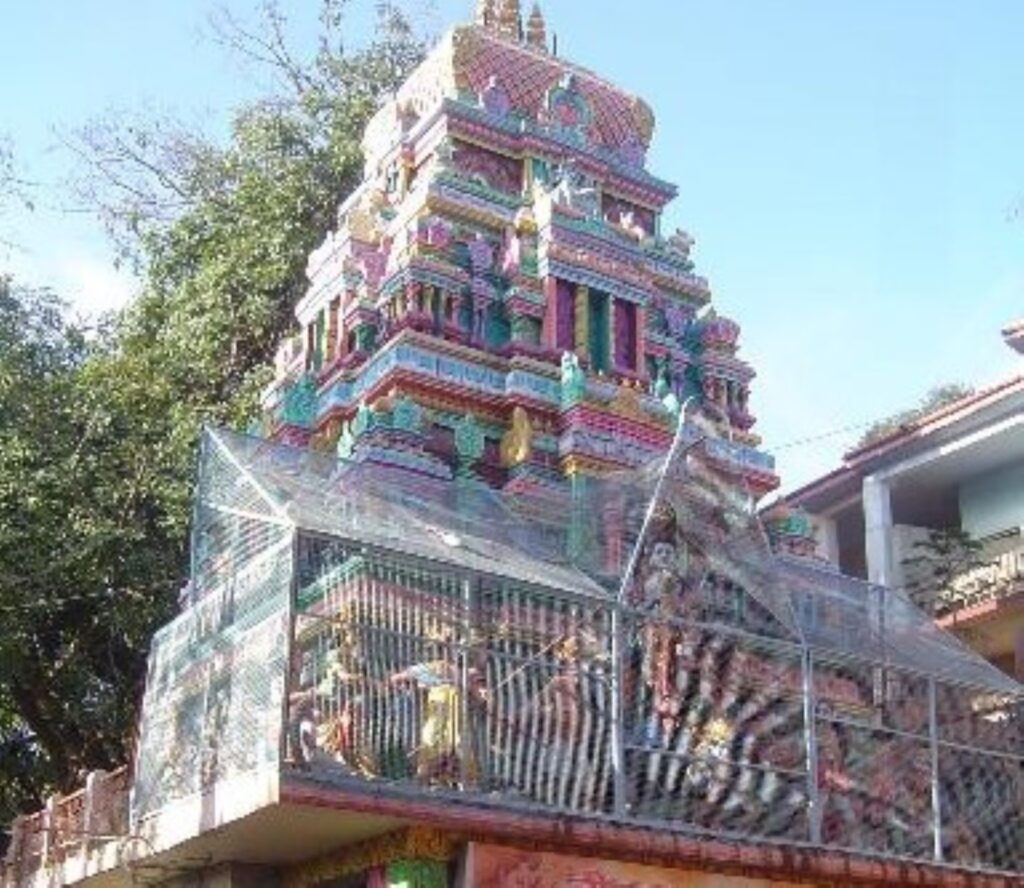
Neelkanth Mahadev Temple
Discover by Interest
Beach
Beaches Destinations
Heritage
Heritage Destinations
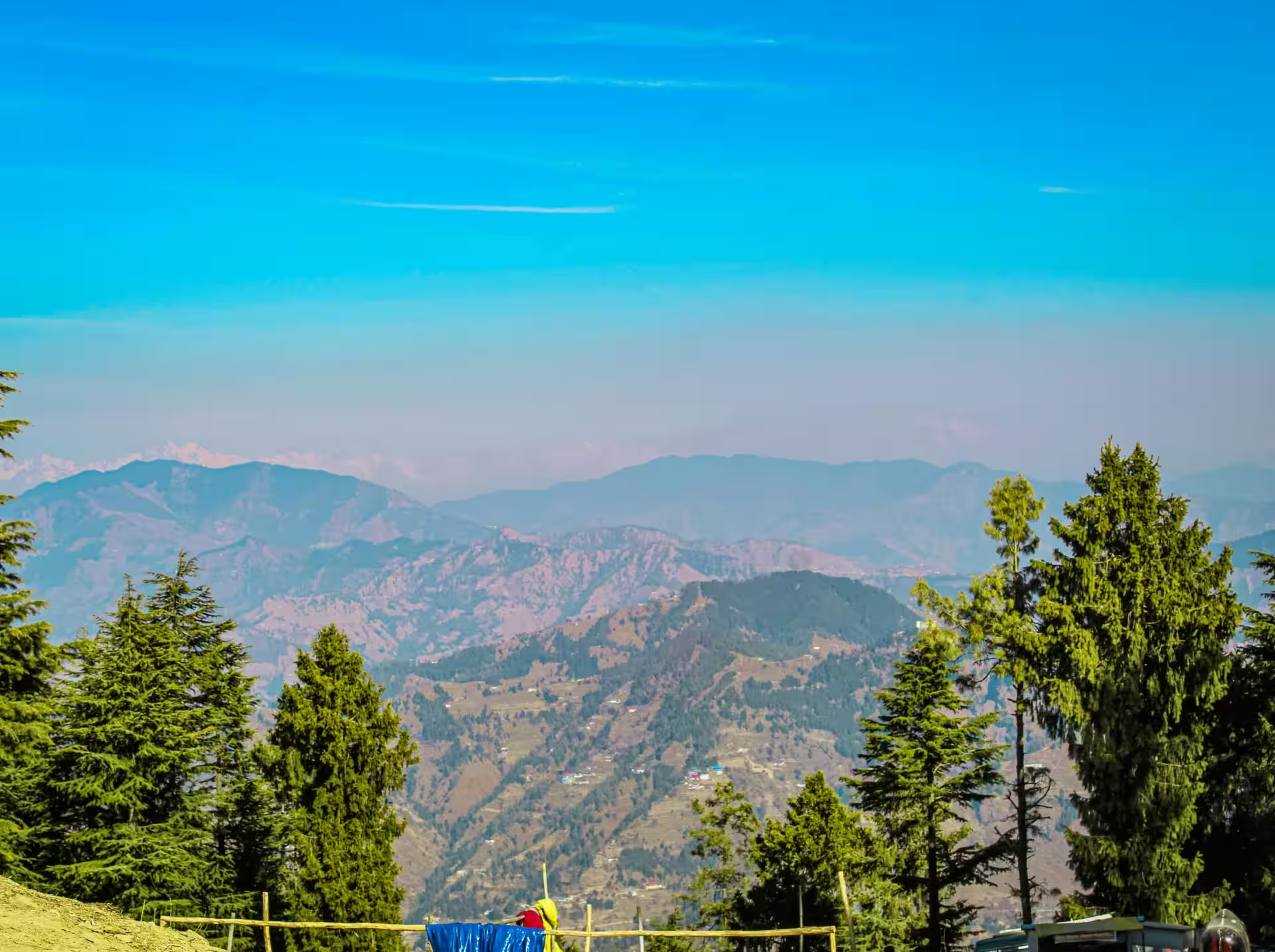
Hill Stations
Hill Stations
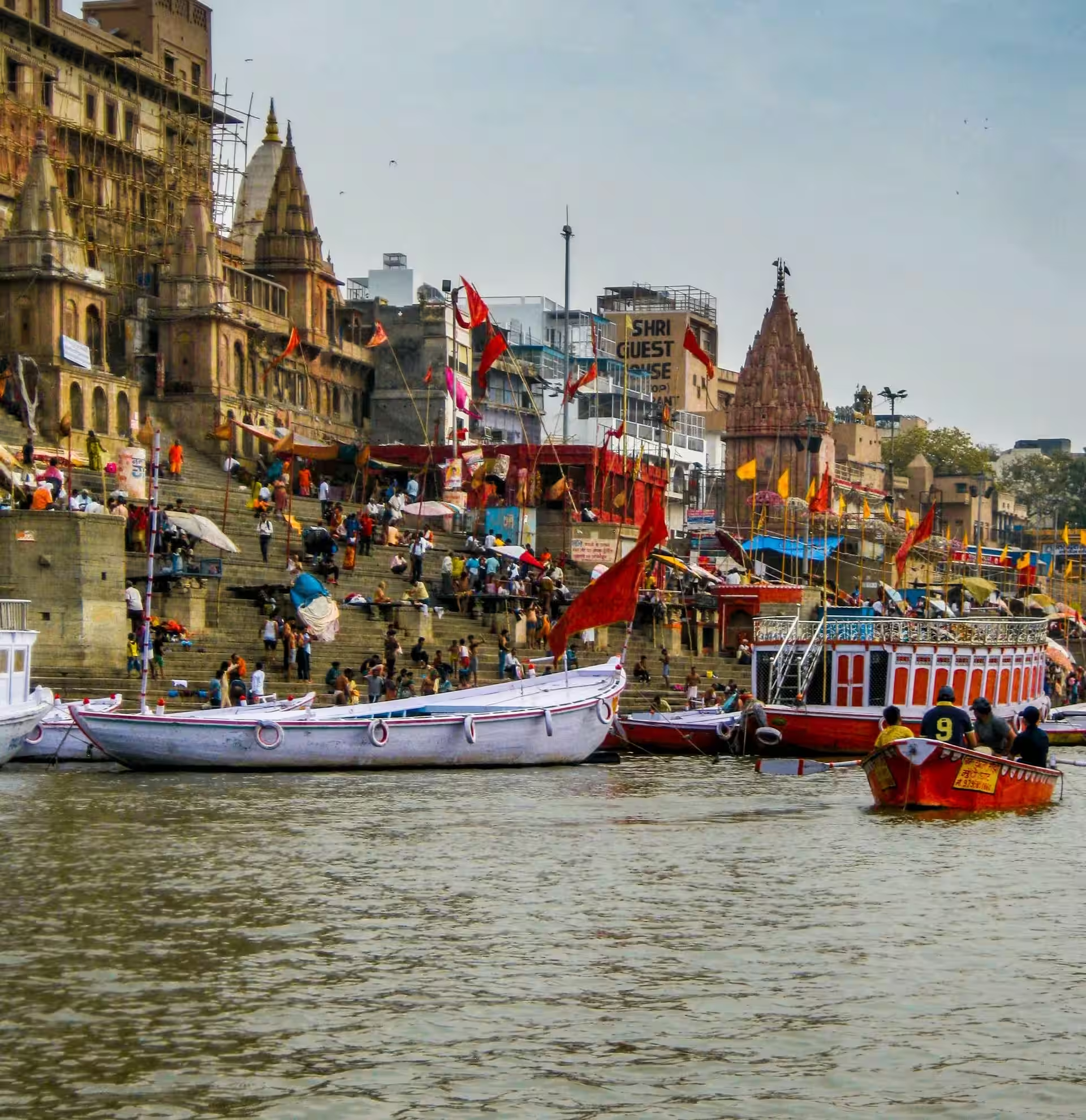
Spiritual
Spiritual Destinations
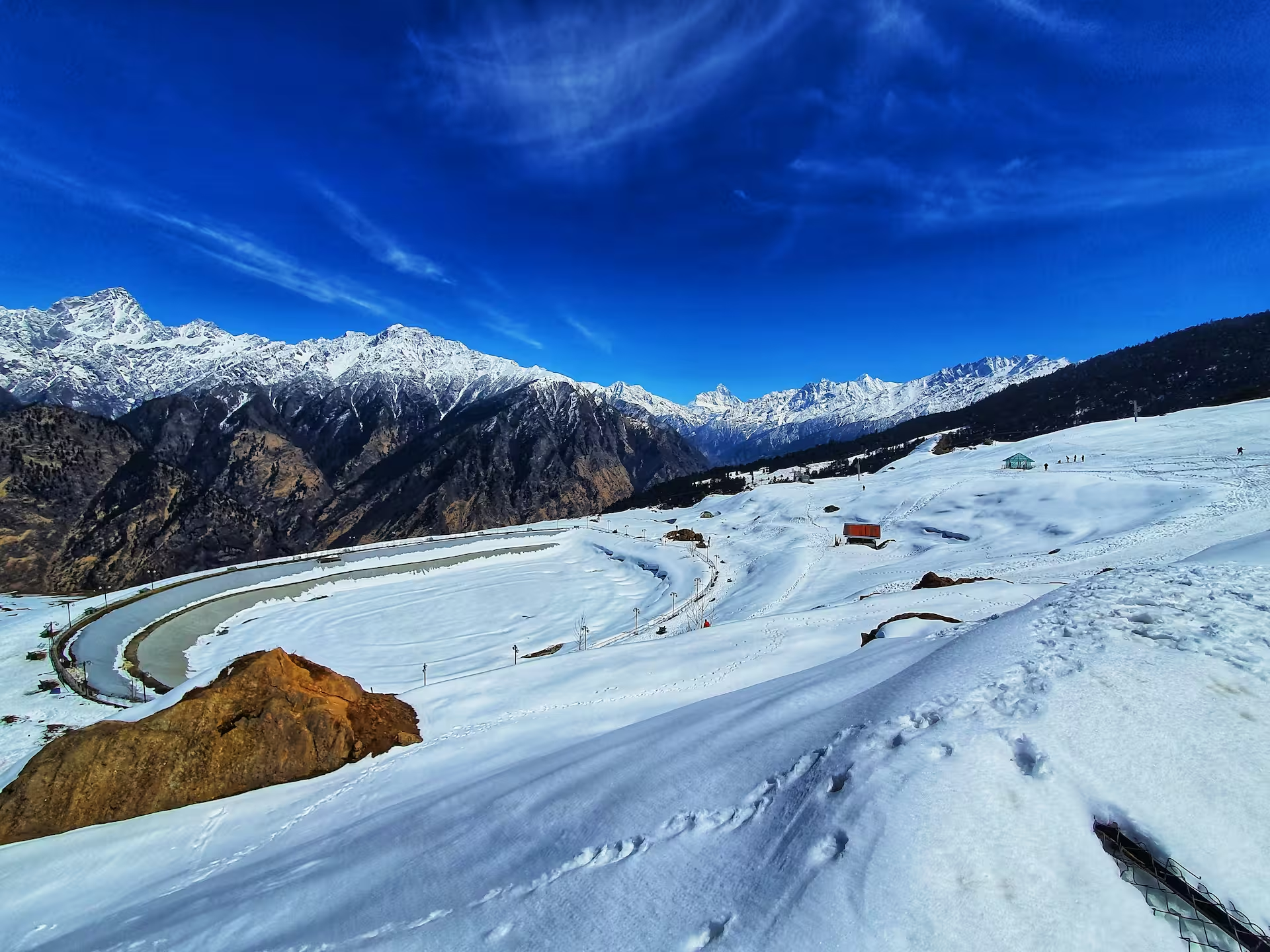
Trekking
Trekking Hotspots
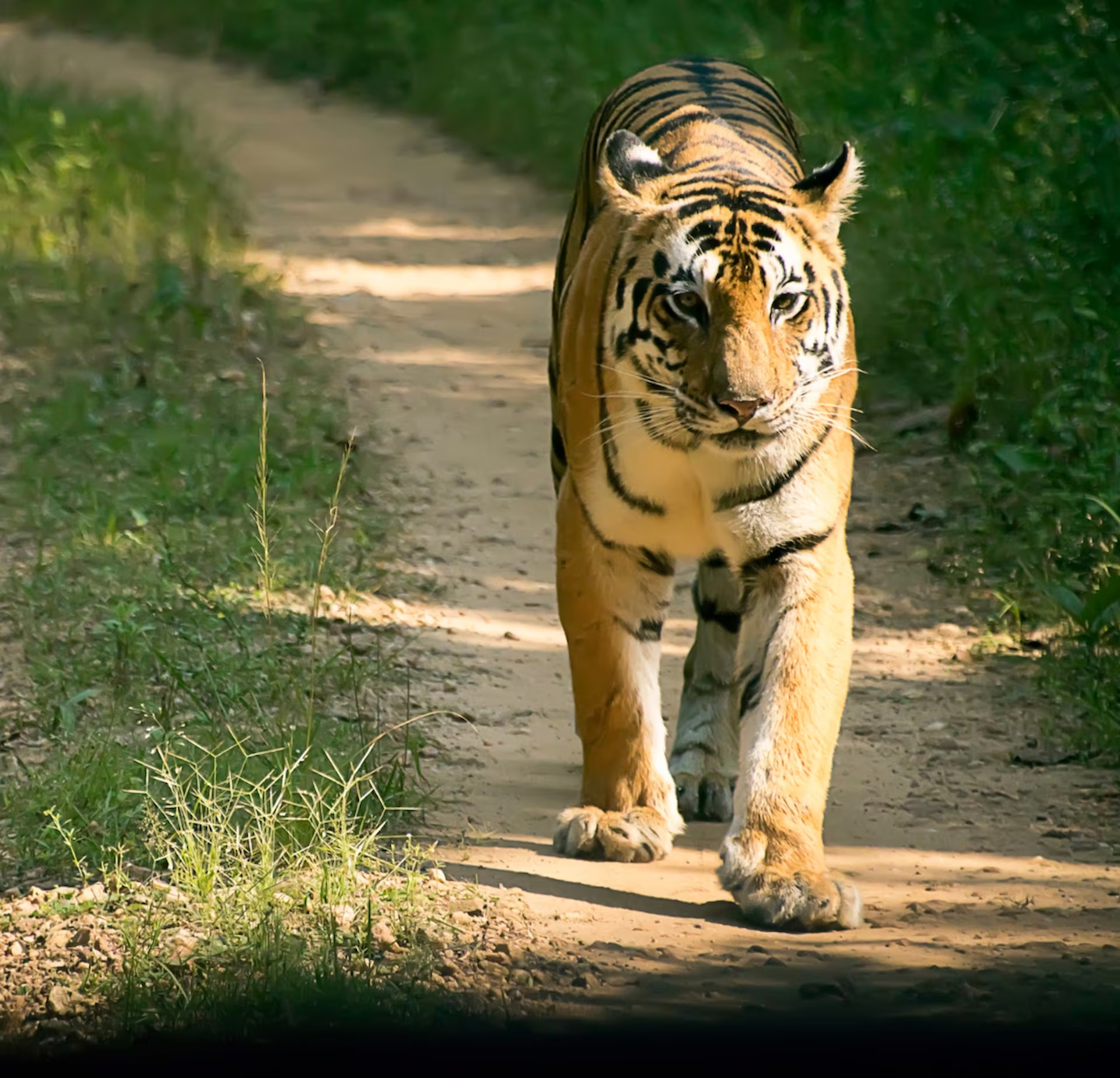
Wildlife
Wildlife Destinations
Frequently Asked Questions
Where is Kedarnath located?
Kedarnath lies in the Garhwal Himalayas at high altitude.
What is Kedarnath famous for?
It is known for Kedarnath Temple, one of the main shrines of Lord Shiva.
What is the best time to visit Kedarnath?
May to June and September to October are the best months to visit.
How many days are enough for Kedarnath?
2 to 3 days are enough including travel, trek, and temple visit.
How to reach Kedarnath?
The route starts from Gaurikund, followed by a 16 km trek.