
Haridwar
Haridwar in Uttarakhand is a sacred city on the Ganga, known for ghats, rituals, and evening aarti.
Things To See & Do
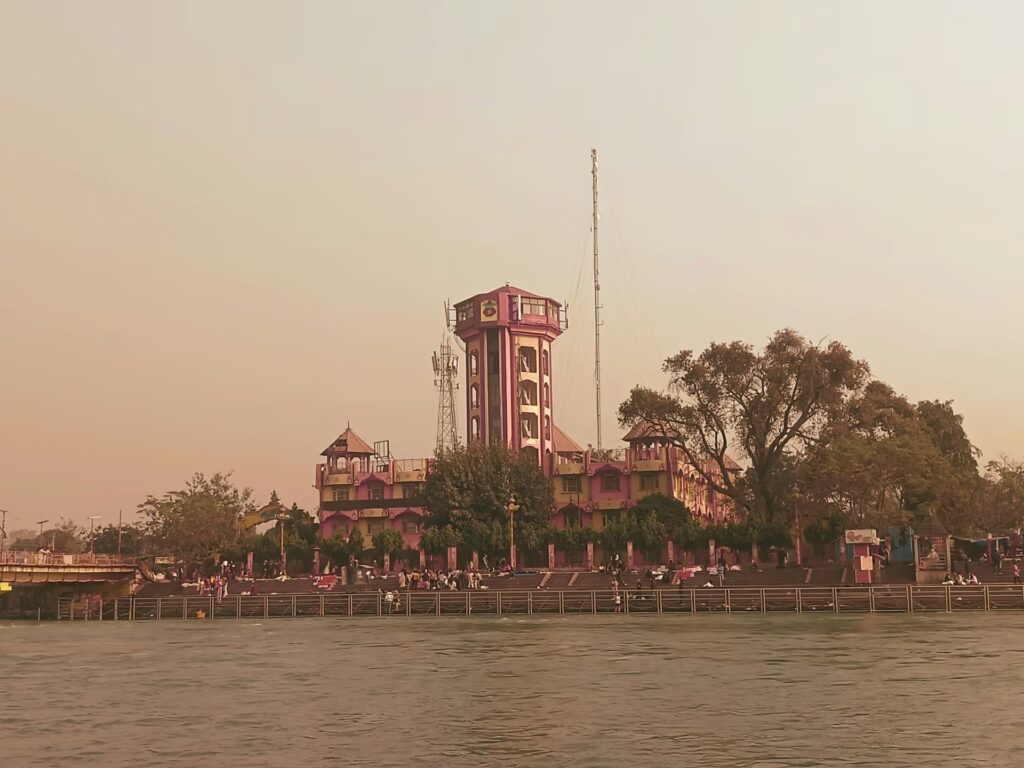
Bharat Mata Mandir
Bharat Mata Mandir in Haridwar is a multi storey temple dedicated to India, with floors for history and culture.
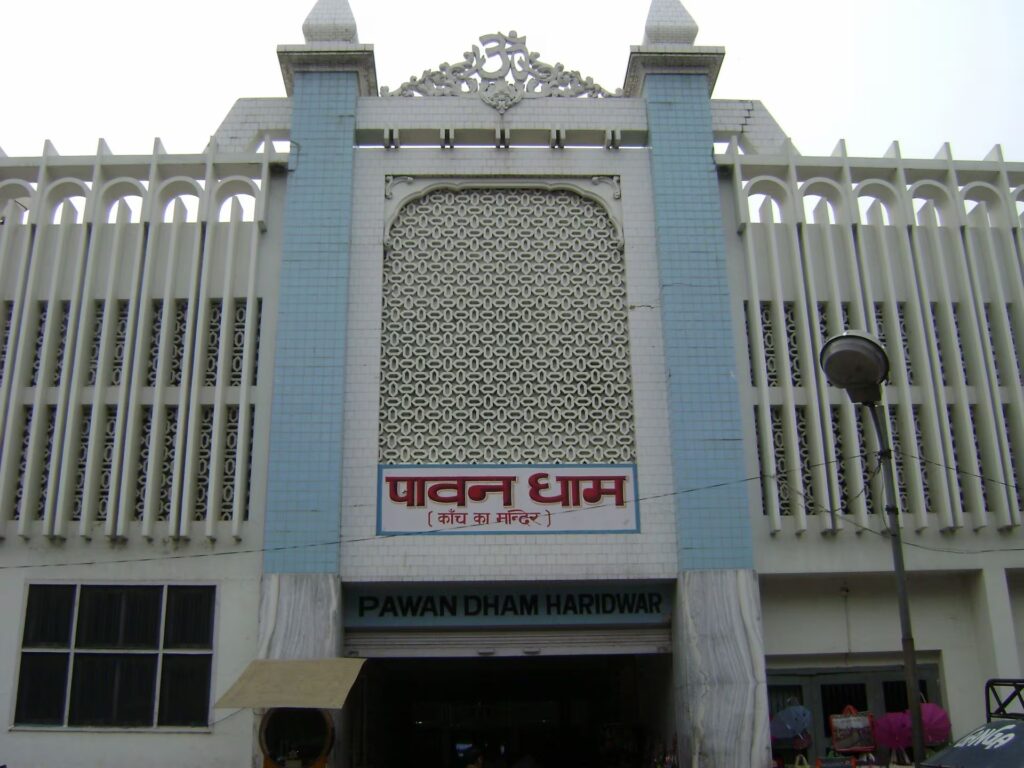
Pawan Dham
Pawan Dham in Haridwar is a temple known for glass work, detailed idols, and a peaceful setting.
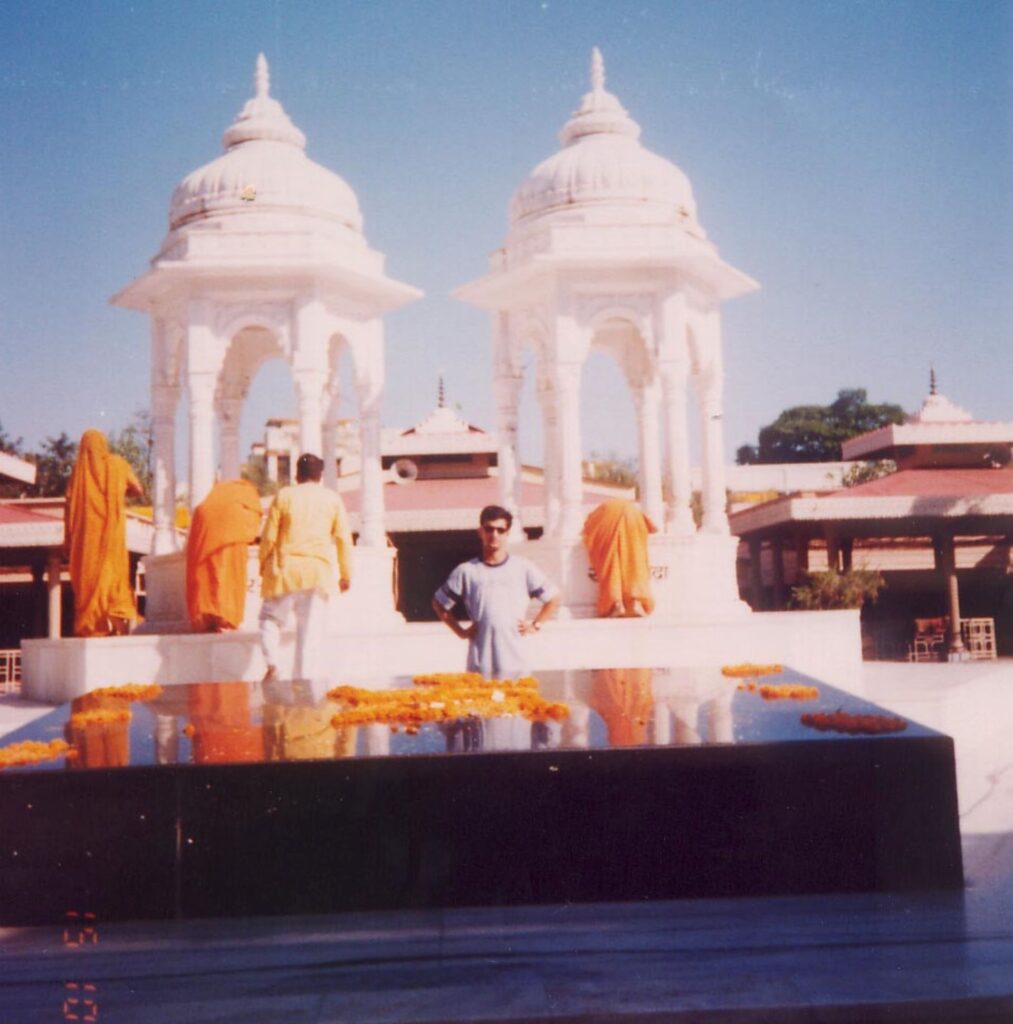
Shantikunj Gayatri Parivar
Shantikunj in Haridwar is the main center of Gayatri Parivar, known for prayer, yoga, and spiritual learning.
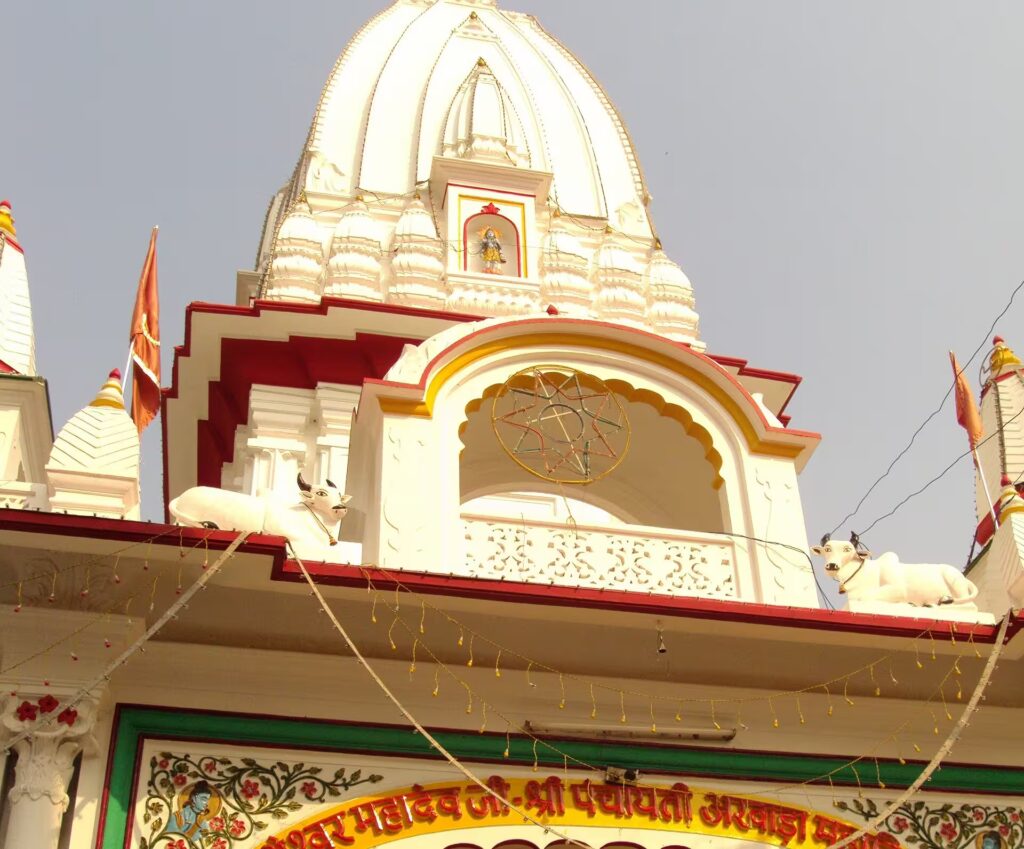
Daksheshwar Mahadev Temple
Daksheshwar Mahadev Temple in Haridwar is a sacred Shiva temple linked to the story of King Daksha.
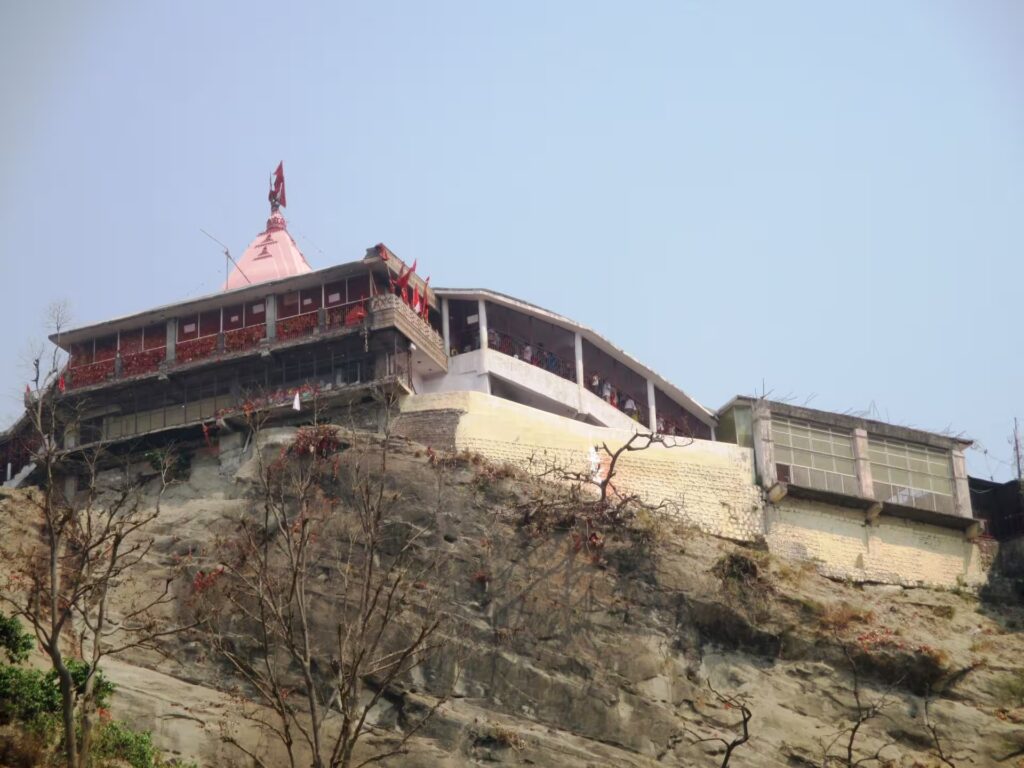
Chandi Devi Temple
Chandi Devi Temple in Haridwar is a hilltop shrine reached by ropeway with views of the Ganga and city.
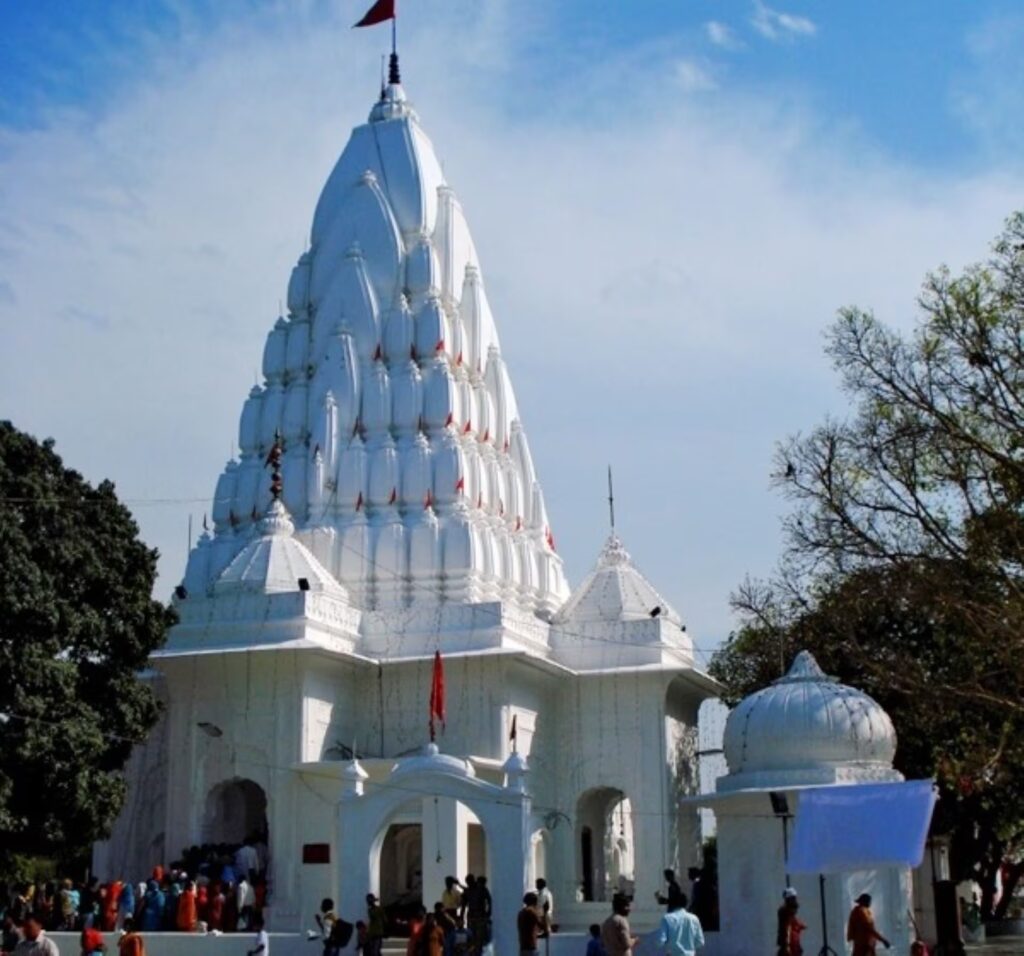
Mansa Devi Temple
Mansa Devi Temple in Haridwar is a hilltop shrine reached by ropeway with views of the city and Ganga.
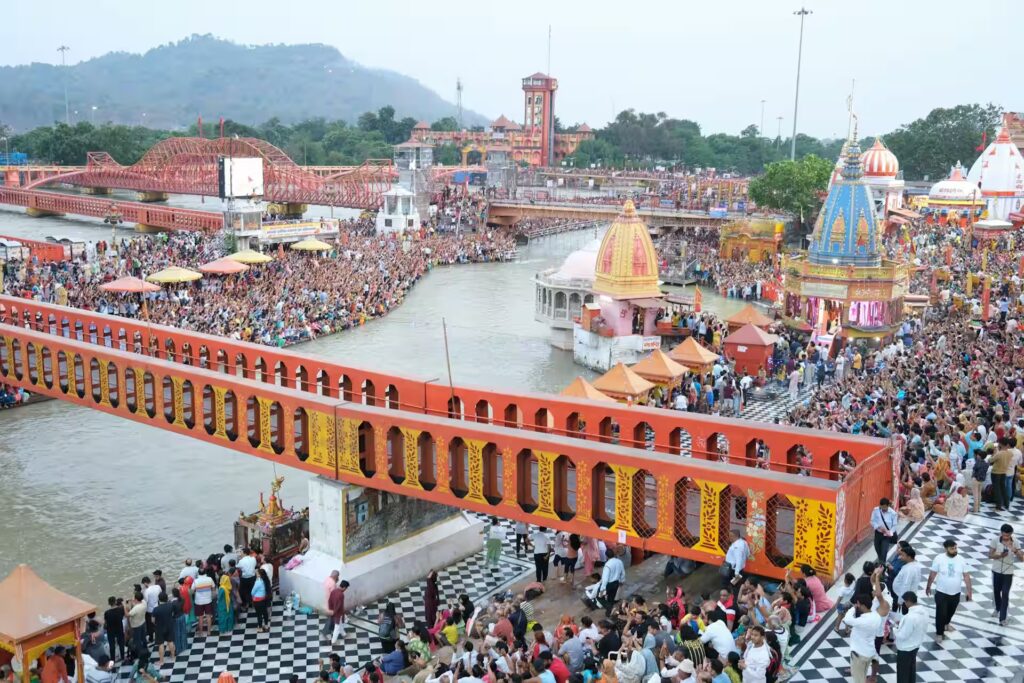
Har Ki Pauri
Haridwar in Uttarakhand is a sacred city on the Ganga, known for ghats, rituals, and evening aarti.
Bharat Mata Mandir
Bharat Mata Mandir in Haridwar is a multi storey temple dedicated to India, with floors for history and culture.
Pawan Dham
Pawan Dham in Haridwar is a temple known for glass work, detailed idols, and a peaceful setting.
Daksheshwar Mahadev Temple
Daksheshwar Mahadev Temple in Haridwar is a sacred Shiva temple linked to the story of King Daksha.
Chandi Devi Temple
Chandi Devi Temple in Haridwar is a hilltop shrine reached by ropeway with views of the Ganga and city.
Mansa Devi Temple
Mansa Devi Temple in Haridwar is a hilltop shrine reached by ropeway with views of the city and Ganga.
Har Ki Pauri
Haridwar in Uttarakhand is a sacred city on the Ganga, known for ghats, rituals, and evening aarti.
Shantikunj Gayatri Parivar
Shantikunj in Haridwar is the main center of Gayatri Parivar, known for prayer, yoga, and spiritual learning.
About Haridwar
Haridwar lies at the point where the Ganga leaves the hills and enters the plains. The river spreads wider here, and its flow slows as it moves across level ground.
The city holds strong religious importance in India and forms part of major pilgrimage routes. People gather along the riverbanks for rituals, prayers, and daily offerings.
One of the main places in Haridwar is Har Ki Pauri, a ghat where the evening Ganga Aarti takes place. Lamps move across the water, and the sound of bells fills the area during prayer time.
Temples such as Mansa Devi Temple and Chandi Devi Temple stand on nearby hills. Paths and ropeways connect these sites to the town below.
Haridwar also hosts large gatherings during events like Kumbh Mela, when pilgrims come from across the country to bathe in the river.
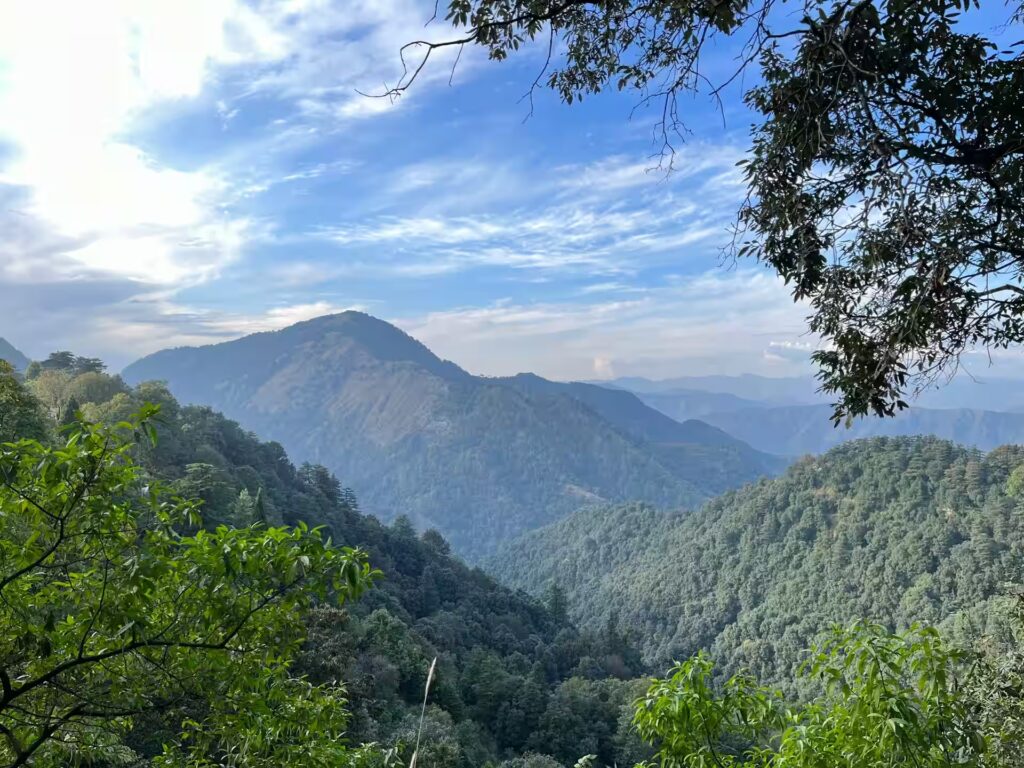
The area shows a clear shift from mountain terrain to open plains. The river, ghats, and steady movement of people shape daily life in Haridwar.
Best Time to Visit Haridwar
October to March
This is the best time to visit Haridwar. The weather stays cool and comfortable, with temperatures between 10°C and 25°C. It is ideal for visiting ghats like Har Ki Pauri and attending evening aarti.
Moderate Season
Summer brings higher temperatures, often reaching 35°C or more. Mornings and evenings remain manageable, and many pilgrims still visit during this time.
July to September
Monsoon brings regular rainfall and rising water levels in the Ganga. The surroundings turn green, but river flow becomes strong, and outdoor movement may be limited.
Festivals And Calendar
Kumbh Mela – Every 12 Years
A major religious gathering held at Har Ki Pauri. Millions of pilgrims come for holy dips in the Ganga.
Jan
Feb
Mar
Apr
May
Jun
Jul
Aug
Sep
Oct
Nov
Dec
Best
Good
Fair
poor
Near by Places
Mussoorie
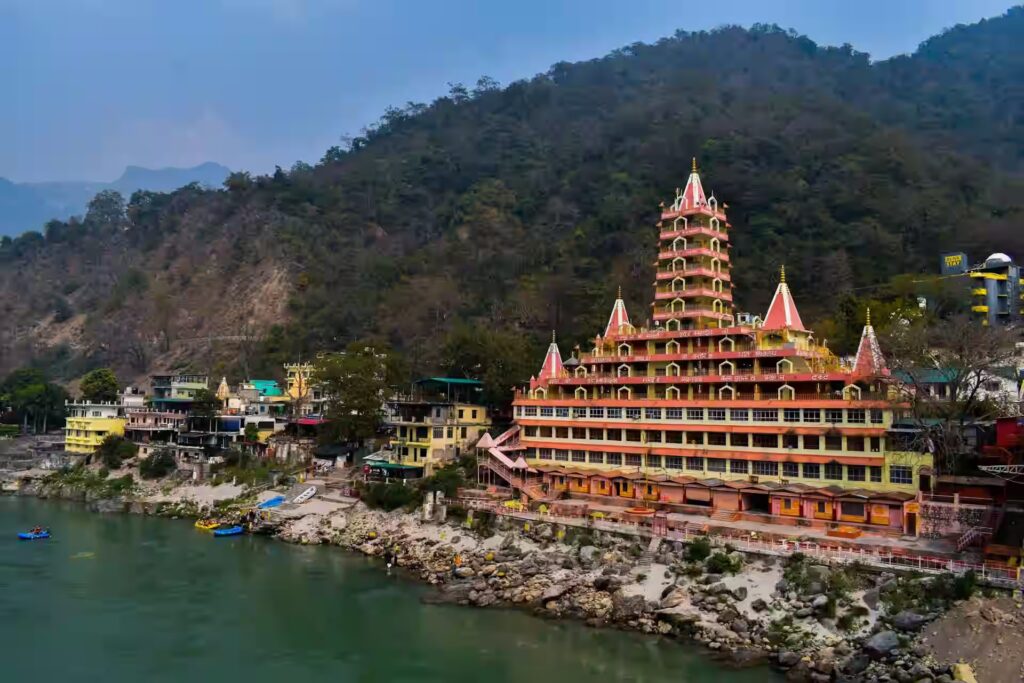
Rishikesh
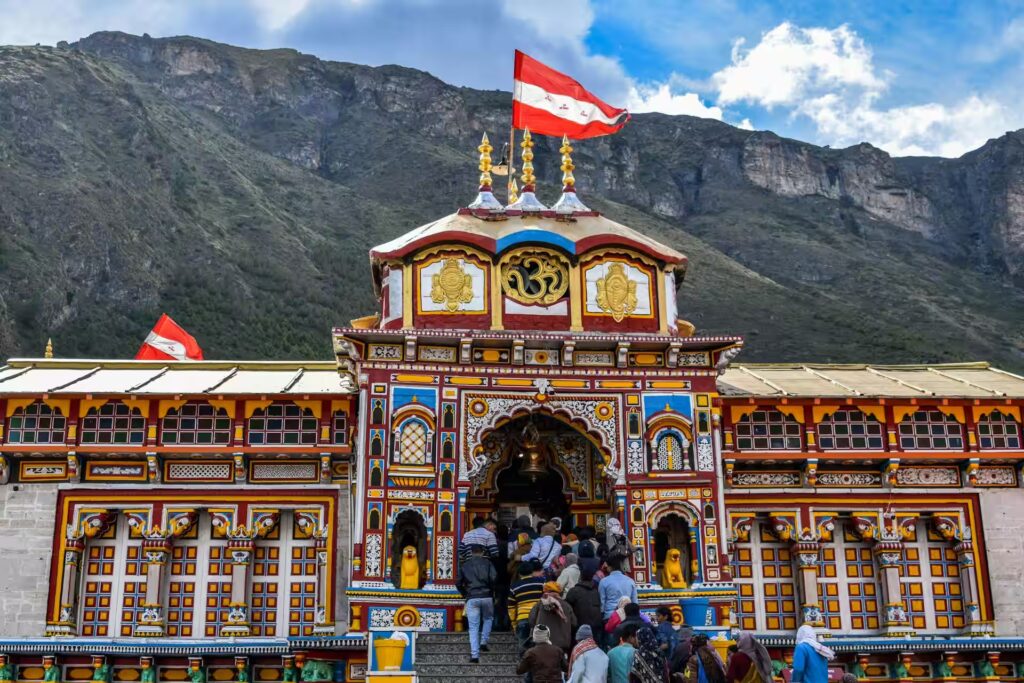
Badrinath
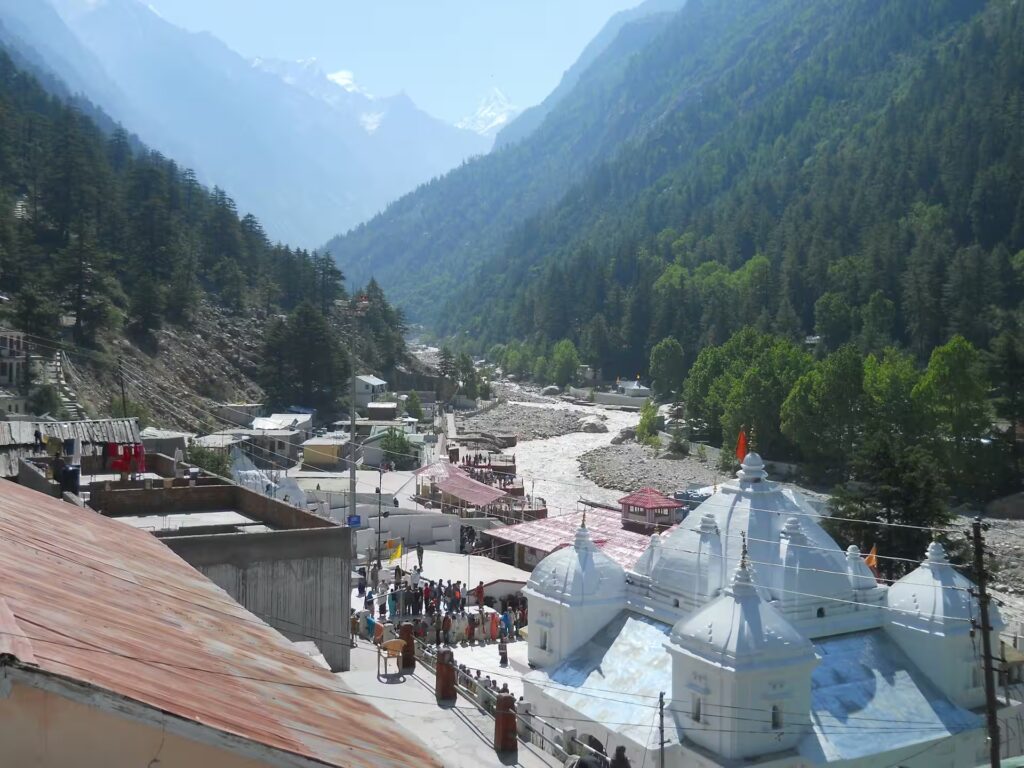
Gangotri
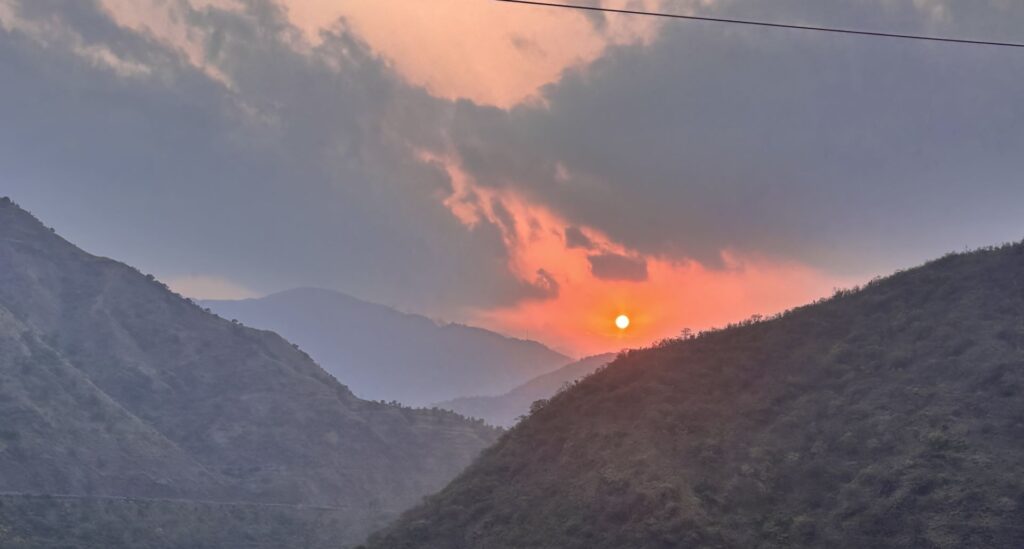
Yamunotri
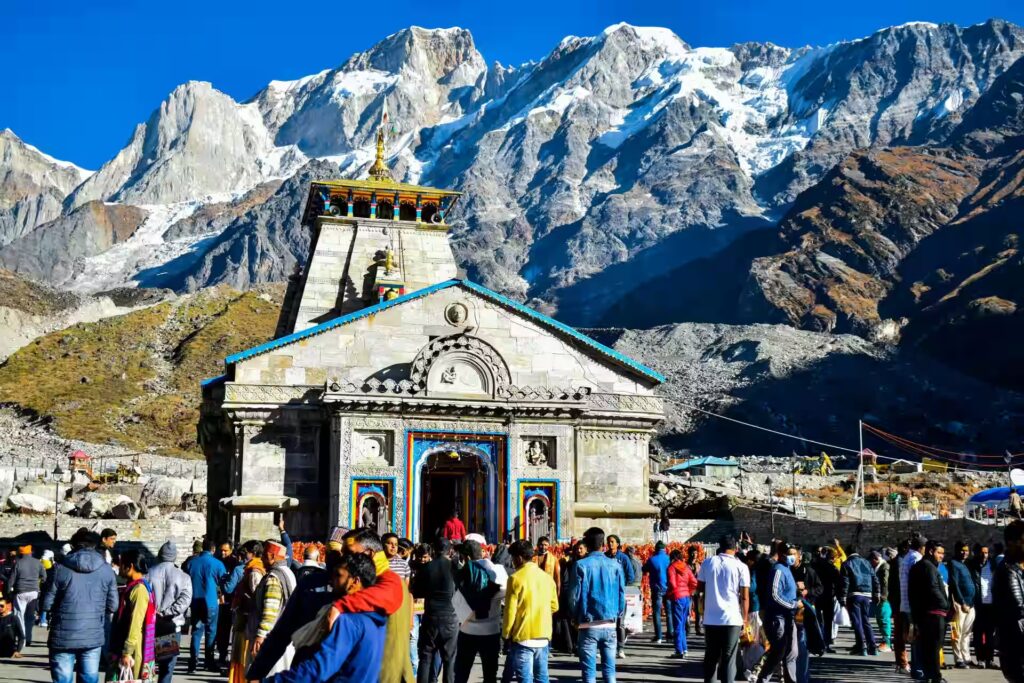
Kedarnath
Similar Places to Visit
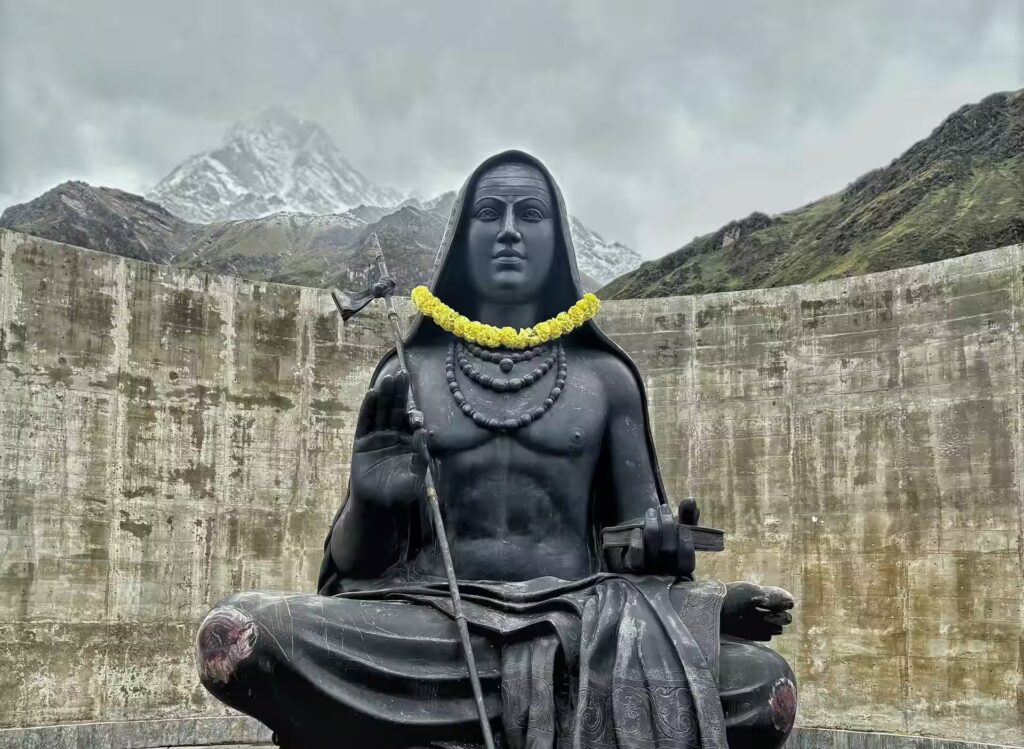
Adi Shankaracharya Samadhi
Shantikunj Gayatri Parivar
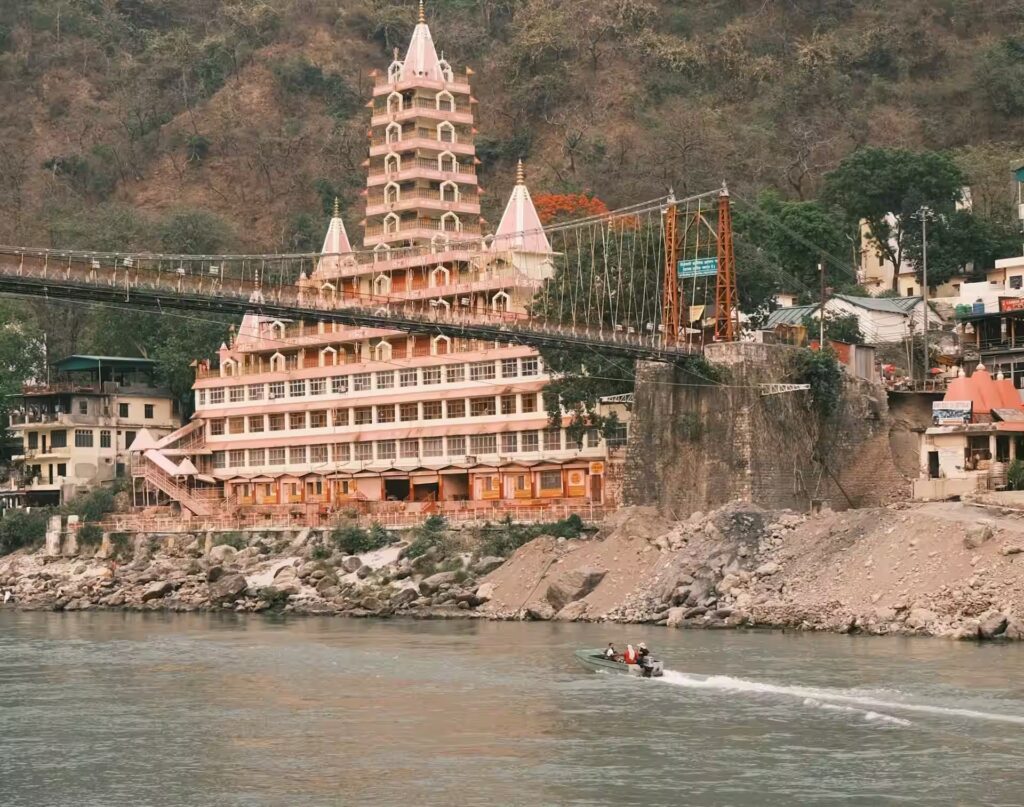
Trayambakeshwar Temple
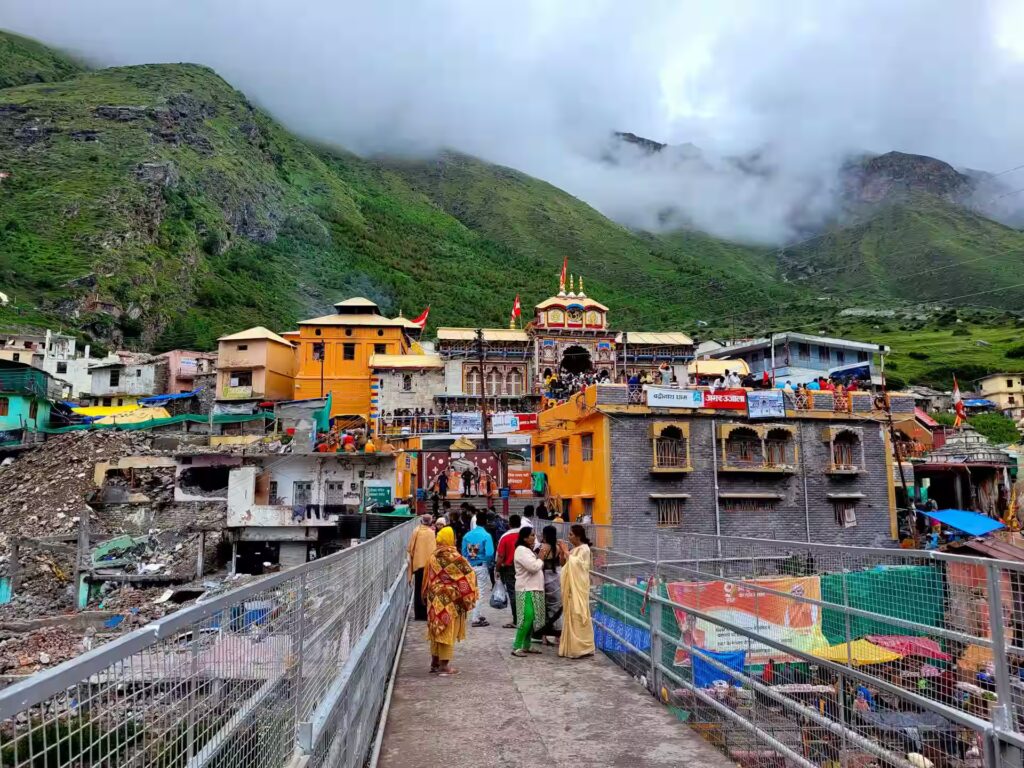
Brahma Kapal
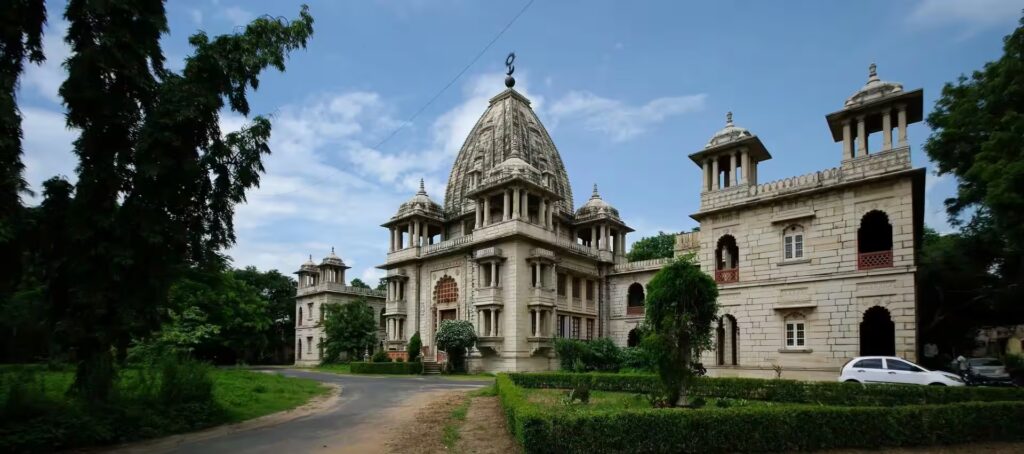
Kirti Mandir
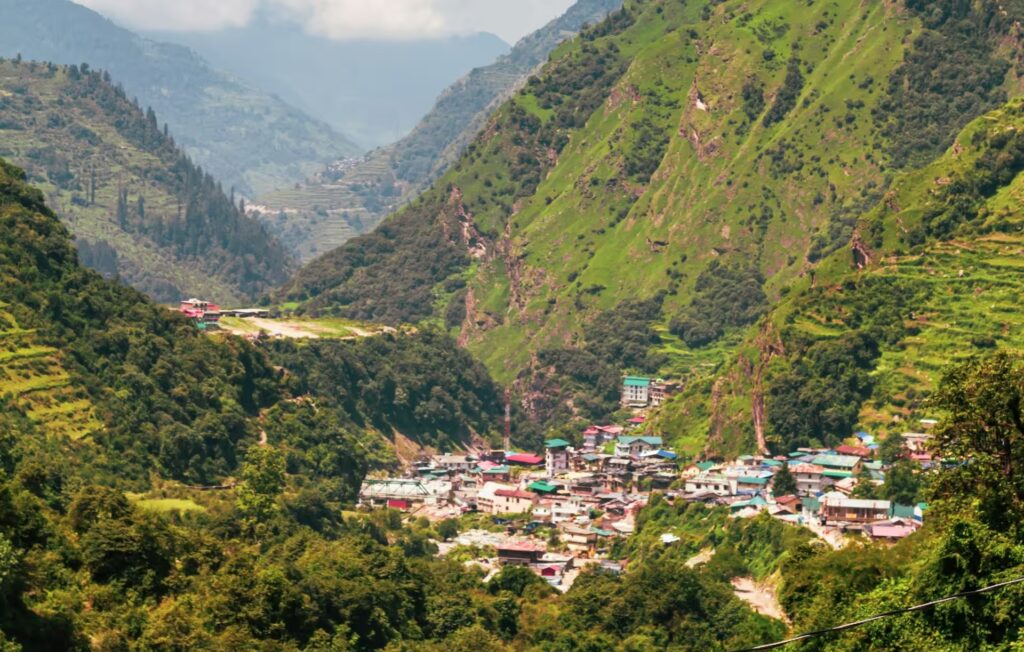
Kharsali
Discover by Interest

Beach
Beaches Destinations
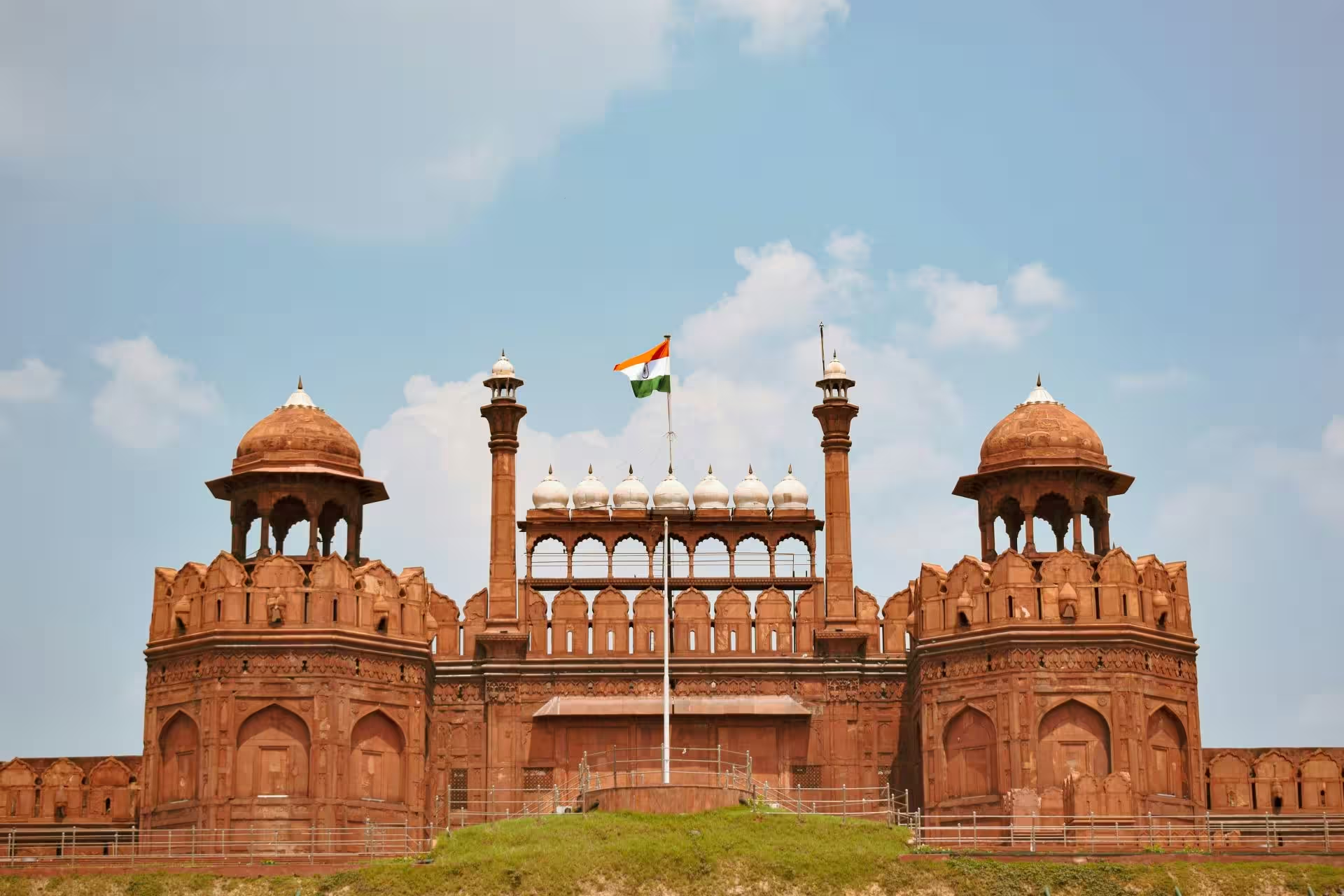
Heritage
Heritage Destinations
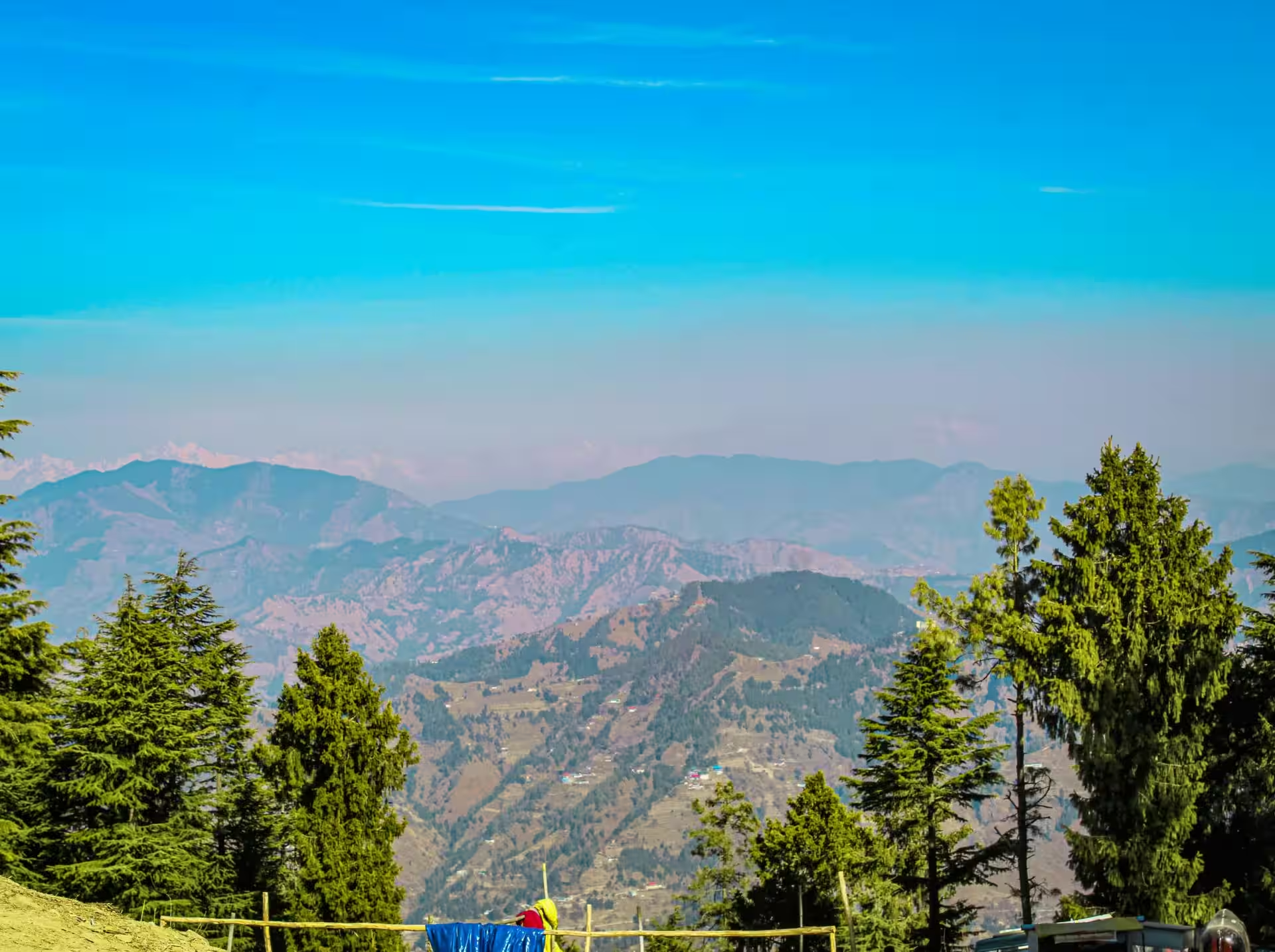
Hill Stations
Hill Stations
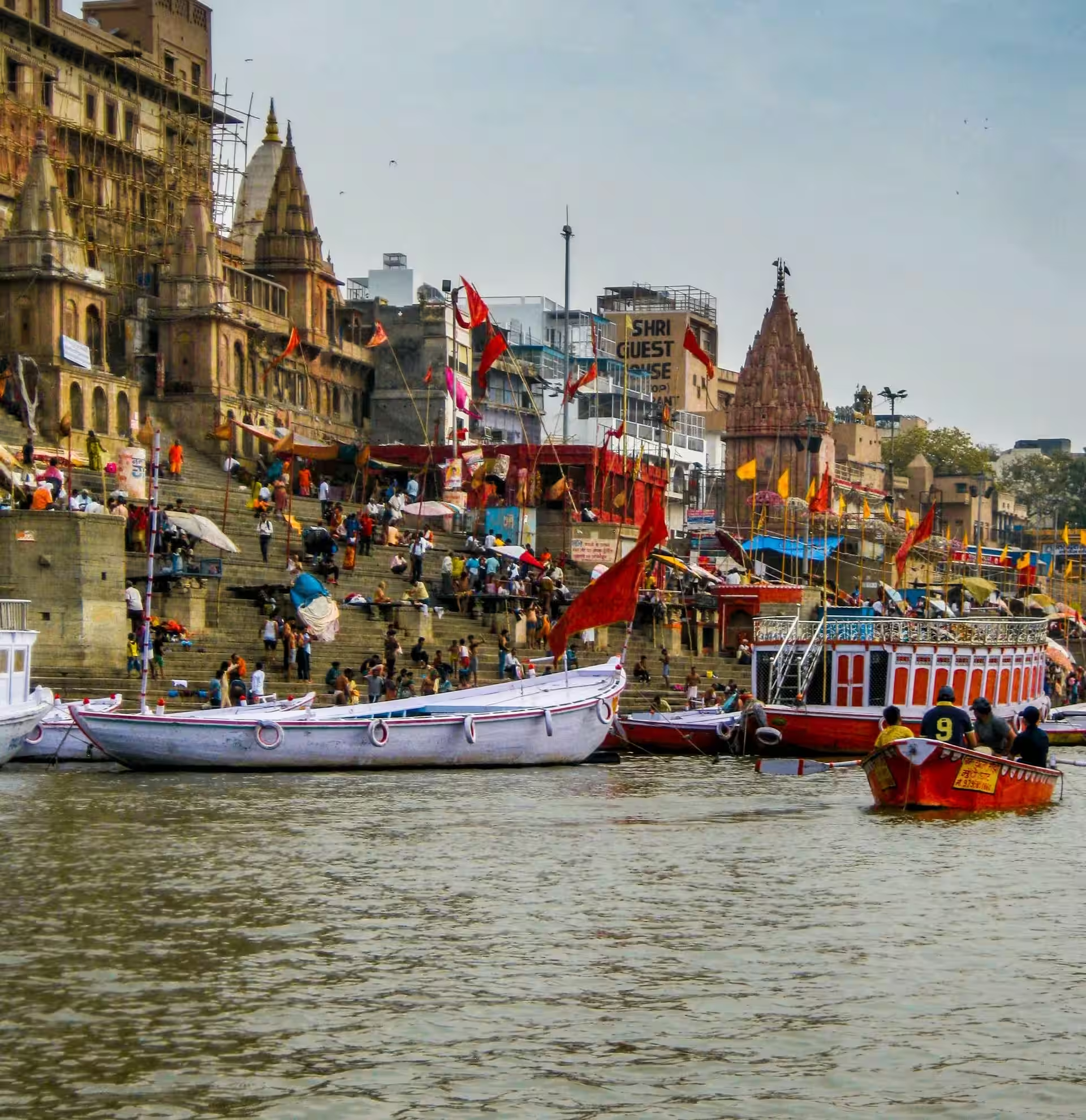
Spiritual
Spiritual Destinations
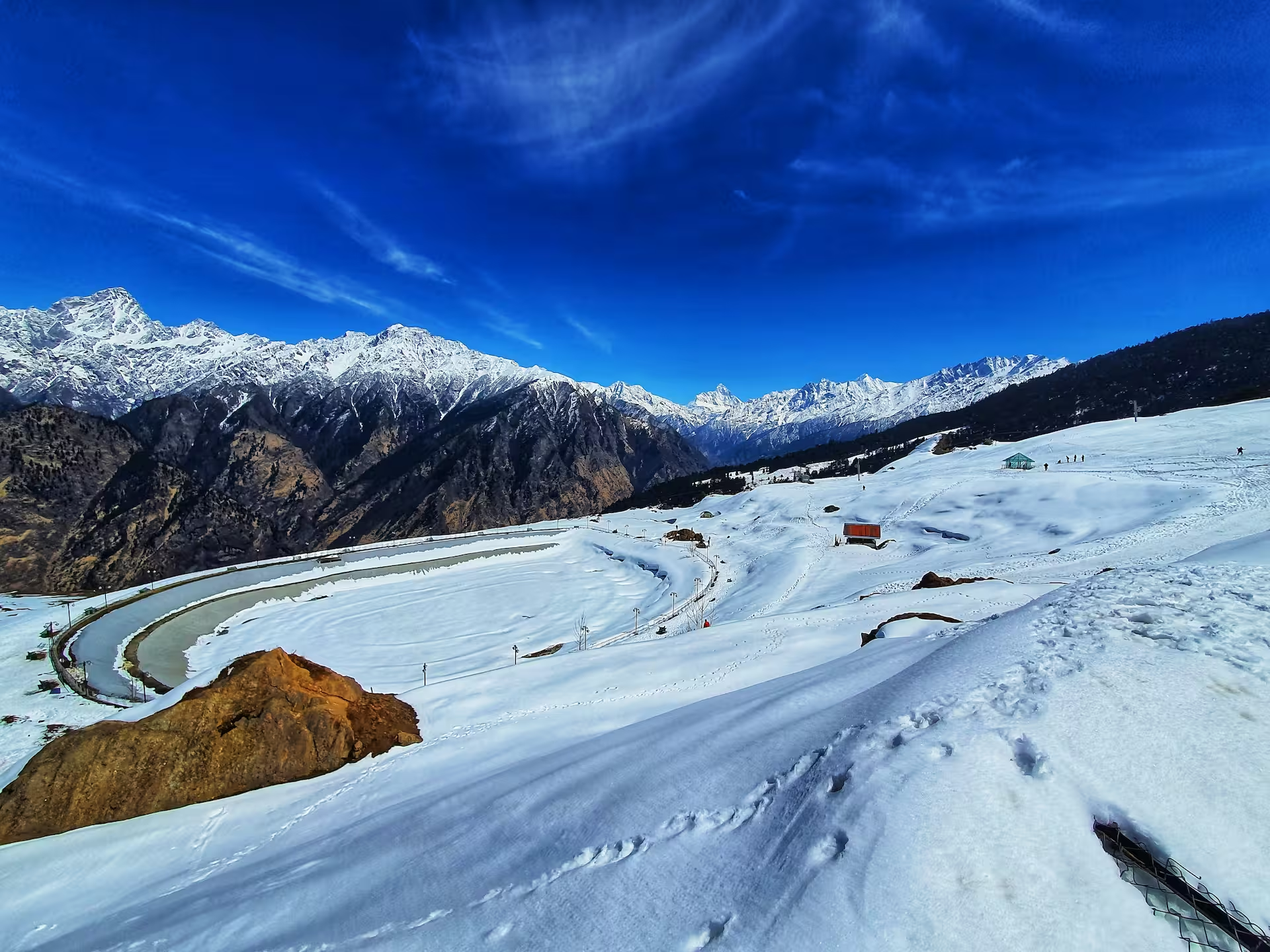
Trekking
Trekking Hotspots
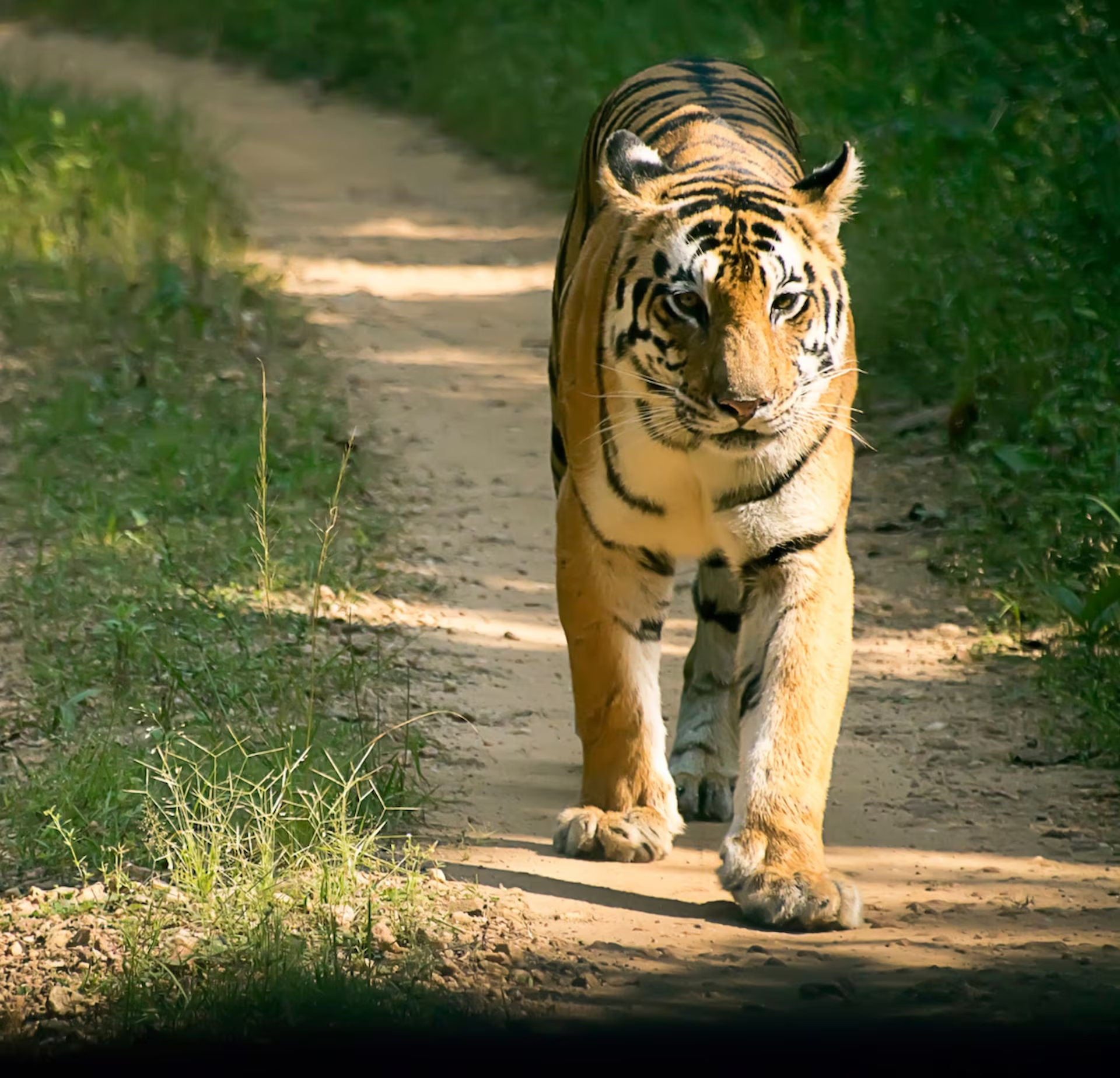
Wildlife
Wildlife Destinations
Frequently Asked Questions
Where is Haridwar located?
Haridwar lies in northern India where the Ganga enters the plains.
What is Haridwar famous for?
It is known for Har Ki Pauri and daily Ganga Aarti rituals.
What is the best time to visit Haridwar?
October to March is best for pleasant weather and comfortable travel.
How many days are enough for Haridwar?
1 to 2 days are enough for temple visits and ghats.
Is Haridwar part of Char Dham Yatra?
No, but it is a major starting point for Char Dham routes.