
Dehradun
Dehradun in Uttarakhand is a city with forest areas, schools, and a calm setting between hills.
Things To See & Do
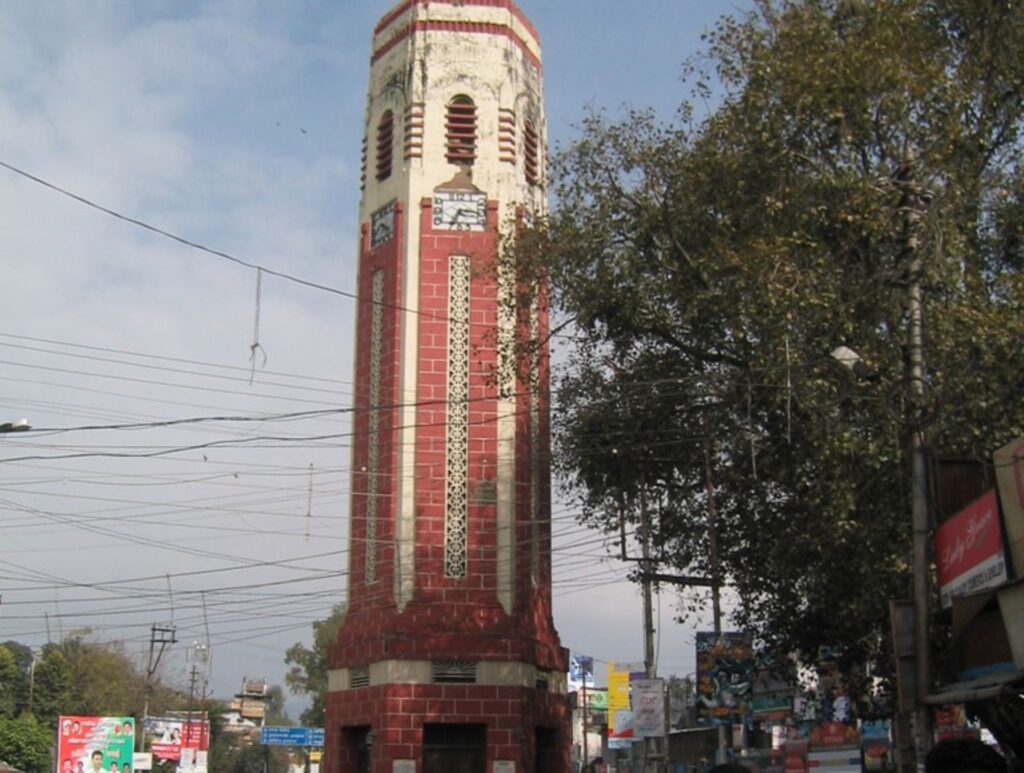
Clock Tower Dehradun
Clock Tower in Dehradun is a central landmark with six faced clocks and busy roads around it.
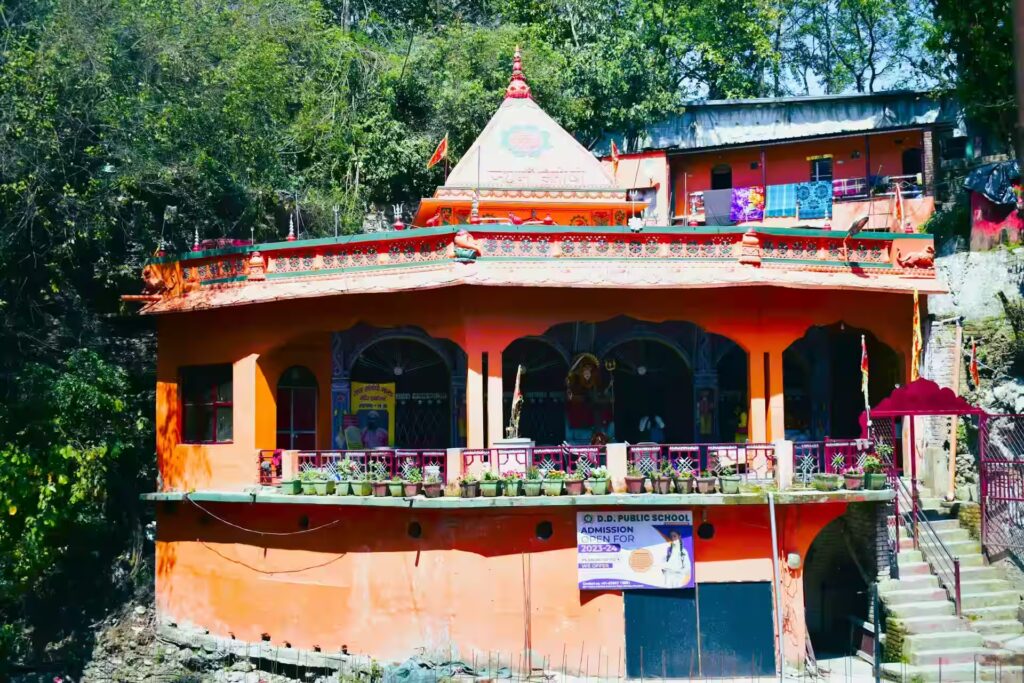
Tapkeshwar Mahadev Temple
Tapkeshwar Mahadev Temple in Dehradun is a cave shrine with water dripping over the Shiva lingam.
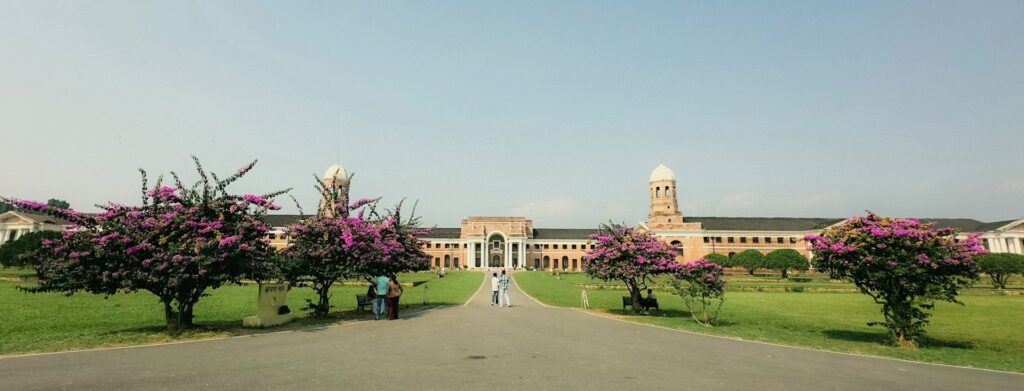
Forest Research Institute
Forest Research Institute in Dehradun is a large campus with colonial buildings, museums, and open grounds.
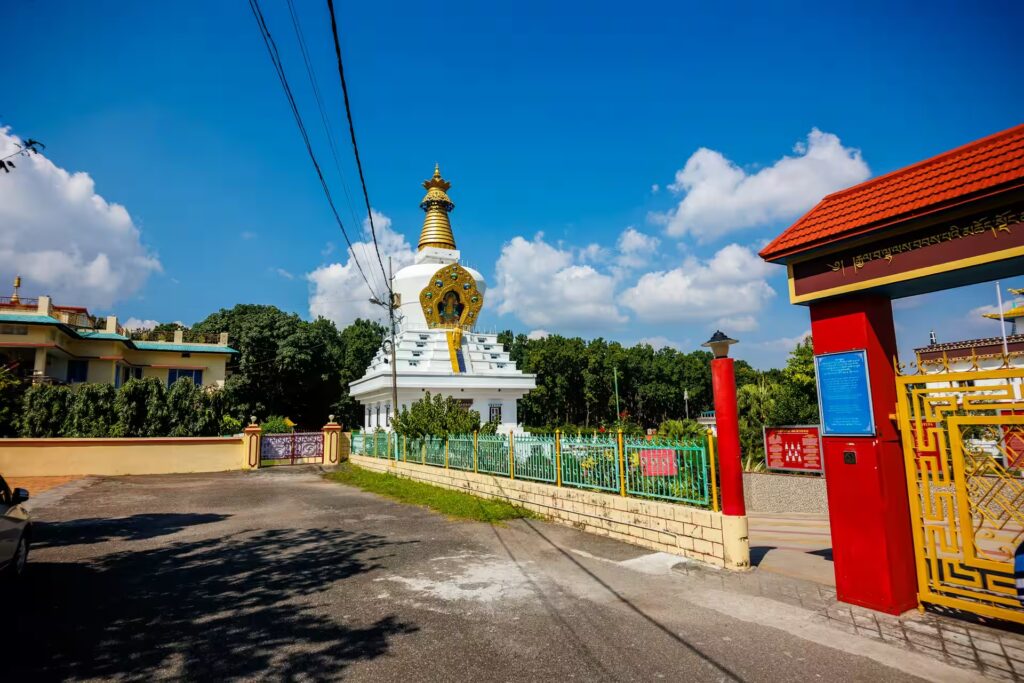
Mindrolling Monastery
Mindrolling Monastery in Dehradun is a large Buddhist site with prayer halls, a tall stupa, and peaceful grounds.
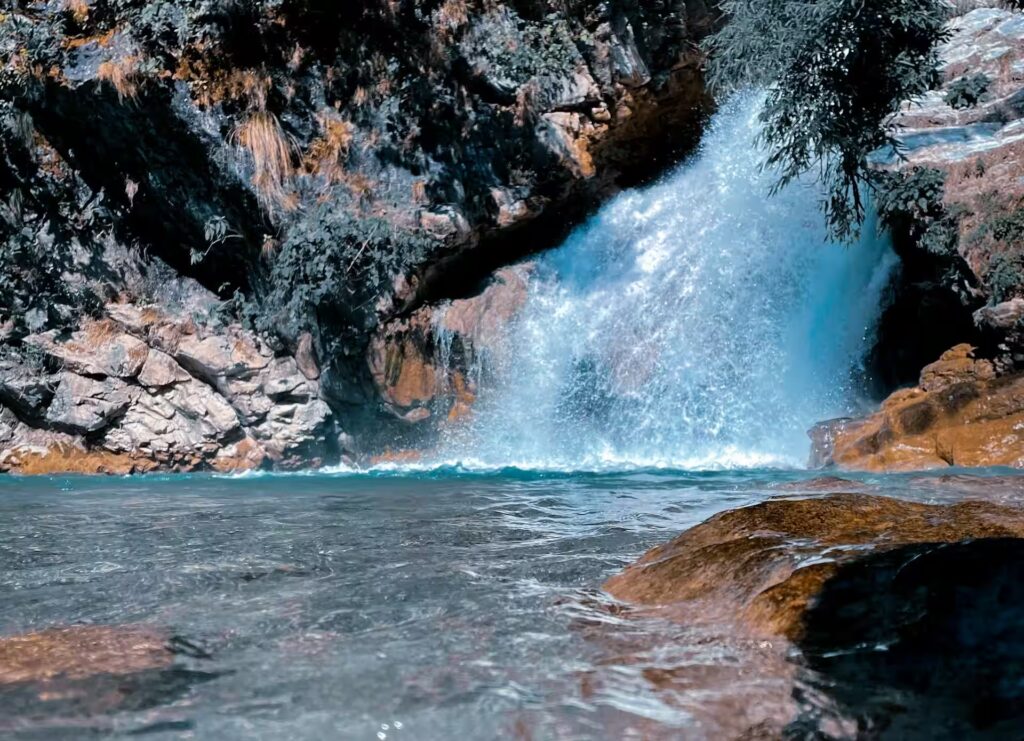
Shikhar Fall
Shikhar Fall in Dehradun is a quiet waterfall reached by a short trek through forest paths.
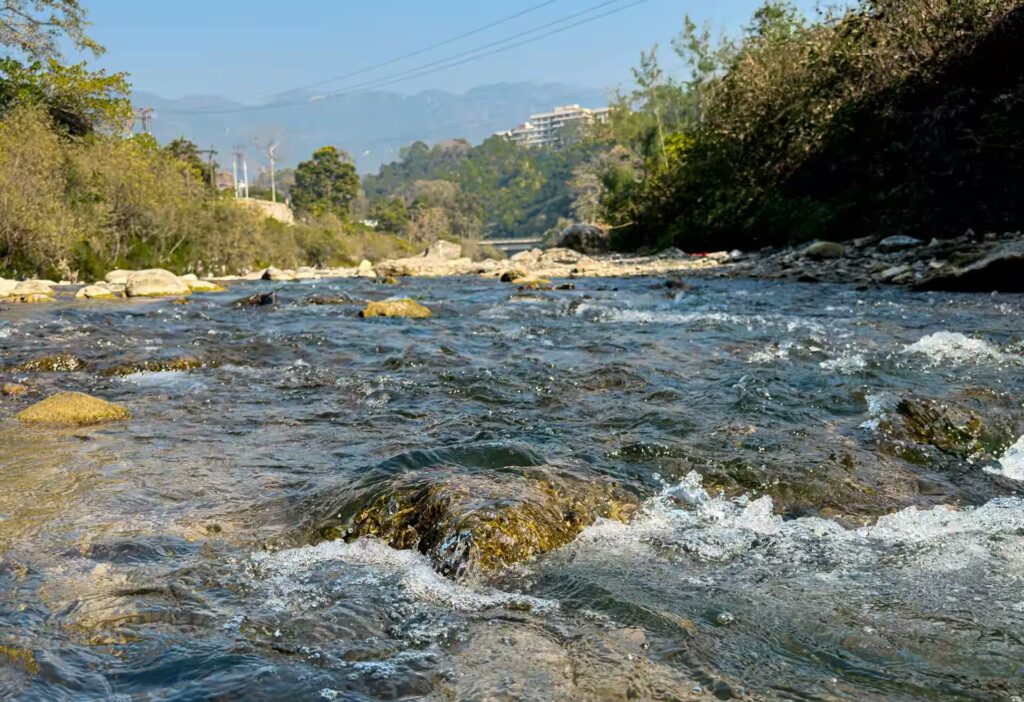
Sahastradhara
Sahastradhara in Dehradun is known for its flowing streams, small pools, and a natural setting in the hills.
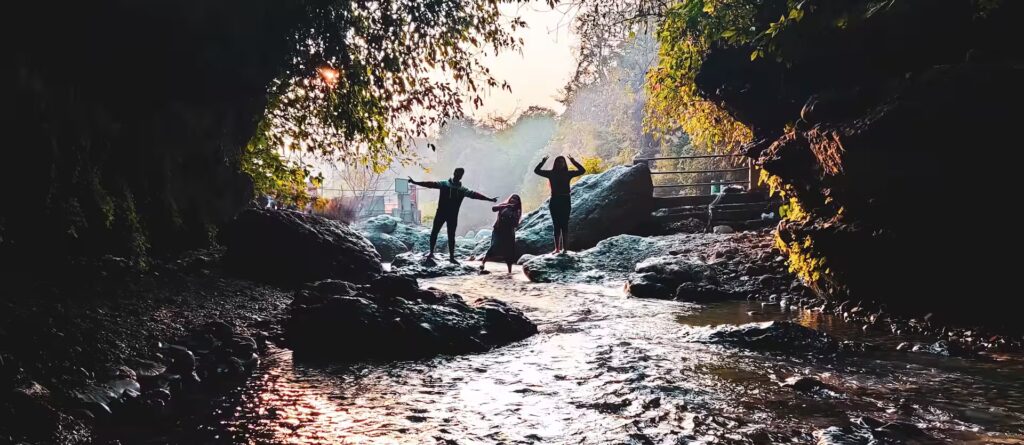
Robber's Cave
Robber’s Cave in Dehradun is a river cave with narrow passages, flowing water, and a cool natural setting.
Tapkeshwar Mahadev Temple
Tapkeshwar Mahadev Temple in Dehradun is a cave shrine with water dripping over the Shiva lingam.
Shikhar Fall
Shikhar Fall in Dehradun is a quiet waterfall reached by a short trek through forest paths.
Sahastradhara
Sahastradhara in Dehradun is known for its flowing streams, small pools, and a natural setting in the hills.
Robber's Cave
Robber’s Cave in Dehradun is a river cave with narrow passages, flowing water, and a cool natural setting.
Robber's Cave
Robber’s Cave in Dehradun is a river cave with narrow passages, flowing water, and a cool natural setting.
About Dehradun
Dehradun lies in the Doon Valley between the Himalayan foothills and the Shivalik range. Hills stand on both sides. The valley floor has streams, bits of farmland, and city areas that are still spreading.
The city is the capital of Uttarakhand and connects the plains with nearby hill regions. Roads from here go toward Mussoorie, Rishikesh, and further into the mountains. Most people heading uphill pass through Dehradun at some point.
Dehradun has a long connection with schools and training institutes. Large campuses sit on open land. Some are quiet, with trees around them. The Forest Research Institute stands here with wide grounds and old buildings that people often visit.
The city spreads across a wide valley. Markets, homes, and roads keep growing outward. Even then, forest patches and riverbeds are not far from many areas.
The climate stays moderate through most of the year. Summers feel warm. Winters bring cooler air. Monsoon rain moves across the valley and fills streams, sometimes quickly.
Daily life moves at its own pace. People head toward nearby hills, rivers, or forest edges in the early morning or later in the day. It is a simple pattern, and it repeats most days.
Dehradun draws visitors who want a base near the mountains. From here, people move further into Uttarakhand, toward quieter hill areas and higher ground.
Best Time to Visit Dehradun
March to June
This is the best time to visit Dehradun. The weather remains pleasant with daytime temperatures usually between 20°C to 35°C. It is ideal for sightseeing, local travel, and short trips to nearby places. You can comfortably explore attractions like Robber's Cave, Sahastradhara, and nearby hill areas.
July to September
Winter months bring cool and fresh weather. Temperatures can range from 5°C to 20°C. Days remain comfortable, while mornings and nights can feel quite cold.
December to February
Monsoon brings moderate to heavy rainfall in Dehradun. The city becomes lush green, and natural spots look fresh and scenic. However, continuous rain can affect travel plans, especially outdoor activities.
Festivals And Calendar
Jhanda Fair – March or April
A major local festival held at Guru Ram Rai Darbar Sahib with large gatherings and religious rituals.
Jan
Feb
Mar
Apr
May
Jun
Jul
Aug
Sep
Oct
Nov
Dec
Best
Good
Fair
poor
Near by Places
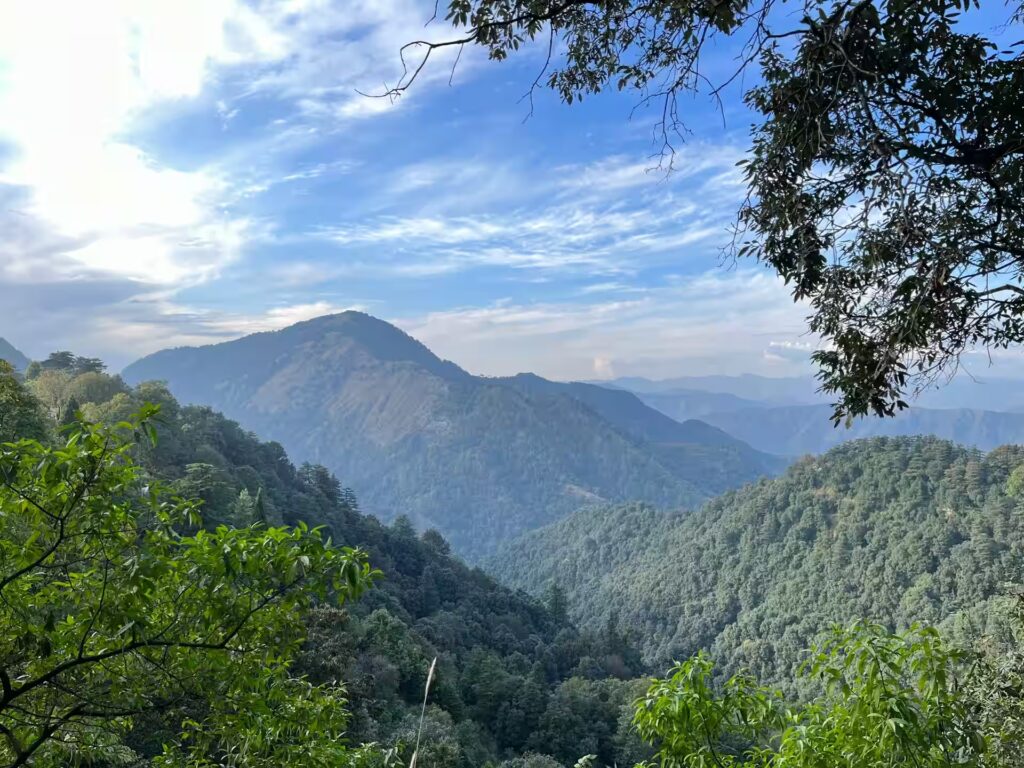
Mussoorie
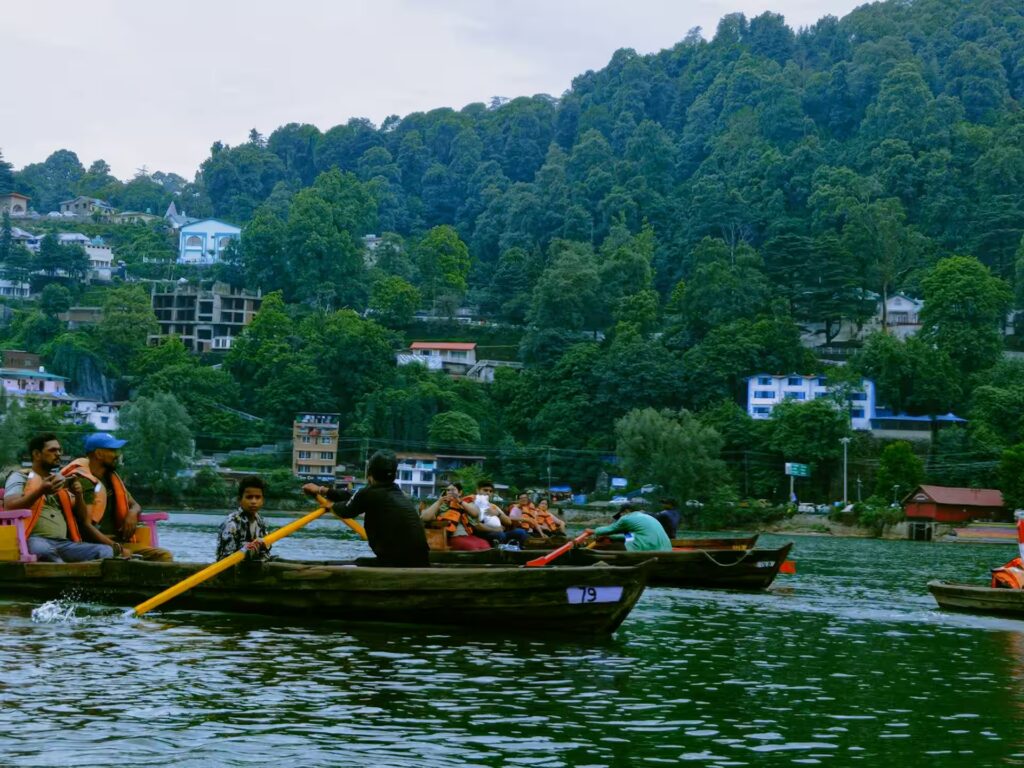
Nainital
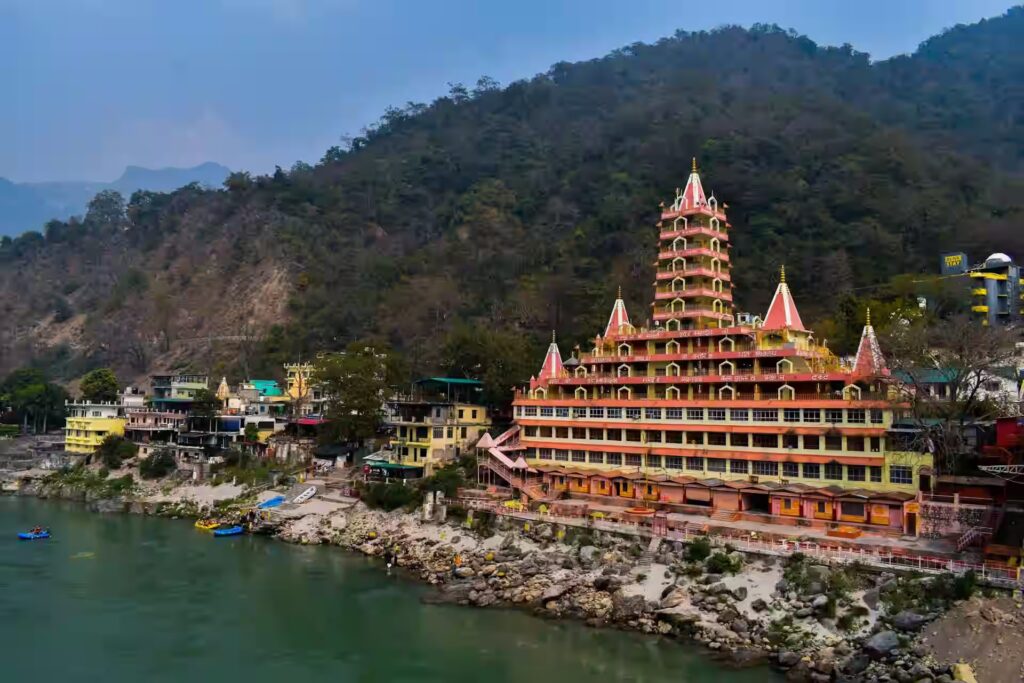
Rishikesh
Similar Places to Visit
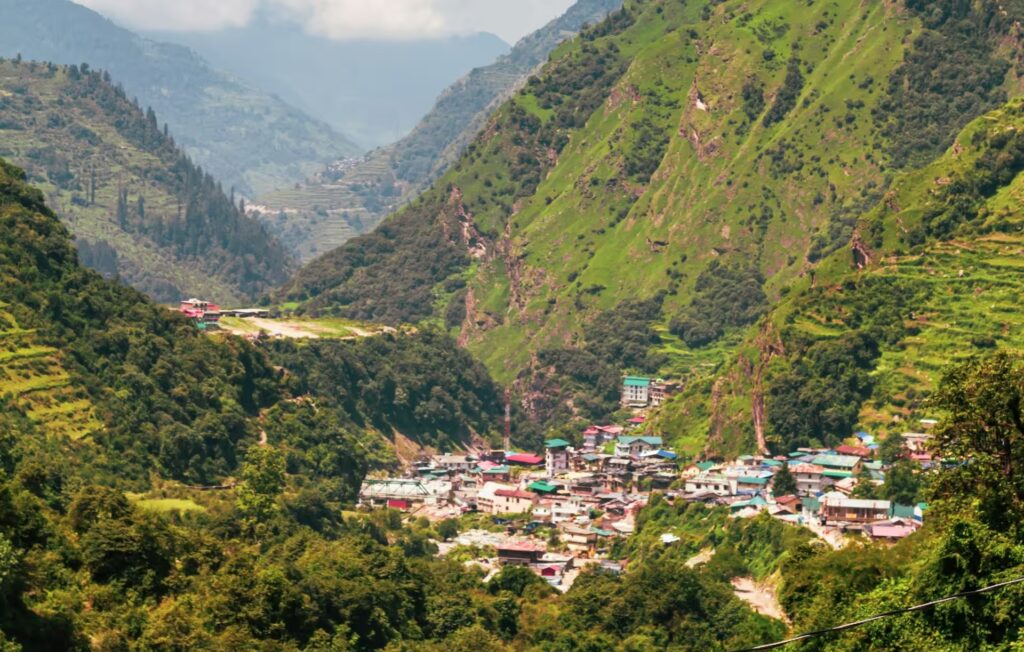
Kharsali
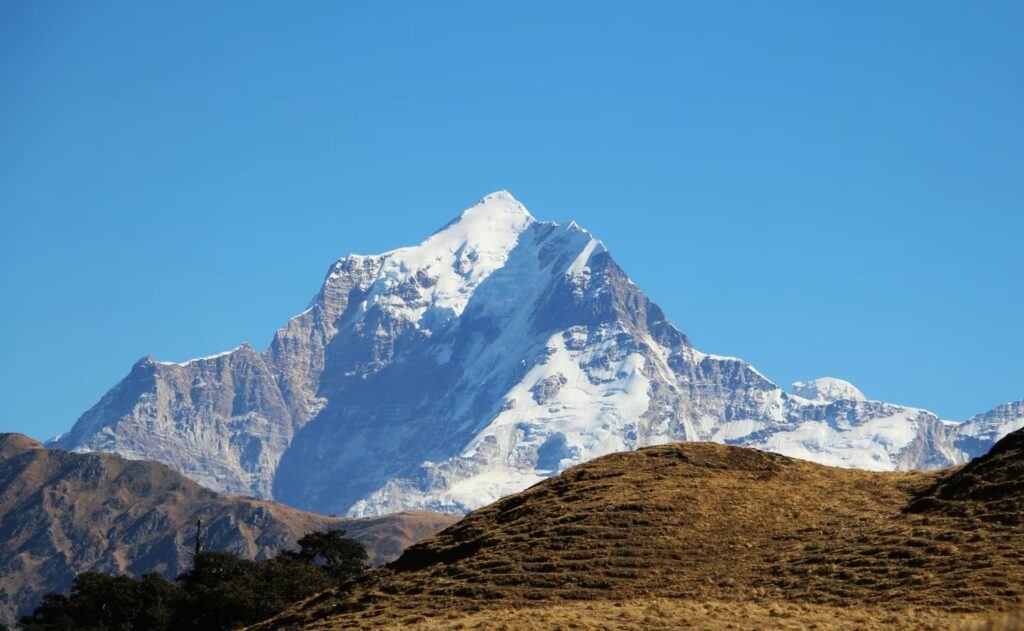
Nanda Devi
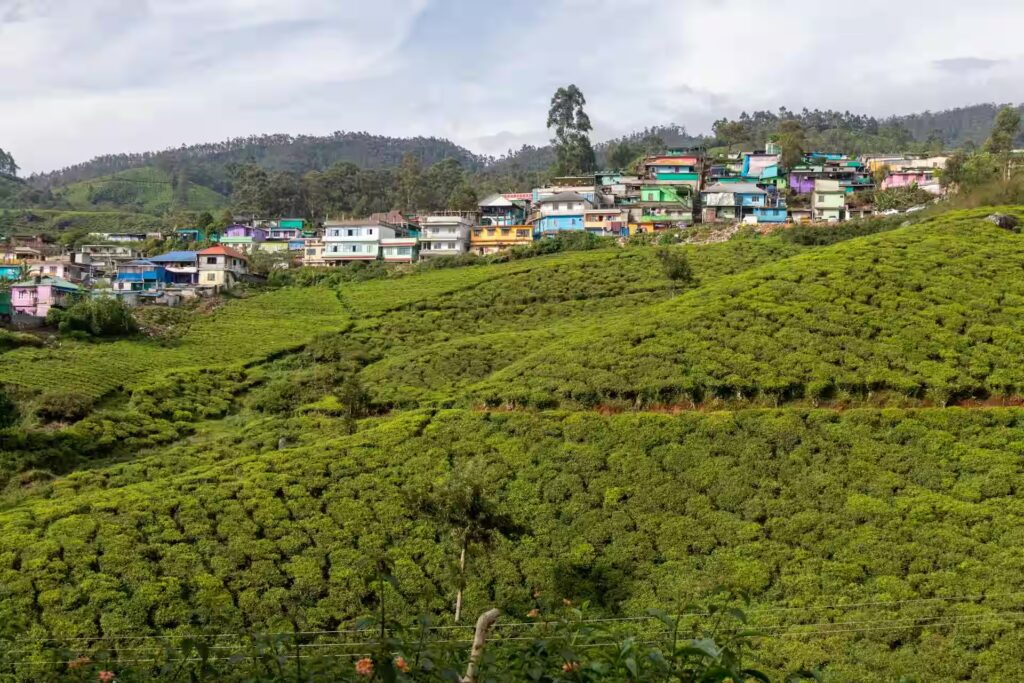
Kolukkumalai Tea Estate
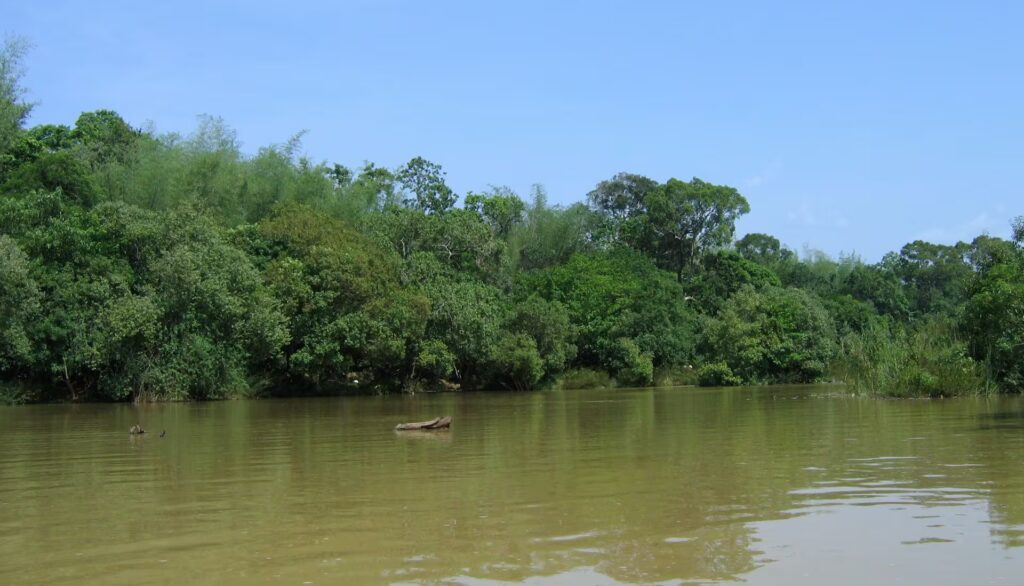
Kuruva Island
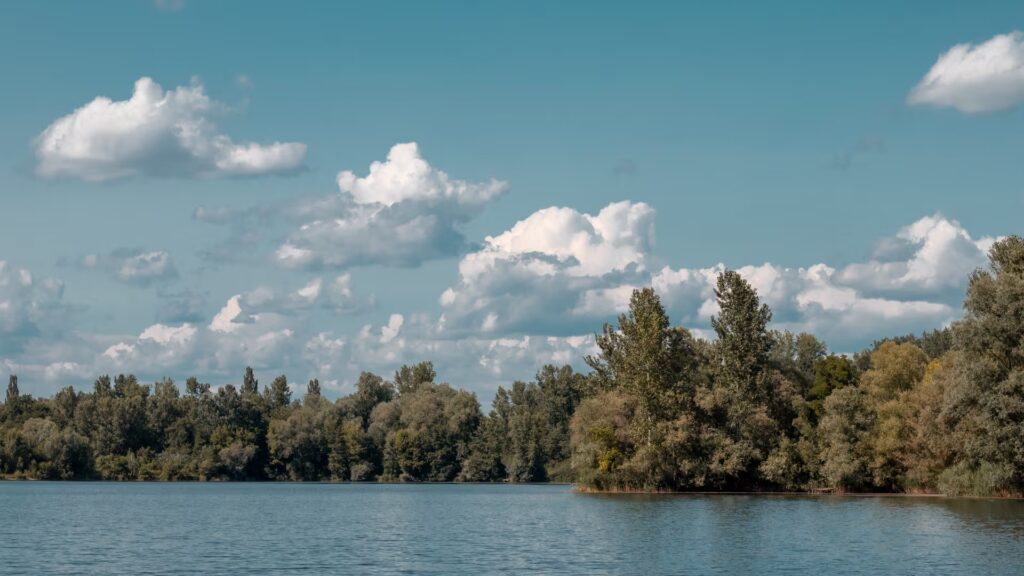
Pookode Lake
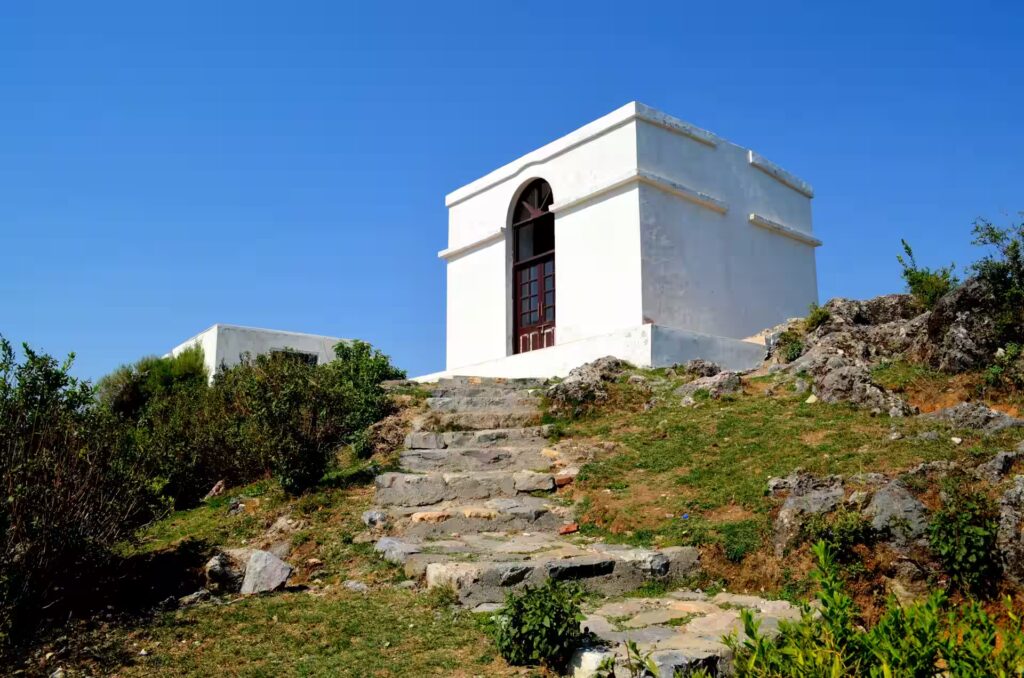
George Everest House
Discover by Interest
Beach
Beaches Destinations
Heritage
Heritage Destinations
Hill Stations
Hill Stations
Spiritual
Spiritual Destinations
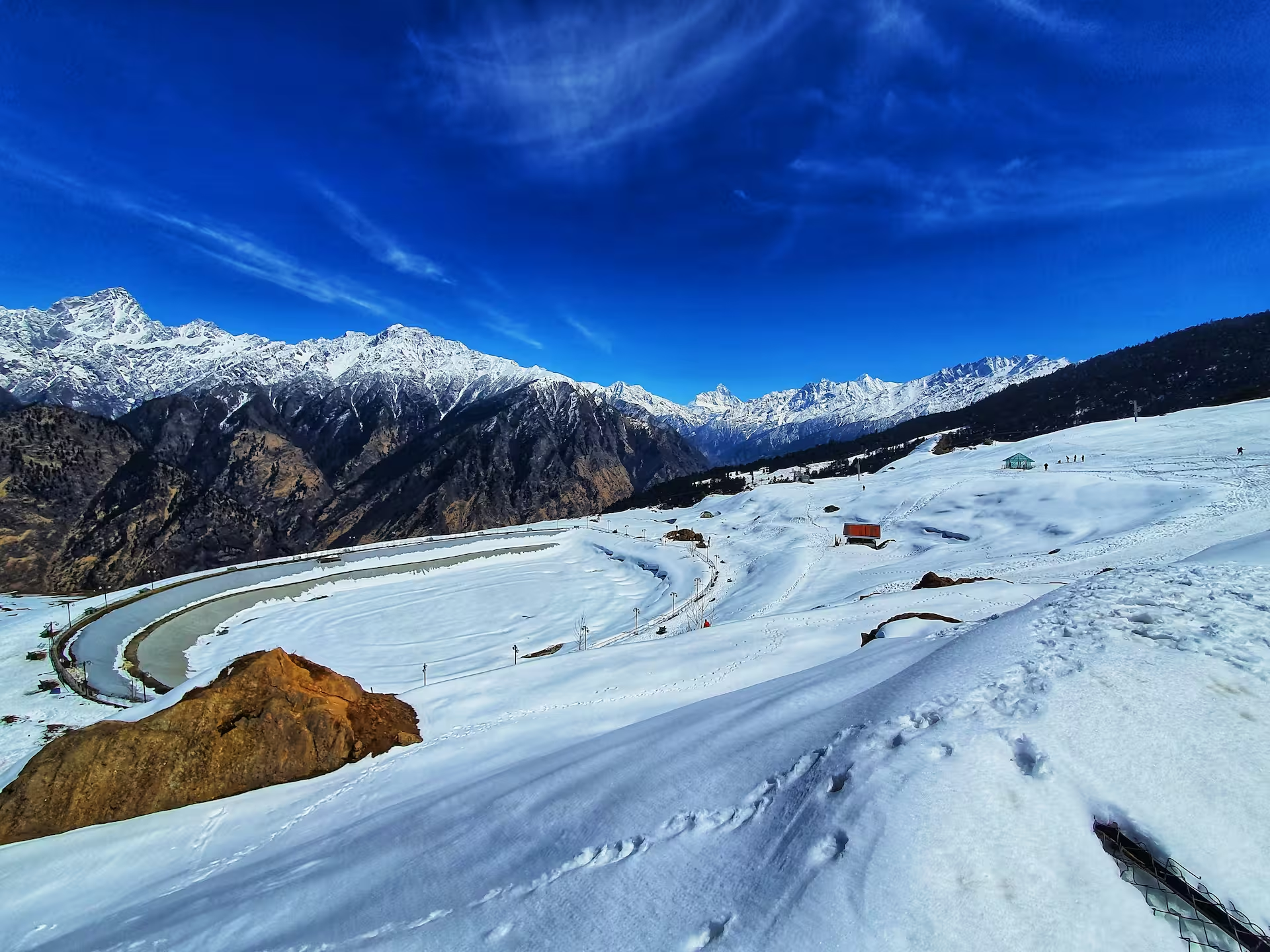
Trekking
Trekking Hotspots
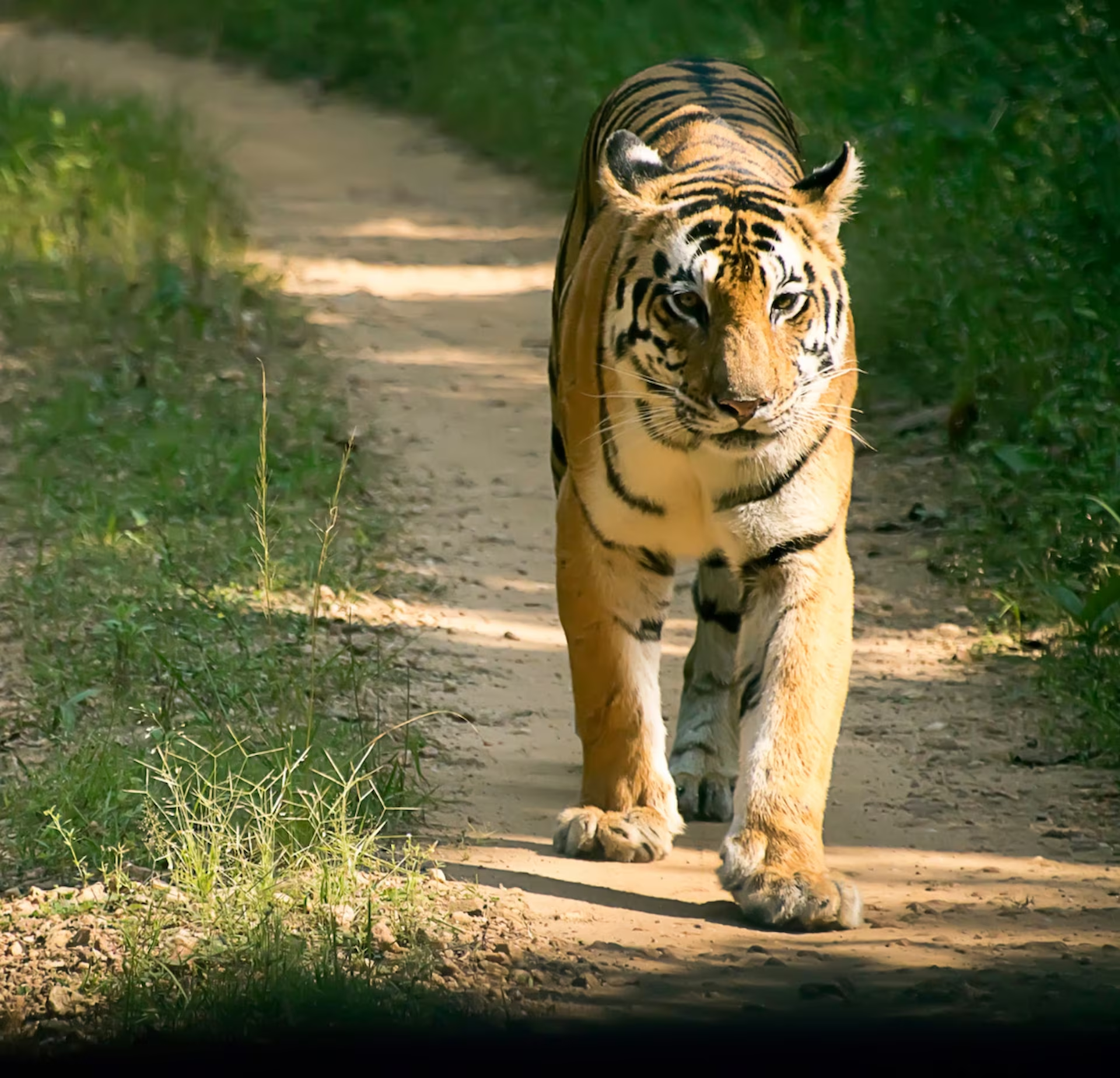
Wildlife
Wildlife Destinations
Frequently Asked Questions
Where is Dehradun located?
Dehradun is a city in northern India, located between the Himalayas and the Shivalik range.
What is Dehradun famous for?
It is known for natural spots like Robber's Cave and Sahastradhara.
How many days are enough for Dehradun?
2 days are enough to explore major attractions and nearby places.
Is Dehradun good for family trips?
Yes, it is safe and suitable for families, couples, and relaxed travel.
What are nearby places to visit from Dehradun?
Popular nearby places include Mussoorie and Rishikesh.