
Badrinath
Badrinath in Uttarakhand is a sacred town with the Badrinath Temple set along the Alaknanda River.
Things To See & Do
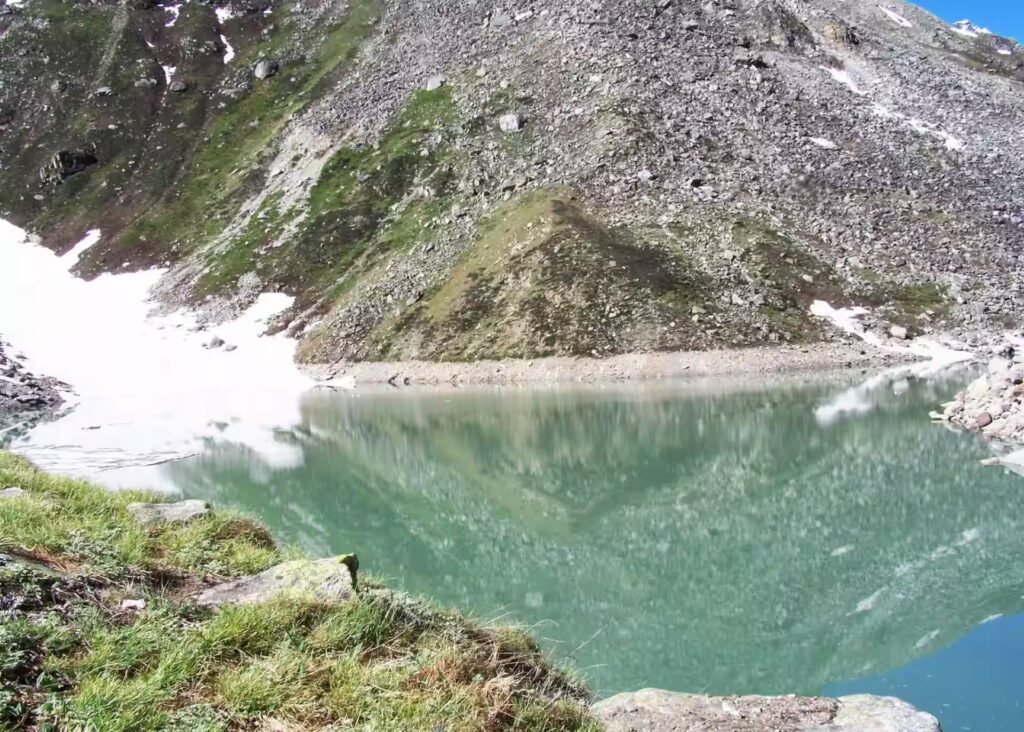
Satopanth Tal
Satopanth Tal near Badrinath is a high altitude lake surrounded by snowy peaks and rocky trails.
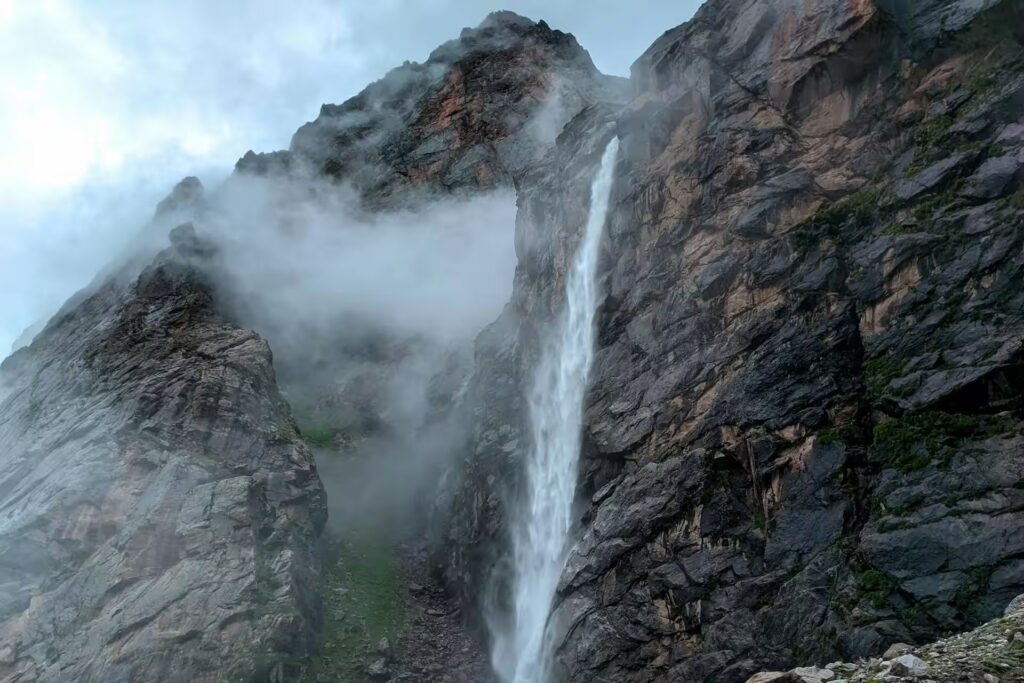
Vasudhara Falls
Vasudhara Falls near Badrinath is a high waterfall reached by trek through Mana village and mountain paths.
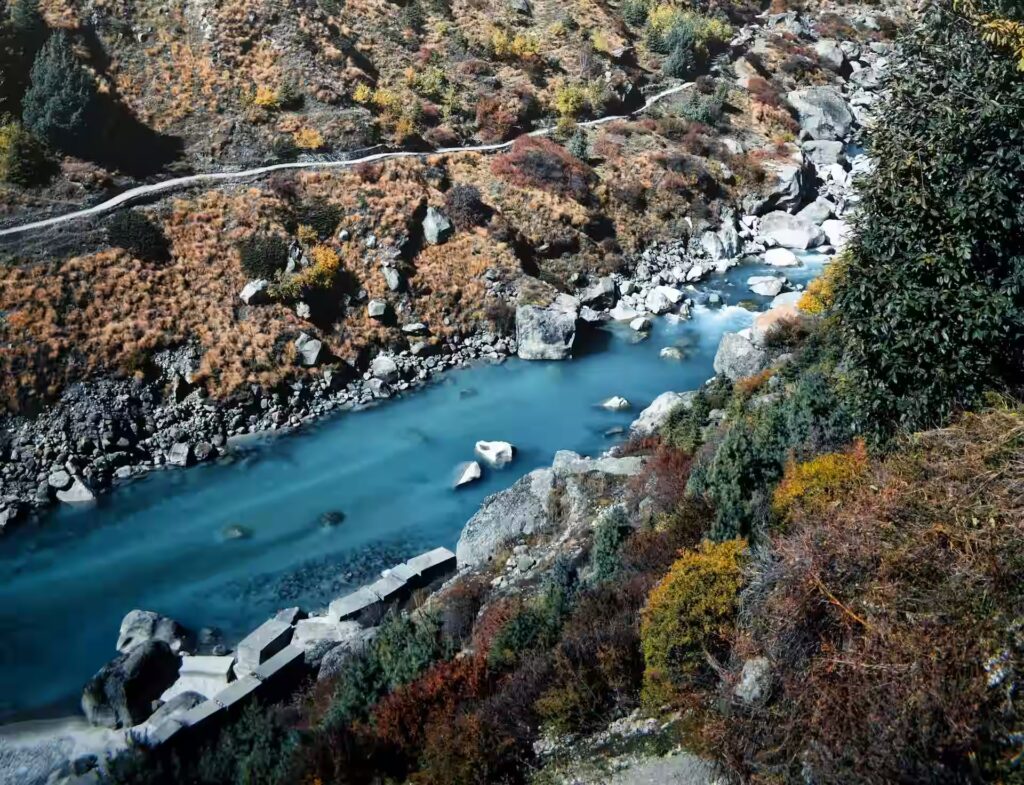
Saraswati River
Saraswati River near Badrinath is a fast flowing stream seen near Mana village before it merges with the Alaknanda.
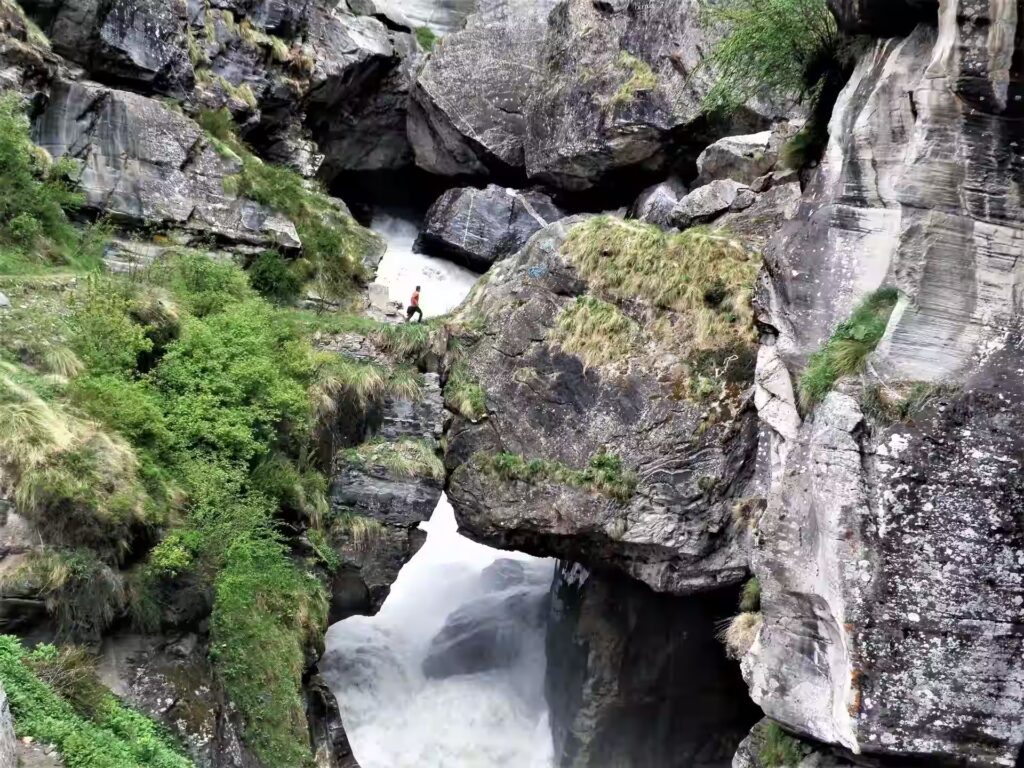
Bhim Pul
Bhim Pul near Badrinath is a natural rock bridge over the Saraswati River, linked to the Pandavas.
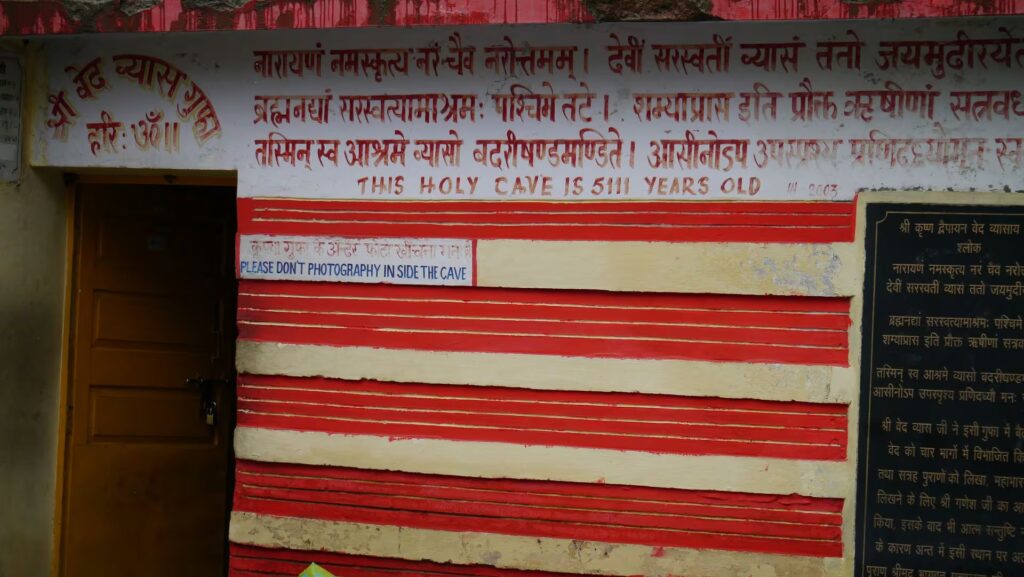
Vyas Gufa
Vyas Gufa near Badrinath is a cave linked to sage Vyas, believed to be where the Mahabharata was composed.
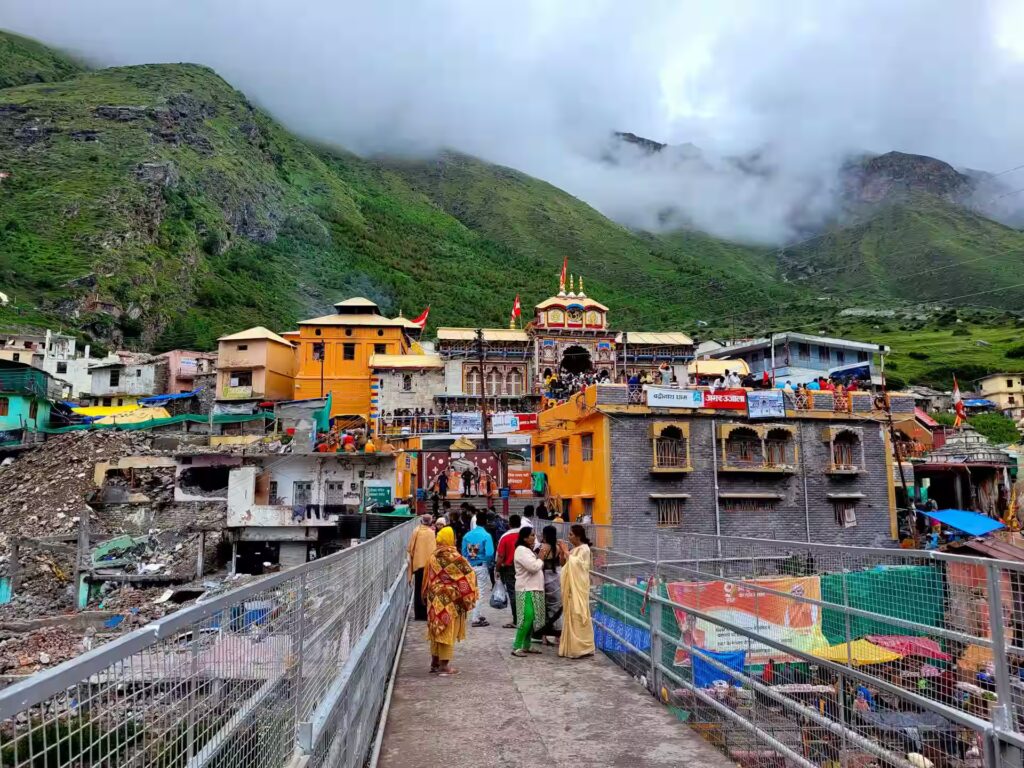
Brahma Kapal
Brahma Kapal in Badrinath is a sacred ghat where rituals for ancestors are performed on the riverbank.
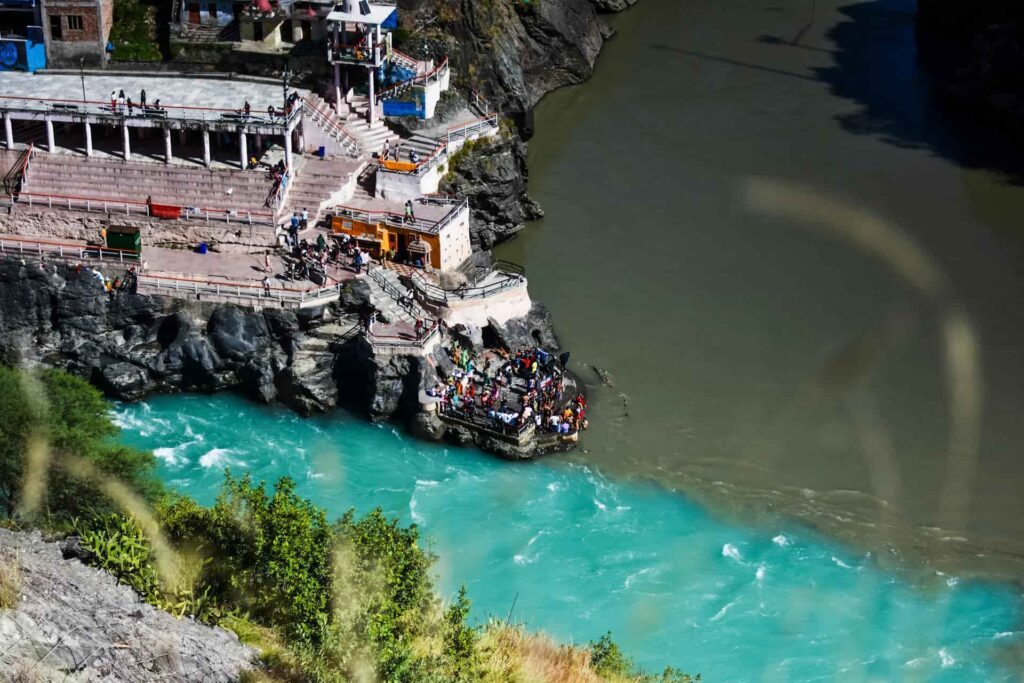
Tapt Kund
Tapt Kund in Badrinath is a hot water spring where pilgrims take a ritual bath before temple darshan.
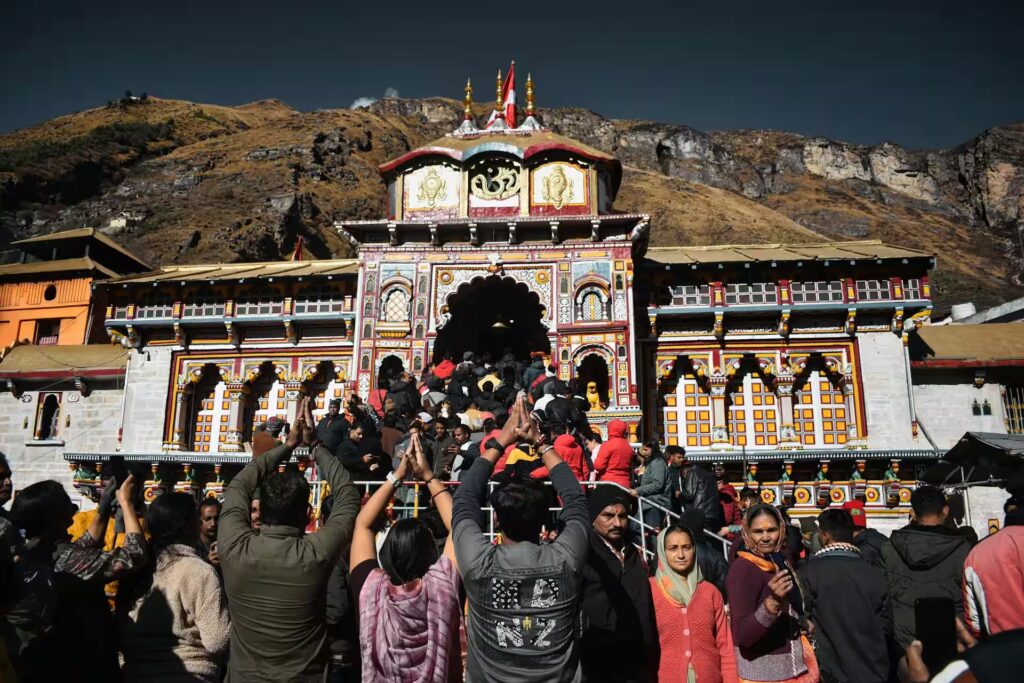
Badrinath Temple
Badrinath Temple in Uttarakhand is a sacred shrine dedicated to Lord Vishnu on the banks of the Alaknanda.
Brahma Kapal
Brahma Kapal in Badrinath is a sacred ghat where rituals for ancestors are performed on the riverbank.
Badrinath Temple
Badrinath Temple in Uttarakhand is a sacred shrine dedicated to Lord Vishnu on the banks of the Alaknanda.
Satopanth Tal
Satopanth Tal near Badrinath is a high altitude lake surrounded by snowy peaks and rocky trails.
Tapt Kund
Tapt Kund in Badrinath is a hot water spring where pilgrims take a ritual bath before temple darshan.
Vyas Gufa
Vyas Gufa near Badrinath is a cave linked to sage Vyas, believed to be where the Mahabharata was composed.
About Badrinath
Badrinath sits in the upper Himalayas of Uttarakhand, along the banks of the Alaknanda River. Steep mountains rise around the town, and snow remains on higher slopes for most of the year.
The town is known for Badrinath Temple, dedicated to Lord Vishnu. The temple stands near the river and draws pilgrims during the open season, usually from May to November.
Badrinath lies at a high altitude, so the air feels thin and cold. Weather changes quickly here. Mornings may stay clear, but clouds often gather by afternoon.
The area around Badrinath shows a mix of rocky terrain, river flow, and sparse vegetation. The Alaknanda moves fast through the valley, carrying snowmelt from higher regions.
Pilgrims and visitors follow a fixed route to reach Badrinath. The road passes through towns like Joshimath before climbing into higher ground. Travel depends on weather and road conditions.
Near the temple, places like Tapt Kund attract visitors. This natural hot spring stays warm even in cold weather, and many people bathe here before temple visits.
Daily life in Badrinath remains seasonal. During open months, the town stays active with pilgrims, shops, and local movement. In winter, heavy snowfall leads to closure, and most people move to lower areas.
Badrinath draws people for both faith and landscape. The setting, with river, rock, and high peaks, shapes the experience as much as the temple itself.
Best Time to Visit Badrinath
May to June
This is the best time to visit Badrinath Temple. Snow begins to melt, and roads remain open and stable. Days stay cool, and movement in the valley becomes easier.
September to October
After the monsoon, the sky clears and the air feels fresh. The landscape looks clean, and travel conditions improve. Fewer people visit during this time, so the area feels less crowded.
November to April
Heavy snowfall closes the region, and access to Badrinath stops. The temple remains shut, and the area stays covered in snow.
Festivals And Calendar
Akshaya Tritiya – April or May
Marks the opening of Badrinath Temple after winter. Priests begin rituals, and pilgrims arrive as the season starts.
Jan
Feb
Mar
Apr
May
Jun
Jul
Aug
Sep
Oct
Nov
Dec
Best
Good
Fair
poor
Near by Places
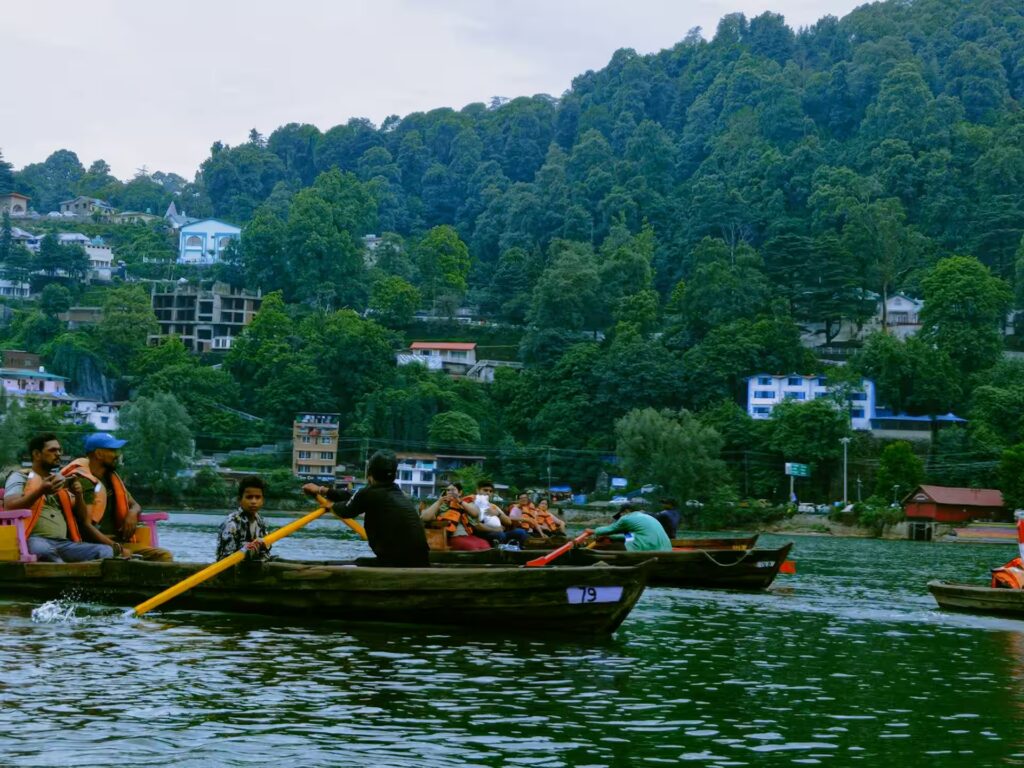
Nainital
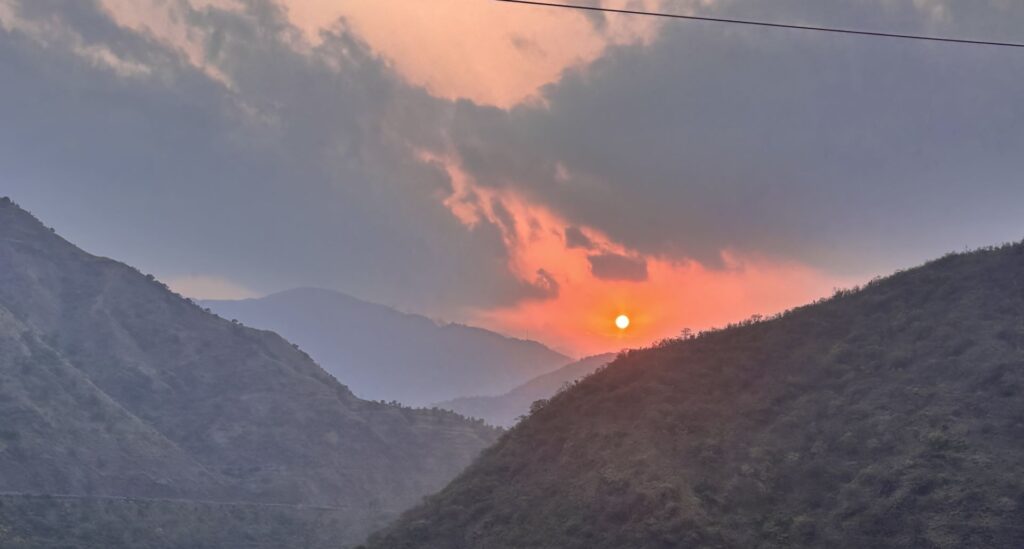
Yamunotri
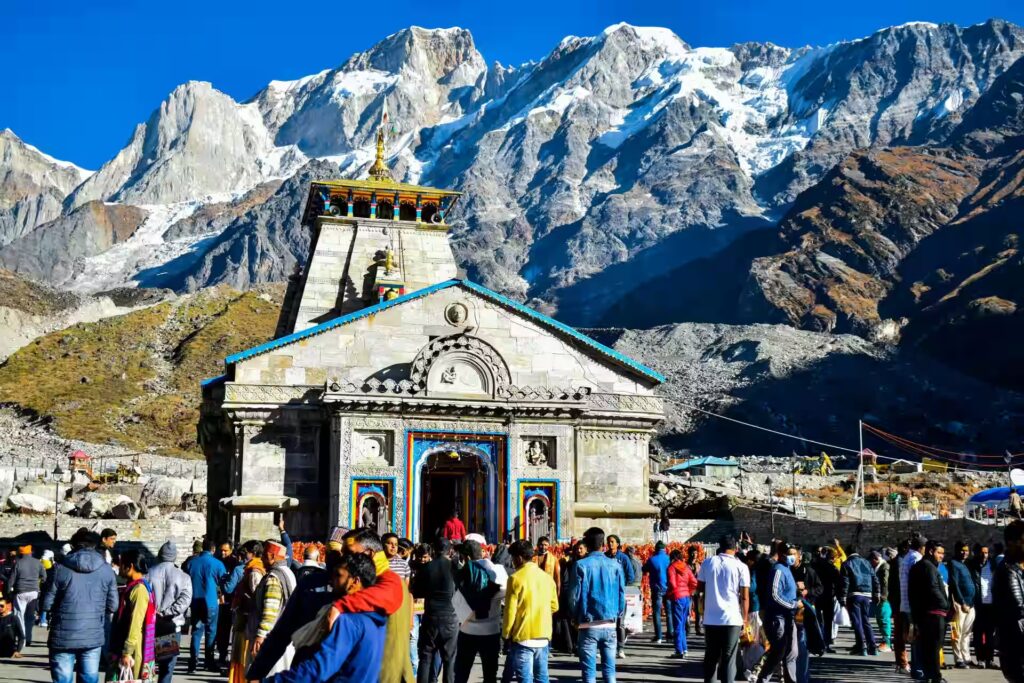
Kedarnath
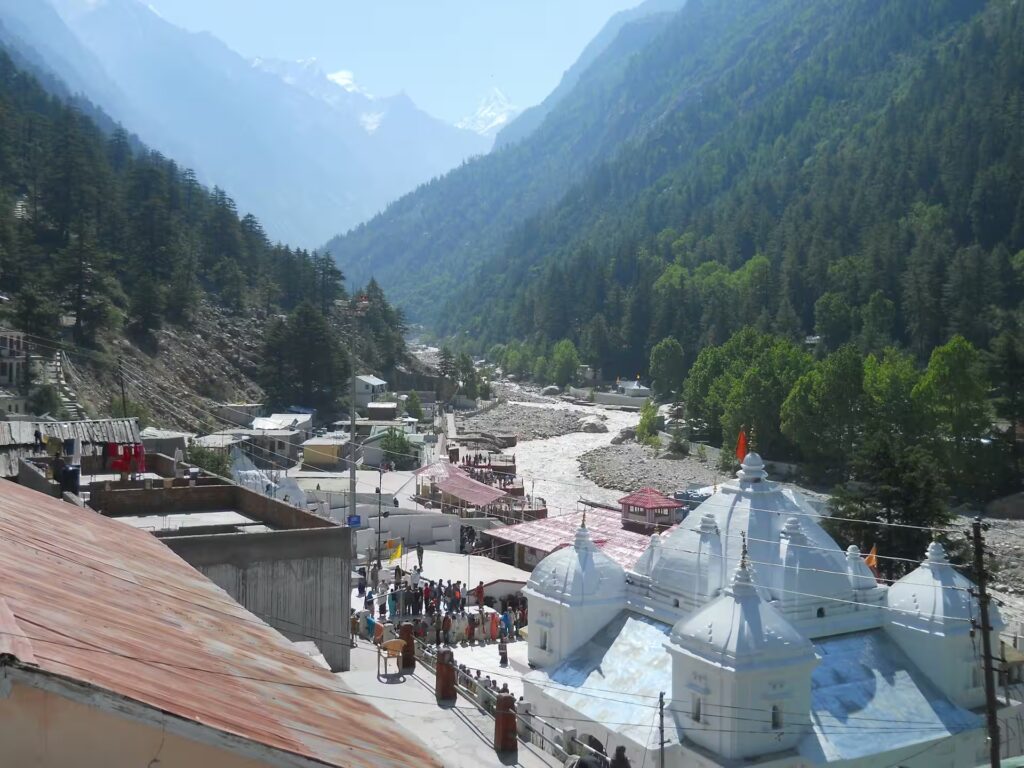
Gangotri
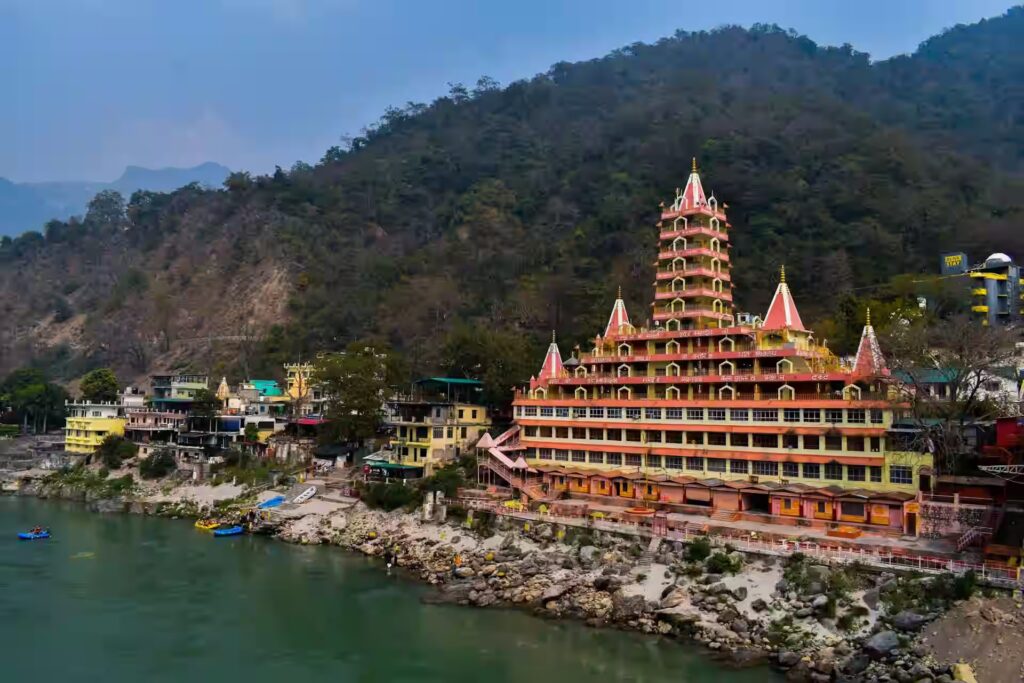
Rishikesh
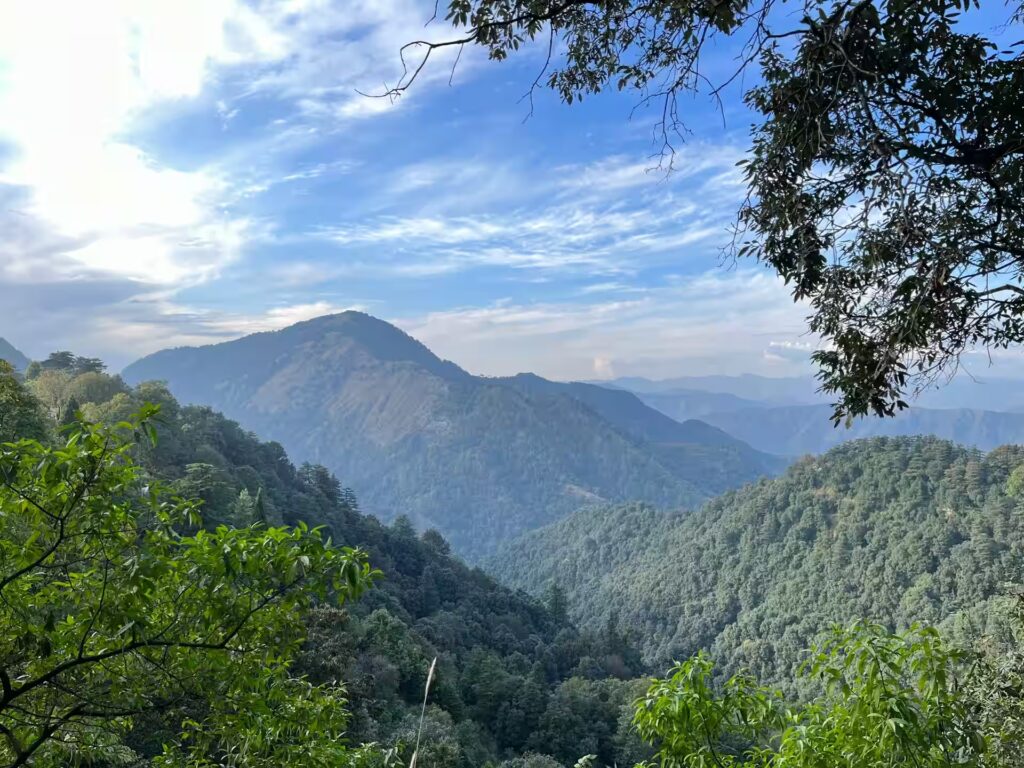
Mussoorie
Similar Places to Visit
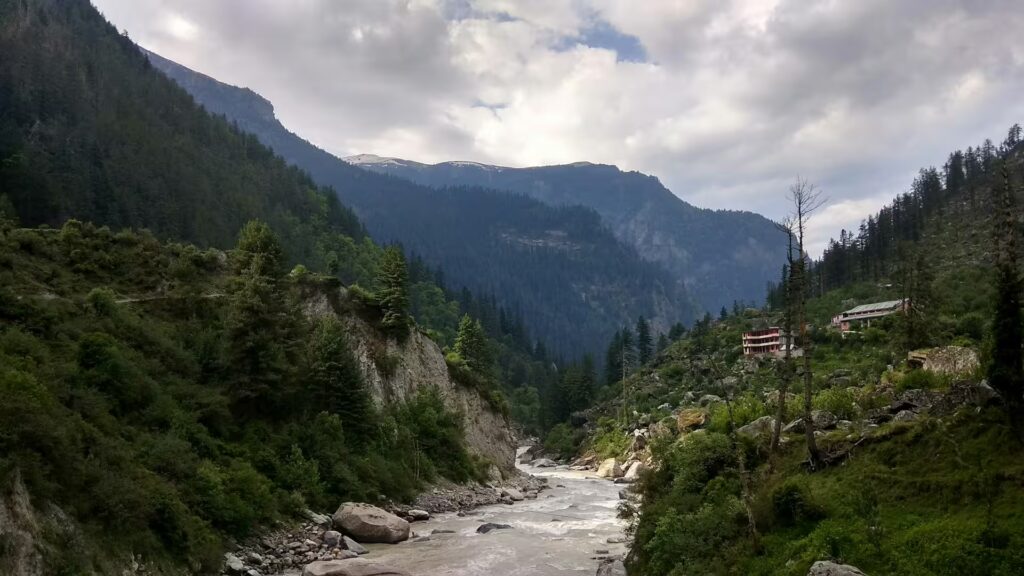
Gangotri Surya Kund
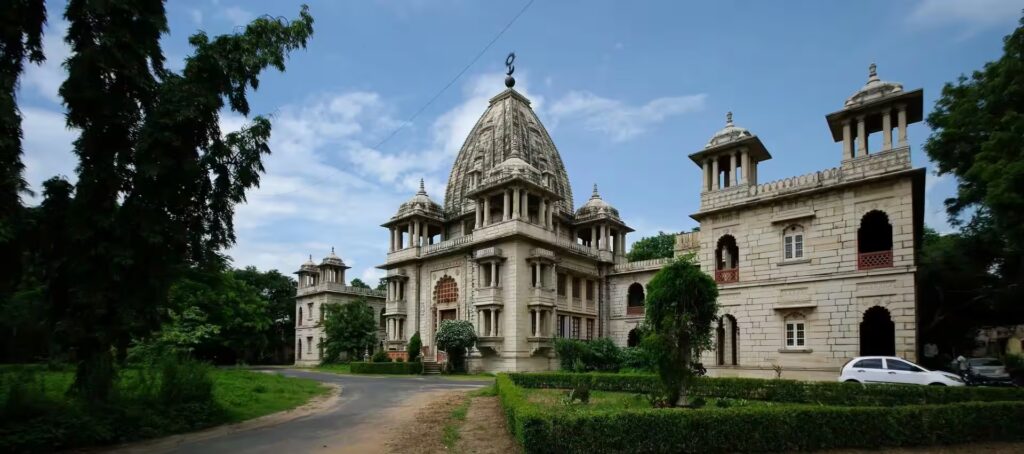
Kirti Mandir
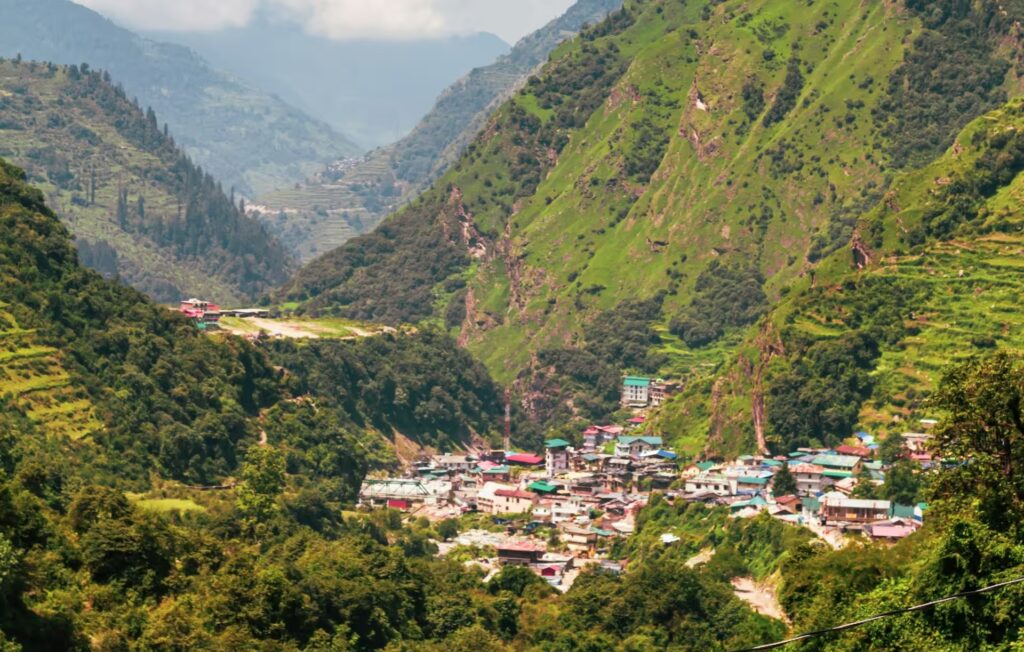
Kharsali
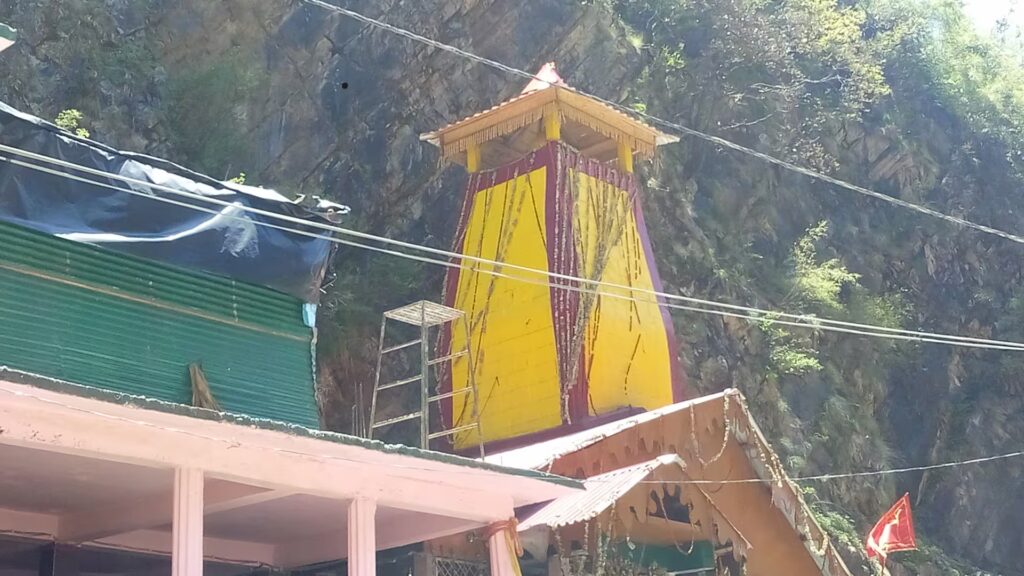
Yamunotri Temple
Brahma Kapal
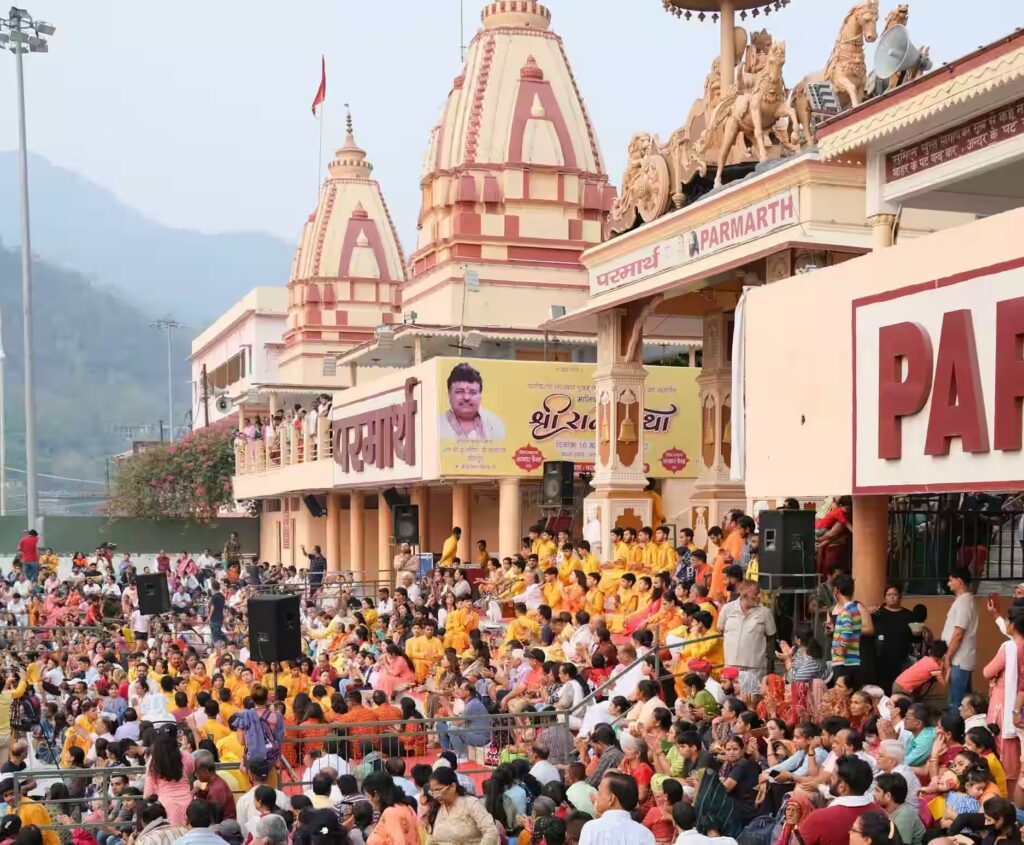
Parmarth Niketan Ashram
Discover by Interest
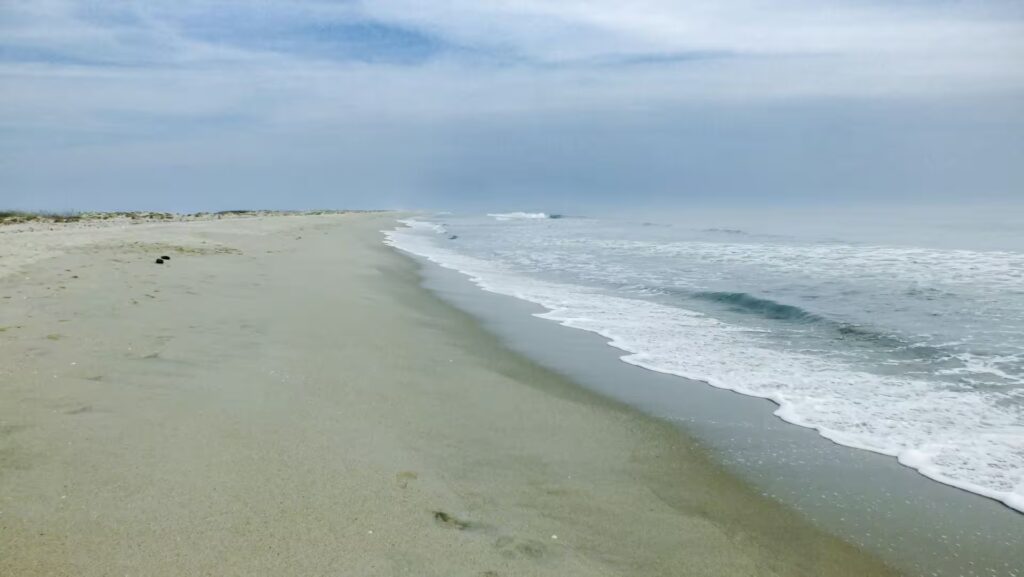
Beach
Beaches Destinations
Heritage
Heritage Destinations
Hill Stations
Hill Stations
Spiritual
Spiritual Destinations
Trekking
Trekking Hotspots
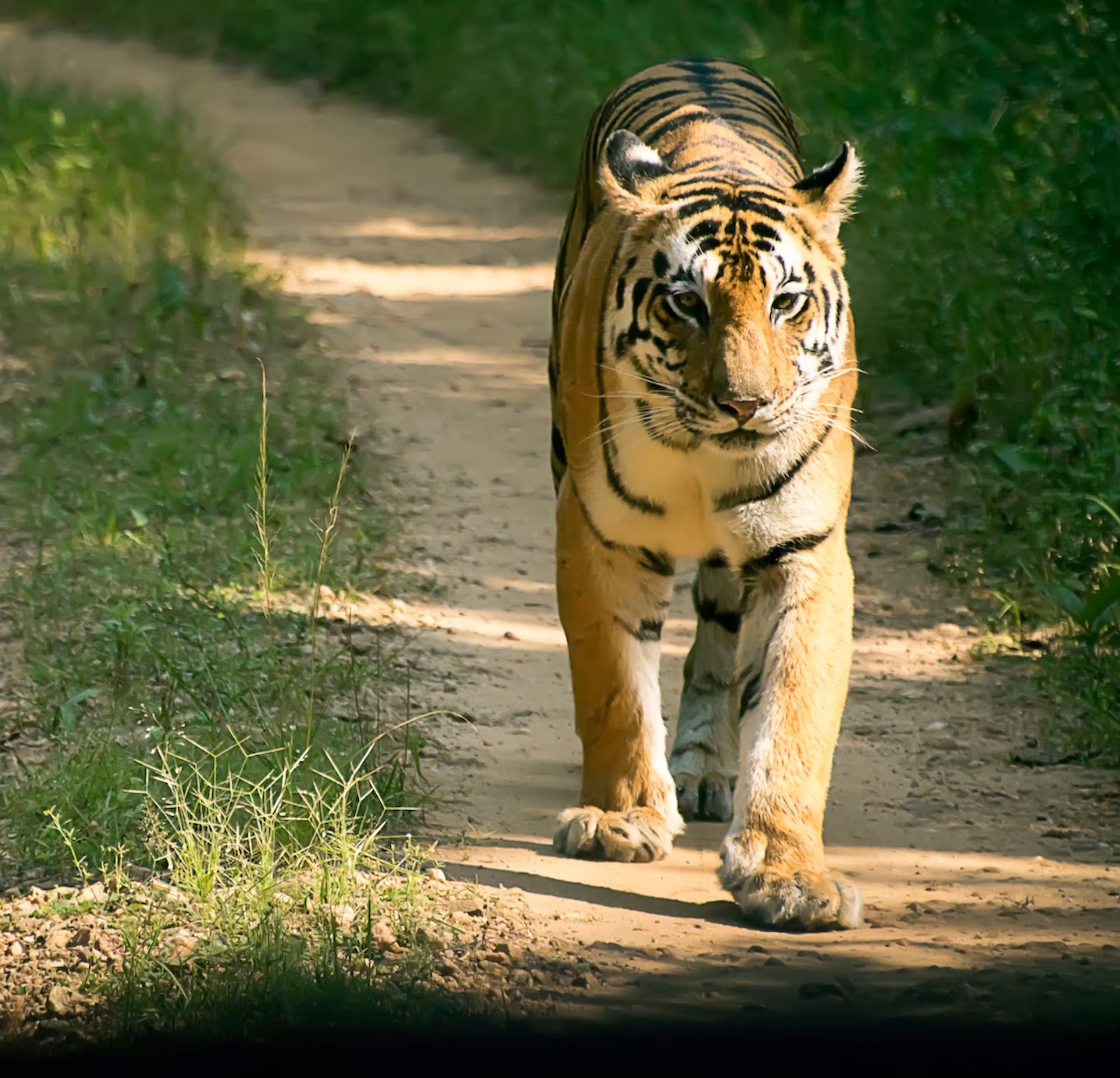
Wildlife
Wildlife Destinations
Frequently Asked Questions
Where is Badrinath located?
Badrinath lies in the Chamoli district of Uttarakhand in the Himalayas.
What is Badrinath famous for?
It is known for Badrinath Temple, dedicated to Lord Vishnu.
What is the best time to visit Badrinath?
May to June and September to October are the best months to visit.
How many days are enough for Badrinath?
2 to 3 days are enough for travel, temple visit, and nearby sightseeing.
How to reach Badrinath?
You can reach Badrinath by road from cities like Rishikesh and Haridwar.