
Land of Palaces, Forests, and Culture
Tripura, in Northeast India, is a small yet culturally rich state with lush forests, scenic rivers, and historical landmarks. Known for royal palaces, ancient temples, tribal villages, and vibrant festivals, Tripura offers a mix of nature, history, and living traditions.
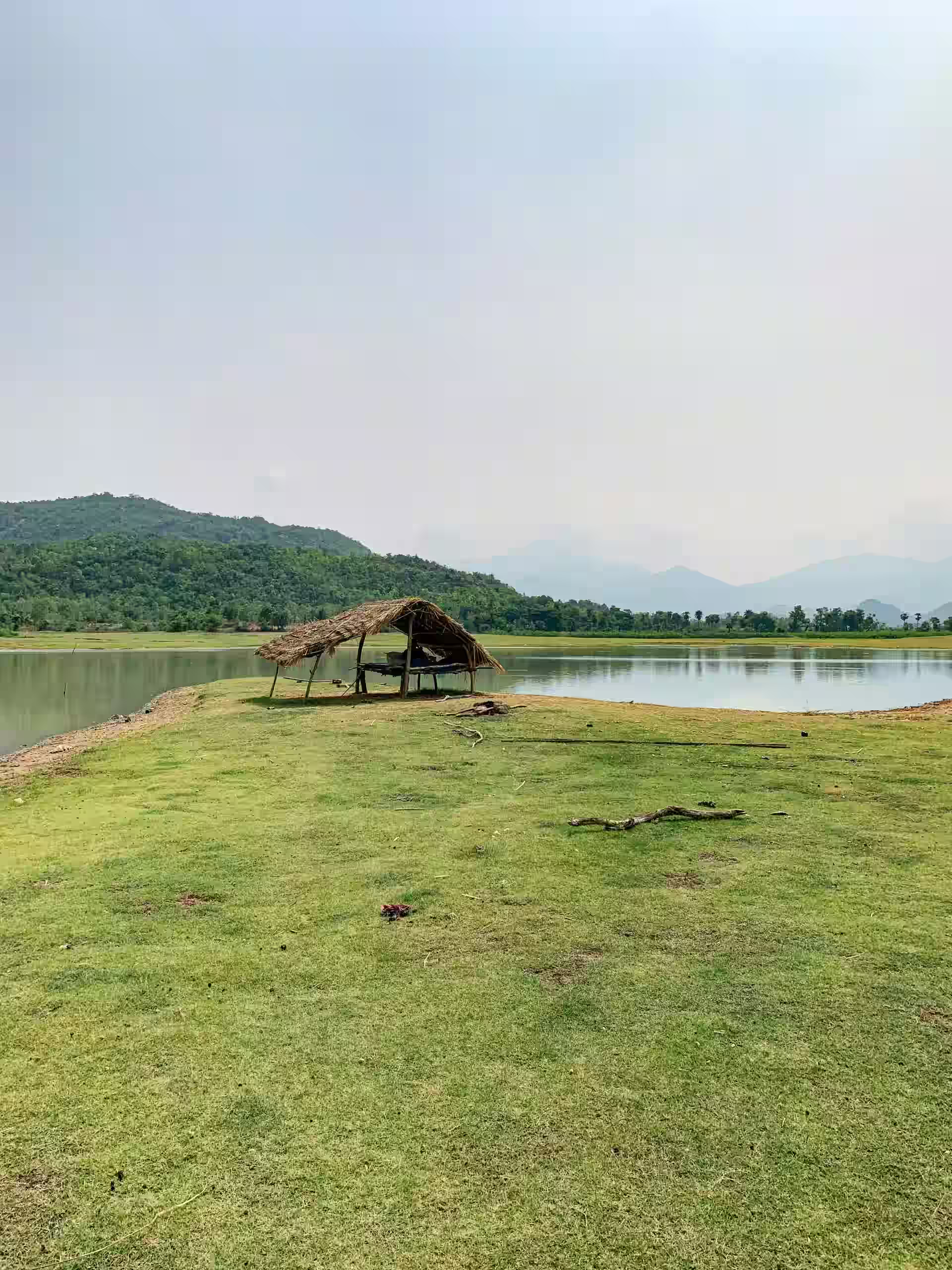
Historical Forts, Palaces & Heritage Towns
Ujjayanta Palace
A grand royal palace in Agartala, showcasing Tripura’s regal architecture, history, and cultural heritage.
Neermahal
A beautiful water palace built in the middle of Rudrasagar Lake, blending Hindu and Mughal styles.
Unakoti
Forest-hidden hills featuring ancient rock-cut sculptures and heritage sites of historical importance.
Agartala
The capital city of Tripura, known for its royal heritage, historic temples, and vibrant cultural centers.
Religious & Spiritual Centers
Tripura Sundari Temple
One of the 51 Shakti Peeths in India, located in Udaipur, Tripura, and revered by Hindu pilgrims.
Jampui Hills Sacred Sites
Hilltop sacred sites in Tripura, traditionally revered by local tribal communities.
Chaturdasha Devata Temple
A major royal temple of Tripura, closely linked to traditional rituals and the famous Kharchi Puja.
Ambassa Sacred Groves
Forests preserved by tribal communities for spiritual rituals, cultural practices, and biodiversity conservation.
Ancient Temples & Important Heritage Sites
Unakoti Heritage Site
A historic Shaivite site featuring massive rock carvings and sculptures of deities.
Pilak Archaeological Site
Ancient ruins with Buddhist and Hindu remains, reflecting Tripura’s early settlement history.
Neermahal Palace Complex
Royal structures around the water palace that highlight Tripura’s architectural heritage.
Natural Landscapes & Scenic Attractions
Jampui Hills
Rolling hills in Tripura, known for orange orchards, pine forests, and panoramic scenic views.
Rudrasagar Lake
A picturesque lake surrounded by forests, featuring the iconic Neermahal water palace.
Tirthamukh Falls
Beautiful waterfalls set amidst lush forested landscapes, offering serene natural beauty.
Sepahijala Lake & Park
A tranquil lake with abundant wildlife, boating opportunities, and scenic surroundings.
Most Visited Locations
Wildlife & National Parks
Ujjayanta Palace, Neermahal, and Tribal Heritage
01
Sepahijala Wildlife Sanctuary
A forested sanctuary near Agartala, home to primates, birds, and diverse wildlife.
02
Trishna Wildlife Sanctuary
A lowland forest reserve with elephants, deer, and a variety of birds.
03
Gumti Wildlife Sanctuary
Dense forests and river ecosystems supporting varied plant and animal species.
Cultural Experiences & Tribal Heritage
- Home to Tripuri, Reang, Jamatia, and other tribes
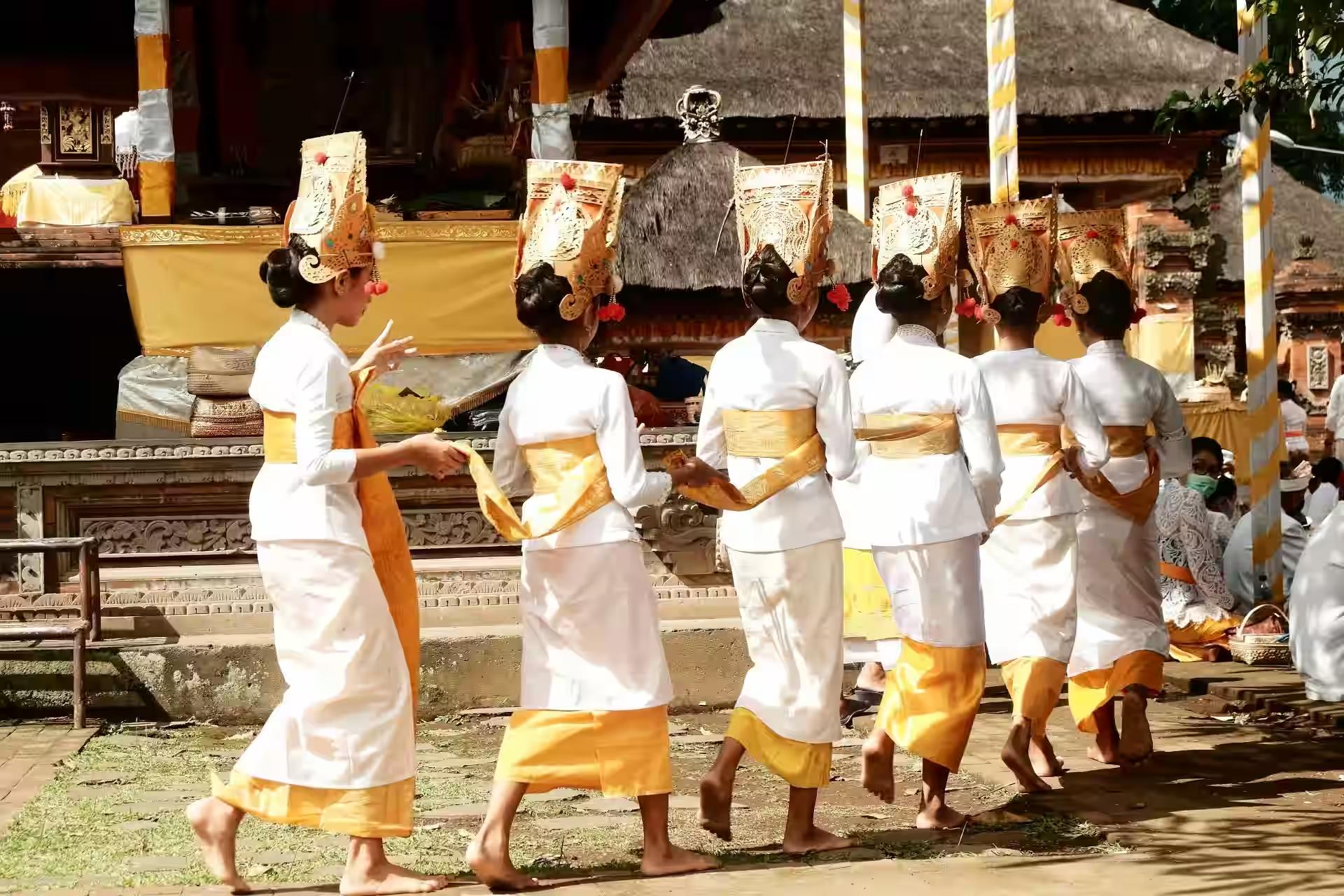
- Folk dances, music, and festivals are central to community life
- Handicrafts, bamboo work, and traditional weaving reflect tribal art
- Festivals like Kharchi and Garia highlight rituals and local culture
Cuisine & Handicrafts
Cuisine
Rice-based meals with fresh vegetables, fish, and meats.
Dishes include Mui Borok (steamed rice with greens), Bamboo Shoot Curry, and local smoked fish.
Handicrafts
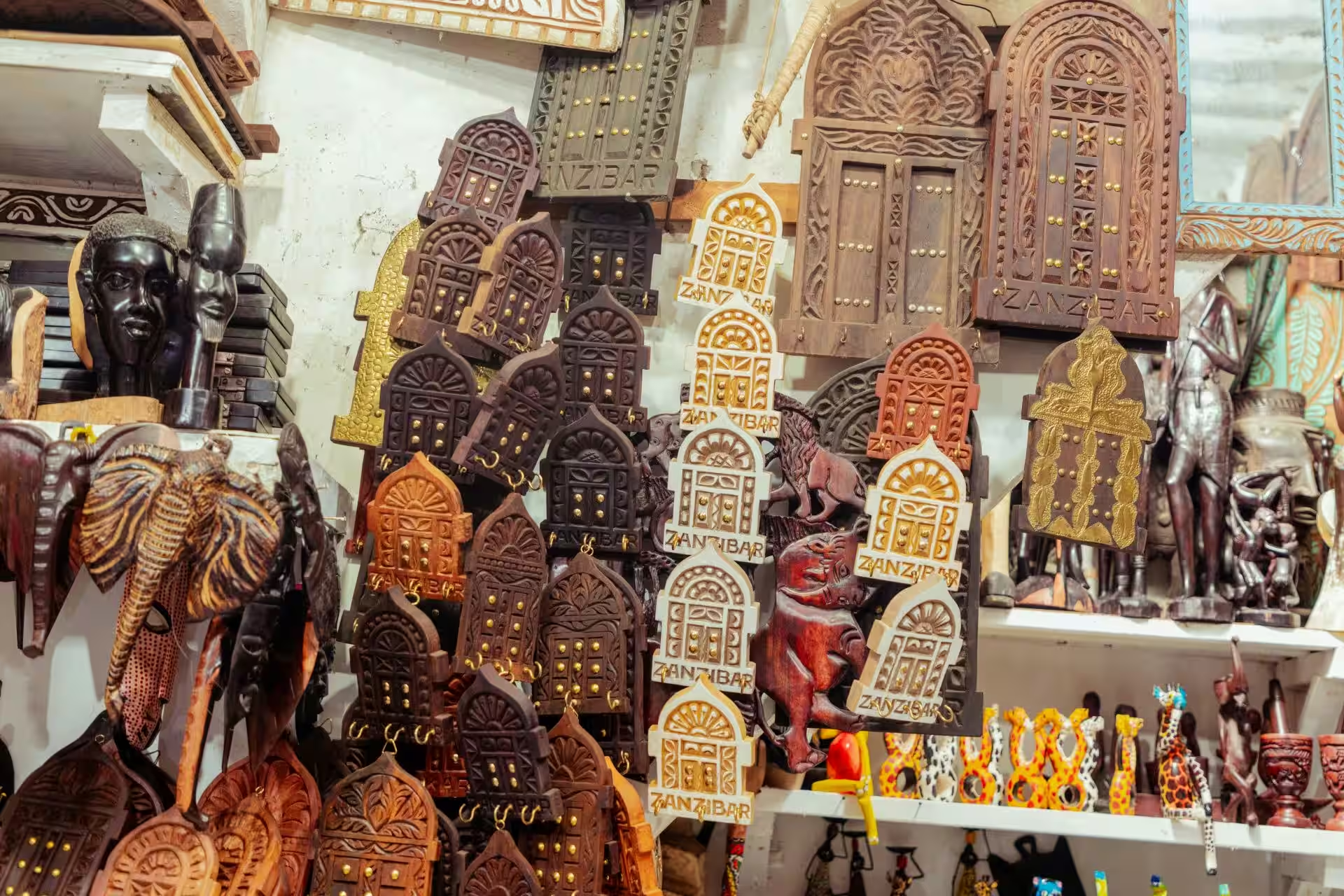
Handwoven textiles, cane and bamboo crafts, traditional pottery, and tribal jewelry.
Best Time to Visit Tripura
October to April
Pleasant weather, ideal for sightseeing, festivals, and outdoor travel.
March to May
Warm months with clear skies, good for hill and lake visits.
June to September
Monsoon season brings heavy rains, lush greenery, and flowing waterfalls.
Why Visit Tripura
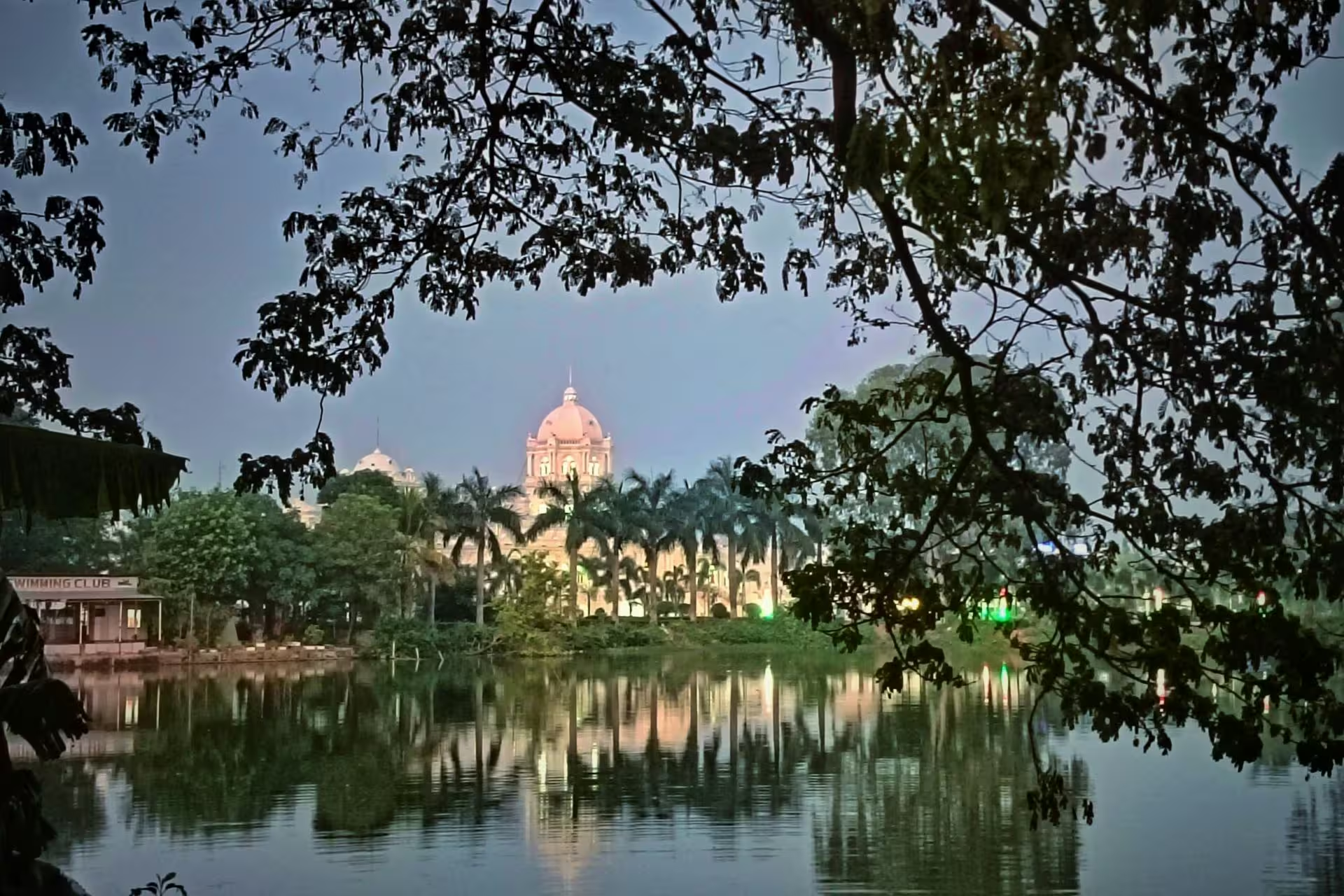
Tripura combines royal heritage, tribal culture, and natural beauty.
From palaces and temples to hills, lakes, and tribal villages, the state offers a peaceful and culturally rich travel experience.