
Overview
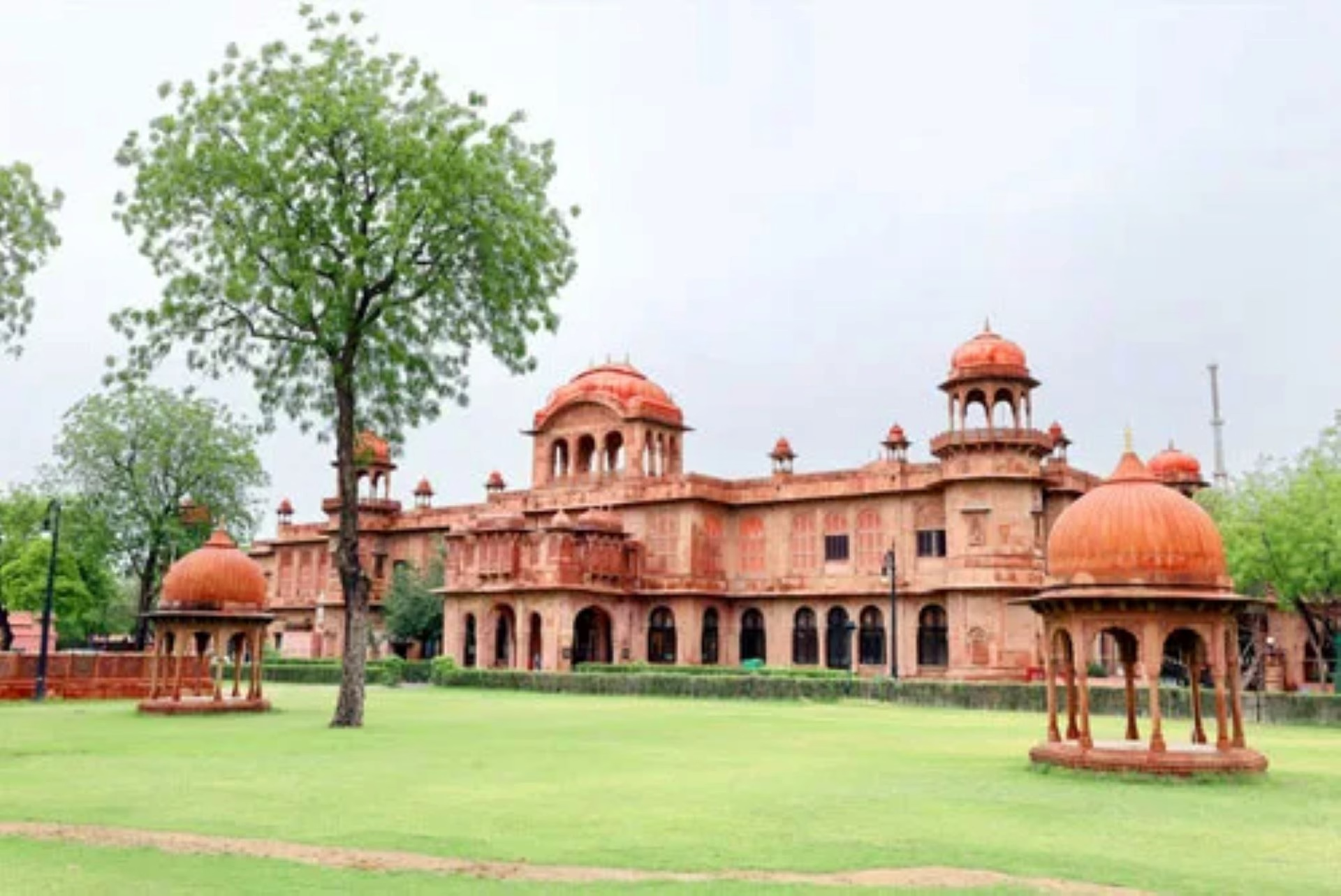
Lalgarh Palace is a historic royal palace located in Bikaner in Rajasthan. The palace is known for its red sandstone structure and detailed carvings.
Construction of the palace began in 1902 under the rule of Maharaja Ganga Singh. He built the palace in memory of his father Maharaja Lal Singh. The building was designed by the British architect Sir Samuel Swinton Jacob.
Lalgarh Palace reflects a mix of Rajput, Mughal, and European architectural styles. The palace complex includes courtyards, balconies, and carved windows that show detailed craftsmanship.
Today part of the palace operates as a heritage hotel, while another section contains a museum and library that are open to visitors.
Open Hours
- Open Days: All days of the week
- Open Time: 10:00 AM
- Closing Time: 5:00 PM
Morning hours are comfortable for visiting the museum.
Entry Fee - Indians vs Foreigners
| Category | Ticket Price (INR) |
|---|---|
| Indian Citizens | ₹50 |
| Foreign Tourists | ₹100 |
| Children | Free |
| Camera Charges | May apply |
What To Expect
Red Sandstone Architecture
The palace is built with red sandstone and features carved pillars, arches, and decorative windows.
Palace Museum
Visitors can see collections related to the history of the Bikaner royal family.
Royal Library
The palace includes a historic library known as Sadul Singh Museum section where rare books and manuscripts are preserved.
Heritage Hotel Area
Part of the palace has been converted into a heritage hotel that reflects royal lifestyle and design.
Tips
- Visit during morning hours when the museum area is less crowded.
- Photography rules may apply inside some sections.
- Combine the visit with other attractions in Bikaner.
- Carry water if visiting during warmer months.
- Respect museum rules and maintain cleanliness.
About Lalgarh Palace
Lalgarh Palace was built in the early 1900s. It was a royal residence for the rulers of Bikaner.
The design mixes Indian and European styles. Large courtyards. Detailed stonework. Long corridors with decoration. You notice the mix as you move around.
Today, part of the palace is a museum. It has photographs, hunting trophies, and royal items from Bikaner’s past. Some people stop and look closely. Some just walk through.
Lalgarh Palace is still an important heritage place in the city. Visitors come for history and architecture. Some take photos. Some sit for a while and look at the building.
Detailed Information
| Detail | Information |
|---|---|
| Built By | Maharaja Ganga Singh |
| Built In Memory Of | Maharaja Lal Singh |
| Construction Started | 1902 |
| Architect | Sir Samuel Swinton Jacob |
| Architectural Style | Rajput, Mughal, and European style |
| Material Used | Red sandstone |
| Current Use | Museum and heritage hotel |
| Location | Bikaner, Rajasthan |
Near by Places
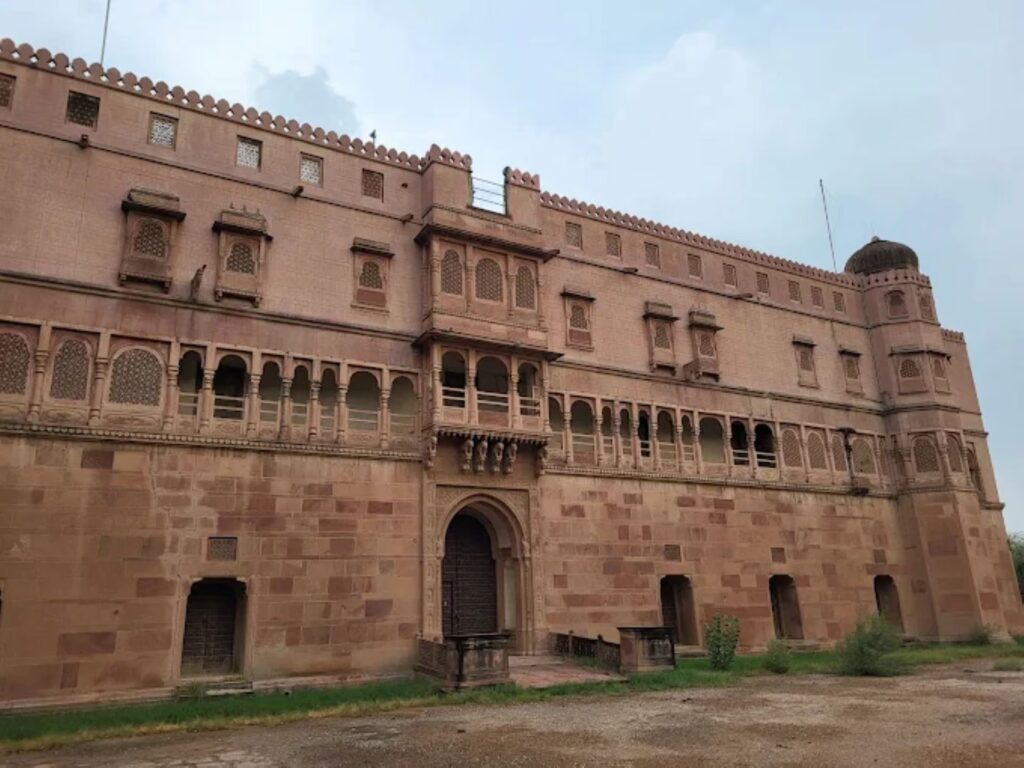
Gajner Palace
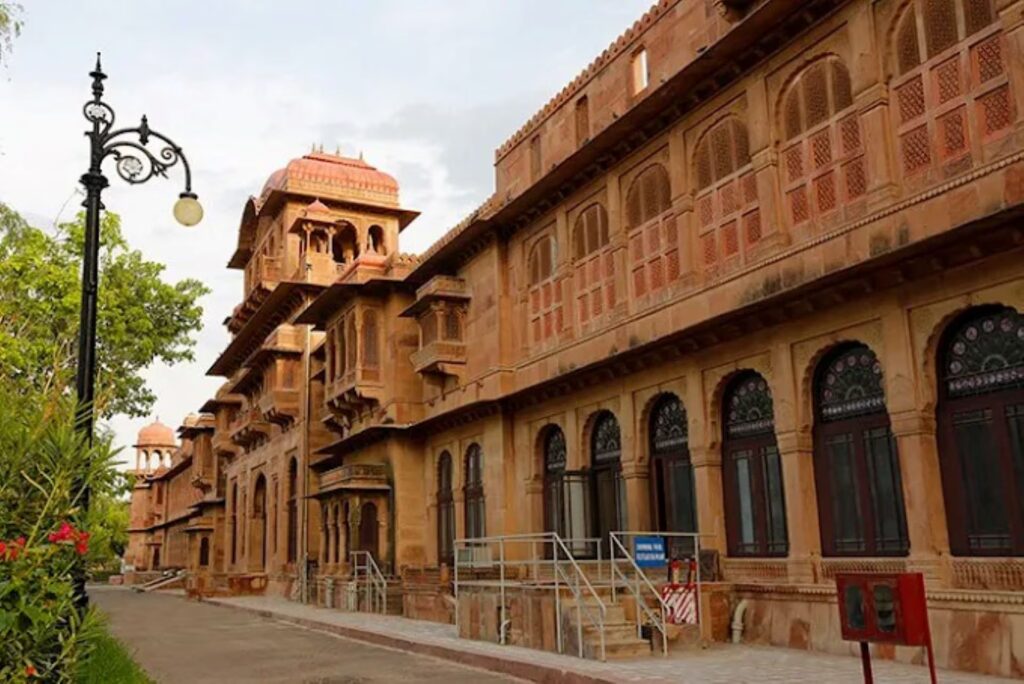
Laxmi Niwas Palace
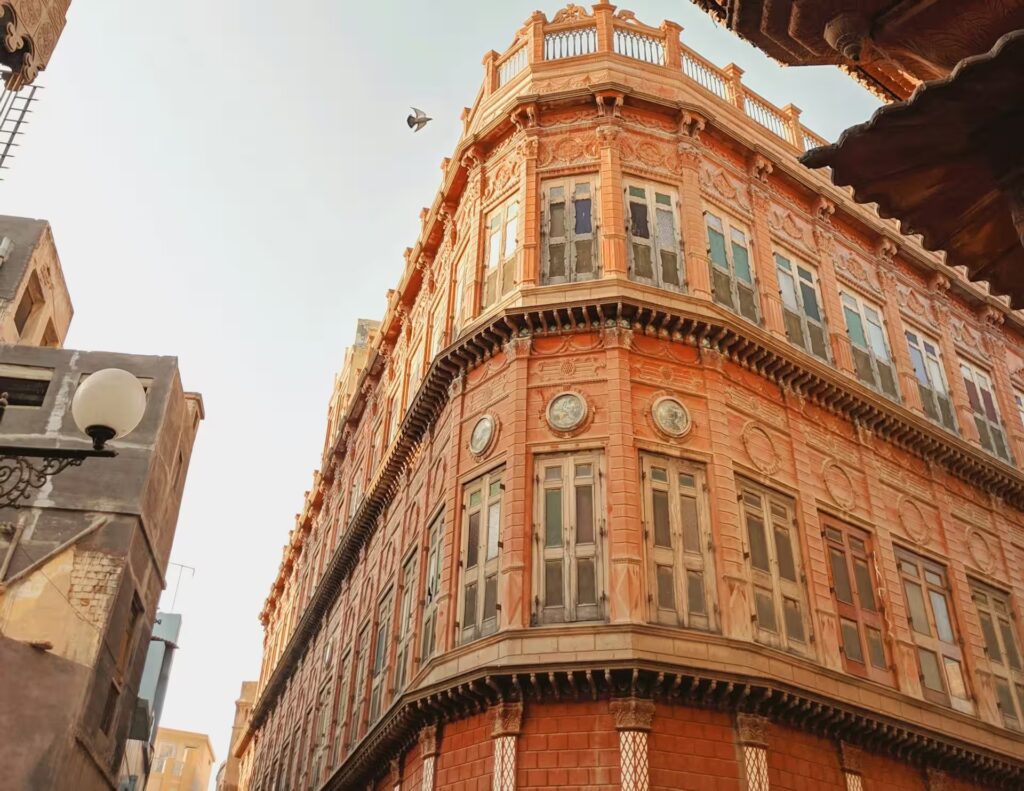
Rampuria Haveli
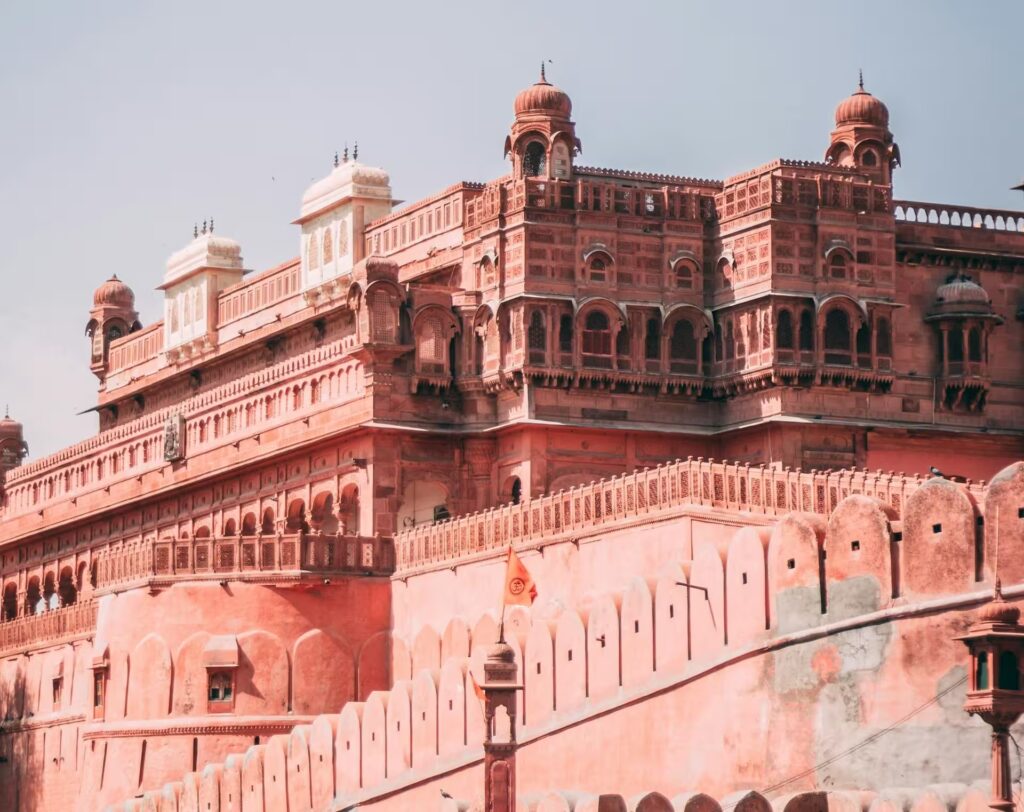
Junagarh Fort
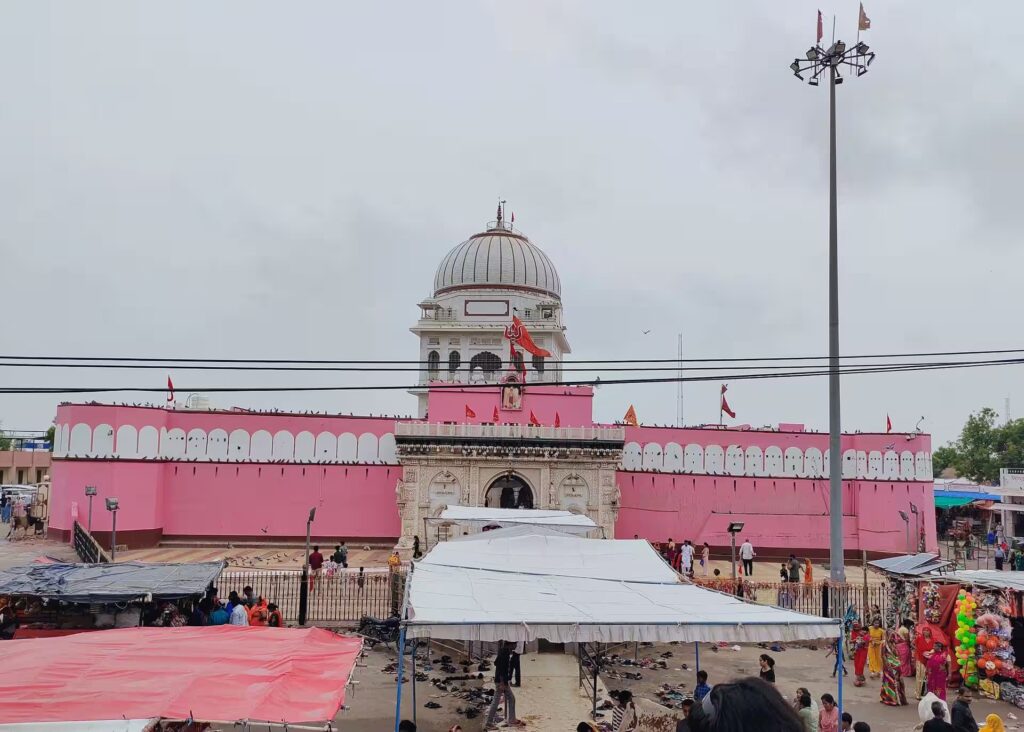
Karni Mata Temple
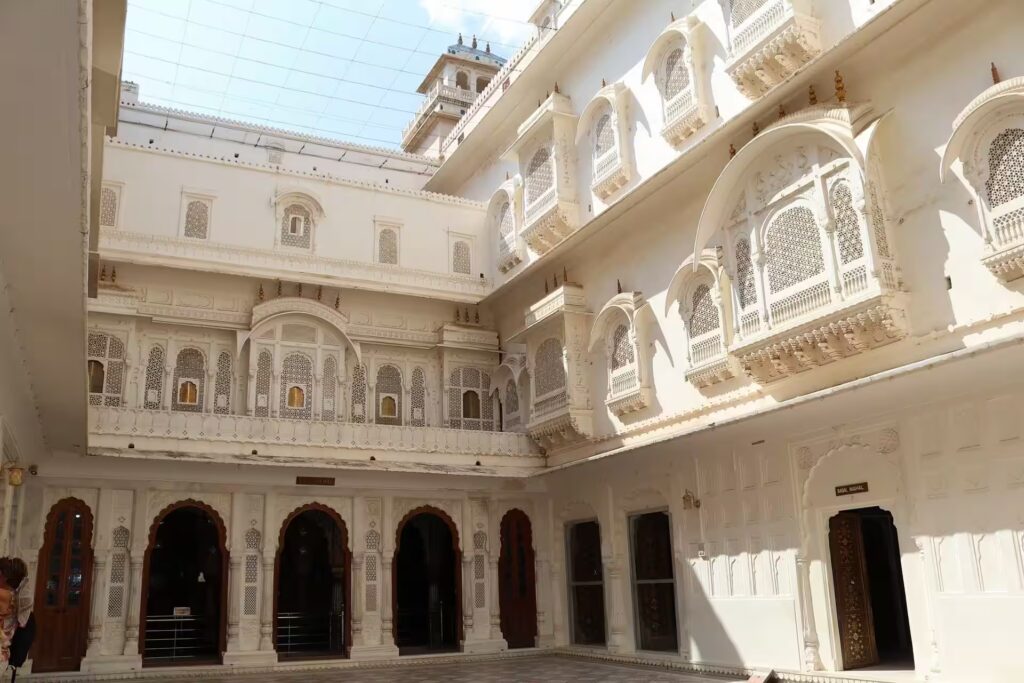
Anup Mahal
Similar Places to Visit
Baroda Museum
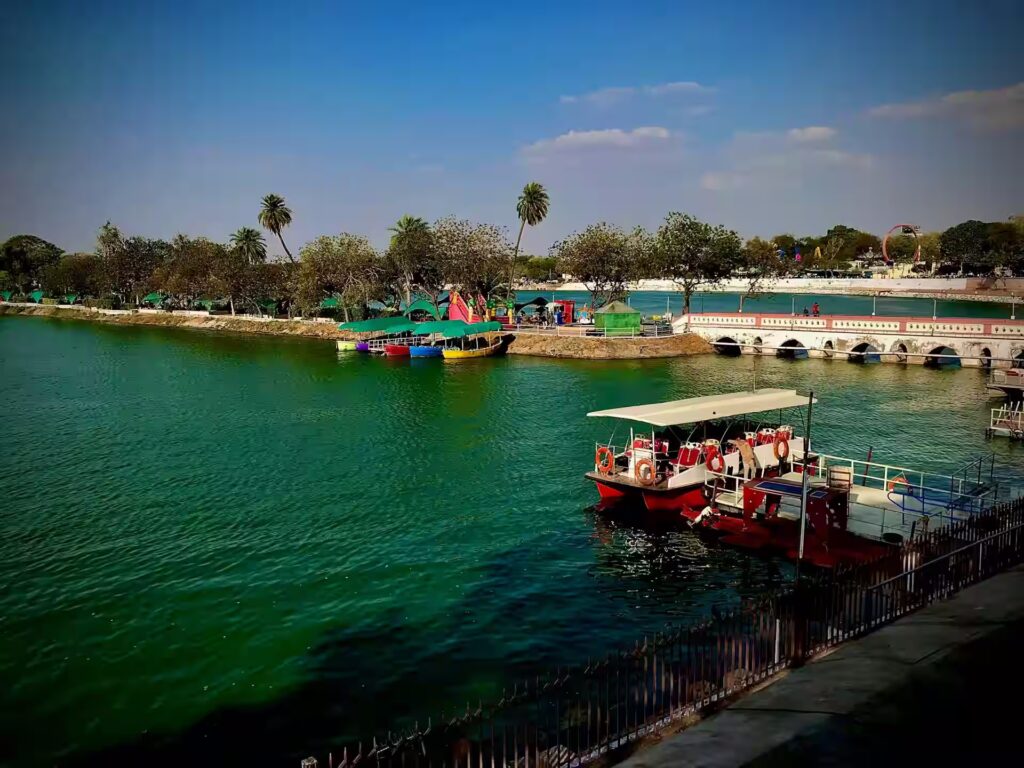
Kankaria Lake
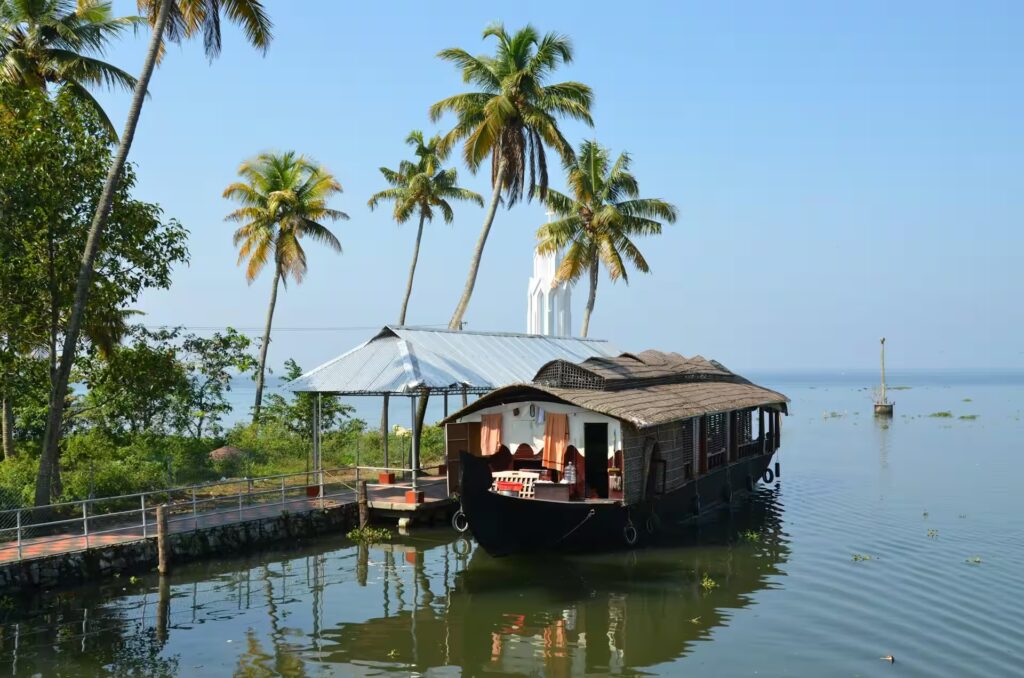
Kuttanad
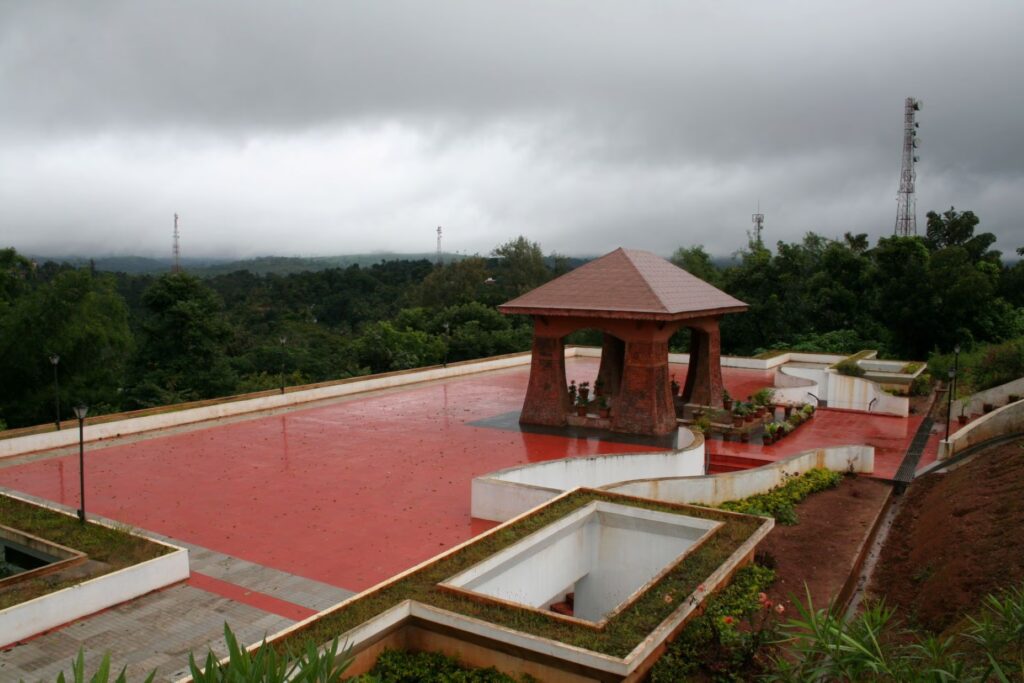
Pazhassi Raja Tomb
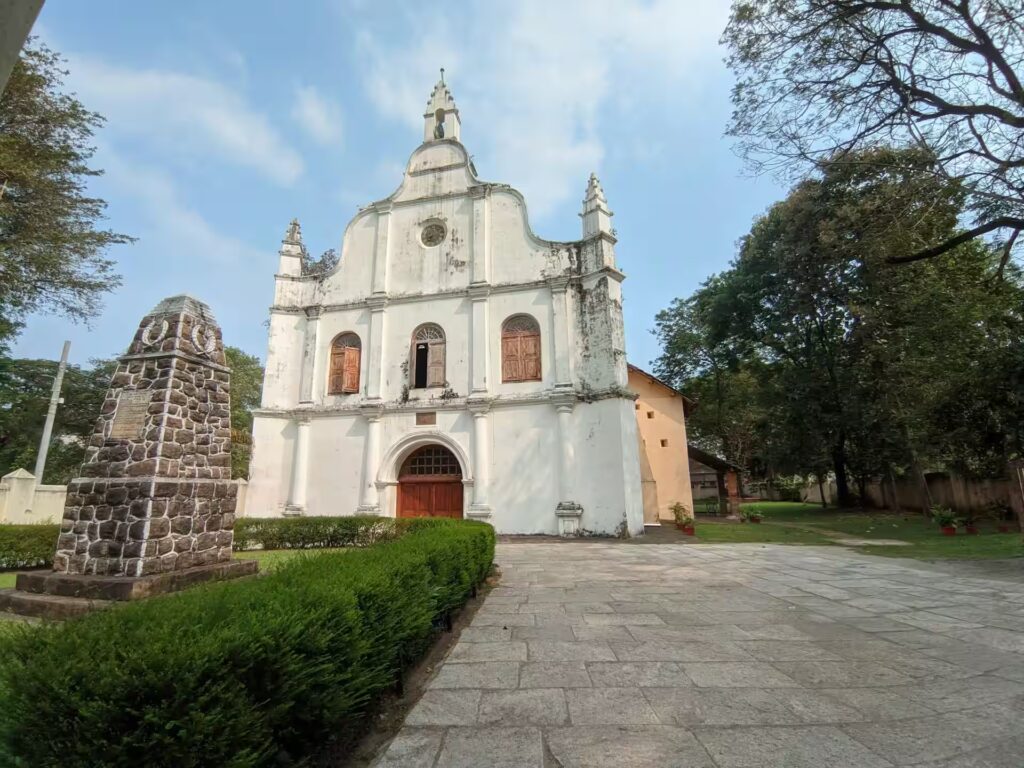
St. Francis CSI Church
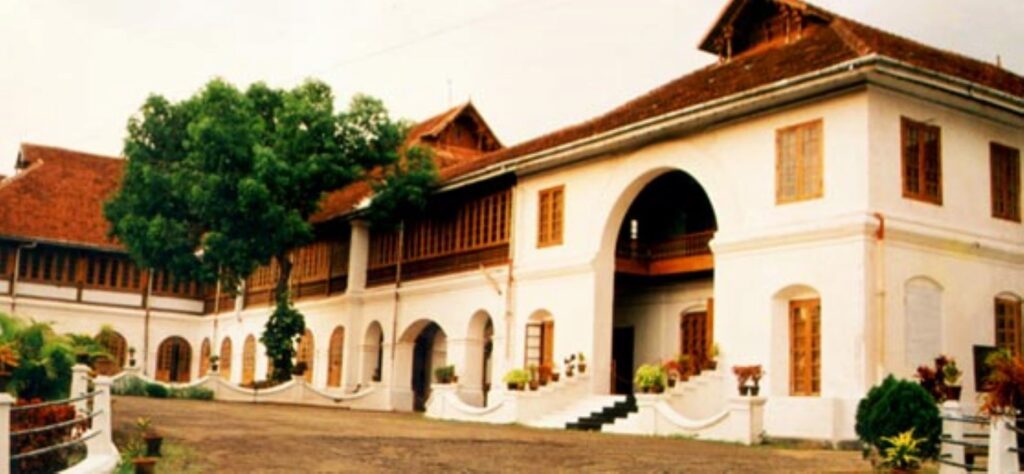
Hill Palace Museum
Discover by Interest
Beach
Beaches Destinations
Heritage
Heritage Destinations
Hill Stations
Hill Stations
Spiritual
Spiritual Destinations
Trekking
Trekking Hotspots
Wildlife
Wildlife Destinations
Frequently Asked Questions
Where is Lalgarh Palace located?
Lalgarh Palace is located in Bikaner in Rajasthan.
Who built Lalgarh Palace?
The palace was built by Maharaja Ganga Singh.
Why was Lalgarh Palace built?
It was built in memory of Maharaja Lal Singh.
Can visitors enter Lalgarh Palace?
Yes. Visitors can see the museum section of the palace.
What is Lalgarh Palace famous for?
The palace is known for its red sandstone architecture and royal history.