
Things To See & Do
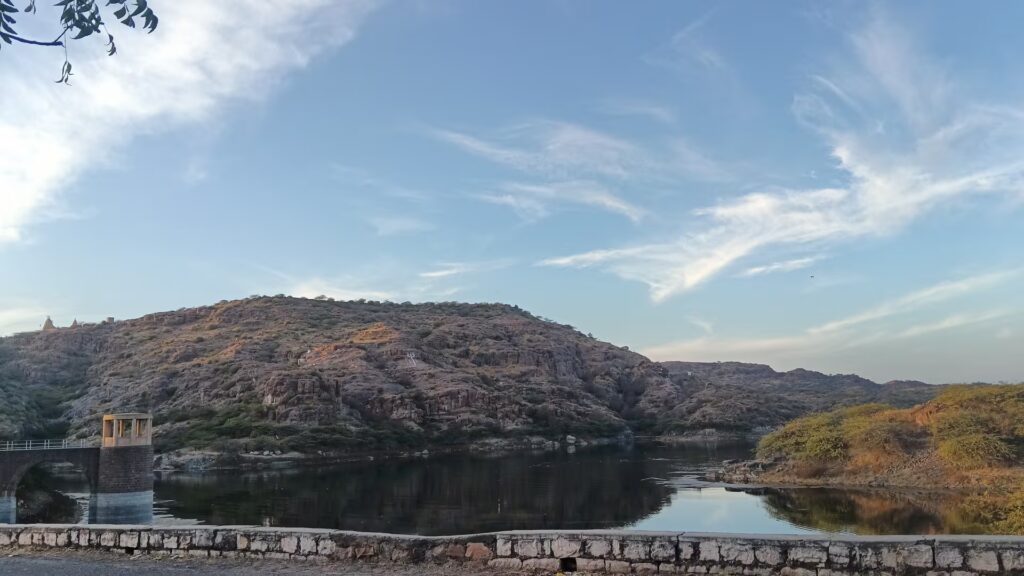
Kaylana Lake
Kaylana Lake in Jodhpur is a calm water body with rocky surroundings, birdlife, and sunset views on the city edge.
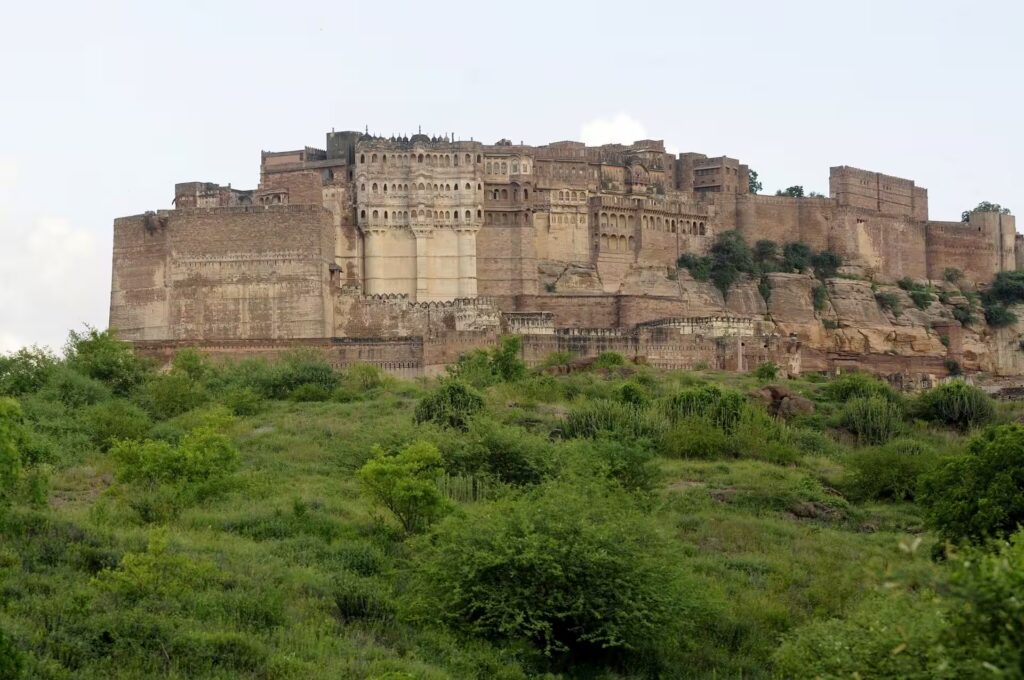
Rao Jodha Desert Rock Park
Rao Jodha Desert Rock Park near Mehrangarh shows desert plants, rocky trails, and restored land around the fort.
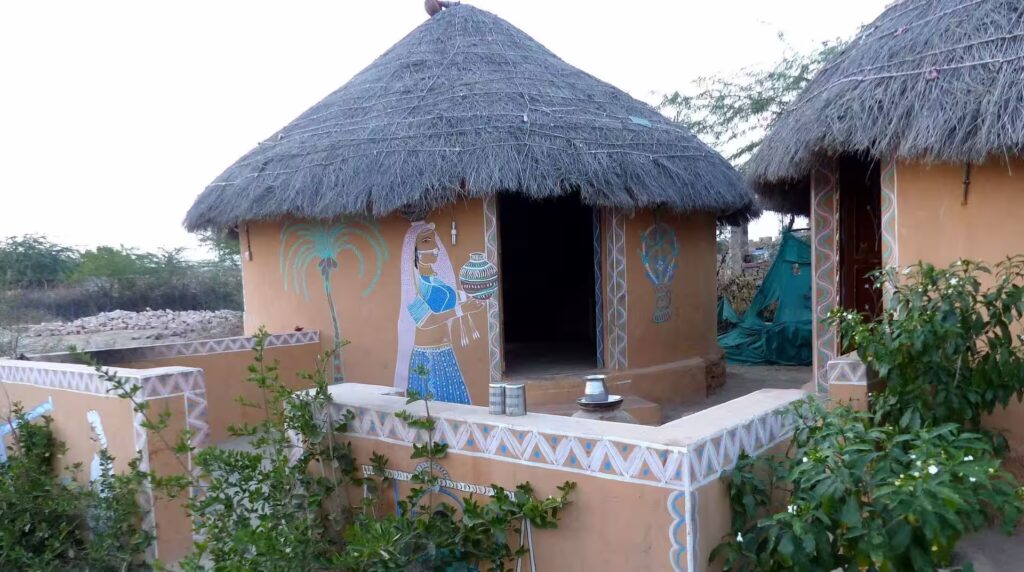
Bishnoi Village Safari
Bishnoi Village Safari near Jodhpur shows rural life, mud homes, wildlife, and traditions of the Bishnoi community.
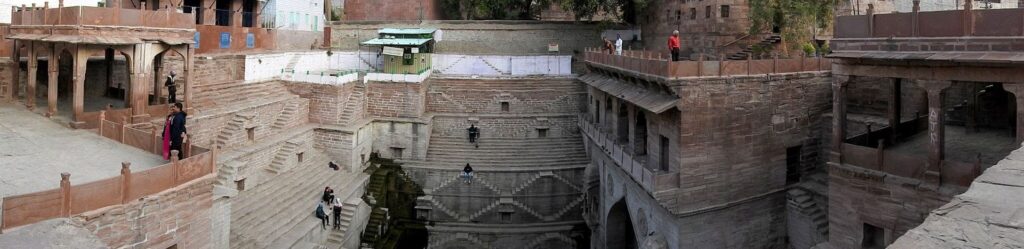
Toorji Ka Jhalra
Toorji Ka Jhalra in Jodhpur is a restored stepwell with deep stone steps, carved walls, and a quiet space in the old city.
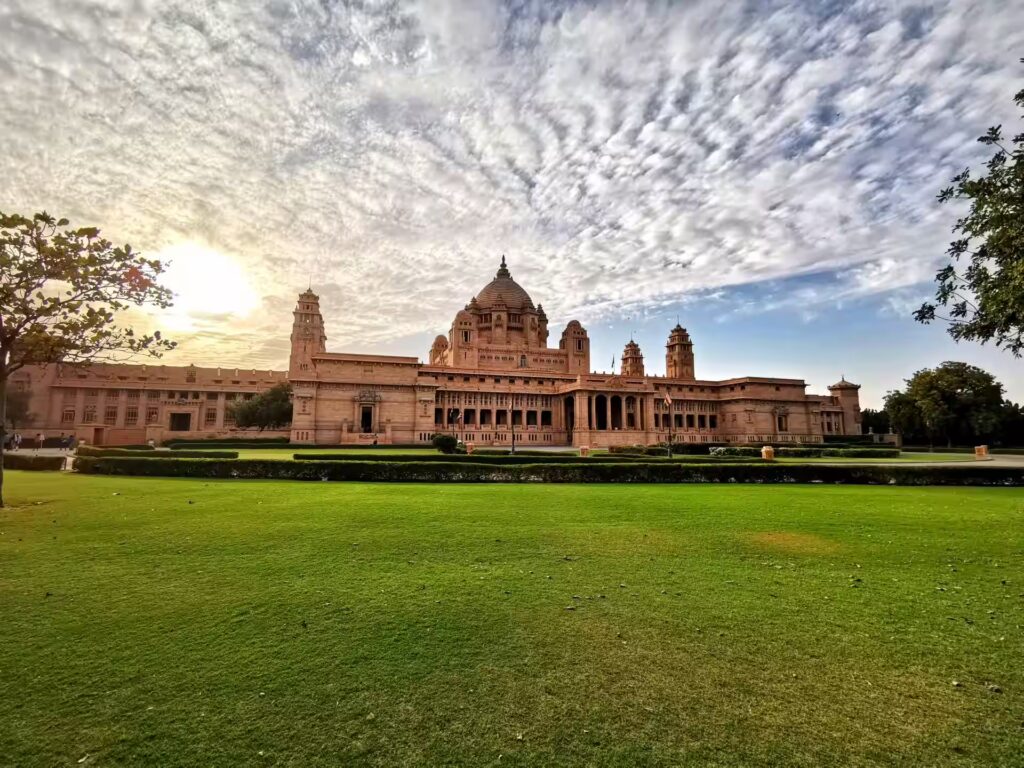
Umaid Bhawan Palace
Umaid Bhawan Palace in Jodhpur is a grand sandstone residence with royal rooms, museum spaces, and wide city views.
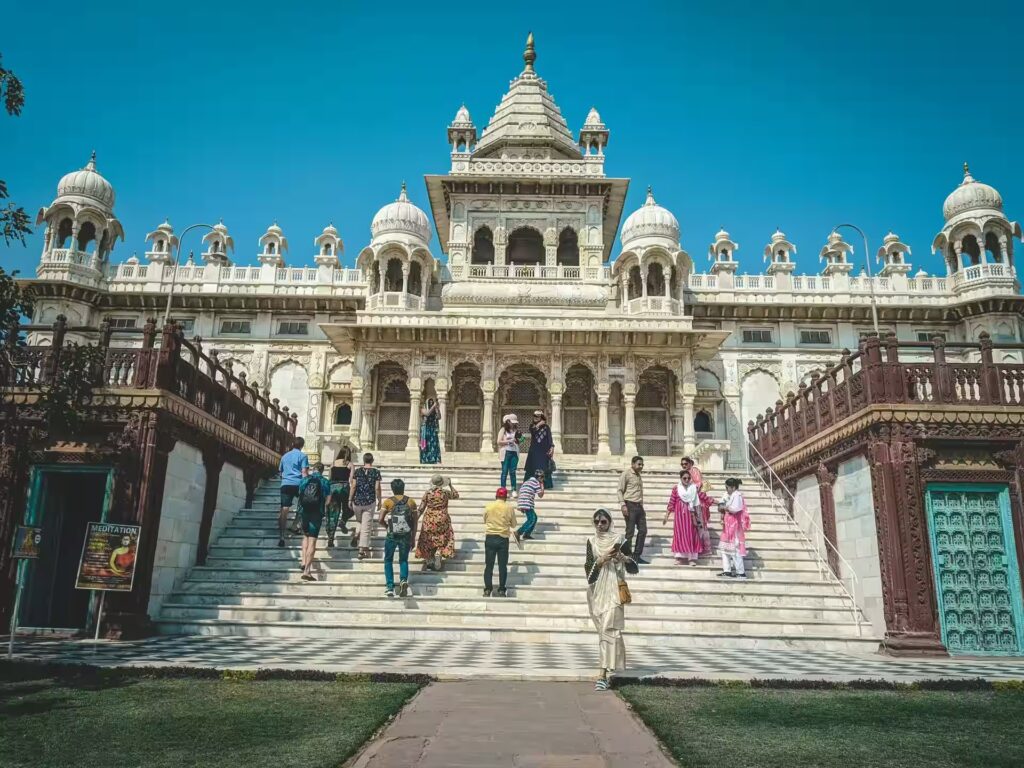
Jaswant Thada
Jaswant Thada in Jodhpur is a white marble cenotaph with carved screens, quiet gardens, and views near Mehrangarh Fort.
Rao Jodha Desert Rock Park
Rao Jodha Desert Rock Park near Mehrangarh shows desert plants, rocky trails, and restored land around the fort.
Umaid Bhawan Palace
Umaid Bhawan Palace in Jodhpur is a grand sandstone residence with royal rooms, museum spaces, and wide city views.
Jaswant Thada
Jaswant Thada in Jodhpur is a white marble cenotaph with carved screens, quiet gardens, and views near Mehrangarh Fort.
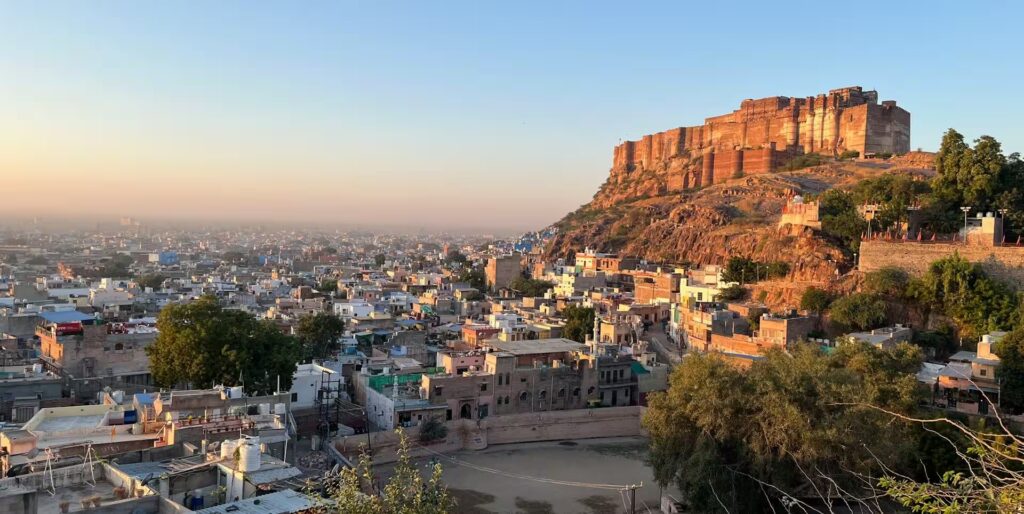
Mehrangarh Fort
Mehrangarh Fort rises above Jodhpur with massive walls, palace rooms, museum galleries, and wide views of the blue city.
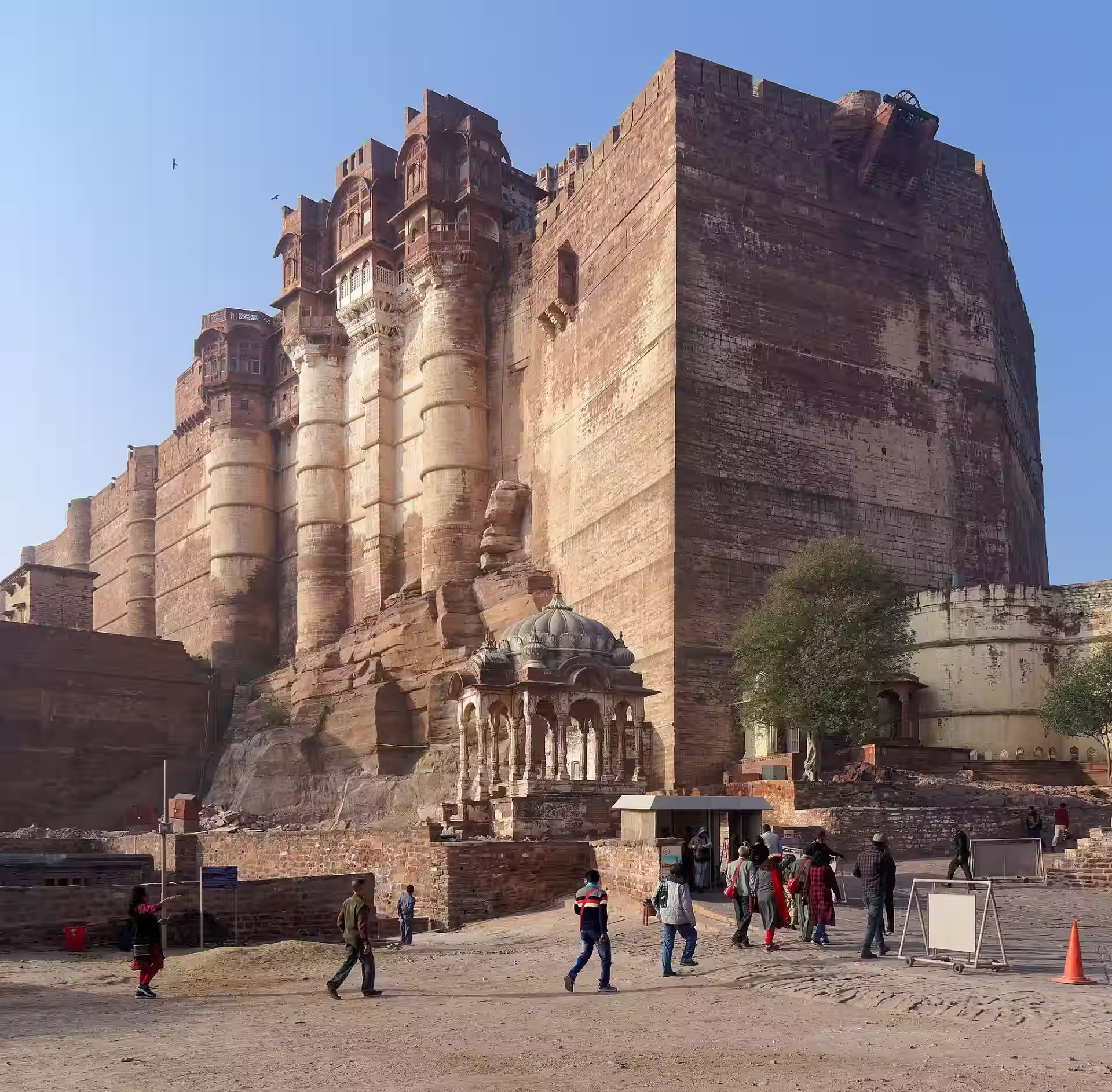
Zip Line at Mehrangarh
An exciting zip line ride offering aerial views of the fort walls, lakes, and the blue houses of Jodhpur.

Desert Jeep Safari
A thrilling jeep ride across the desert landscape around Jodhpur with village and dune views.
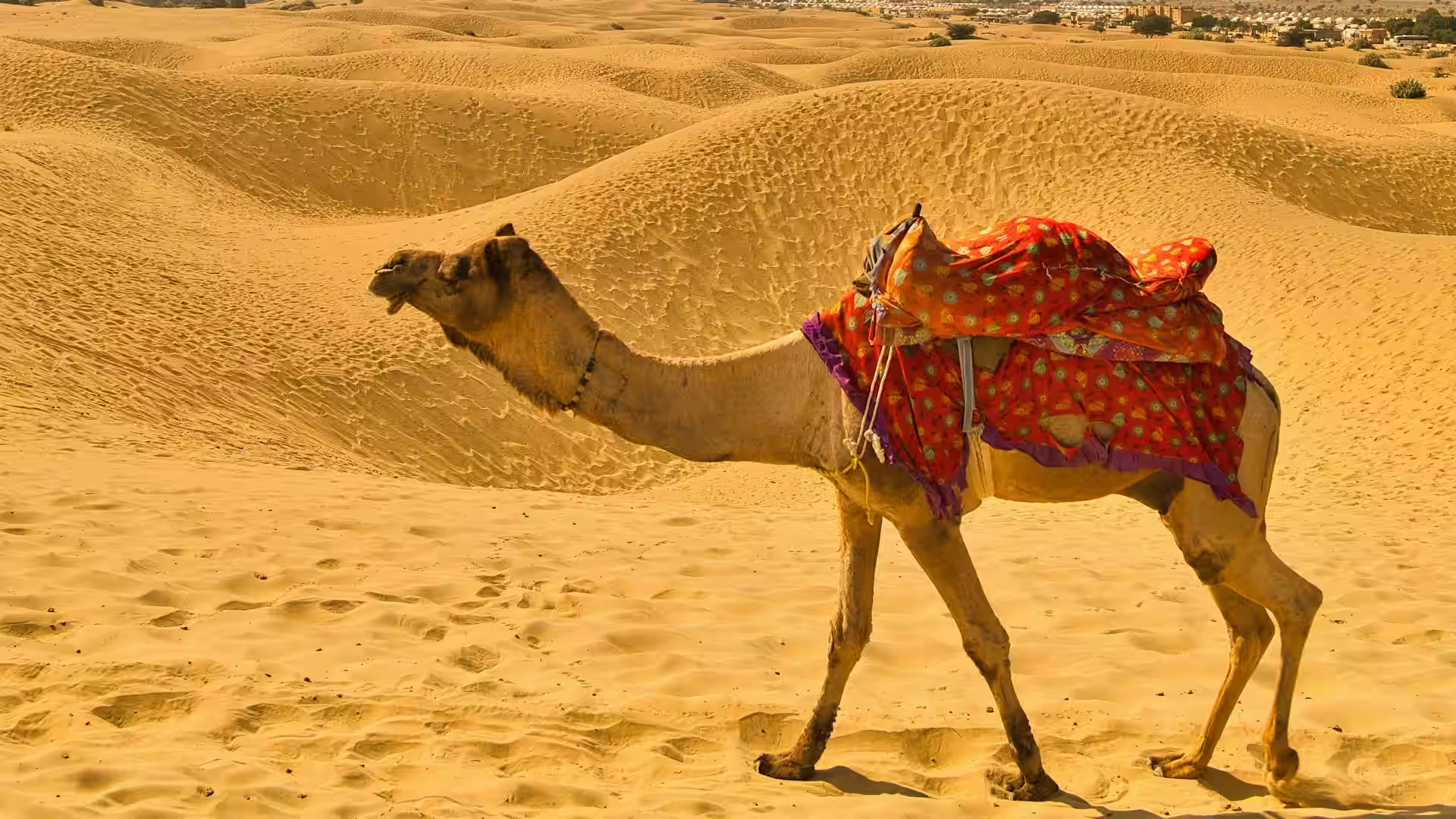
Camel Safari
Camel rides through desert trails and villages around.
About Jodhpur
Jodhpur is an old city in Rajasthan. Founded in 1459 by Rao Jodha. It grew around a big hilltop fortress. Later, it became a trade hub.
Mehrangarh Fort is the main thing you see. It sits high on a rocky hill. The view is wide. Inside, palaces, courtyards, museums, carvings. You can see the power of the Rathore rulers.
The old town is called the Blue City. Many houses are blue. Streets near the fort are narrow. People take photos. Others just walk and look.
Other sites show royal history. Umaid Bhawan Palace is huge. It is still a palace, a museum, a hotel. Jaswant Thada is close. Calm marble memorial for Maharaja Jaswant Singh.
The city shows desert culture too. Markets sell spices, textiles, handicrafts, shoes. Try Makhaniya Lassi and local snacks. Locals still like them.
Today, people come for forts, blue houses, palaces, markets. Some stop and watch life. Some just walk slowly. You notice colors, carvings, energy of the city.
Best Time to Visit Jodhpur
October to March
This is the most comfortable time. Days stay pleasant, evenings turn cool, and walking through the old city feels easy. Winter light makes the blue houses stand out beautifully.
April to June
Summer is harsh. Days are hot and dry. Sightseeing works best early morning and late evening. Fewer tourists mean quieter forts and markets if you can handle the heat.
July to September
Monsoon brings light rain and dust settling. The city looks fresher. Temperatures drop slightly. Fort views become dramatic with cloudy skies.
Festivals And Calendar
Rajasthan International Folk Festival – October A major music festival held at Mehrangarh Fort featuring folk musicians and artists from India and around the world.
Jan
Feb
Mar
Apr
May
Jun
Jul
Aug
Sep
Oct
Nov
Dec
Best
Good
Fair
poor
Near by Places
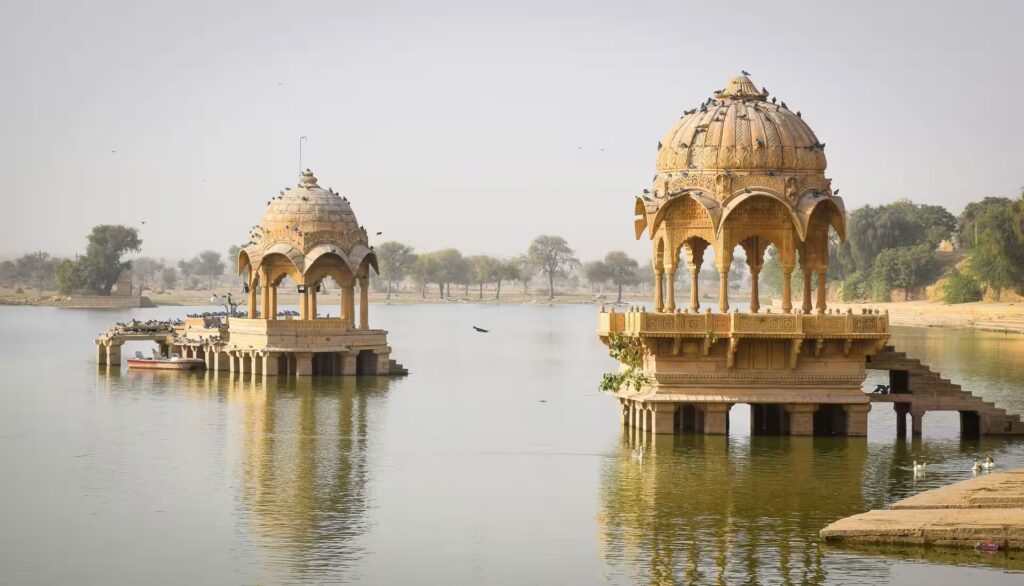
Jaisalmer
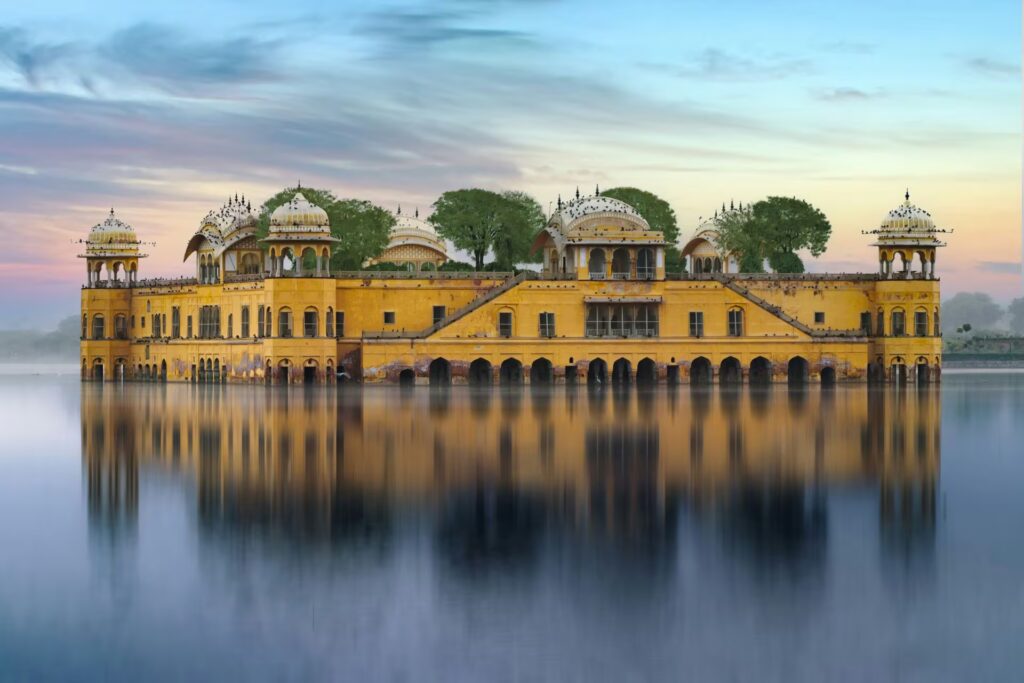
Jaipur
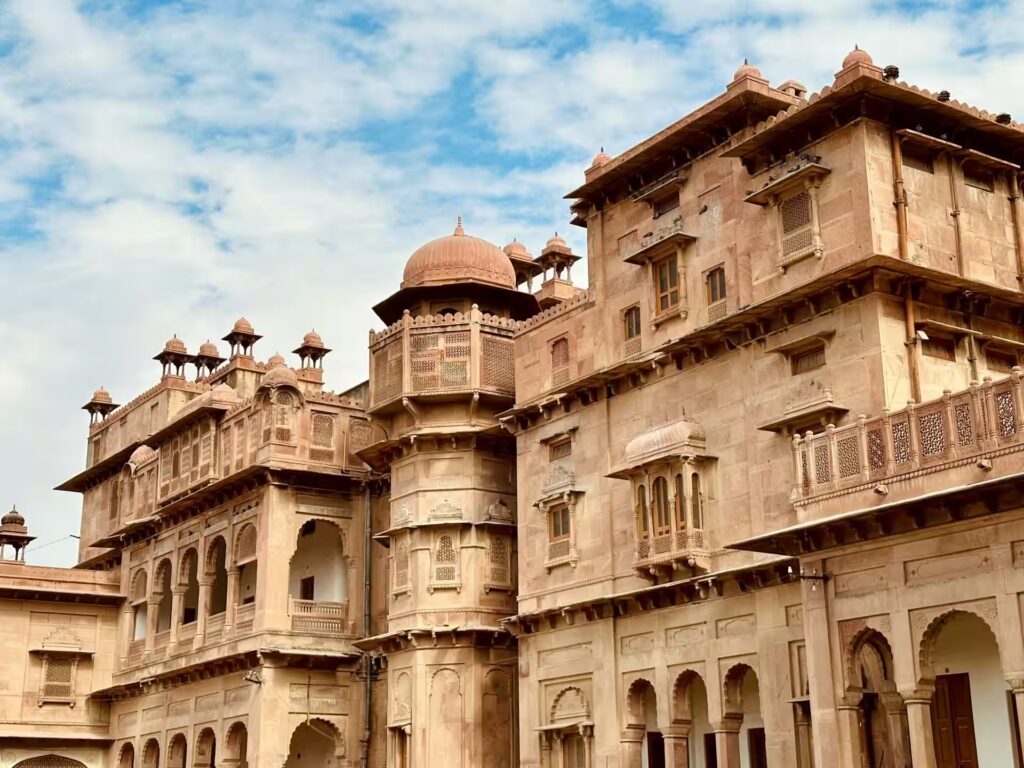
Bikaner
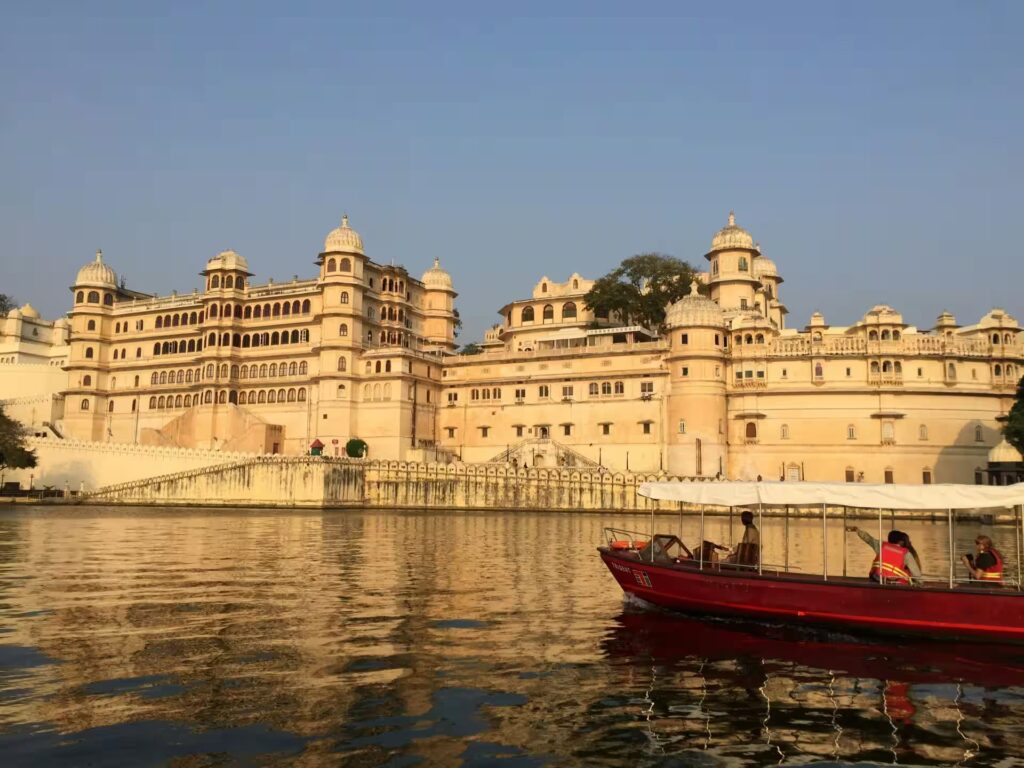
Udaipur
Similar Places to Visit
Baroda Museum
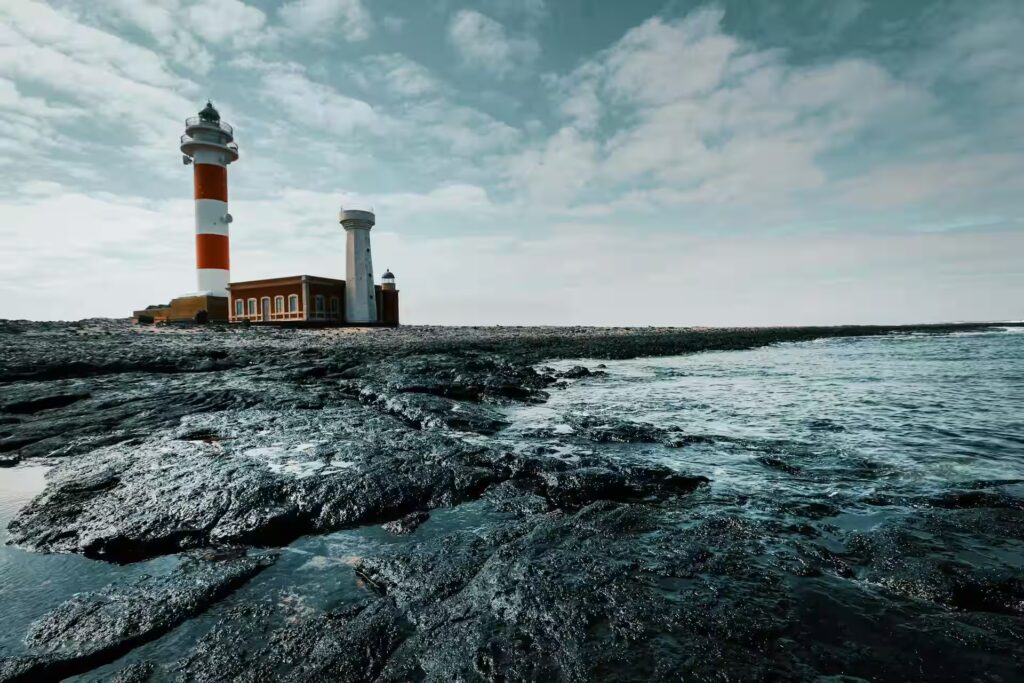
Alappuzha Lighthouse
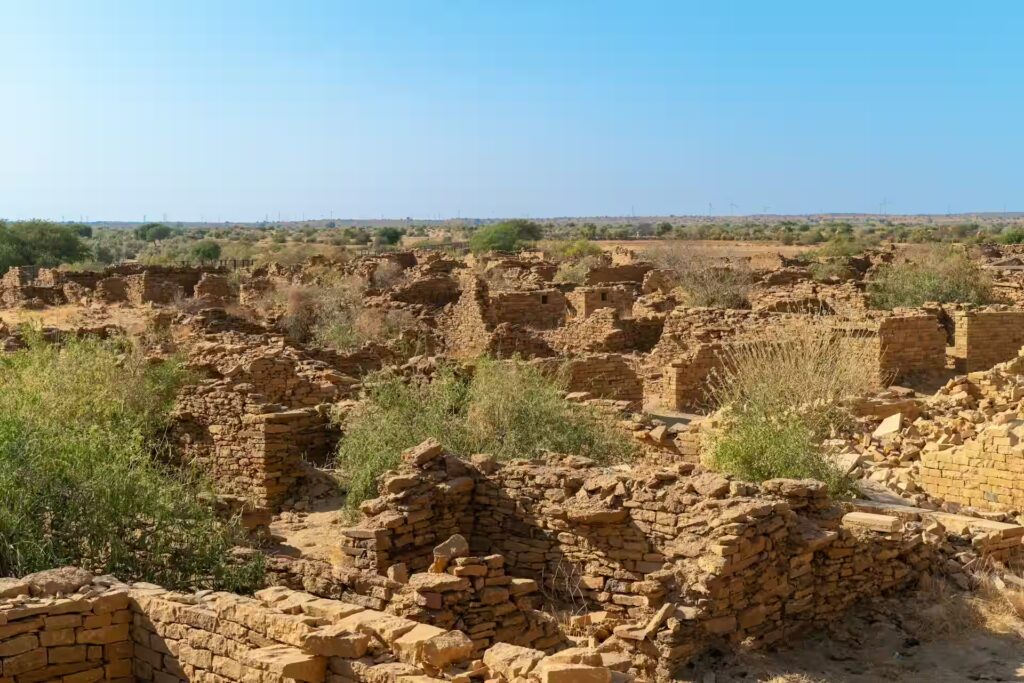
Kuldhara Village
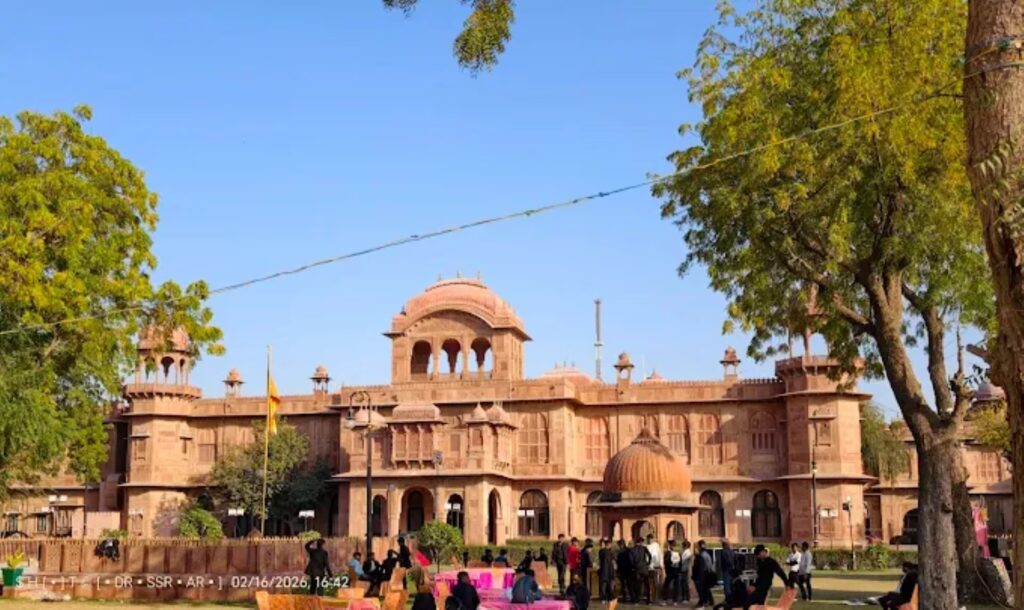
Lalgarh Palace
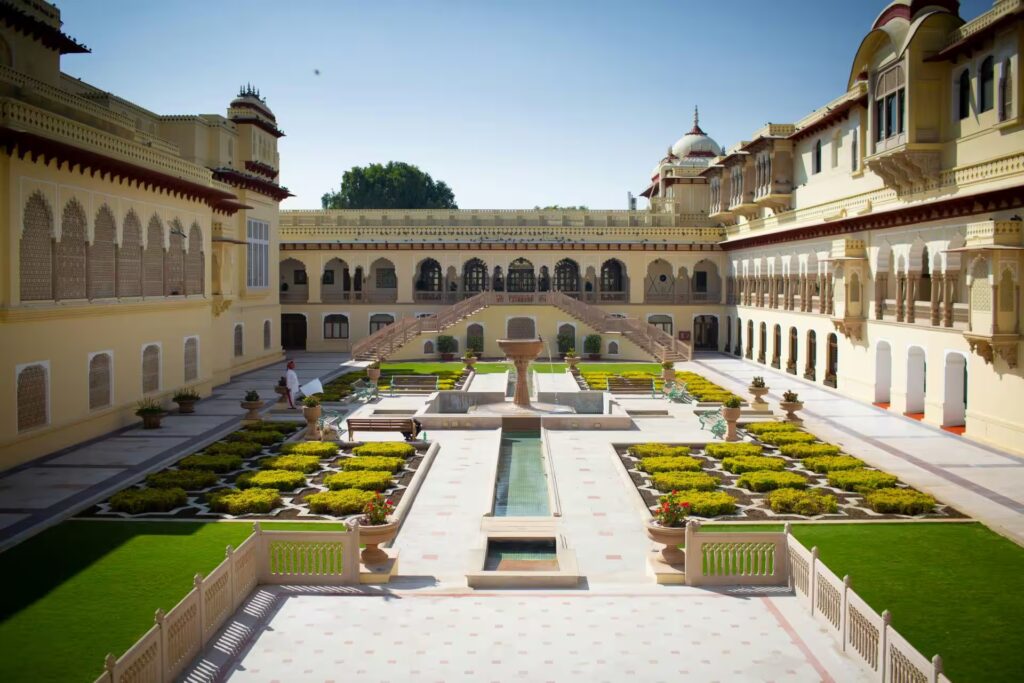
Rambagh Palace
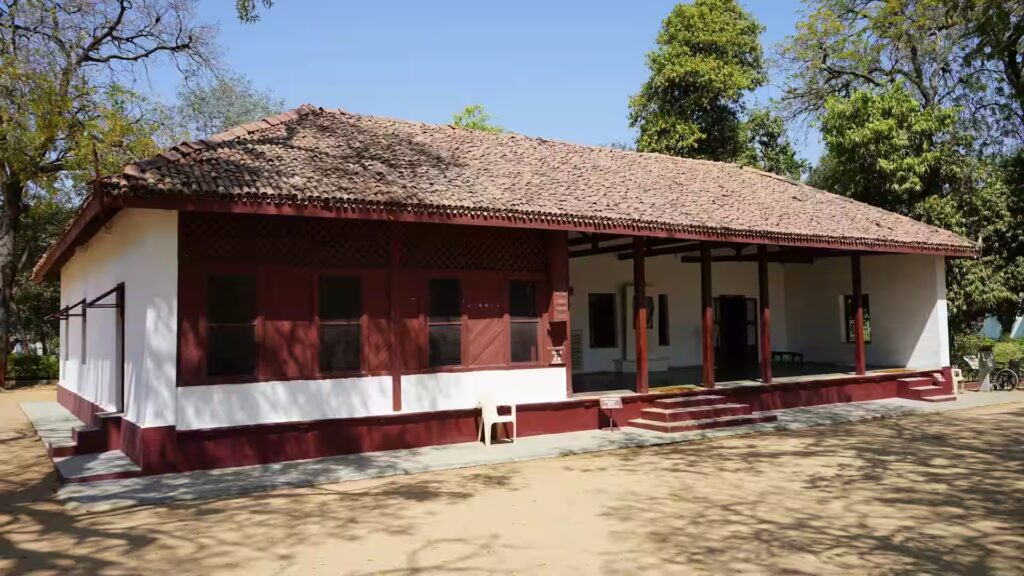
Sabarmati Ashram
Discover by Interest
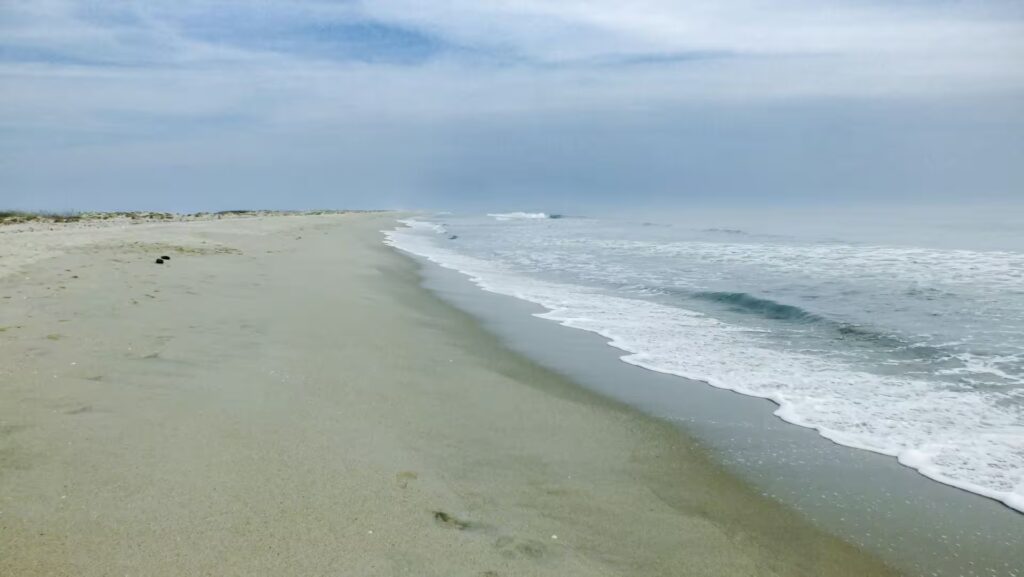
Beach
Beaches Destinations
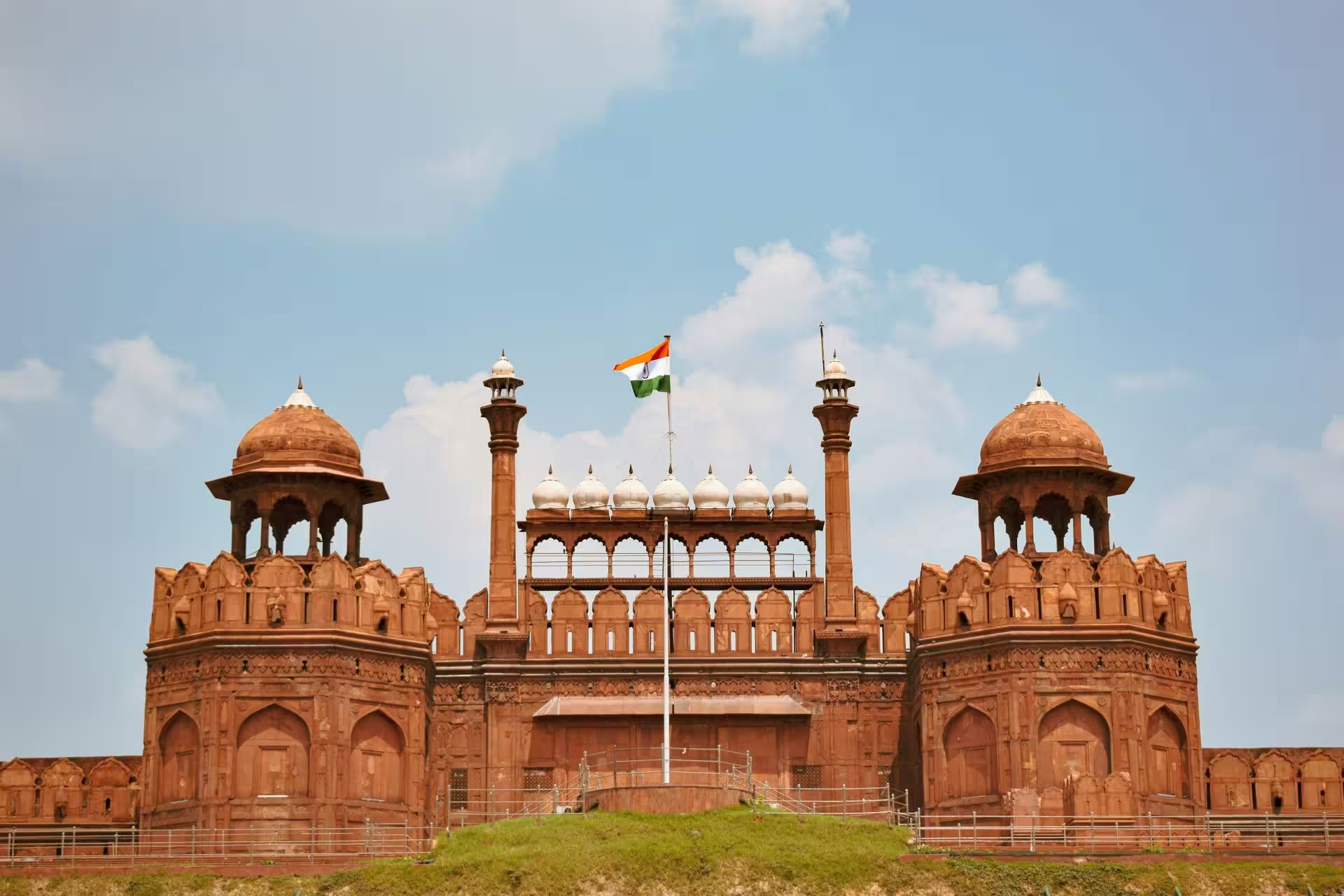
Heritage
Heritage Destinations
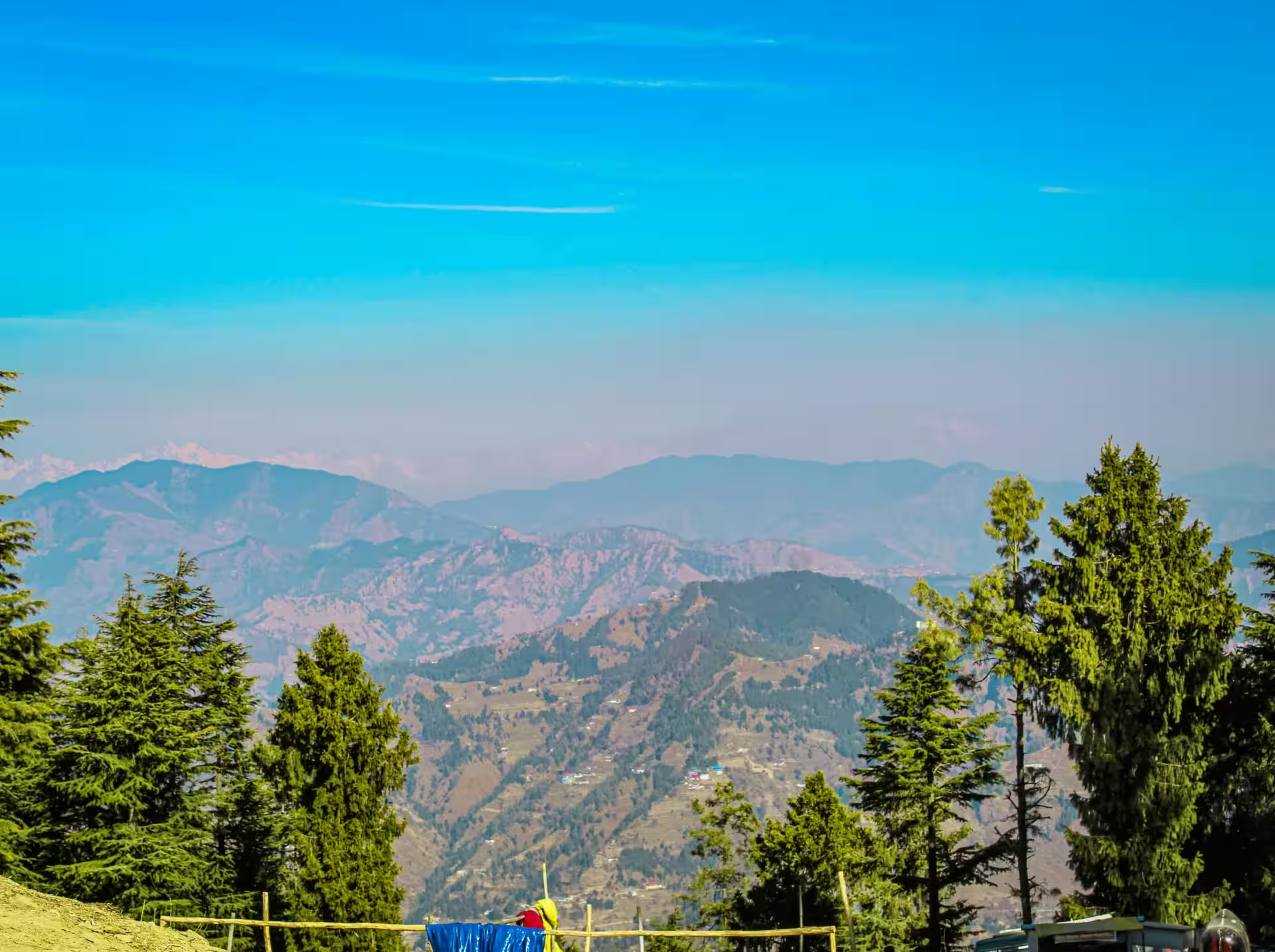
Hill Stations
Hill Stations
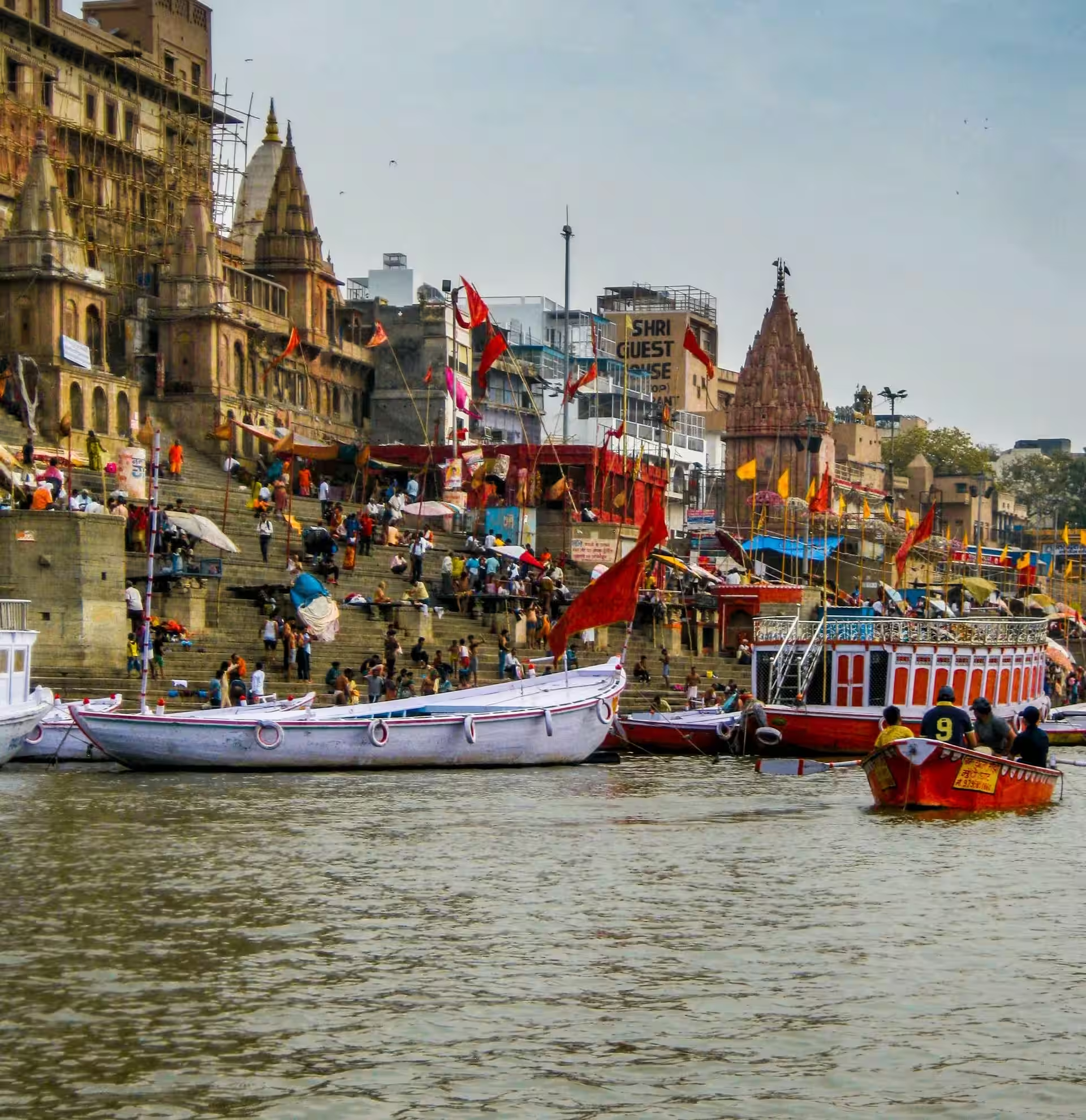
Spiritual
Spiritual Destinations
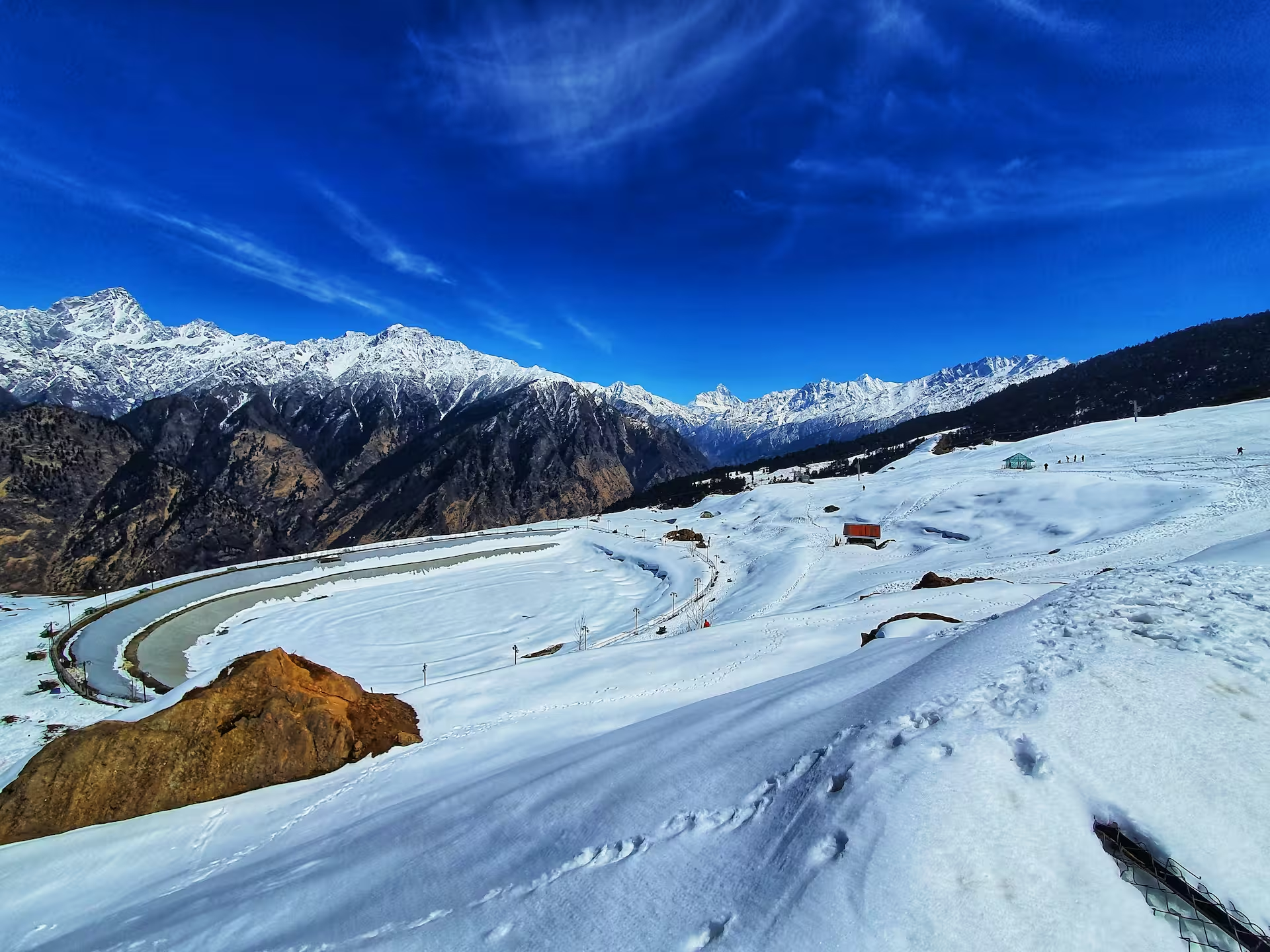
Trekking
Trekking Hotspots
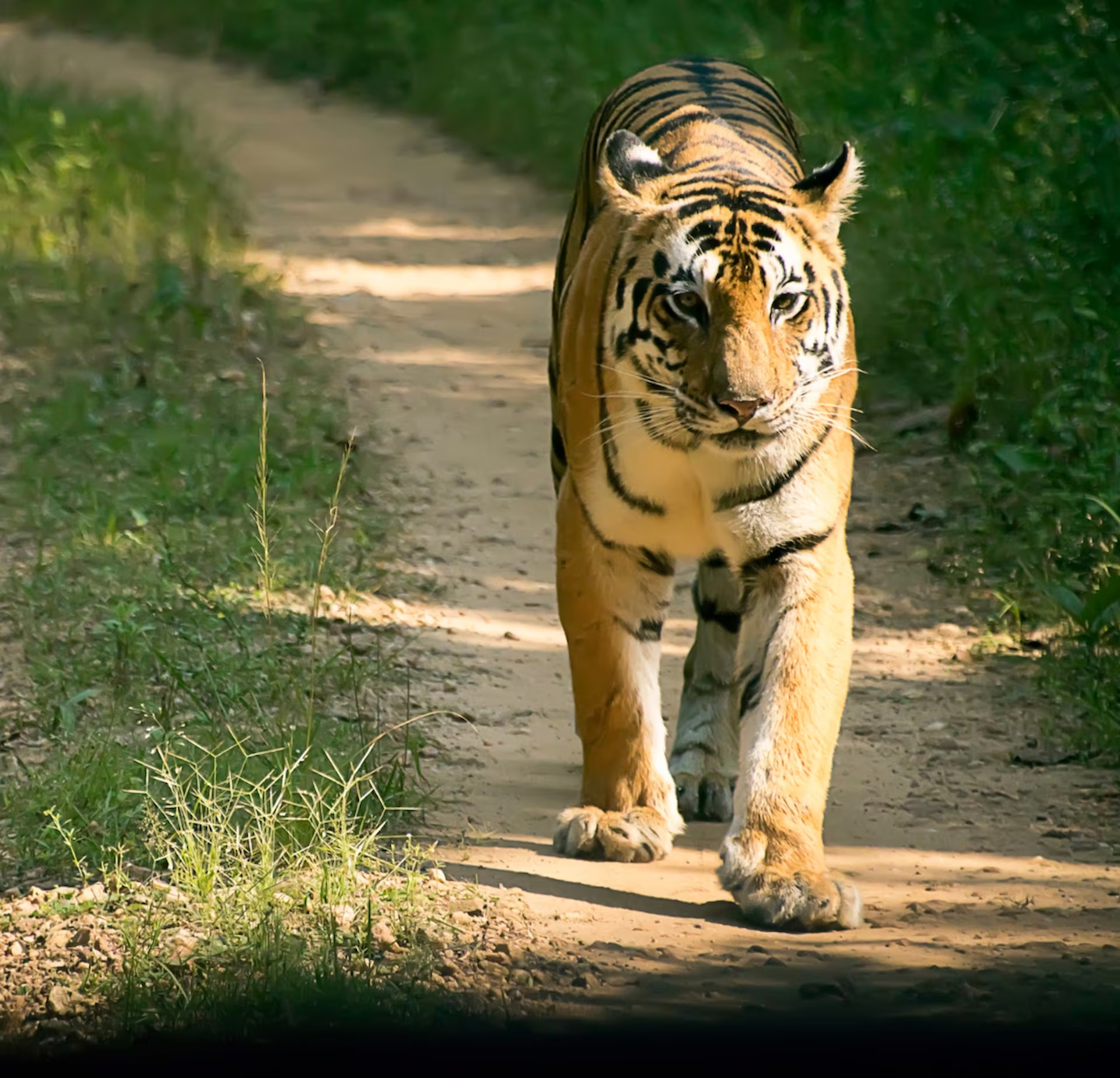
Wildlife
Wildlife Destinations
Frequently Asked Questions
Why is Jodhpur called the Blue City?
Many houses in the old part of Jodhpur are painted blue. These homes sit around Mehrangarh Fort. The blue color gives the city its well known name.
What is Jodhpur famous for?
Jodhpur is known for its large hilltop fort, old markets, and historic palaces. Famous places include Mehrangarh Fort, Umaid Bhawan Palace, and Jaswant Thada.
What is the best time to visit Jodhpur?
October to March is the best time. The weather stays cooler and more comfortable for sightseeing.
How many days are enough for Jodhpur?
Two days are usually enough to visit the main attractions, local markets, and historic sites.
What local food should I try in Jodhpur?
You can try Dal Baati Churma, Mirchi Bada, and Makhaniya Lassi.