
Overview
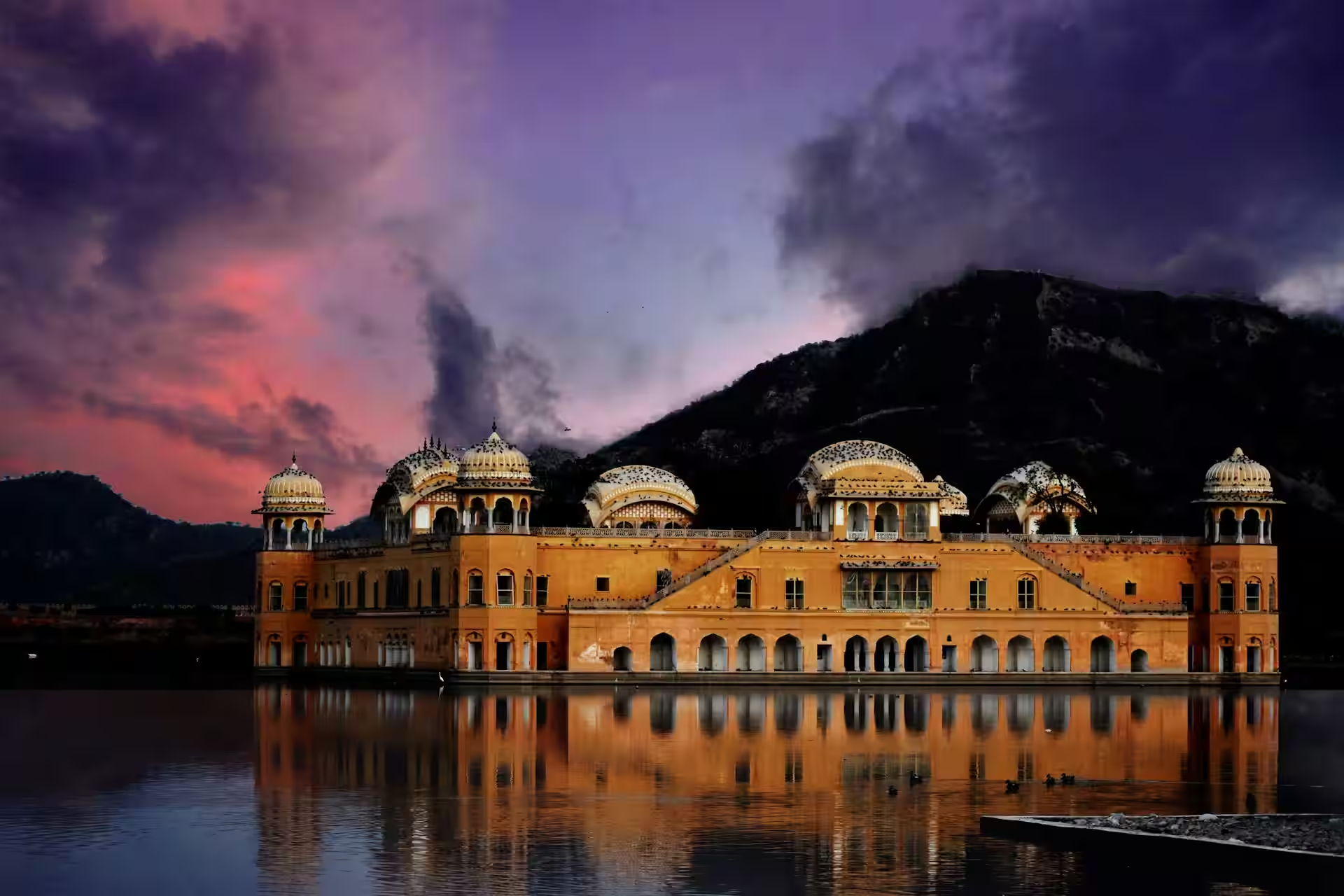
Jal Mahal is a beautiful palace located in the middle of Man Sagar Lake in Jaipur. The palace appears to float on the water and is one of the most photographed places in the city.
Jal Mahal was built during the 18th century by Maharaja Sawai Jai Singh II. The structure was used as a royal retreat and a place for hunting trips in the surrounding area.
The palace shows Rajput style architecture with red sandstone walls and detailed design work. Although the building has five floors, only the top floor remains visible above the water when the lake is full.
Today Jal Mahal is a popular sightseeing spot in Jaipur. Visitors usually enjoy the view of the palace from the lakeside road.
Open Hours
- Open Days: All days of the week
- Viewing Time: Open throughout the day from the lakeside area
Visitors cannot enter the palace building. It can only be viewed from the road near the lake.
Entry Fee - Indians vs Foreigners
| Category | Ticket Price (INR) |
|---|---|
| Visitors | Free |
What To Expect
Palace in the Middle of the Lake
Jal Mahal stands in the center of Man Sagar Lake. The calm water around the palace creates a beautiful reflection.
Peaceful Lake View
The area around the lake is quiet compared to the busy city streets.
Sunset Views
Many visitors come here during sunset. The palace and the surrounding hills look beautiful in the evening light.
Photography Spot
The lakeside area offers a good view of the palace. It is a popular location for photos.
Tips
- Visit during sunset for the best view.
- Bring a camera for photos of the palace and lake.
- Parking areas are available near the lakeside road.
- Street shops nearby sell local snacks and souvenirs.
- Respect the environment and avoid littering.
About Jal Mahal
Jal Mahal was built as a palace within Man Sagar Lake. The structure sits in the middle of the water and stays apart from the city. This setting gave the royal family a quiet place away from daily activity. The design follows Rajput style with some Mughal elements.
The building has five levels built in a steady vertical form. When the lake fills, most of the structure stays under water. Only the upper floor and terrace remain visible above the surface. The water line shifts with the seasons and changes how much of the palace can be seen.
Over time the lake and palace faced damage from pollution and lack of care. The water quality fell and the surroundings lost their earlier condition. Later, restoration work was carried out to clean the lake and repair the area. These efforts helped improve the setting and protect the structure.
Today Jal Mahal stands as an important landmark of Jaipur. It draws visitors who come to sit by the edge and look across the water. The place offers a calm lake view within the city.
Detailed Information
| Detail | Information |
|---|---|
| Built by | Sawai Jai Singh II |
| Location | Man Sagar Lake, Jaipur |
| Year Built | 18th Century |
| Architectural Style | Rajput Architecture |
| Material Used | Red Sandstone |
| Floors | Five storeys (four remain underwater) |
| Famous For | Palace located in the middle of a lake |
| City | Jaipur, Rajasthan |
Near by Places
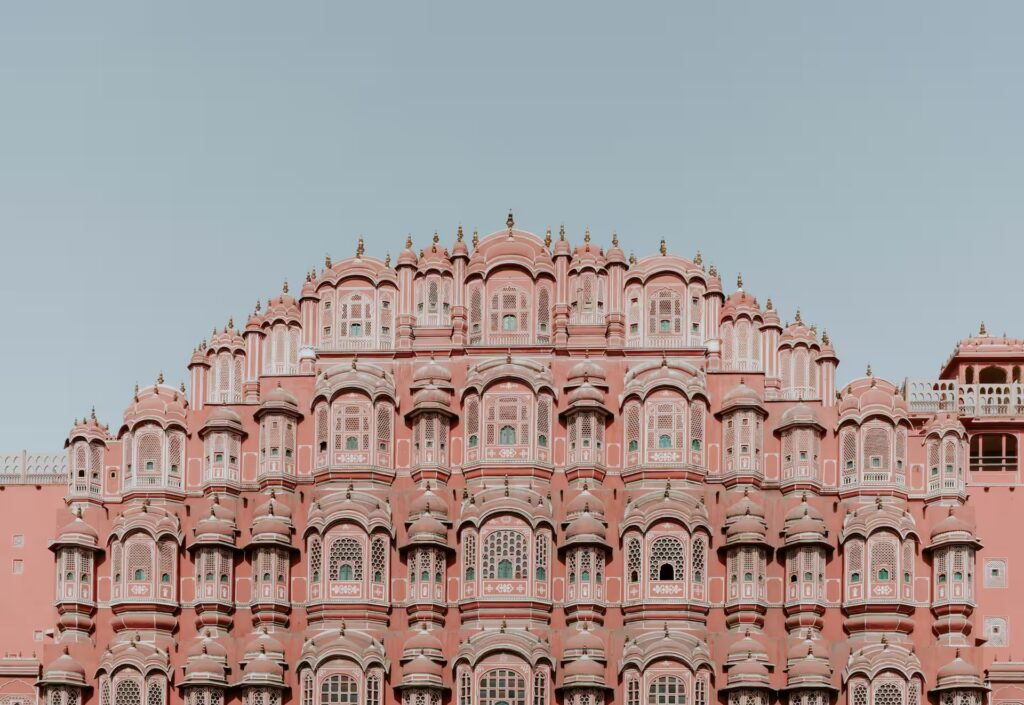
Hawa Mahal
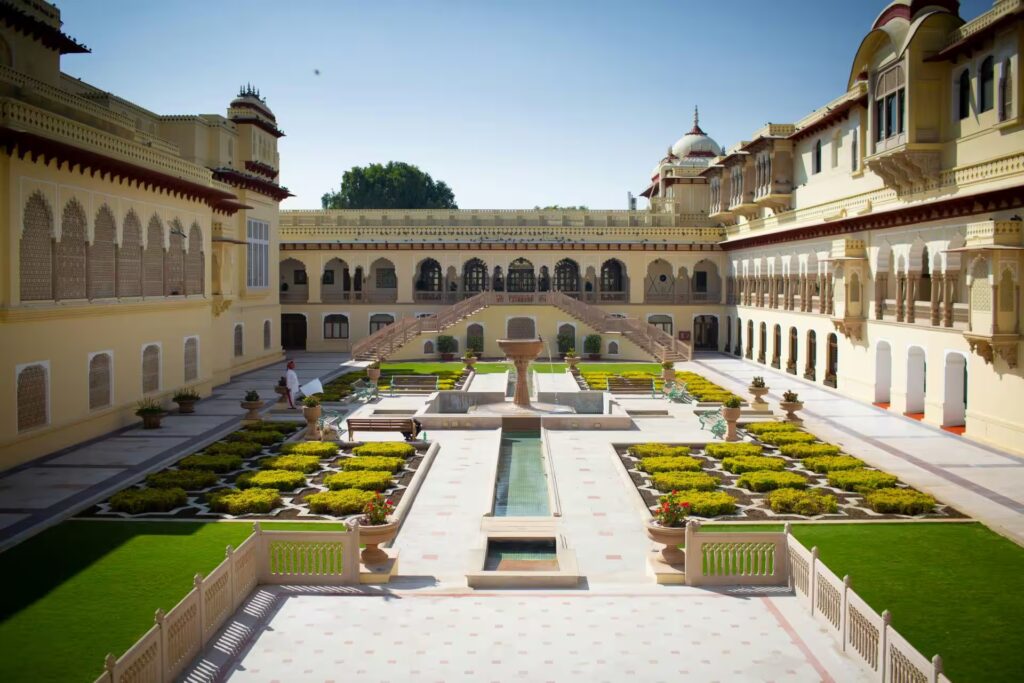
Rambagh Palace
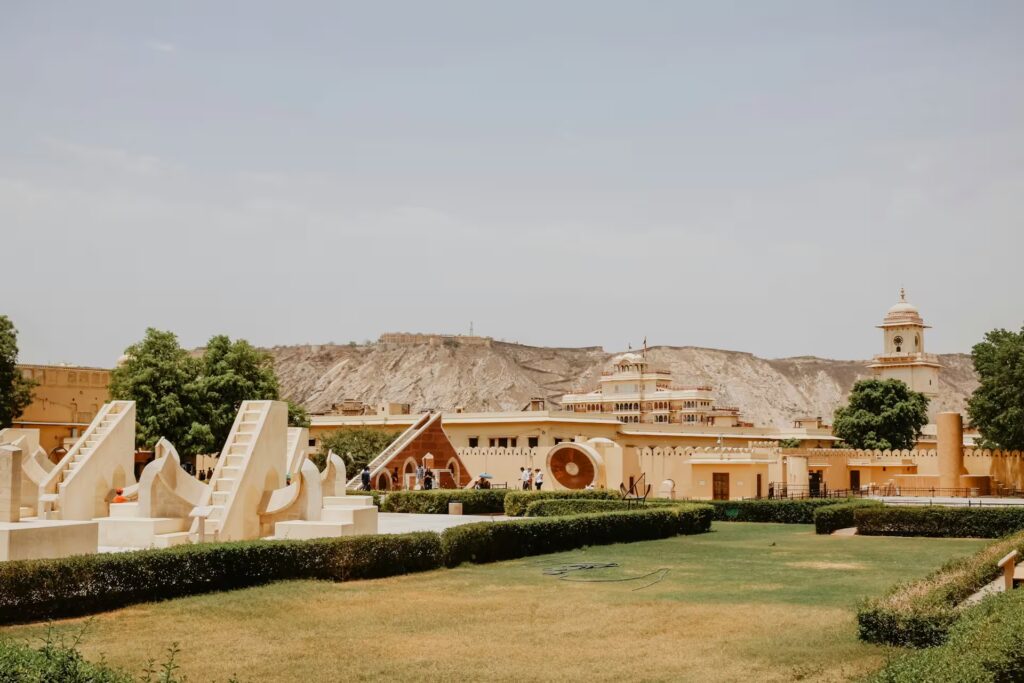
Jantar Mantar
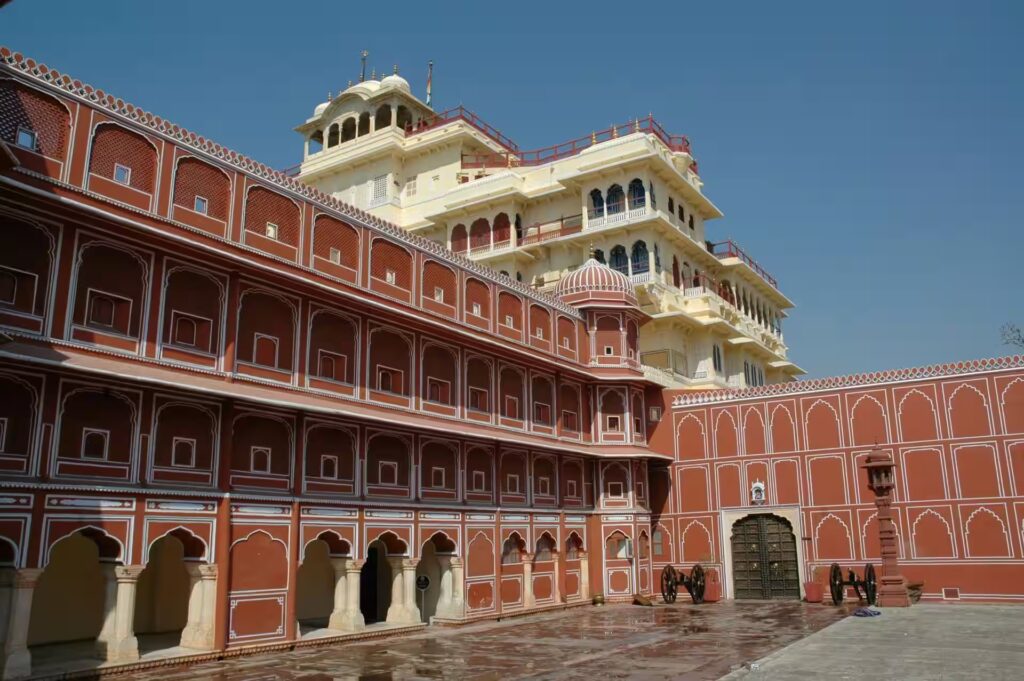
Jaipur City Palace
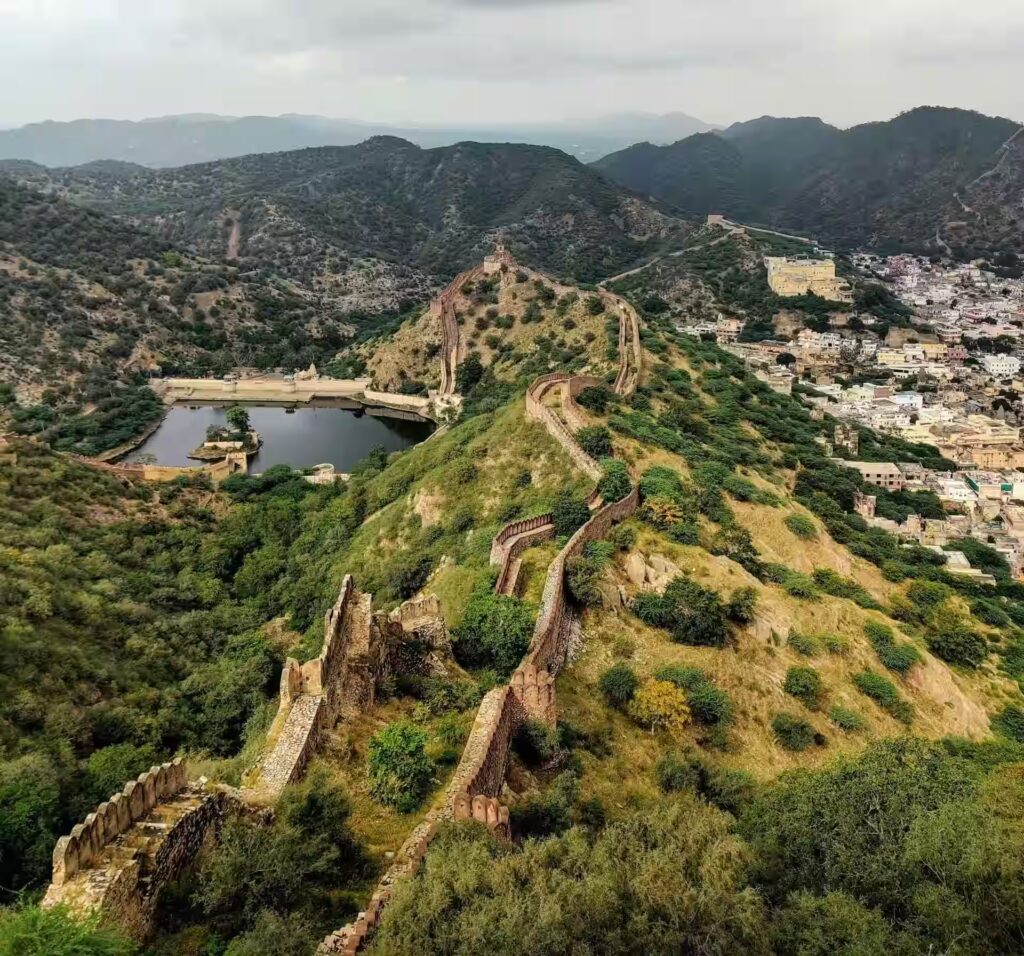
Jaigarh Fort
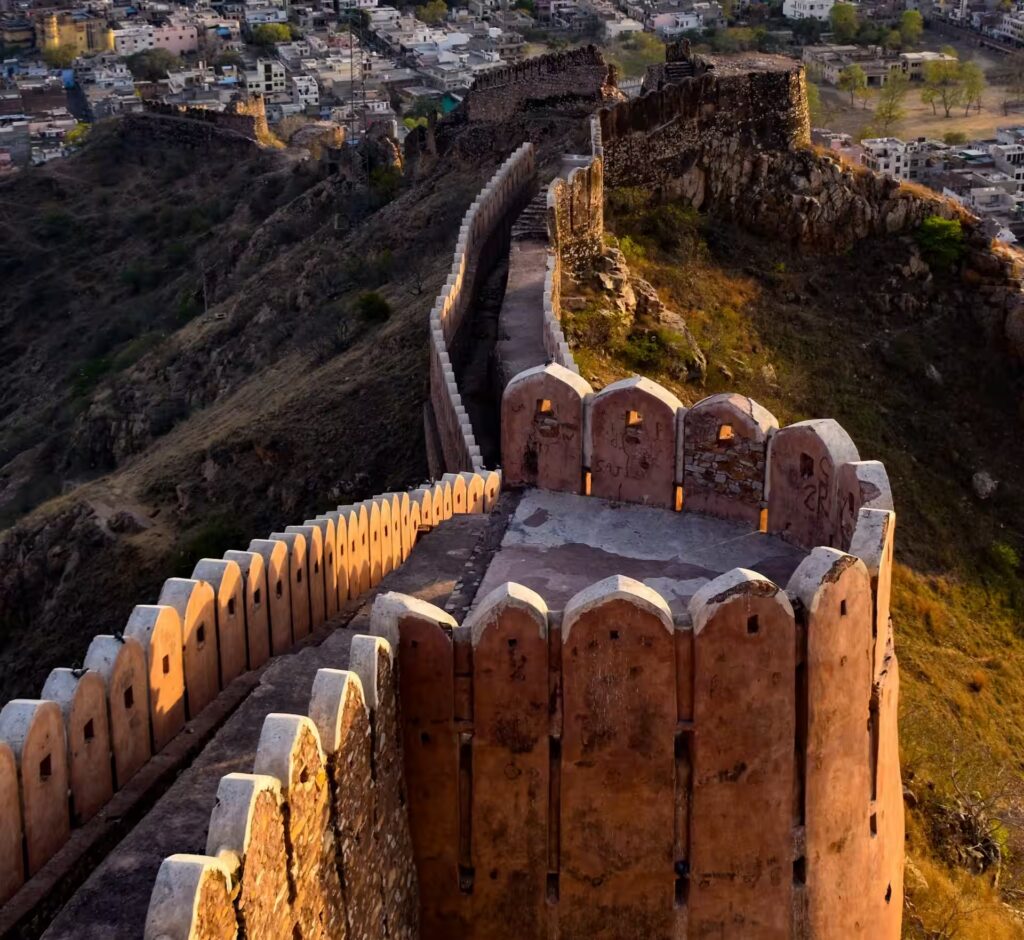
Nahargarh Fort
Similar Places to Visit
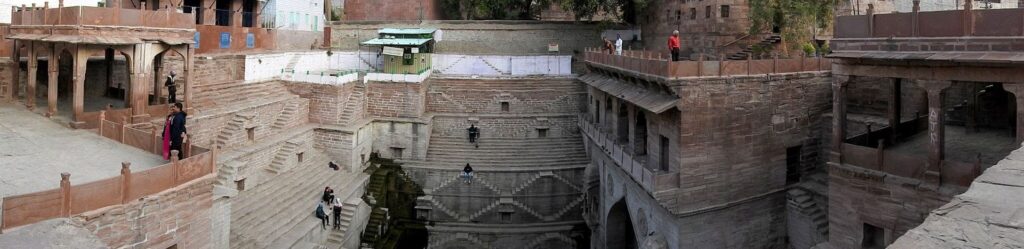
Toorji Ka Jhalra
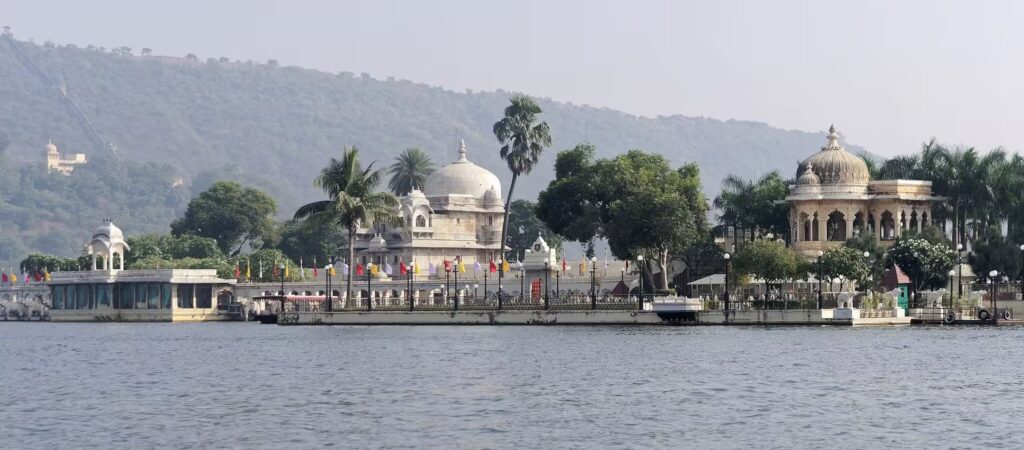
Jag Mandir Palace
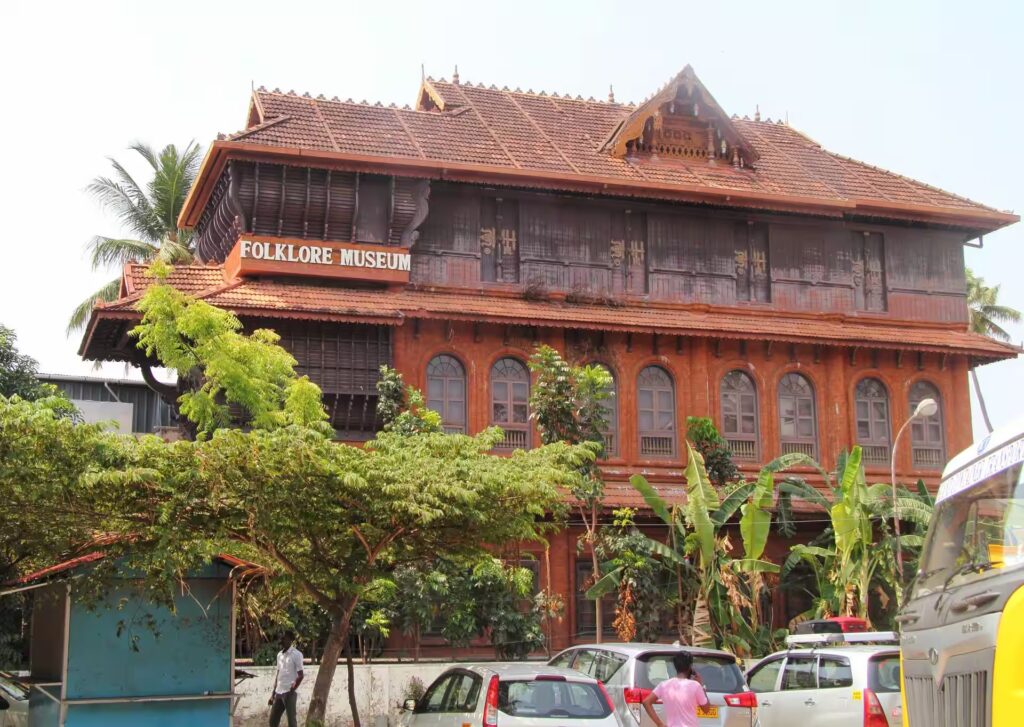
Kerala Folklore Museum
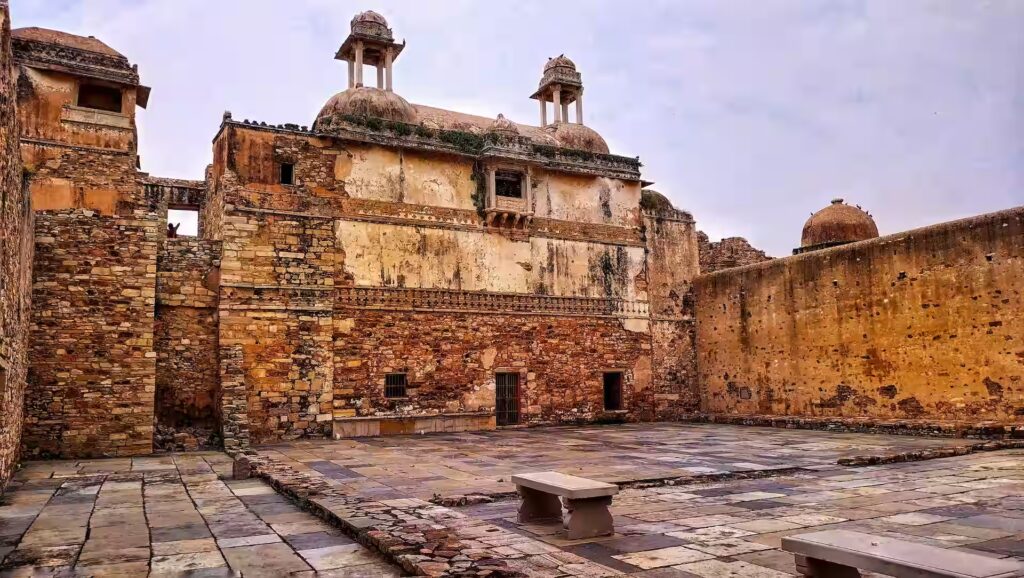
Chittorgarh Fort
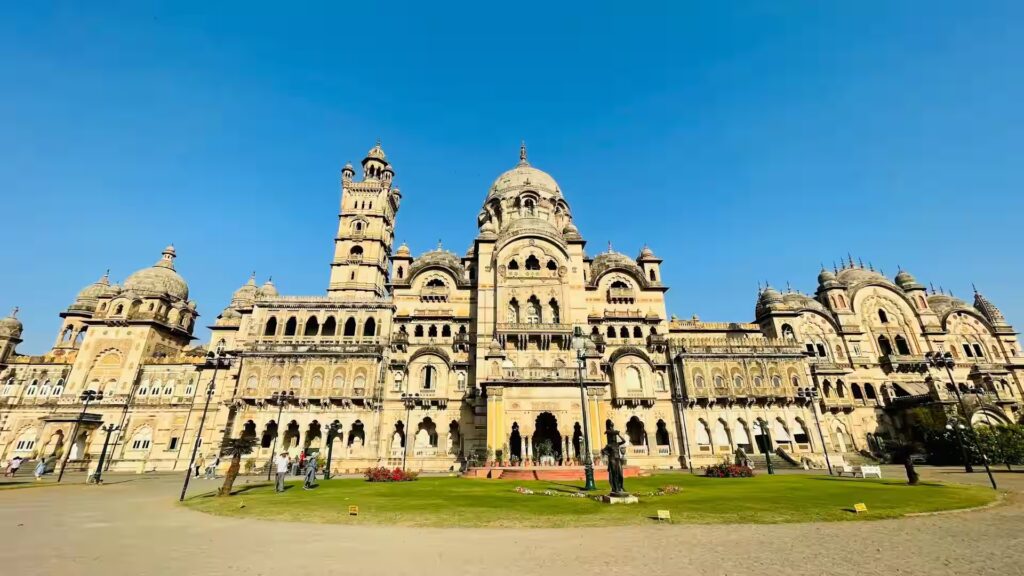
Laxmi Vilas Palace
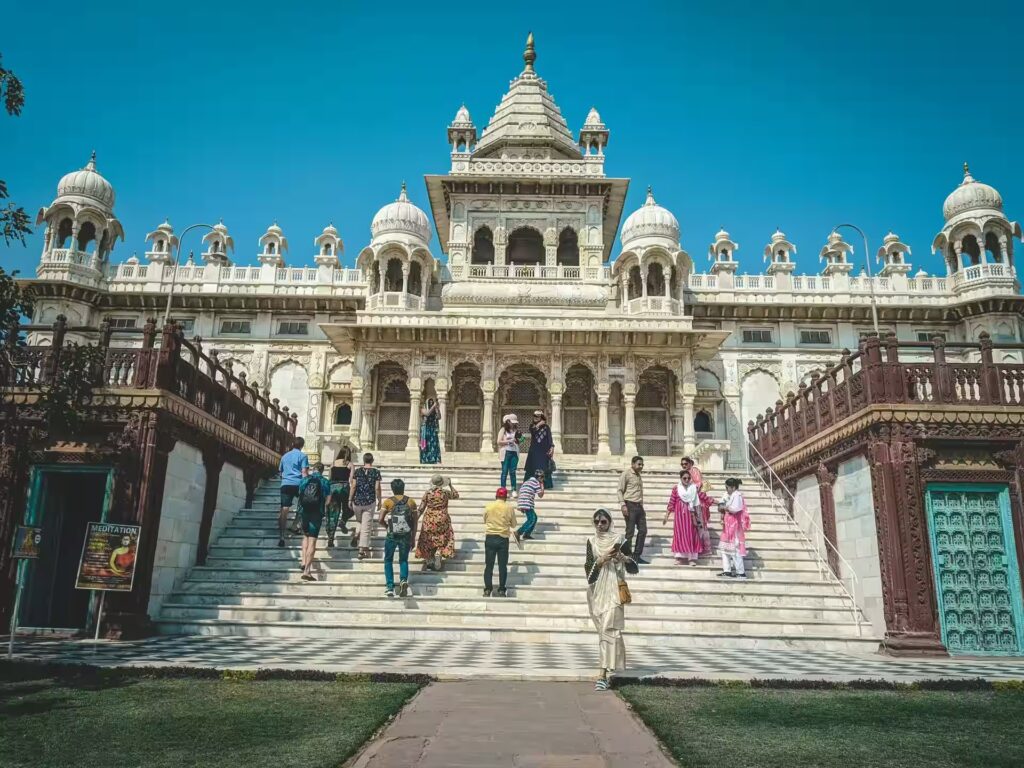
Jaswant Thada
Discover by Interest
Beach
Beaches Destinations
Heritage
Heritage Destinations
Hill Stations
Hill Stations
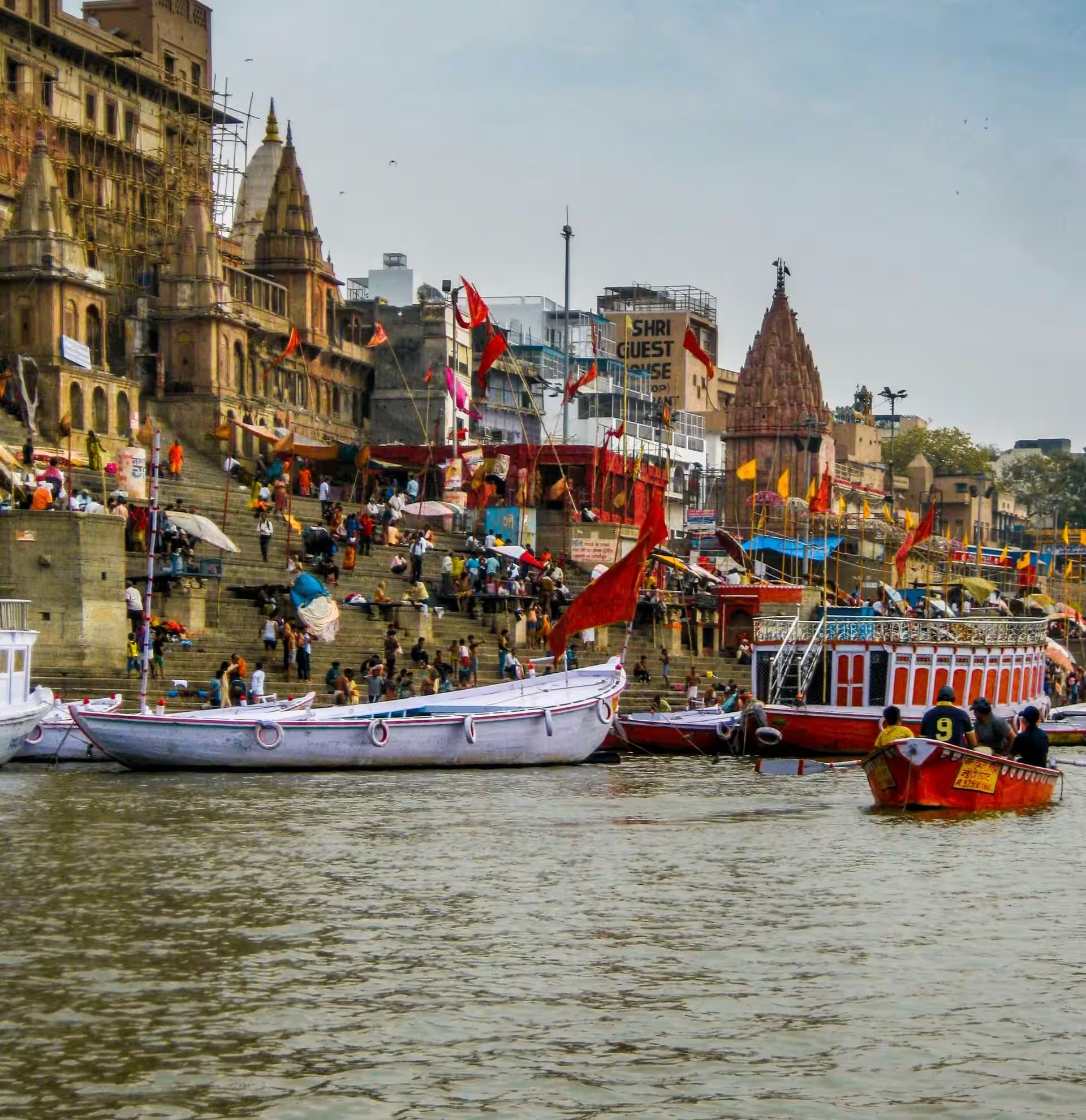
Spiritual
Spiritual Destinations
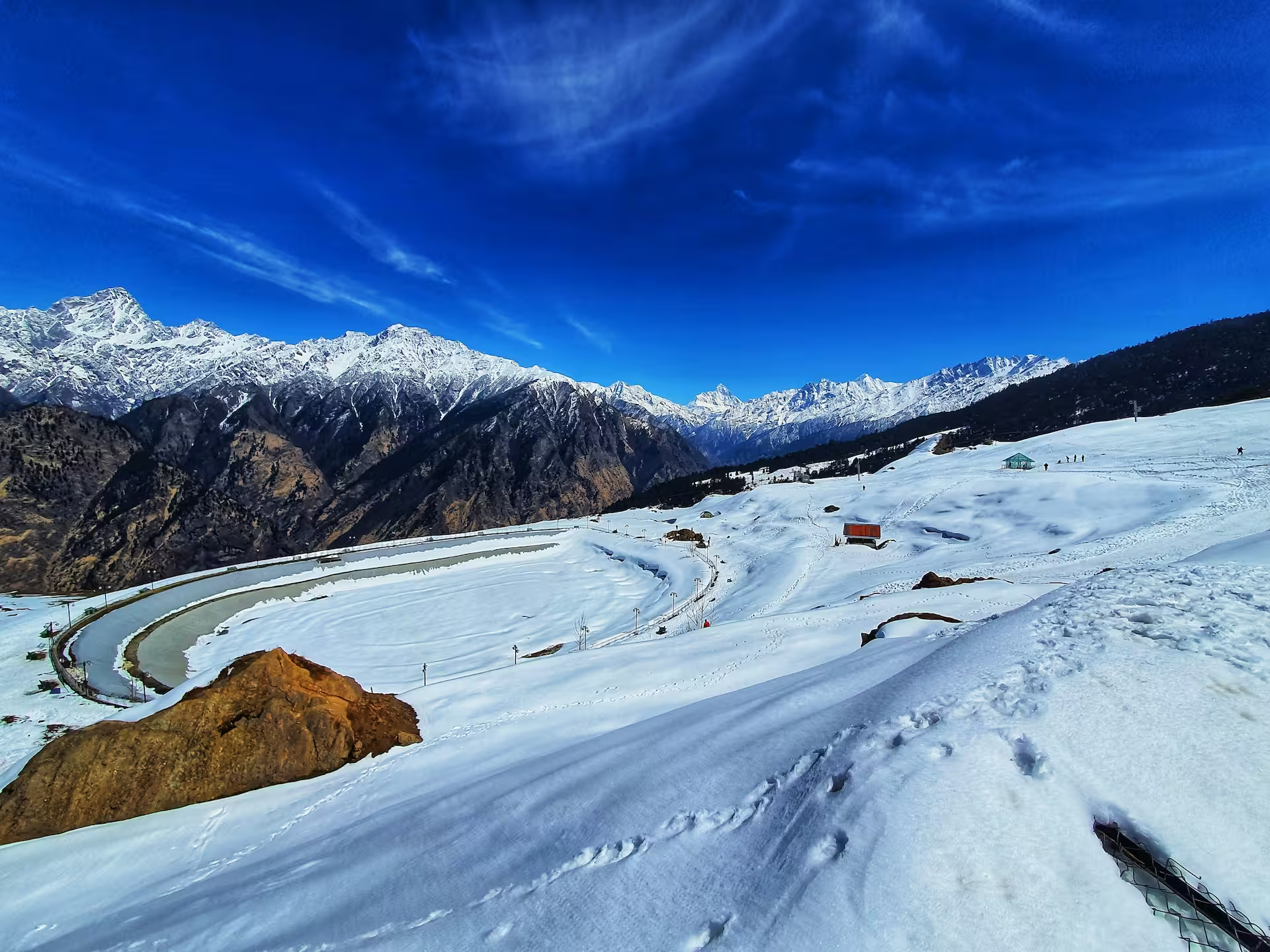
Trekking
Trekking Hotspots
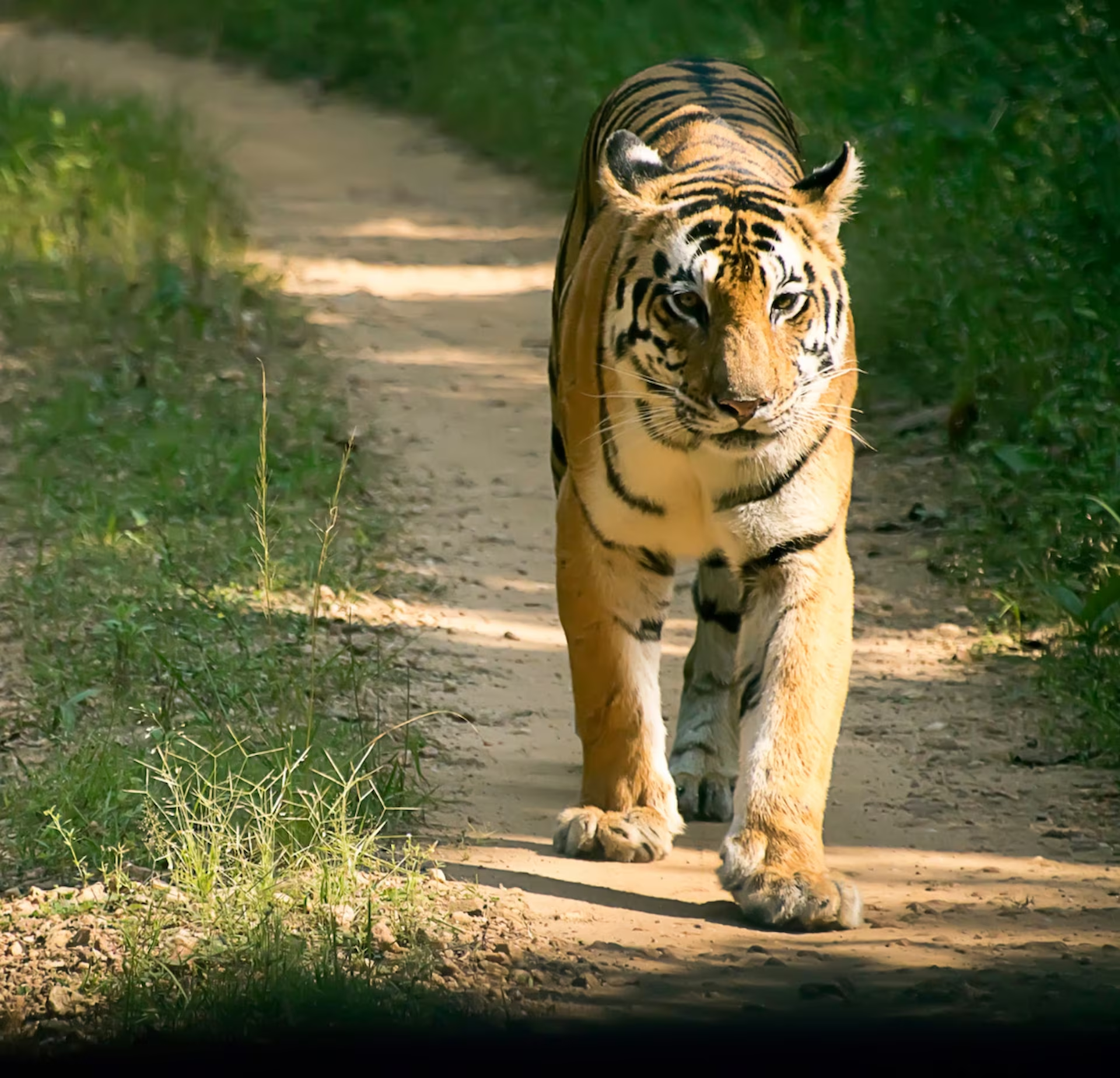
Wildlife
Wildlife Destinations
Frequently Asked Questions
Where is Jal Mahal located?
Can visitors go inside Jal Mahal?
No. Entry inside the palace is not allowed for the public. Visitors can only view the palace from the lakeside road near Man Sagar Lake.
Is there an entry fee for Jal Mahal?
No. Viewing the palace from the lakeside is free for all visitors.
Why is Jal Mahal famous?
Jal Mahal is known for its location in the middle of Man Sagar Lake. When the water level is high, most of the palace stays underwater and only the top floor is visible.
Which places can be visited near Jal Mahal?
Visitors often combine their visit with nearby attractions such as Amber Fort, Hawa Mahal, and Nahargarh Fort.