
Things To See & Do
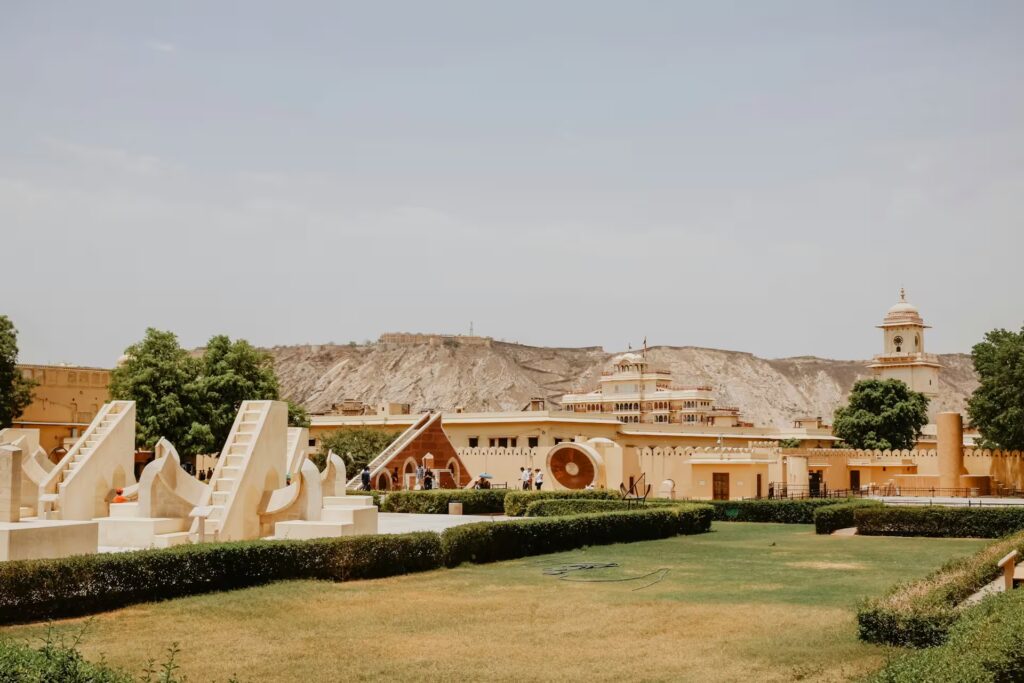
Jantar Mantar
Jantar Mantar in Jaipur holds large stone instruments once used to study the sky, track time, and observe planets.
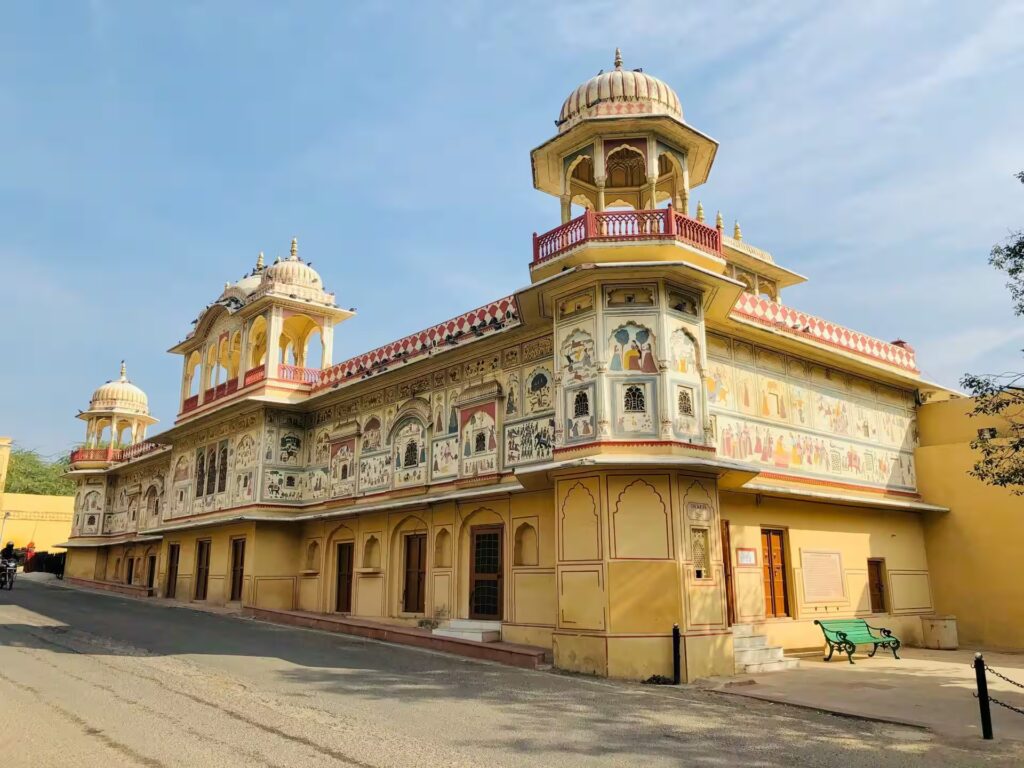
Sisodia Rani Palace
Sisodia Rani Palace is known for its terraced gardens, painted pavilions, and peaceful setting at the edge of Jaipur.
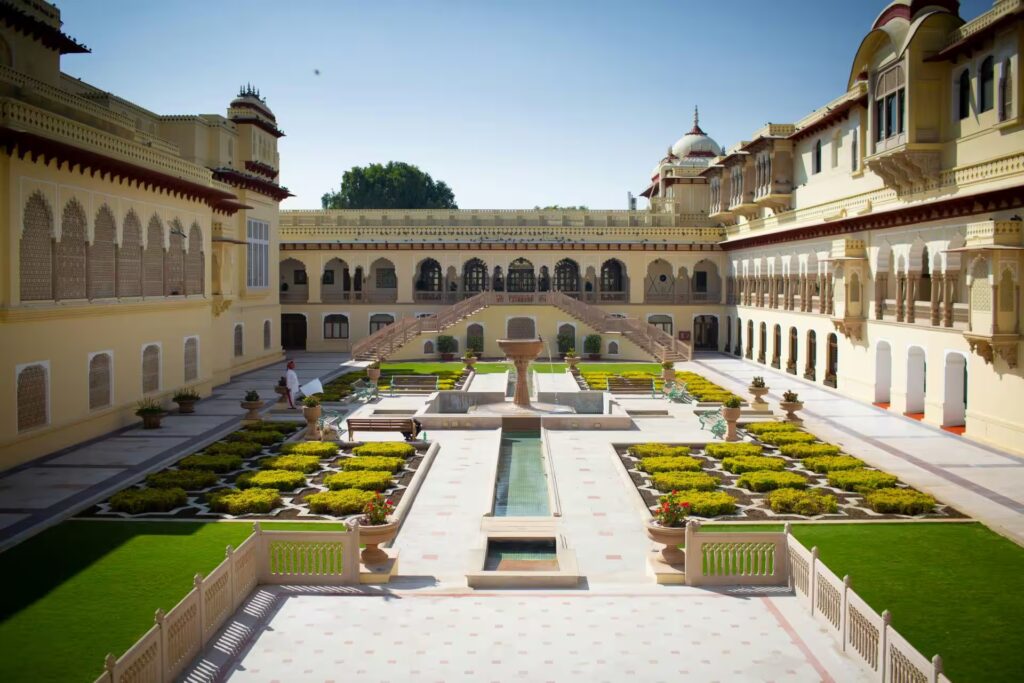
Rambagh Palace
Rambagh Palace was once the royal residence of Jaipur rulers, known for its gardens, grand halls, and palace heritage.
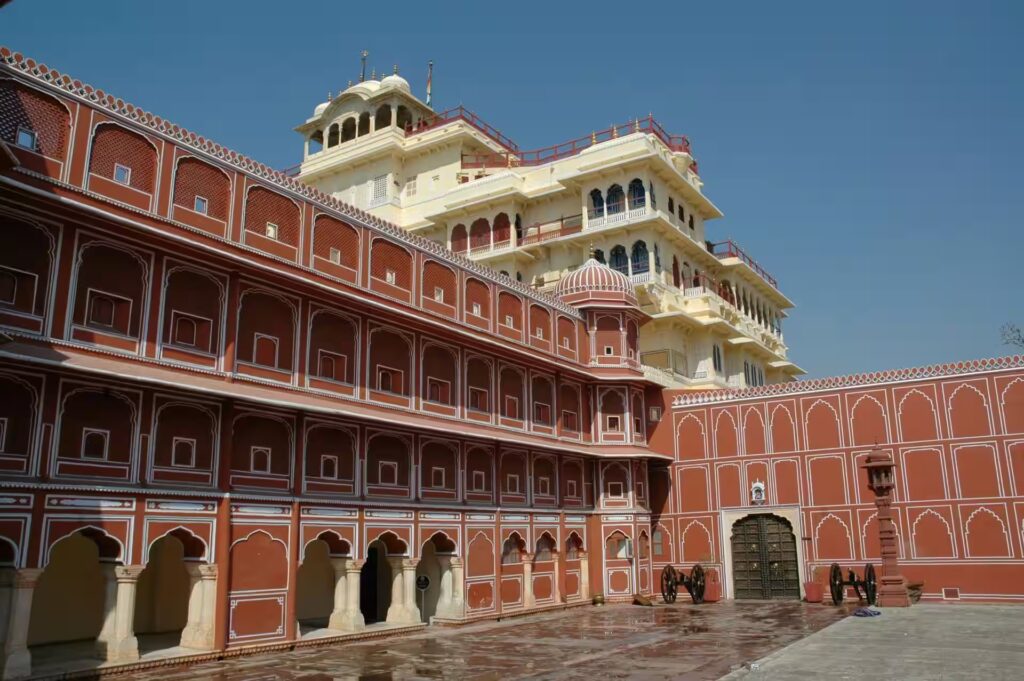
Jaipur City Palace
City Palace Jaipur stands at the heart of the old city with royal courtyards, museums, painted gates, and Rajput heritage.
Amber Fort
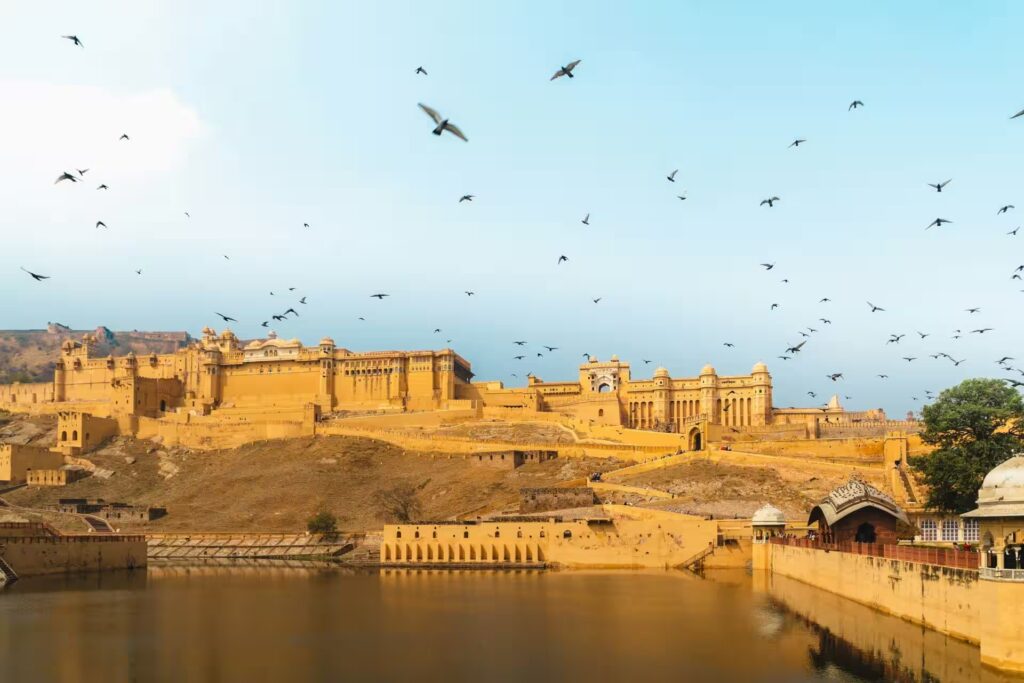
Amber Fort rises above Maota Lake with grand courtyards, carved gates, royal halls, and views across the Aravalli hills.
Jal Mahal
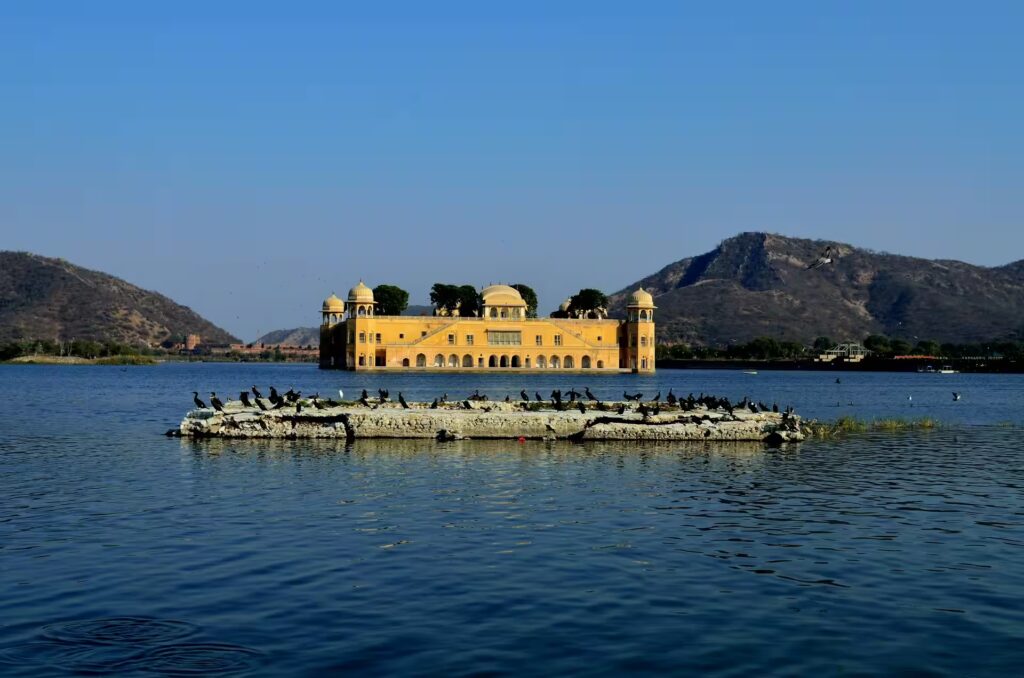
Jal Mahal sits in the middle of Man Sagar Lake with calm waters, Aravalli hills behind it, and quiet views from the road.
Hawa Mahal
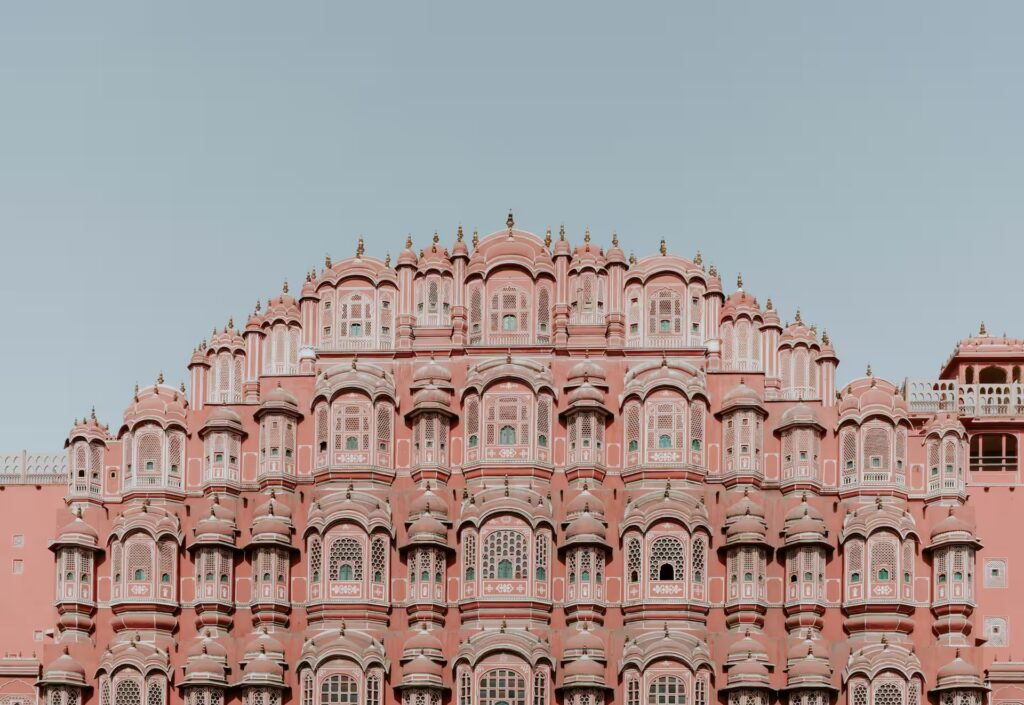
Hawa Mahal stands on Jaipur’s old city street with its honeycomb windows built for royal women to watch life outside.
Sisodia Rani Palace
Sisodia Rani Palace is known for its terraced gardens, painted pavilions, and peaceful setting at the edge of Jaipur.
Rambagh Palace
Rambagh Palace was once the royal residence of Jaipur rulers, known for its gardens, grand halls, and palace heritage.
Jaipur City Palace
City Palace Jaipur stands at the heart of the old city with royal courtyards, museums, painted gates, and Rajput heritage.
Jal Mahal
Jal Mahal sits in the middle of Man Sagar Lake with calm waters, Aravalli hills behind it, and quiet views from the road.
Hawa Mahal
Hawa Mahal stands on Jaipur’s old city street with its honeycomb windows built for royal women to watch life outside.
Jaigarh Fort
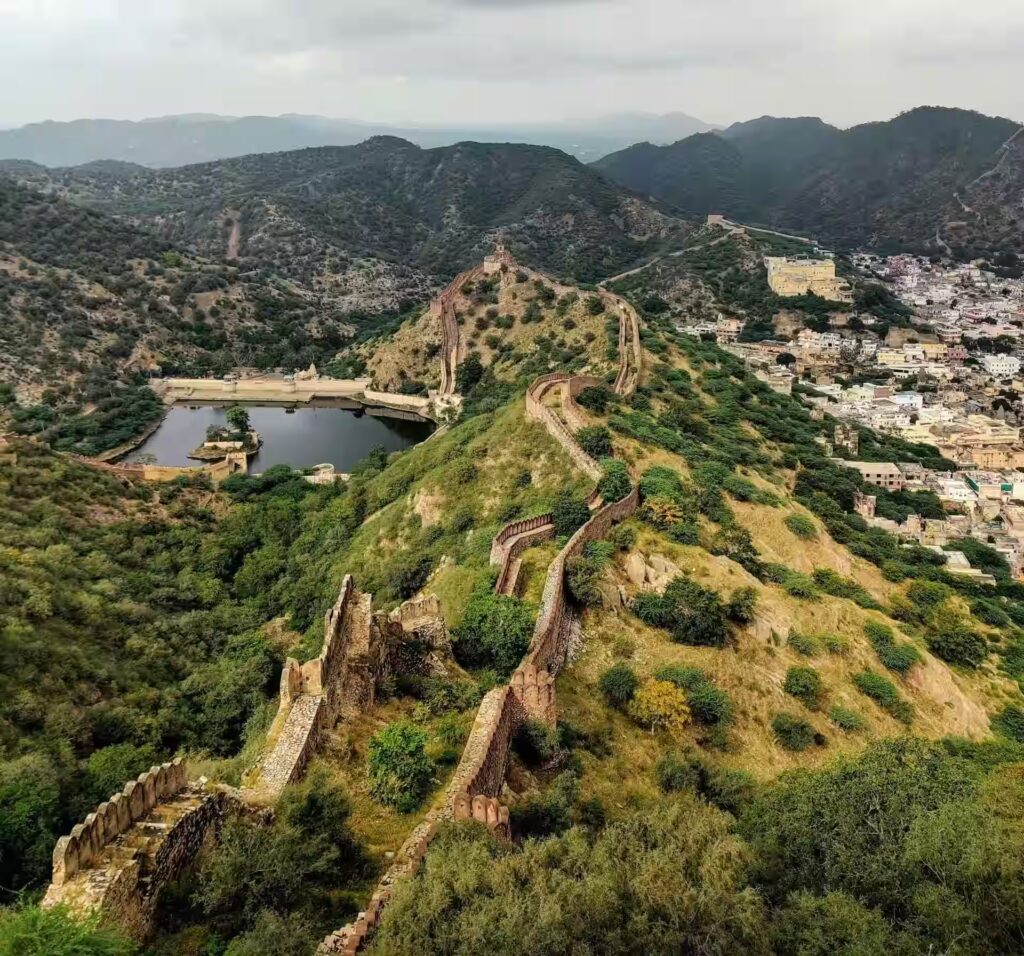
Jaigarh Fort stands high above Amber with thick walls, watchtowers, and wide views across the Aravalli hills.
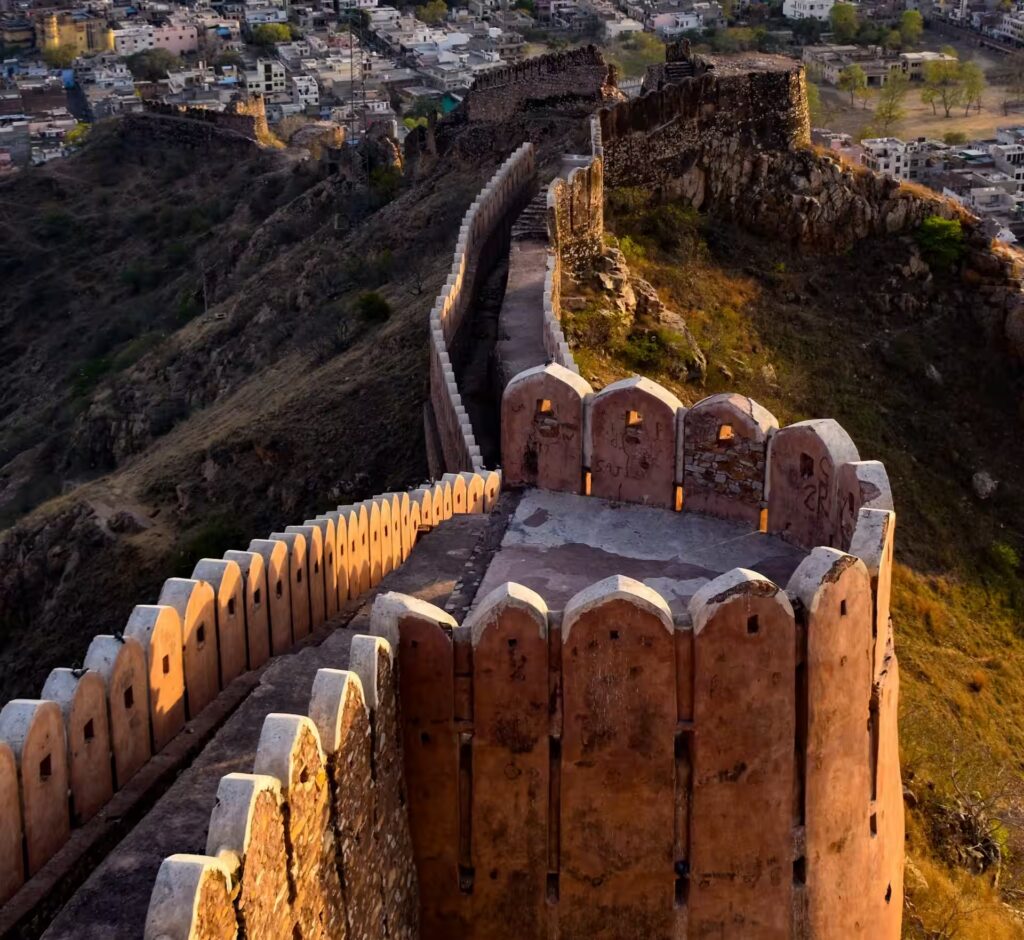
Nahargarh Fort
Nahargarh Fort stands on the Aravalli hills above Jaipur, known for sunset views, long walls, and quiet palace rooms.
Amber Fort
Amber Fort rises above Maota Lake with grand courtyards, carved gates, royal halls, and views across the Aravalli hills.
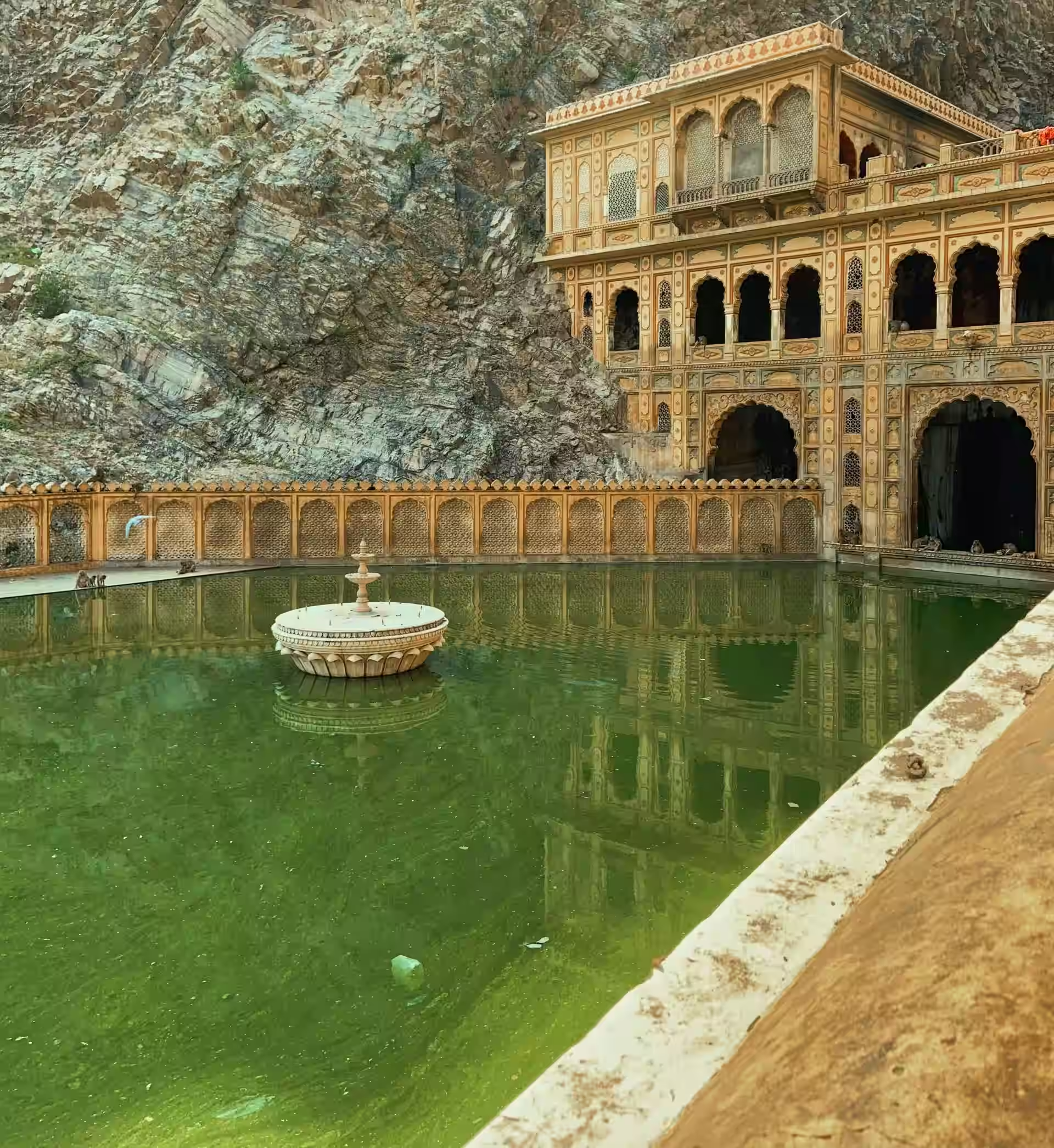
Galtaji Temple
Ancient Hindu temple complex near Jaipur, known for natural water tanks, hills, monkeys, and peaceful spiritual atmosphere.
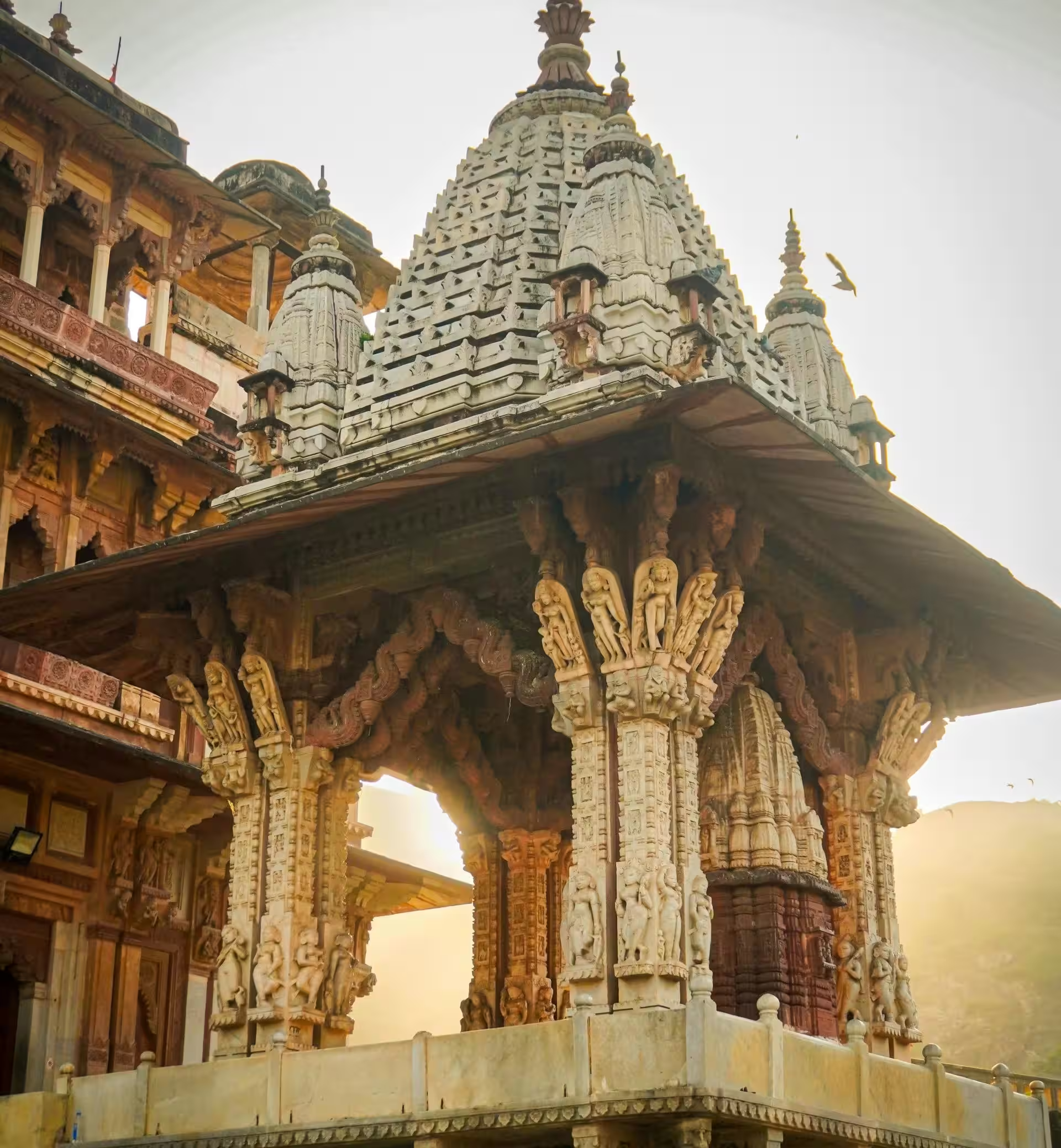
Moti Dungri Ganesh
Famous Ganesh temple in Jaipur, visited by devotees daily for blessings, prayers, and special festival celebrations.
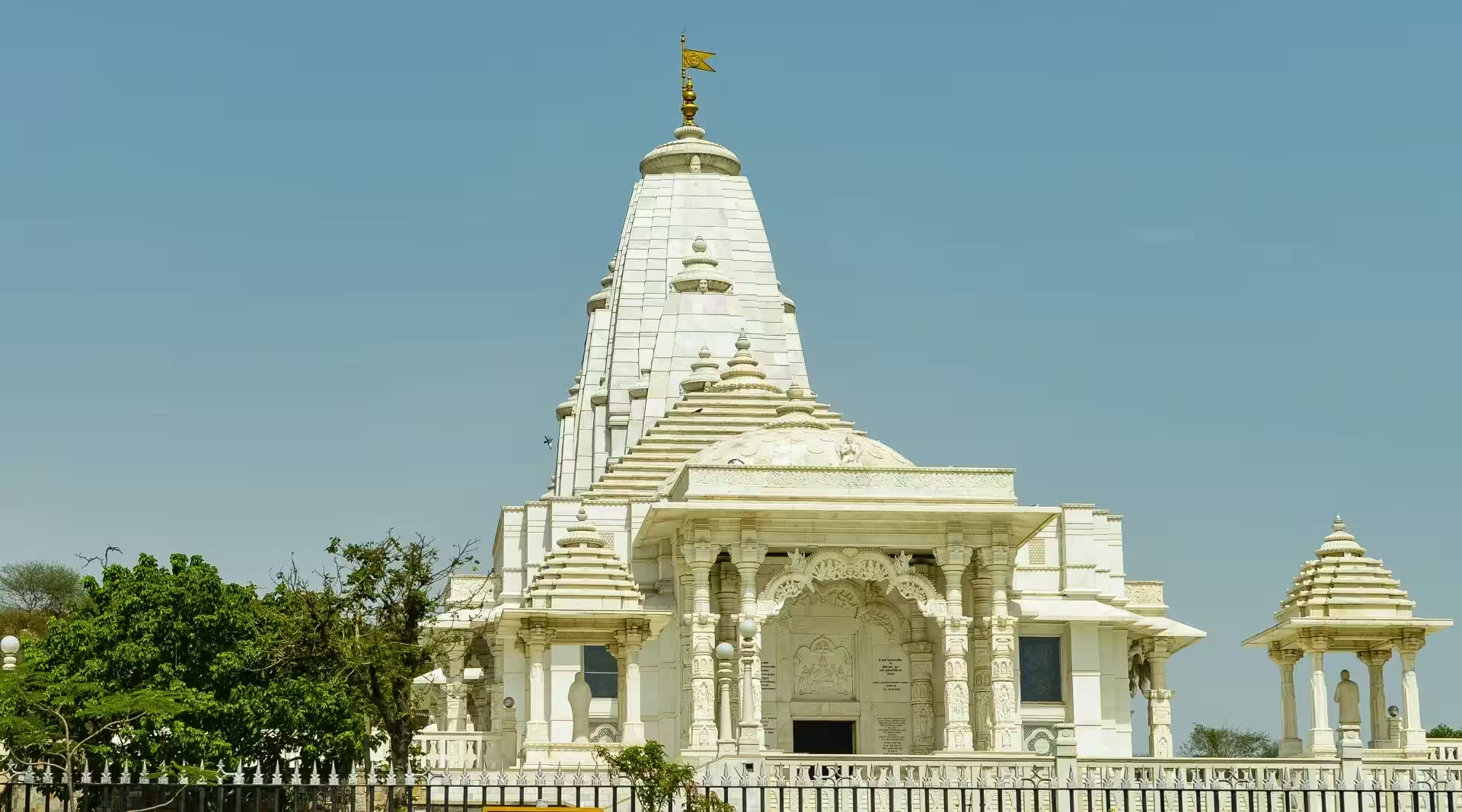
Birla Mandir
Beautiful white marble temple in Jaipur dedicated to Lord Vishnu and Goddess Lakshmi, known for peaceful surroundings.
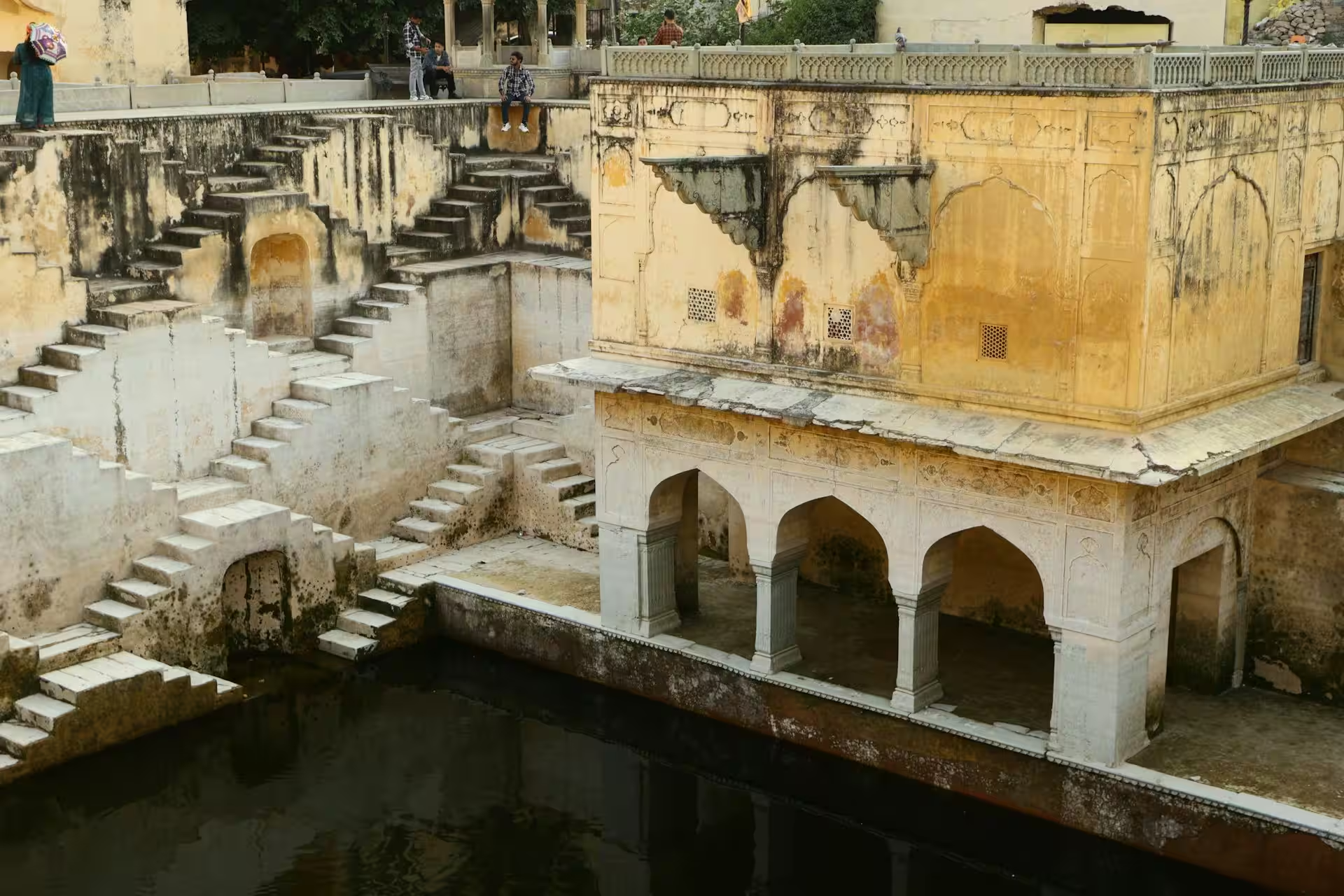
Panna Meena ka Kund
Located near Amber Fort, this symmetrical stepwell feels quiet and geometric. Locals once used it for water and community gatherings.
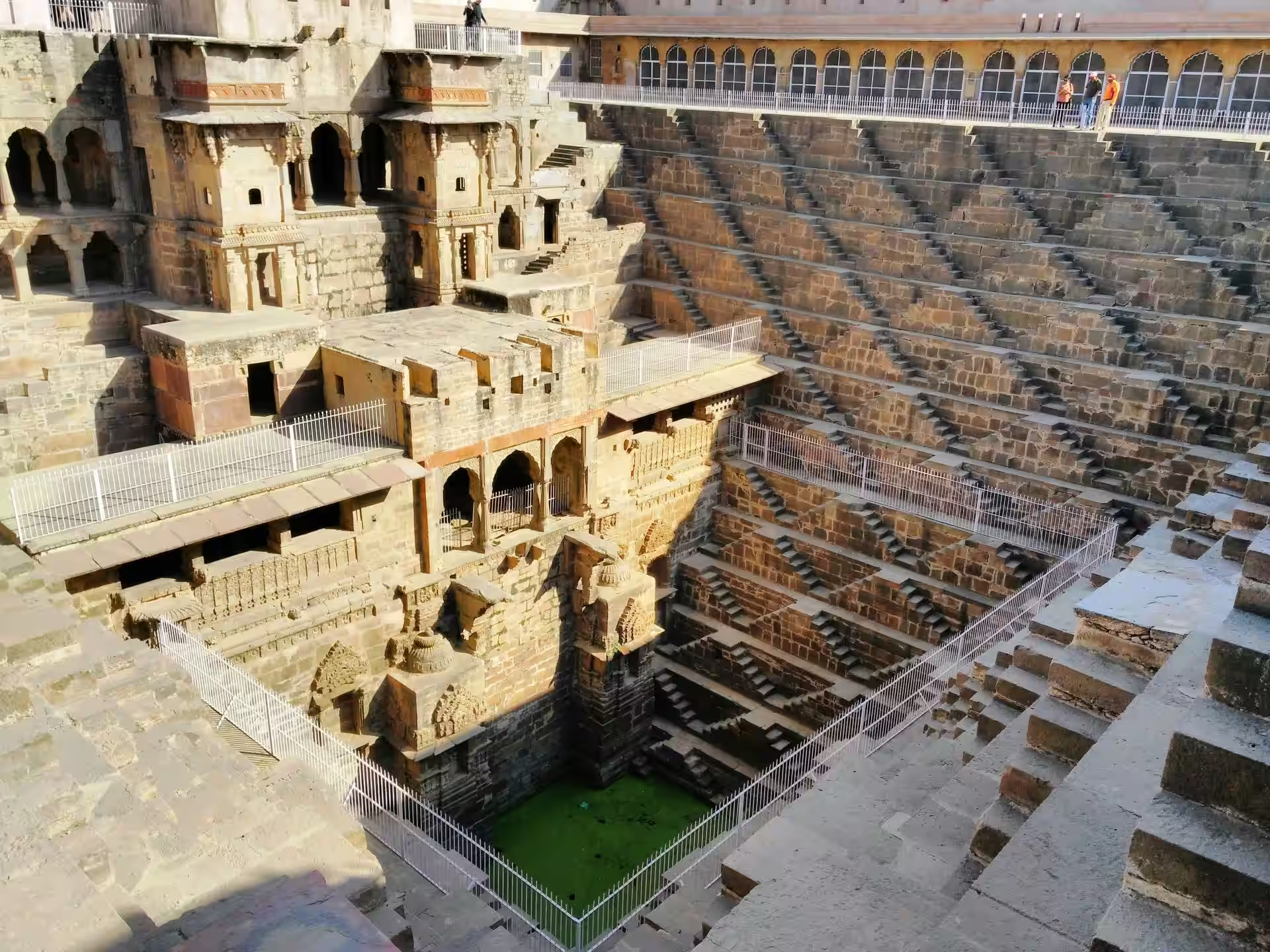
Chand Baori
One of India’s deepest stepwells, Chand Baori impresses with thousands of steps and perfect symmetry, reflecting ancient water wisdom.
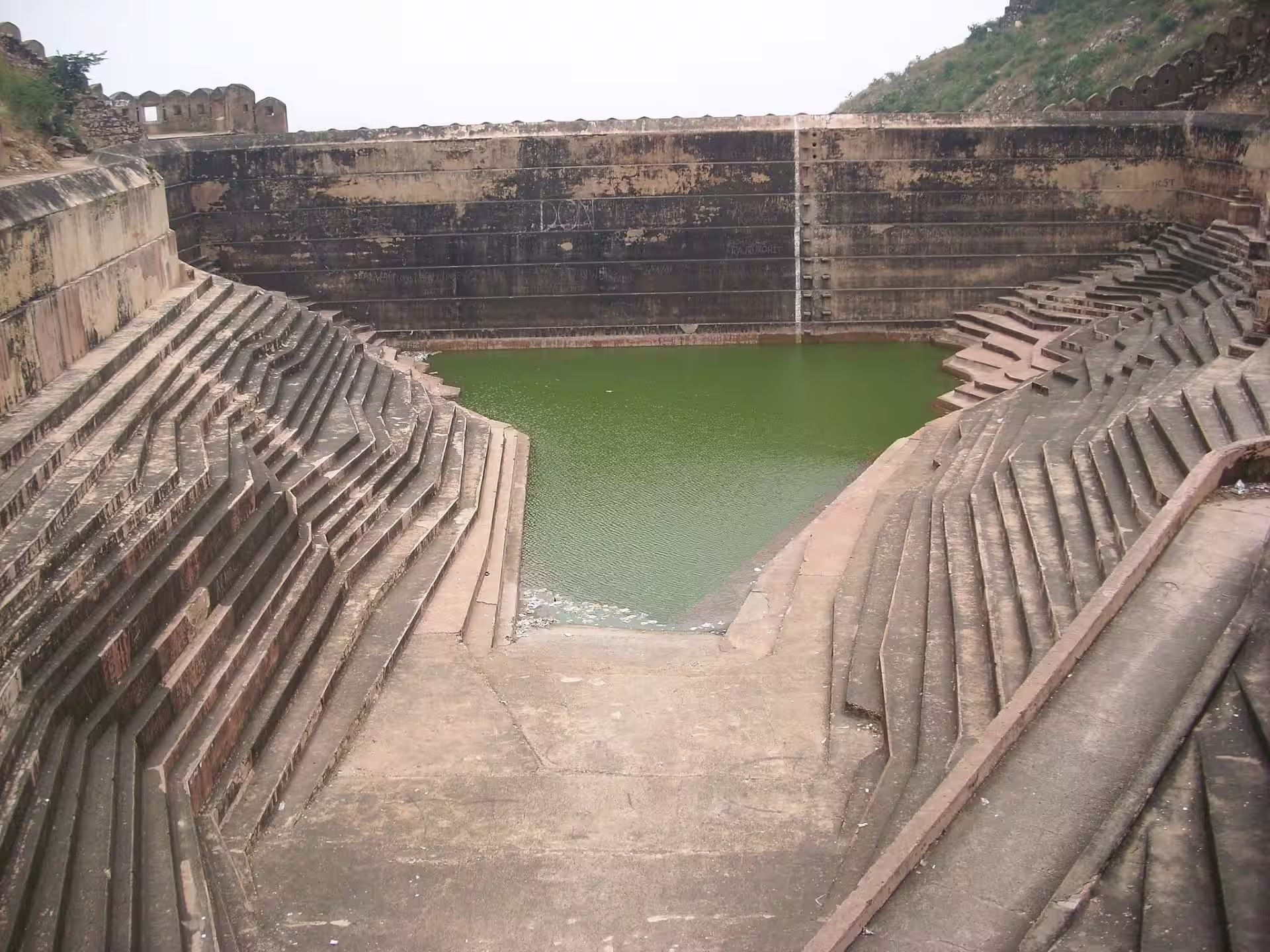
Nahargarh Stepwell
Hidden near Nahargarh Fort, this stepwell supported fort life and shows how water was stored in Jaipur’s hill landscape.
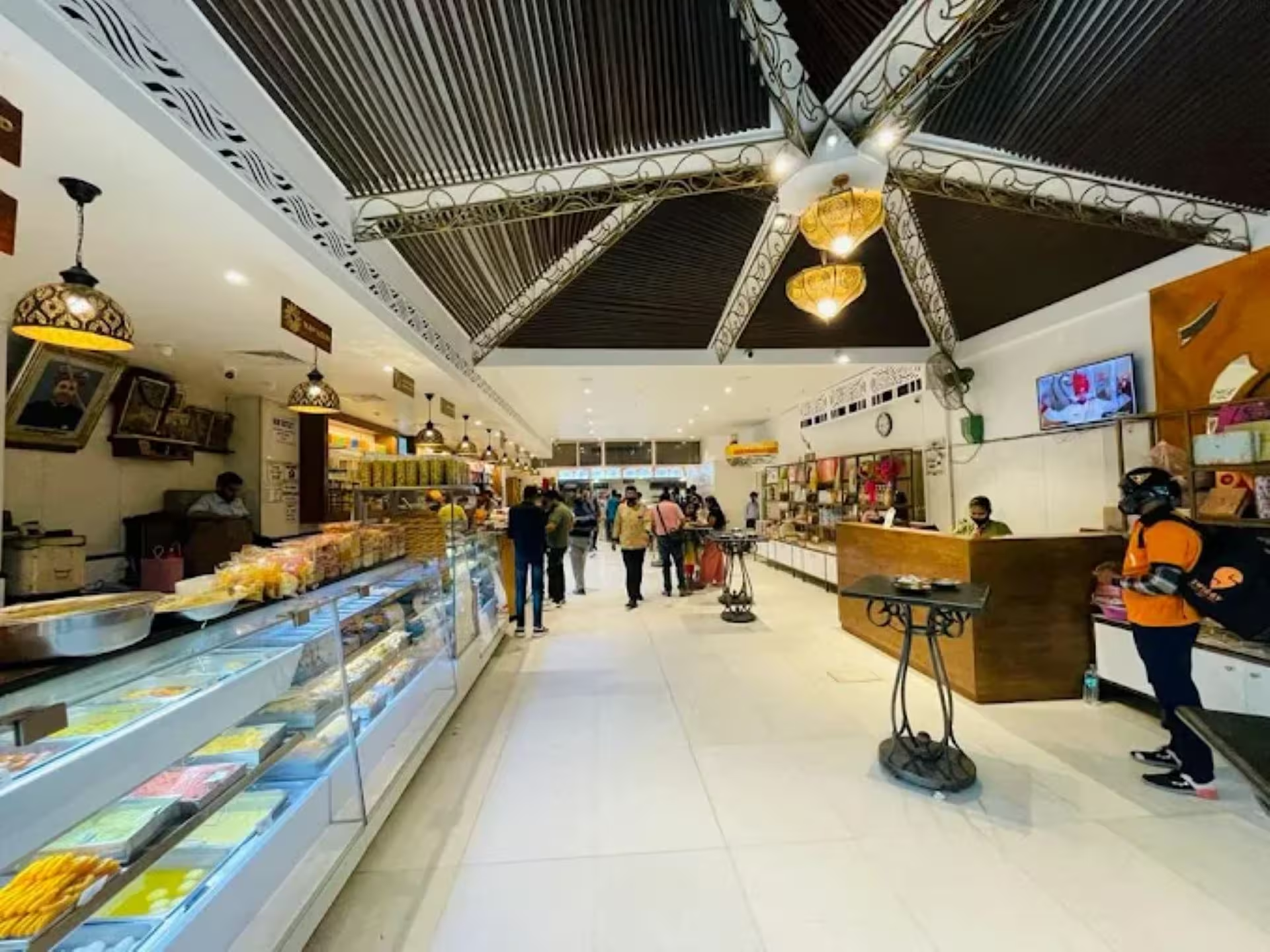
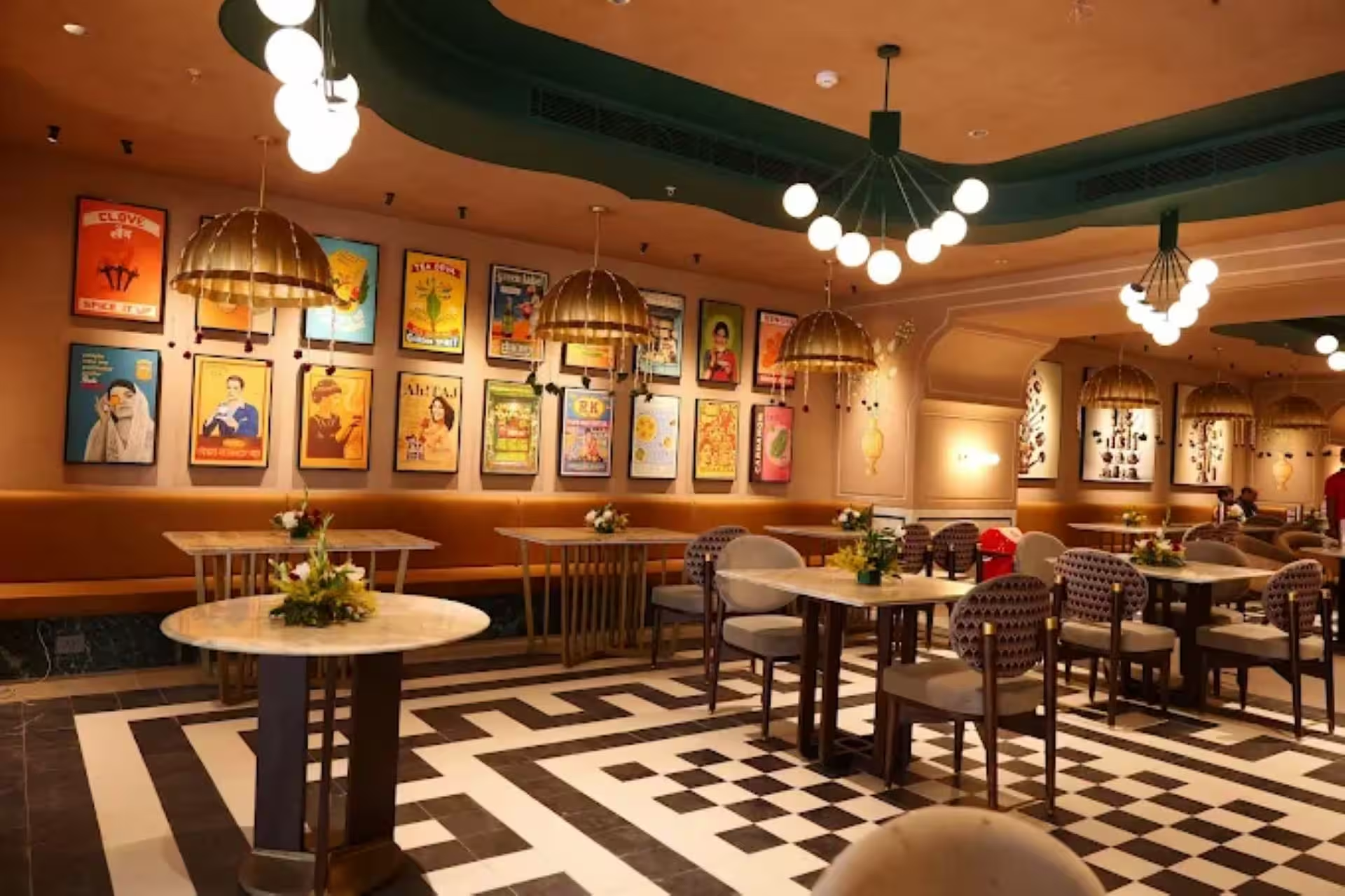
Laxmi Misthan Bhandar
A famous sweet shop and restaurant known for traditional Rajasthani snacks, sweets, and popular breakfast dishes.
Rawat Mishtan Bhandar
Well known for crispy Pyaaz Kachori and authentic Rajasthani snacks served fresh throughout the day.
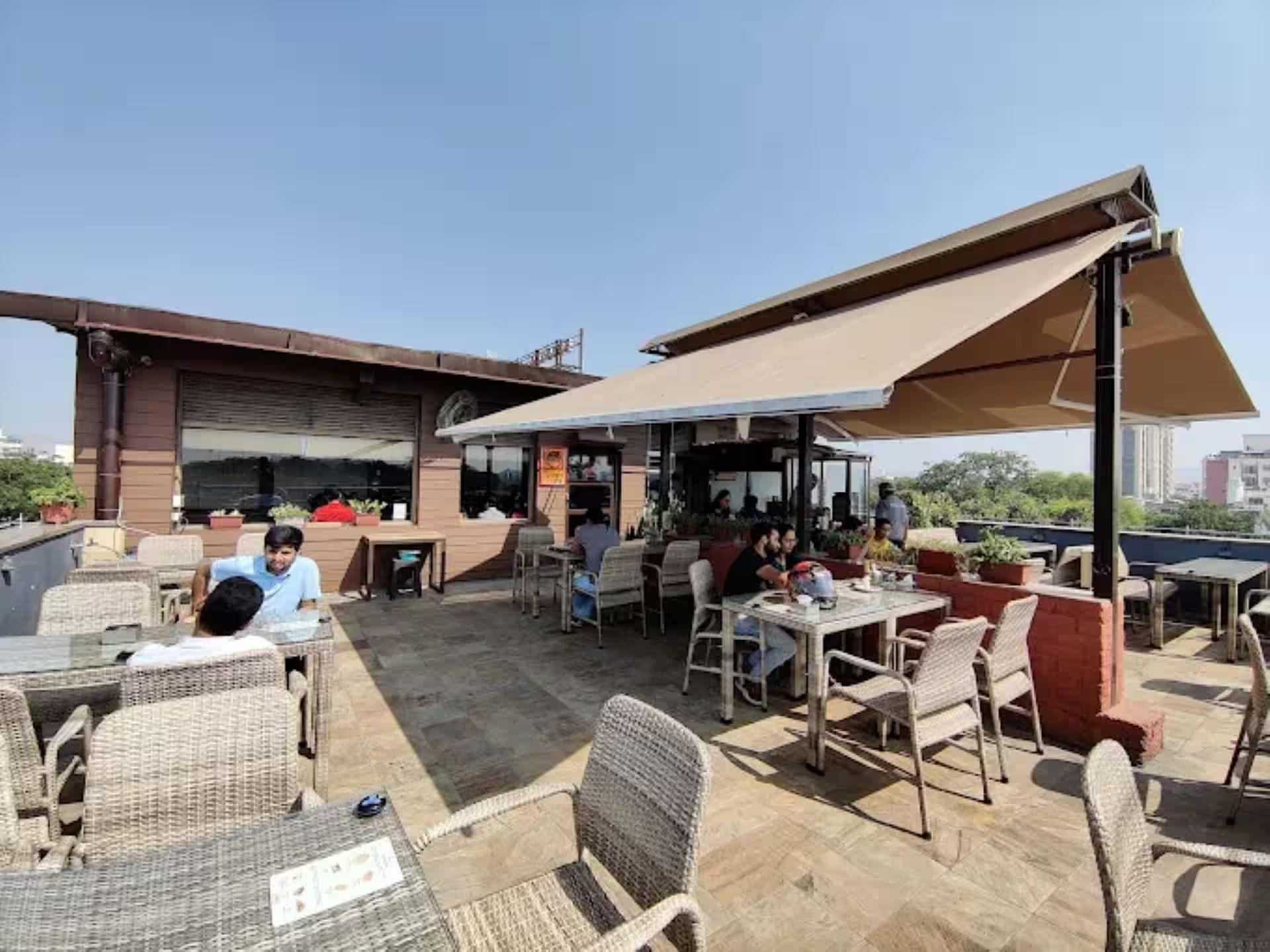
Tapri Central
A popular rooftop café offering tea, light snacks, and city views with a relaxed modern setting.
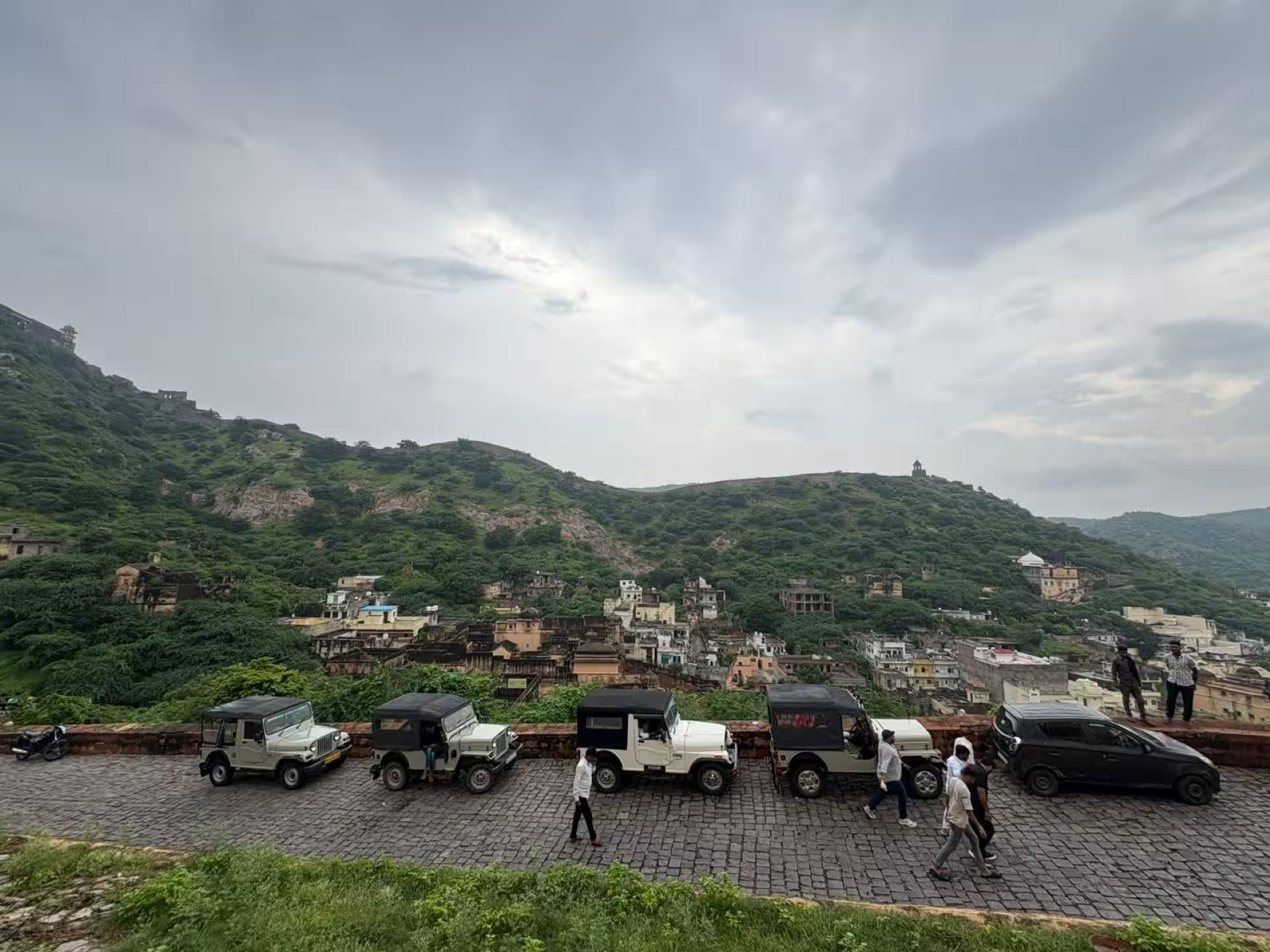
Jeep Safari to Amber Fort
A thrilling jeep ride through the Aravalli hills leading to the historic Amber Fort.
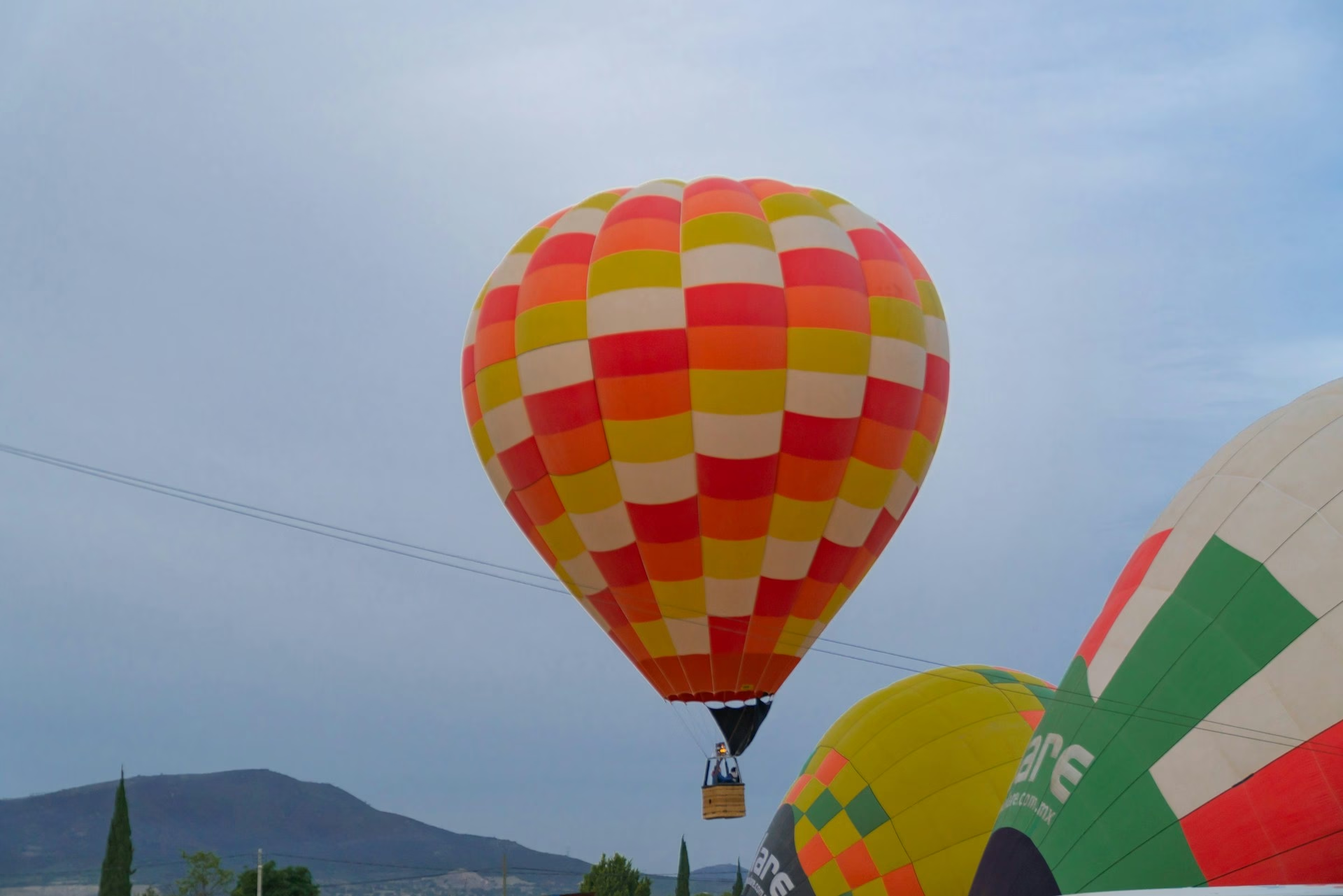
Hot Air Balloon Ride
A scenic balloon ride over Jaipur showing forts, villages, and the Aravalli hills from above.
About Jaipur
Jaipur stands as the capital of Rajasthan and one of the most well known historic cities in India. The city was founded in 1727 by Maharaja Sawai Jai Singh II. He planned the city with care and clear order across its layout. Wide roads run straight and connect organized markets and enclosed spaces. Strong city walls mark the boundary and guide movement at entry points. Many buildings were painted pink in 1876 to welcome royal guests. This act gave Jaipur the name Pink City, which remains in use today.
History appears across the city in built form and in daily movement. Large forts stand on rocky hills that rise around Jaipur. Palaces and gates line busy roads and active market streets. Old stepwells sit in small corners and hold traces of earlier water use. Many of these structures were built hundreds of years ago and still show careful design and skilled work. Their surfaces carry marks of time, weather, and long use.
Daily life in Jaipur continues to reflect local traditions in visible ways. People wear colorful turbans, ghagras, and silver jewelry in routine settings. These clothes belong to daily use and not only to visitors or events. Local artisans work with steady hands and follow methods passed through generations. Markets sell textiles, jewelry, pottery, and other handmade items. People in the region still use these goods in their homes and daily work.
Food holds a steady place in the culture of Jaipur and shapes daily routines. Traditional Rajasthani dishes such as Dal Baati Churma, Gatte ki Sabzi, and Pyaaz Kachori are widely prepared. People eat these meals in homes and at small local eateries across the city.
Today Jaipur stands as a major travel destination and holds a place in the UNESCO World Heritage Site list for the historic Walled City of Jaipur. Visitors come to see landmarks such as Hawa Mahal, City Palace in Jaipur, and Amber Fort. They also walk through markets and streets to observe daily life and ongoing traditions that shape the city.
Best Time to Visit Jaipur
October to March
This is the most comfortable time to visit Jaipur. Days remain pleasant and evenings are cool. Walking through forts, palaces, and markets is easier during winter months.
April to June
Summer in Jaipur is very hot. Day temperatures often rise above 40°C. Outdoor sightseeing during afternoon hours can be difficult.
July to September
The monsoon brings light to moderate rain. The Aravalli hills around the city look greener and the weather becomes cooler than summer.
Festivals And Calendar
Jaipur Literature Festival – January
One of the largest literary events in the world. Writers, thinkers, and readers gather in Jaipur for talks, discussions, and cultural programs.
Jan
Feb
Mar
Apr
May
Jun
Jul
Aug
Sep
Oct
Nov
Dec
Best
Good
Fair
poor
Near by Places
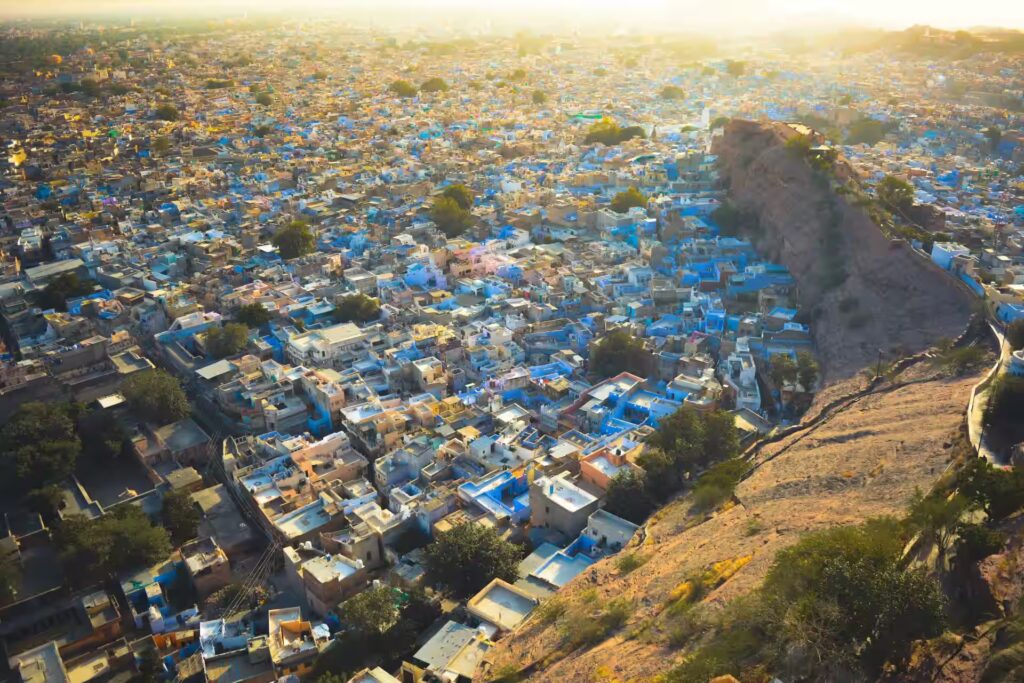
Jodhpur
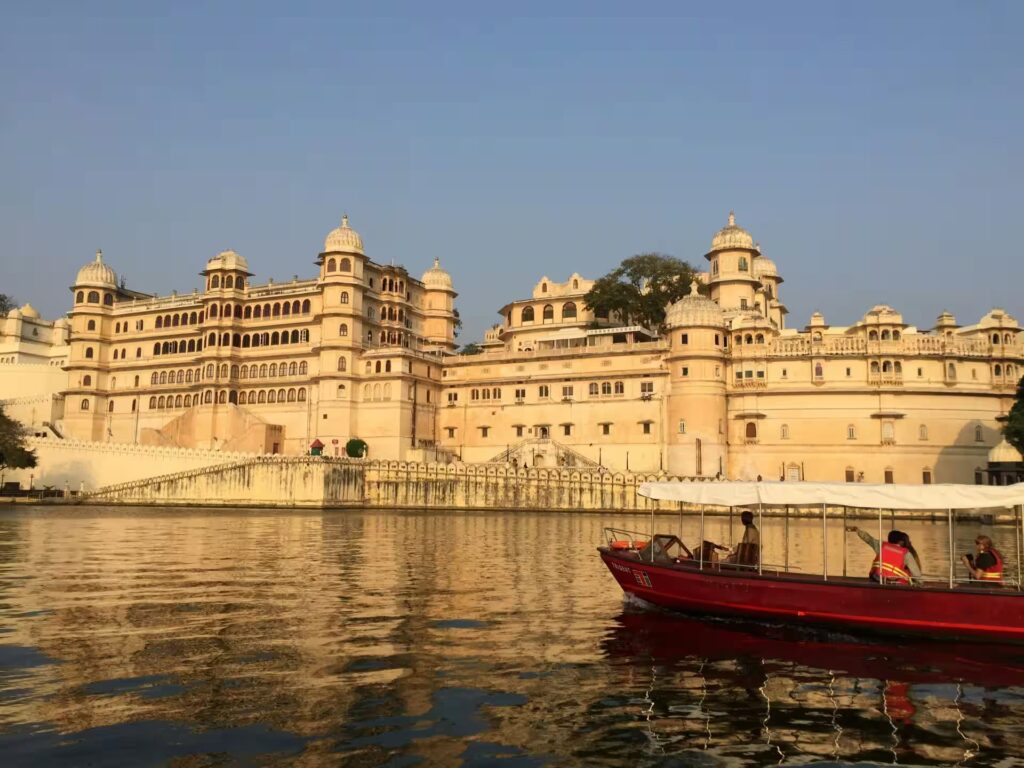
Udaipur
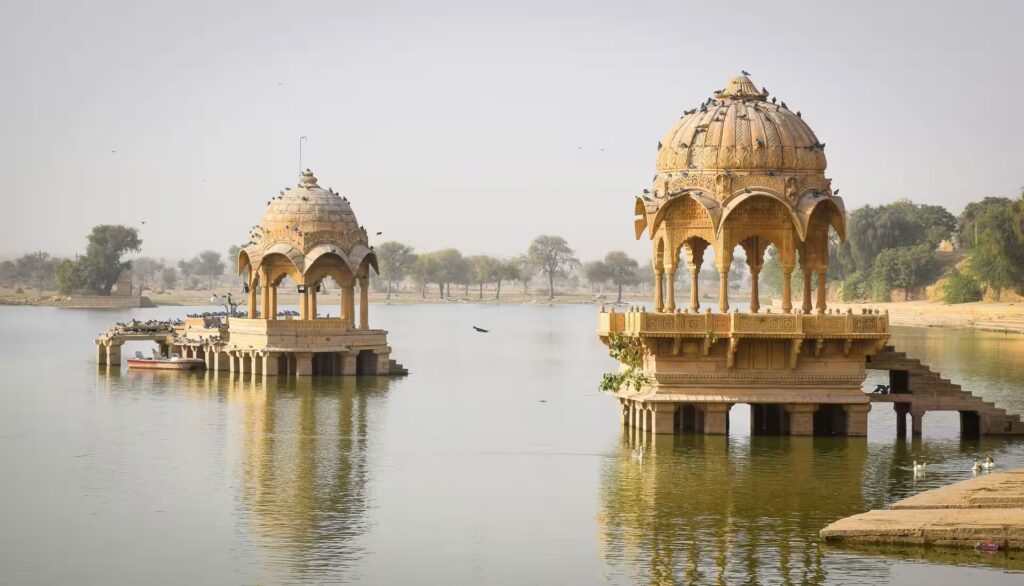
Jaisalmer
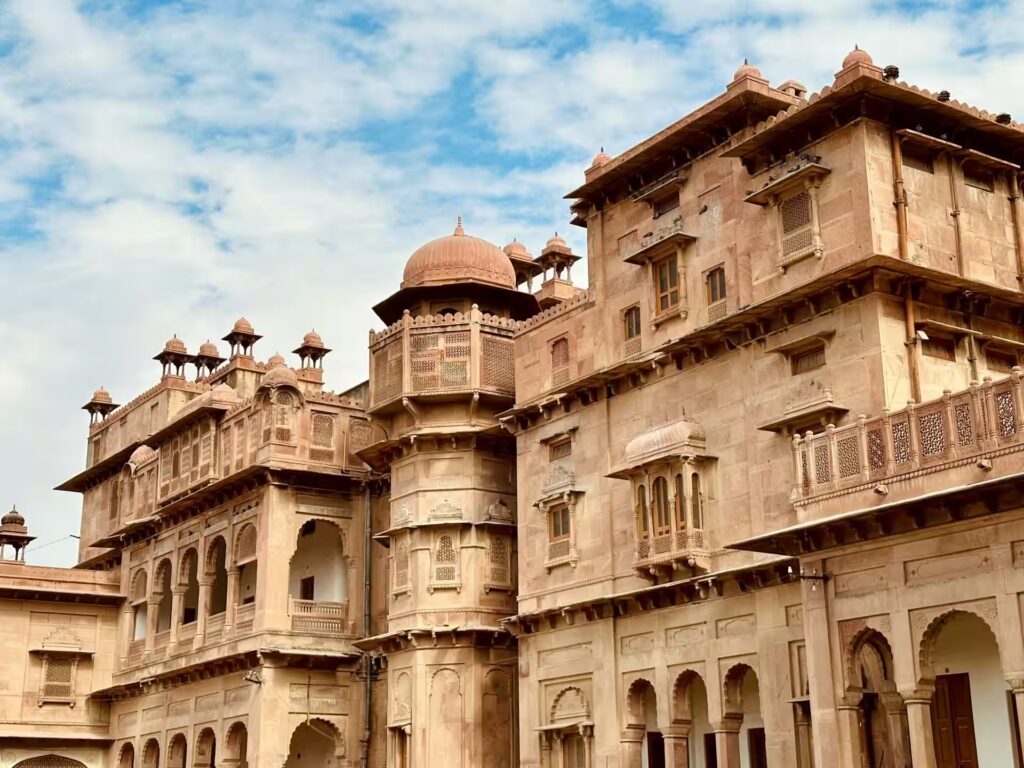
Bikaner
Similar Places to Visit
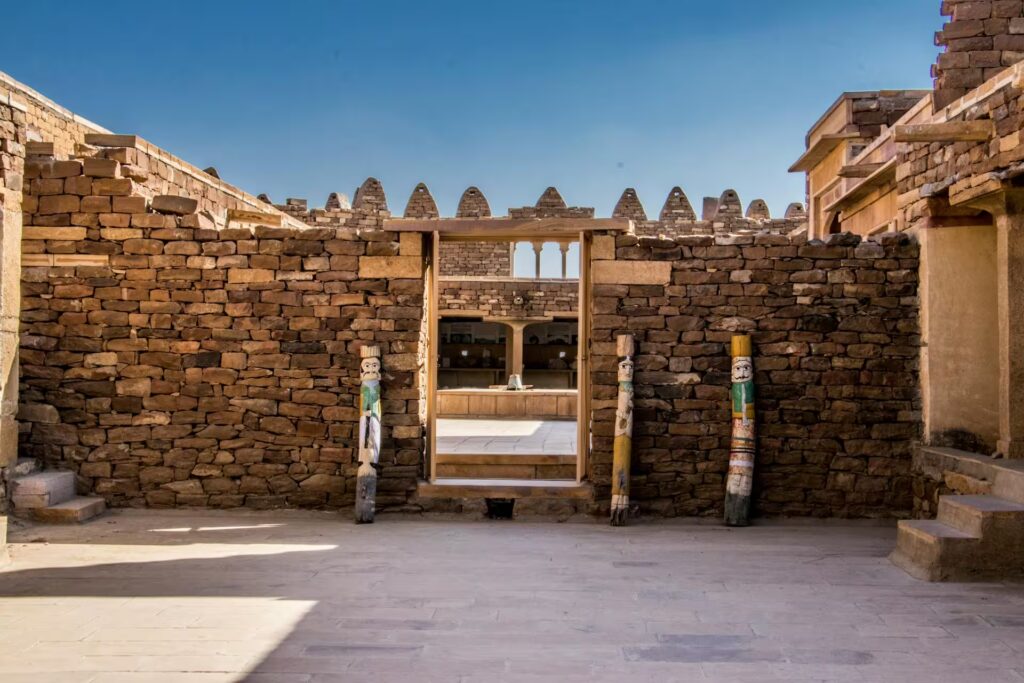
Khaba Fort
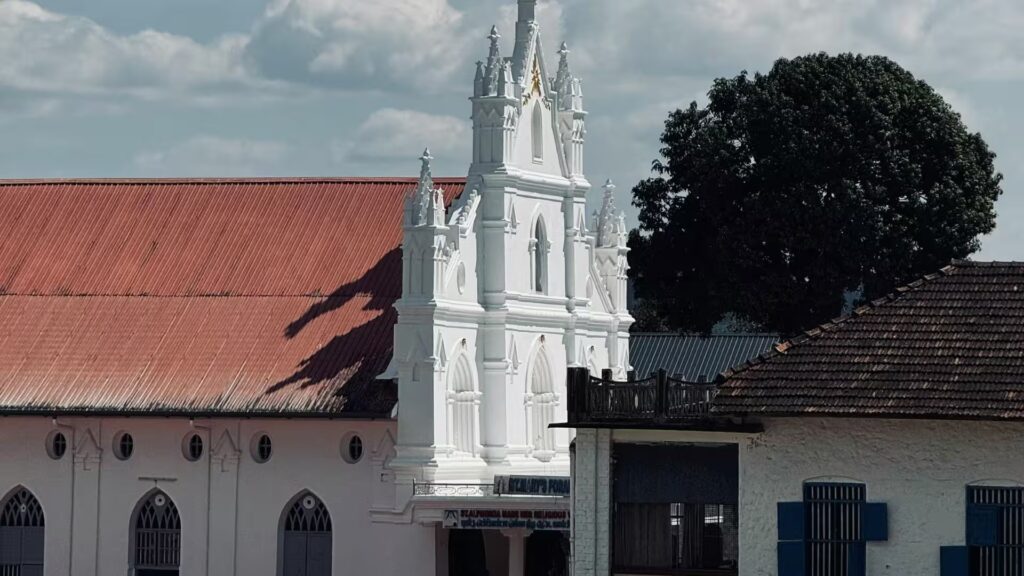
Champakulam Church
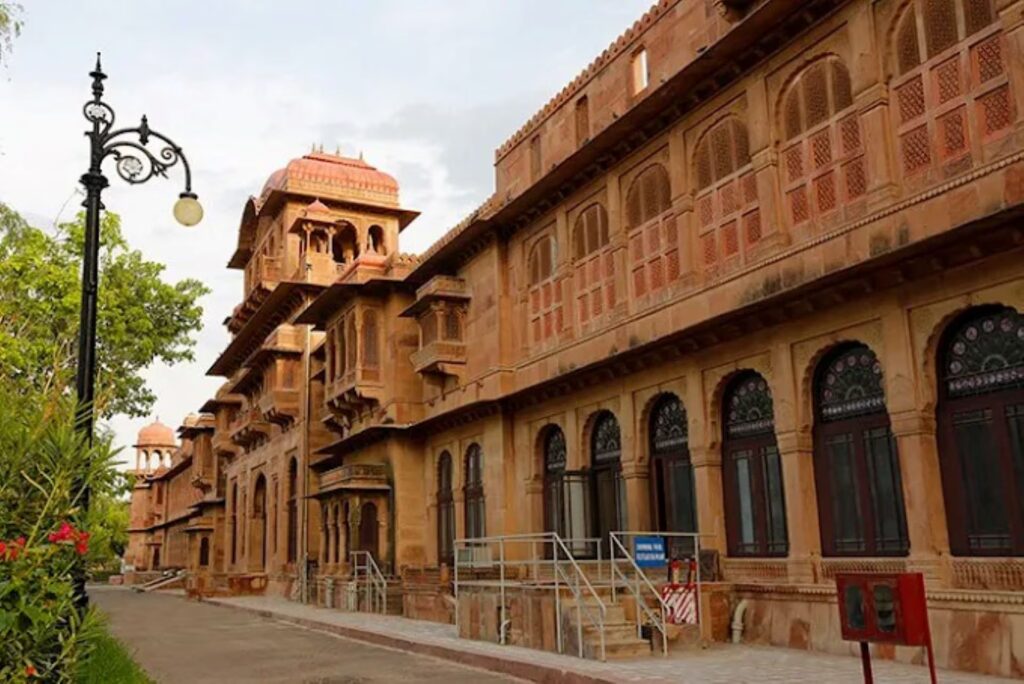
Laxmi Niwas Palace
Camels Back Road
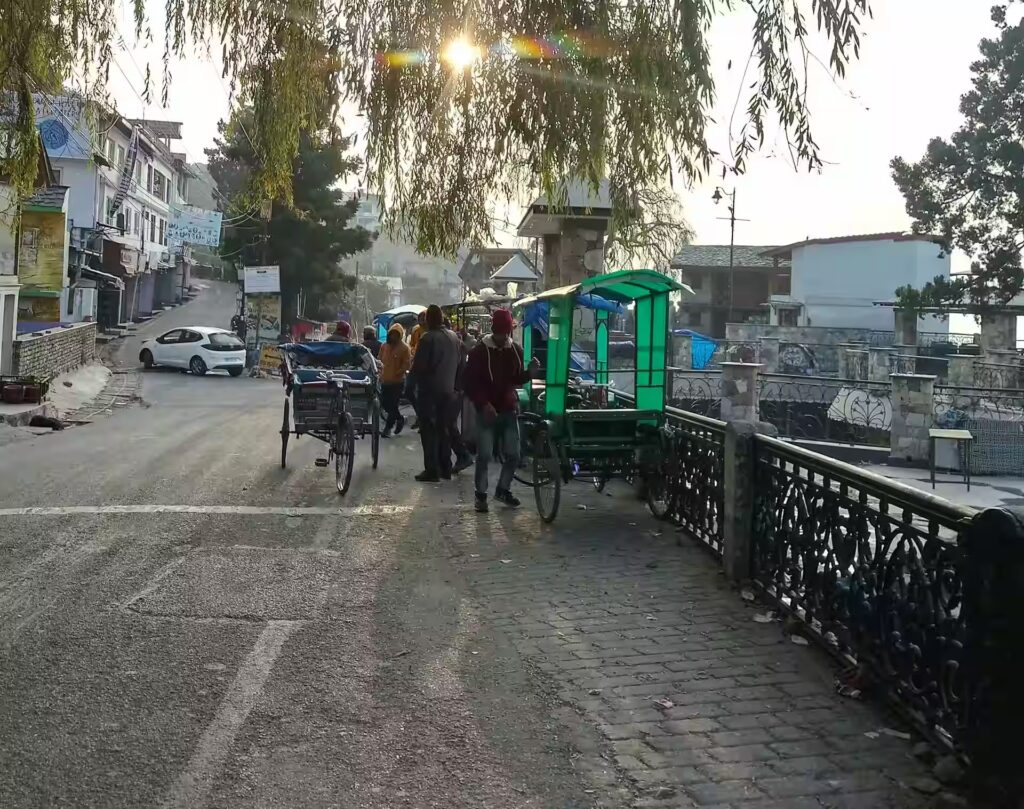
Mussoorie Mall Road
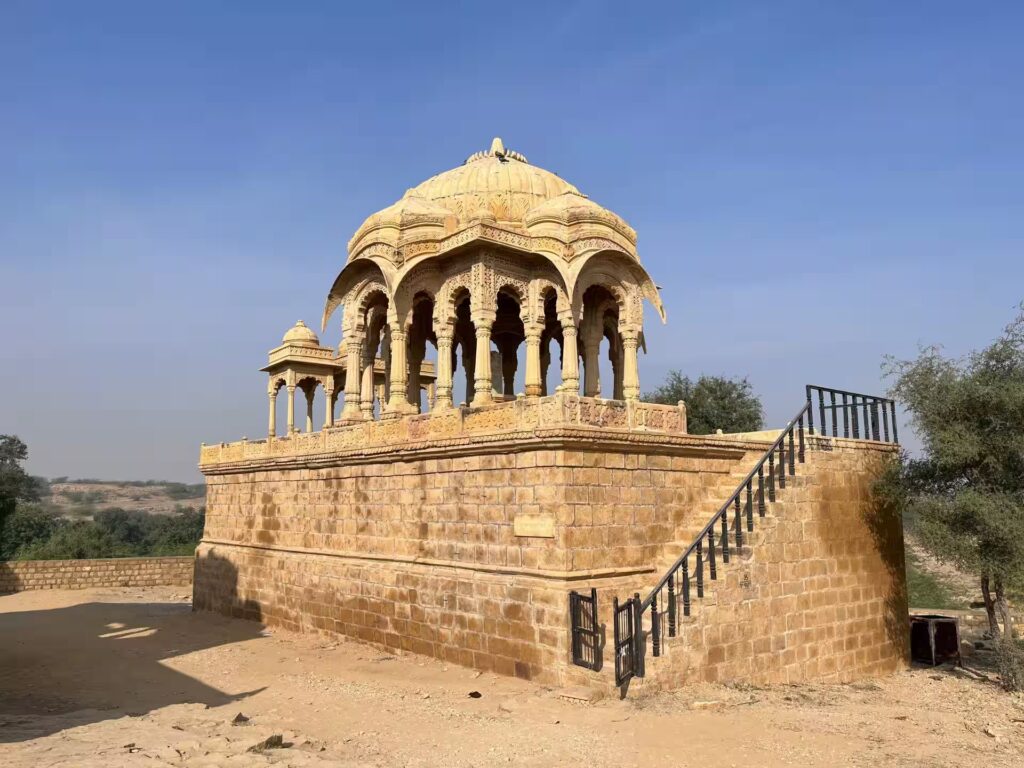
Bada Bagh
Discover by Interest
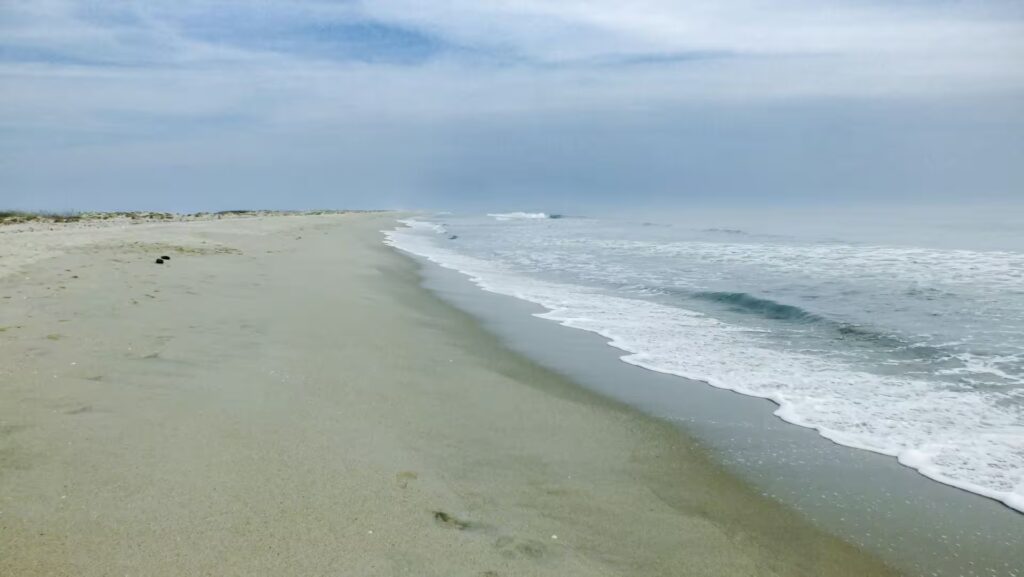
Beach
Beaches Destinations
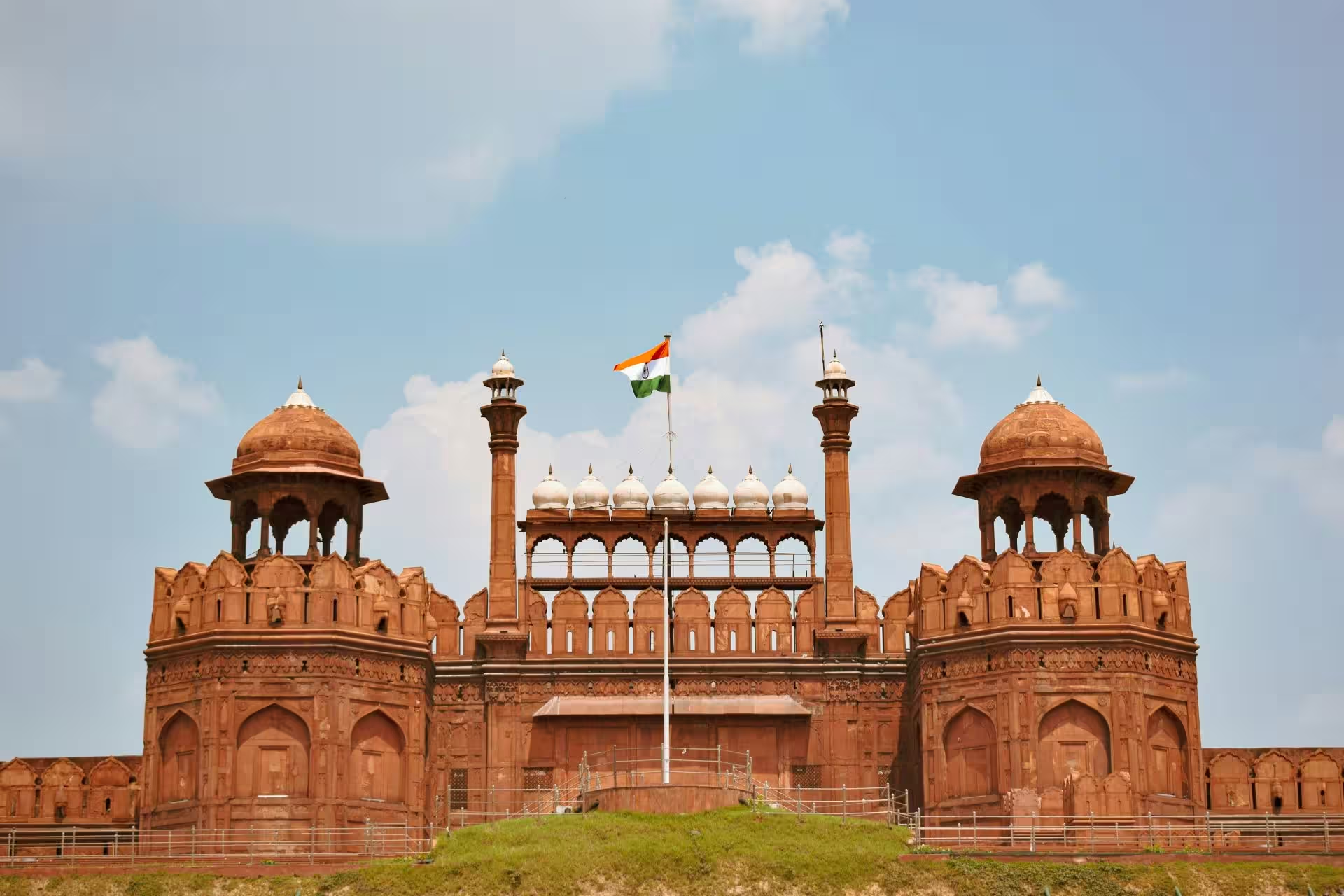
Heritage
Heritage Destinations
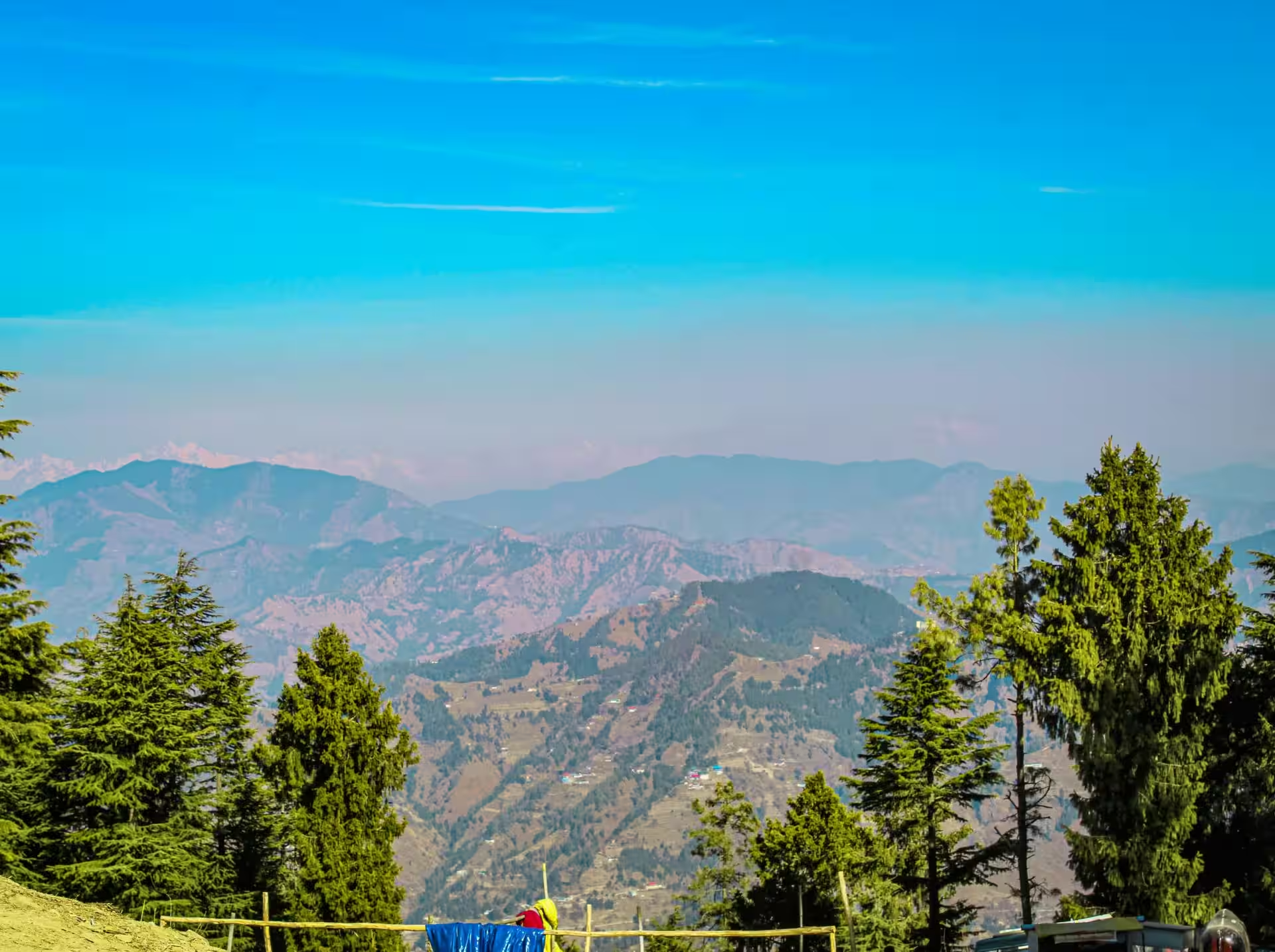
Hill Stations
Hill Stations
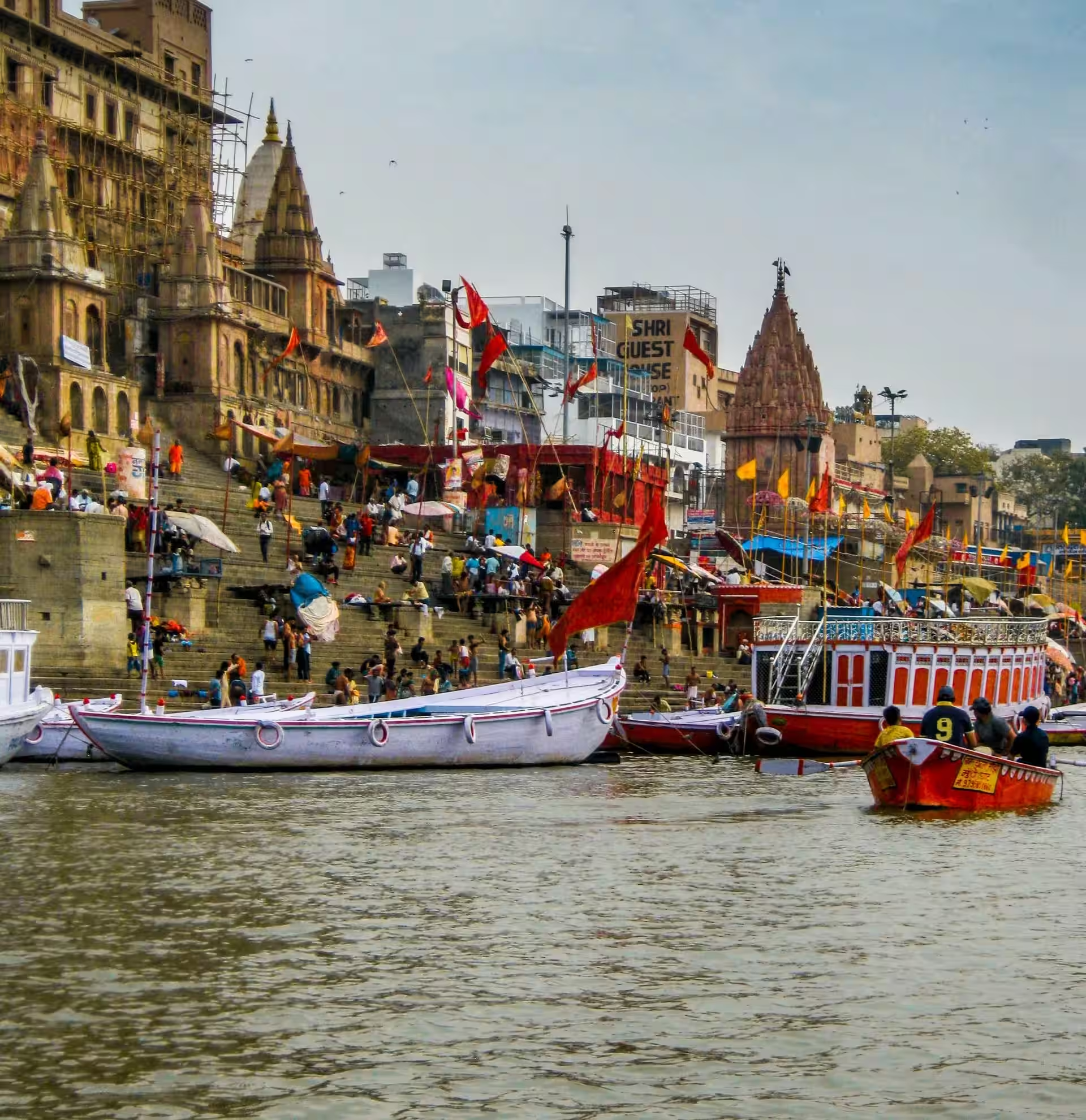
Spiritual
Spiritual Destinations
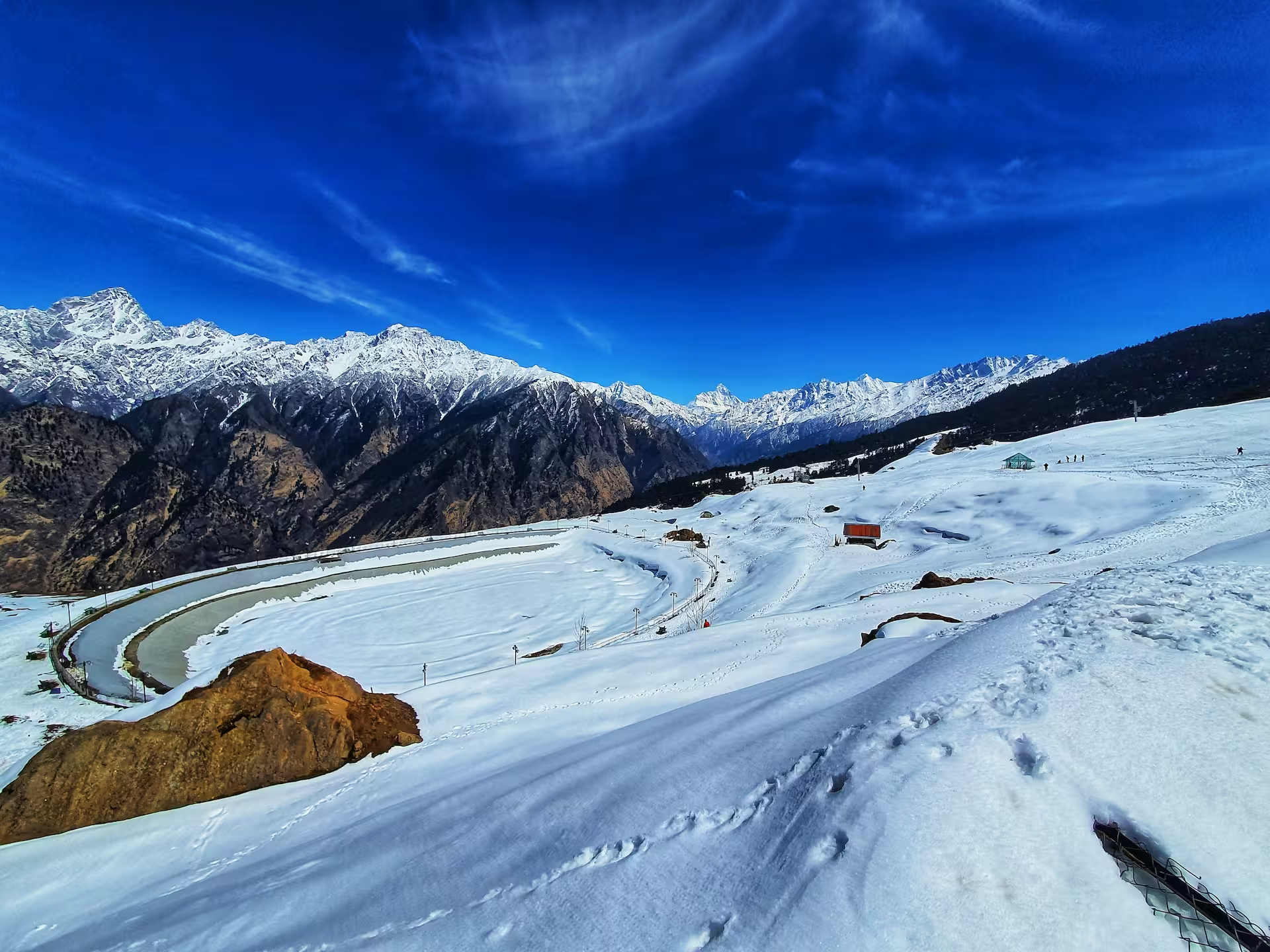
Trekking
Trekking Hotspots
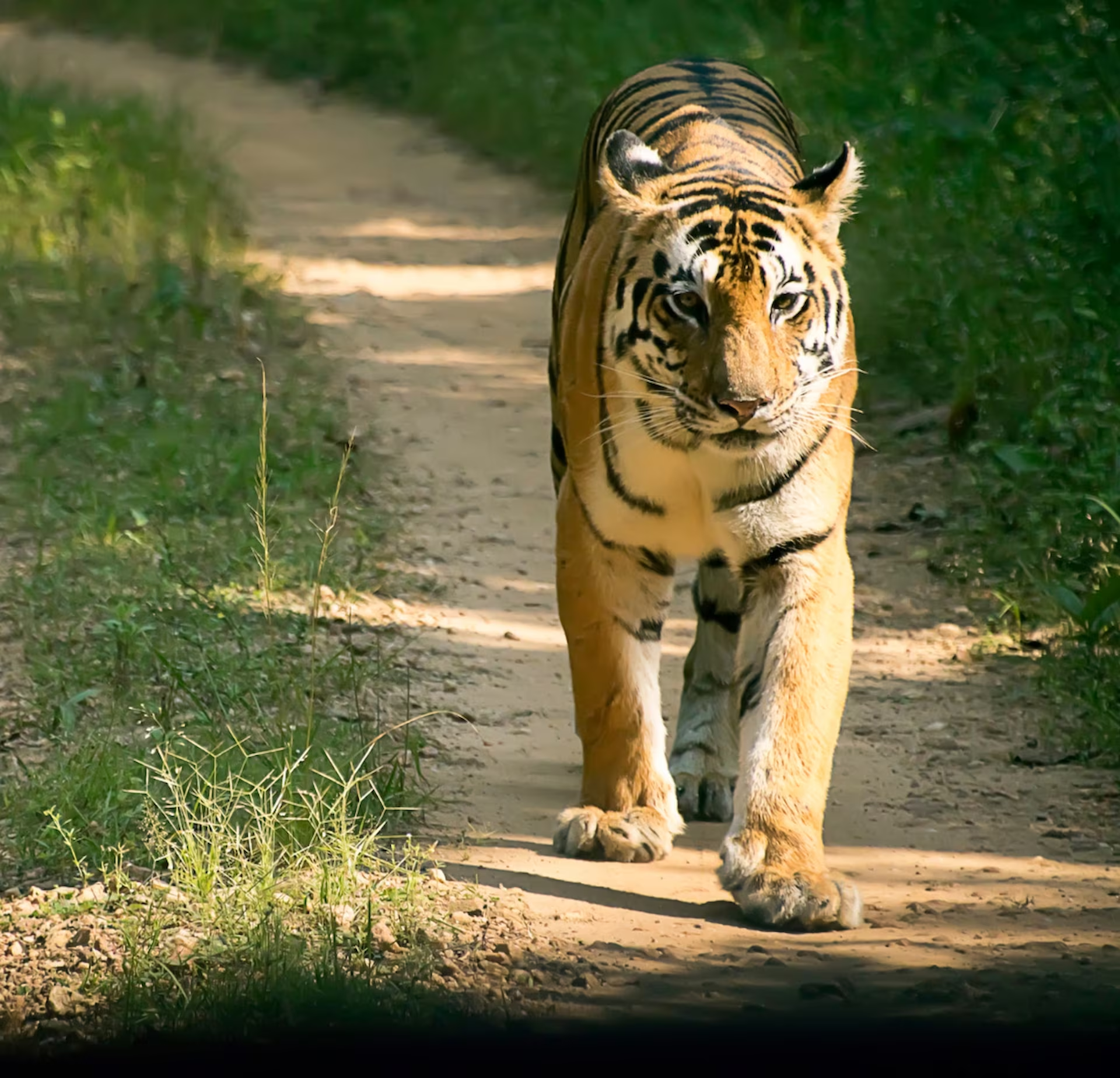
Wildlife
Wildlife Destinations
Frequently Asked Questions
Why is Jaipur called the Pink City?
Jaipur is called the Pink City because many buildings in the old city are painted pink. The color was used to welcome Prince Albert in 1876. The tradition still continues today.
What is Jaipur famous for?
Jaipur is known for its forts, palaces, local markets, and traditional crafts. Popular places include Amber Fort, Hawa Mahal, and City Palace, Jaipur.
What is the best time to visit Jaipur?
October to March is the best time. The weather stays cool and comfortable for sightseeing.
How many days are enough for Jaipur?
Two to three days are usually enough to see the main attractions, markets, and nearby forts.