
Things To See & Do
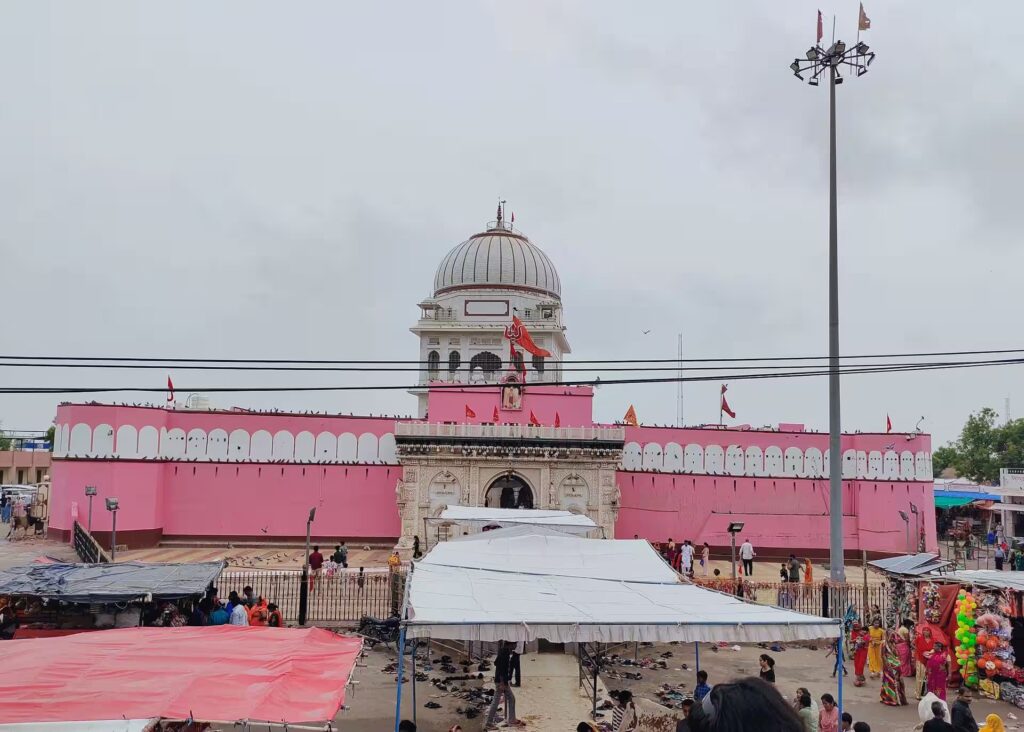
Karni Mata Temple
Karni Mata Temple near Bikaner is known for its sacred rats, marble courtyard, and deep faith among devotees.
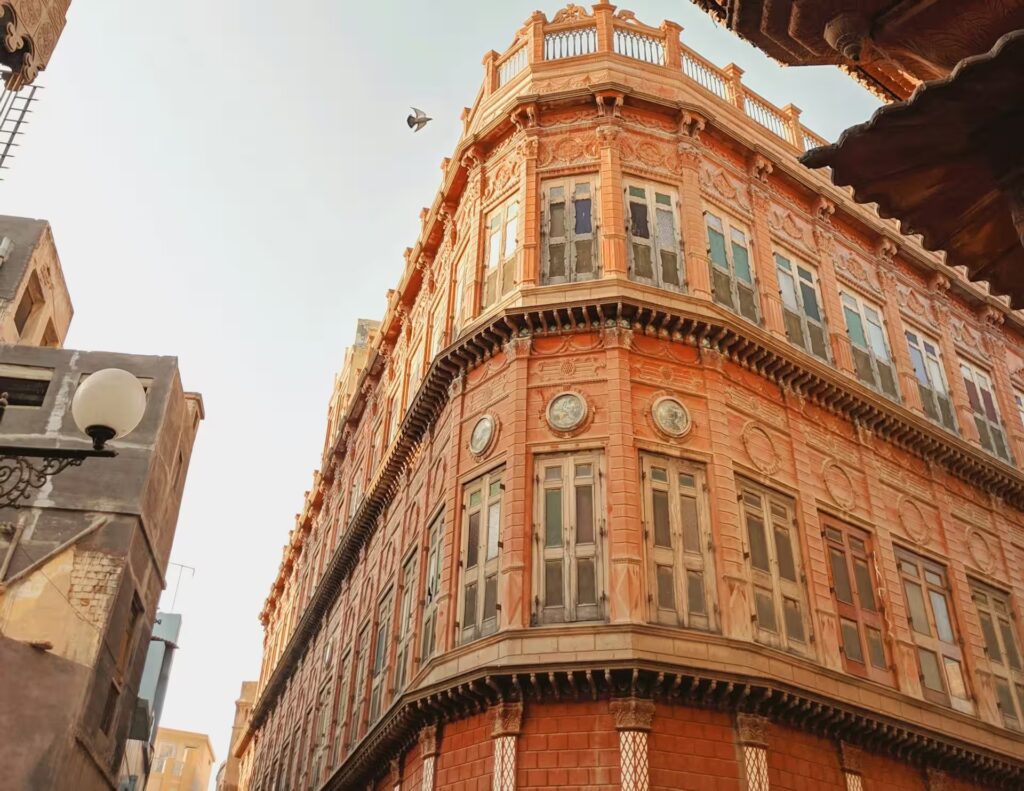
Rampuria Haveli
Rampuria Haveli in Bikaner is known for red sandstone facades, carved balconies, and merchant homes from the trading era.
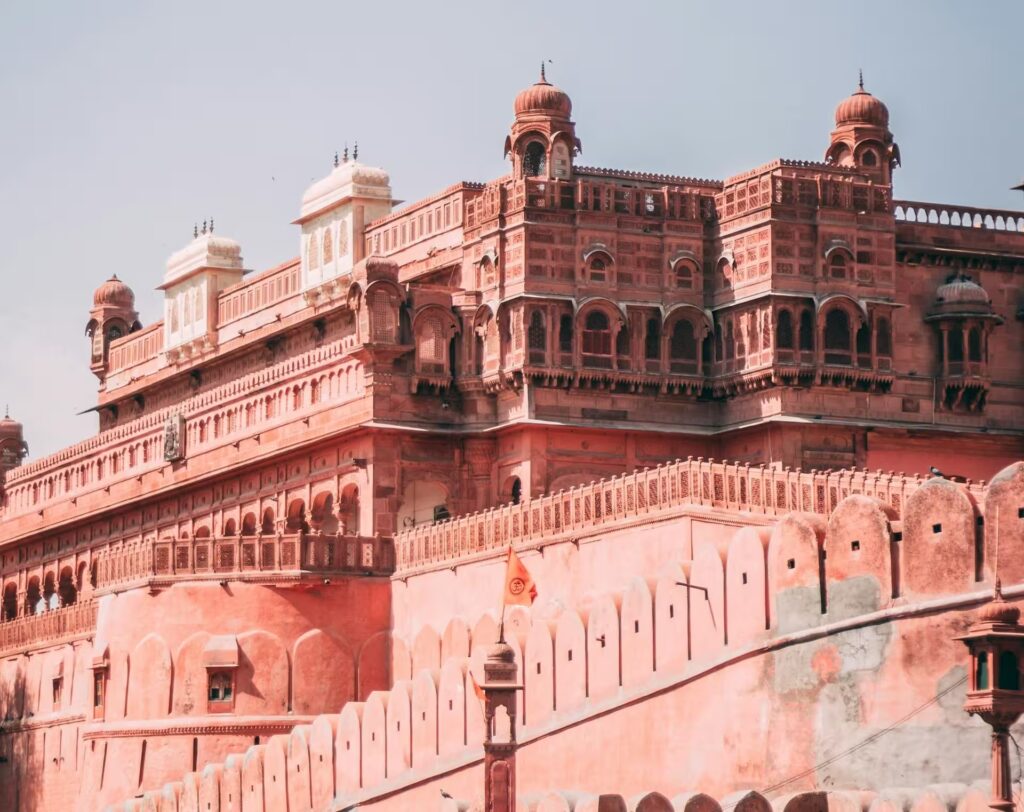
Junagarh Fort
Junagarh Fort in Bikaner is a strong desert fort with palace halls, courtyards, and detailed Rajput architecture.
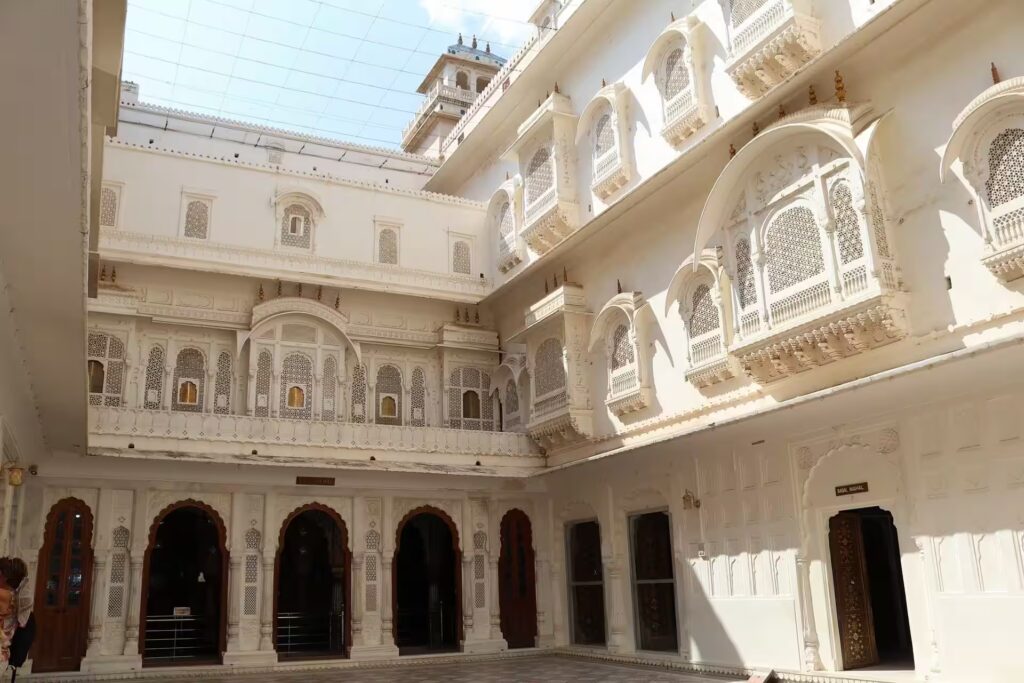
Anup Mahal
Anup Mahal in Bikaner Fort is known for gold leaf work, carved pillars, and halls once used for royal gatherings.
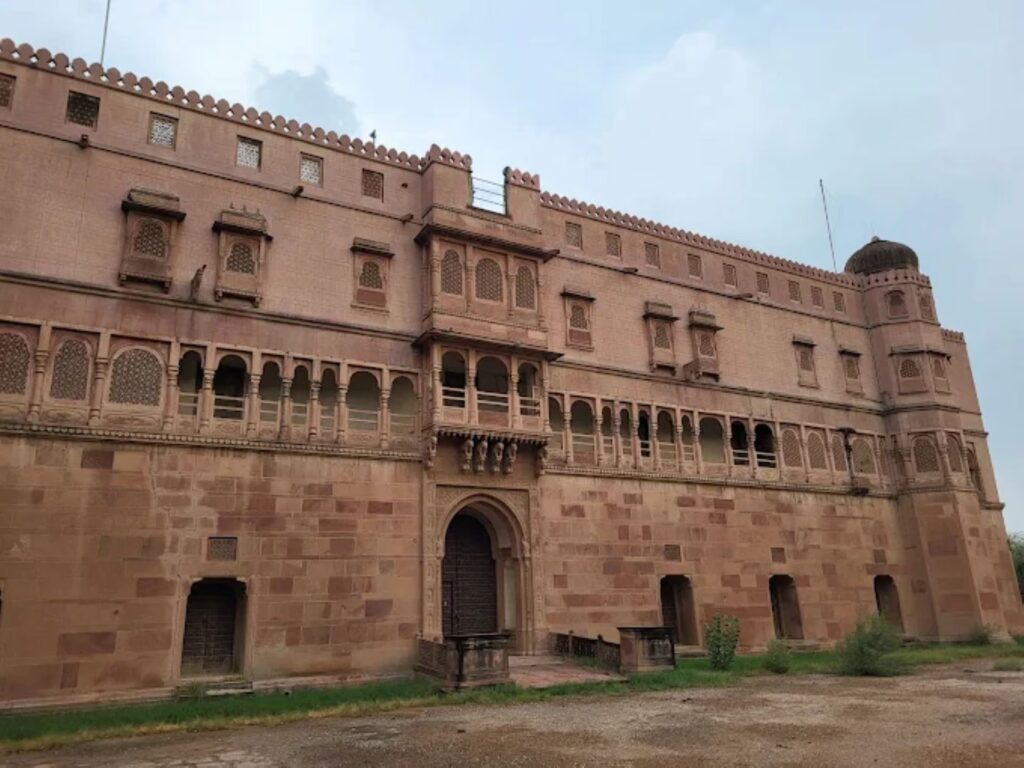
Gajner Palace
Gajner Palace stands beside a quiet lake near Bikaner, known for its red sandstone walls and royal hunting past.
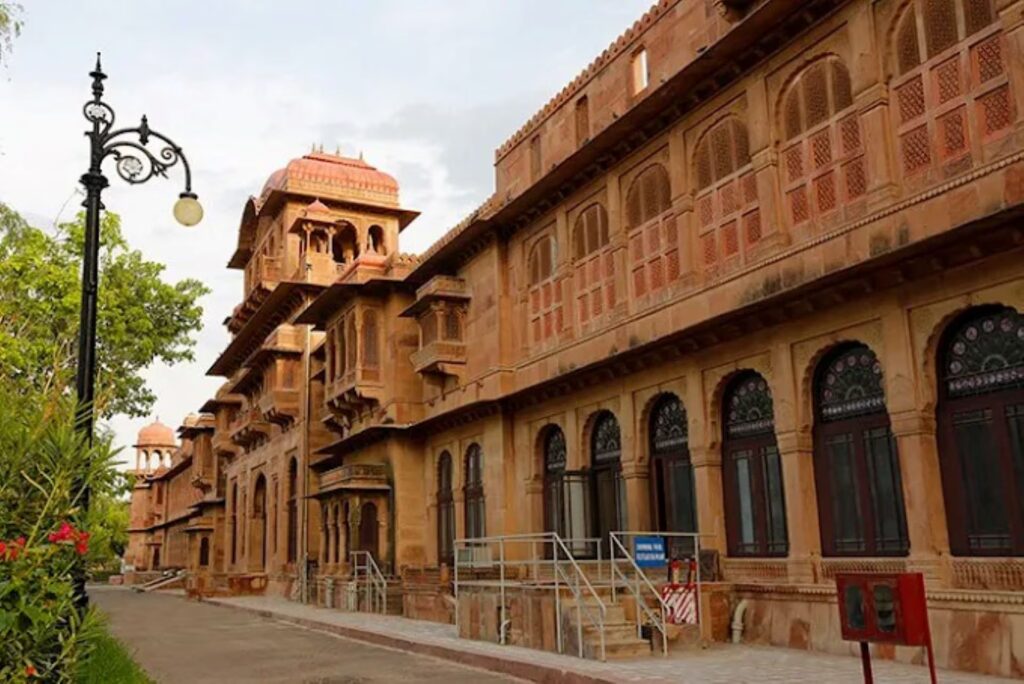
Laxmi Niwas Palace
Laxmi Niwas Palace in Bikaner is a grand red sandstone residence with carved halls and strong royal heritage.
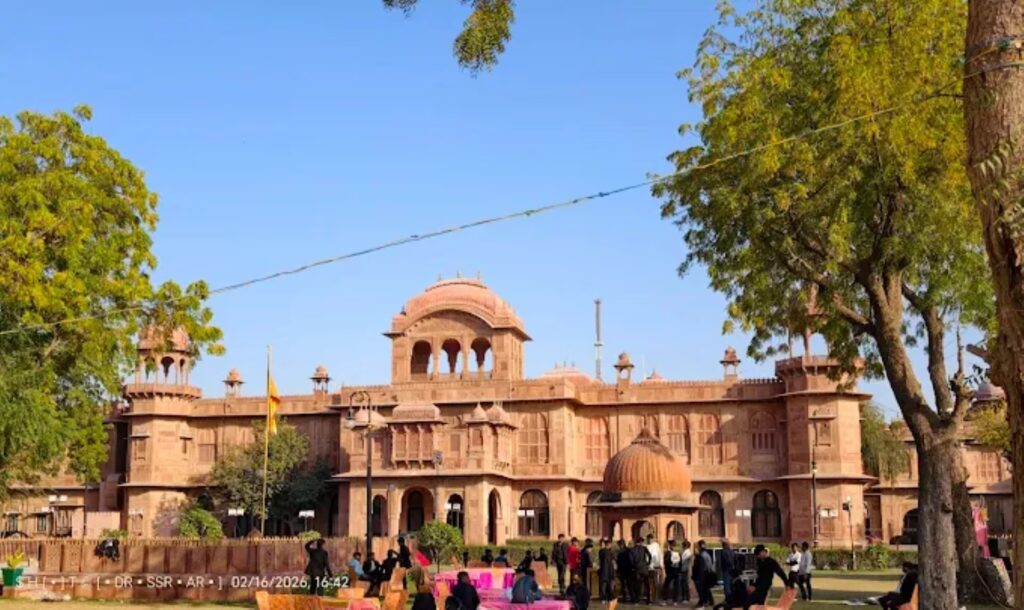
Lalgarh Palace
Lalgarh Palace in Bikaner is a red sandstone residence with carved halls, royal rooms, and strong Rajput design.
Rampuria Haveli
Rampuria Haveli in Bikaner is known for red sandstone facades, carved balconies, and merchant homes from the trading era.
Gajner Palace
Gajner Palace stands beside a quiet lake near Bikaner, known for its red sandstone walls and royal hunting past.
Laxmi Niwas Palace
Laxmi Niwas Palace in Bikaner is a grand red sandstone residence with carved halls and strong royal heritage.
Lalgarh Palace
Lalgarh Palace in Bikaner is a red sandstone residence with carved halls, royal rooms, and strong Rajput design.
Junagarh Fort
Junagarh Fort in Bikaner is a strong desert fort with palace halls, courtyards, and detailed Rajput architecture.
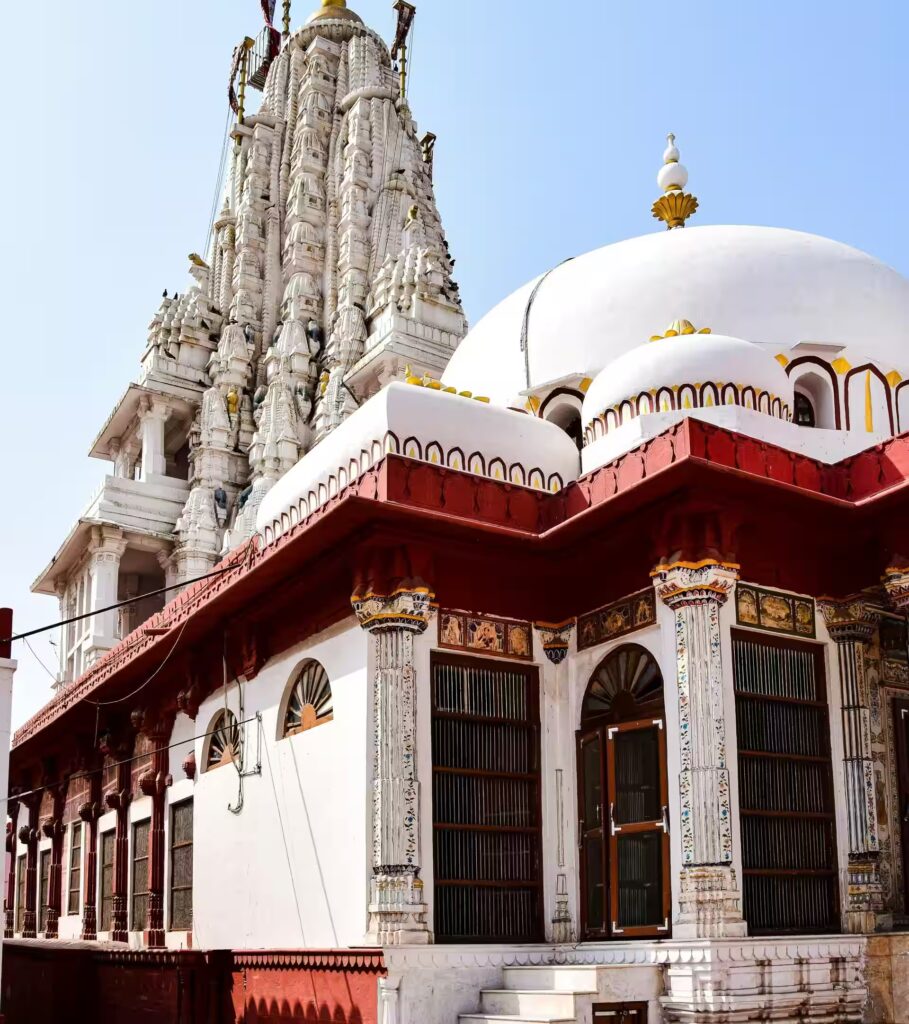
Bhandasar Jain Temple
Bhandasar Jain Temple in Bikaner is known for painted interiors, carved pillars, and detailed work from the Jain tradition.
Karni Mata Temple
Karni Mata Temple near Bikaner is known for its sacred rats, marble courtyard, and deep faith among devotees.
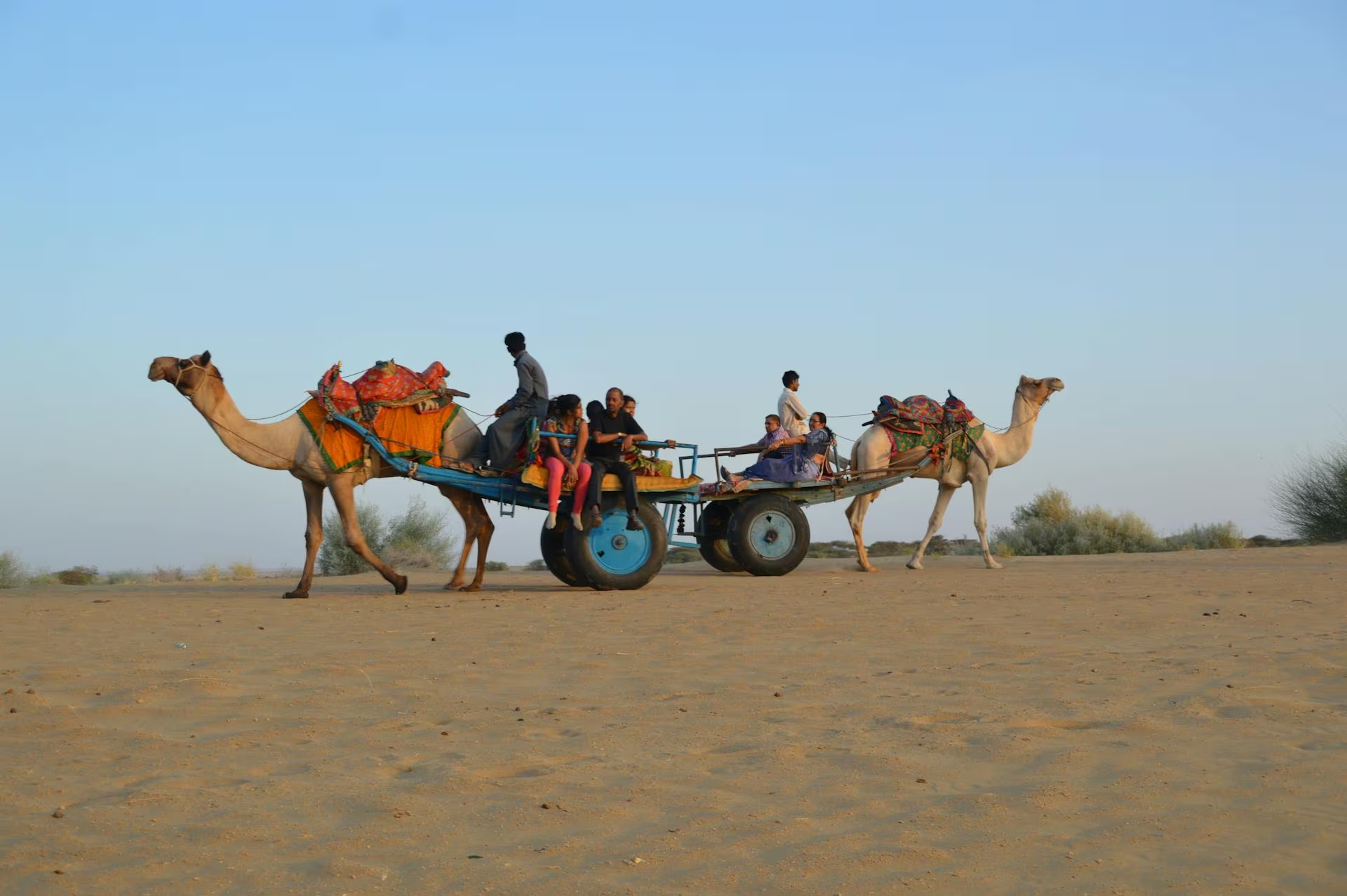
Camel Safari in the Thar Desert
Ride camels across desert trails near Bikaner and see villages and sand dunes.
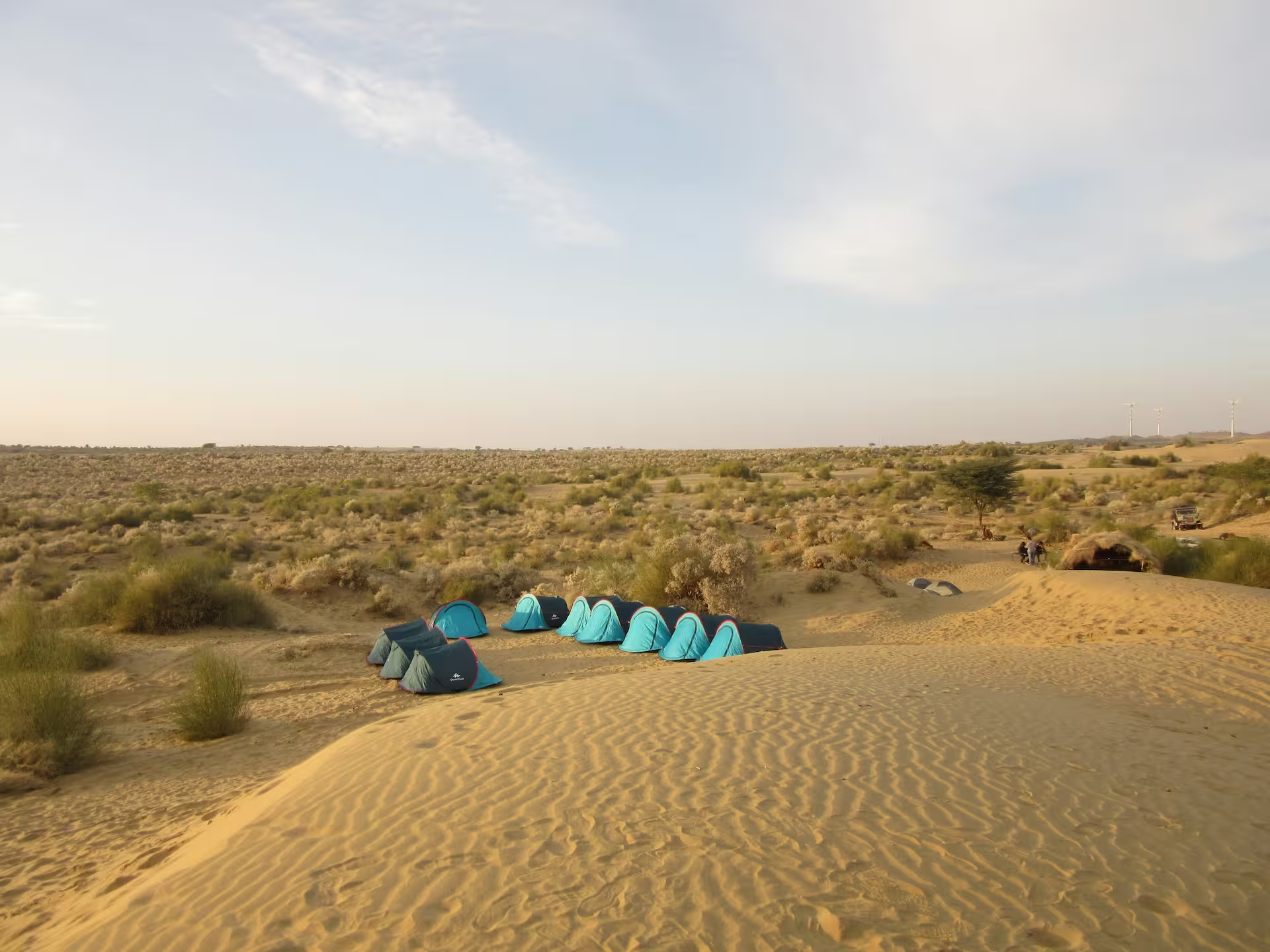
Desert Camping Experience
Stay overnight in desert camps near Bikaner with traditional music and local food.
About Bikaner
Bikaner is a desert city in north Rajasthan. Founded in 1488 by Rao Bika. Rathore ruler. The city grew on old caravan routes. Trade moved between Central Asia and western India.
Junagarh Fort is the main landmark. It stands on flat land, not a hill. Strong walls. Palaces inside. Courtyards, museums. You see the royal past here.
The old city feels tight and busy. Narrow streets. Traditional houses. Markets everywhere. Textiles, handicrafts, sweets. Bikaneri Bhujia. People buy it, carry it, talk about it.
Camels are part of the city too. The National Research Centre on Camel studies them. Breeding, desert life, daily use. Visitors come and learn. You see how important camels are here.
Temples, havelis, palaces across the city. Old structures, still standing. Today people visit for history, desert views, camel culture. Some walk through lanes. Some stop and look around. You notice how dry land shapes the city and its life.
Best Time to Visit Bikaner
October to March
This is the best time to visit. The weather stays cool and comfortable, making it easier to explore forts, palaces, and markets during the day.
April to June
Summer is very hot. Day temperatures can rise sharply due to the desert climate. Sightseeing becomes tiring in the afternoon.
July to September
Monsoon brings slight relief from heat, but rainfall is limited. The landscape looks fresher, though humidity may increase.
Festivals And Calendar
Karni Mata Fair – March and September A religious fair held at Karni Mata Temple where thousands of devotees gather for prayers.
Jan
Feb
Mar
Apr
May
Jun
Jul
Aug
Sep
Oct
Nov
Dec
Best
Good
Fair
poor
Near by Places
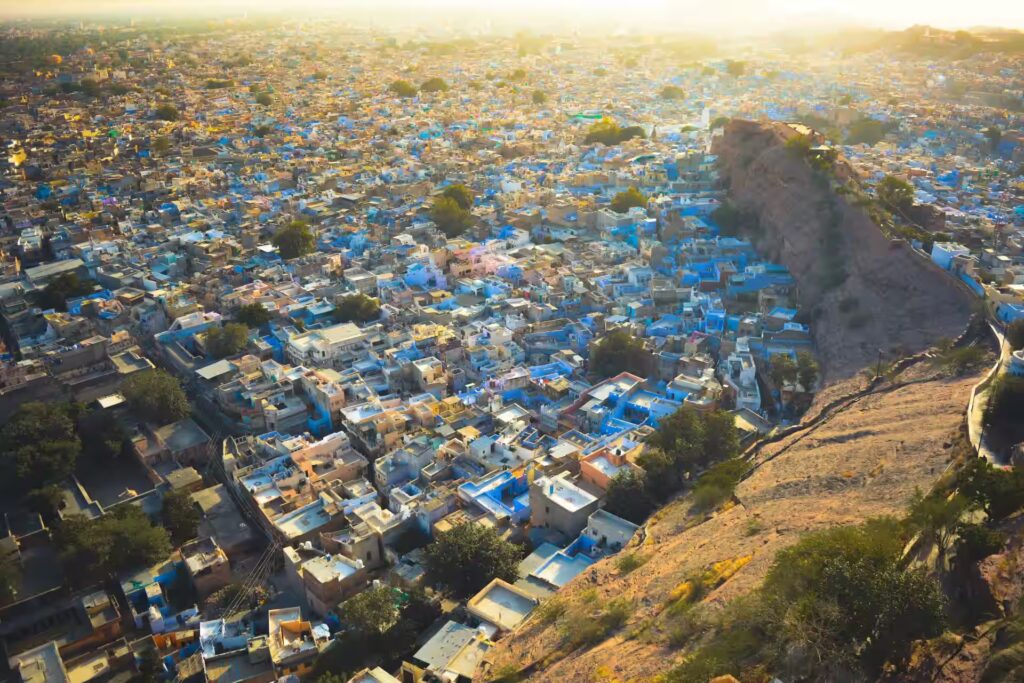
Jodhpur
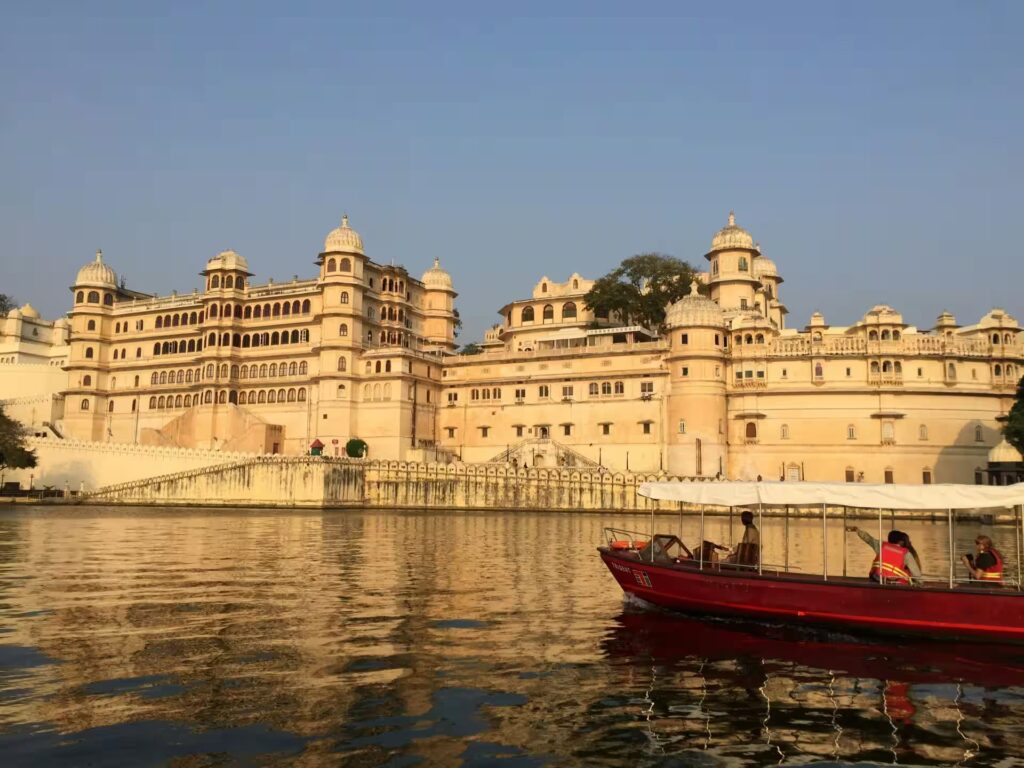
Udaipur
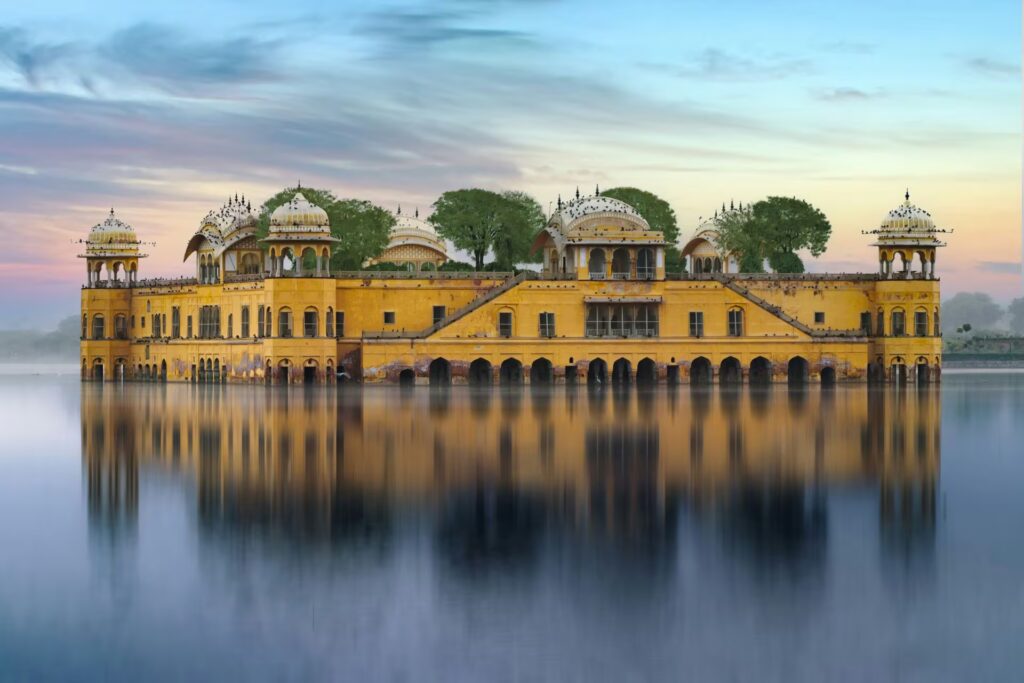
Jaipur
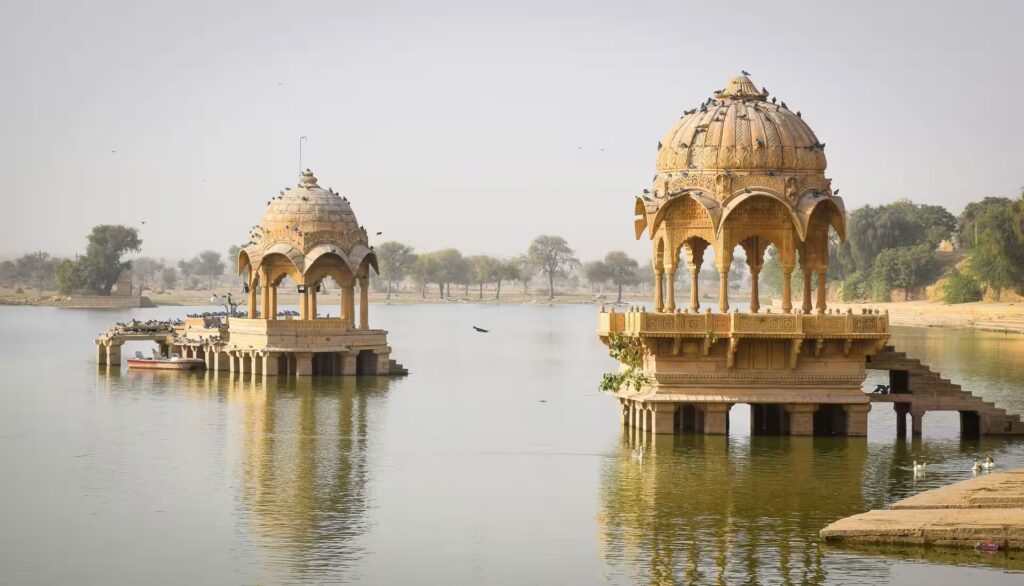
Jaisalmer
Similar Places to Visit
Sayaji Baug Zoo
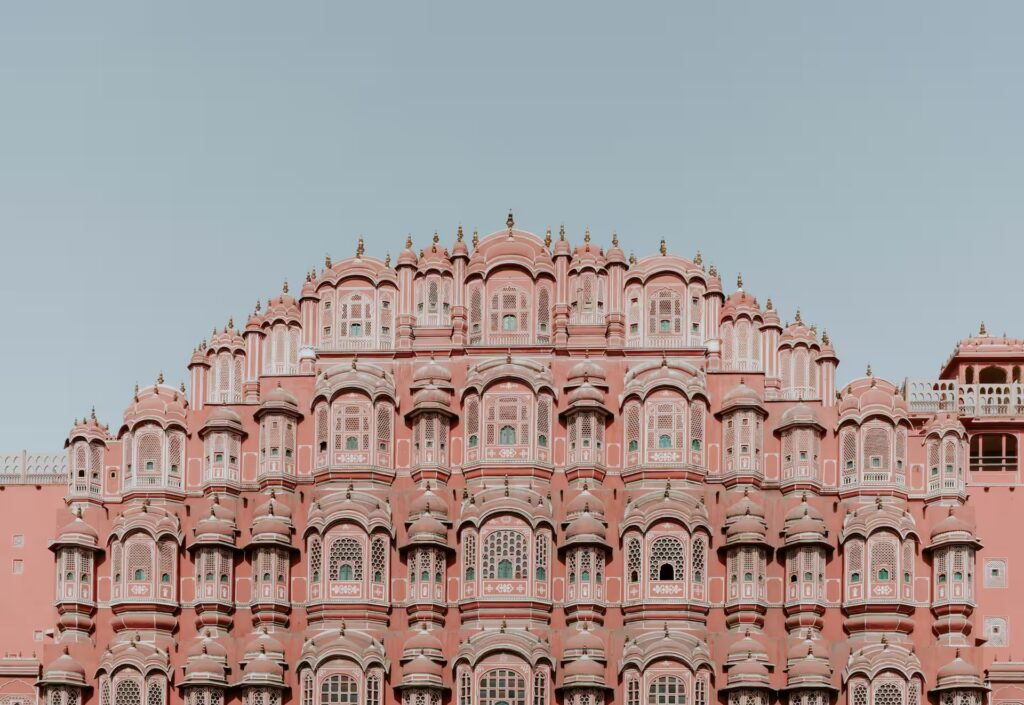
Hawa Mahal
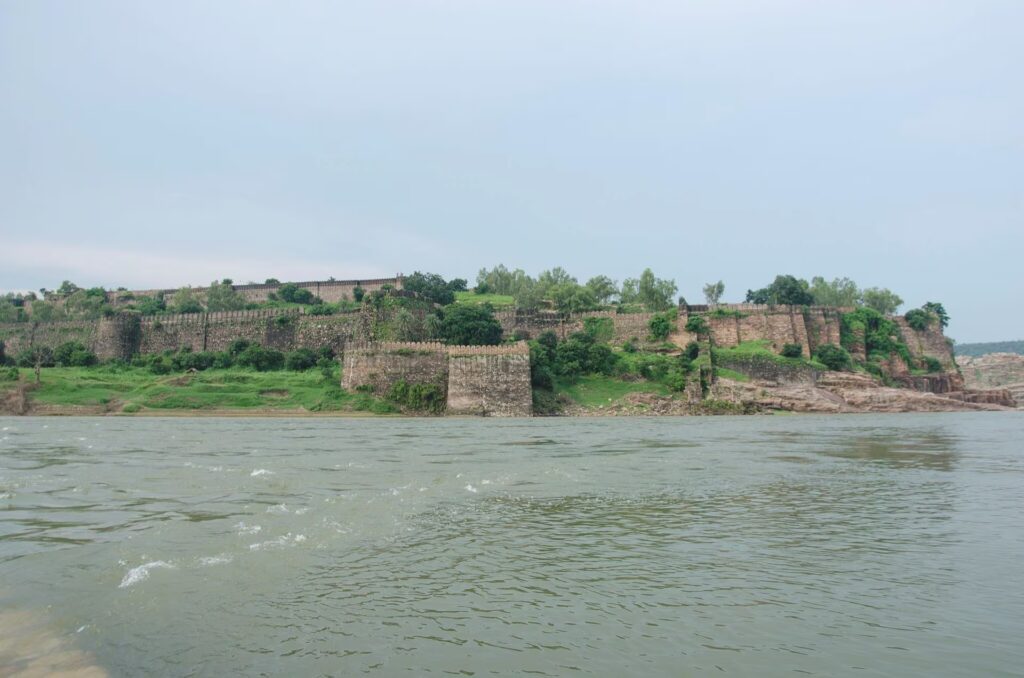
Gagron Fort
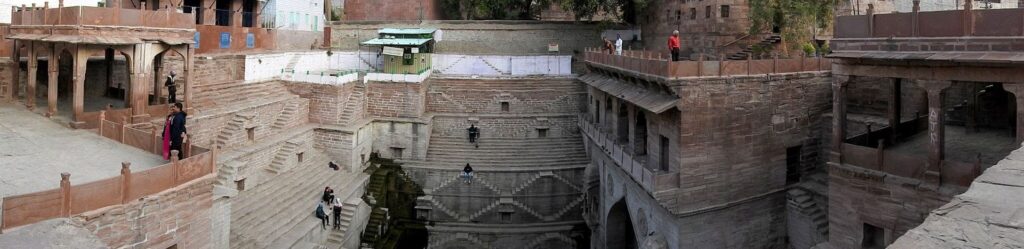
Toorji Ka Jhalra
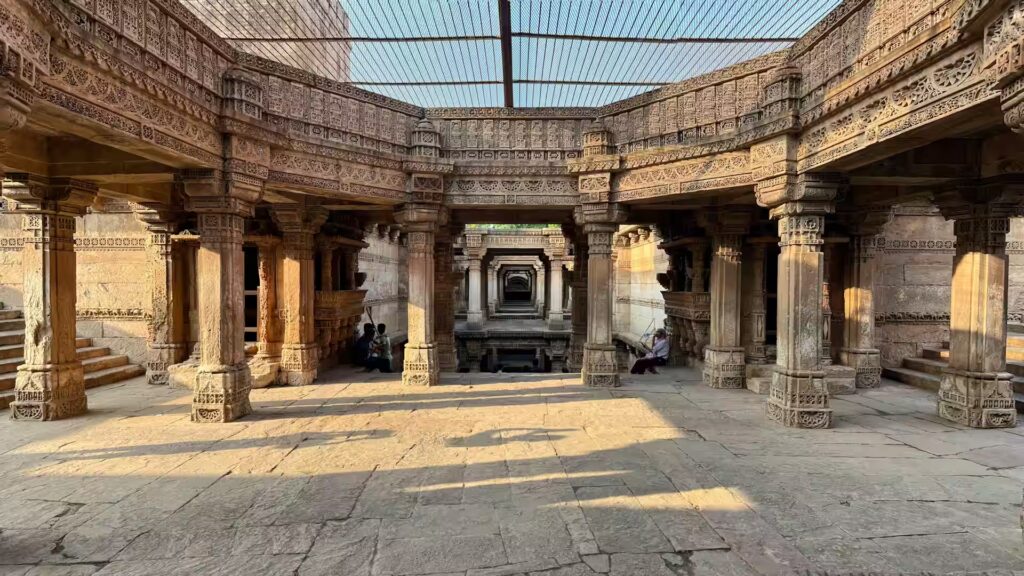
The Adalaj Stepwell
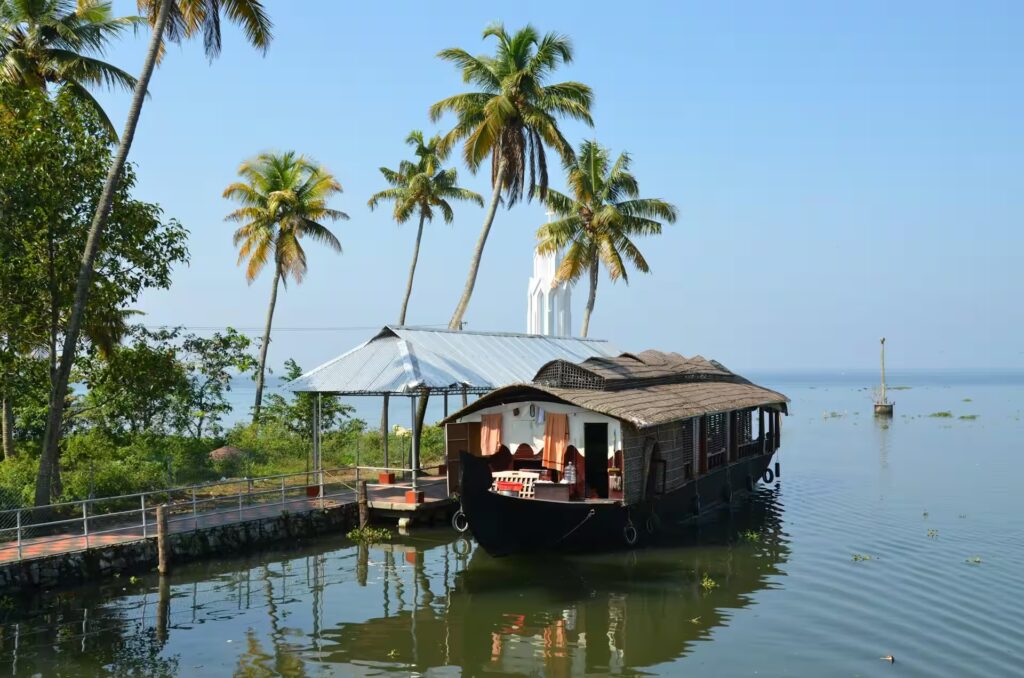
Kuttanad
Discover by Interest
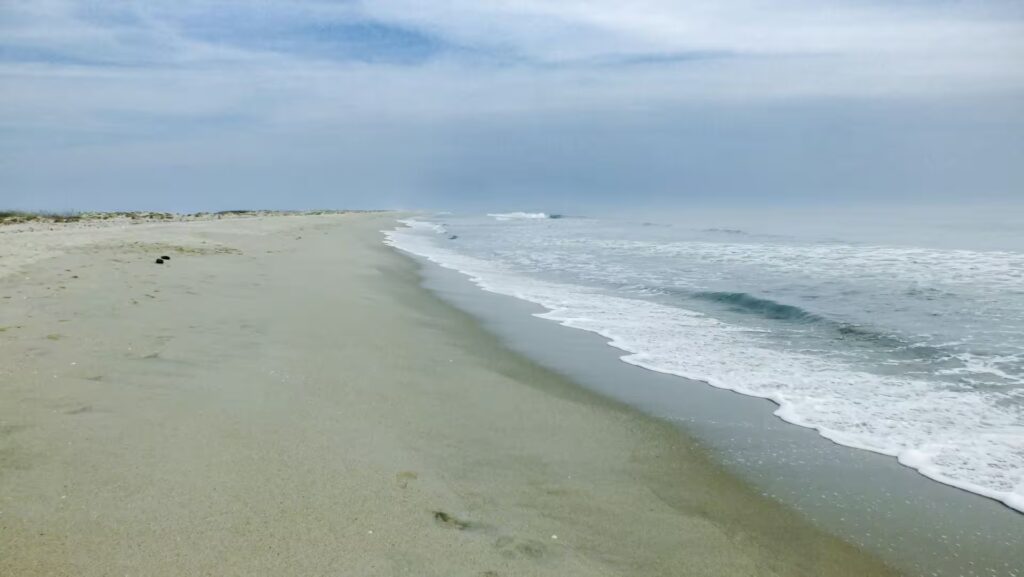
Beach
Beaches Destinations
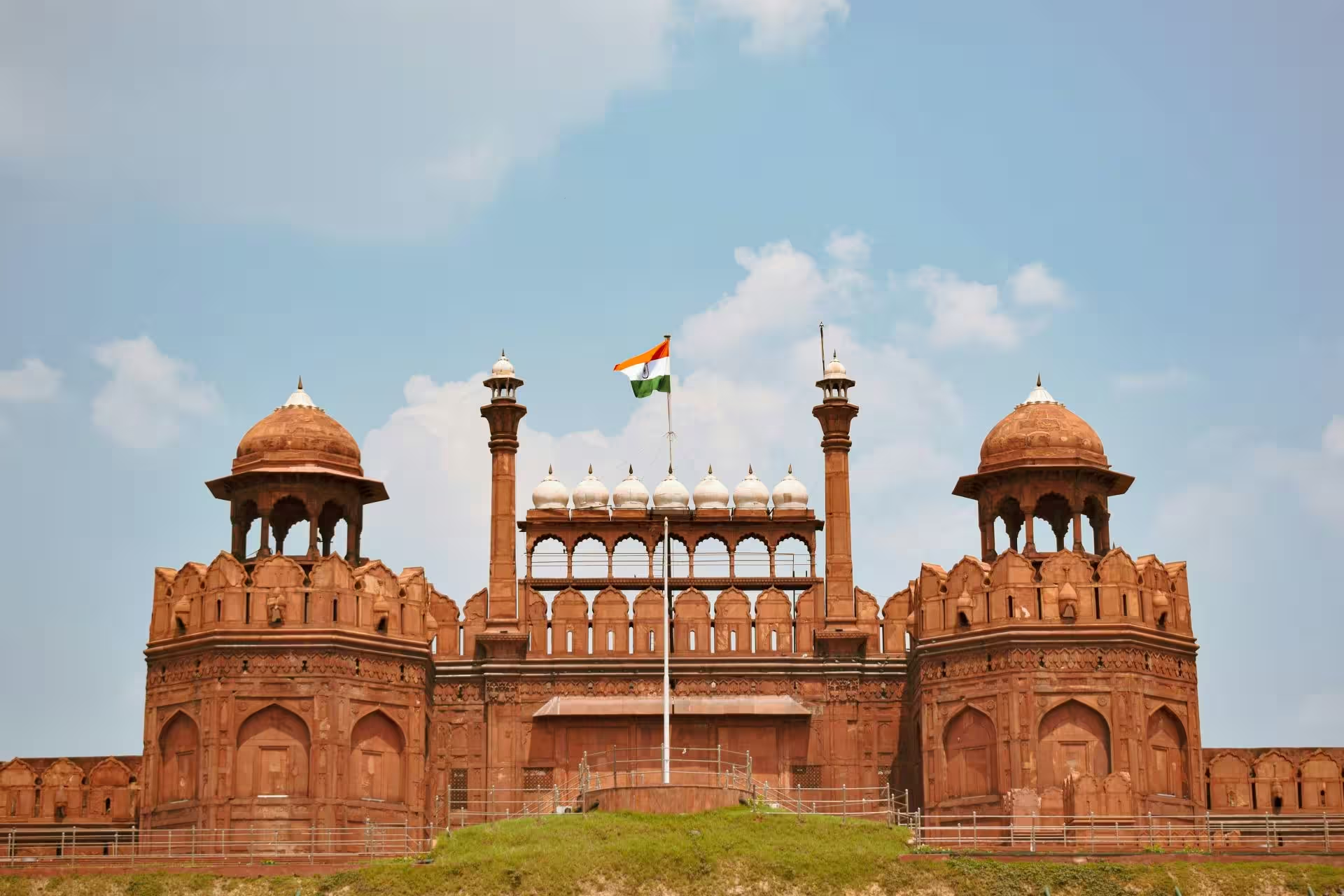
Heritage
Heritage Destinations
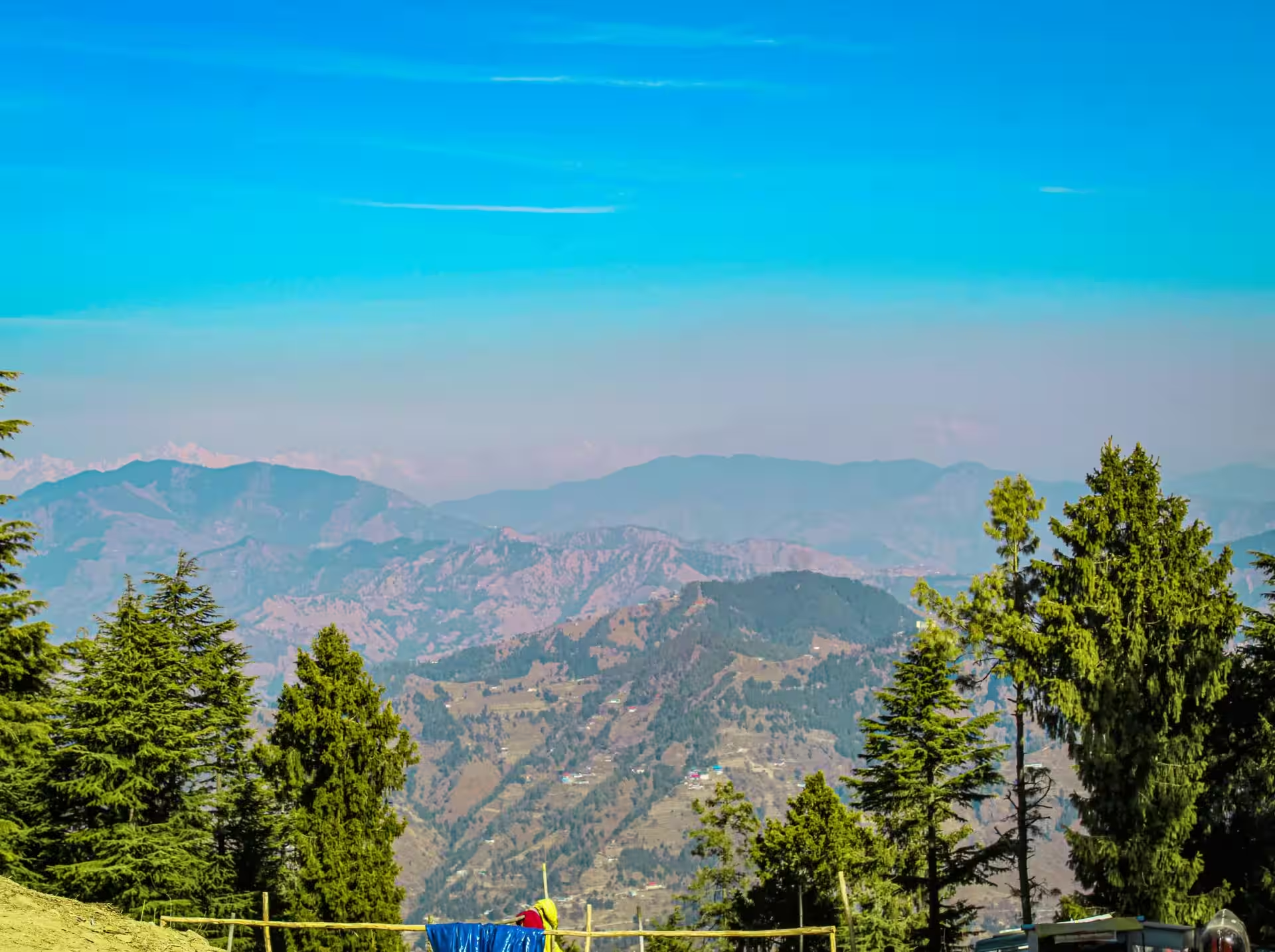
Hill Stations
Hill Stations
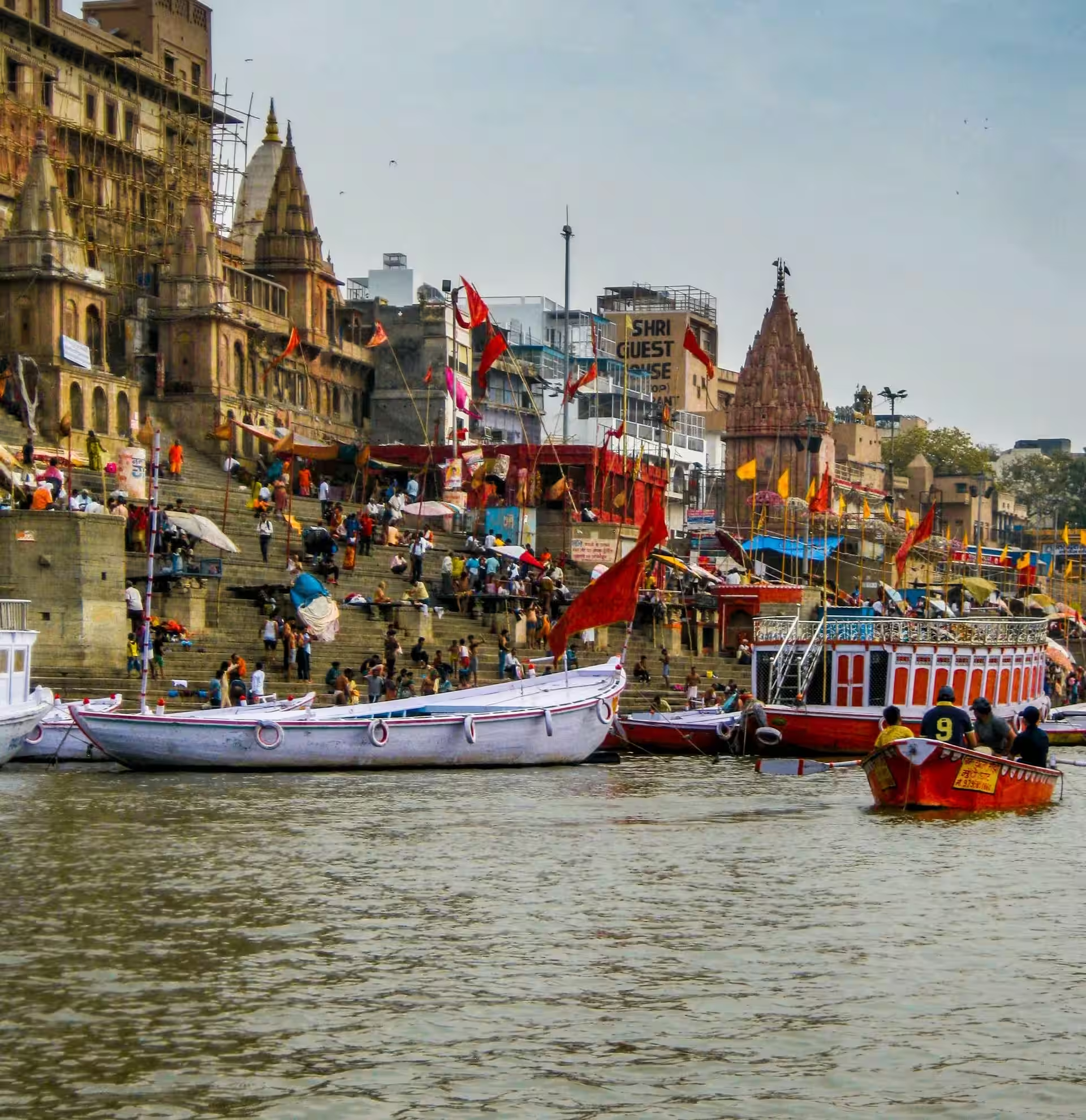
Spiritual
Spiritual Destinations
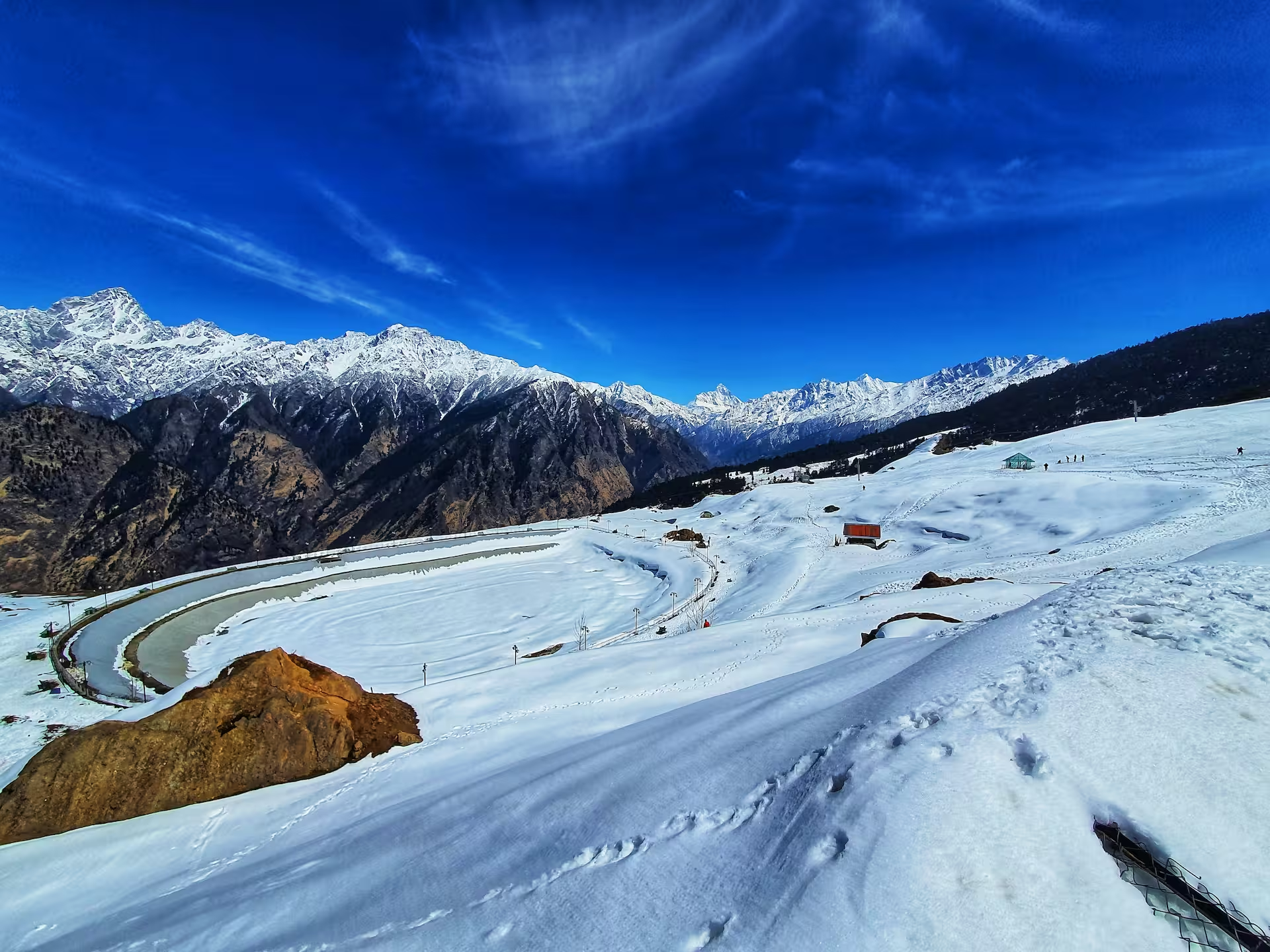
Trekking
Trekking Hotspots
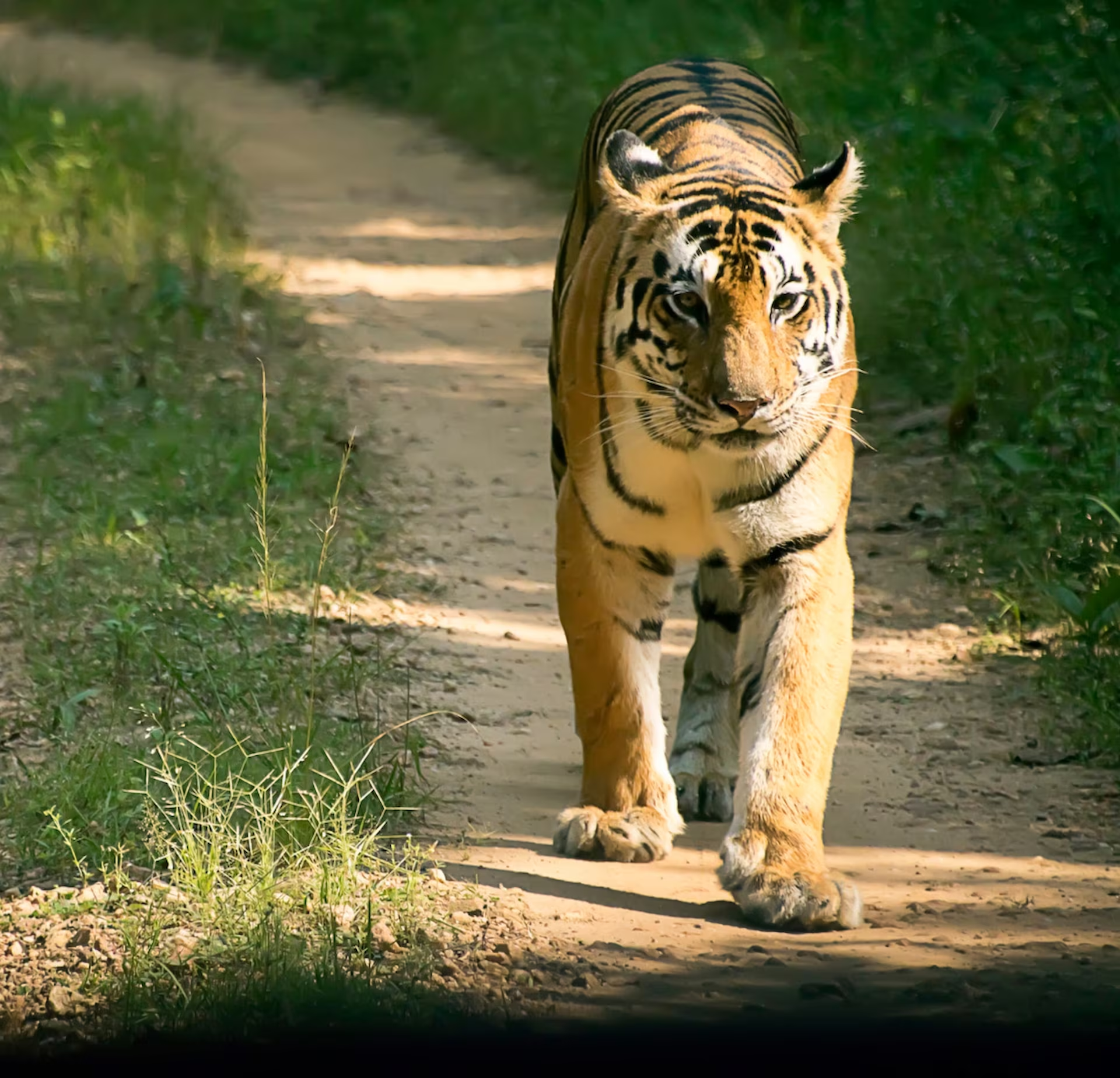
Wildlife
Wildlife Destinations
Frequently Asked Questions
What is Bikaner famous for?
Bikaner is known for its old forts, temples, and traditional snacks. Popular places include Junagarh Fort, Karni Mata Temple, and Lalgarh Palace.
Why do many people visit Karni Mata Temple near Bikaner?
Karni Mata Temple is known for the large number of rats that live inside the temple. Many devotees believe the rats are sacred.
What is the best time to visit Bikaner?
October to March is the best time. The weather stays cooler and more comfortable for sightseeing.
What can visitors do in Bikaner?
Visitors can tour forts, visit temples, walk through old markets, and learn about the city's royal history.
Are there desert areas near Bikaner?
Yes. Bikaner lies close to the Thar Desert. Some visitors also enjoy camel rides and desert views around the city.