
Overview
Bhandasar Jain Temple is a historic Jain temple located in the old city of Bikaner in Rajasthan. The temple is dedicated to Sumatinath, the fifth Tirthankara in Jainism.
The temple was built in the fifteenth century by a wealthy merchant named Bhandasa Oswal. It is known for its detailed wall paintings, carved pillars, and decorated interiors.
According to local tradition, ghee was used in the mortar during construction instead of water. Because of this belief the temple is often mentioned as an unusual example of traditional building methods.
Today Bhandasar Jain Temple is an important religious place for the Jain community and also attracts visitors interested in historic architecture and art.
Open Hours
- Open Days: All days of the week
- Open Time: 6:00 AM
- Closing Time: 6:00 PM
Morning hours are comfortable for visiting the temple.
Entry Fee - Indians vs Foreigners
| Category | Ticket Price (INR) |
|---|---|
| Indian Citizens | Free |
| Foreign Tourists | Free |
| Camera Charges | May apply |
What To Expect
Detailed Wall Paintings
The temple interiors include colorful paintings that show religious themes and traditional designs.
Carved Pillars and Ceilings
Visitors can see detailed carvings on pillars, walls, and ceilings.
Jain Religious Atmosphere
Devotees come to the temple for prayer and religious ceremonies.
Historic Temple Architecture
The building reflects traditional Jain temple design with multiple levels and decorated halls.
Tips
- Dress modestly when visiting the temple.
- Remove shoes before entering the temple complex.
- Maintain silence and respect religious practices.
- Visit during morning hours when the temple is less crowded.
- Carry water during warmer months.
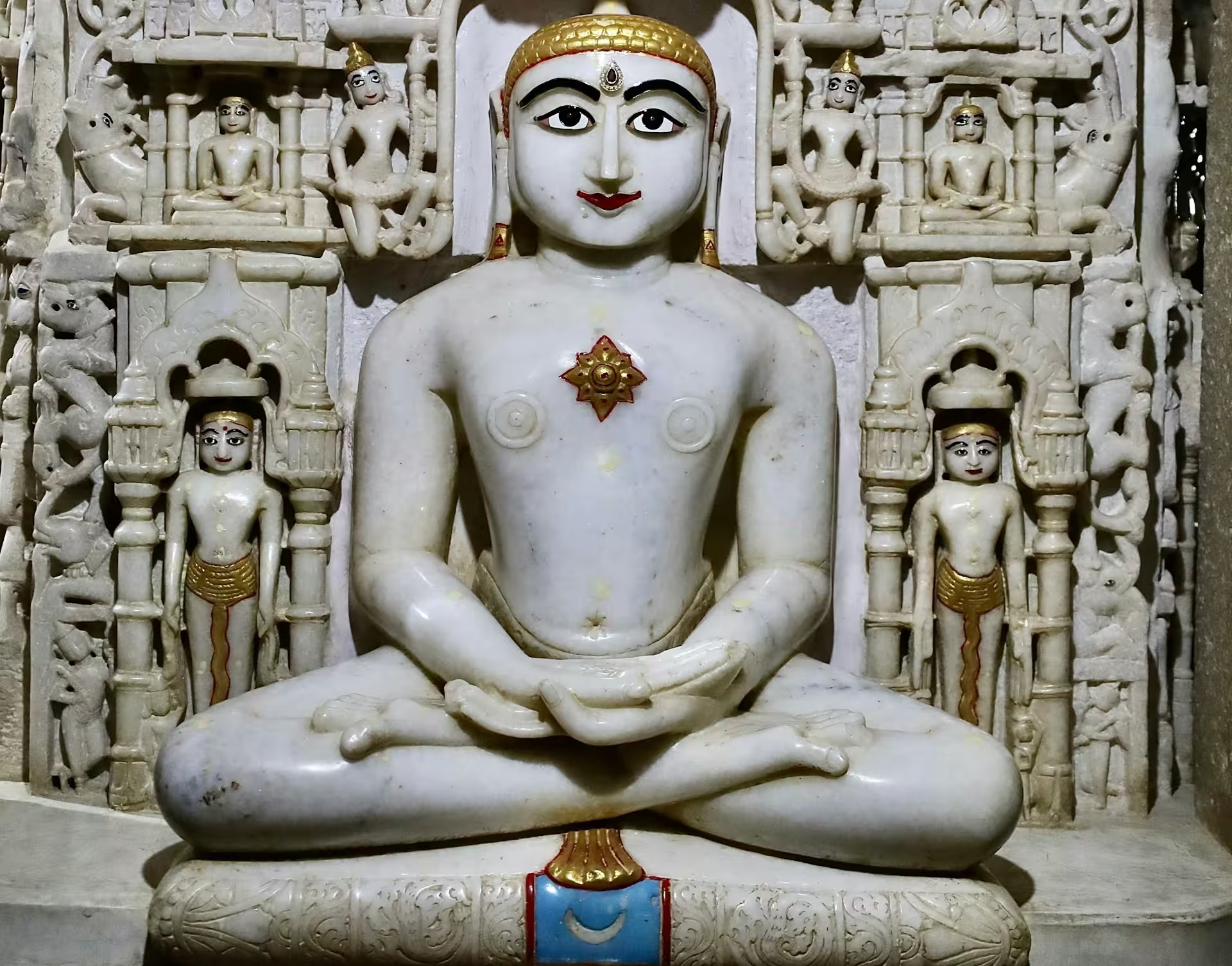
About Bhandasar Jain Temple
Bhandasar Jain Temple is one of the important Jain temples in Bikaner. It has several floors with halls and shrines.
The walls and ceilings are painted. Natural colors were used. You see religious stories, floral patterns, and traditional designs. Some areas look bright. Some feel calm and quiet.
The temple is still used for worship. People from the Jain community come here to pray. Visitors also come to see the artwork. Some walk through the halls. Some stop and look up at the ceilings. You notice the details as you move around.
Near by Places
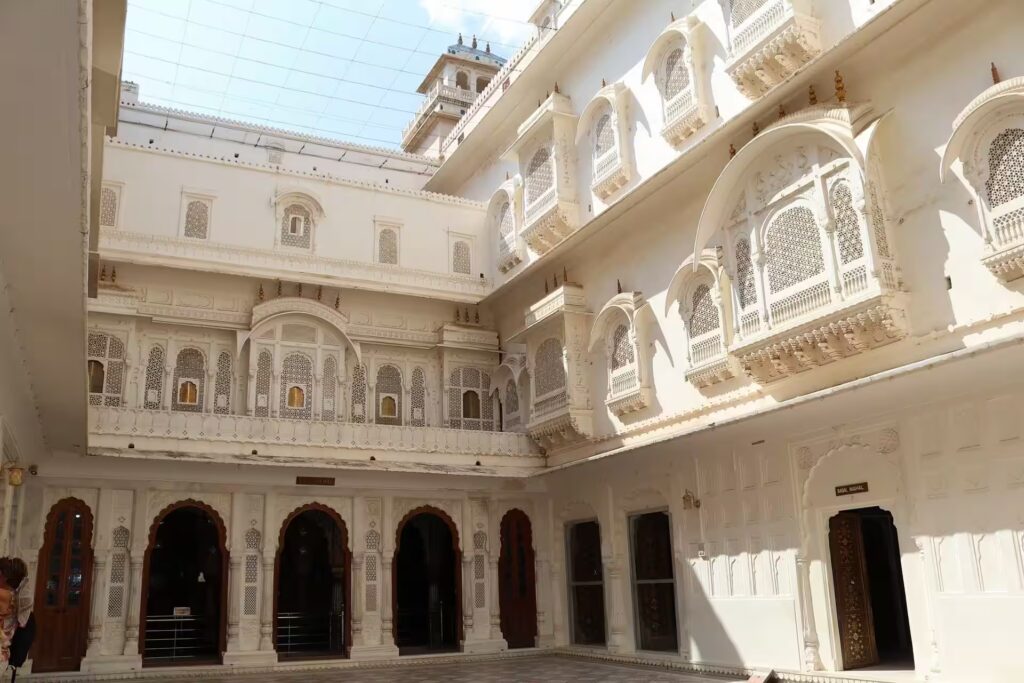
Anup Mahal
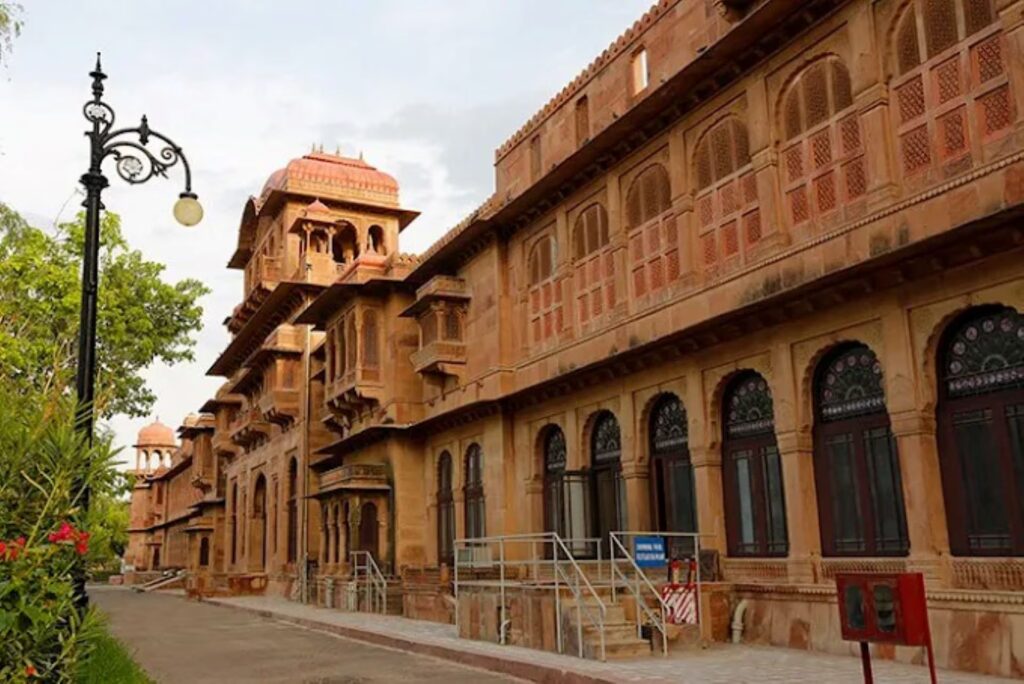
Laxmi Niwas Palace
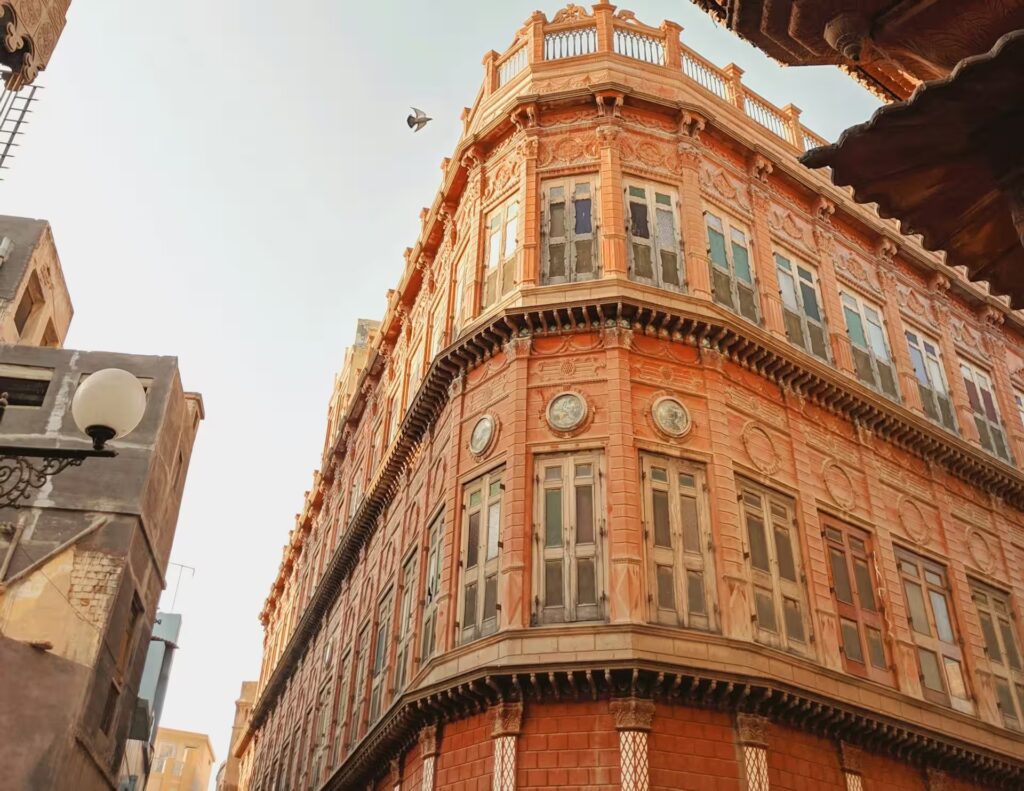
Rampuria Haveli
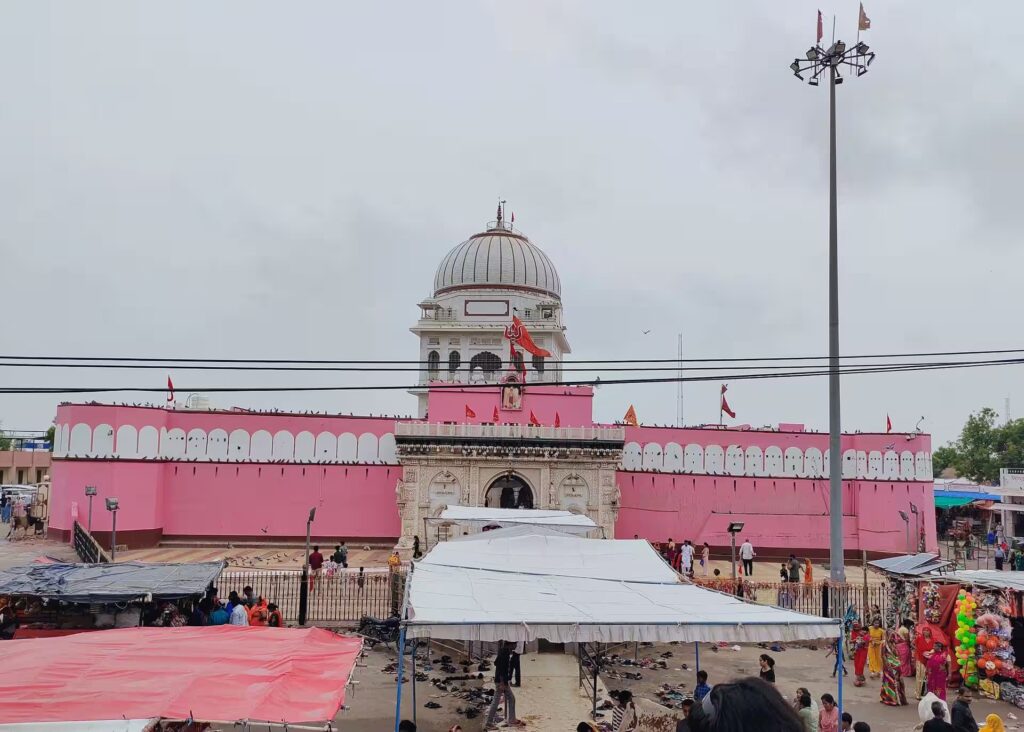
Karni Mata Temple
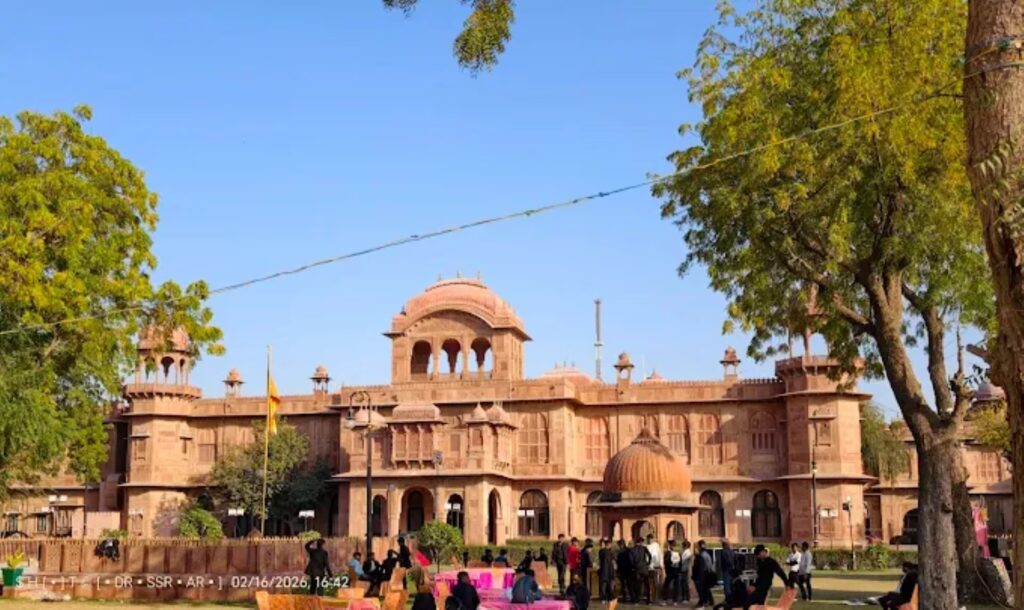
Lalgarh Palace
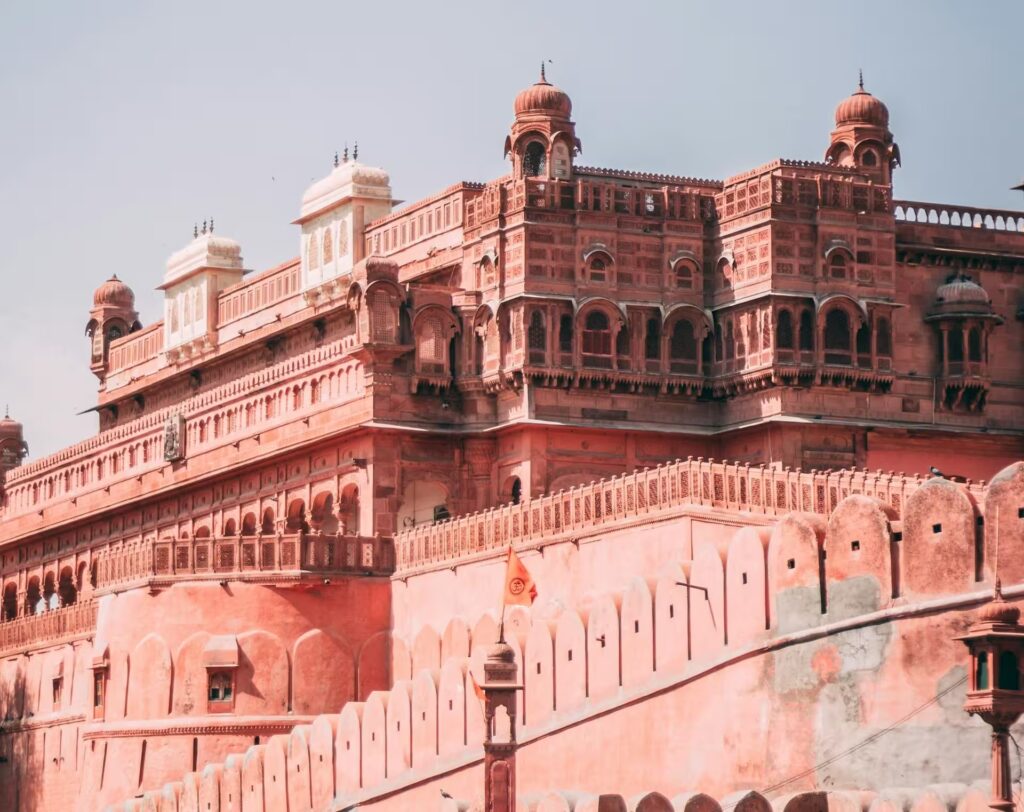
Junagarh Fort
Similar Places to Visit
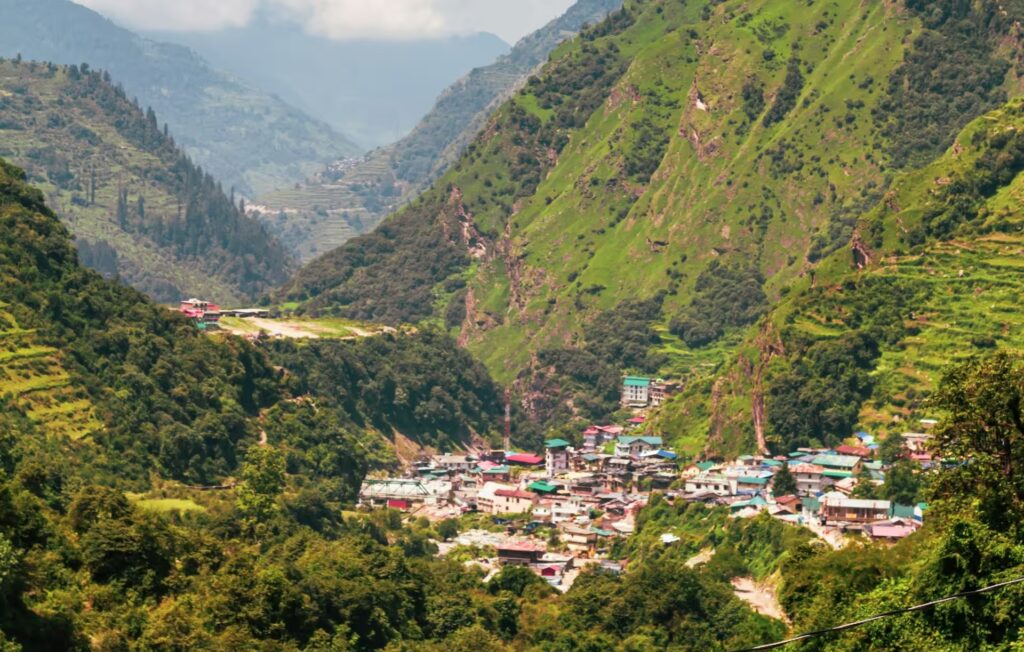
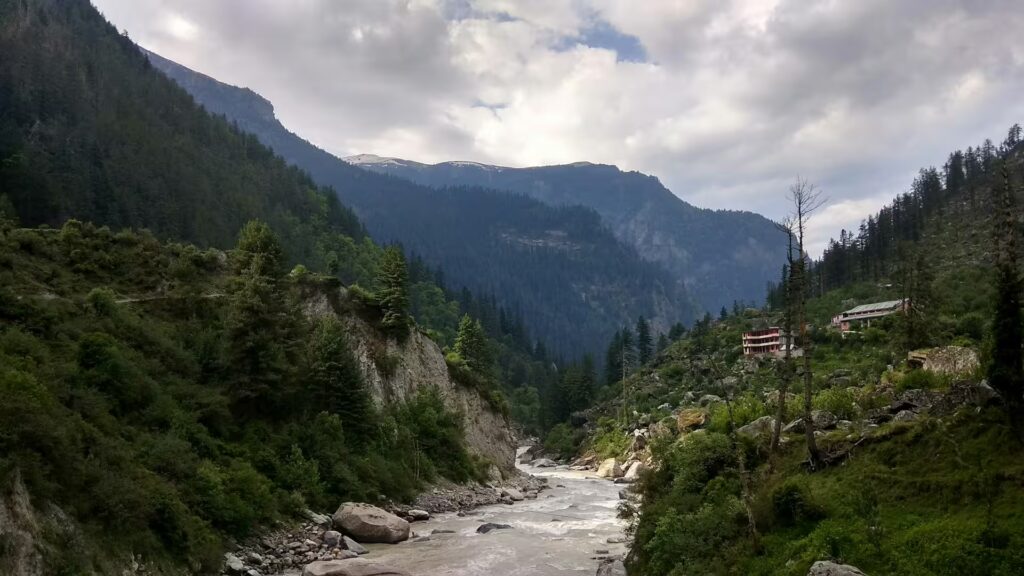
Kharsali
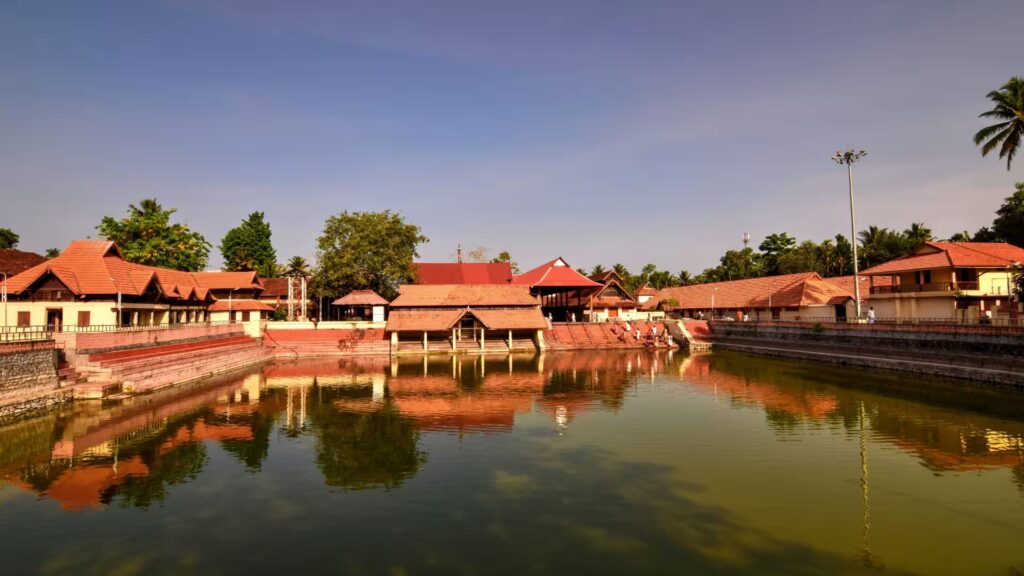
Sree Krishna Swamy Temple
Gangotri Surya Kund
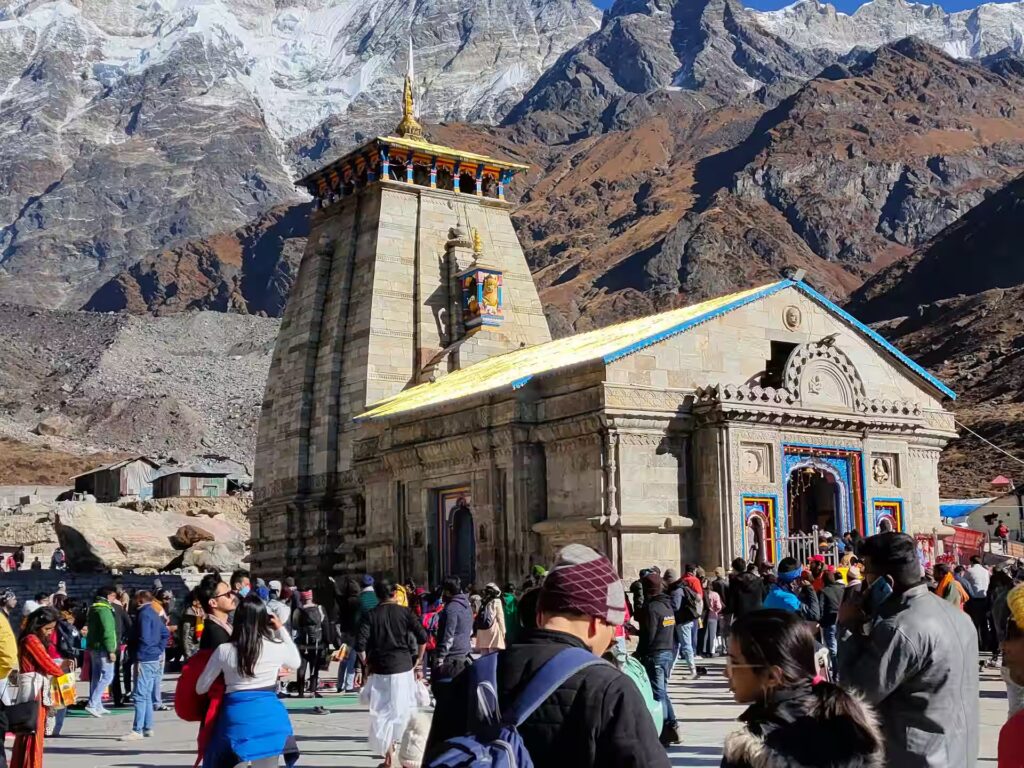
Kedarnath Temple
Karni Mata Temple
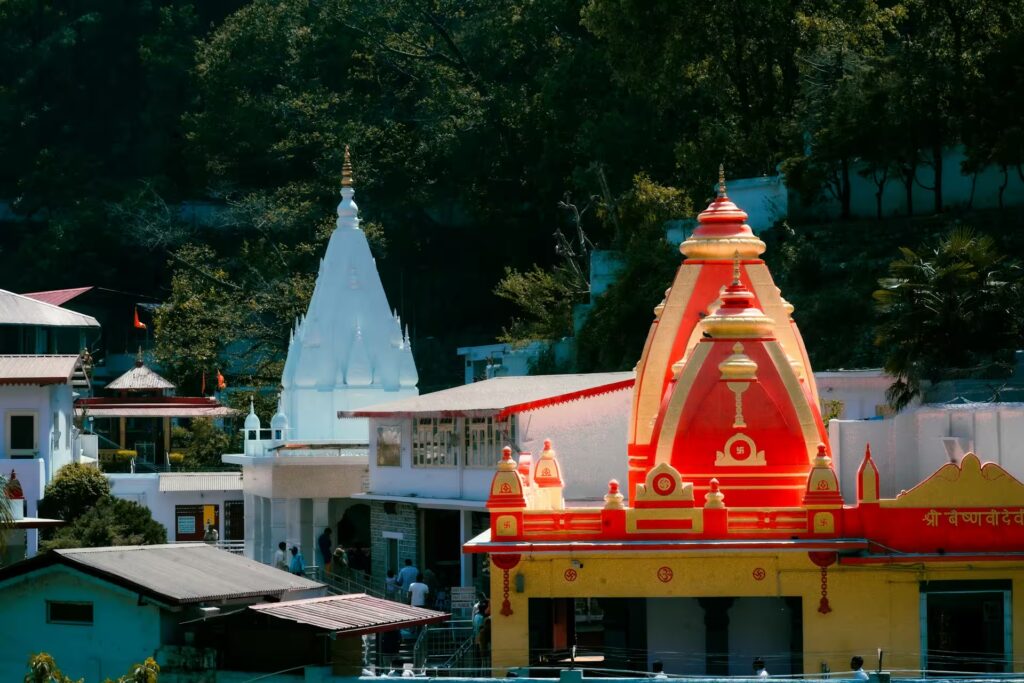
Kainchi Dham
Discover by Interest
Beach
Beaches Destinations
Heritage
Heritage Destinations
Hill Stations
Hill Stations
Spiritual
Spiritual Destinations
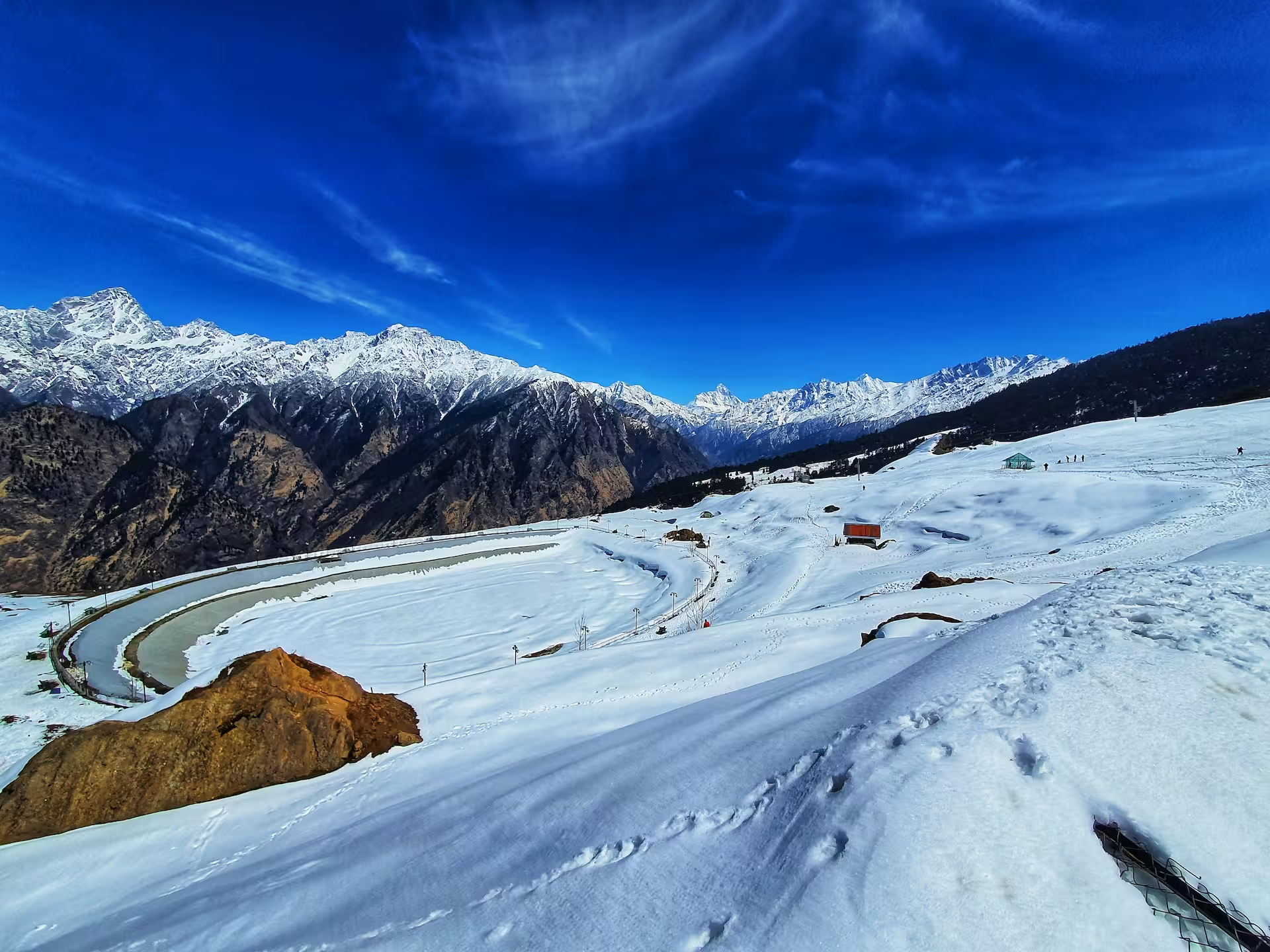
Trekking
Trekking Hotspots
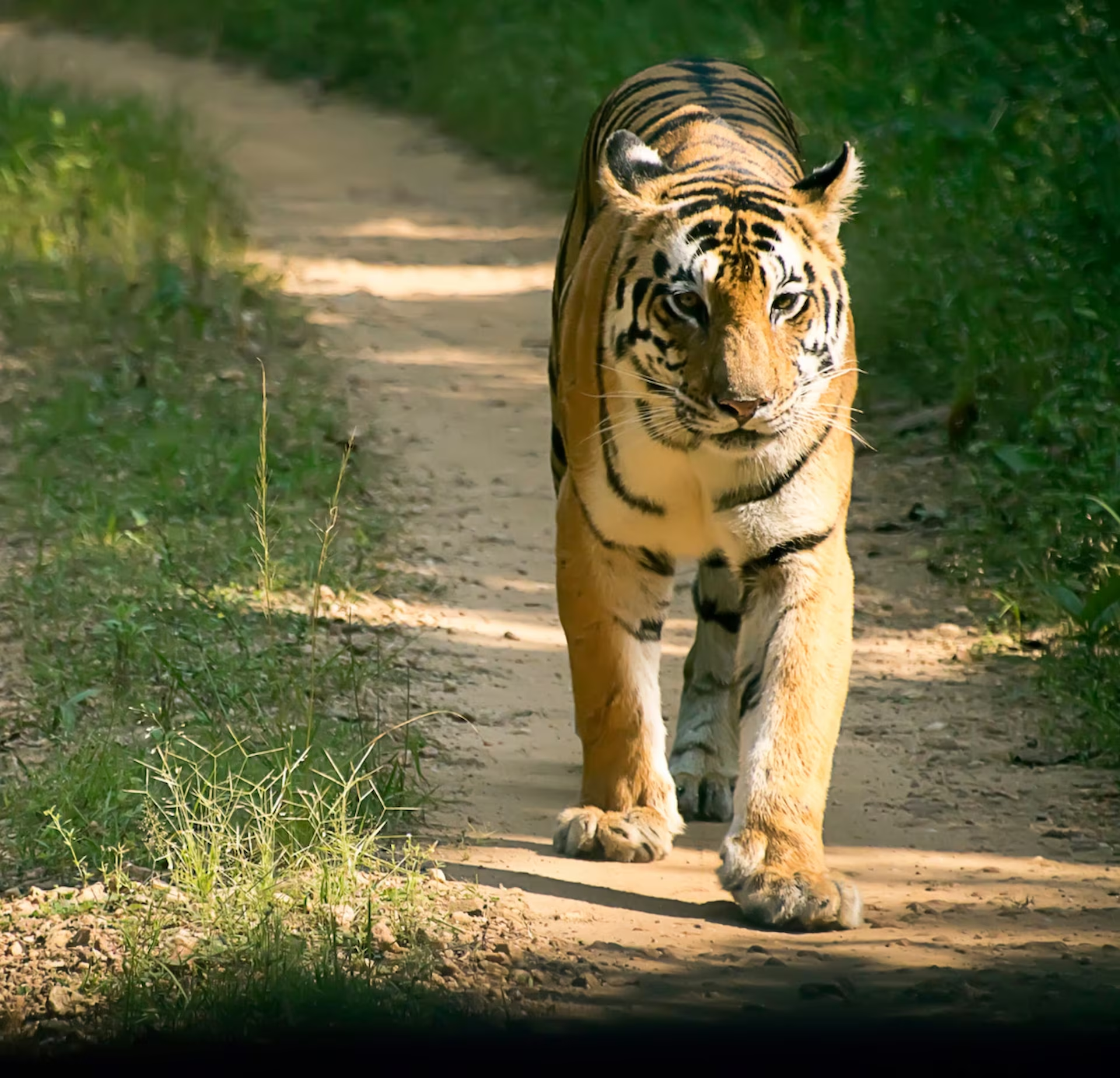
Wildlife
Wildlife Destinations
Frequently Asked Questions
Where is Bhandasar Jain Temple located?
Bhandasar Jain Temple is located in Bikaner in Rajasthan.
Which deity is worshipped in Bhandasar Jain Temple?
The temple is dedicated to Sumatinath, the fifth Jain Tirthankara.
Who built Bhandasar Jain Temple?
The temple was built by the merchant Bhandasa Oswal.
Is there any entry fee for visiting the temple?
No. Visitors can enter the temple without paying an entry fee.
What is Bhandasar Jain Temple famous for?
The temple is known for its detailed paintings, carved pillars, and historic architecture.