
Overview
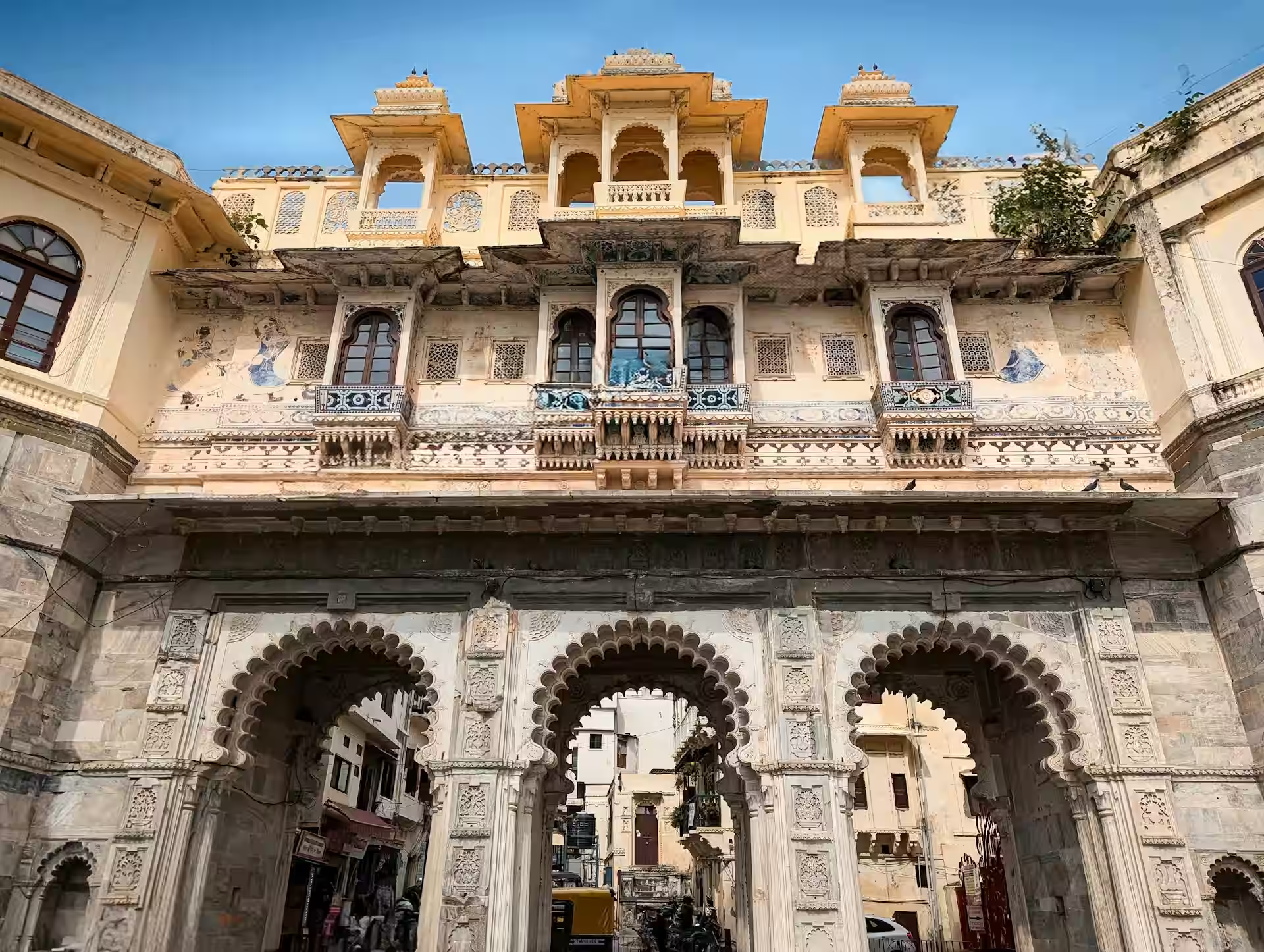
Bagore Ki Haveli is a historic mansion located on the waterfront of Lake Pichola in Udaipur, Rajasthan. The haveli stands at Gangaur Ghat and is one of the well known heritage buildings in the city.
The haveli was built in the eighteenth century by Amar Chand Badwa, who served as the Prime Minister of the Mewar kingdom during the rule of Maharana Pratap Singh II.
The building includes many rooms, balconies, courtyards, and corridors that reflect traditional haveli architecture of Rajasthan. Over time the haveli was restored and converted into a museum that displays royal lifestyle and cultural items.
Today Bagore Ki Haveli is also known for its evening cultural program where visitors can watch traditional Rajasthani dance and music performances.
Open Hours
- Open Days: All days of the week
- Museum Timings: 9:30 AM to 5:30 PM
- Cultural Show Timings: 7:00 PM to 8:00 PM
Visitors usually arrive before the evening program to get a seat.
Entry Fee - Indians vs Foreigners
| Category | Ticket Price (INR) |
|---|---|
| Indian Citizens | ₹60 |
| Foreign Tourists | ₹100 |
| Cultural Show Ticket | ₹90 (Indians) / ₹150 (Foreigners) |
| Camera Charges | Extra charges may apply |
What To Expect
Historic Haveli Architecture
The building includes decorated windows, balconies, courtyards, and carved doorways typical of traditional Rajasthani mansions.
Museum Galleries
Visitors can see royal costumes, household items, paintings, and traditional crafts displayed in different rooms.
Lake Pichola Views
The haveli stands close to the lake and offers scenic views of the water and nearby ghats.
Evening Cultural Show
The cultural program includes folk dance and music from Rajasthan performed in the haveli courtyard.
Tips
- Reach early if you plan to watch the evening cultural show because seats fill quickly.
- Visit the museum section during the daytime to see the interior rooms.
- Carry water if visiting during warmer months.
- Photography inside the museum may require an additional ticket.
About Bagore Ki Haveli
Bagore Ki Haveli was first built as a home for the royal minister Amar Chand Badwa. Later, it became an administrative residence for Mewar officials.
The building has more than a hundred rooms. They are arranged around courtyards and corridors. Each part shows the lifestyle and architectural style of that time.
After restoration, the haveli became a museum. It preserves local culture and traditions. Today, it is also a cultural center. Visitors can watch traditional music and dance performances. Some walk slowly through the rooms. Others pause in the courtyards. You notice the carvings and the layout as you move around.
Near by Places
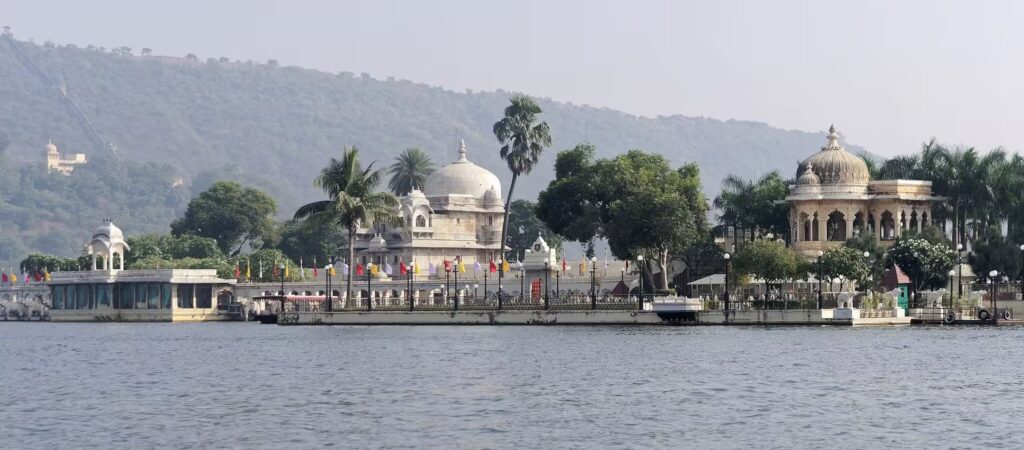
Jag Mandir Palace
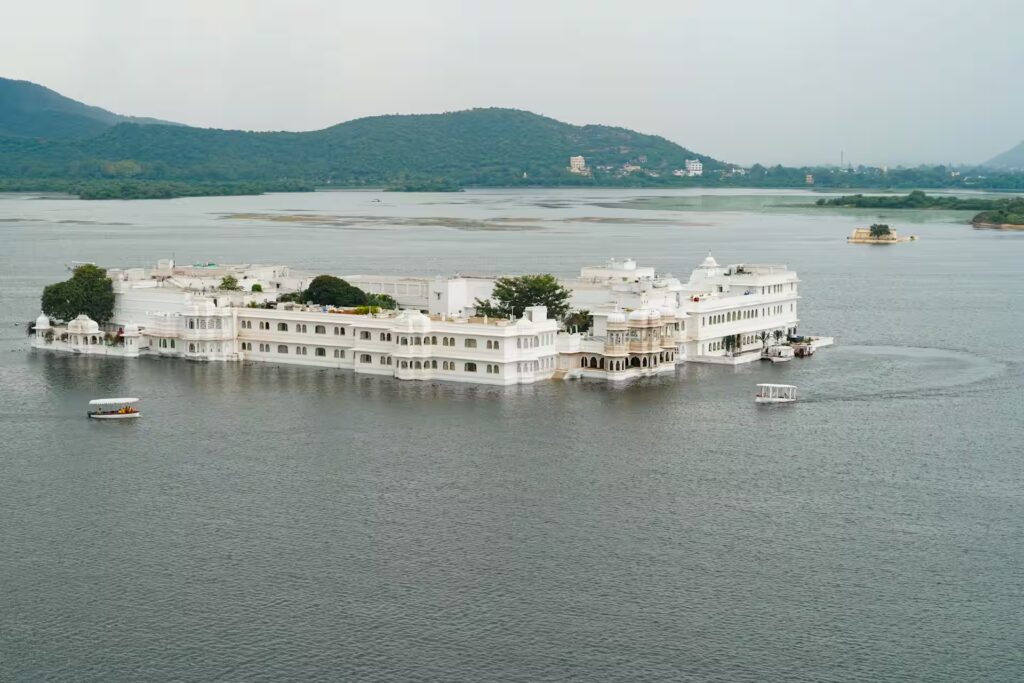
Lake Palace
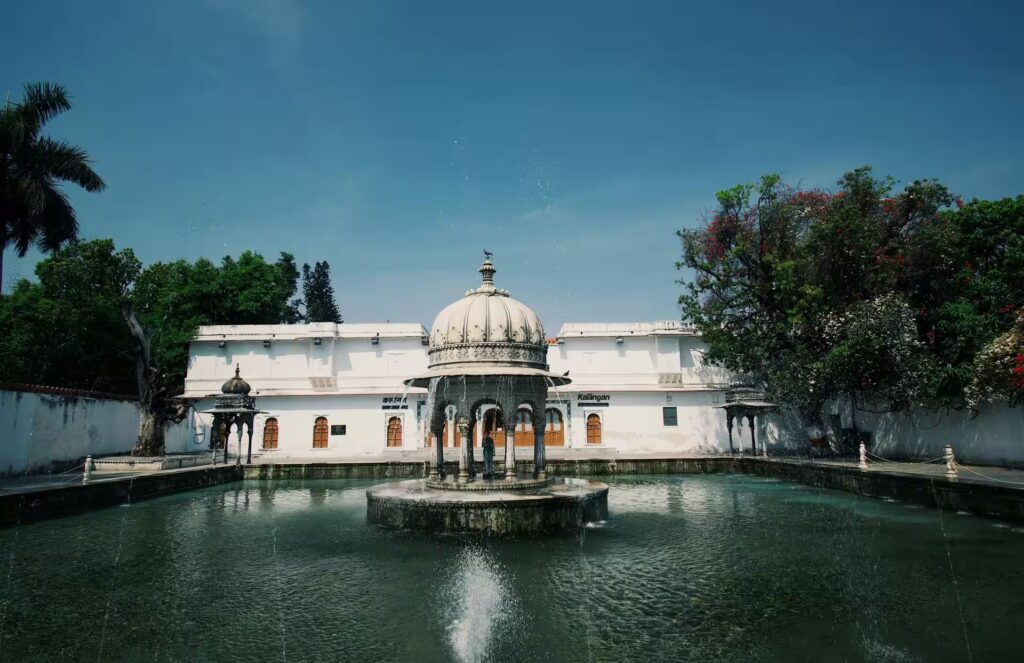
Saheliyon Ki Bari
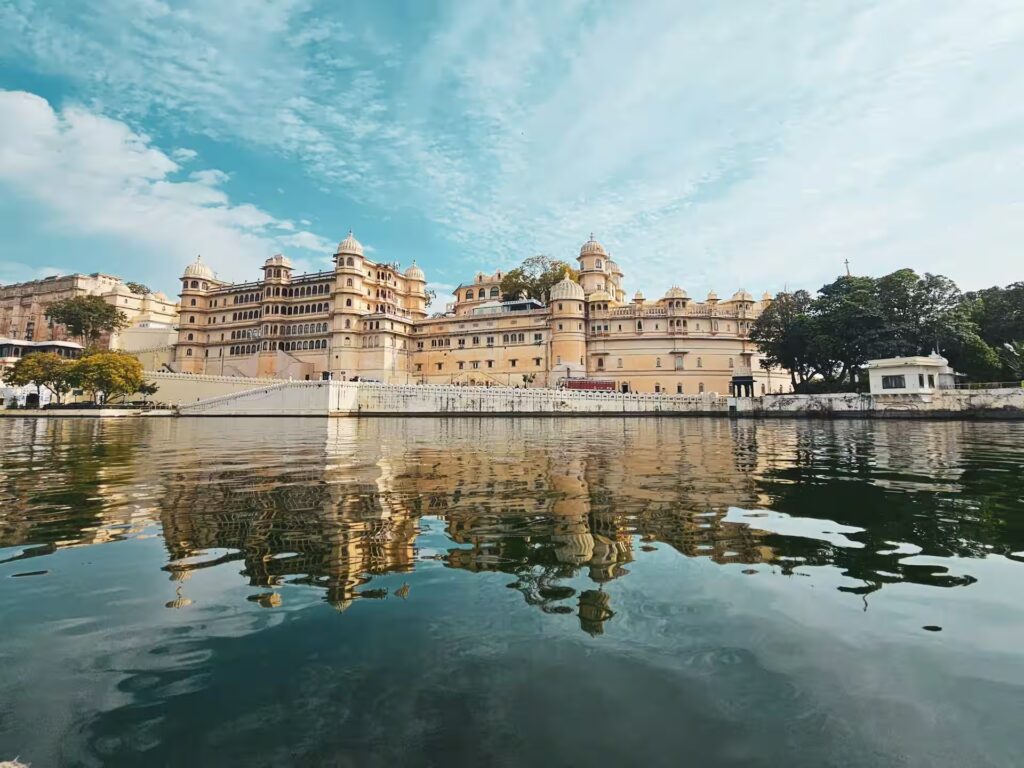
Udaipur City Palace
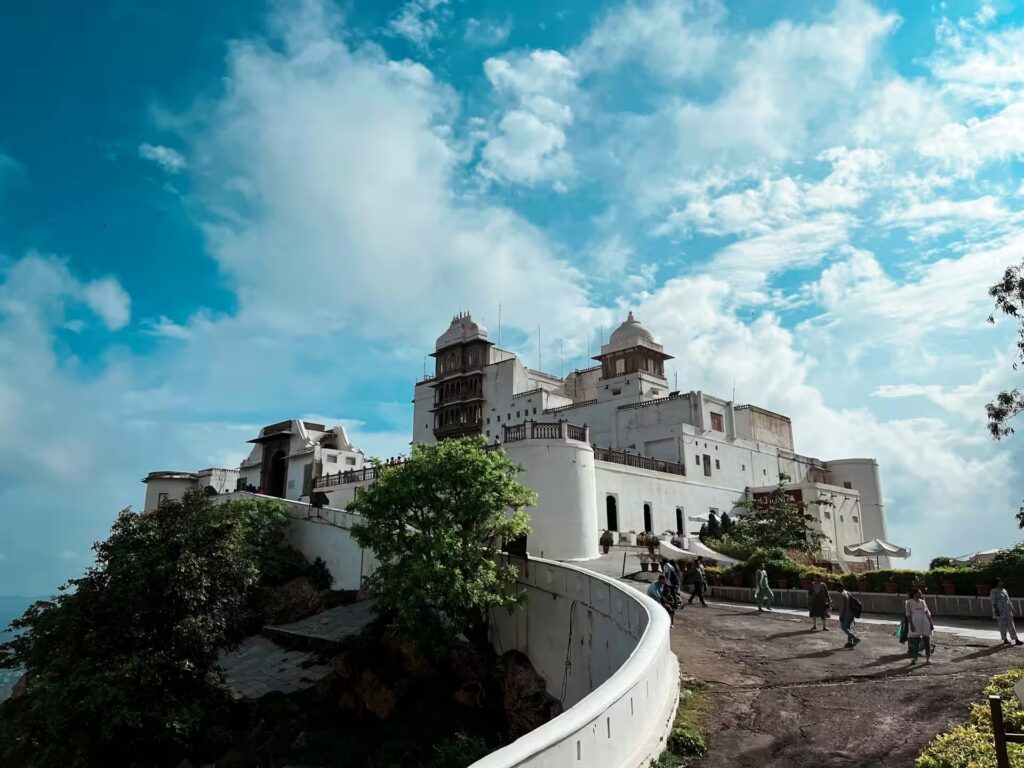
Monsoon Palace
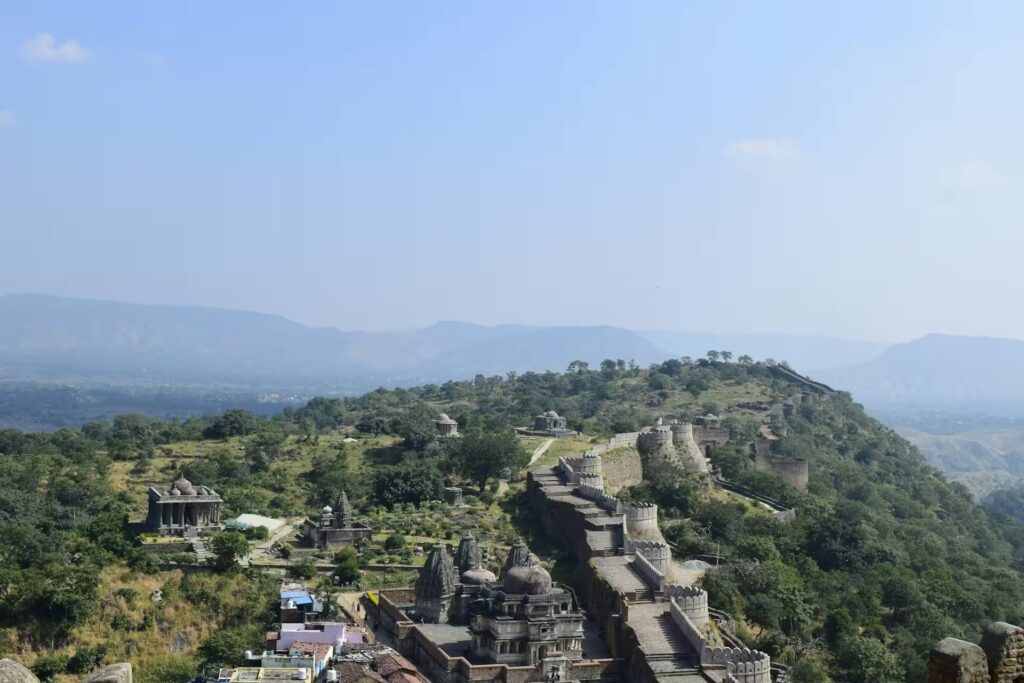
Kumbhalgarh Fort
Similar Places to Visit
Sur Sagar Lake
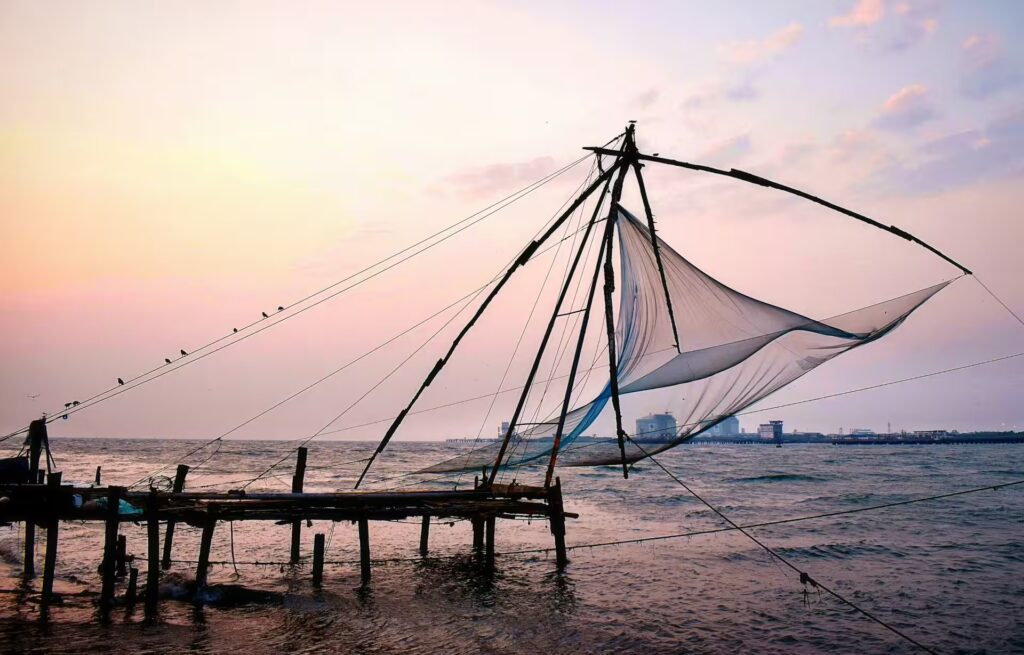
Fort Kochi
Monsoon Palace
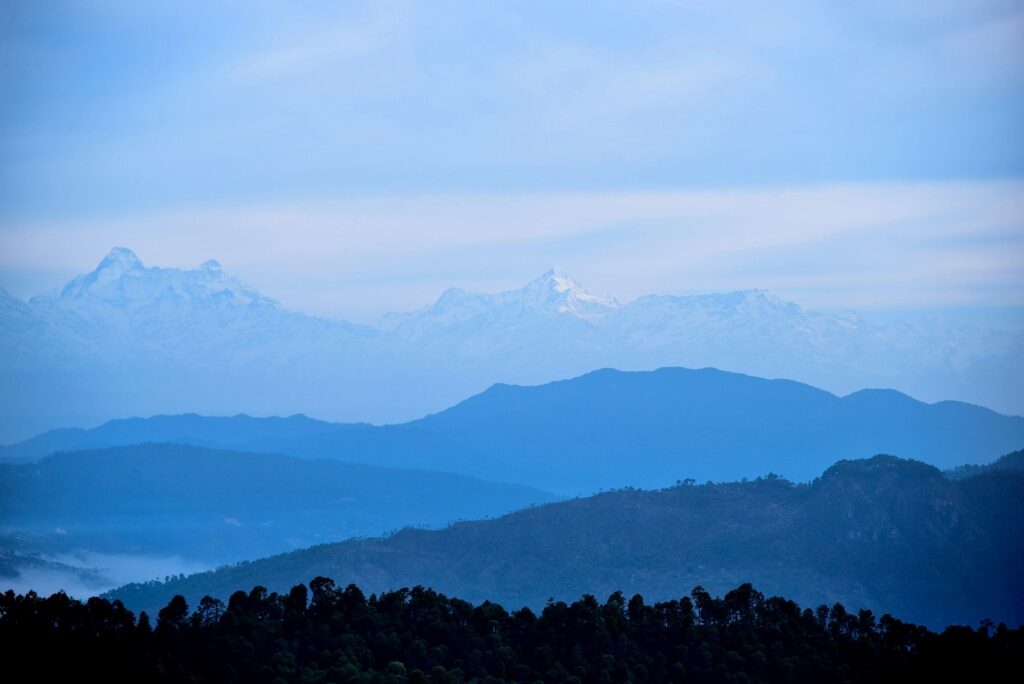
Sitla
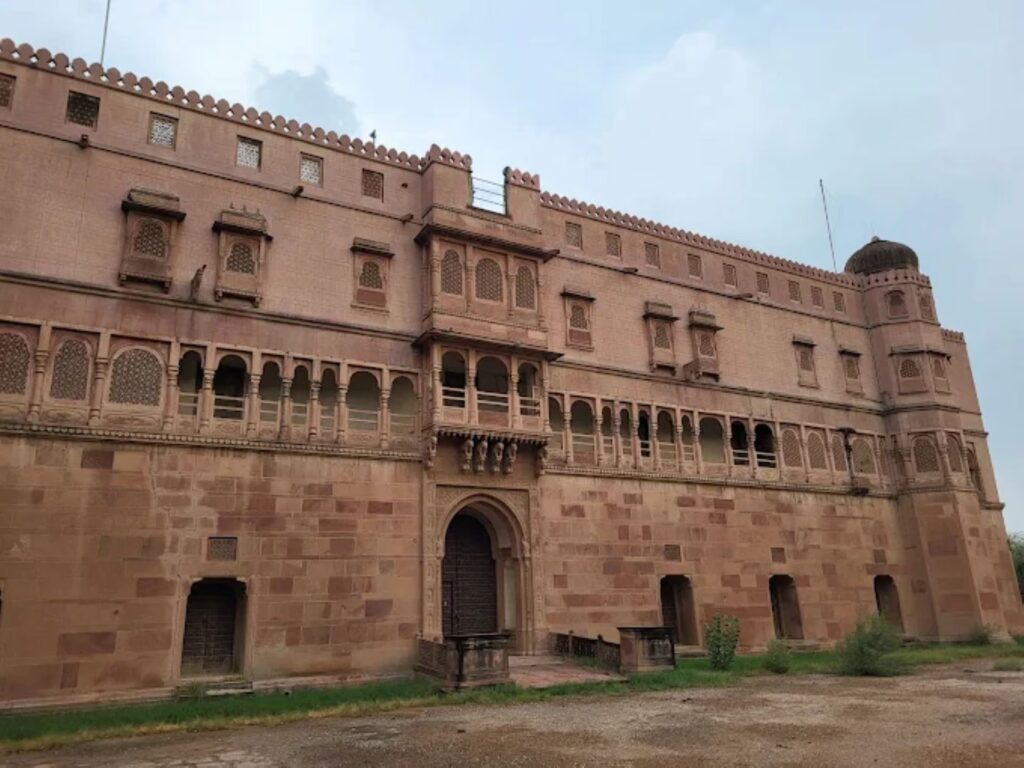
Gajner Palace
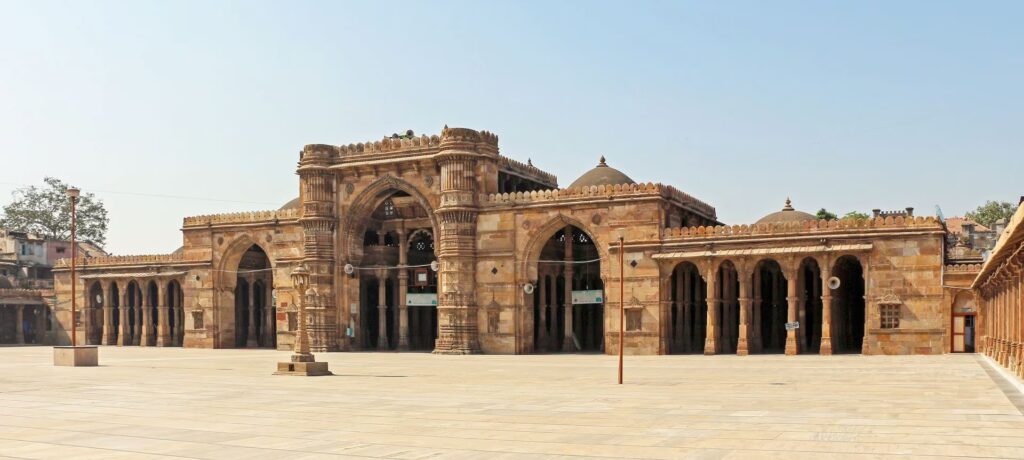
Ahmedabad Jama Masjid
Discover by Interest
Beach
Beaches Destinations
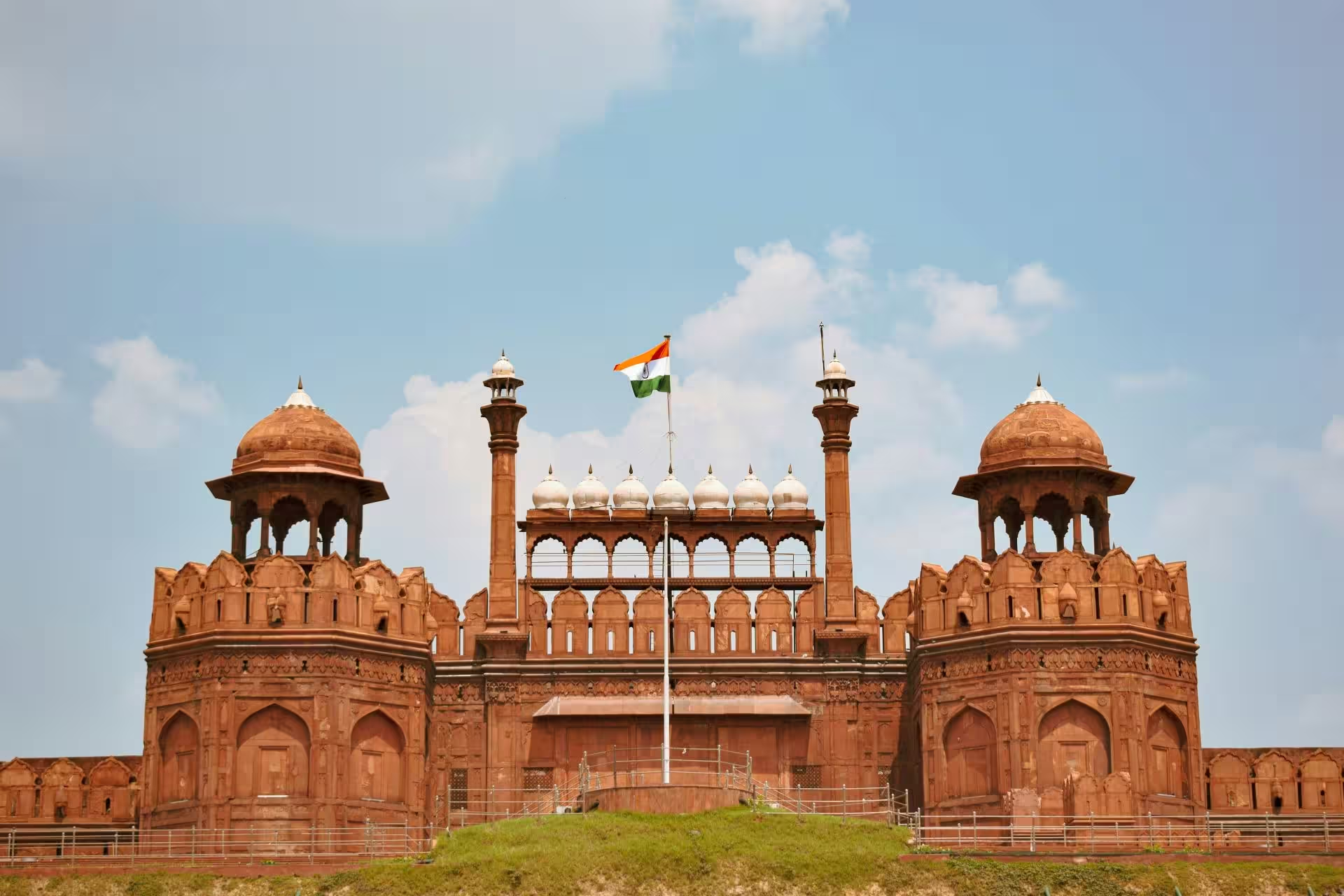
Heritage
Heritage Destinations
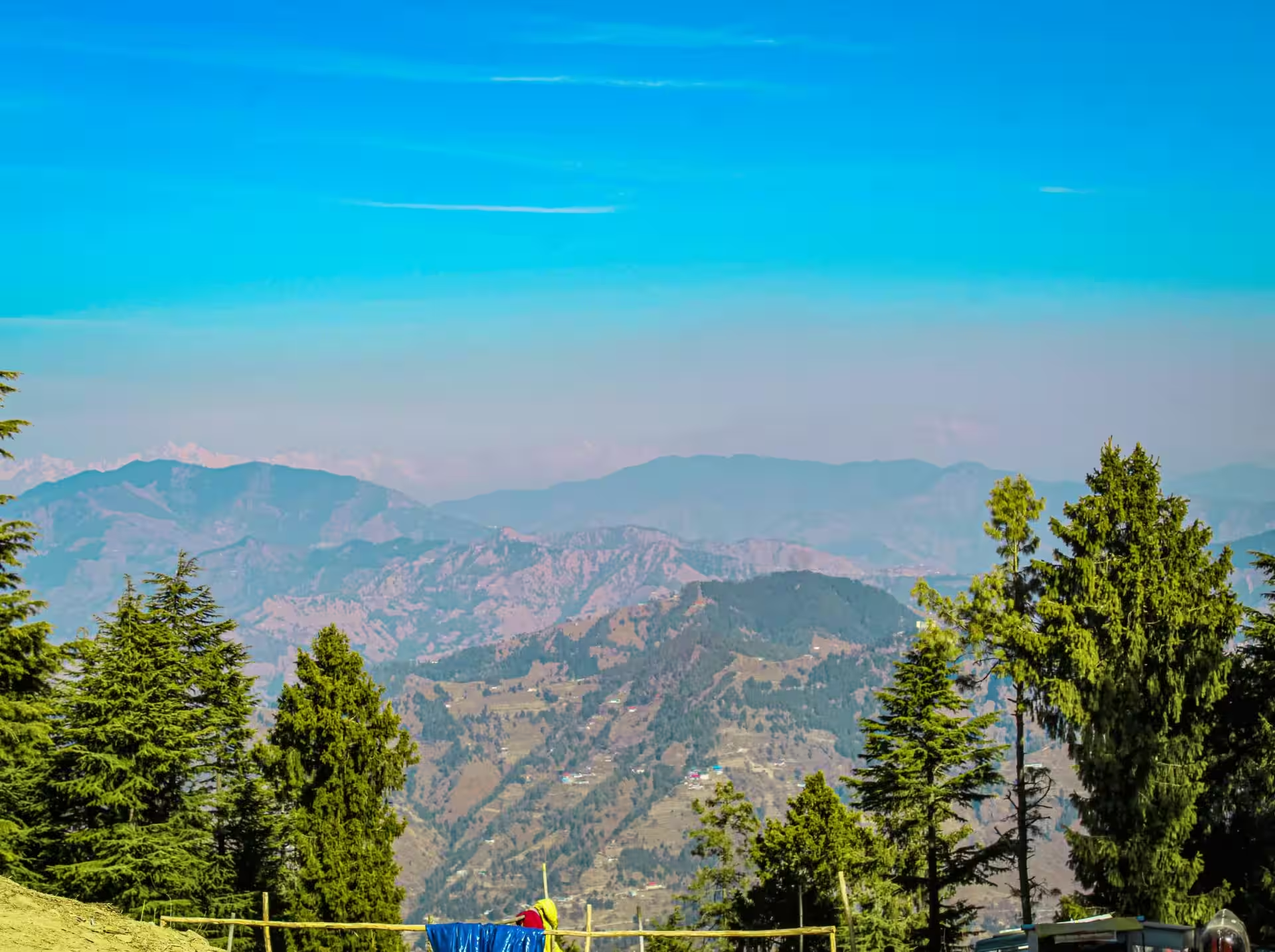
Hill Stations
Hill Stations
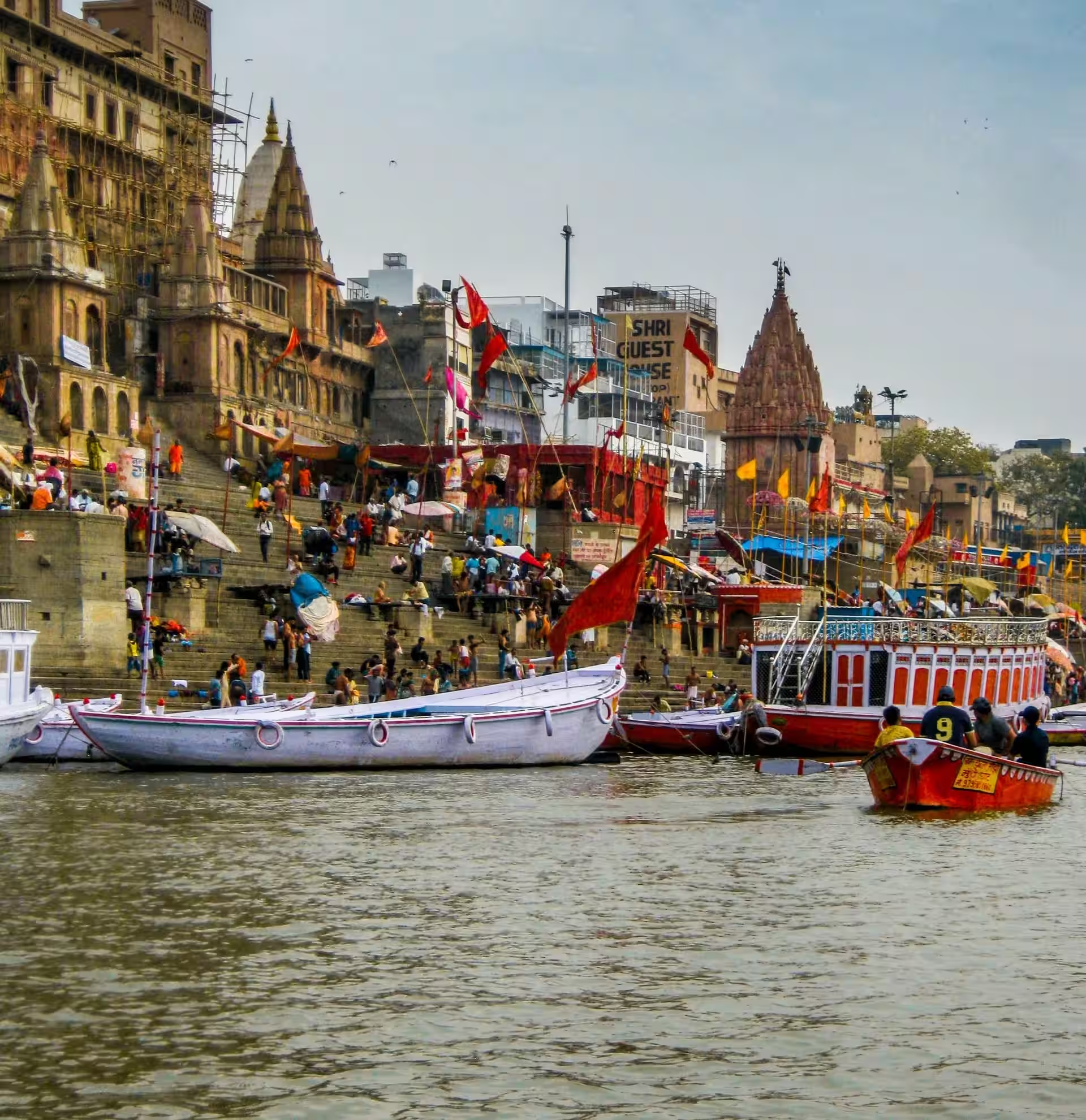
Spiritual
Spiritual Destinations
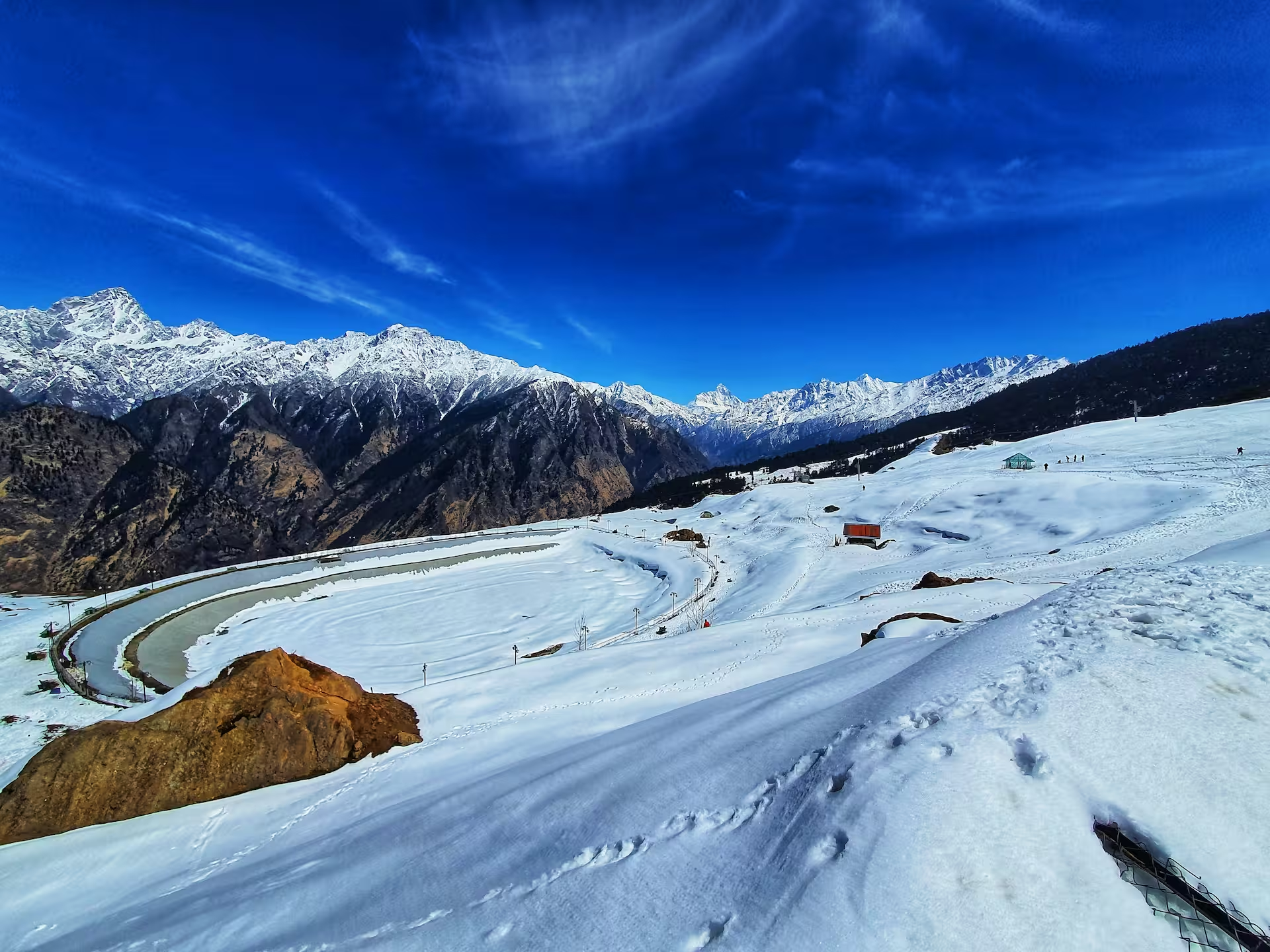
Trekking
Trekking Hotspots
Wildlife
Wildlife Destinations
Frequently Asked Questions
Where is Bagore Ki Haveli located?
Bagore Ki Haveli is located at Gangaur Ghat near Lake Pichola in Udaipur.
Who built Bagore Ki Haveli?
The haveli was built in the eighteenth century by Amar Chand Badwa.
What can visitors see inside Bagore Ki Haveli?
Visitors can see museum galleries displaying costumes, household items, paintings, and traditional crafts.
Is there a cultural show at Bagore Ki Haveli?
Yes. A traditional Rajasthani dance and music show takes place in the evening.
What is the best time to visit Bagore Ki Haveli?
Visitors often come during the evening to watch the cultural performance after exploring the museum.