
Land of Tribes, Hills, and Living Traditions
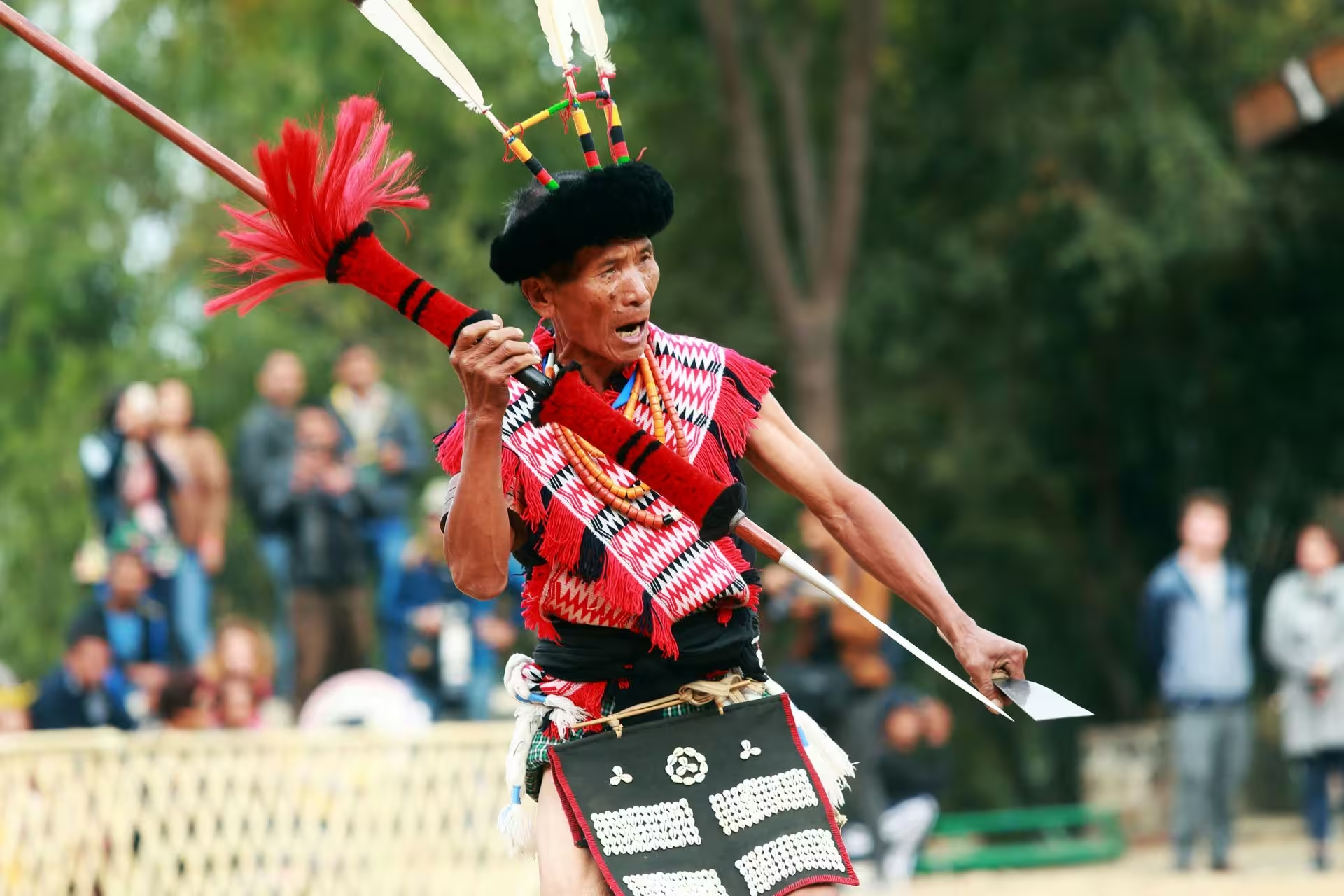
Nagaland lies in Northeast India and is known for forested hills, vibrant tribal cultures, and strong traditions that continue into daily life. The state offers heritage villages, scenic landscapes, historic sites, and deep-rooted customs shaped by community and nature.
Natural Landscapes & Scenic Attractions
Dzukou Valley
A scenic valley known for seasonal flowers, open meadows, and rolling green hills.
Japfu Peak
One of the highest peaks in Nagaland, offering wide mountain views and trekking trails.
Doyang River
A calm river landscape famous for migratory birds and peaceful natural surroundings.
Shilloi Lake
A quiet hill lake surrounded by forests, shaped by local legends and natural beauty.
Historical Forts, Palaces & Heritage Towns
Kohima
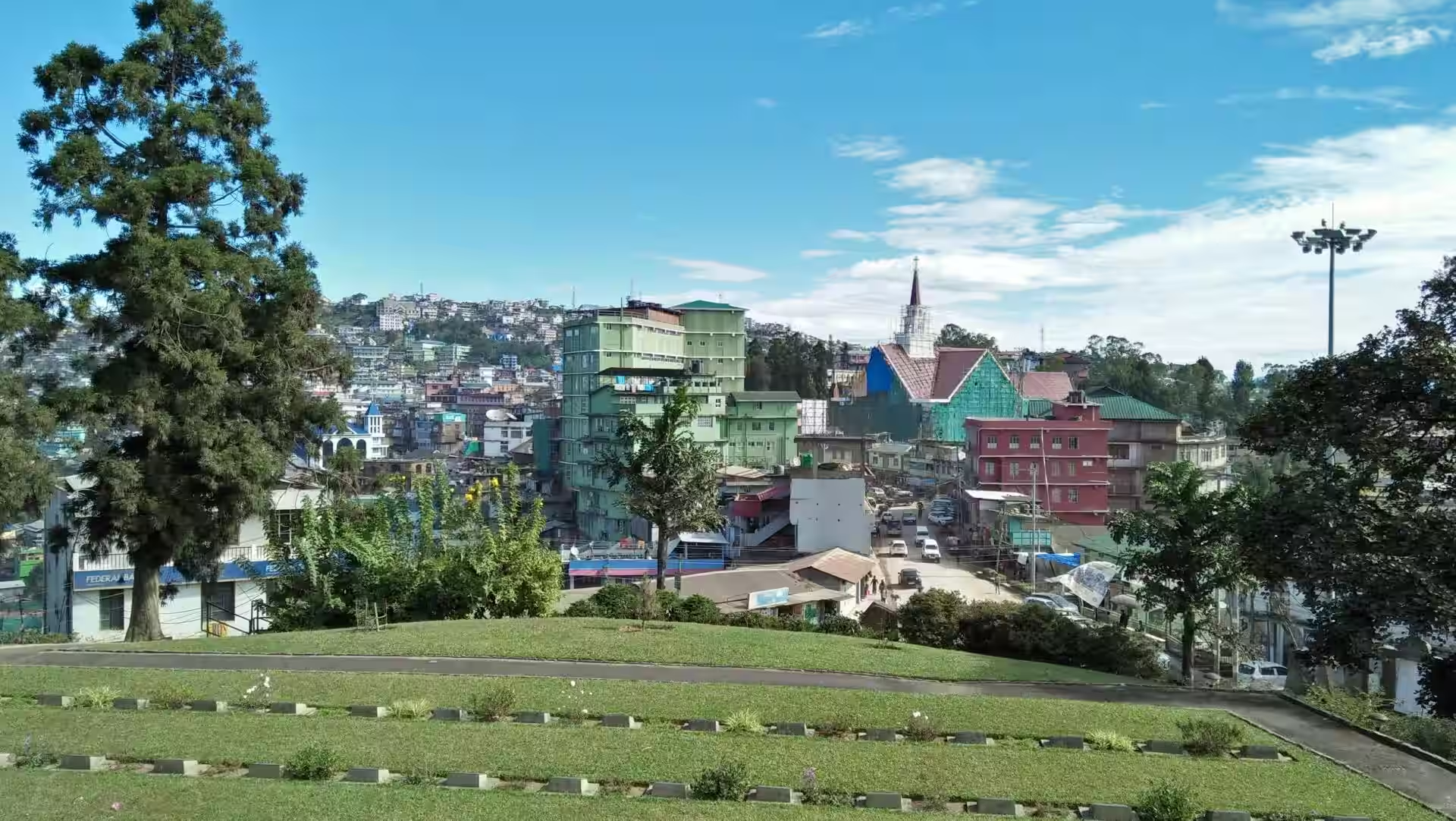
The capital city of Nagaland, known for colonial history, war memorials, and scenic hill views.
Mon
A culturally important town best known for Konyak tribal heritage and traditional practices.
Mokokchung
A historic Ao Naga town known for its deep cultural roots and strong village based traditions.
Tuensang
An important eastern town known for its regional history and the presence of diverse tribal cultures.
Religious & Spiritual Centers
Kohima Cathedral
One of the largest churches in Northeast India, known for its calm setting and spiritual importance.
Doyang Sacred Areas
Traditional spiritual sites deeply connected to local beliefs, rituals, and community practices.
Tribal Village Shrines
Village based sacred spaces that preserve ancestral worship and long held tribal customs.
Longkhum Sacred Sites
Hilltop spiritual locations near Longkhum village, closely linked to local legends and tribal traditions.
War Memorials & Living Heritage Sites
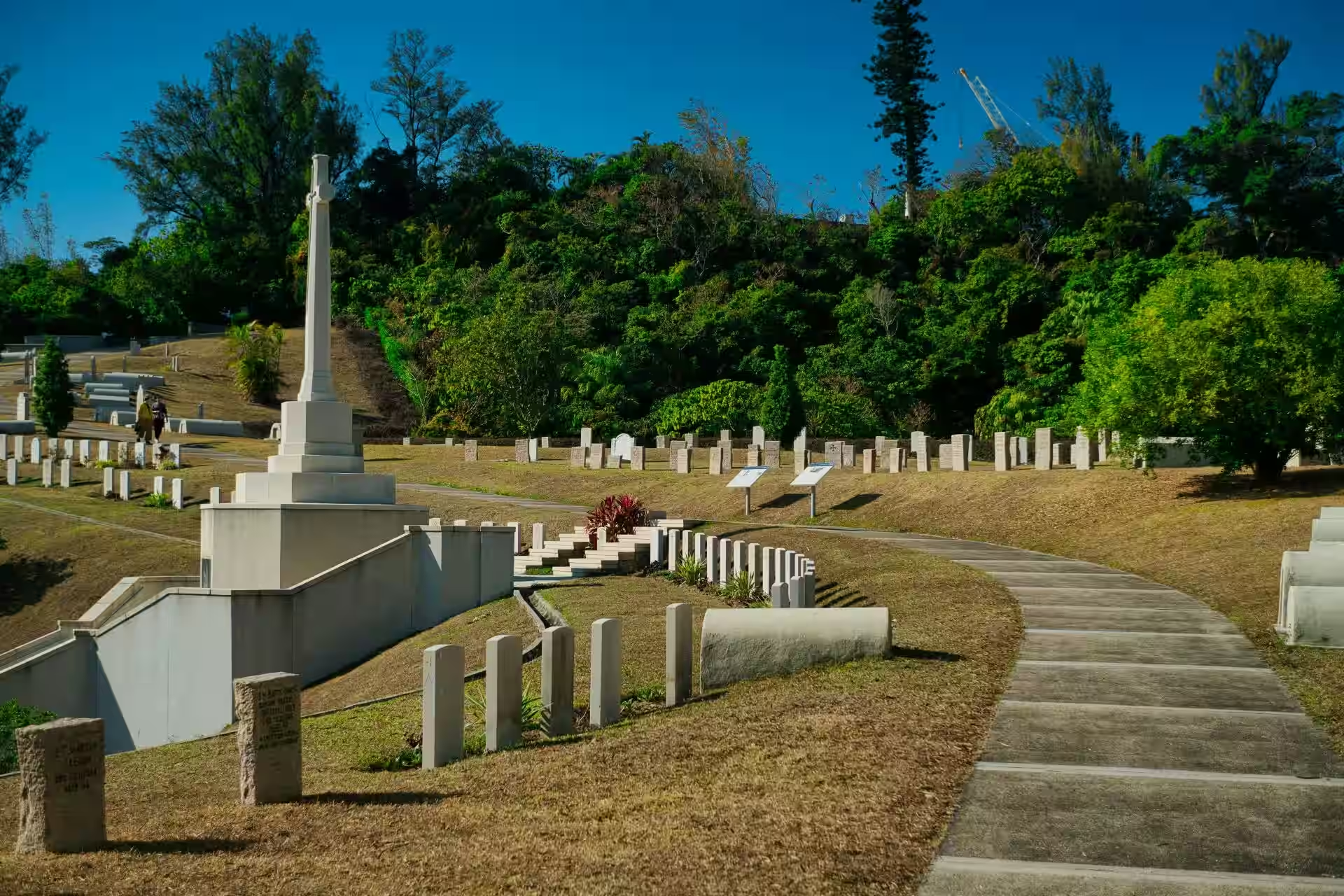
Kohima War Cemetery
A historic memorial site honoring soldiers of World War II, holding deep national and global significance.
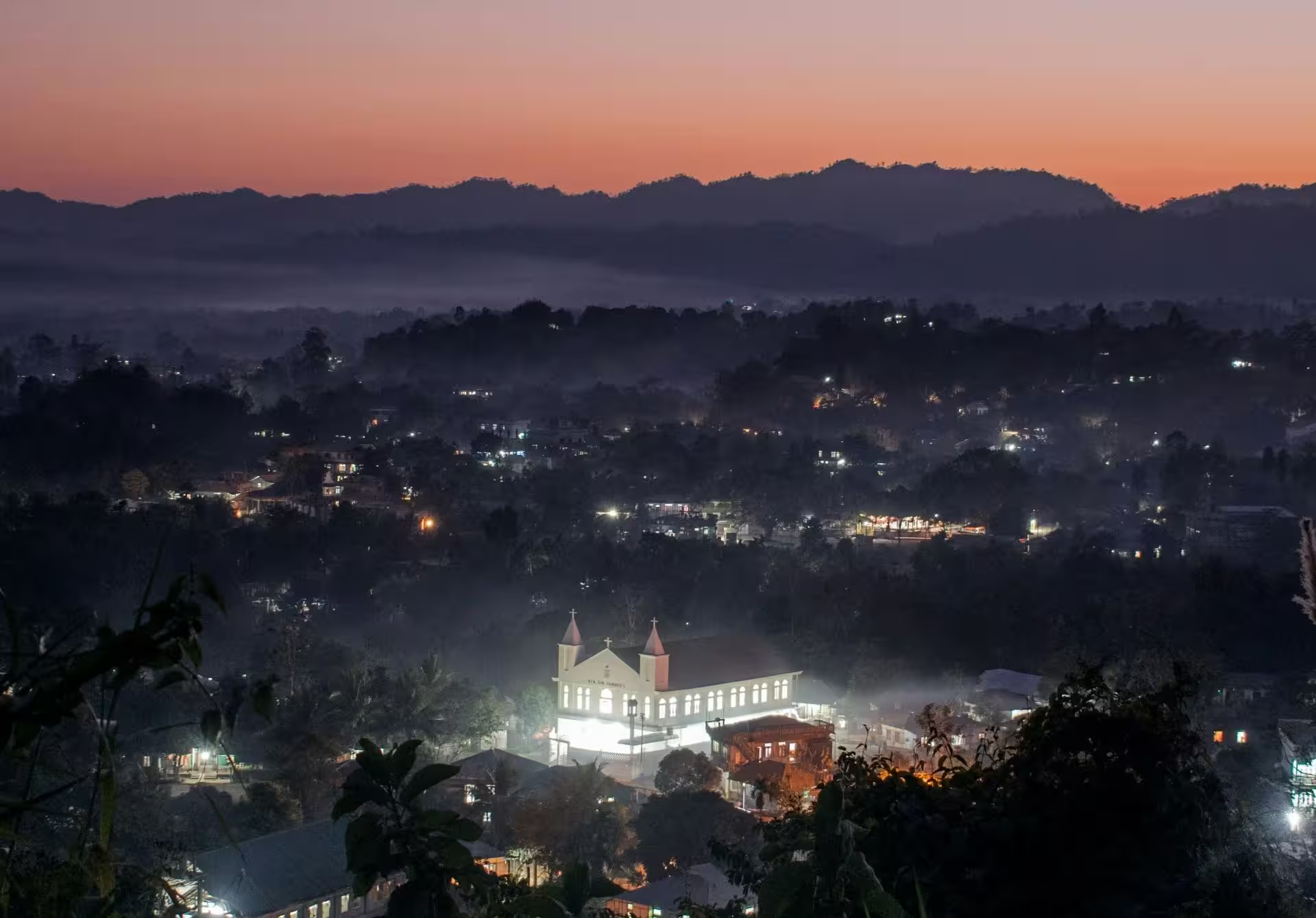
Konyak Heritage Sites
Cultural landmarks that reflect the warrior history, traditions, and identity of the Konyak tribe.
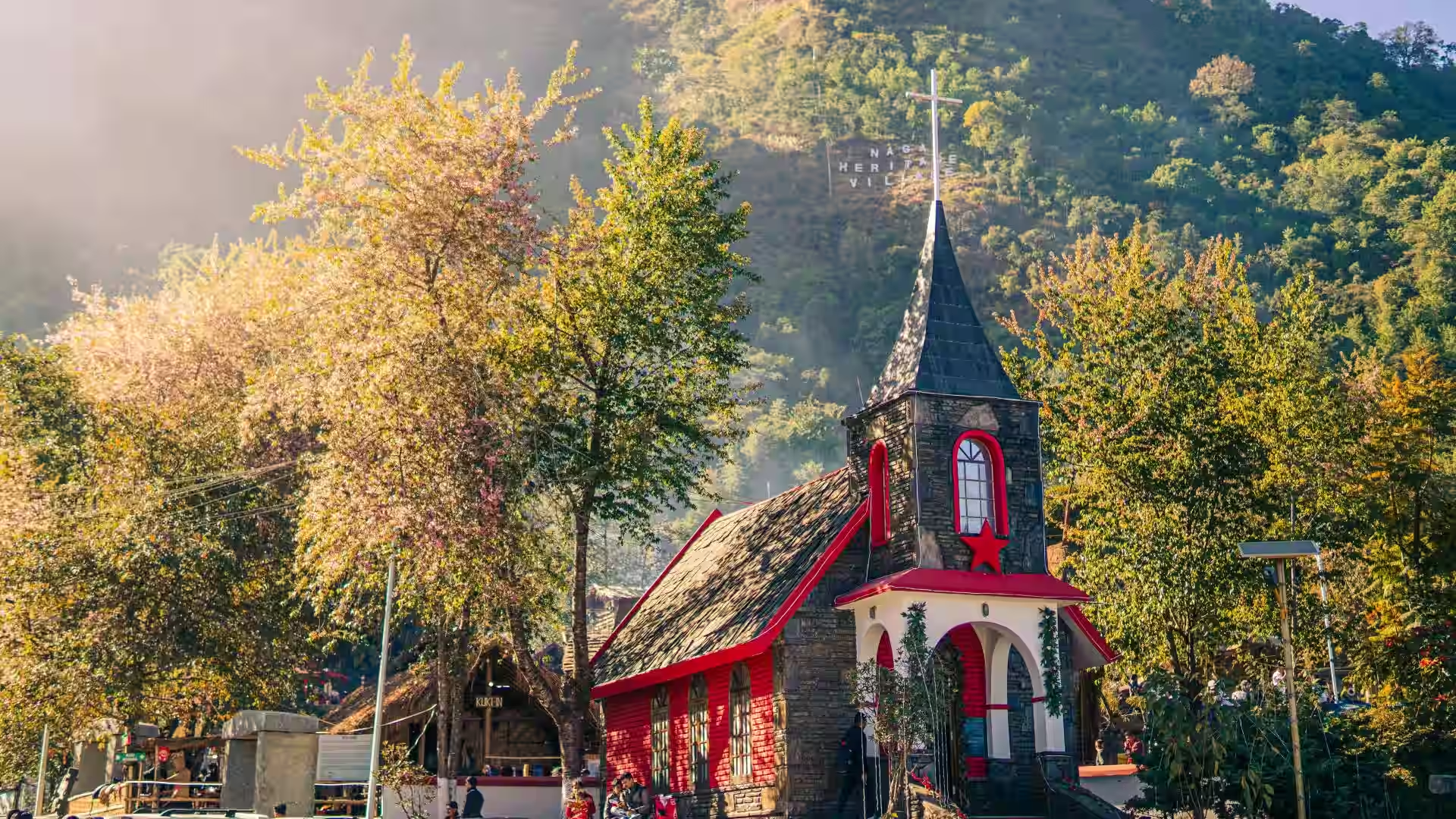
Longkhum Village Heritage Zone
A heritage village known for traditional Naga architecture and preserved local customs.
Most Visited Locations
Wildlife & National Parks
Nagaland has rich forest cover that supports a wide range of wildlife. Its hills and valleys are home to diverse bird species and native animals.
01
Intanki National Park
The largest protected area in Nagaland, covered with dense forests and home to diverse wildlife.
02
Fakim Wildlife Sanctuary
A lesser known sanctuary near the Myanmar border, rich in birdlife, orchids, and forest biodiversity.
03
Puliebadze Wildlife Sanctuary
A forest reserve near Kohima known for dense vegetation, birds, and peaceful trekking routes.
Cultural Experiences & Tribal Heritage
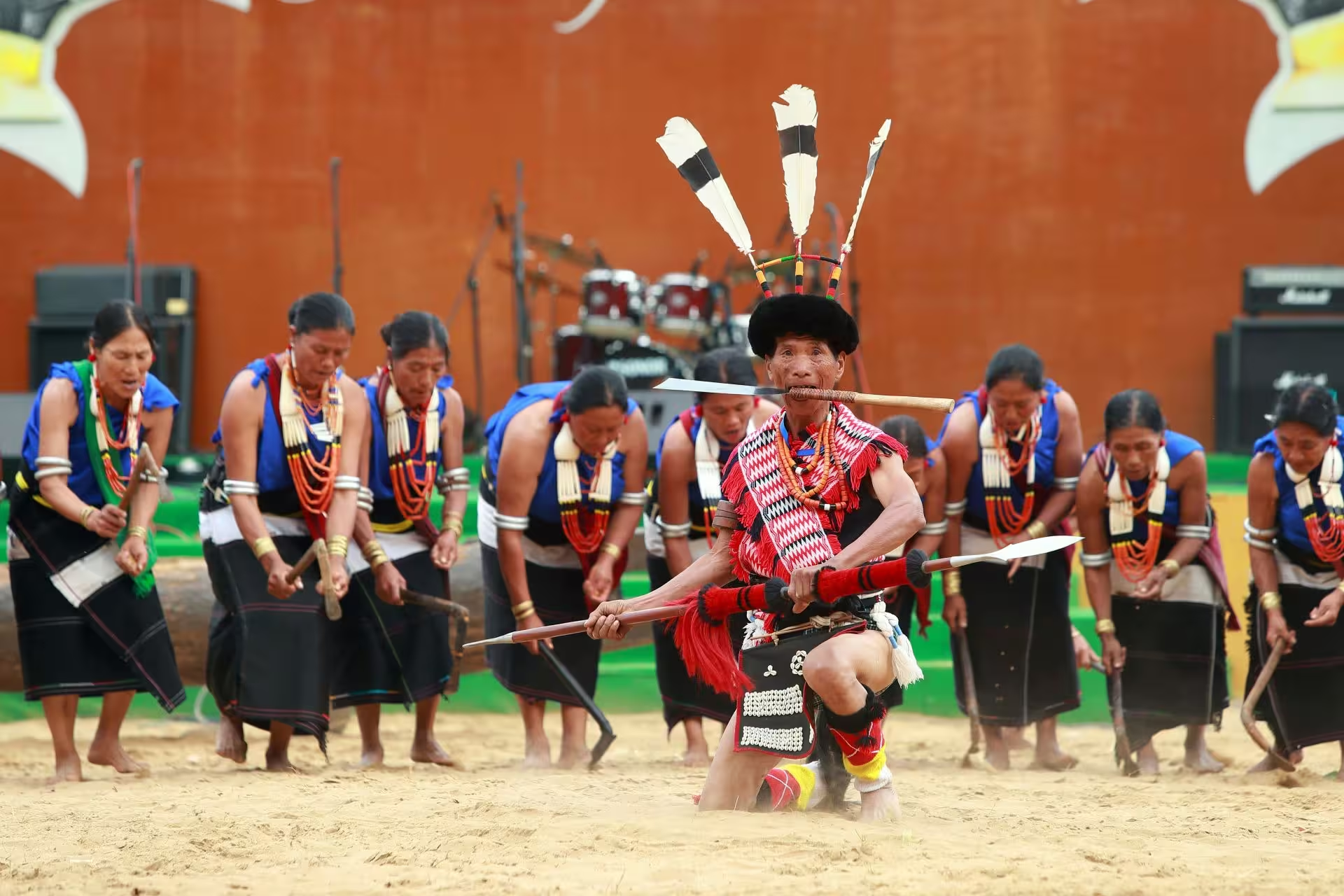
- Home to Angami, Ao, Konyak, Lotha, and many other tribes
- Distinct village customs, dress, and festivals
- Hornbill Festival celebrates music, dance, and crafts
- Village stays offer real insight into tribal life
Cuisine & Handicrafts
Cuisine
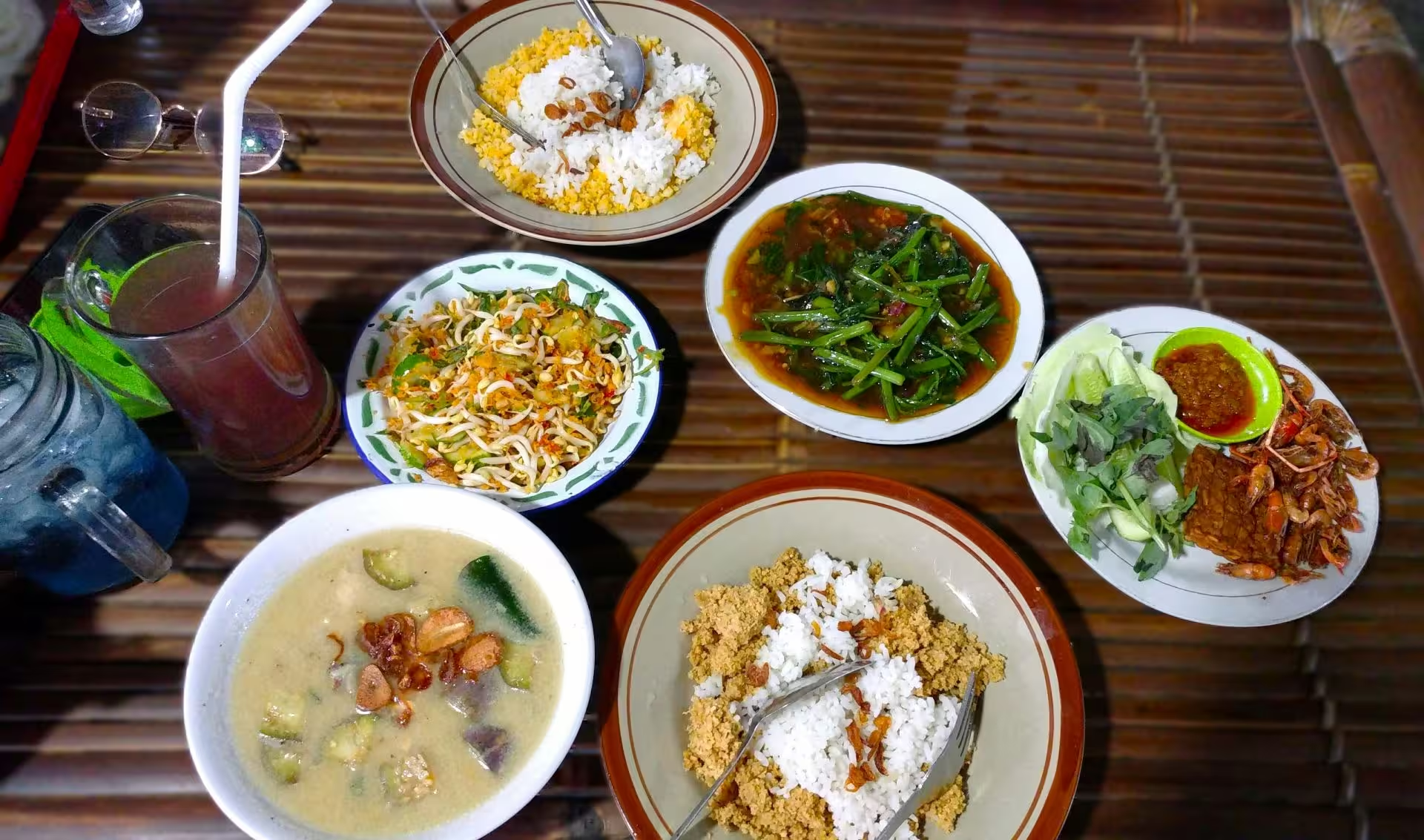
- Rice, smoked meats, and fermented foods
- Dishes like smoked pork, bamboo shoot curry, and axone
- Simple flavors with strong local character
Handicrafts
- Tribal shawls and handwoven textiles
- Wood carving, beadwork, and bamboo crafts
- Traditional designs passed through generations
Best Time to Visit Nagaland
October to April
Pleasant weather with clear skies across the state. Best time for festivals, sightseeing, and outdoor travel.
March to May
Mild warmth with green hills and blooming landscapes. Ideal for village visits and nature walks.
June to September
Monsoon season brings heavy rainfall and lush scenery. Travel can be slower, but the hills look fresh and green.
Why Visit Nagaland
Nagaland offers a strong sense of identity shaped by tribes, history, and hills. From cultural festivals and heritage villages to quiet valleys and forested peaks, the state gives travelers an honest and meaningful travel experience.