
Overview
Sidi Saiyyed Mosque is a historic mosque located in Ahmedabad in Gujarat. The mosque was built in 1573 by Sidi Saiyyed, a noble in the army of the last ruler of the Gujarat Sultanate.
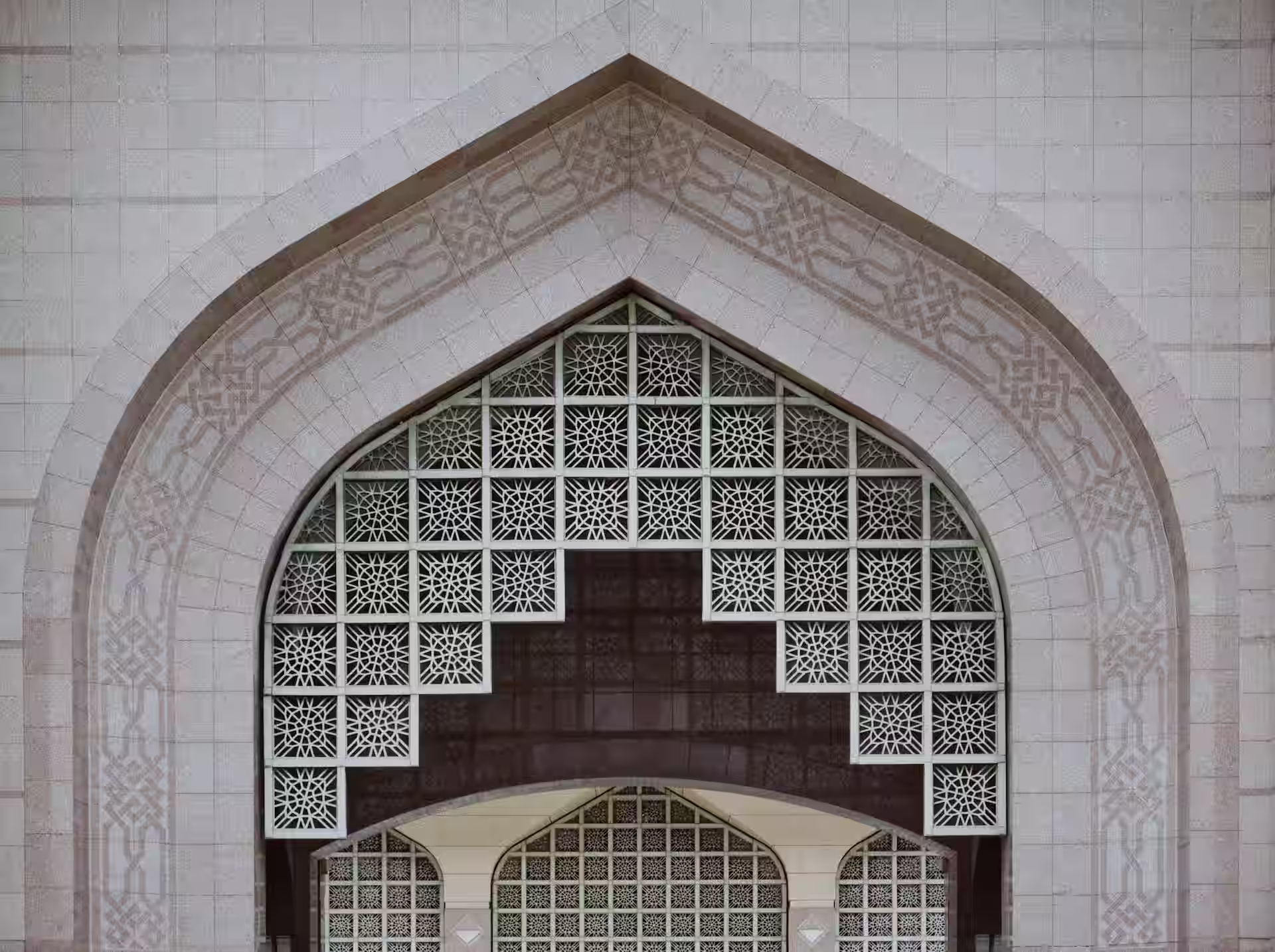
The mosque is widely known for its detailed stone lattice windows called jalis. The most famous design shows a tree with spreading branches carved into stone. This carving is often called the "Tree of Life."
Although the mosque is not very large, its detailed craftsmanship makes it one of the most recognized historical monuments in Ahmedabad. The design of its famous jali window has also become a symbol of the city.
Today the mosque continues to function as a place of prayer and also attracts visitors interested in historic architecture.
Open Hours
- Open Days: All days of the week
- Open Time: 7:00 AM
- Closing Time: 6:00 PM
Visitors should avoid visiting during prayer times.
Entry Fee - Indians vs Foreigners
| Category | Ticket Price (INR) |
|---|---|
| Indian Citizens | Free |
| Foreign Tourists | Free |
| Camera Charges | Free |
What To Expect
Famous Stone Jali Windows
The mosque is best known for its carved stone lattice windows. The most famous one shows a detailed tree pattern carved from a single stone slab.
Historic Islamic Architecture
The structure reflects the architectural style of the Gujarat Sultanate period.
Peaceful Prayer Area
The mosque remains an active place of worship and visitors can observe the calm environment inside.
Cultural Landmark of Ahmedabad
The jali design of the mosque is widely used in art and design related to the city.
Tips
- Dress modestly when visiting the mosque.
- Remove footwear before entering the prayer area.
- Maintain silence and respect religious practices.
- Photography may be limited inside the prayer hall.
- Visit during morning hours for fewer crowds.
About Sidi Saiyyed Mosque
Sidi Saiyyed Mosque was built in the last years of the Gujarat Sultanate. It is known for its carved stone jali windows.
One jali stands out. It shows a tree with spreading branches. The whole design is cut from a single piece of stone. You look close, you see the fine work. It is counted among the best stone lattice work in India.
The mosque is not very large. Still, the details make it important. Visitors come to see the carving. Some stand near the jali. Some just look quietly. You notice the pattern and the light passing through it.
Near by Places
Dastan Autoworld
Bhadra Fort

Kankaria Lake
The Adalaj Stepwell
Ahmedabad Jama Masjid
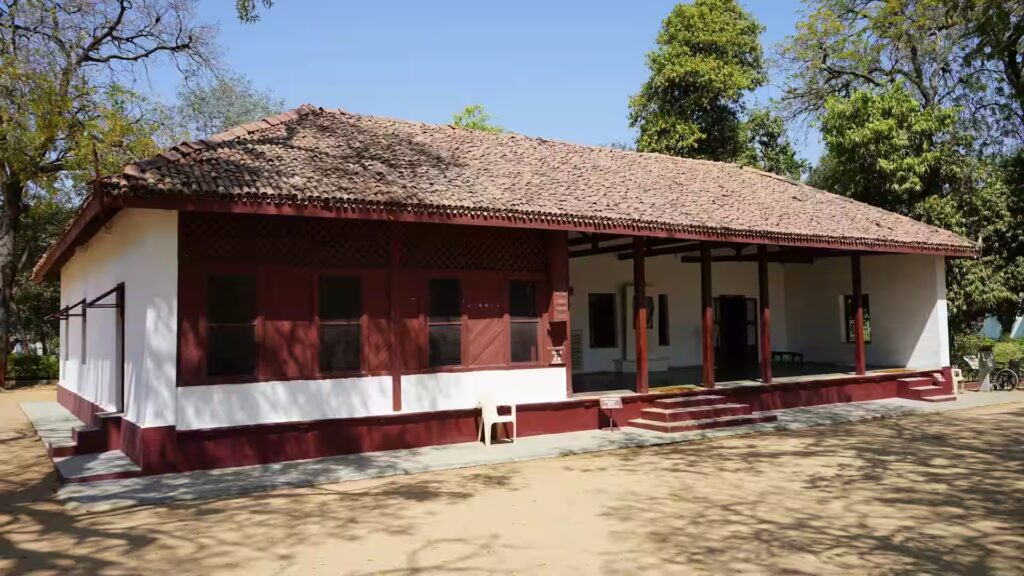
Sabarmati Ashram
Similar Places to Visit

Kainchi Dham

Varanasi
Sayaji Baug Zoo
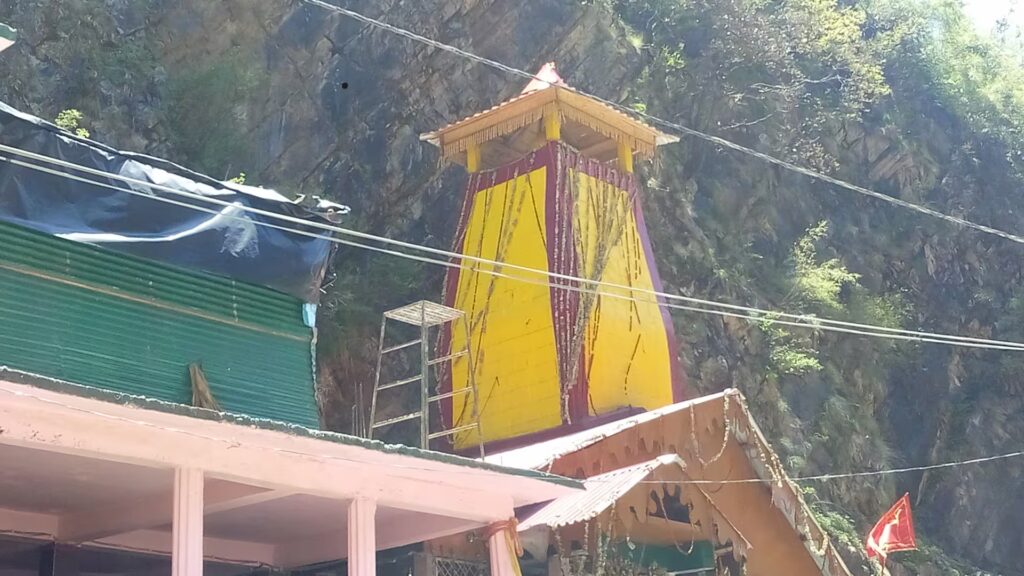
Yamunotri Temple
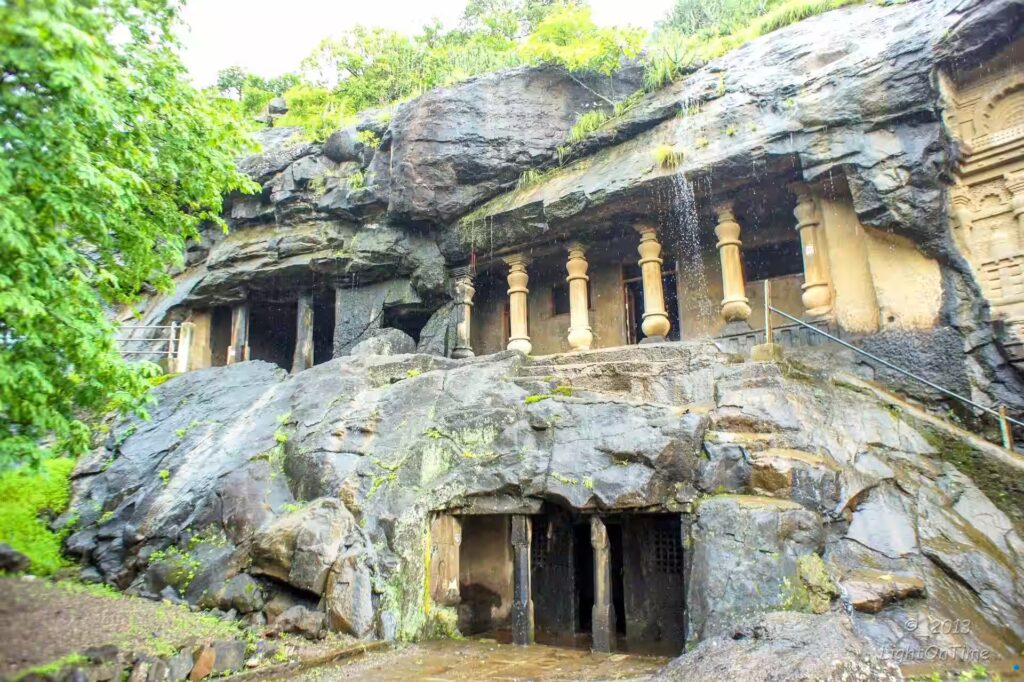
Pandav Gufa
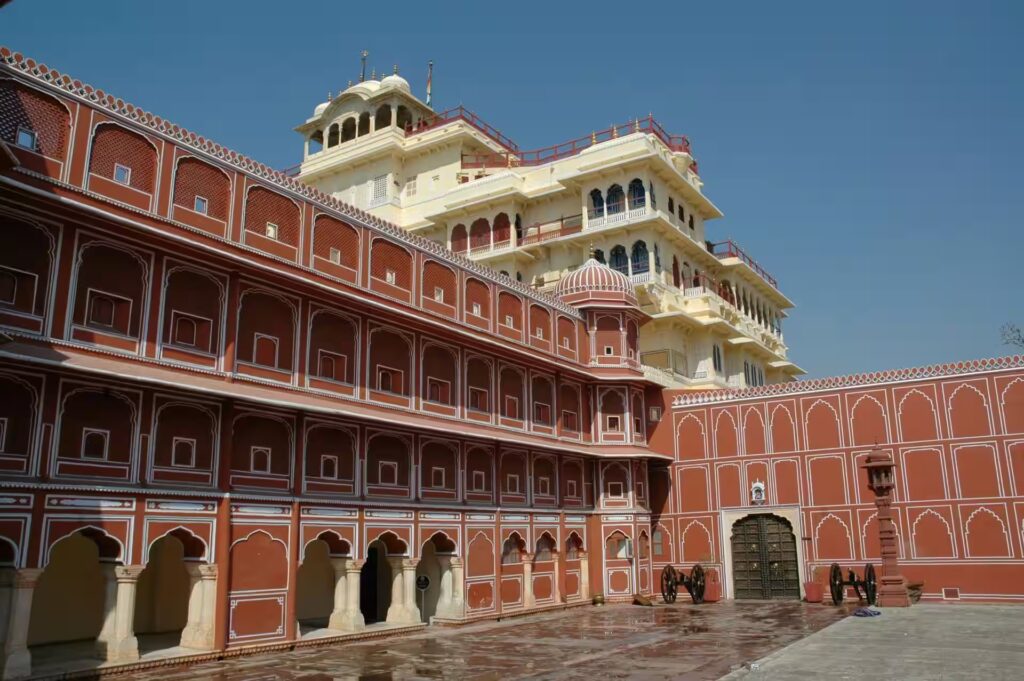
Jaipur City Palace
Discover by Interest

Beach
Beaches Destinations

Heritage
Heritage Destinations

Hill Stations
Hill Stations

Spiritual
Spiritual Destinations

Trekking
Trekking Hotspots

Wildlife
Wildlife Destinations
Frequently Asked Questions
Where is Sidi Saiyyed Mosque located?
Sidi Saiyyed Mosque is located in Ahmedabad in Gujarat.
Why is Sidi Saiyyed Mosque famous?
The mosque is famous for its detailed stone lattice window known as the Tree of Life design.
Who built Sidi Saiyyed Mosque?
The mosque was built by Sidi Saiyyed in 1573.
Is there any entry fee for visiting the mosque?
No. Visitors can enter the mosque free of cost.
What is special about the jali of the mosque?
The jali shows a tree pattern carved from a single stone slab and is considered a fine example of stone craftsmanship.