
Overview
Sabarmati Ashram is a historic place located on the banks of the Sabarmati River in Ahmedabad, Gujarat. It was one of the main residences of Mahatma Gandhi during the Indian freedom movement.
Gandhi established the ashram in 1917. From here he led many important movements for India’s independence. One of the most famous events connected with the ashram is the start of the Salt March in 1930.
The ashram served as a place for simple living, community work, and discussions about social reform and independence. Today it stands as a national memorial and an important historical site visited by people from across the world.
Open Hours
- Open Days: All days of the week
- Open Time: 8:30 AM
- Closing Time: 6:30 PM
Morning and evening hours are comfortable for visiting.
Entry Fee - Indians vs Foreigners
| Category | Ticket Price (INR) |
|---|---|
| Indian Citizens | Free |
| Foreign Tourists | Free |
| Camera Charges | Free |
What To Expect
Gandhi’s Living Quarters
Visitors can see the simple house where Mahatma Gandhi lived. It is known as Hriday Kunj.
Gandhi Museum
The museum displays photographs, letters, and personal items connected with Gandhi’s life and work.
Peaceful Riverfront Setting
The ashram is located beside the Sabarmati River, which creates a calm and quiet environment.
Historical Exhibits
Panels and displays explain the events of the Indian freedom movement and Gandhi’s ideas of nonviolence.
Tips
- Maintain silence and respect the peaceful environment.
- Photography is allowed in most outdoor areas.
- Spend time reading the exhibits to understand the history.
- Visit during cooler hours for a relaxed walk around the ashram.
- Combine the visit with nearby attractions in Ahmedabad.
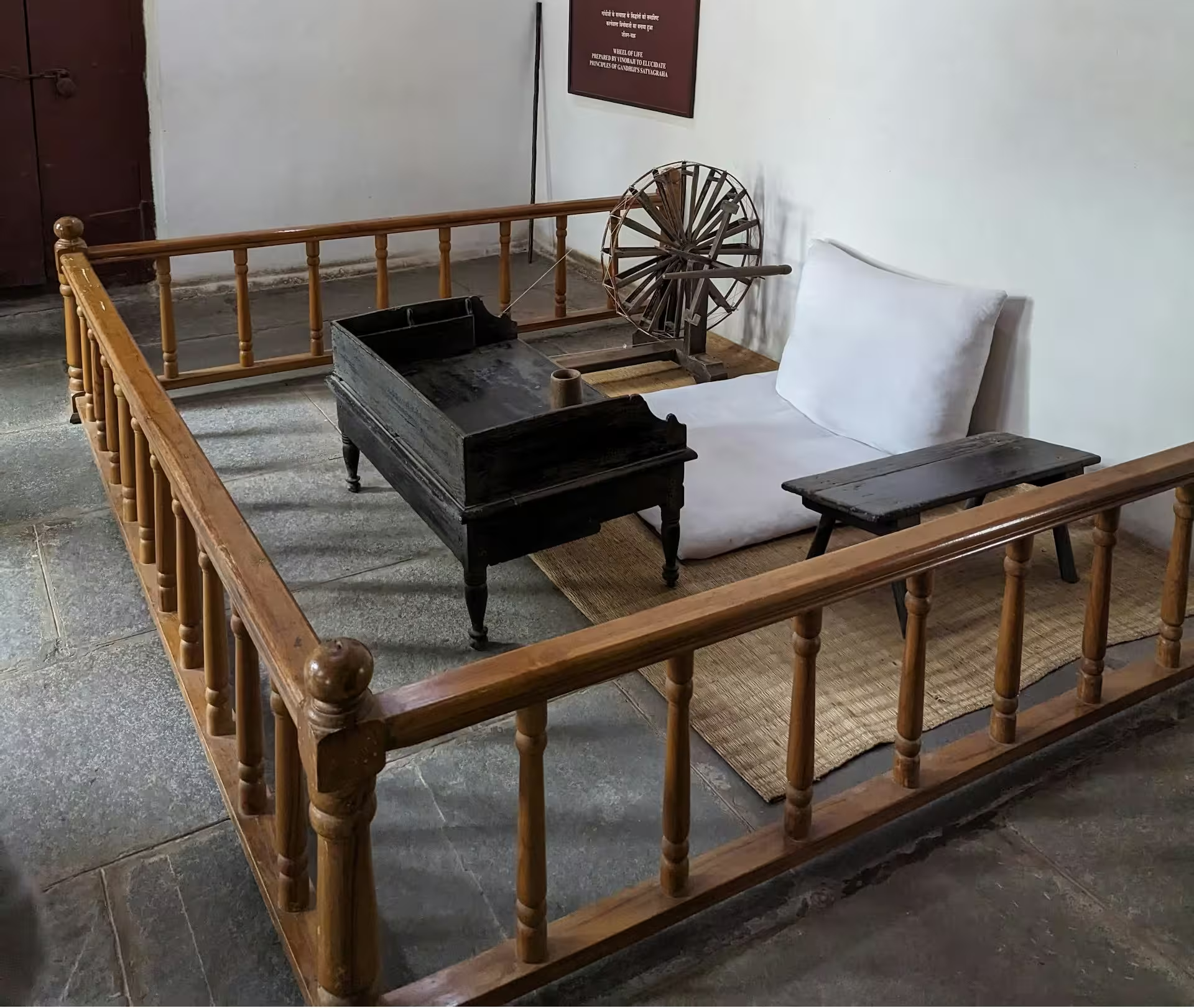
About Sabarmati Ashram
Sabarmati Ashram was a center for many activities during the freedom struggle. Mahatma Gandhi lived here with his followers. He spoke about truth, nonviolence, and self discipline.
Life here was simple. People followed basic rules. They worked together. They spun cotton. They focused on service. You see how daily life was kept plain and steady.
The ashram was also a meeting place. Leaders and supporters came here. In 1930, Gandhi started the Salt March from this place.
Today, the ashram stands as a memorial. Visitors come to learn about Gandhi’s life and ideas. Some walk quietly. Some sit for a while. You notice the calm and the sense of history here.
Detailed Information
| Detail | Information |
|---|---|
| Established By | Mahatma Gandhi |
| Year Established | 1917 |
| Location | Ahmedabad, Gujarat |
| Nearby River | Sabarmati River |
| Famous Event | Start of the Salt March in 1930 |
| Main Building | Hriday Kunj |
| Type | Historical Ashram and Museum |
| Maintained By | Sabarmati Ashram Preservation and Memorial Trust |
Near by Places
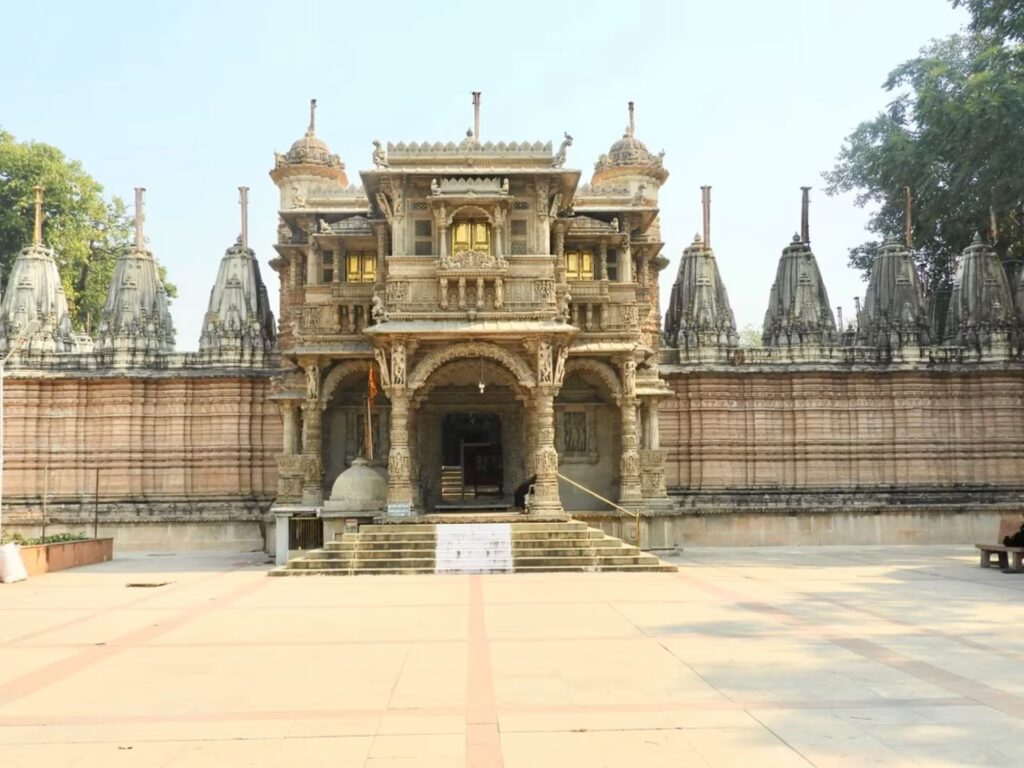
Hutheesing Jain Temple
Dastan Autoworld
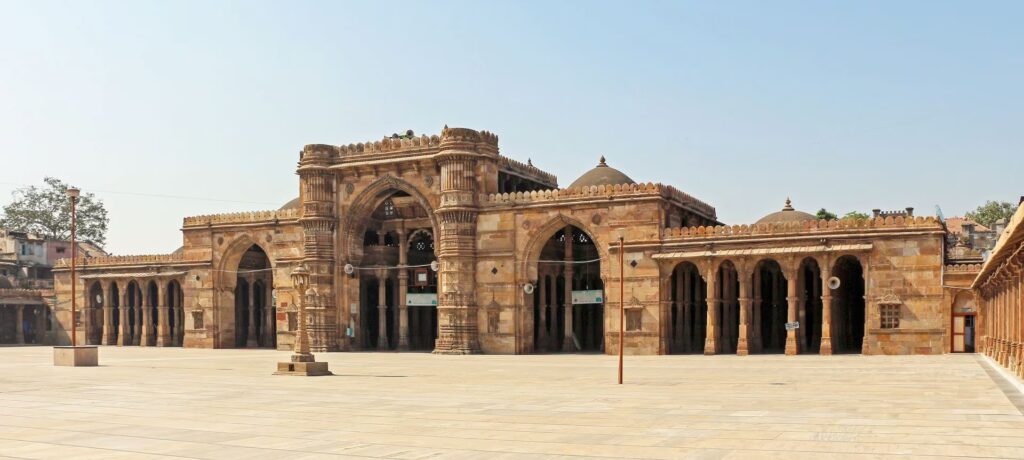
Ahmedabad Jama Masjid
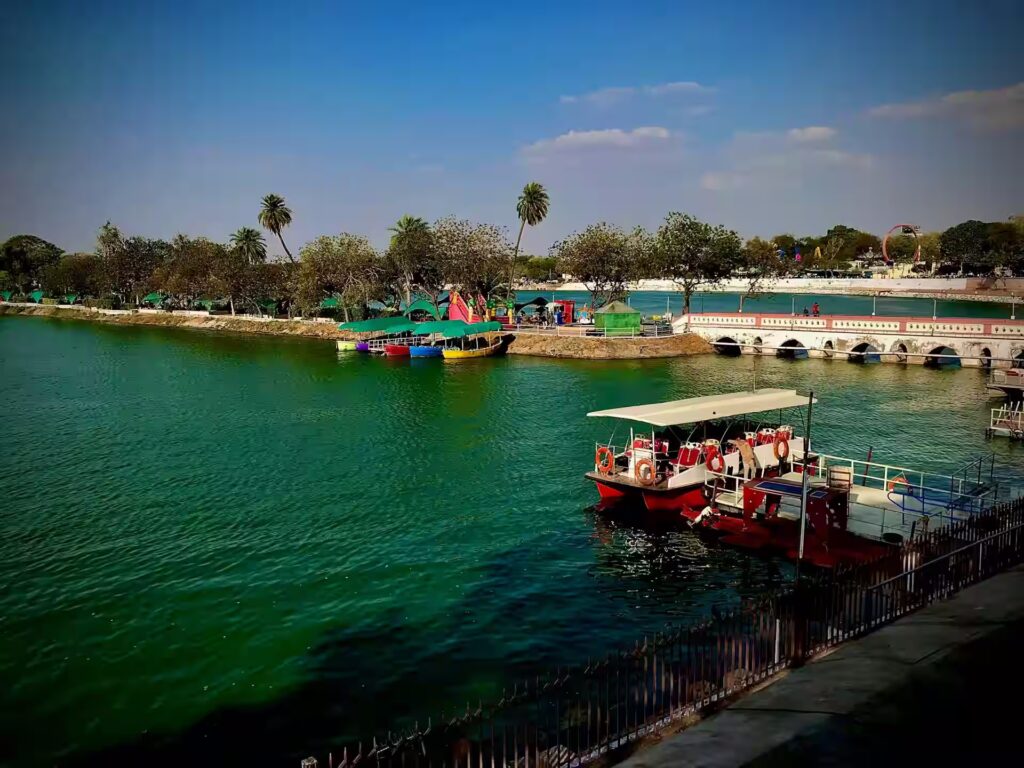
Kankaria Lake
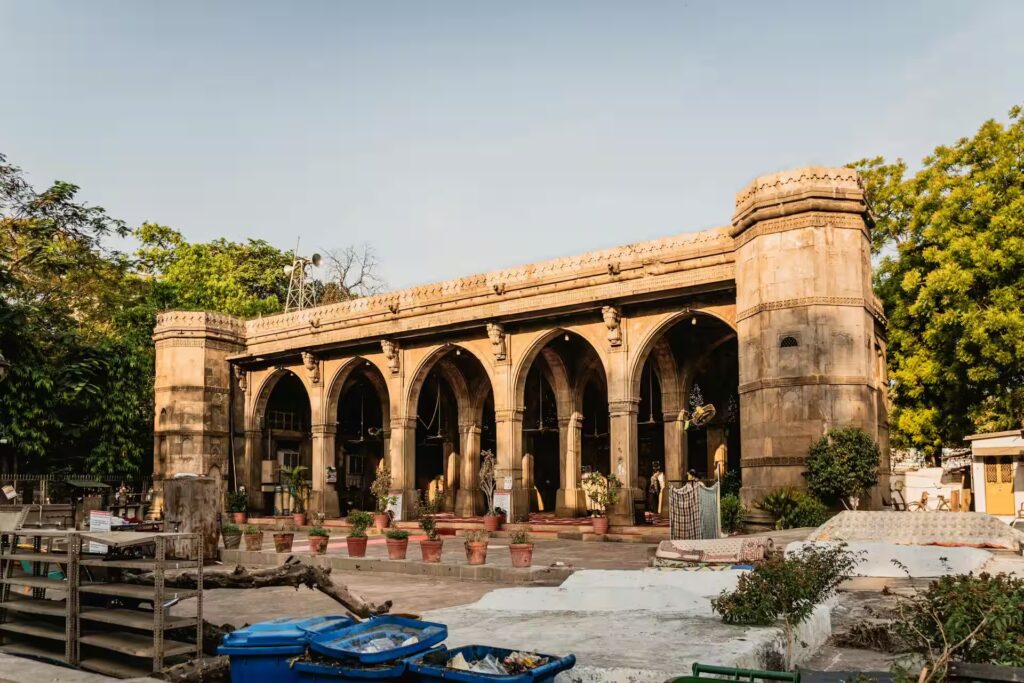
Sidi Saiyyed Mosque
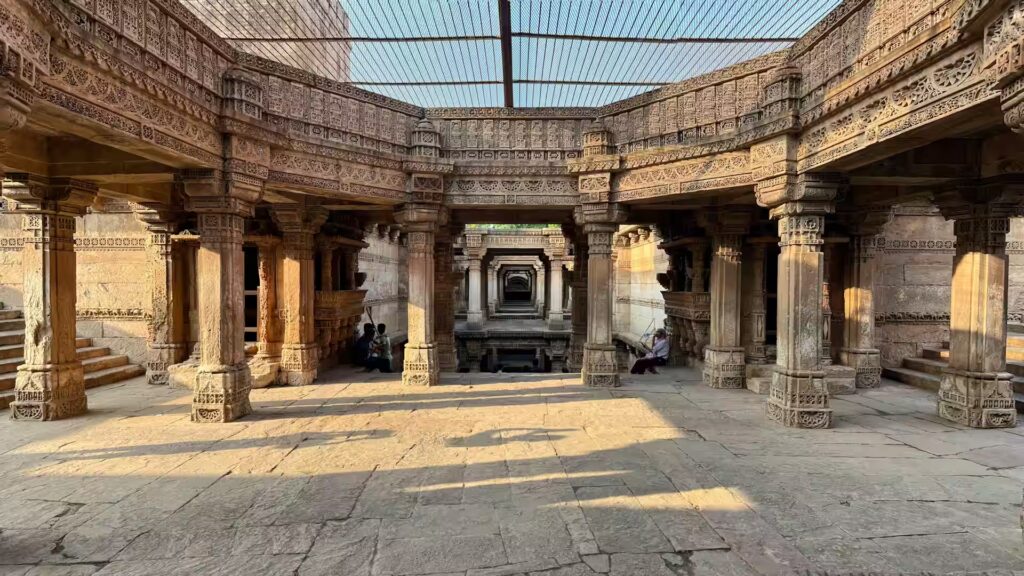
The Adalaj Stepwell
Similar Places to Visit

Alleppey Backwaters
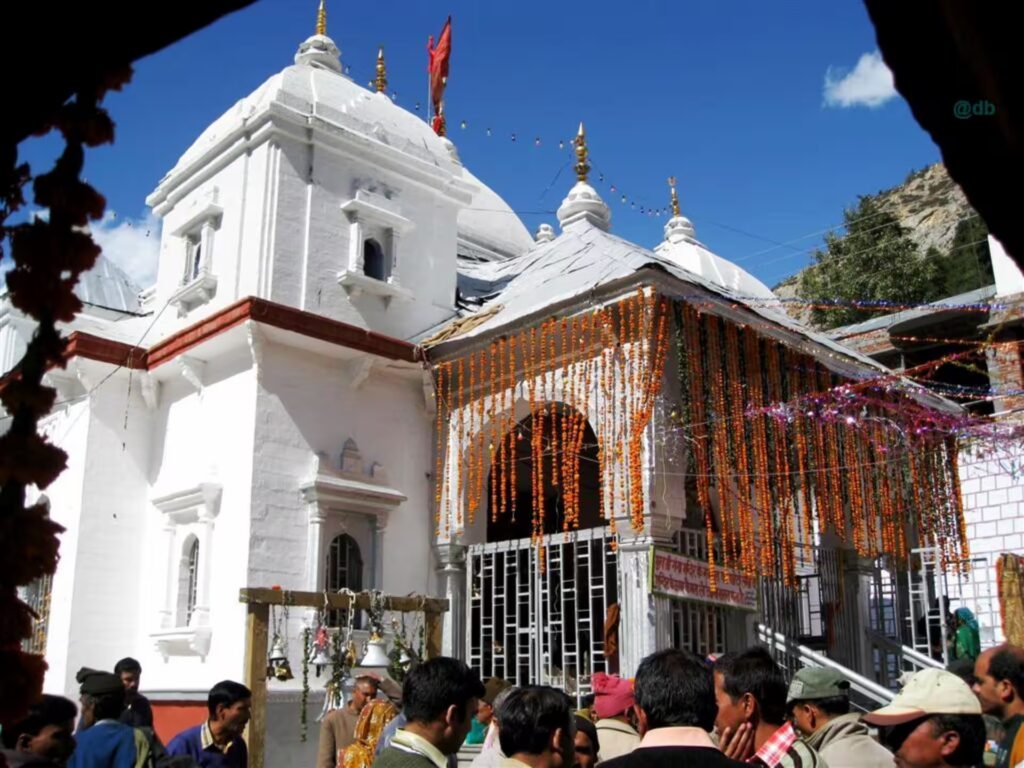
Gangotri Temple
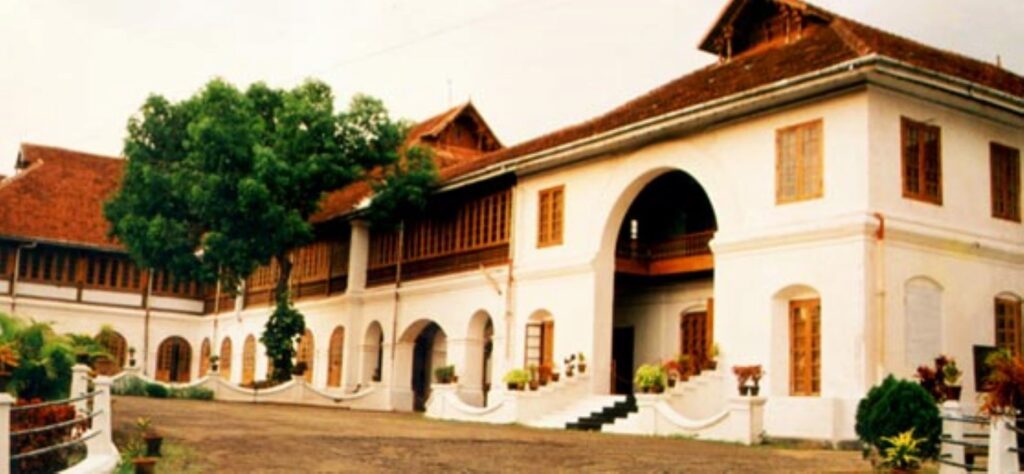
Hill Palace Museum
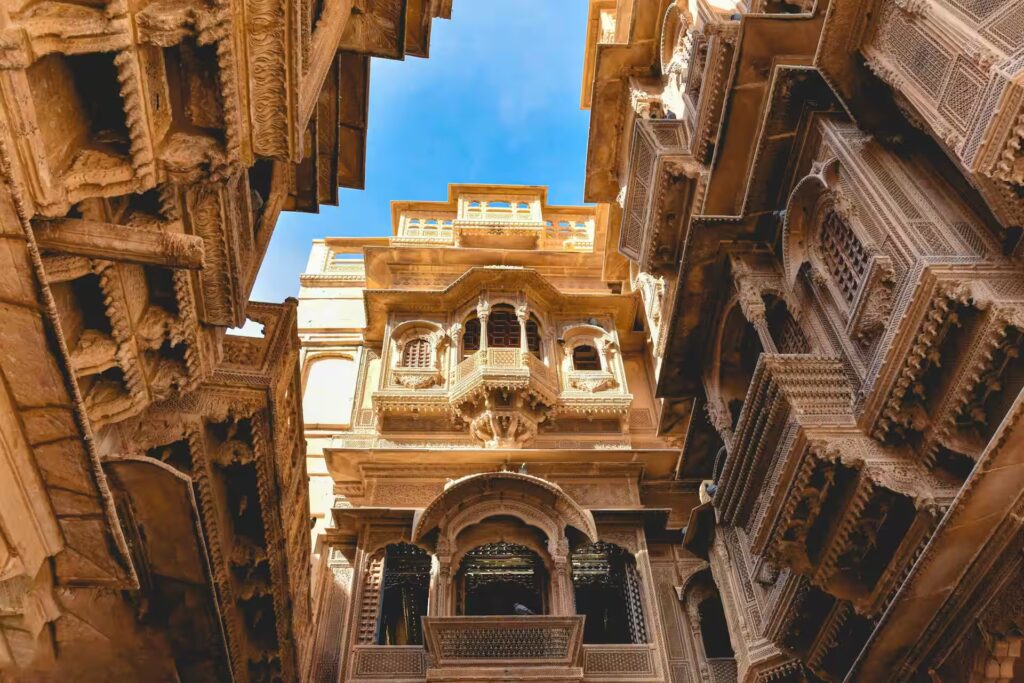
Patwon Ki Haveli

Pathiramanal Island
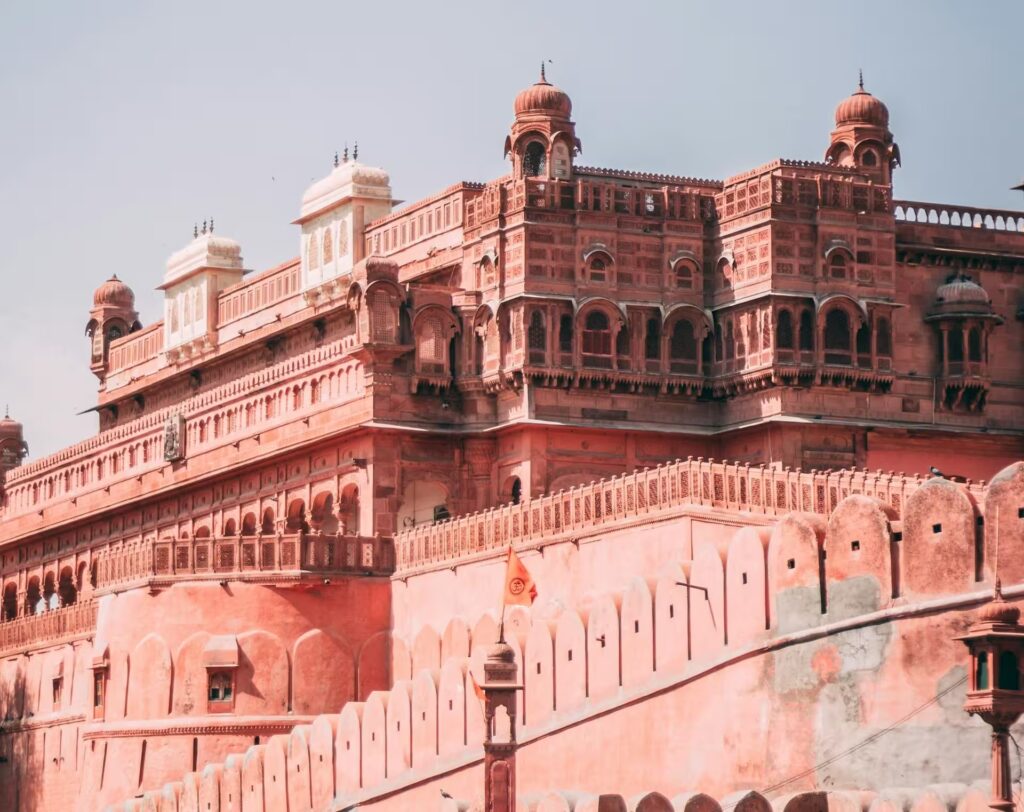
Junagarh Fort
Discover by Interest

Beach
Beaches Destinations
Heritage
Heritage Destinations
Hill Stations
Hill Stations
Spiritual
Spiritual Destinations
Trekking
Trekking Hotspots

Wildlife
Wildlife Destinations
Frequently Asked Questions
Where is Sabarmati Ashram located?
Sabarmati Ashram is located in Ahmedabad in the state of Gujarat.
Who founded Sabarmati Ashram?
The ashram was established by Mahatma Gandhi in 1917.
Why is Sabarmati Ashram important?
It played an important role during the Indian freedom movement and was the starting point of the Salt March.
Is there any entry fee for Sabarmati Ashram?
No. Visitors can enter the ashram free of cost.
What can visitors see at Sabarmati Ashram?
Visitors can see Gandhi’s residence Hriday Kunj, museum exhibits, photographs, and historical displays.