Spiritual travel in India connects with living traditions across multiple faiths. Temples, dargahs, gurudwaras, monasteries, and meditation centers function as active worship spaces where rituals continue much as they have for centuries.
This list groups destinations by religious tradition to help you understand which places align with specific practices and beliefs.
Varanasi, Uttar Pradesh
Best time: October to March
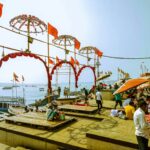
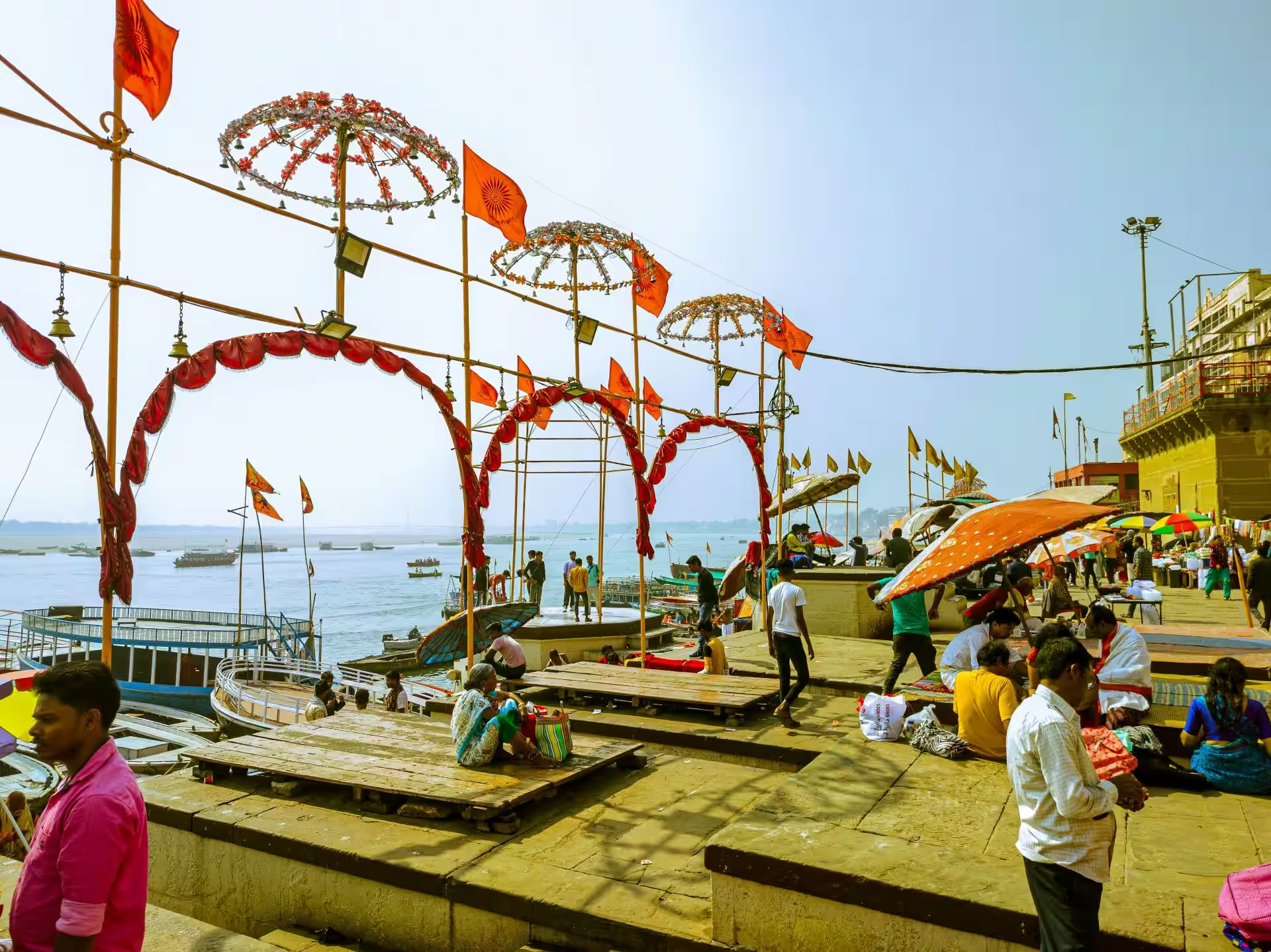
Varanasi wakes with the morning sun. The ghats along the Ganges host prayers, chanting, and boat rides throughout the day. The evening Ganga Aarti at Dashashwamedh Ghat draws the largest crowds, though smaller ghats offer quieter experiences.
Kashi Vishwanath Temple remains the main spiritual center. Winter months make walking and temple visits more manageable than the intense heat of summer.
Nearest airport: Lal Bahadur Shastri International Airport
Nearest railway station: Varanasi Junction
Tirupati, Andhra Pradesh
Best time: September to February
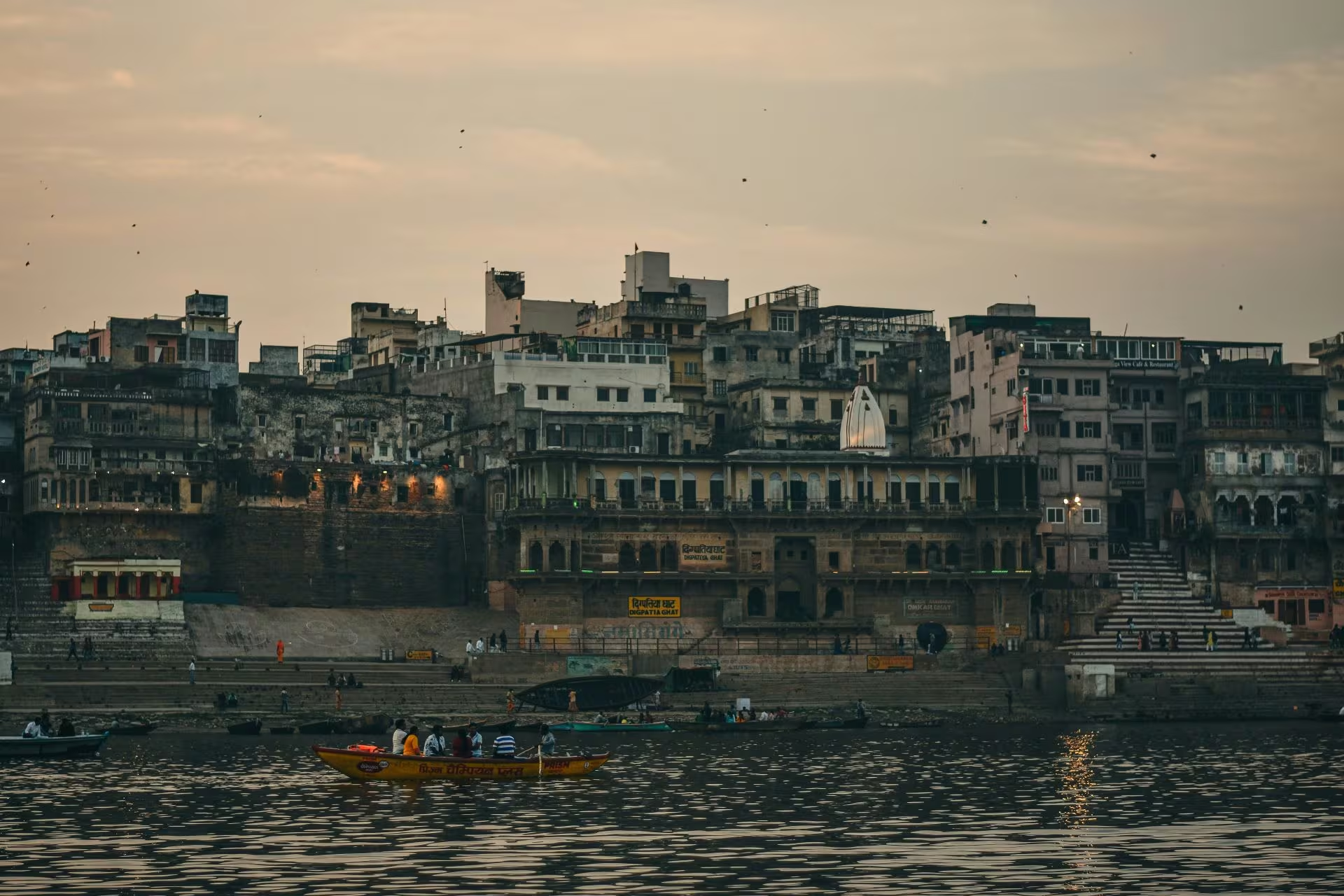
Sri Venkateswara Temple is among the most visited pilgrimage sites globally. Darshan requires advance booking, and the queuing system is highly structured but can still involve significant waiting times.
Planning ahead makes the difference between a smooth visit and hours spent standing in line.
Nearest airport: Tirupati Airport
Nearest railway station: Tirupati Railway Station
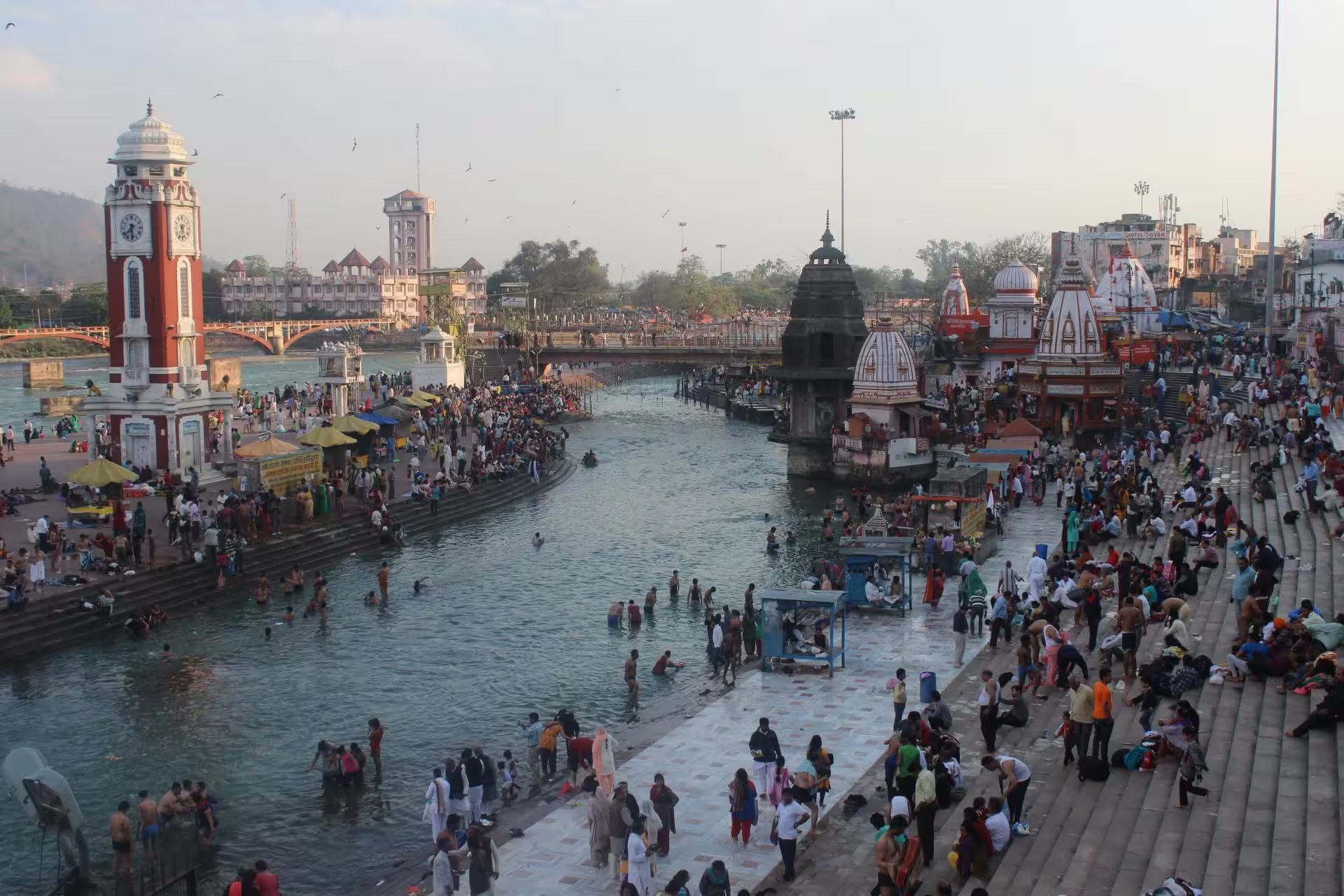
Haridwar, Uttarakhand
Best time: October to March
Har Ki Pauri is the main ghat where evening aarti attracts significant crowds. Early mornings offer a calmer atmosphere for bathing rituals and prayers.
During Kumbh Mela, the city becomes one of the largest religious gatherings on Earth. Outside festival periods, Haridwar operates at a more moderate pace.
Nearest airport: Jolly Grant Airport, Dehradun
Nearest railway station: Haridwar Junction
Amritsar, Punjab
Best time: October to March
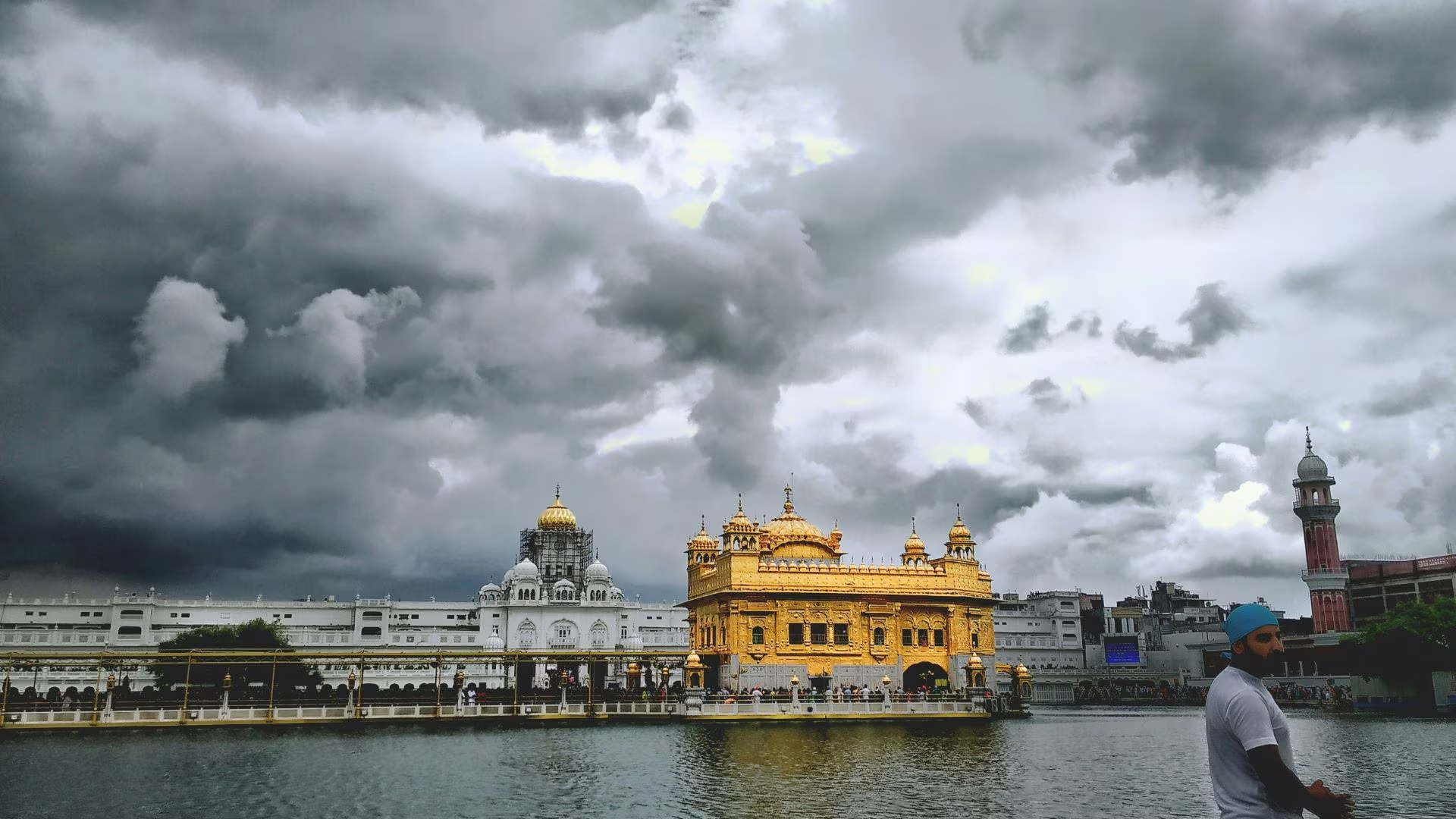
The Golden Temple remains open 24 hours. Early morning offers the quietest experience before crowds arrive later in the day.
The langar system provides free meals to all visitors regardless of background, serving thousands daily in a practice that has continued for centuries.
Nearest airport: Sri Guru Ram Dass Jee International Airport
Nearest railway station: Amritsar Junction
Vaishno Devi, Jammu
Best time: March to May, September to October
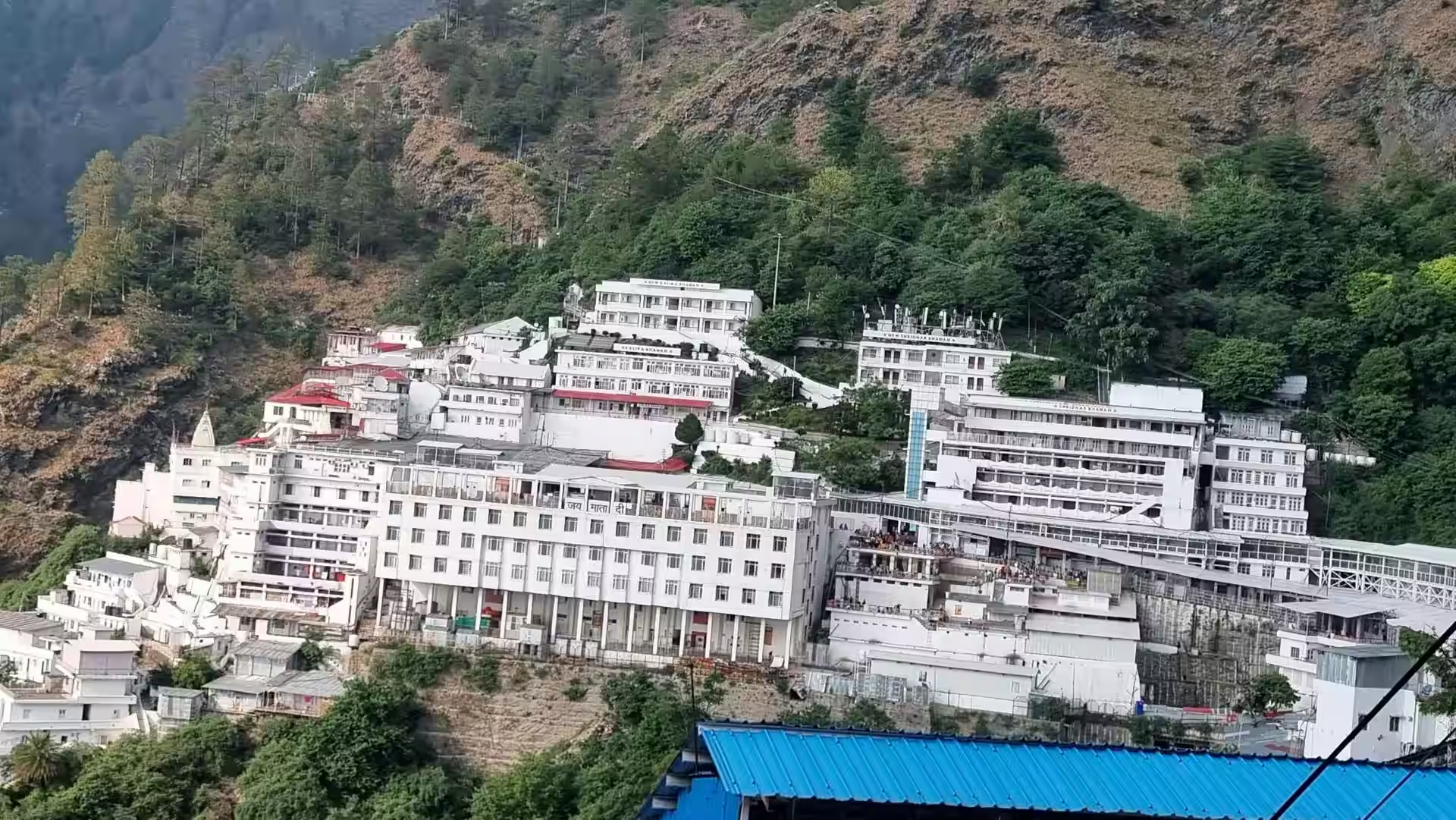
The trek from Katra to the shrine covers approximately 13 kilometers. Basic facilities including rest stops and food are available along the route. Helicopter services operate for those unable to complete the trek on foot.
Spring and post-monsoon months offer the most comfortable conditions. Winter brings snow, and summer heat can make the climb challenging.
Nearest airport: Jammu Airport
Nearest railway station: Shri Mata Vaishno Devi Katra Railway Station
Kedarnath, Uttarakhand
Best time: May to June, September to October
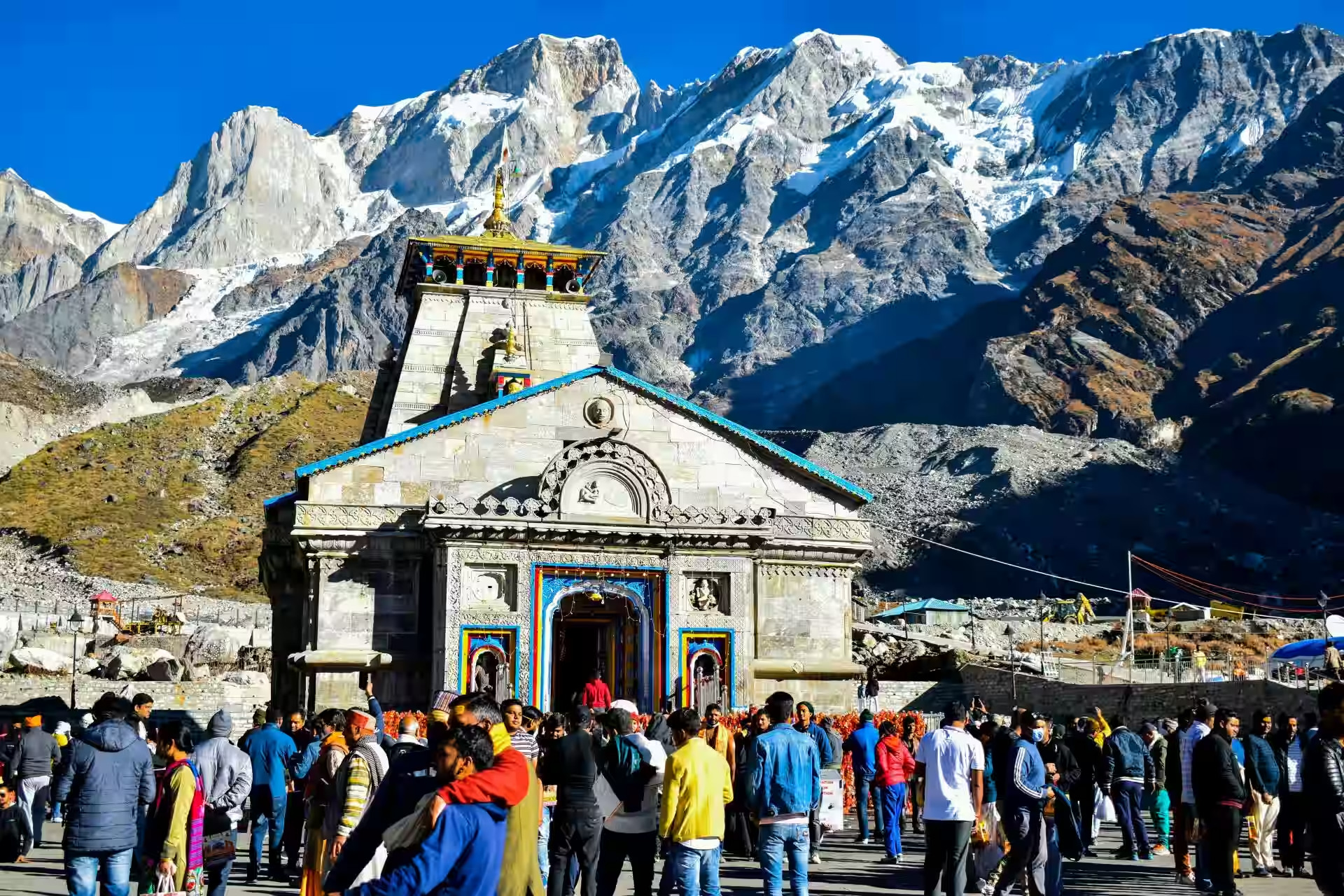
This high-altitude temple operates seasonally due to heavy snowfall that closes access for several months each year. The trek to the temple requires physical fitness and acclimatization to altitude.
Weather conditions change rapidly. Proper planning and checking current conditions before travel are essential.
Nearest airport: Jolly Grant Airport, Dehradun
Nearest railway station: Rishikesh Railway Station
Puri, Odisha
Best time: November to February
Jagannath Temple is one of the four sacred Char Dham sites. The annual Rath Yatra festival in June-July transforms the entire city into a pilgrimage hub with crowds that stretch for kilometers.
Visiting outside festival season provides a more manageable experience while still allowing access to daily rituals and temple activities.
Nearest airport: Biju Patnaik International Airport, Bhubaneswar
Nearest railway station: Puri Railway Station
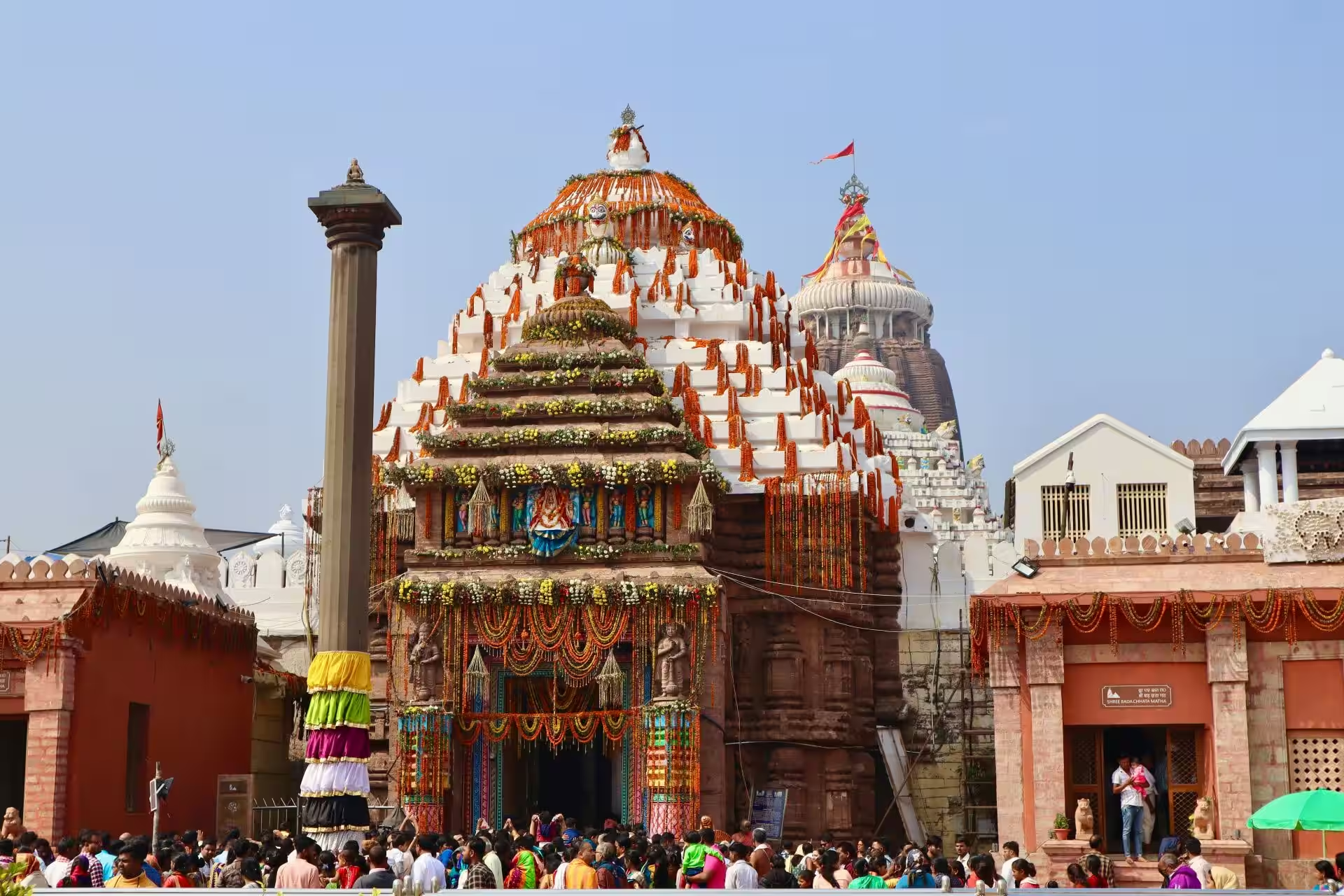
Rameswaram, Tamil Nadu
Best time: November to February
Ramanathaswamy Temple is known for its long corridors and intricate architecture. As one of the Char Dham sites, it attracts pilgrims year-round.
The island location gives the town a distinct rhythm, with the sea visible from many parts of the temple complex.
Nearest airport: Madurai Airport
Nearest railway station: Rameswaram Railway Station
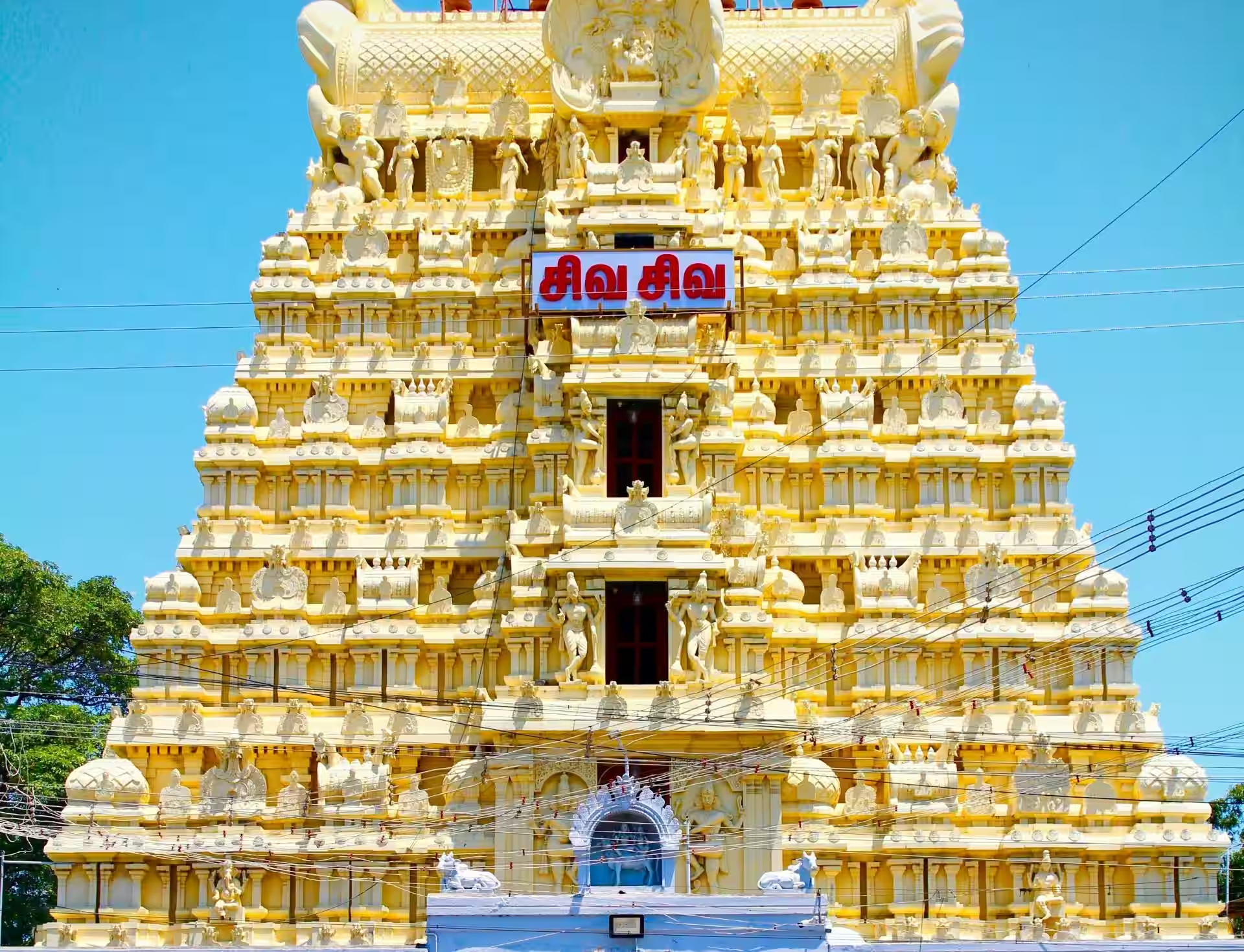
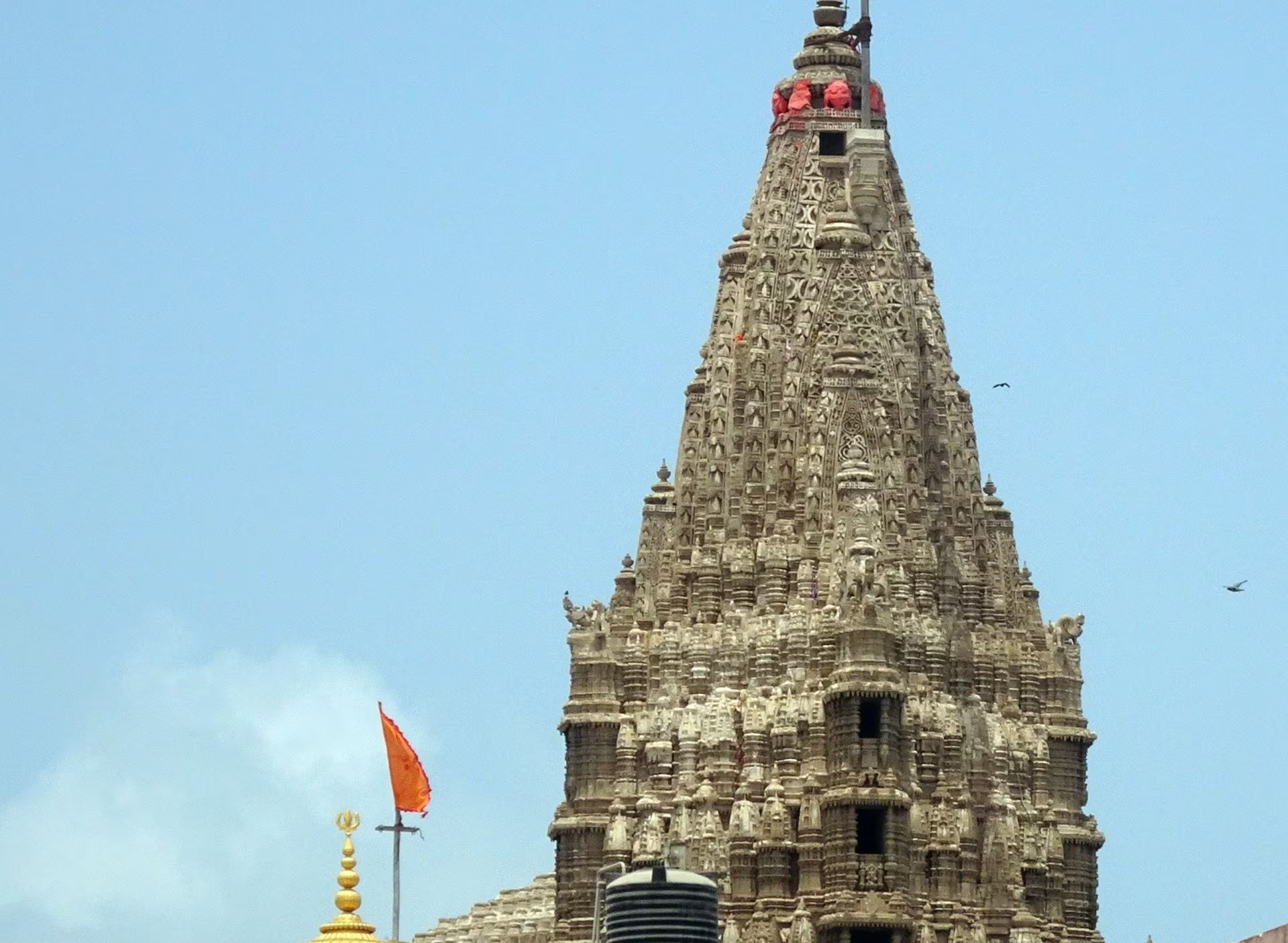
Dwarka, Gujarat
Best time: October to March
Dwarkadhish Temple is associated with Lord Krishna and sits near the Arabian Sea. The coastal location creates an atmosphere distinct from inland temple towns.
Evenings at Gomti Ghat offer quieter moments away from the main temple complex.
Nearest airport: Jamnagar Airport
Nearest railway station: Dwarka Railway Station
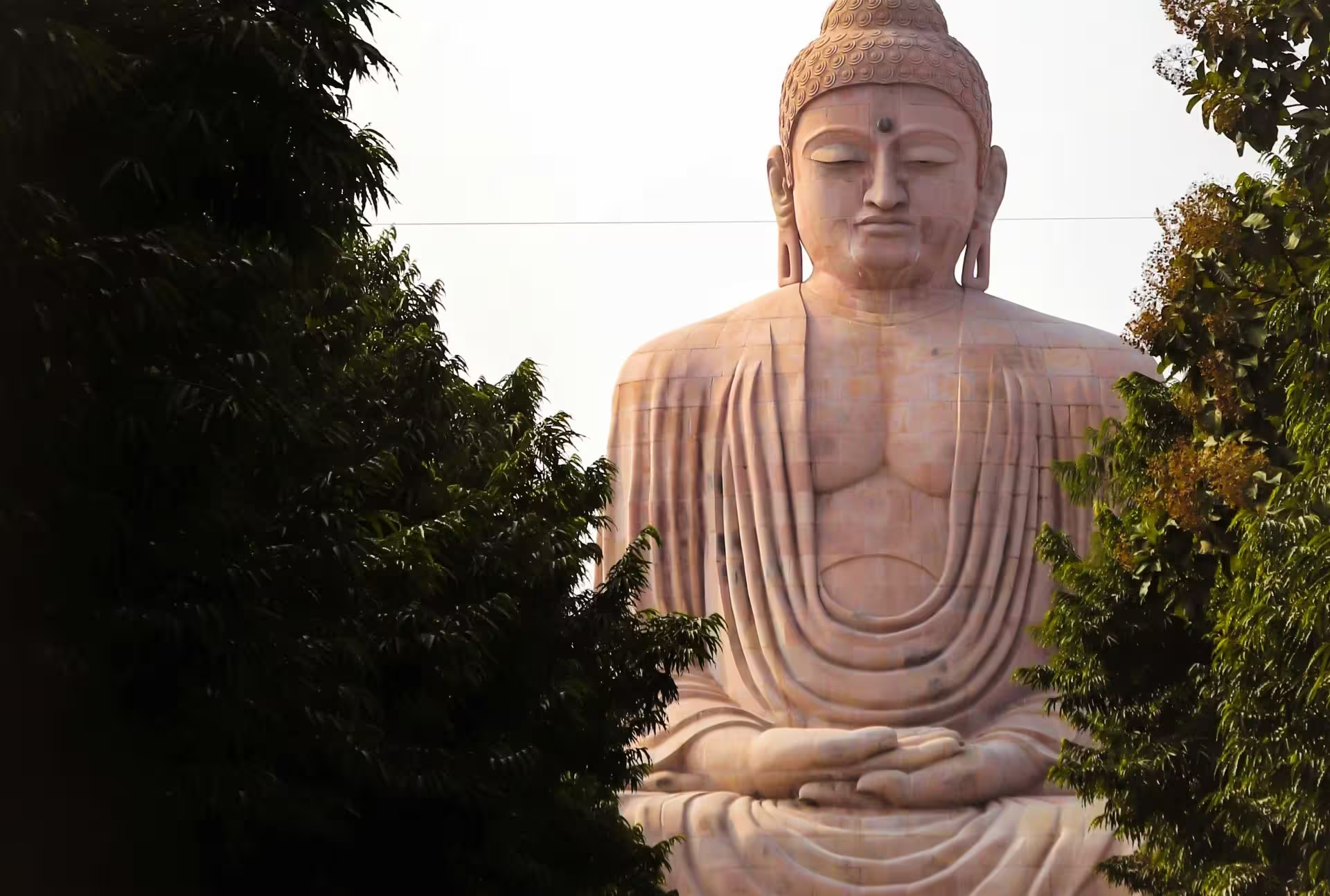
Bodh Gaya, Bihar
Best time: November to February
This is where Gautama Buddha attained enlightenment under the Bodhi tree. The Mahabodhi Temple Complex is a UNESCO World Heritage Site and the focal point for Buddhist pilgrims from around the world.
Winter months bring international visitors, and meditation sessions are held regularly across various centers near the temple.
Nearest airport: Gaya Airport
Nearest railway station: Gaya Junction
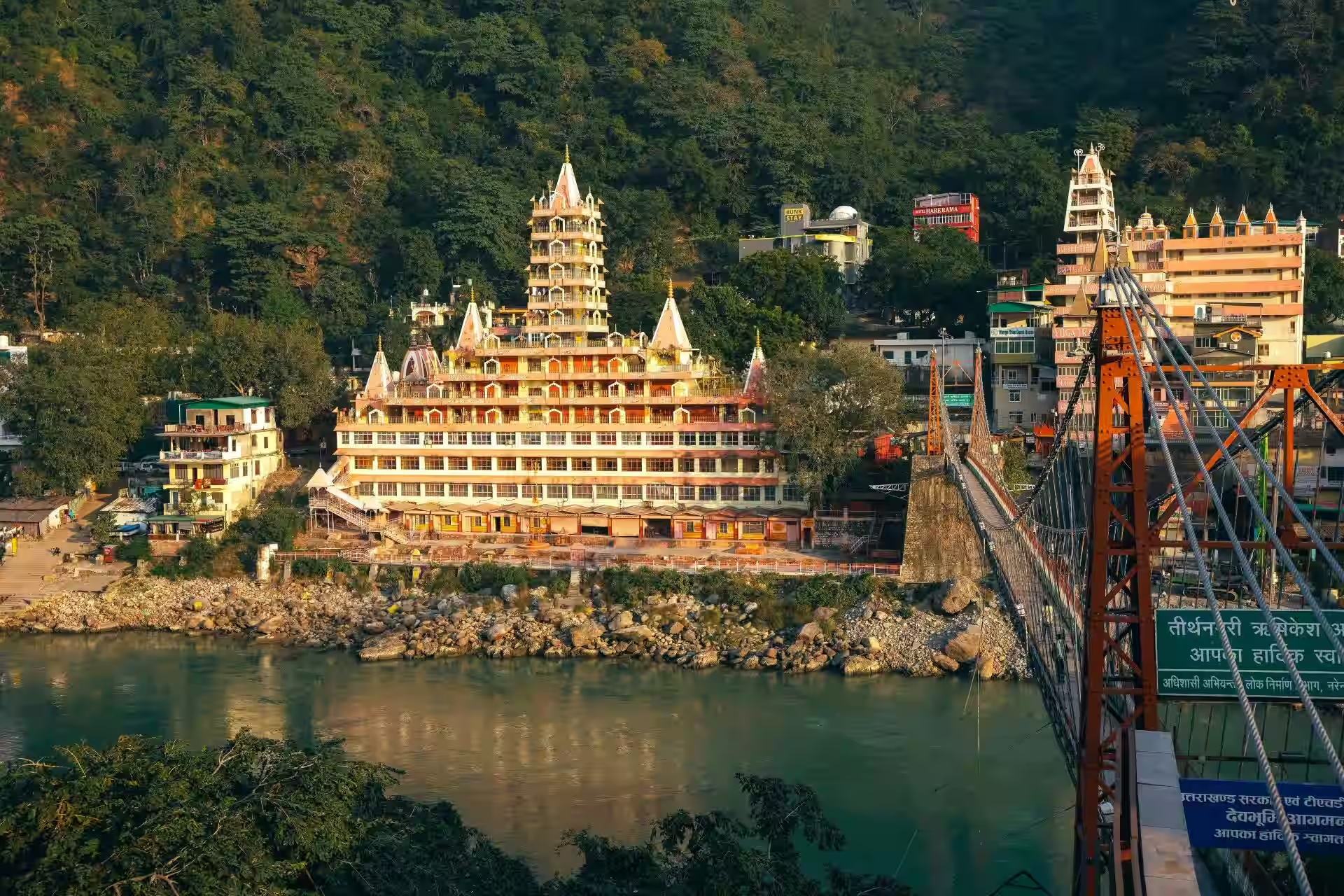
Rishikesh, Uttarakhand
Best time: March to April, September to November
Ashrams and yoga schools define this town along the Ganges. The evening aarti at Parmarth Niketan is organized and peaceful compared to larger pilgrimage sites.
Rishikesh attracts those seeking reflective spiritual practice rather than intense pilgrimage rituals. Many visitors stay for extended periods to study yoga or meditation.
Nearest airport: Jolly Grant Airport, Dehradun
Nearest railway station: Rishikesh Railway Station
Shirdi, Maharashtra
Best time: October to March
Sai Baba Temple draws devotees from multiple faith backgrounds. The darshan system operates smoothly on weekdays, though weekend crowds can extend waiting times significantly.
The town centers entirely around the temple complex, with accommodations and facilities built to support pilgrims.
Nearest airport: Shirdi Airport
Nearest railway station: Sainagar Shirdi Railway Station
Ajmer, Rajasthan
Best time: October to March
The dargah of Khwaja Moinuddin Chishti is among the most important Sufi shrines in India. During Urs, the annual commemoration, devotional gatherings and qawwali performances draw large crowds.
Weekday mornings offer smoother access to the shrine compared to weekends and festival periods.
Nearest airport: Jaipur International Airport
Nearest railway station: Ajmer Junction
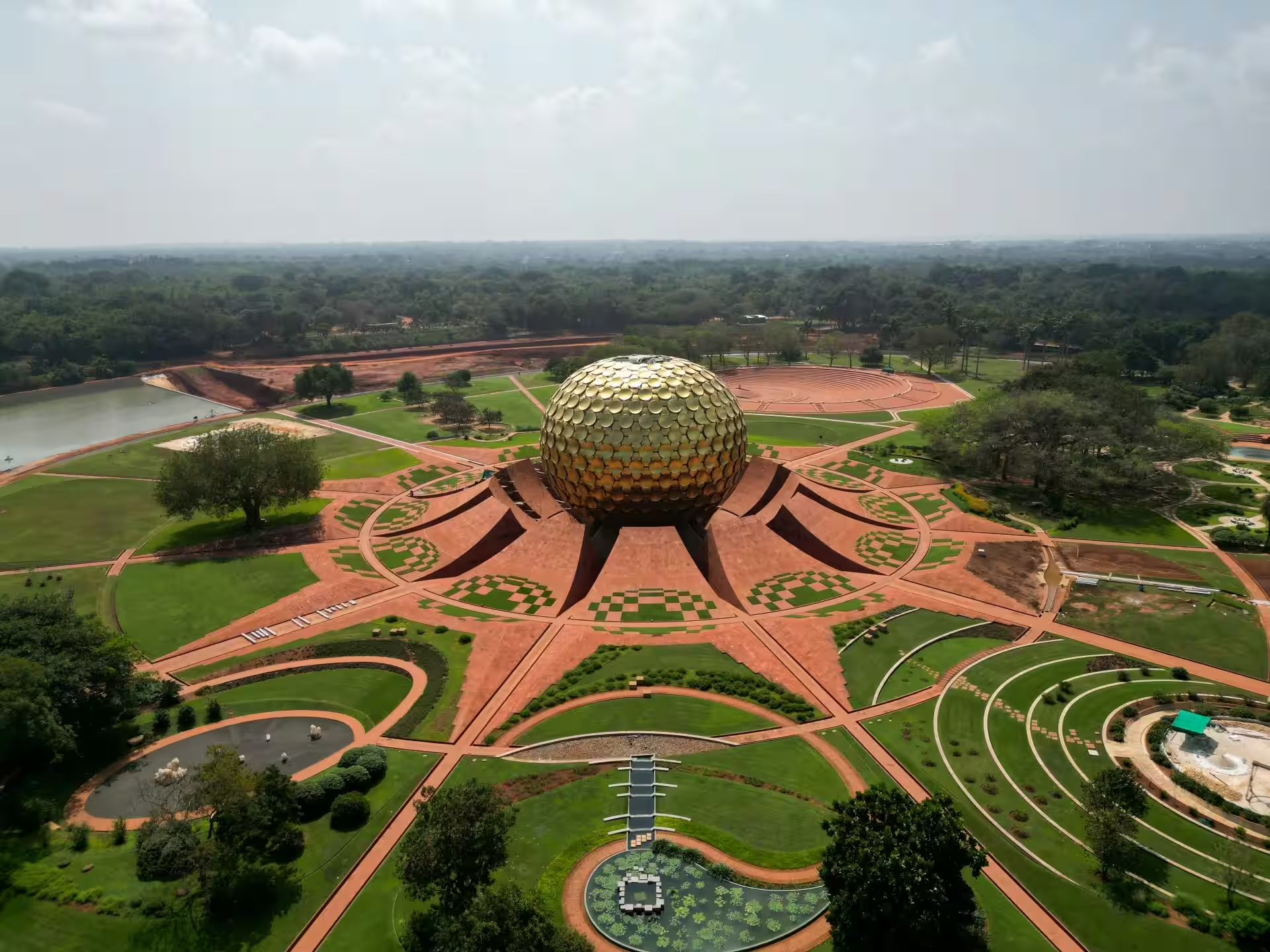
Auroville, Tamil Nadu
Best time: November to February
Auroville is not built around ritual practice. The Matrimandir is designed for silent meditation and requires advance booking for entry.
This experimental township attracts visitors interested in alternative spiritual communities and sustainable living rather than traditional religious pilgrimage.
Nearest airport: Chennai International Airport
Nearest railway station: Villupuram Junction
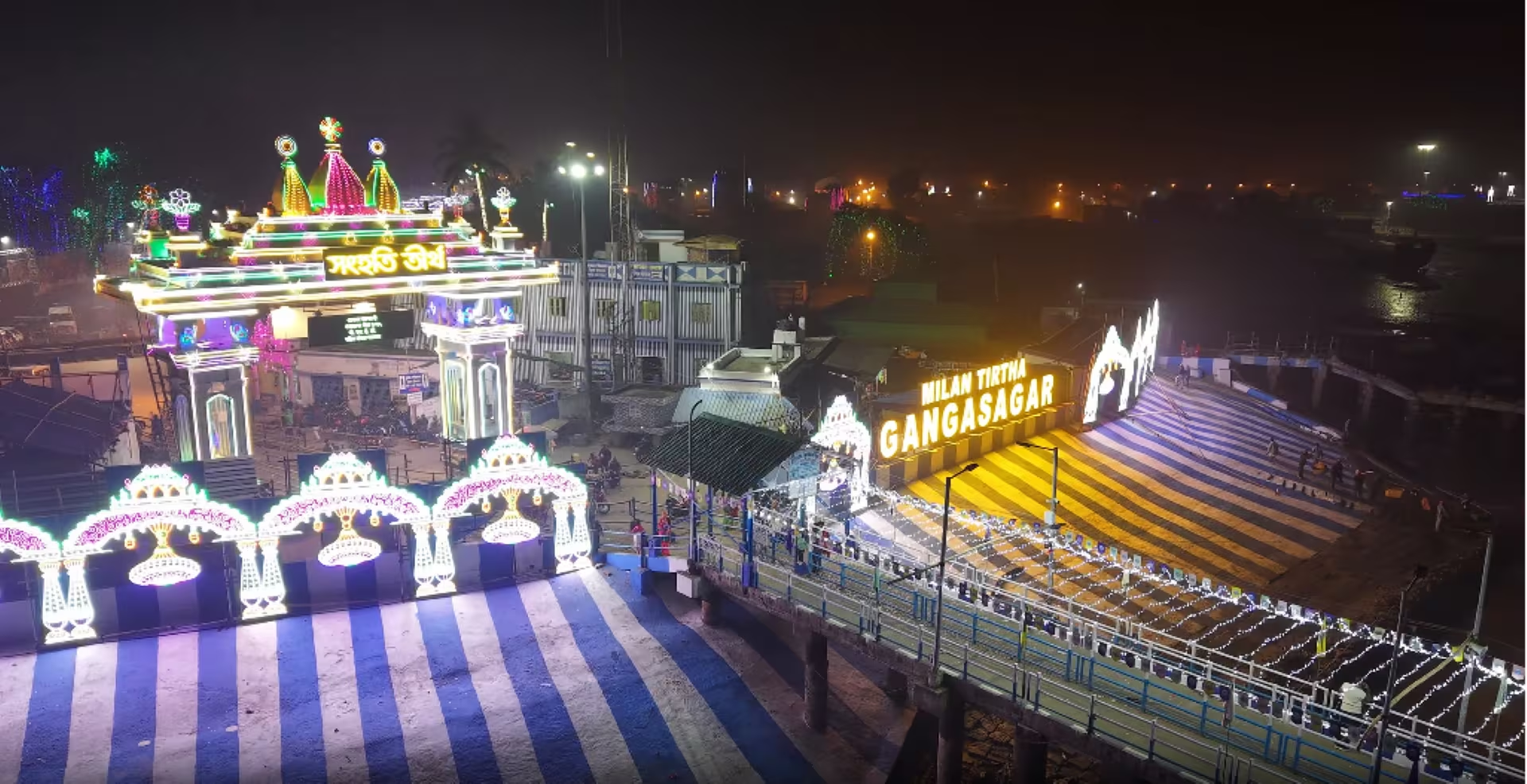
Gangasagar, West Bengal
Best time: January
The confluence of the Ganges and the Bay of Bengal becomes a major pilgrimage site during Makar Sankranti. Temporary settlements house hundreds of thousands of pilgrims who come for ritual bathing.
Outside the festival period, the location remains relatively quiet, though the confluence itself continues to hold spiritual significance for regular visitors.
Nearest airport: Netaji Subhas Chandra Bose International Airport, Kolkata
Nearest railway station: Kakdwip Railway Station
Planning Your Spiritual Journey
India's spiritual destinations span diverse climates, altitudes, and access levels. Some require physical fitness and advance planning. Others are accessible year-round with minimal preparation.
Consider the following when planning:
Seasonal timing - Most destinations have optimal visiting windows based on weather and festival calendars. Peak pilgrimage seasons mean larger crowds but also more active ritual life.
Physical requirements - High-altitude sites like Kedarnath require acclimatization. Long treks demand fitness. Urban temples may involve hours of standing in queues.
Advance booking - Popular sites like Tirupati and Vaishno Devi benefit from early planning. Accommodation near major temples fills quickly during festivals.
Respectful participation - These are active places of worship. Dress codes, photography restrictions, and behavioral expectations vary by location and should be followed.
Final Thoughts
Spiritual travel in India is not tourism in the conventional sense. It involves entering spaces where faith is practiced daily by millions, where rituals follow patterns established centuries ago, and where the sacred remains embedded in everyday life.
Approach these destinations with patience, respect for local customs, and an understanding that you are witnessing living traditions rather than historical monuments. The experience is richer when you engage with the purpose of the place rather than simply observing it.