Festivals in India are tied to seasons, harvest cycles, religious calendars, and regional traditions. Some last one day. Others continue for a week or more. Travel during a festival feels different from regular sightseeing. Streets stay active late into the night, markets fill up, and accommodation sells out early.
Here are fifteen major festivals across different regions of India and what makes each one worth planning around.
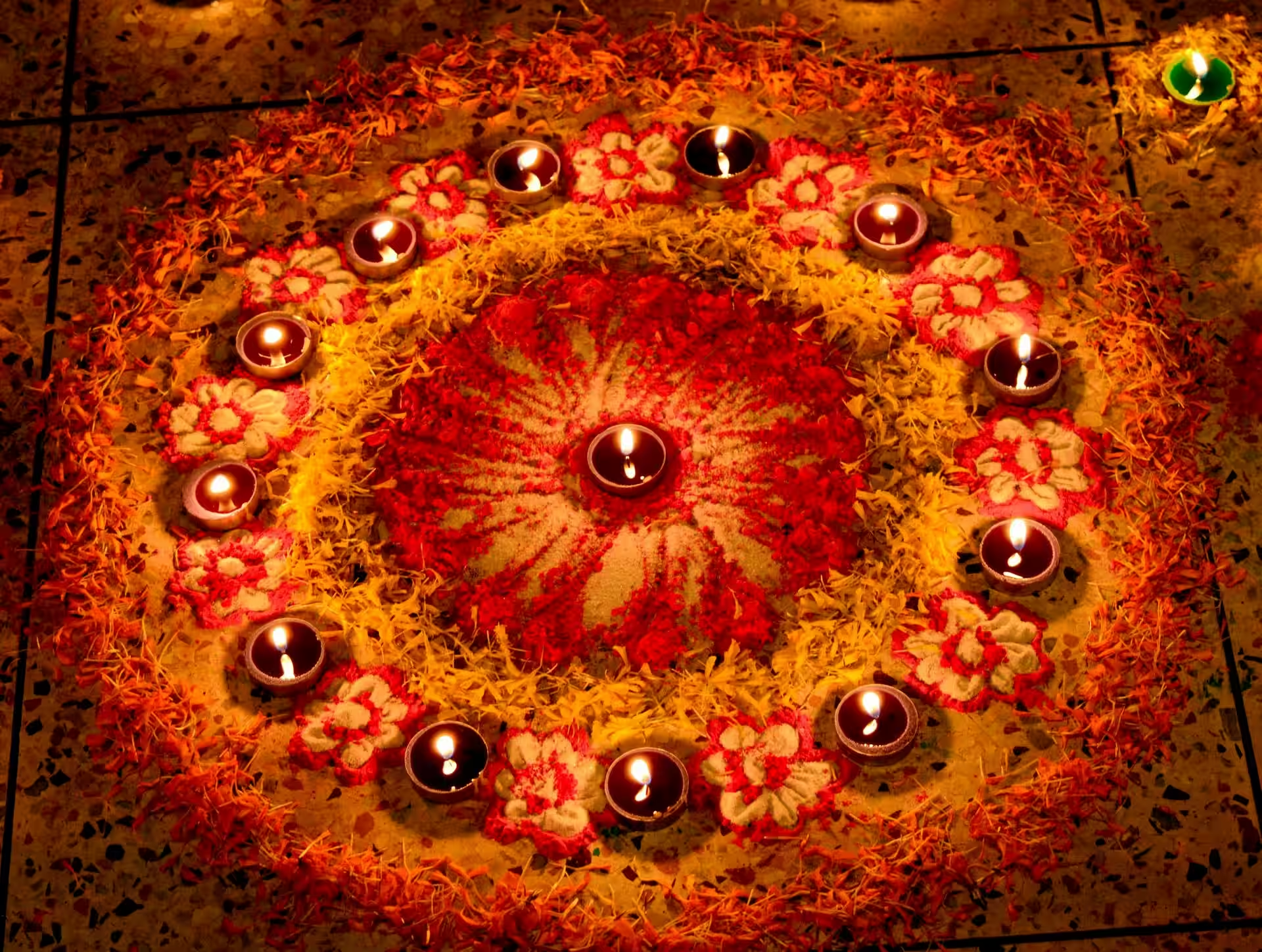
Diwali (Deepawali) – Across India
When: October or November
The festival of lights marks the return of Lord Rama to Ayodhya in Hindu tradition. Homes are decorated with diyas, rangoli, and lights. Fireworks, sweets, and family gatherings define the evening.
North and West India usually see the biggest public celebrations, while South India keeps it more family-focused.
Best for: Cultural atmosphere and city-wide celebrations
Holi – North India
When: March
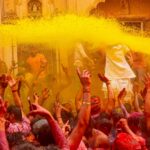
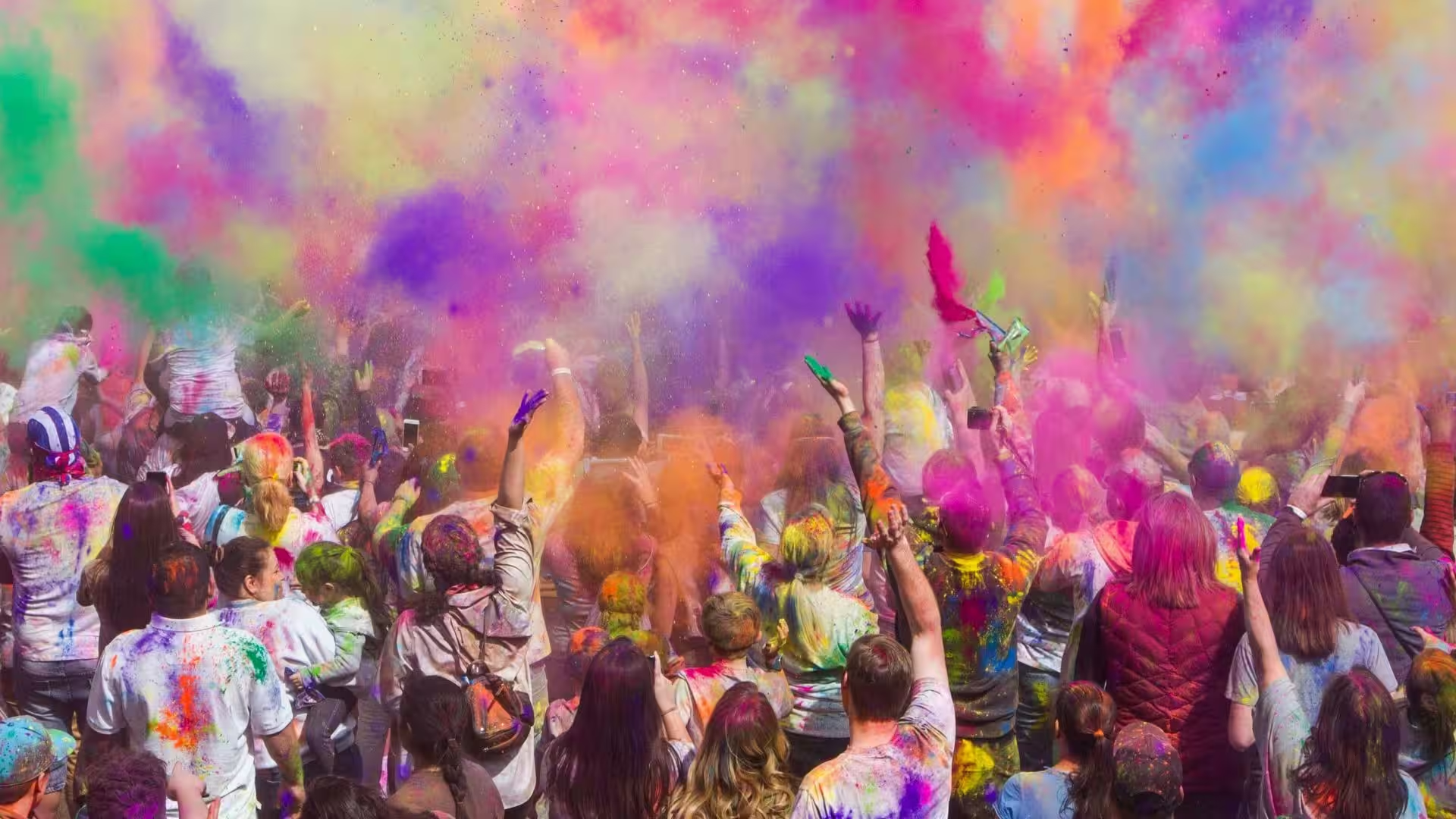
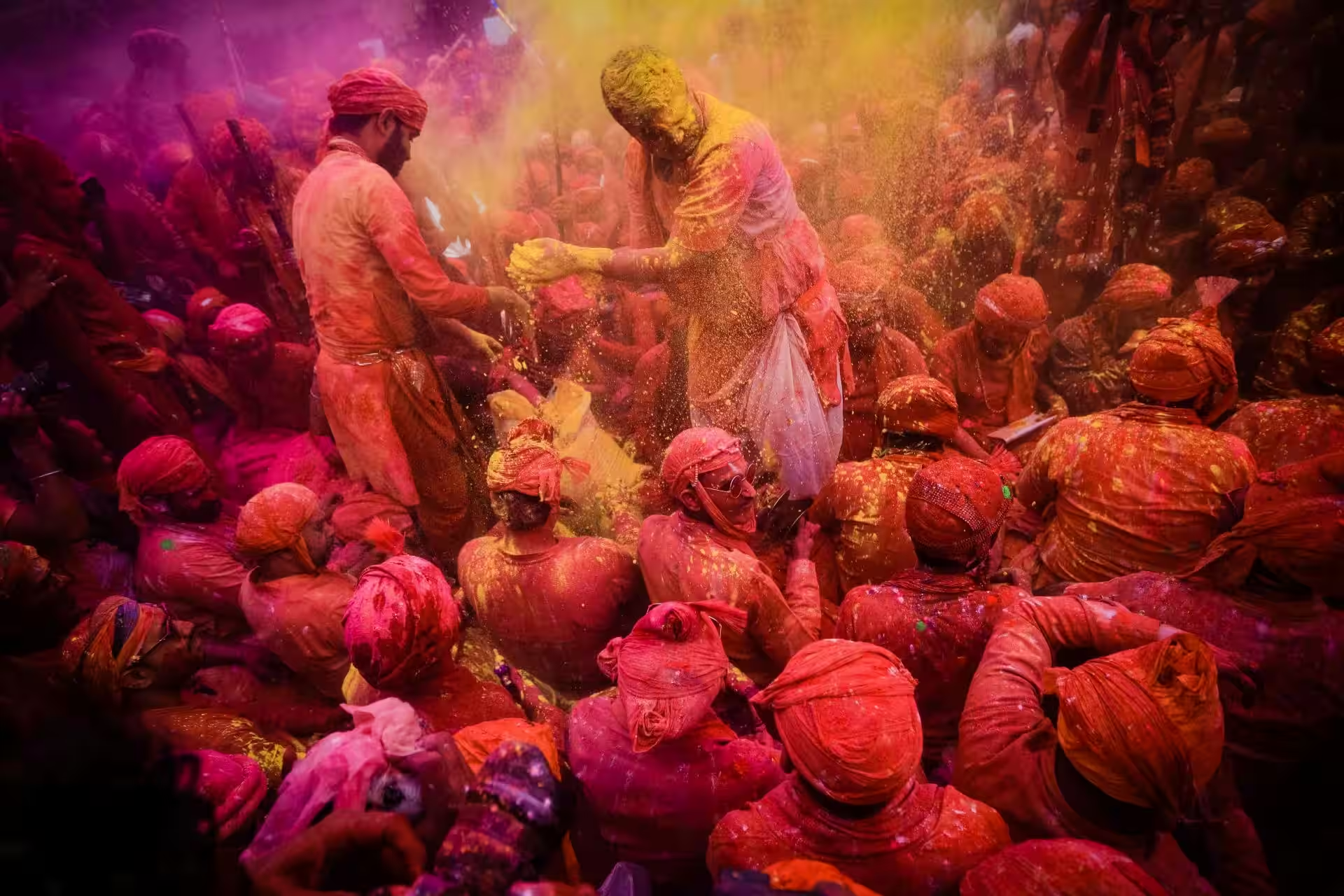
Holi marks the arrival of spring. Mathura, Vrindavan, and Barsana host traditional celebrations linked to Lord Krishna. In cities like Jaipur and Delhi, the festival includes music, colors, and public gatherings.
It is energetic and crowded, so early planning helps.
Best for: Colorful street celebrations
Durga Puja – West Bengal
When: September or October
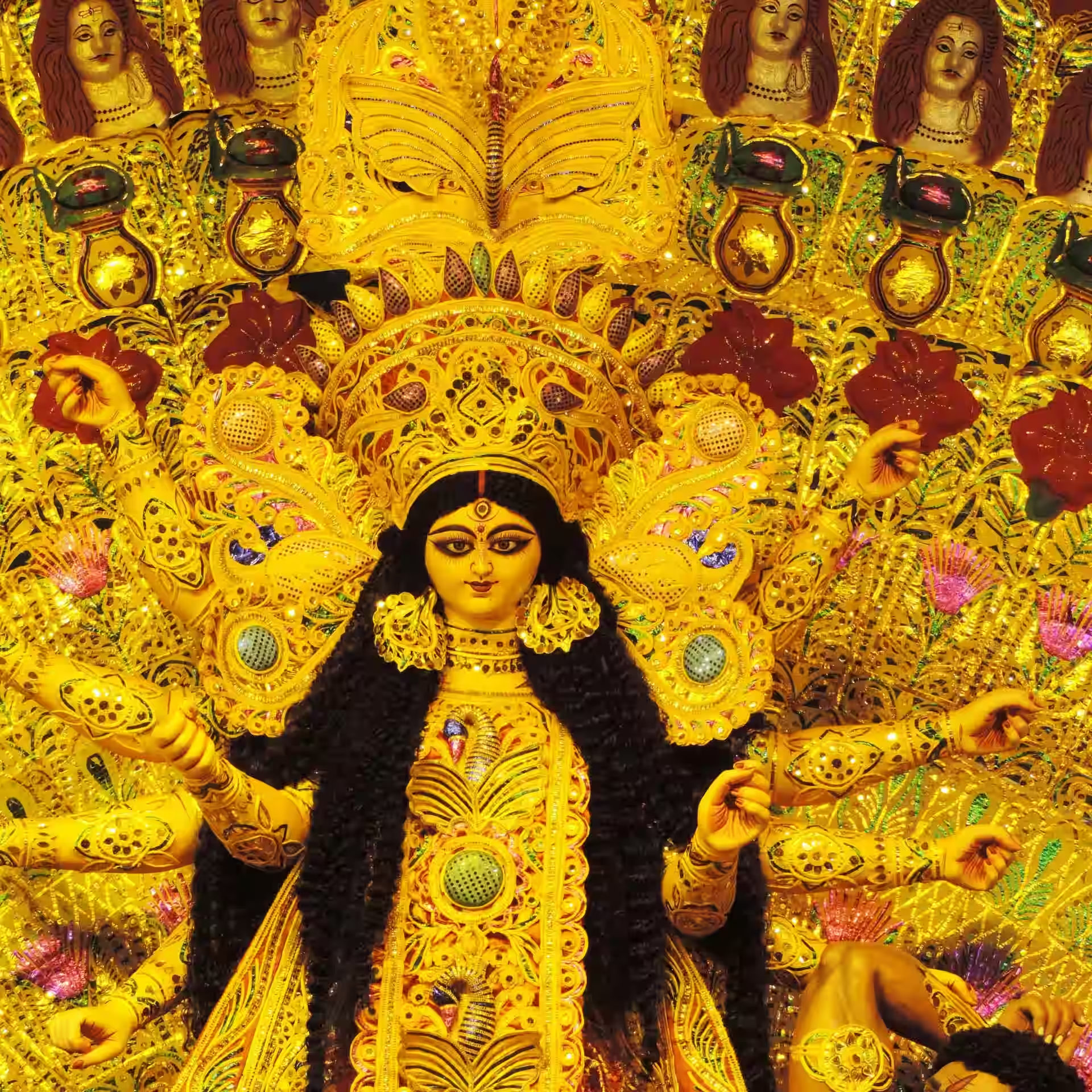
Kolkata becomes the center of activity during Durga Puja. Large temporary structures called pandals display detailed idols of Goddess Durga.
Evenings are the best time to visit pandals. The festival blends devotion with art and community events.
Best for: Cultural immersion and artistic displays
Navratri – Gujarat
When: September or October
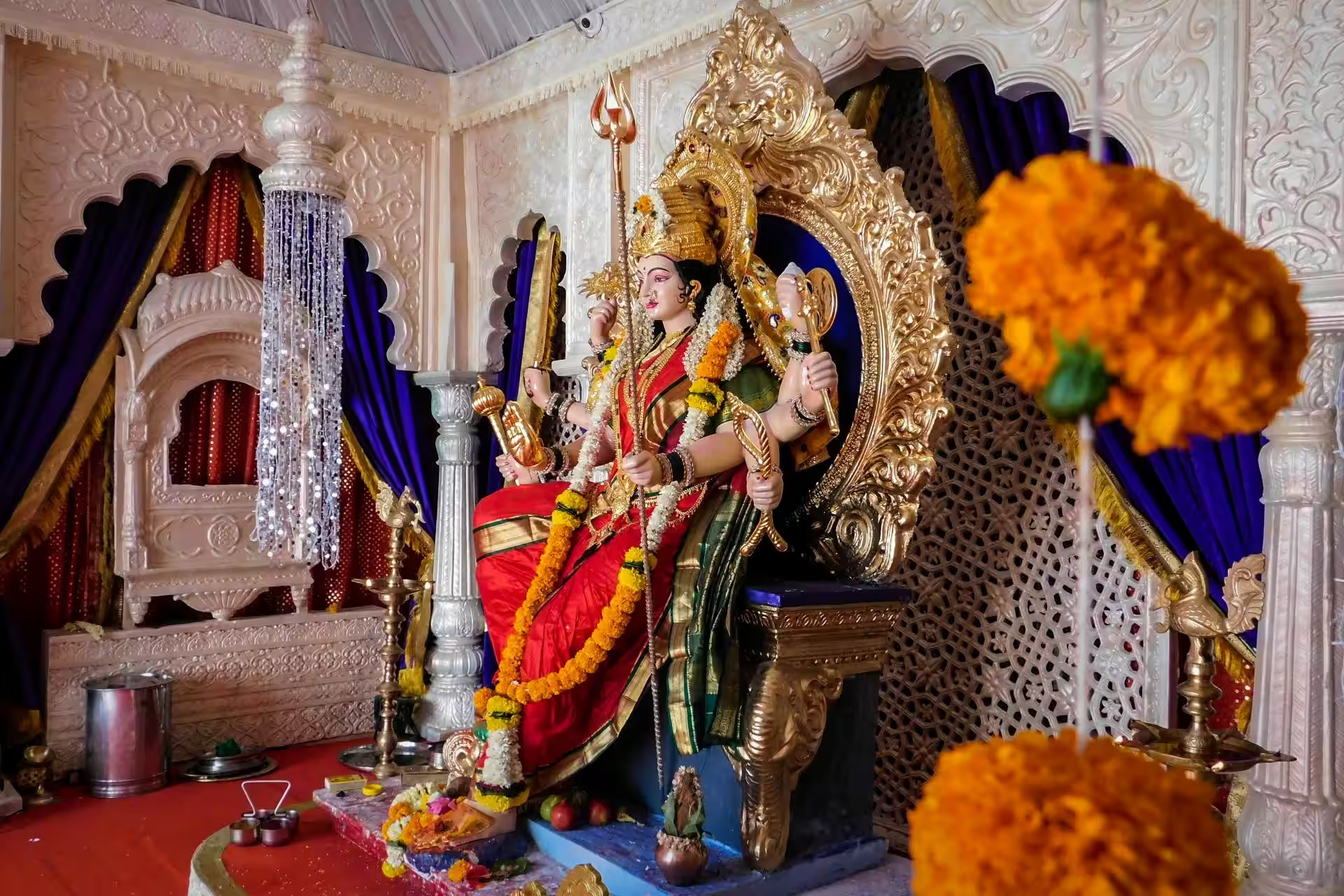
Navratri in Gujarat is known for Garba and Dandiya dance nights. Large grounds host organized events where thousands participate in traditional dress.
The festival runs for nine nights and ends with Dussehra.
Best for: Dance and community celebrations
Dussehra – Mysuru, Karnataka
When: September or October
Mysuru Dussehra features royal processions, decorated elephants, and palace illuminations. The Mysore Palace remains fully lit during the main days of celebration.
The atmosphere feels structured and well-managed compared to many other large festivals.
Best for: Royal traditions and processions
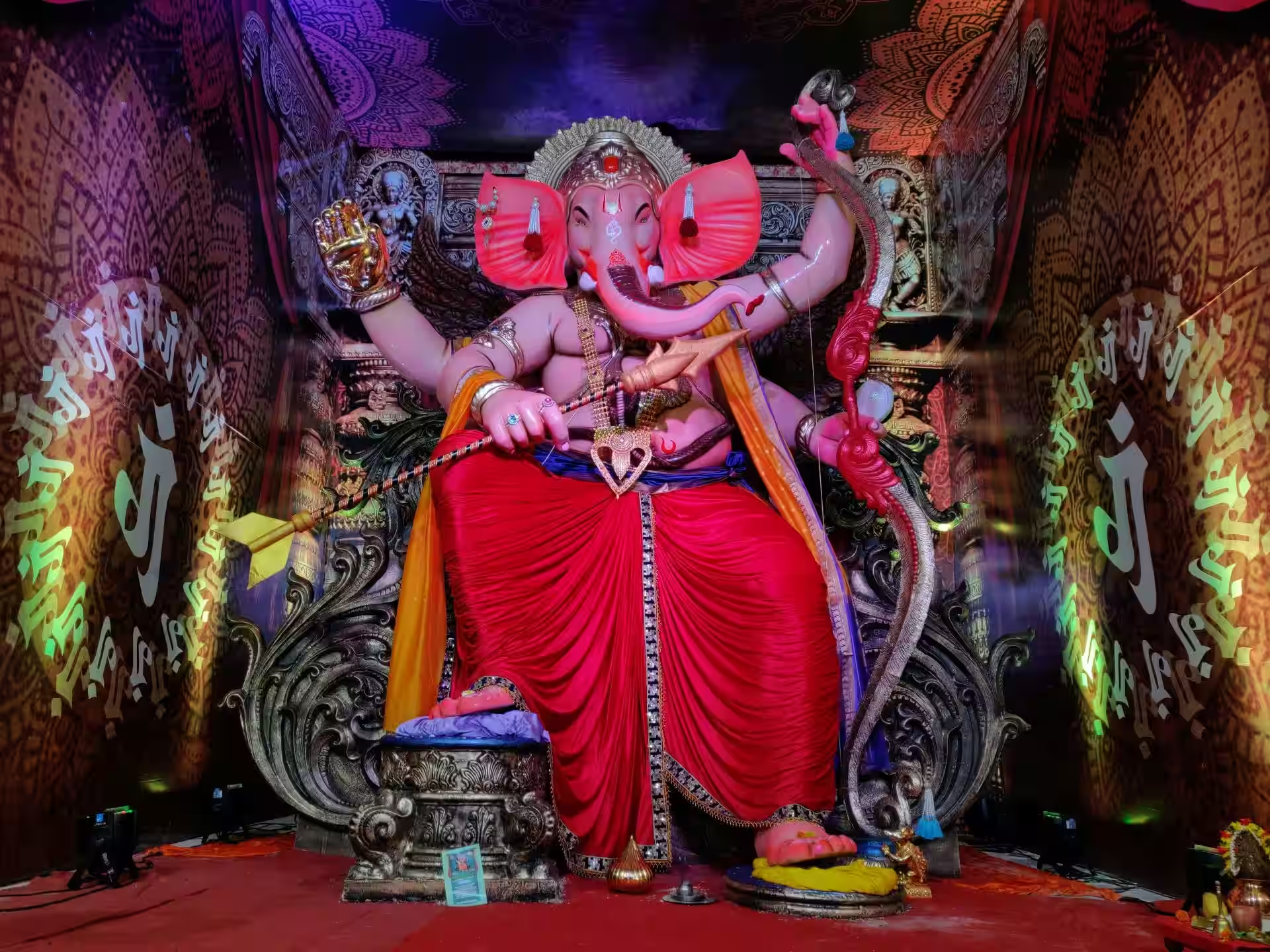
Ganesh Chaturthi – Maharashtra
When: August or September
Mumbai sees large Ganesh idols installed in public pandals. After several days of worship, immersion processions move toward the sea.
Lalbaugcha Raja remains one of the most visited idols in Mumbai.
Best for: Large-scale public participation
Onam – Kerala
When: August or September
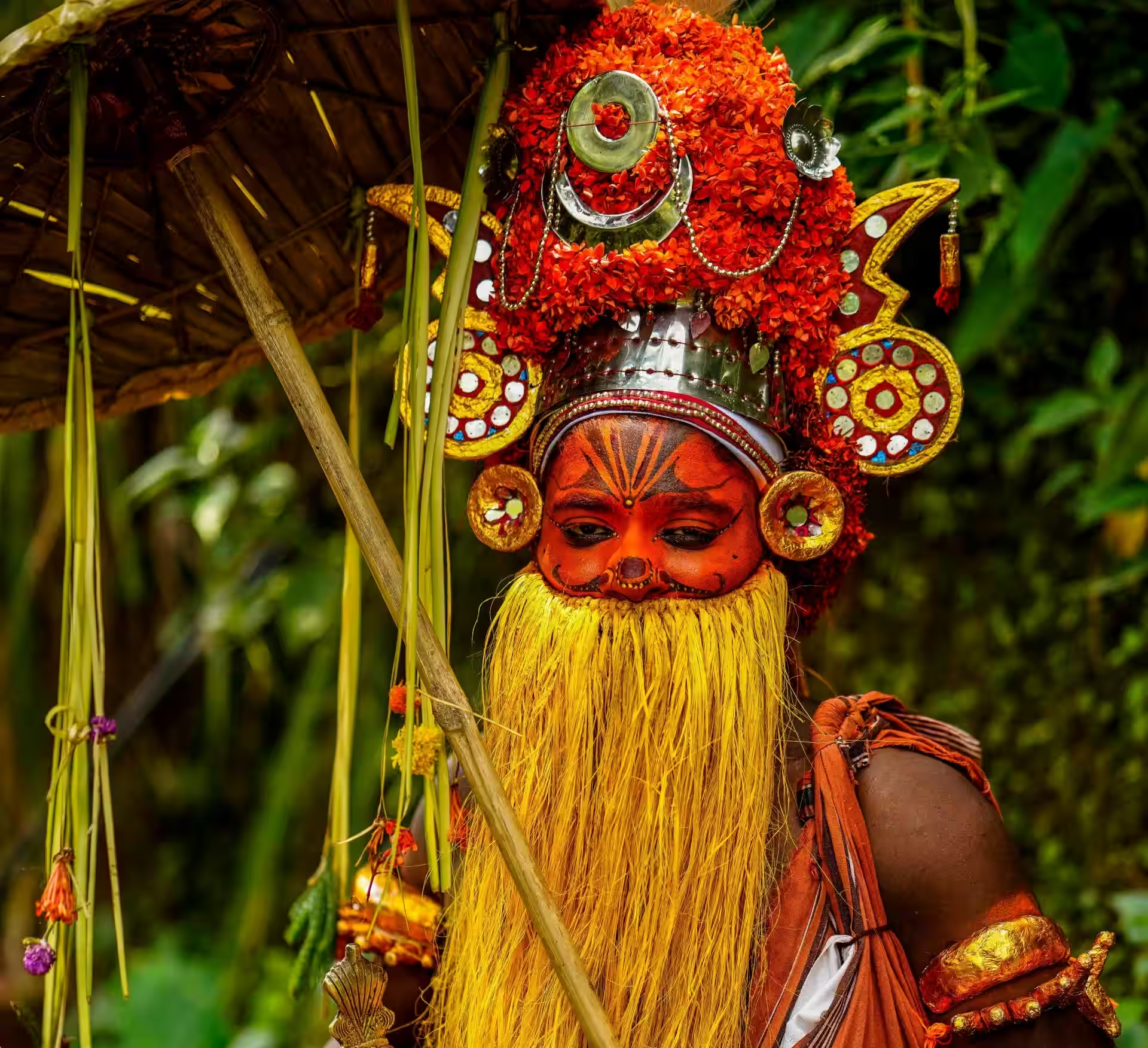
Onam celebrates the harvest season. Homes create floral designs called pookalam, and traditional meals are served on banana leaves.
In some regions, you can witness snake boat races.
Best for: Traditional food and harvest rituals
Pongal – Tamil Nadu
When: January
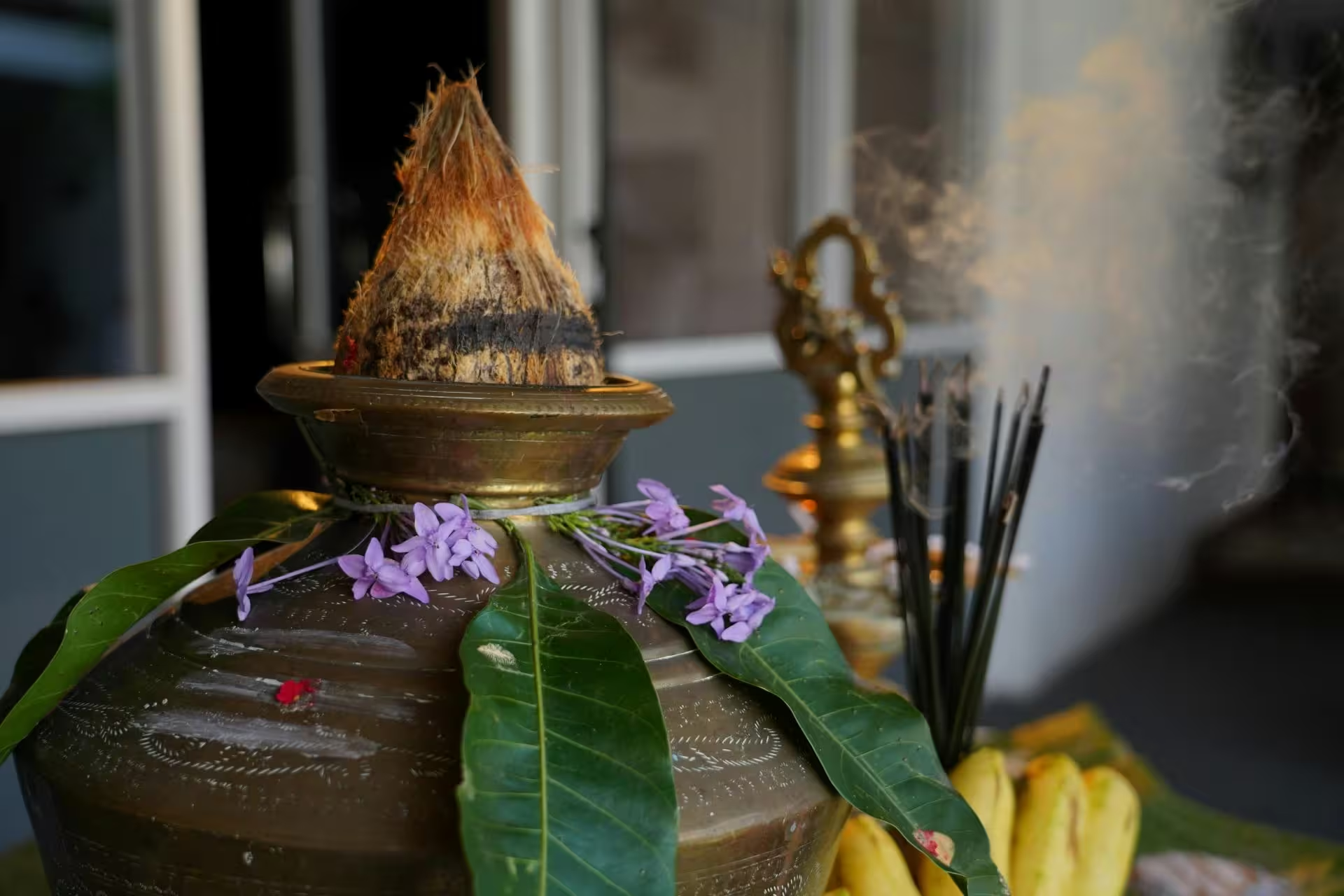
Pongal is a harvest festival celebrated over four days. Rural Tamil Nadu offers the most authentic experience, with decorated cattle and traditional cooking rituals.
It marks gratitude toward the Sun God and farm animals.
Best for: Rural cultural traditions
Baisakhi – Punjab
When: April 13 or 14
Baisakhi marks the Sikh New Year and harvest season. Golden Temple in Amritsar sees increased footfall, and community gatherings include music and dance.
The energy feels joyful but organized.
Best for: Sikh traditions and harvest celebrations
Eid al-Fitr – Across India
When: Varies (Islamic calendar)
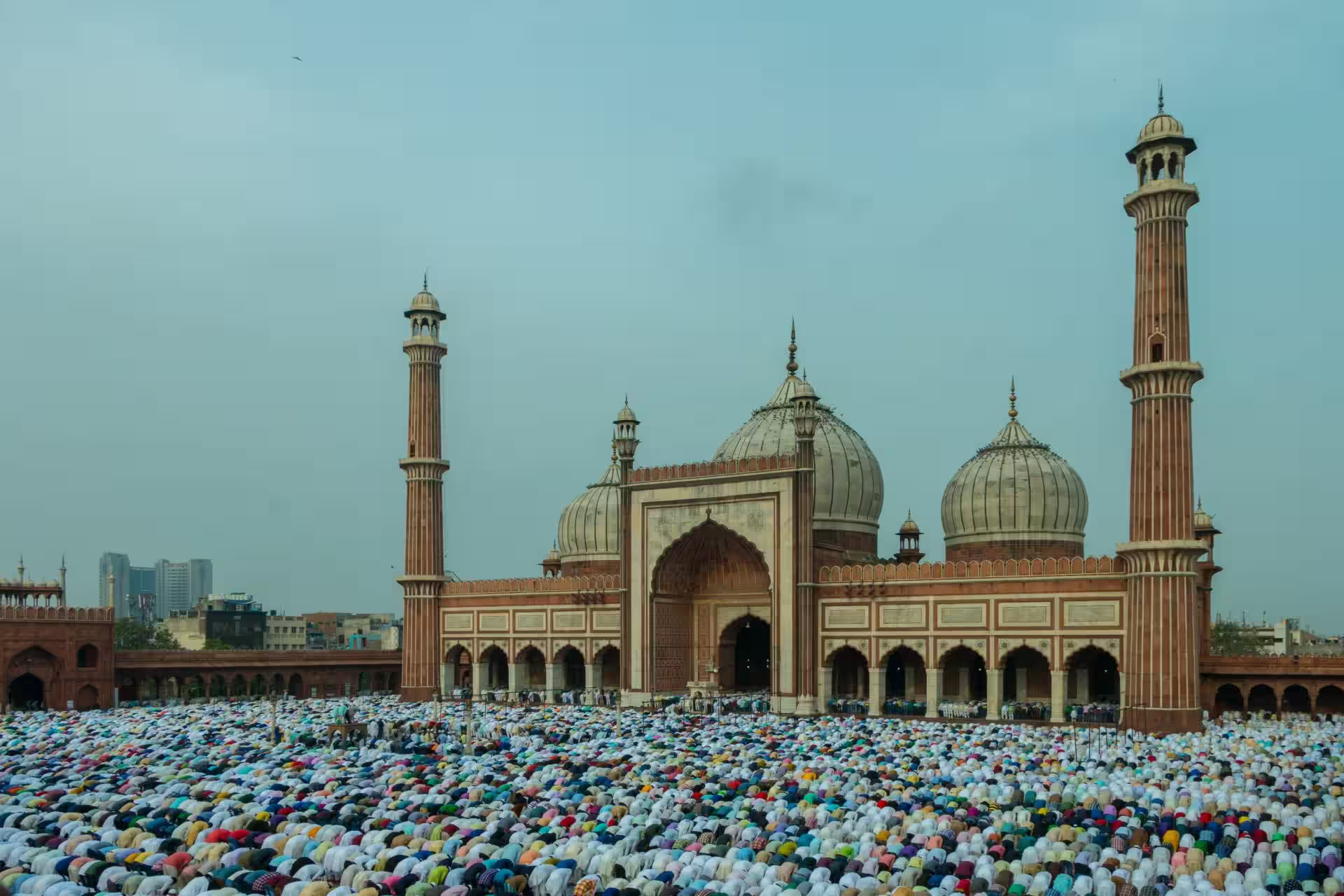
Eid marks the end of Ramadan. Markets stay open late before the festival, especially in cities like Delhi, Lucknow, and Hyderabad.
Morning prayers at mosques are followed by family meals and charity.
Best for: Food and community gatherings
Christmas – Goa and Kerala
When: December 25
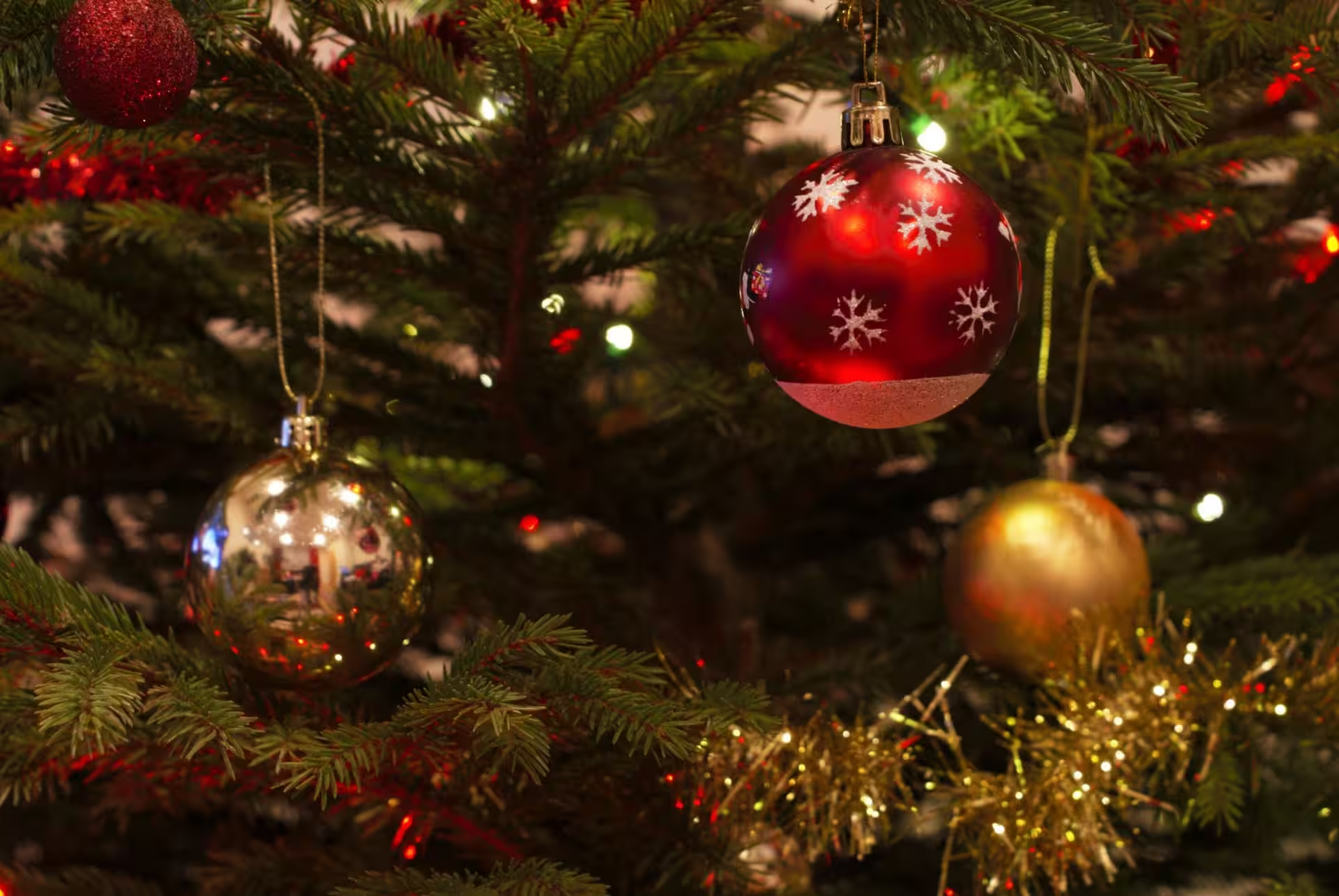
Goa hosts midnight mass in historic churches, along with beach-side celebrations. Kerala churches also see strong attendance.
The festival blends religious tradition with tourism.
Best for: Church ceremonies and coastal celebrations
Rath Yatra – Puri, Odisha
When: June or July
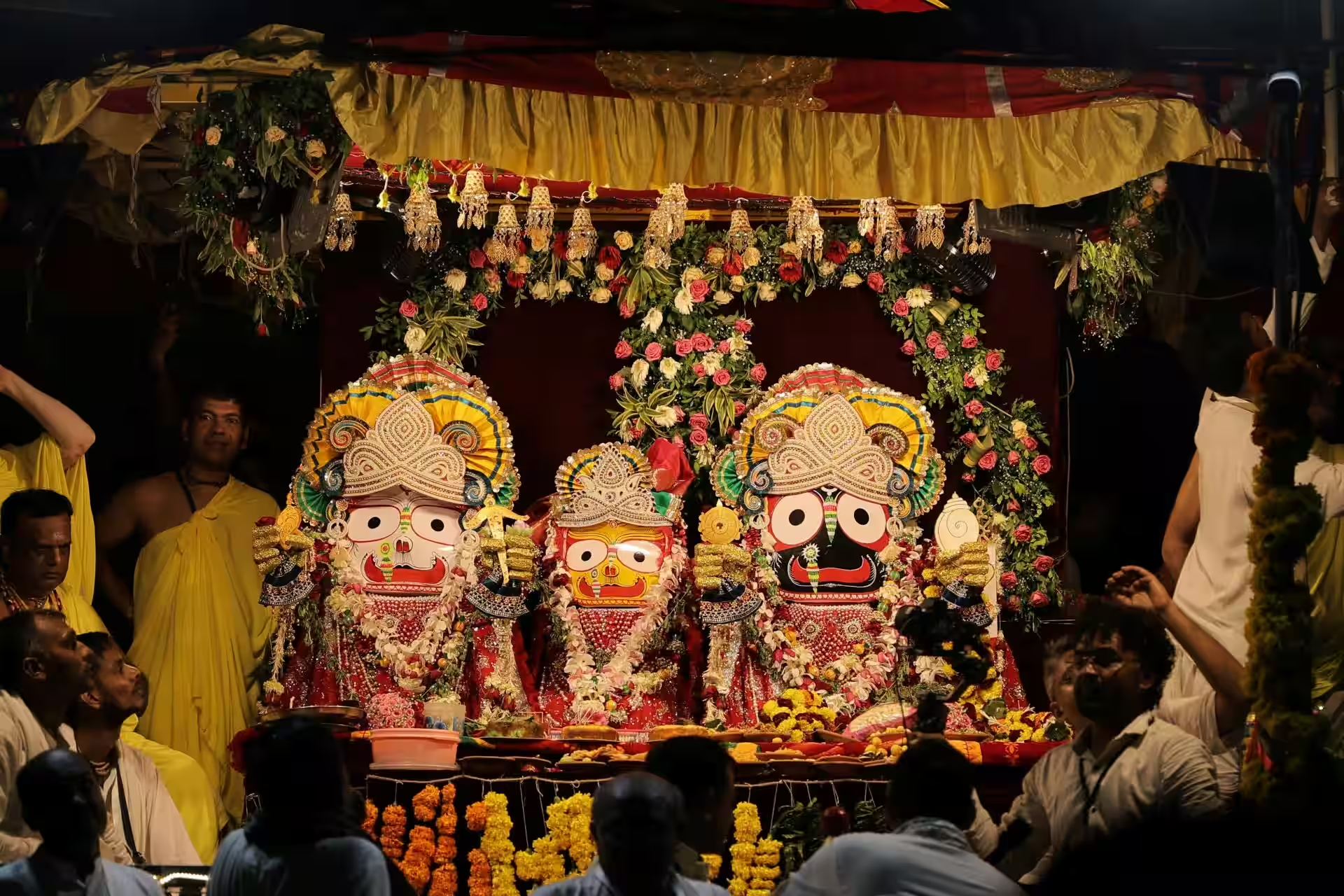
Jagannath Rath Yatra involves massive chariots pulled through Puri streets. Devotees gather in large numbers to witness the procession.
Crowds are heavy, so advance planning is necessary.
Best for: Temple traditions and large-scale processions
Hemis Festival – Ladakh
When: June or July
Held at Hemis Monastery, this Buddhist festival features masked dances performed by monks.
The setting in the high-altitude desert landscape adds a distinct atmosphere.
Best for: Monastic rituals and cultural performances
Hornbill Festival – Nagaland
When: December
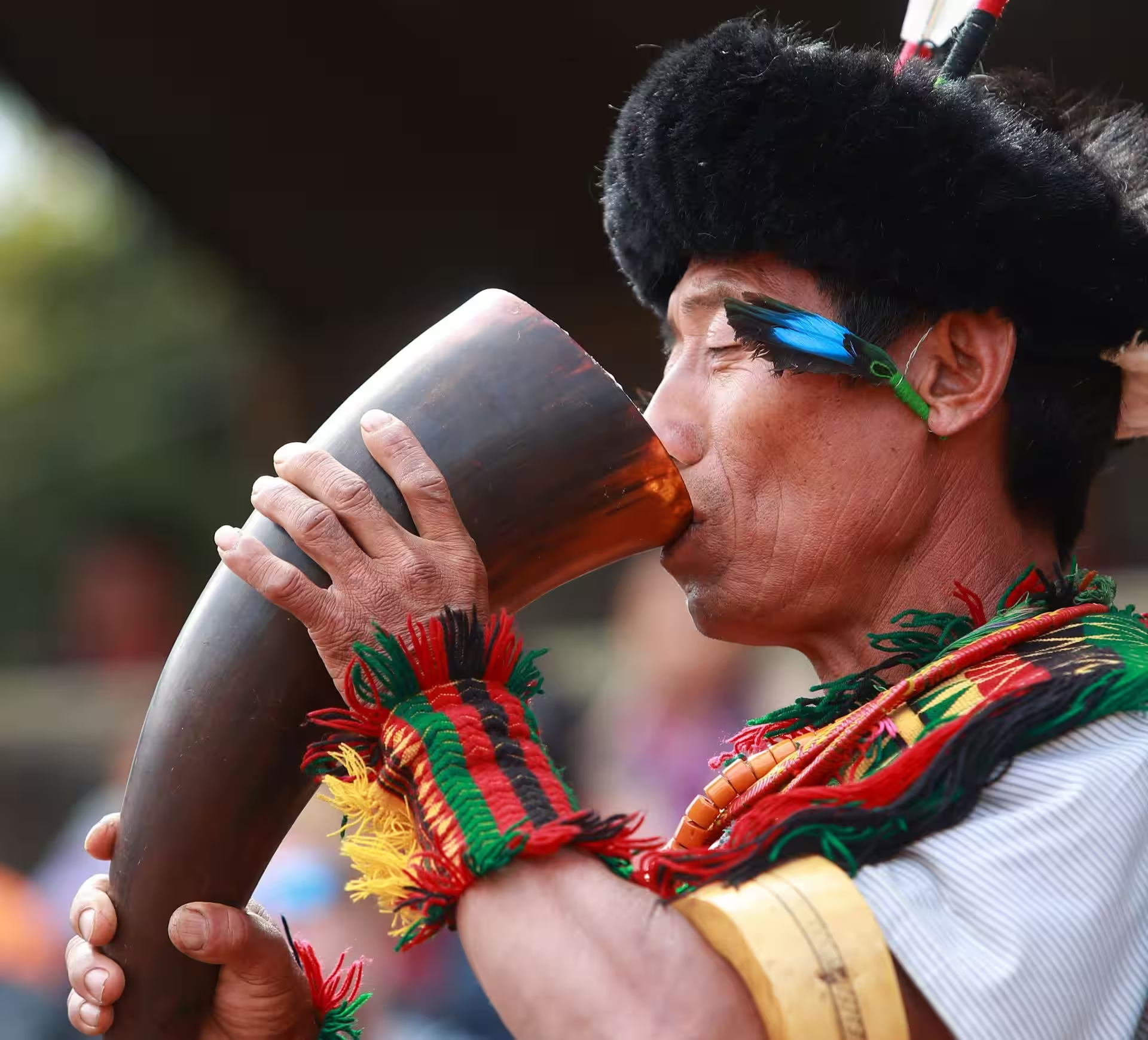
This cultural festival brings together various Naga tribes. Traditional dances, crafts, and food stalls reflect regional diversity.
It is more organized and visitor-friendly compared to many remote tribal events.
Best for: Northeast cultural traditions
Kumbh Mela – Rotates between four cities
When: Every 12 years (rotational cycle)
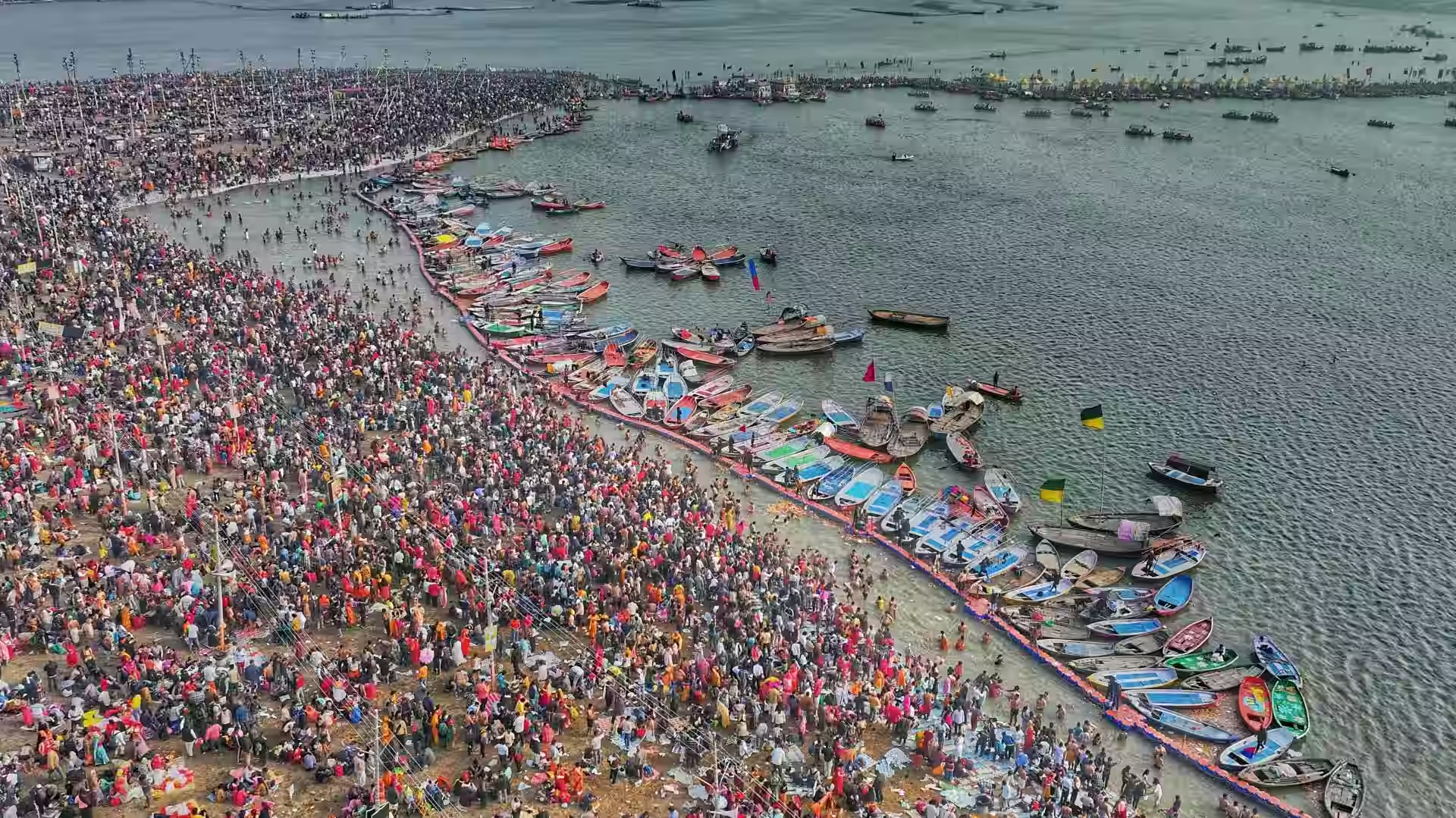
Held in Prayagraj, Haridwar, Ujjain, and Nashik, Kumbh Mela is one of the largest religious gatherings in the world.
Pilgrims take ritual baths in sacred rivers. The scale is massive and requires careful planning.
Best for: Large spiritual gatherings
Planning Tips for Festival Travel
- Confirm exact dates each year, as many festivals follow lunar calendars.
- Book accommodation well in advance.
- Expect crowds and adjusted traffic routes.
- Start early in the day for better movement and photography.
Festival travel in India adds depth to any itinerary. Choose based on season, region, and the kind of experience you prefer religious ceremony, dance, food, or cultural gathering.