Nicknames in India reflect architecture, geography, trade, or local culture. They are not marketing inventions. Most grew from visual traits or historical events that shaped the urban fabric.
Knowing these nicknames adds context for travelers. They explain why some neighborhoods look distinct, why certain colors dominate, or how trade patterns influenced city identity.
Jaipur - The Pink City
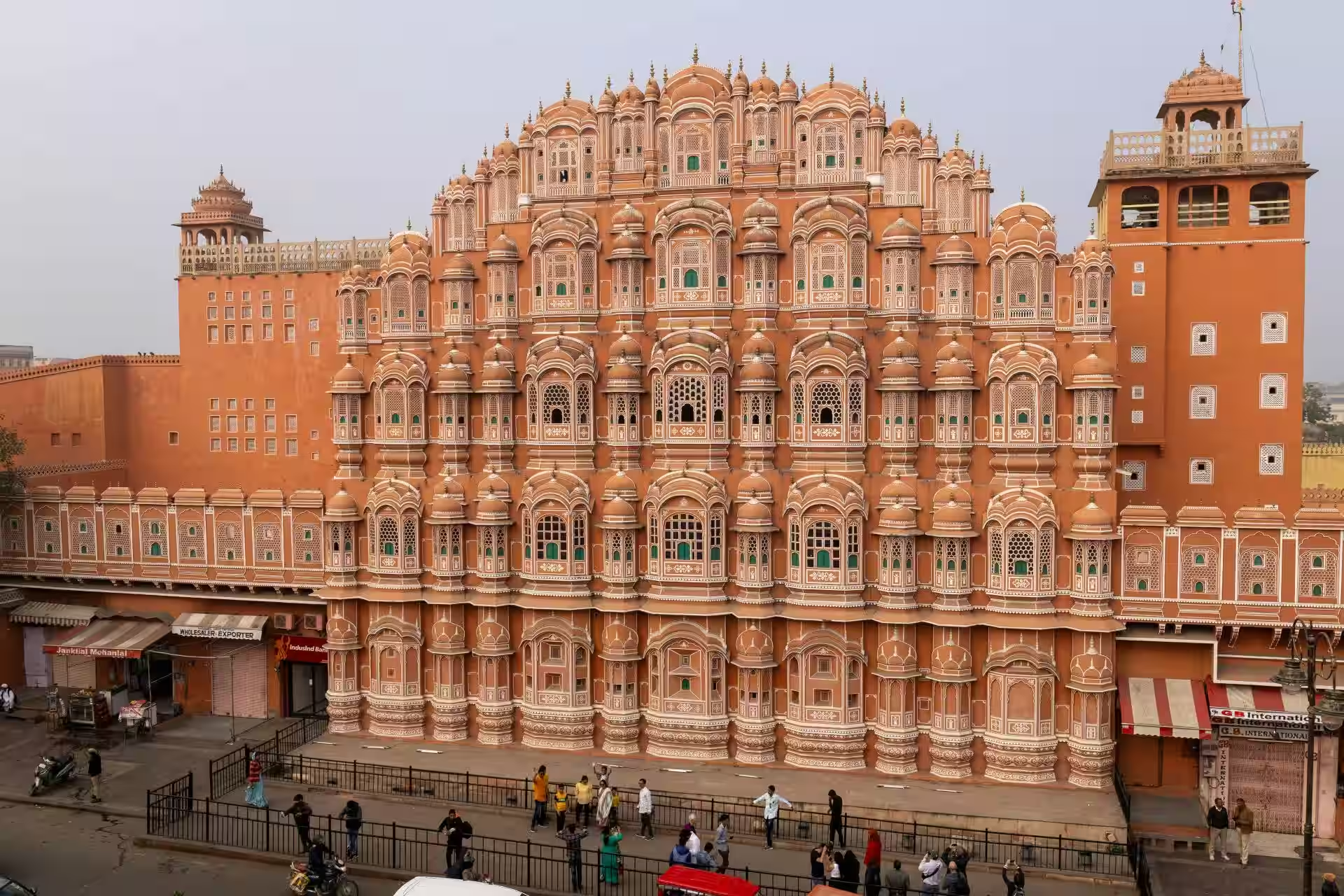
Jaipur is called the Pink City. The old town was painted in terracotta pink to create uniformity and signal hospitality.
Landmarks such as Hawa Mahal and City Palace follow this color scheme. The palette is still regulated within heritage zones.
The nickname comes from architecture rather than symbolism. Visitors see consistent pink facades concentrated inside the walled city.
- Main attraction - pink sandstone architecture
- Approx stay - around INR 3,000-8,000 per night
- Best time - cooler months
- Best for - planned royal heritage
Jodhpur - The Blue City
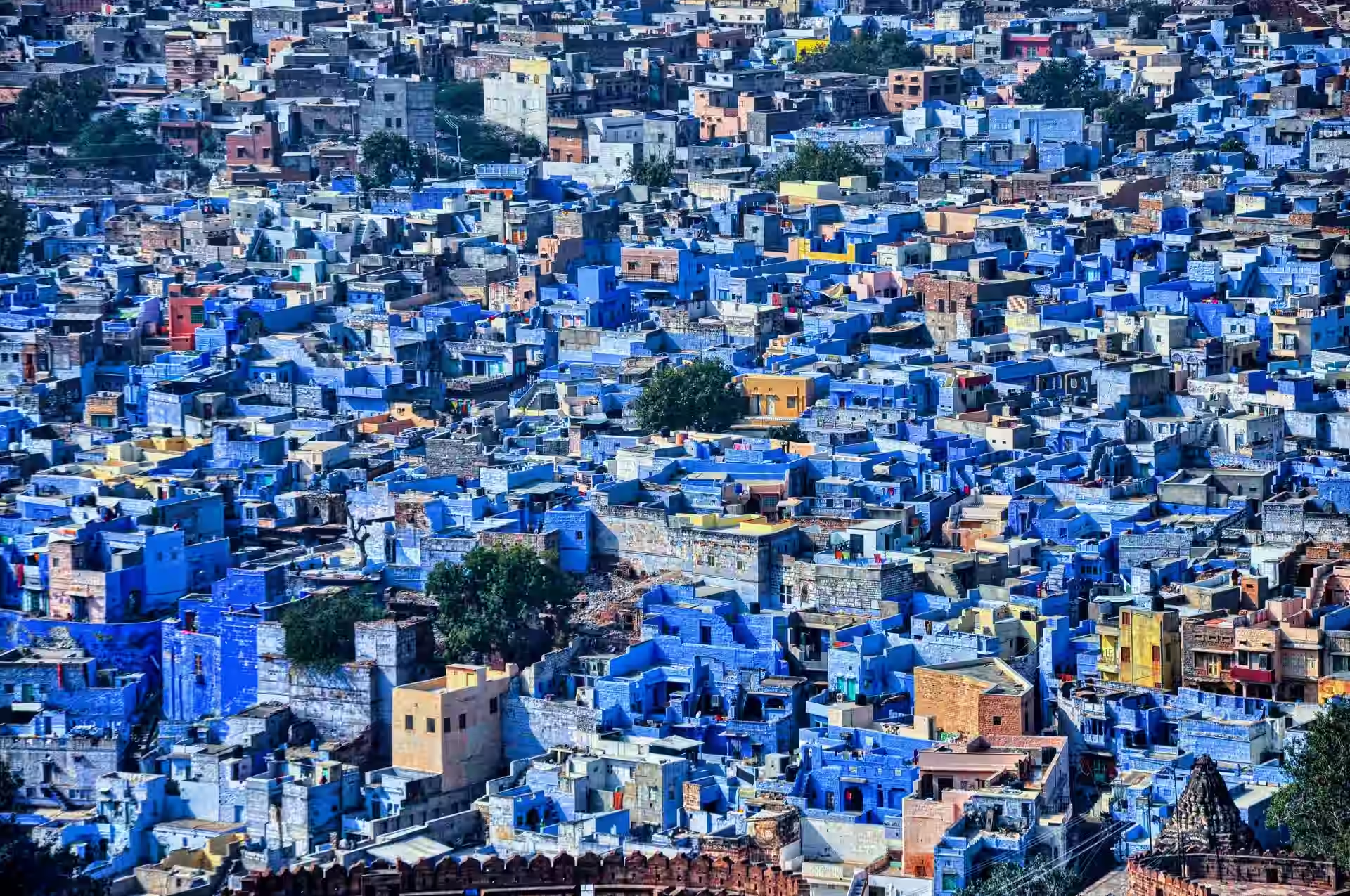
Jodhpur earned the name Blue City for indigo-painted houses in the old quarter. Originally, the color marked Brahmin homes, but it spread to other households over time.
From Mehrangarh Fort, the rooftops form a vast blue sea. The contrast between fort walls and homes shapes the city’s visual identity.
The effect is strongest in older neighborhoods, not in modern expansions.
- Main attraction - indigo old town
- Approx stay - approximately INR 2,500-7,000 per night
- Best for - desert heritage
Udaipur - The City of Lakes
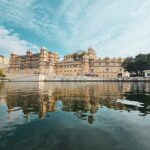
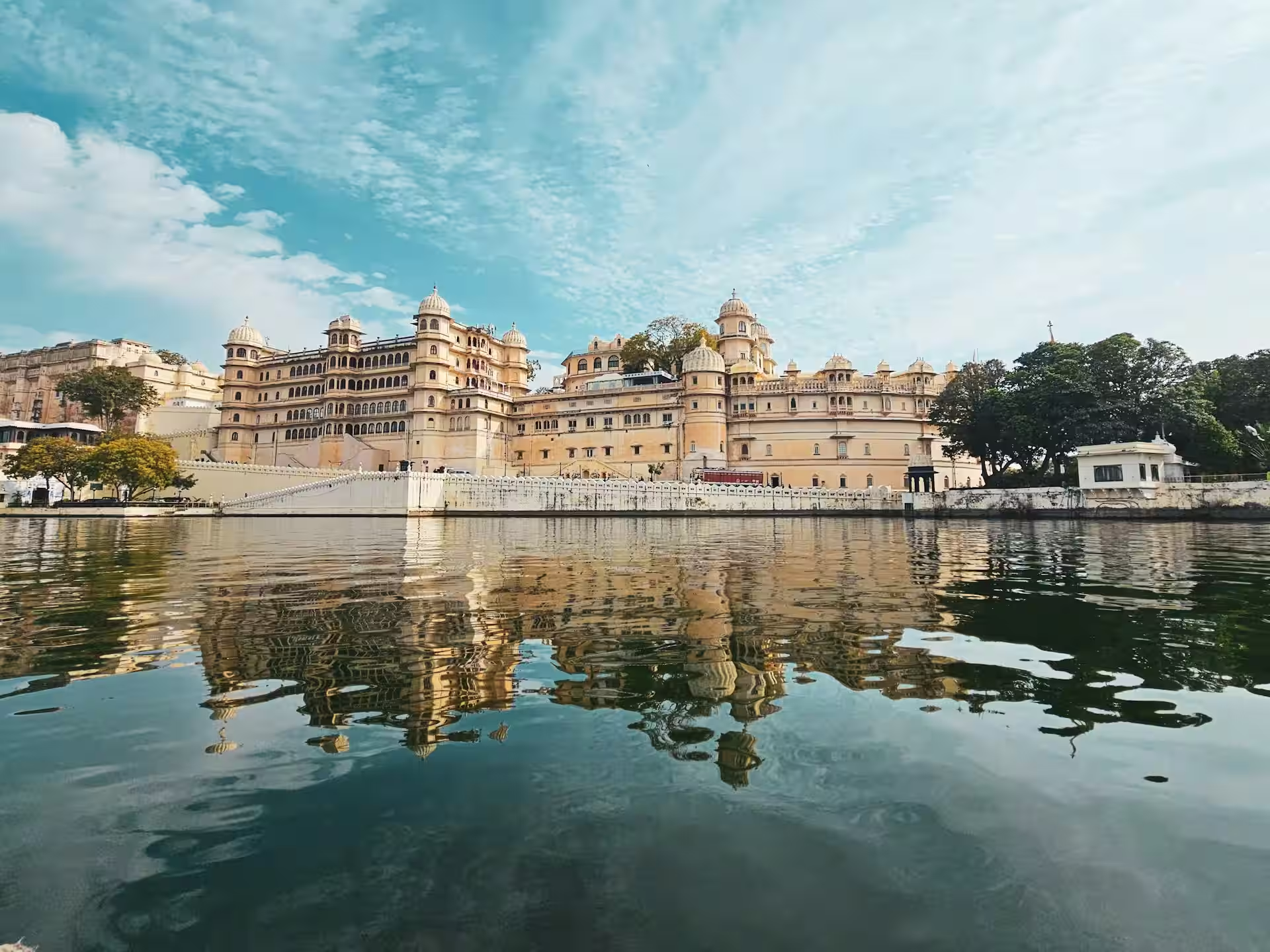
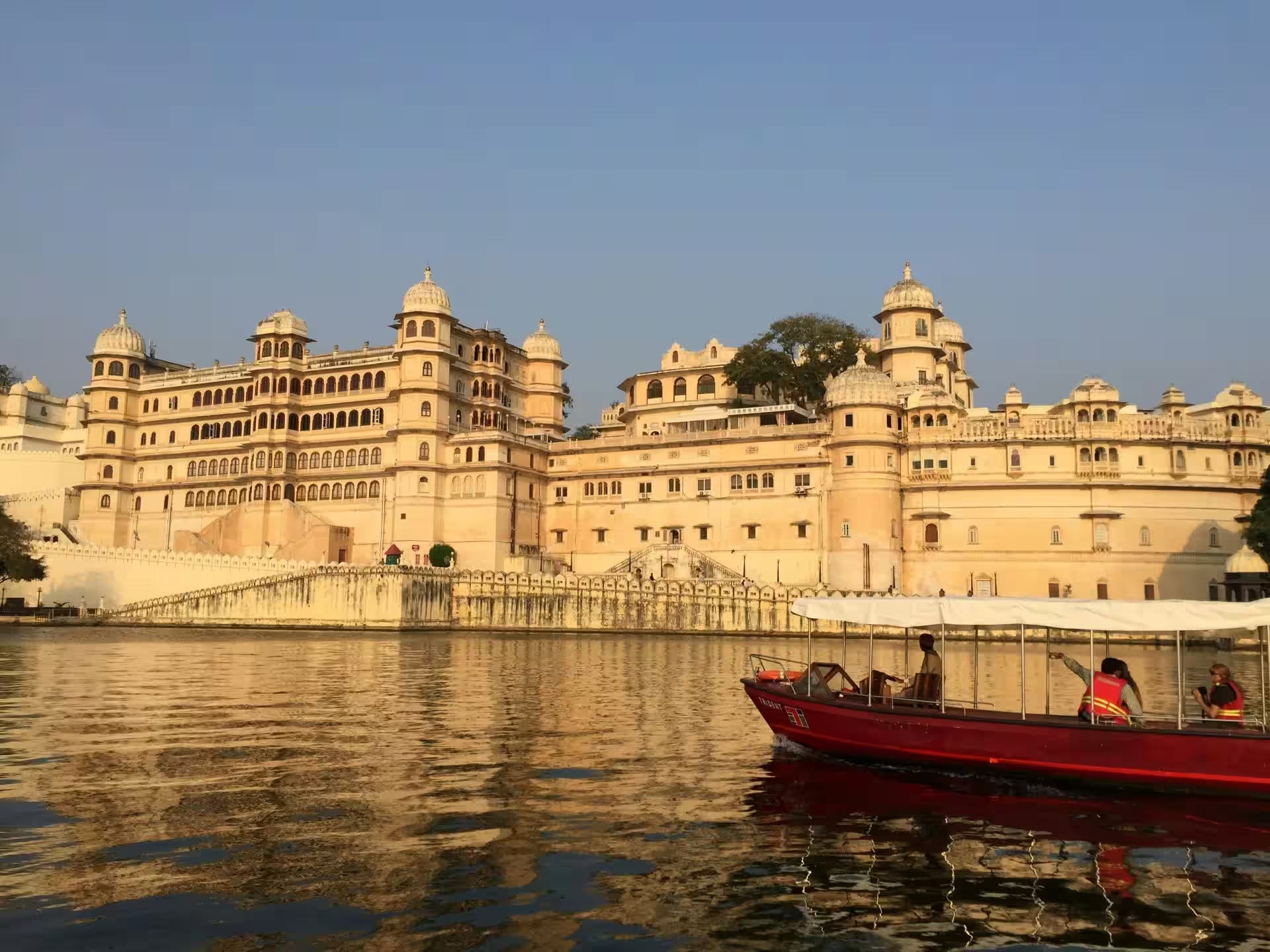
Udaipur is called the City of Lakes. Water bodies like Lake Pichola and Fateh Sagar Lake define its layout.
Unlike Jaipur and Jodhpur, the nickname reflects geography, not color. Lakes were historically engineered to secure water in dry terrain.
Reflections of palaces on the water give the city a distinctive visual character.
- Main attraction - lakefront palaces
- Approx stay - around INR 3,500-9,000 per night
- Best for - scenic heritage
Varanasi - The City of Ghats
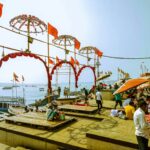
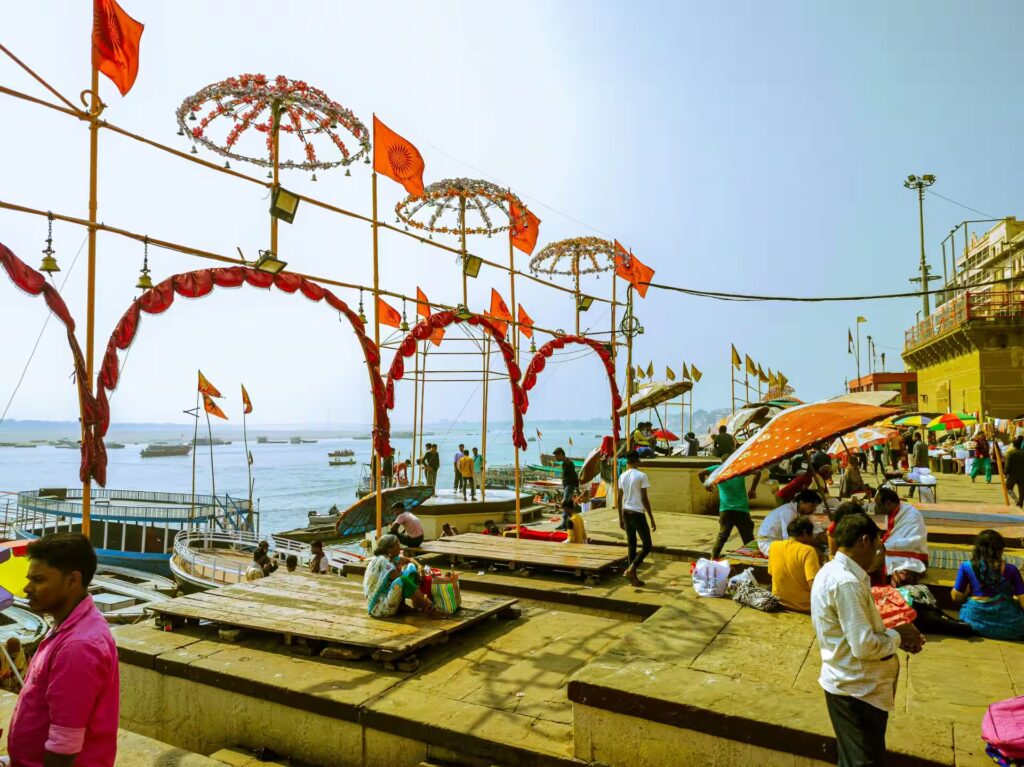
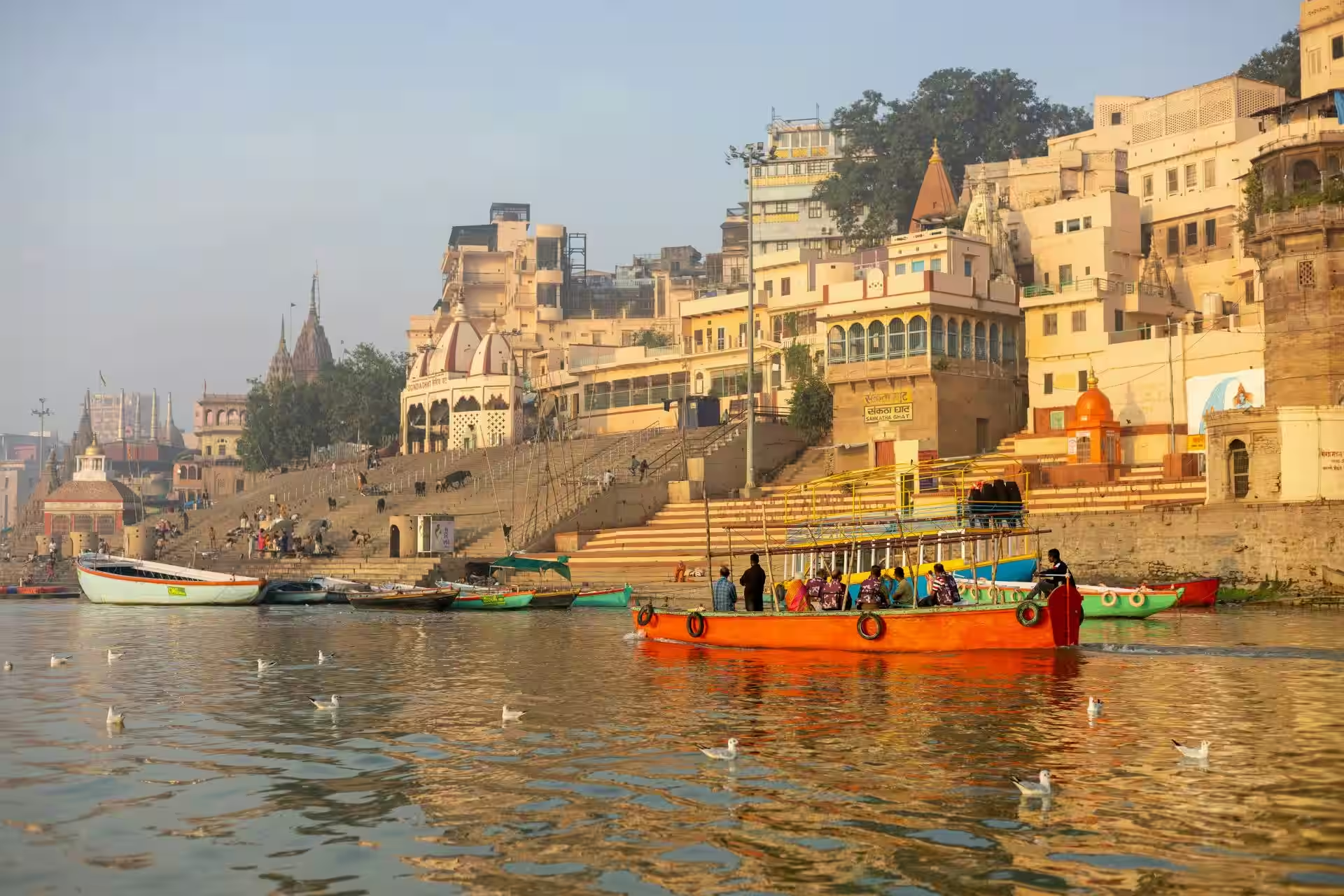
Varanasi is known as the City of Ghats. Stepped embankments line the Ganges River.
These ghats serve as ritual, social, and ceremonial spaces. This nickname reflects living religious life rather than architecture.
The city’s energy can feel intense, but the name captures its defining feature.
- Main attraction - riverfront ghats
- Approx stay - approximately INR 2,000-6,000 per night
- Best for - spiritual heritage
Kolkata - The City of Joy
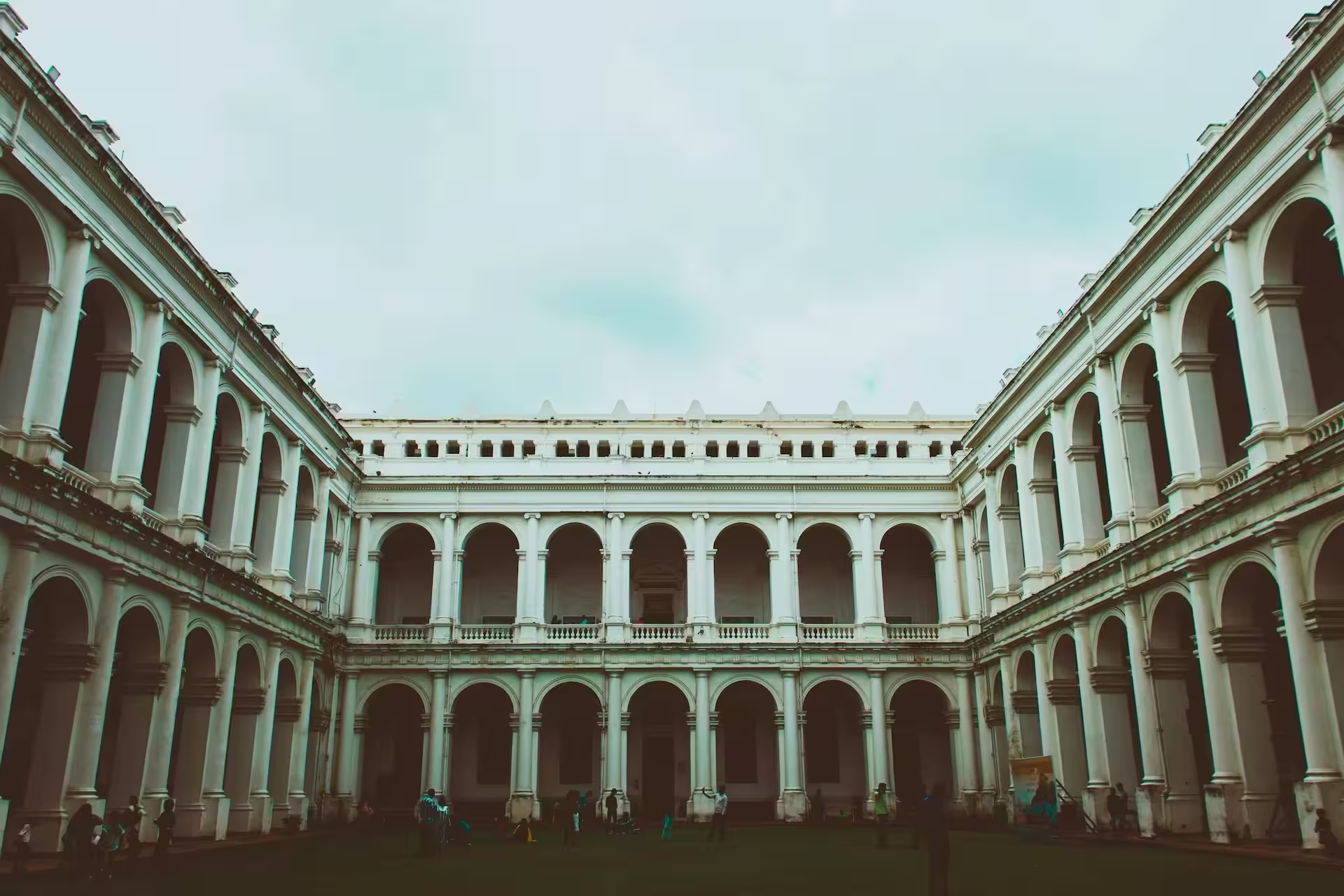
Kolkata is called the City of Joy. The name reflects culture, literature, music, and intellectual life rather than physical design.
Colonial buildings such as Victoria Memorial and tram-lined avenues add layers to its identity. The nickname emphasizes emotional energy more than the landscape.
- Main attraction - cultural institutions and colonial heritage
- Approx stay - around INR 2,500-7,000 per night
- Best for - art and literature
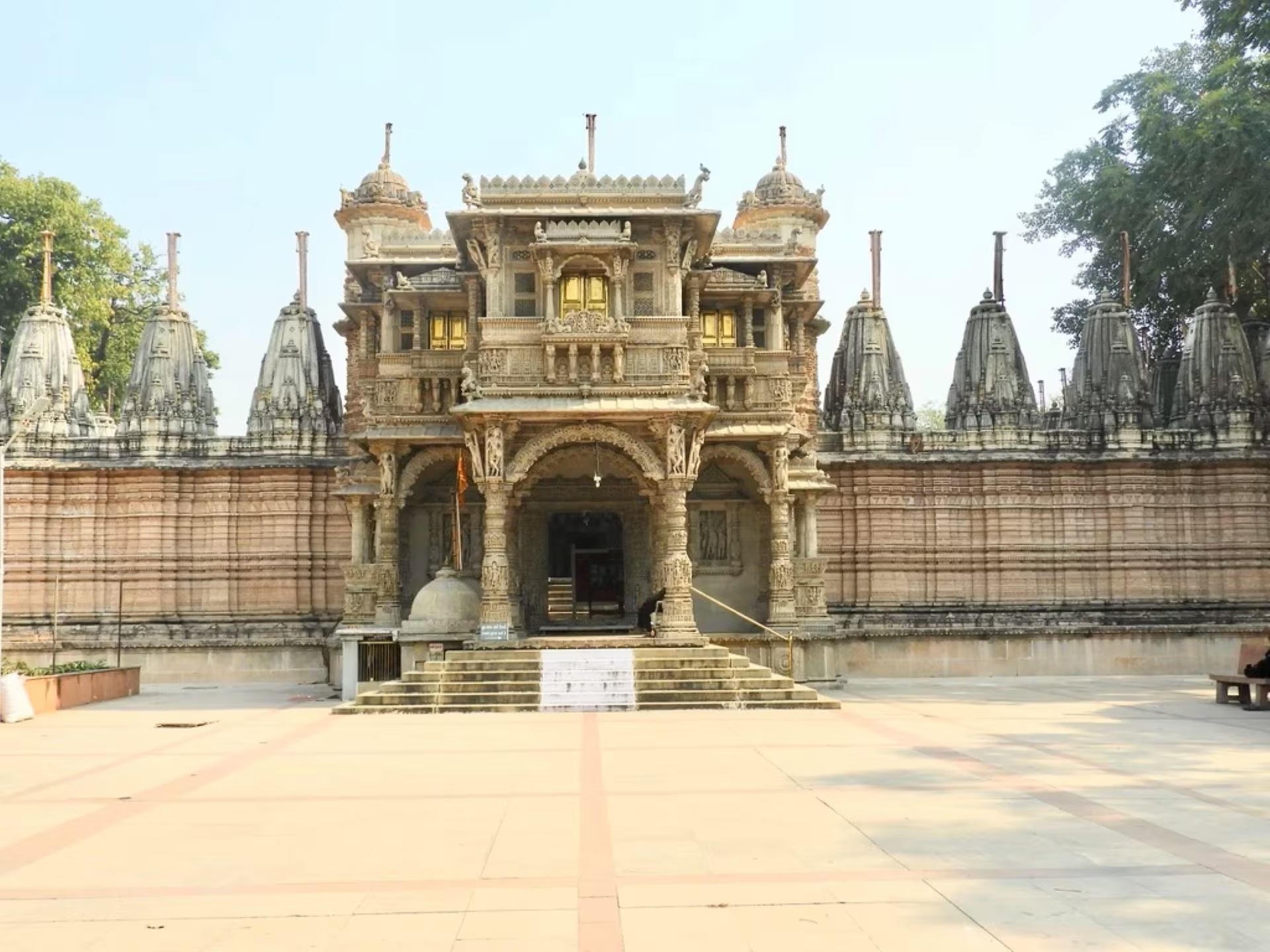
Ahmedabad - The Manchester of India
Ahmedabad earned the nickname Manchester of India for its historic textile industry. Cotton mills and trade shaped the city’s growth.
Today, old pol neighborhoods stand alongside modern industry. The nickname reflects industrial history rather than visual identity.
- Main attraction - textile heritage and old city pol houses
- Approx stay - approximately INR 2,500-6,000 per night
- Best for - industrial and cultural history
Quick Comparison of City Nicknames
| City | Nickname | Identity Type | Visual Impact |
|---|---|---|---|
| Jaipur | Pink City | Architectural color | Strong uniform tone |
| Jodhpur | Blue City | Residential color | Concentrated old town |
| Udaipur | City of Lakes | Geographic | Scenic reflections |
| Varanasi | City of Ghats | Ritual riverfront | Cultural intensity |
| Kolkata | City of Joy | Cultural | Emotional character |
| Ahmedabad | Manchester of India | Industrial | Historical significance |
Final Thoughts
City nicknames in India reveal how geography, architecture, religion, and trade shape identity. Some are visually obvious, while others reflect economic or cultural stories.
For travelers, knowing these names turns sightseeing into informed observation. Each nickname offers a lens that makes the city’s layout and life easier to read.