Holi usually falls in March, sometimes in late February, depending on the lunar calendar. The main color celebration happens on Holi day, while Holika Dahan takes place the night before. In a few regions, especially around Mathura and Vrindavan, celebrations begin several days earlier.
Holi is not the same everywhere in India. Some places focus on rituals and tradition, others turn it into a public street festival. Where you celebrate decides whether the experience feels spiritual, cultural, or chaotic. This list covers places where Holi has a clear identity and purpose.
Mathura & Vrindavan, Uttar Pradesh
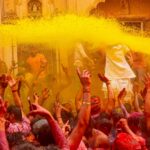
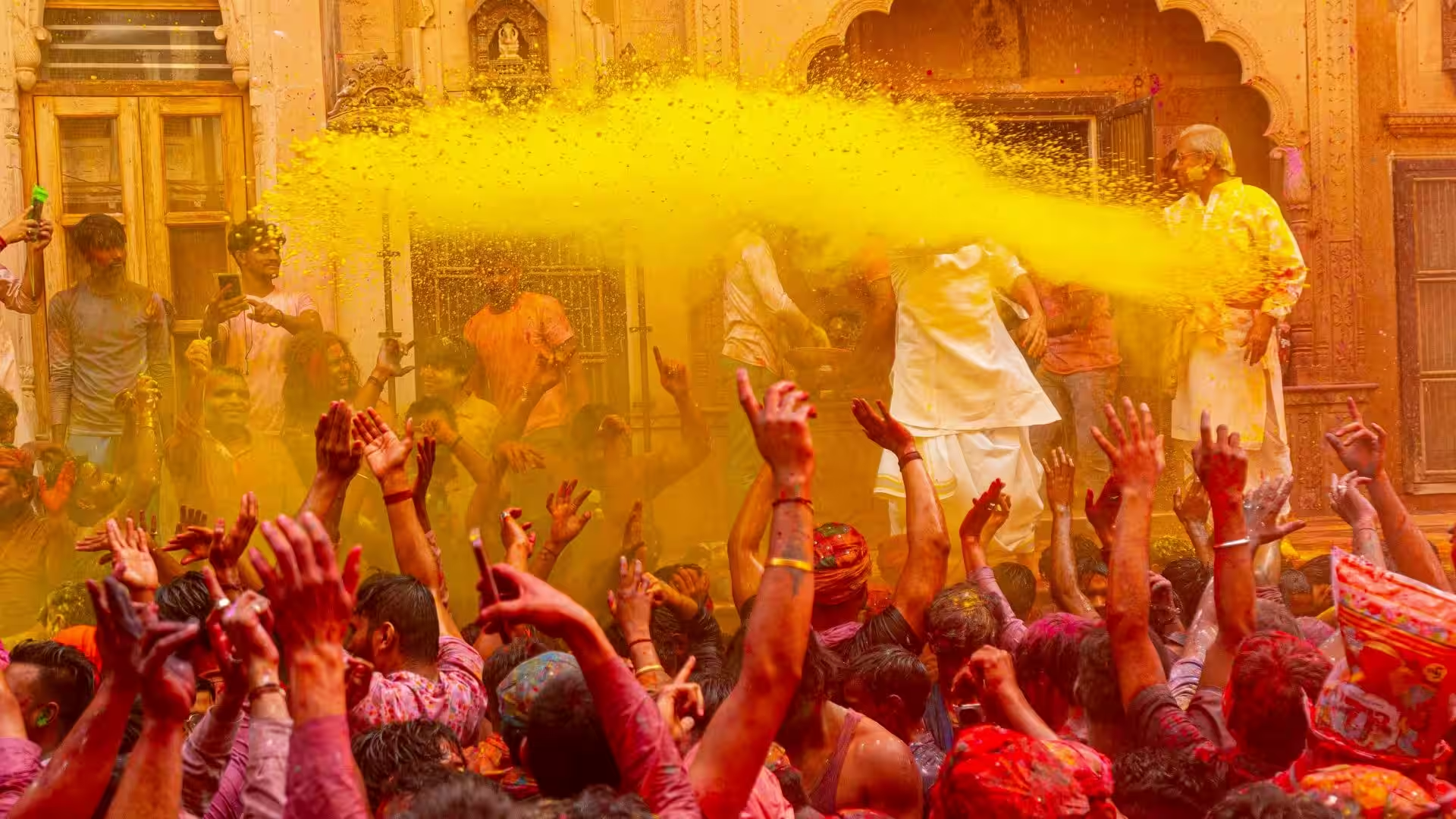
Mathura and Vrindavan host the most traditional Holi celebrations in India. The festival here is closely tied to Lord Krishna and unfolds over several days rather than just one. Temples become the center of activity, with devotional singing, flower Holi, and color play starting early in the morning.
Nearby Barsana adds intensity with Lathmar Holi, which draws large crowds and starts very early. The atmosphere can feel overwhelming, but it reflects how Holi has been celebrated here for generations.
Best time to visit: March, 3–5 days before Holi, early morning
Best for: Traditional Holi, cultural travelers
Nearest airport: Agra Airport
Nearest railway station: Mathura Junction
Jaipur, Rajasthan
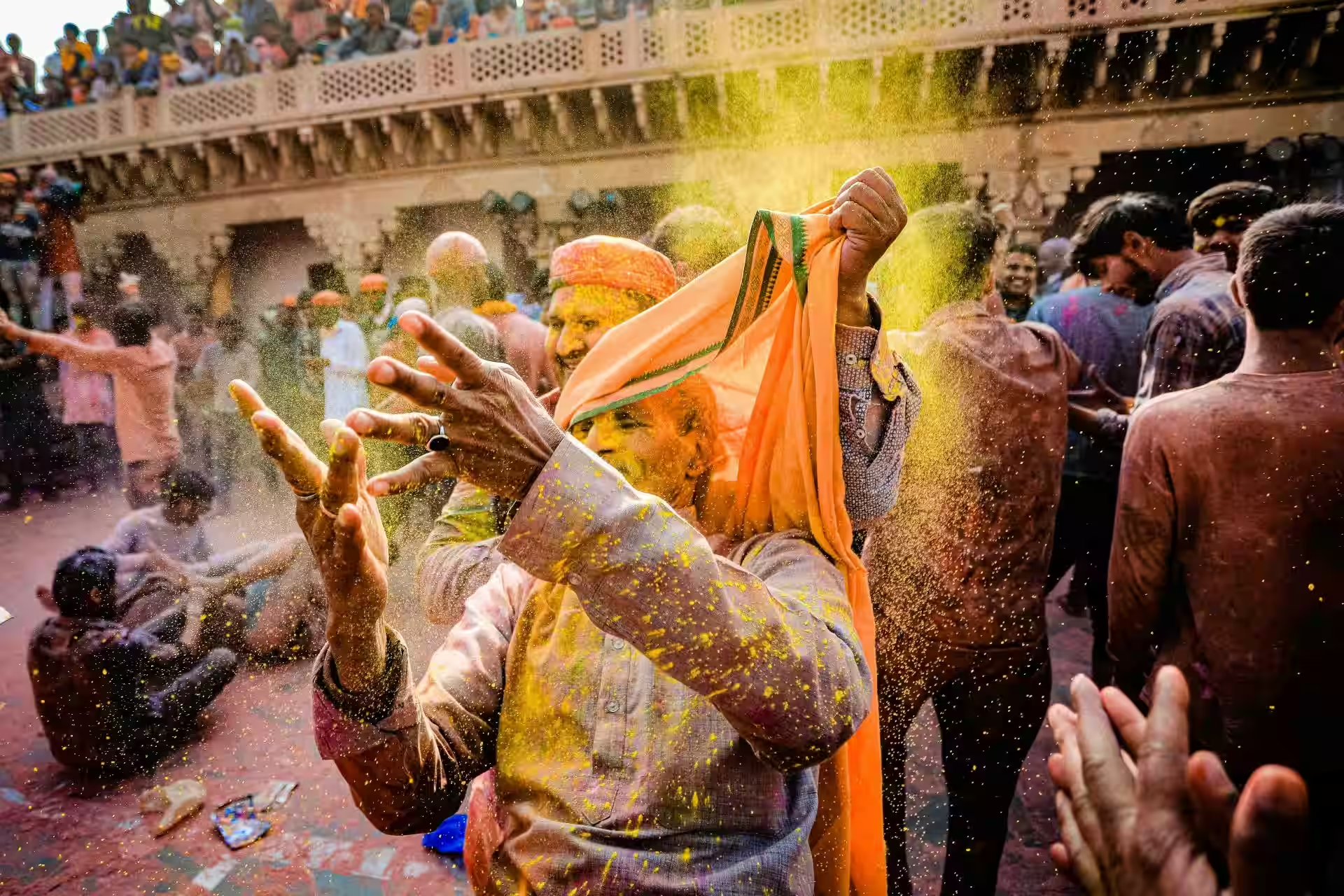
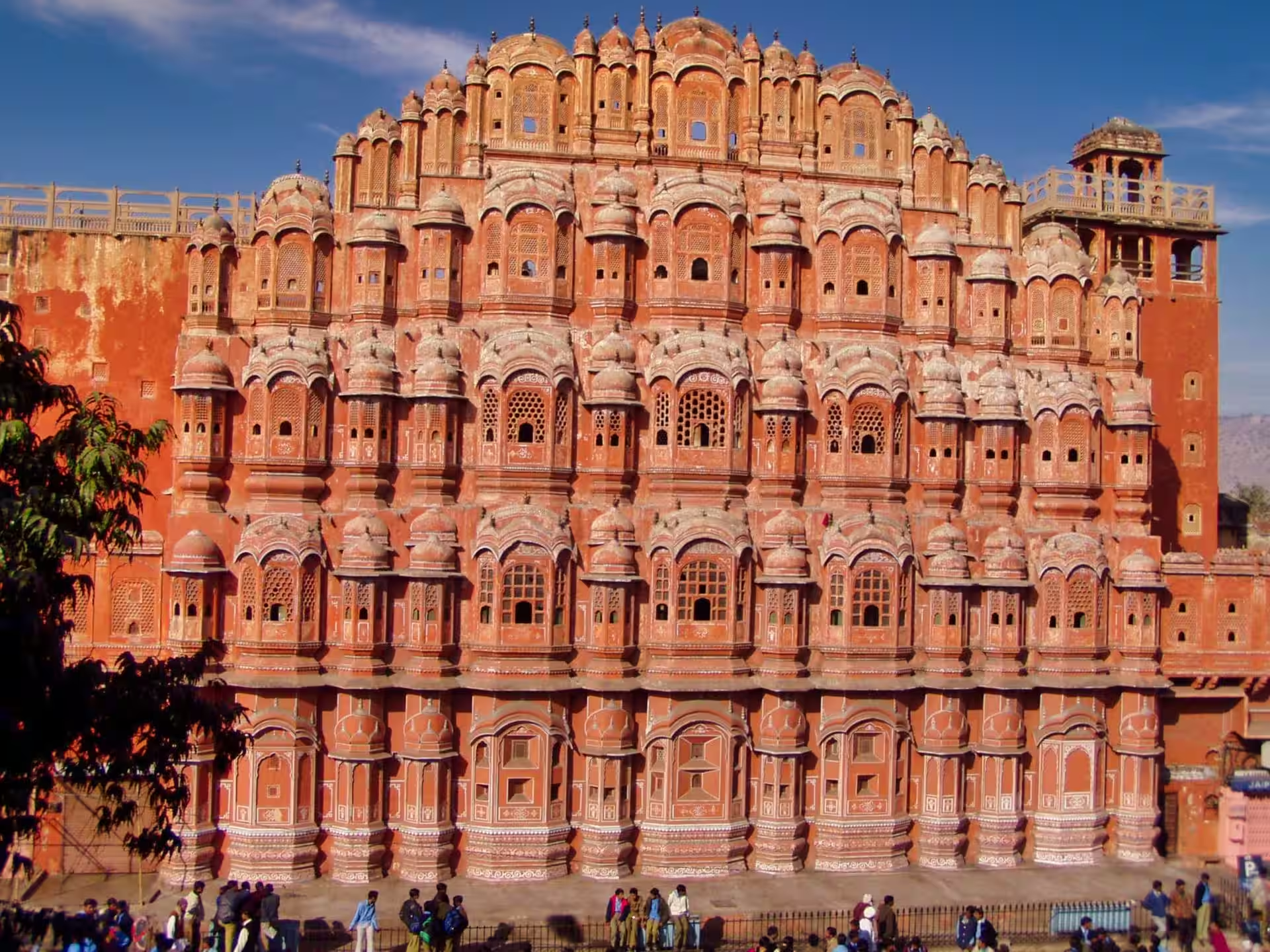
Jaipur offers a more structured version of Holi. Celebrations often take place within palace grounds or organized venues, which keeps things relatively controlled. Cultural performances and traditional rituals balance out the color play.
Public celebrations happen too, but they are easier to manage compared to smaller North Indian towns.
Best time to visit: March, Holi day, afternoon to evening
Best for: Families, first-time Holi travelers
Nearest airport: Jaipur International Airport
Nearest railway station: Jaipur Junction
Udaipur, Rajasthan
Holi in Udaipur begins with a formal Holika Dahan ceremony led by the Mewar royal family. The procession starts from City Palace and follows a traditional route through the old city.
The next day remains calm, with limited color play. The focus stays on ceremony rather than noise or crowds.
Best time to visit: March, evening before Holi
Best for: Couples, cultural travel
Nearest airport: Maharana Pratap Airport
Nearest railway station: Udaipur City Railway Station
Pushkar, Rajasthan
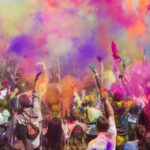
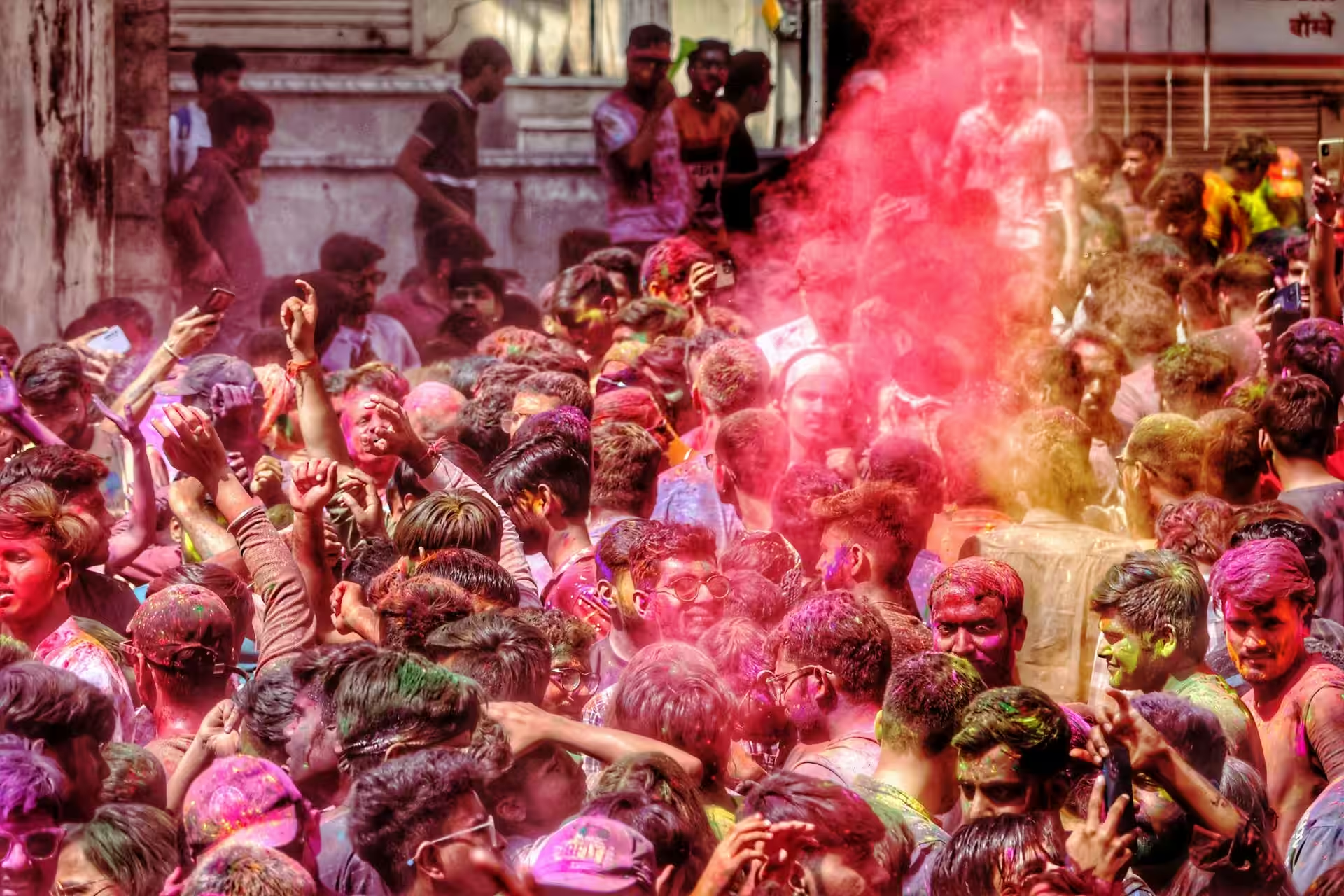
Pushkar’s Holi is loud, crowded, and fast-paced. The main square fills up quickly with music, color, and water, and celebrations peak by late morning.
The town attracts backpackers and younger travelers, and the energy stays high for a few hours before dying down.
Best time to visit: March, Holi day, late morning
Best for: Young travelers, group trips
Nearest airport: Jaipur International Airport
Nearest railway station: Ajmer Junction
Delhi
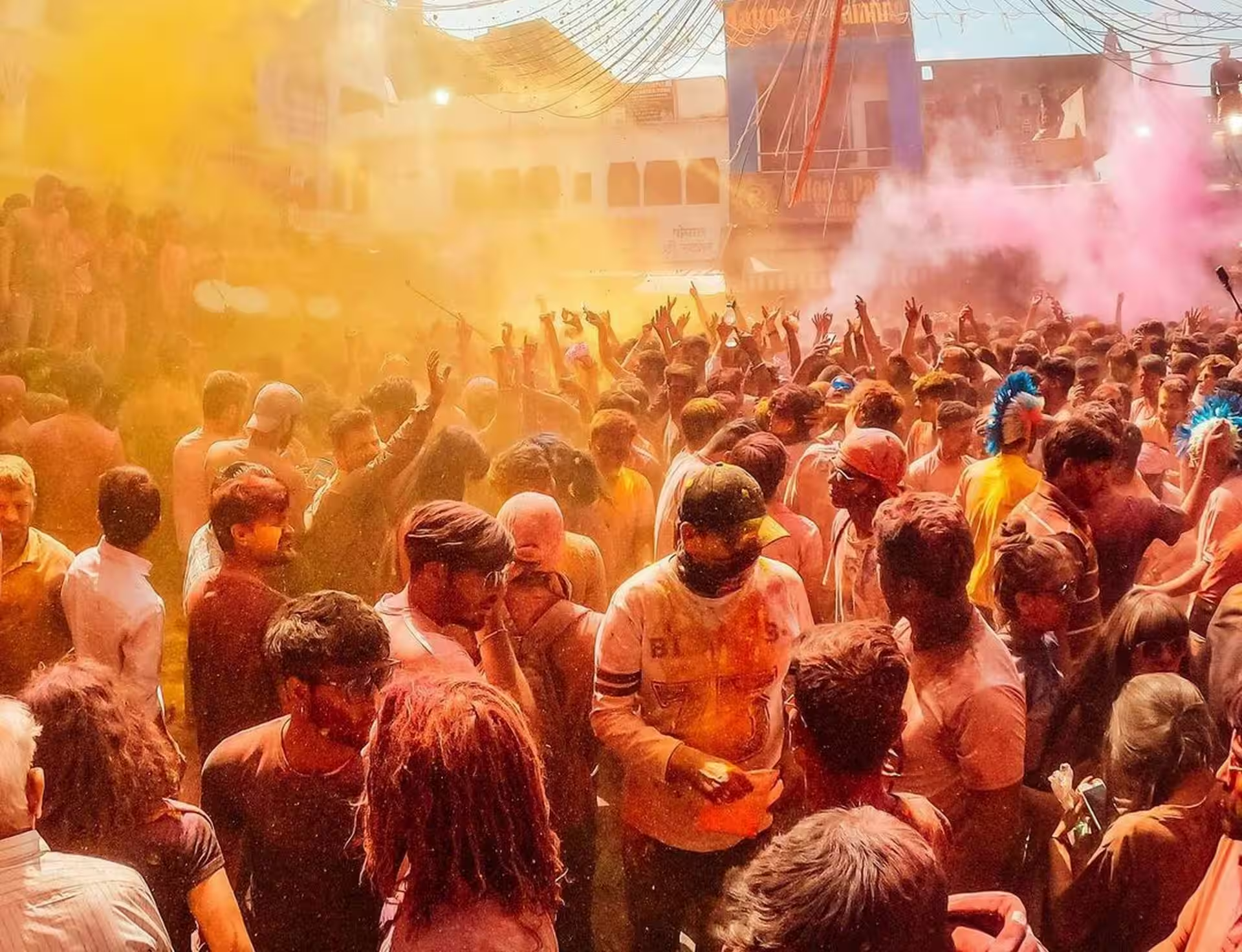
Delhi does not have one single Holi style. Local neighborhoods celebrate quietly, while private venues host ticketed Holi events with music and color play.
Public celebrations can be unpredictable, but organized events offer a safer and more comfortable option.
Best time to visit: March, Holi day, morning to early afternoon
Best for: Urban travelers, short trips
Nearest airport: Indira Gandhi International Airport
Nearest railway station: New Delhi Railway Station
Shantiniketan, West Bengal
Holi in Shantiniketan is known as Basanta Utsav. The focus is on music, poetry, and cultural performances rather than heavy color play. Participants wear yellow and use dry colors.
The celebration feels calm and respectful, with no crowd pressure.
Best time to visit: March, one day before Holi, morning
Best for: Art lovers, peaceful travel
Nearest airport: Kazi Nazrul Islam Airport
Nearest railway station: Bolpur Shantiniketan
Anandpur Sahib, Punjab
Here, Holi is celebrated as Hola Mohalla. Instead of colors, the festival highlights Sikh martial arts, mock battles, and processions.
It feels more like a cultural gathering than a color festival, offering a completely different Holi experience.
Best time to visit: March, Holi day, daytime
Best for: Cultural history, offbeat travel
Nearest airport: Chandigarh Airport
Nearest railway station: Anandpur Sahib Railway Station
Hampi, Karnataka
Hampi’s Holi celebrations are simple and community-driven. Locals and travelers gather near temples and along the river, using mostly dry colors.
Celebrations usually wrap up by midday, and the rest of the day stays quiet.
Best time to visit: March, Holi morning
Best for: Slow travel, backpackers
Nearest airport: Ballari Airport
Nearest railway station: Hospet Junction
Mumbai, Maharashtra
Mumbai’s public Holi is limited, but the city hosts several private events and society-level celebrations. These are usually better organized and safer.
For travelers already in the city, Holi adds a festive break without disrupting plans completely.
Best time to visit: March, Holi day, late morning to afternoon
Best for: Short city trips
Nearest airport: Chhatrapati Shivaji Maharaj International Airport
Nearest railway station: Mumbai Central
Kolkata, West Bengal
In Kolkata, Holi blends into Dol Jatra. Celebrations focus on music, processions, and light color play rather than loud street parties.
The city returns to its normal rhythm quickly once celebrations end.
Best time to visit: March, Holi morning
Best for: Cultural travelers
Nearest airport: Netaji Subhas Chandra Bose International Airport
Nearest railway station: Howrah Junction
Things to Keep in Mind
- Holi celebrations usually start early and finish by afternoon. Plan accordingly.
- Wear old clothes and protect electronics from color and water.
- Crowded destinations like Mathura and Pushkar require patience and preparation.
- If you prefer calmer celebrations, choose places like Udaipur or Shantiniketan.
Final Thoughts
Holi in India changes from region to region. Some places focus on devotion, others on culture, and some on open celebration. There is no single right way to experience it.
Choose a destination that matches your comfort level and travel style. Do that, and Holi becomes less chaotic and far more meaningful.