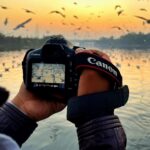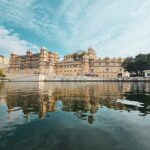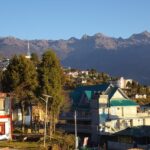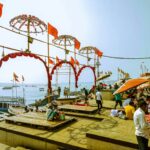
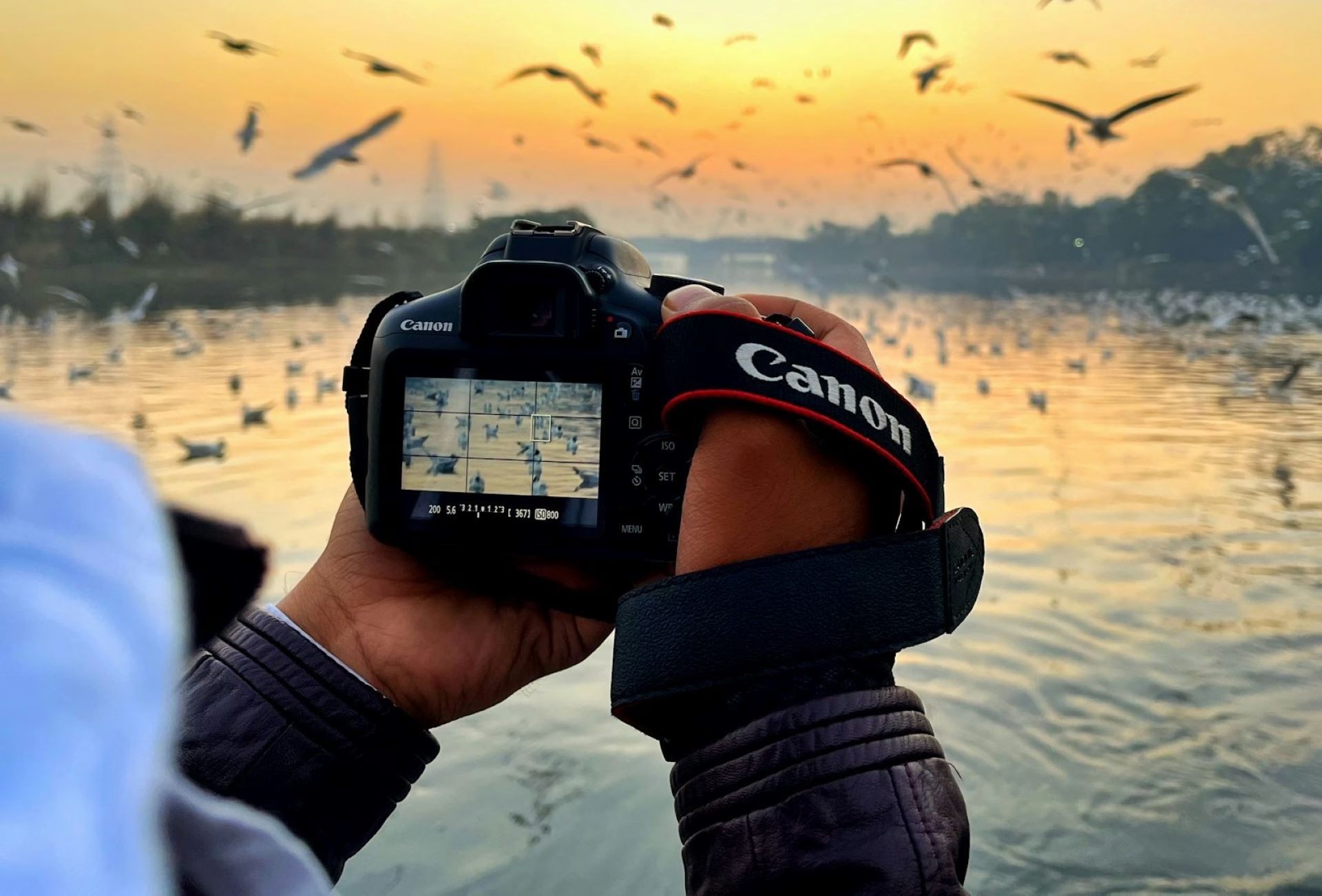
India offers a wide range of photography opportunities across land, wildlife, and daily life. Wildlife safaris, Himalayan ranges, temples, markets, deserts, and beaches sit within one country. Photographers can record rare animals, shifting light, cultural festivals, and everyday scenes. Each setting holds its own pace and rhythm, which shapes the final image.
The best photography destinations are not only visually striking. They are places where light, movement, wildlife, and human activity come together in clear patterns. These patterns help build strong visual stories that feel grounded in place.
Some places suit wildlife work, while others suit landscapes, architecture, or street scenes. Each location asks for a different approach and time of day. Knowing where to go helps photographers return with images that hold meaning and context.
Best Wildlife Photography Destinations in India
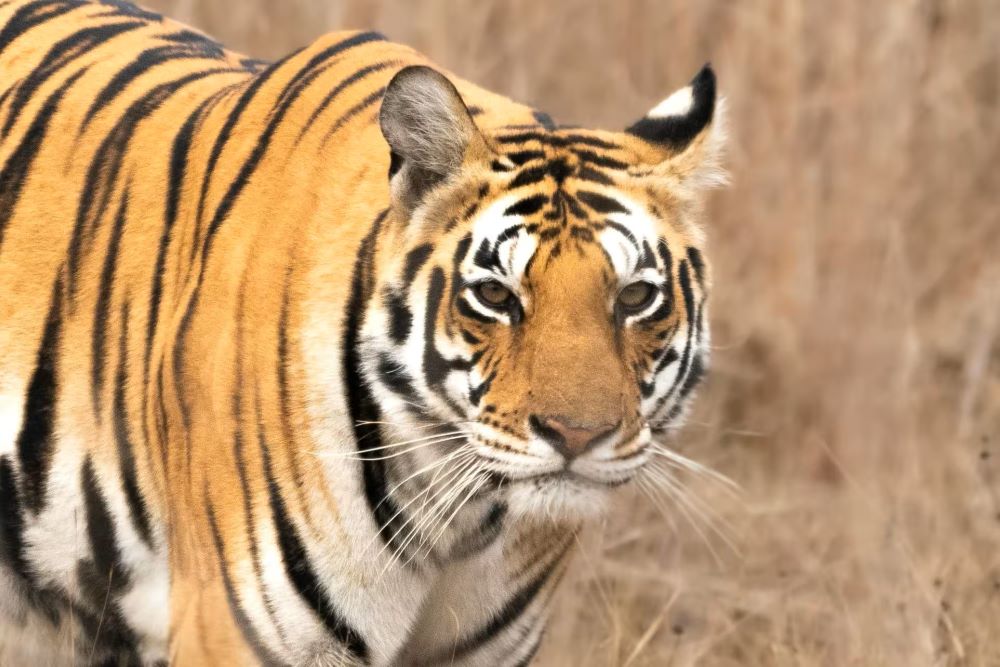
India supports a wide range of large mammals, birds, and rare predators in natural habitats. Many national parks draw photographers because animal movement can be tracked with some consistency. Forest guards and guides often read signs on the ground and follow known routes.
Some parks stand out due to open terrain, high animal numbers, and structured safari systems. These conditions allow clearer sight lines and longer observation periods.
Top wildlife photography locations include:
- Bandhavgarh National Park (Madhya Pradesh) : Known for one of the highest densities of Bengal Tigers. The forest terrain is relatively open, which increases chances of clear sightings.
- Kanha National Park (Madhya Pradesh) : Large meadows and sal forests make it excellent for photographing Barasingha (Swamp Deer), leopards, and wild dogs.
- Ranthambore National Park (Rajasthan) : Famous for tigers around ancient ruins and lakes, creating dramatic compositions rarely seen elsewhere.
- Kaziranga National Park (Assam) : The best place in India to photograph Indian One-Horned Rhinoceros. Also home to wild water buffalo and swamp deer.
- Gir National Park (Gujarat) : The only wild habitat of the Asiatic Lion, which often moves along forest roads during early morning safaris.
Wildlife photography depends heavily on patience and animal behavior. For example, tigers often patrol territory along forest tracks at dawn, while rhinos in Kaziranga prefer grazing near wetlands during early morning light.
Himalayan Landscapes for Dramatic Mountain Photography
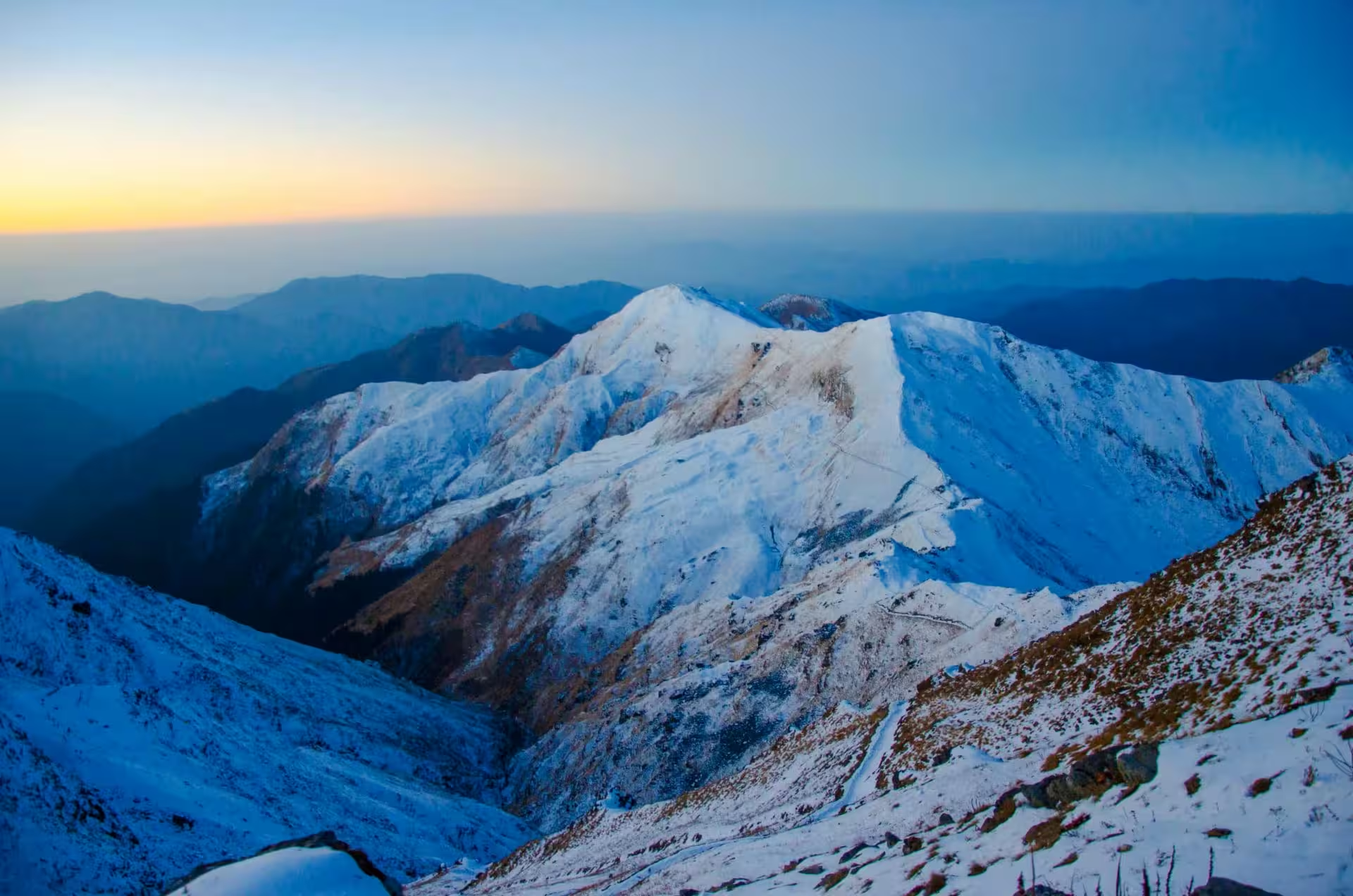
The Himalayas stretch across northern India and hold varied terrain. Snow peaks, monasteries, rivers, and small villages sit at different elevations. Each level changes the way light falls on the land.
Photographers value these areas because light shifts quickly with altitude and weather. Clouds move fast, and shadows change within minutes. This constant change shapes the final image.
Popular Himalayan photography destinations:
- Ladakh (Union Territory) : High altitude deserts, monasteries, and long mountain roads define the region. Pangong Lake and Nubra Valley offer wide views and still water surfaces.
- Spiti Valley (Himachal Pradesh) : A cold desert where ancient monasteries stand above dry valleys. Clear night skies allow star photography in quiet conditions.
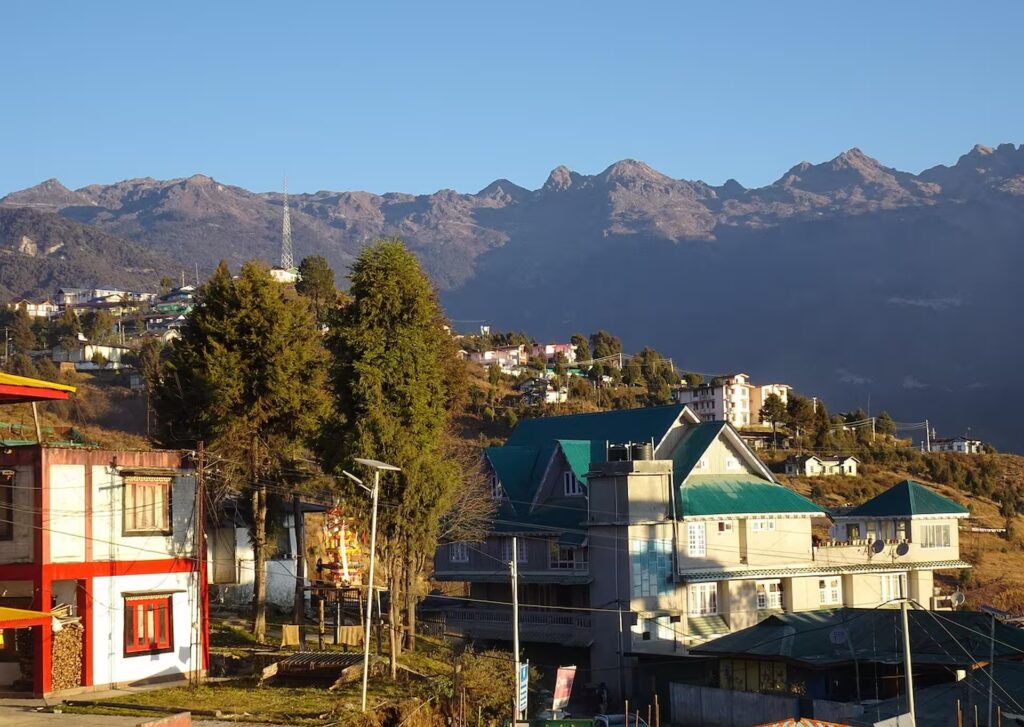
- Tawang (Arunachal Pradesh) : Known for monasteries and high passes that remain covered in snow for long periods. Roads wind through ridges and valleys.
- Valley of Flowers (Uttarakhand) : During monsoon months, alpine meadows fill with many wildflower species. The ground shifts from rock to color within a short span.
Early morning and sunset shape most mountain images. Low light angles create texture on slopes and bring depth to snow and rock.
Desert Photography in Rajasthan
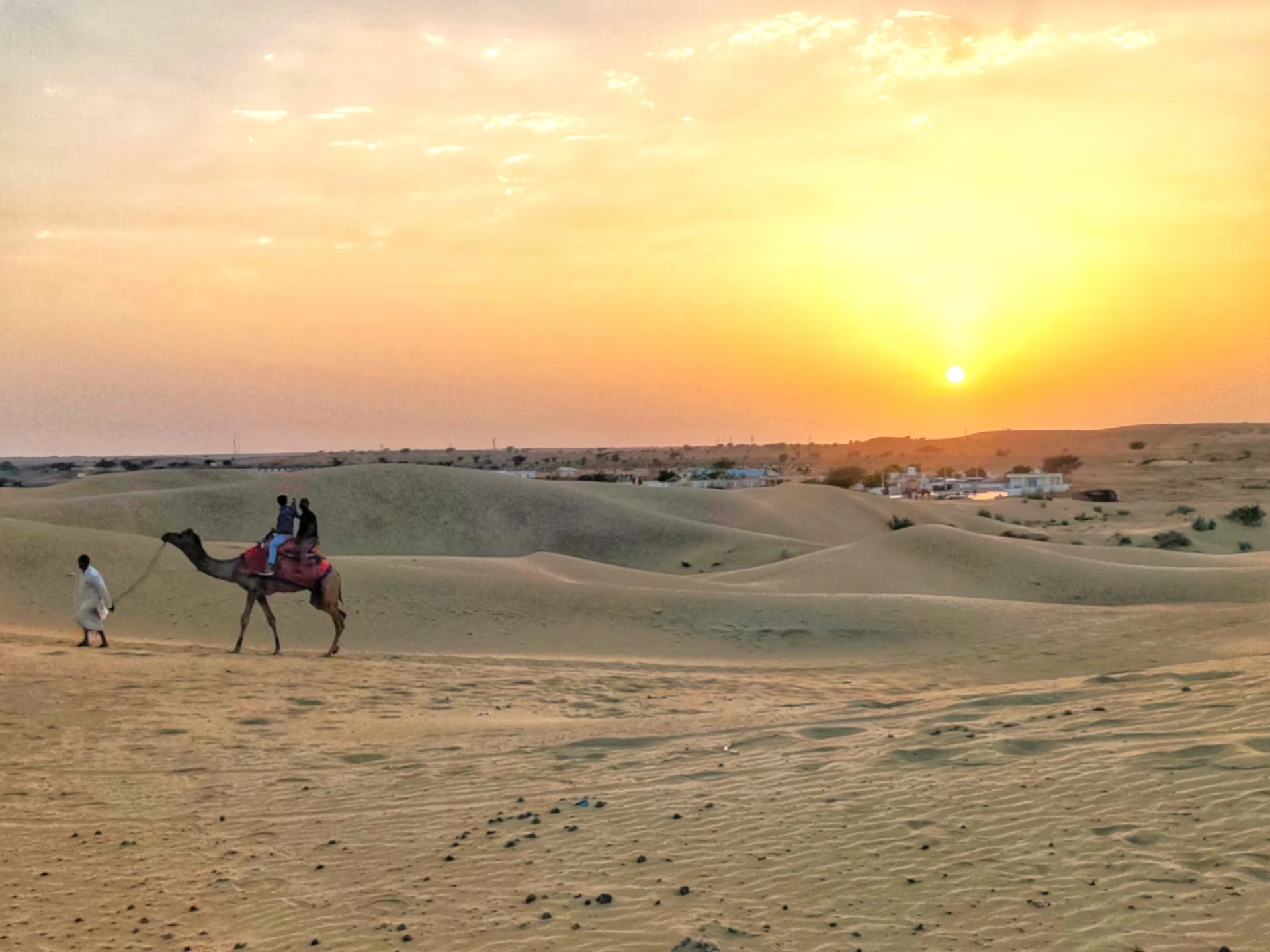
The Thar Desert shows a different pattern of land and movement. Sand dunes shift with wind, and light moves across the surface through the day. Villages and forts rise from dry ground, which creates strong contrast.
Sand, animals, and human activity form clear lines and shapes. These elements help build simple and direct compositions.
Top desert photography locations include:
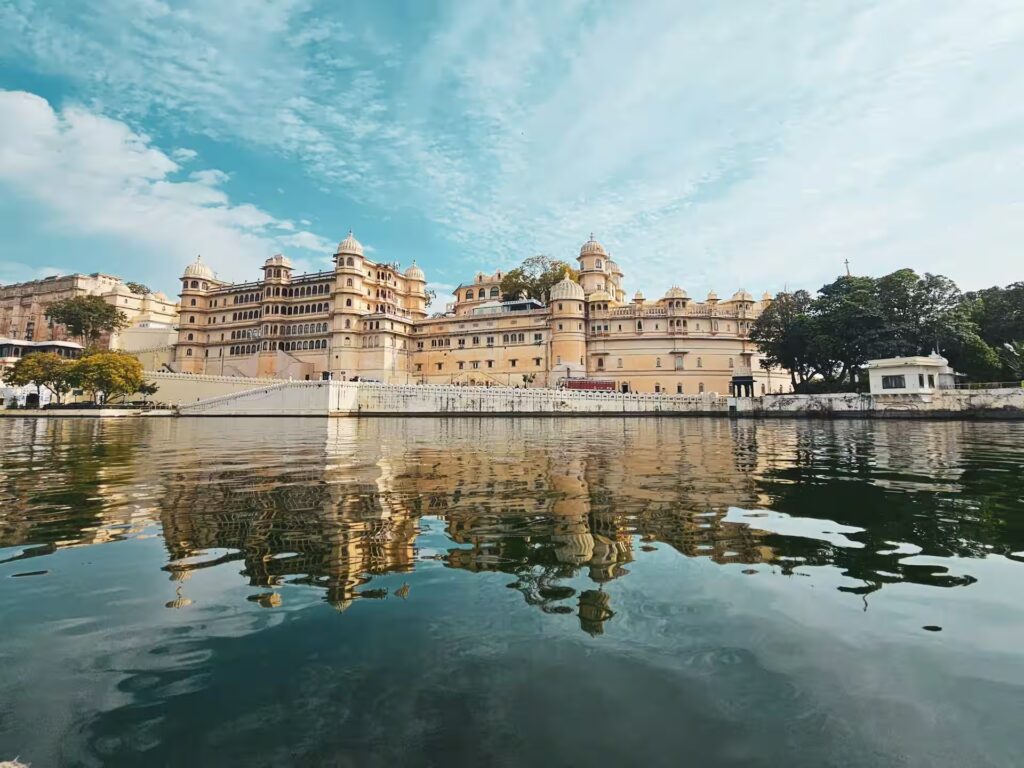
- Jaisalmer : The Jaisalmer sandstone walls of Jaisalmer Fort reflect warm light at sunset. The color deepens as the sun lowers.
- Sam Sand Dunes : These dunes show wind patterns across the sand surface. Camel silhouettes appear against the sky during low light.
- Bikaner : Bikaner Old havelis, camel farms, and local markets sit within a dry setting. Movement remains steady through the day.
Desert photography works best at sunrise and sunset. Long shadows reveal the shape of dunes and the flow of sand.
Best Cities in India for Street Photography
Indian cities hold dense human movement and daily routines. Markets, temples, transport, and homes all sit close together. This density creates layered scenes with many points of focus.
Street photographers watch expressions, gestures, and small actions. They also follow patterns such as morning routines and evening gatherings.
Some cities stand out for this work.
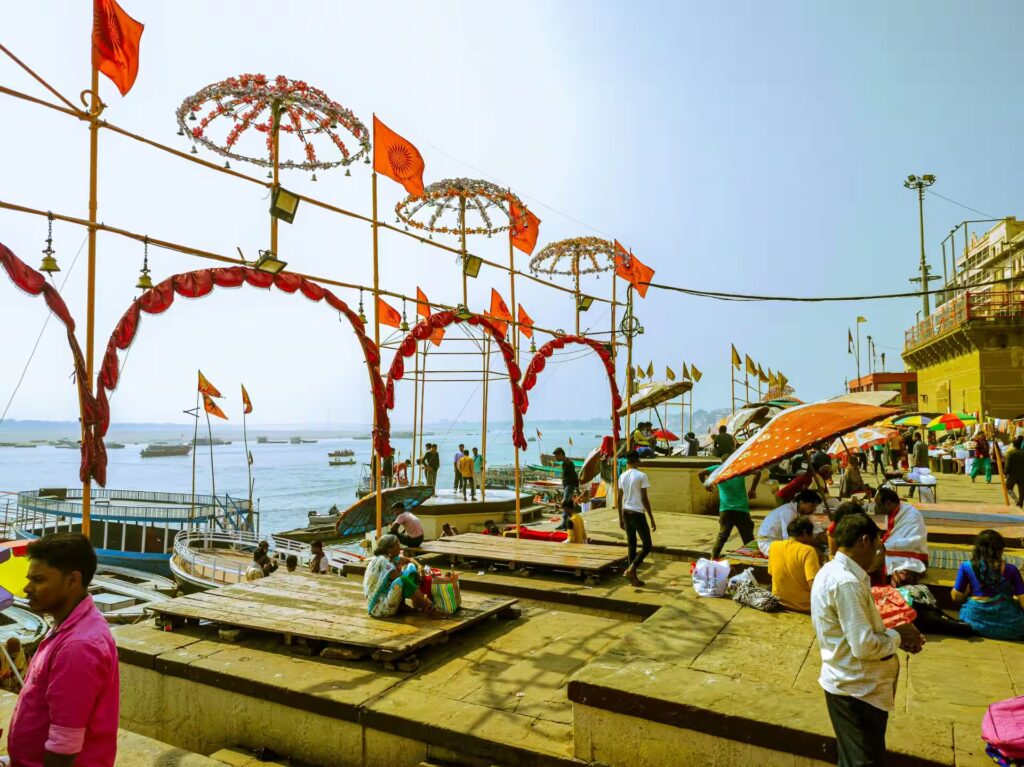
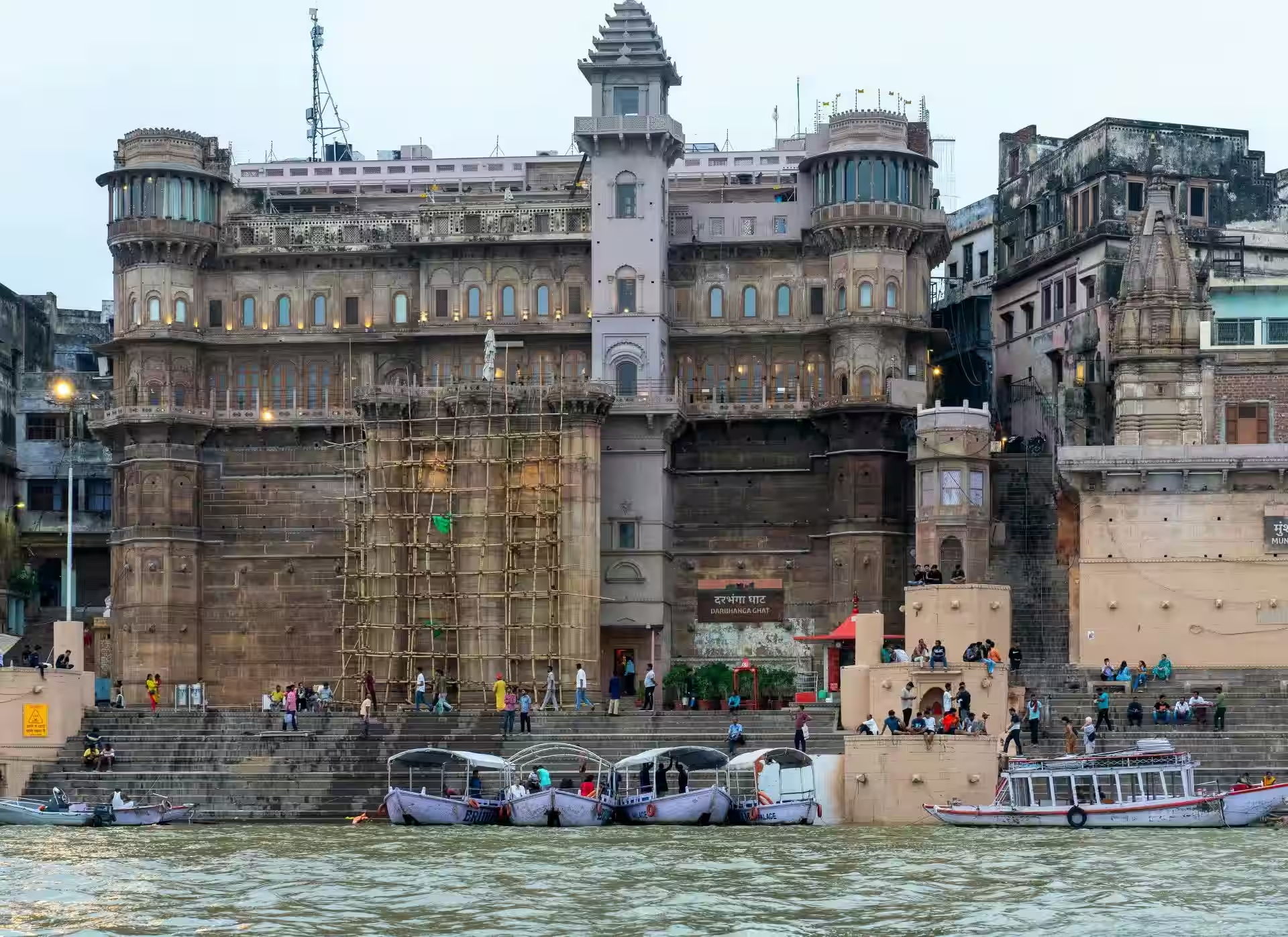
- Varanasi (Uttar Pradesh) draws constant attention from photographers. Along the Ganges ghats Varanasi , people gather for morning rituals, boat rides, and evening prayers.
- Kolkata (West Bengal) shows colonial buildings, tram lines, and active street markets. Human interaction remains central to most frames.
- Old Delhi holds narrow lanes, spice shops, rickshaws, and mosques. Movement stays tight and continuous within these spaces.
Street photography needs respect and awareness. Religious spaces require care, and some moments should not be photographed.
Coastal Photography Locations with Unique Light
India has a long coastline that runs over 7,500 km. Fishing villages, cliffs, beaches, and coastal temples line this stretch. Water changes how light behaves across the scene.
Reflections form on wet sand, and clouds often gather near the horizon. These elements help shape calm and balanced frames.
Some standout coastal locations include:
- Varkala (Kerala) : Cliffs rise above the Arabian Sea and provide elevated viewpoints. Sunset light spreads across water and rock.
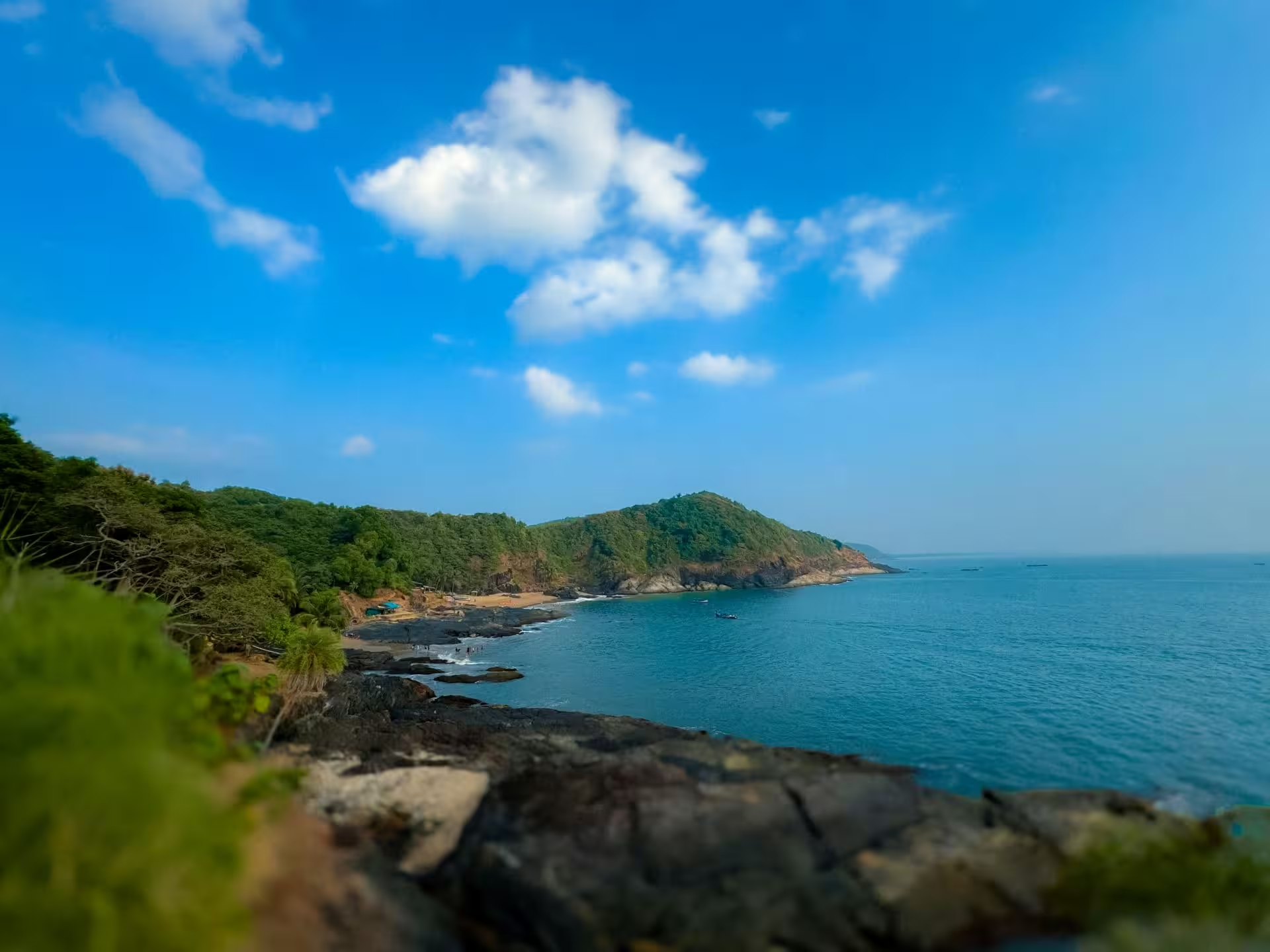
- Gokarna (Karnataka) : Quiet beaches hold fishing boats and small temples near the shore. Activity begins early and slows by evening.
- Rameswaram (Tamil Nadu) : Long sea bridges and temple corridors create strong lines. The sea remains close to most viewpoints.
Fishing activity adds movement to coastal scenes. Fishermen push boats into the water before sunrise, so early hours offer the best chance to capture this work.
Photography Destinations Compared
Different destinations match different styles of photography. Each place holds its own subjects and conditions. The table below helps photographers choose based on interest.
| Photography Style | Best Destination | Key Subjects |
|---|---|---|
| Wildlife | Bandhavgarh National Park | Tigers, deer, forest predators |
| Landscape | Ladakh | High-altitude mountains and lakes |
| Desert | Jaisalmer | Sand dunes and camel caravans |
| Street | Varanasi | Religious rituals and ghats |
| Coastal | Varkala | Cliffs, beaches, fishing boats |
Each location offers a completely different visual environment, so many photographers plan multi-region trips across India.
Practical Photography Travel Tips in India
Planning photography travel in India requires attention to permits, timing, and local conditions. Small details often shape the outcome of a trip.
Some practical tips can help improve results.
- Wildlife safari permits often cost around INR 1,500 to 3,500 per jeep. Prices vary by park and zone.
- Carry extra batteries and memory cards, especially in remote areas like Ladakh or Spiti. Power supply may remain limited for long periods.
- Early morning light, around 6 to 8 AM, works best for wildlife and landscape photography.
- Respect temple and religious rules. Some places do not allow cameras inside.
- Use local guides in wildlife parks. They read tracks and understand animal movement patterns.
Travel distances can take longer than expected. Even within one state, reaching remote areas may take 4 to 8 hours by road.
This helps set a realistic plan for each day. In India, strong images often come from patience, early starts, and time spent watching the land and its movement.